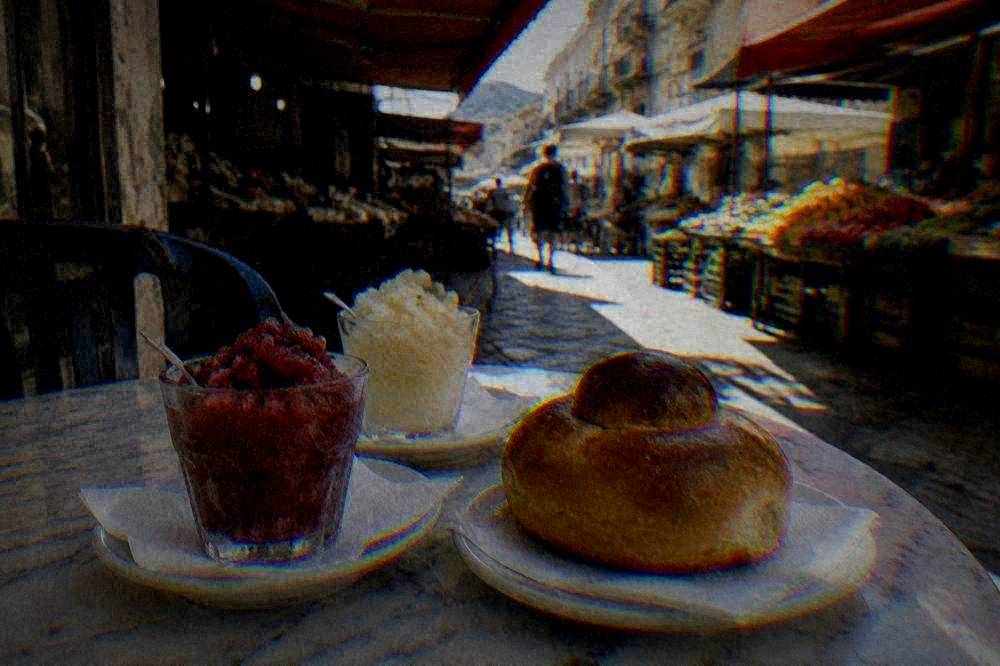
Palermo Food Tour
A Palermo food tour usually means one of two things: a guided walk through the historic markets with tastings, or a self-guided eating route across Ballarò, Capo and the old centre. This guide sets out what each involves, which dishes define the city, and how to fit a food day into a wider Sicily itinerary.
Short answer
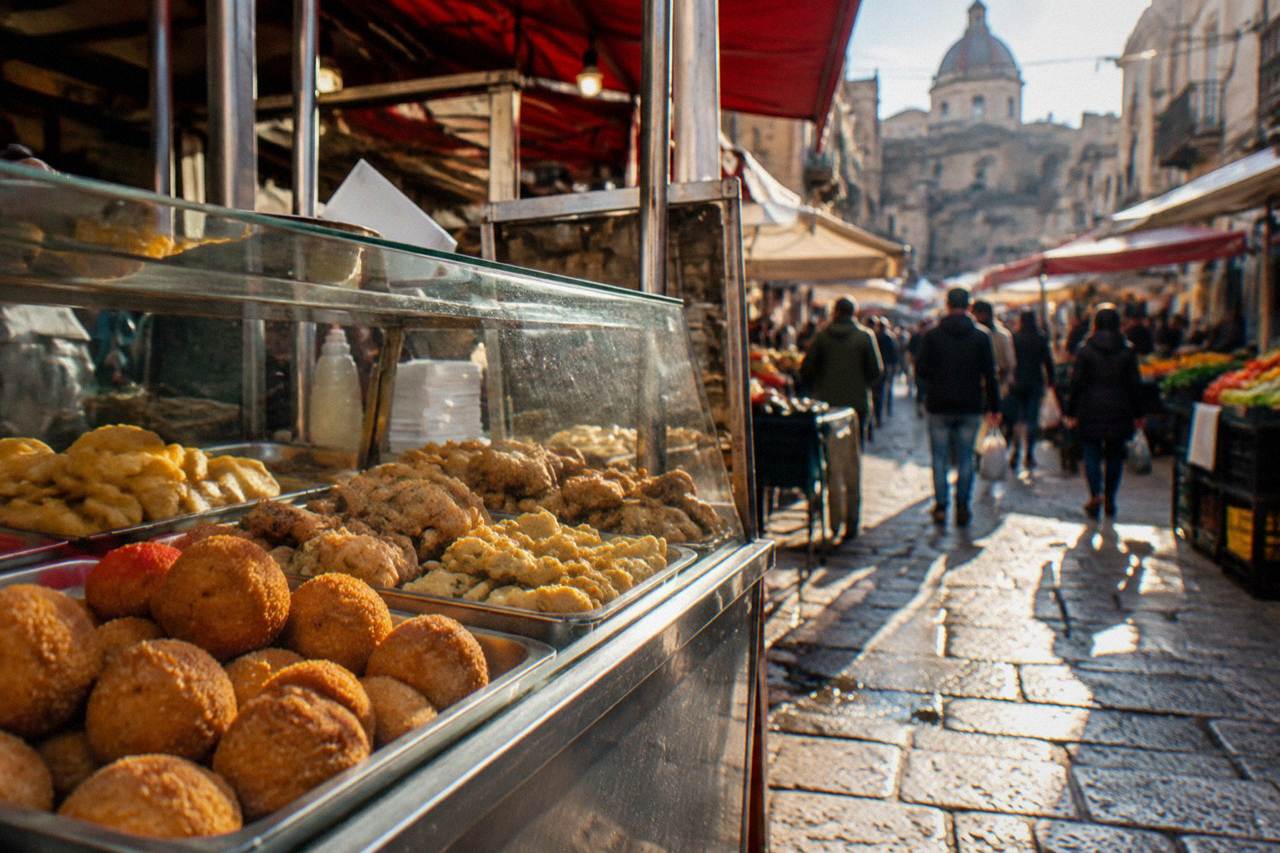
A Palermo food tour is a walking route or guided tasting walk through the city's historic markets and old centre, built around dishes such as arancina, panelle, sfincione and cannoli. The municipal tourism pages describe Ballarò, Capo and Vucciria as the main historic markets, and guided walks and cooking classes cover them with tastings included.
A food tour is the fastest way to understand Palermo, the coastal capital of Sicily on the Tyrrhenian Sea, because the city's history sits in its frying pans as much as in its churches. The municipal tourism pages name Ballarò, Capo and Vucciria as the main historic markets, and the dishes sold in and around them, from chickpea fritters to rice croquettes, carry the Arab and Norman layers of the old centre. This guide explains what a food tour here covers, which foods define the city, and how to choose between a guided walk, a cooking class and an independent eating route. For the deeper background on individual dishes, see the companion page on Palermo street food.
What Is A Palermo Food Tour And What Does One Cover?
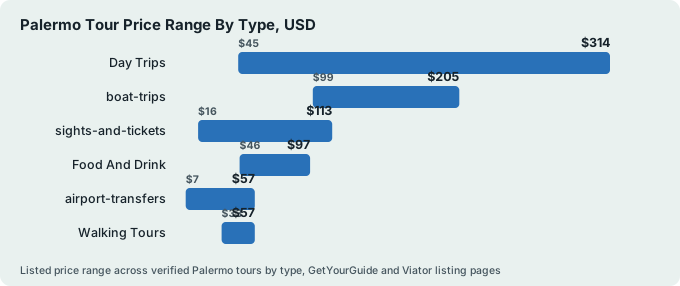
A Palermo food tour is a walking route, guided or independent, through the historic markets and the streets between them, built around tastings of the city's fried, baked and chilled street foods. The municipal tourism page describes Ballarò as a market of Arab origin, free to enter, roughly Monday to Saturday 7:30 to 20:00 with Sunday mornings, and names Capo and Vucciria alongside it, so the geography of a food day is essentially the geography of the old centre.
The format varies. A guided tasting walk moves from stall to stall with a local guide, sampling as it goes, and ties each dish to the quarter it comes from. An independent route does the same at your own pace, using the market hours as the framework. A cooking class begins in a market, buys ingredients there, and ends at a table with the dishes you have made yourself. The Palermo cooking class guide covers that third format in detail.
What all three share is the market anchor. Ballarò sits in the Albergheria side of the old centre, Capo runs toward the cathedral, and Vucciria, closest to the port side, turns from a daytime market into an evening street scene. The Quattro Canti, the crossroads that divides the old centre into its four quarters, stands between them, so a food walk and a sightseeing walk in Palermo tend to be the same walk.
There is a rhythm to the day that repeats across every format. The markets open early, the fryers are at their best through the morning, the bakeries hold their sfincione into the afternoon, and the pastry shops fill cannoli to order at any hour. A food tour is therefore less a single event than a sequence, and the city serves each course in its own time slot. Visitors who arrive with a fixed lunch-and-dinner restaurant mindset sometimes miss this: the strongest food experiences in Palermo happen between breakfast and mid-afternoon, while dinner belongs to the restaurants covered separately in the Palermo restaurants guide.
Which Foods Should A Palermo Food Tour Include?
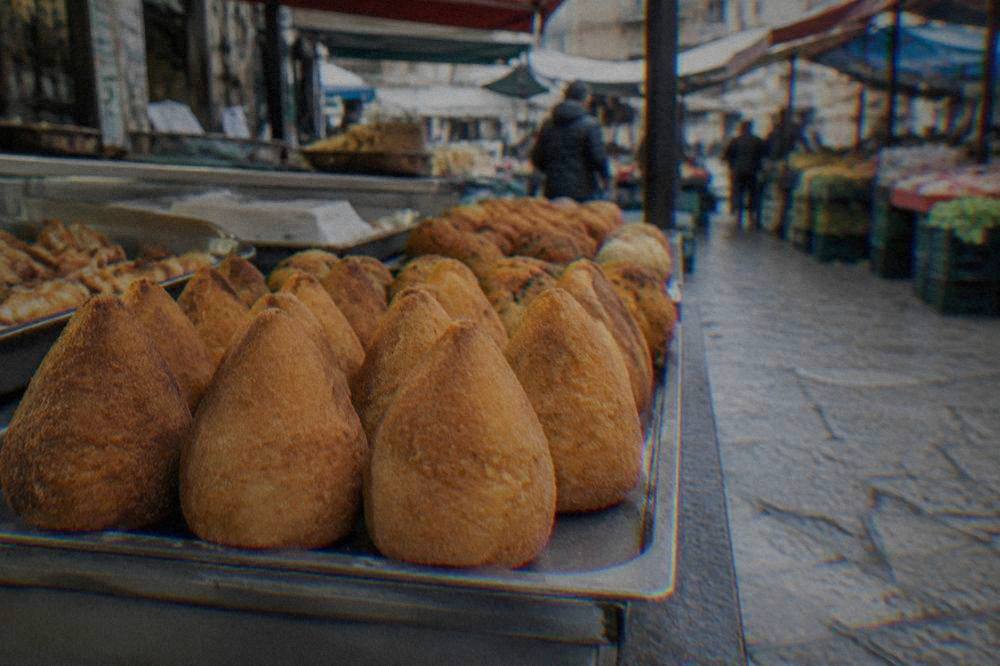
A complete Palermo food tour should include arancina, panelle, sfincione, crocche and cannoli, with pane con la milza as the dividing line for adventurous eaters. The Accademia della Crusca accepts both arancina and arancino, and notes that Palermo and western Sicily say arancina, typically round, while Catania and the east say arancino, so the word itself marks which coast you are on.
Arancina is a fried rice croquette, usually filled with meat ragu and cheese or with butter and ham, and it is the single dish every food route in the city crosses. Panelle are chickpea-flour fritters, served in a soft roll, and together with crocche, potato croquettes, they form the pane e paneli combination that the municipal pages and market listings treat as the everyday Palermo lunch. Sfincione is a thick, sponged pizza-like bake topped with onion, anchovy and caciocavallo, sold by the slice from vans and counters.
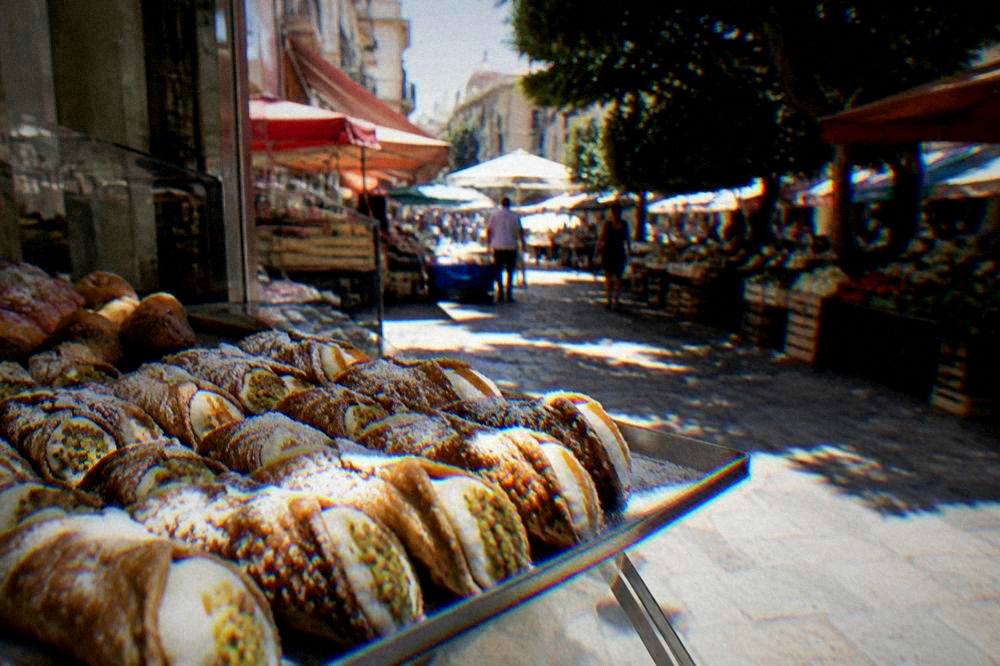
The sweet side of the city runs through cannoli, filled to order so the shell stays crisp, and through the richer end of the Sicilian dessert tradition covered separately in the guide to Palermo Sicilian desserts. The details of the savoury classics, including the debated panelle-and-sfincione pairings, are set out in the sfincione and panelle guide, and the rice croquette in all its forms has its own page in the Palermo arancine guide.
Pane con la milza deserves its own sentence for the uninitiated. It is a sandwich of breaded veal spleen and lung, softened with ricotta or lemon, sold from a handful of dedicated old-centre fryers, and it divides food tours into those who try it and those who watch. Nobody is obliged to order it, but a food tour that skips it skips a piece of the story.
| Dish | What It Is | Where A Food Tour Meets It |
|---|---|---|
| Arancina | Fried round rice croquette, ragu or butter filling | Ballarò and Capo fryers, old-centre counters |
| Panelle | Chickpea-flour fritters, often in a roll | Market fryers, lunch counters |
| Crocche | Potato croquettes | Same fryers as panelle |
| Sfincione | Thick sponge-dough slice with onion, anchovy, caciocavallo | Street vans and bakery counters |
| Cannolo | Crisp pastry tube, ricotta filled to order | Pastry shops and market stalls |
| Pane con la milza | Breaded spleen and lung sandwich | A few dedicated old-centre fryers |
Tip-based walks also run locally; confirm arrangements and expectations with the guide before setting out.
Ballarò, Capo Or Vucciria: Which Market Should A Food Tour Start From?
Ballarò is the market a food tour should start from, because the municipal tourism page describes it as the largest of the historic markets, of Arab origin, free to enter, roughly Monday to Saturday 7:30 to 20:00 with Sunday mornings, and its stalls stretch through the Albergheria quarter closest to the central station. Capo, running toward the cathedral, is the second choice, mornings only and closed Sunday, while Vucciria works best as an evening stop rather than a shopping market.
The reason is practical as much as culinary. Ballarò's long footprint means a walk through it passes fryers, fruit stalls, cheese counters and fish within a single stretch, so tastings can happen in sequence rather than across town. Capo adds the cathedral and the Teatro Massimo to the route, which suits a day that mixes food and sights. Vucciria's daytime market has shrunk, and its character now belongs to the evening, when the Palermo nightlife guide's territory begins.
Timing matters more than route. Markets run in the morning; Capo does not operate on Sundays at all, and Sunday hours at Ballarò are morning-only, so a Sunday food day leans on fixed shops and fryers rather than full market bustle. The wider picture of all three markets, including how they divide the week, is in the Palermo markets guide.
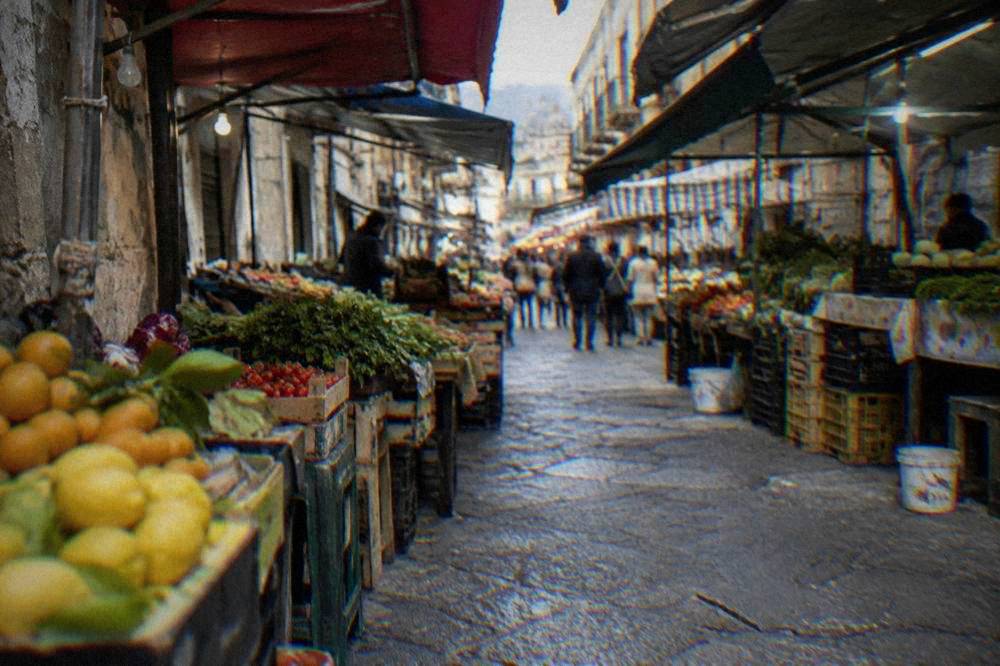
The order of a well-built day follows the sun. Start at Ballarò while the stalls are full and the fryers are turning out fresh batches, walk the lanes toward the cathedral as the morning warms, cross into Capo for a second round of tastings before it winds down at midday, and leave Vucciria for the evening, when the day market gives way to bar tables and street food carts. This sequence keeps every stop at its best and turns the whole route into a single arc across the old centre rather than a set of disconnected errands.
| Market | Rough Hours | Character | Best Role On A Food Day |
|---|---|---|---|
| Ballarò | Mon to Sat about 7:30 to 20:00, Sun mornings | Largest historic market, Arab origin | Main tasting route |
| Capo | Mornings, not Sunday | Runs toward the cathedral | Morning walk plus sights |
| Vucciria | Daytime market, evening street scene | Historic market turned nightlife spot | Evening close of the day |
A guided tasting walk through these lanes is the simplest way to cover them without route-planning, and the roster includes several food walks whose prices and ratings render on their own listing pages.
Guided Food Tour Or Independent Eating Route: How Do You Choose?
Choose a guided food tour when you want tastings, quantities and market navigation handled for you, and choose an independent route when you want to set your own pace and spend less, because the markets are free to enter and the dishes are sold openly at counters. A guided walk typically crosses the old centre with several tastings and a local guide, while a self-guided day needs nothing more than market hours, a list of dishes and comfortable shoes.
The trade-off is context. A guide explains what each dish is, which fryer specialises in it and how it fits the city's layered history, and a tasting budget paid up front removes the need to judge portions and prices stall by stall. Independent eating gives you the same stalls, but you order, pay and pace yourself, and the responsibility for finding the good fryer sits with you. Posted prices are the check to make either way: a counter that lists its prices openly is doing what Italian consumer rules require. The wider set of guides lives on Palermo Italy Travel Guide.
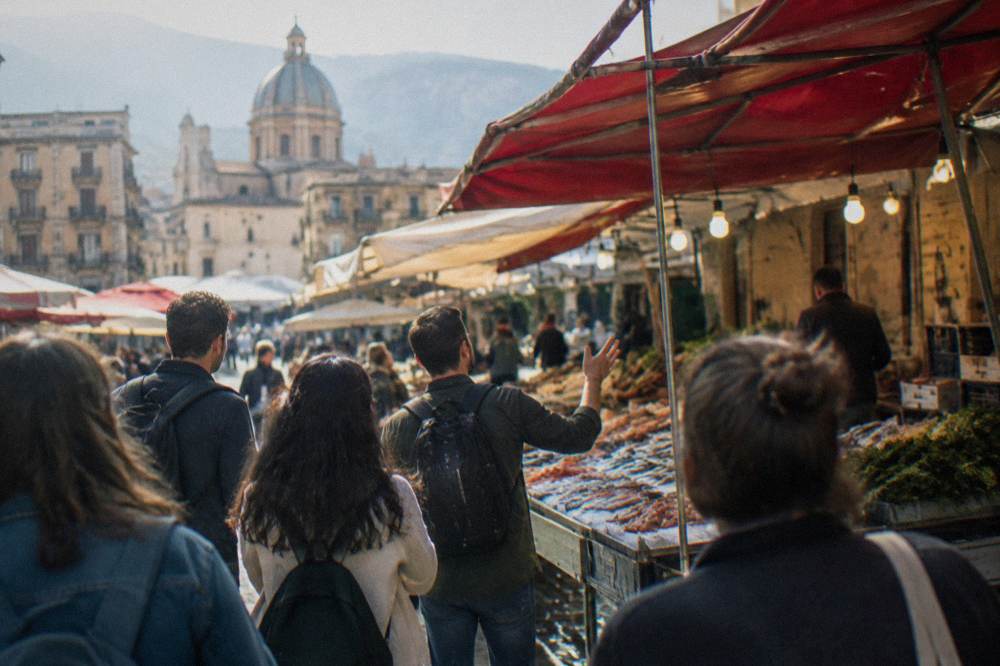
A middle path is the combined walk: several tours pair the city's UNESCO-listed sights with market tastings in one loop, which suits a first day in the city when you want orientation as well as lunch. That format is described alongside the sightseeing options in the Palermo walking tour guide.
Season and group size tilt the decision further. In the hot months, an early guided walk beats a long self-planned route, because the guide sets the pace and the shade stops. Travelling with children or with a group of friends, an independent route lets everyone eat at their own speed and stop when satisfied, while a booked walk keeps the group together and moving. Neither choice is wrong, and many visitors do a guided walk on the first day and then repeat the stalls they liked on their own for the rest of the stay.
| Format | What It Covers | Best For |
|---|---|---|
| Guided tasting walk | Markets plus tastings with a local guide | First visit, short stay |
| Independent market route | Same stalls, self-paced ordering | Longer stays, flexible budget |
| Cooking class | Market shopping then cooking and eating | Visitors who want to cook the dishes at home |
| Combined walk with sights | Food stops plus major monuments | A single day covering both |
What Should You Know About Drinks, Coperto And Tipping On A Food Day?
On a food day in Palermo, know three things: the coperto, a cover charge, is legal when printed on the menu; tipping is not obligatory anywhere in Italy; and the tap water is drinkable, because AMAP, the city's water utility, states that the water it distributes in Palermo is suitable for human consumption. None of these requires a number: no tipping percentage is published by any official source, and the coperto appears as a printed line on the bill.
The coperto is the item that catches visitors out at sit-down stops. It is a per-person charge, legal nationally when clearly listed in advance, and the check is simple: if it is on the menu, it is legitimate; if it appears on the bill unannounced, question it. At market counters and fryers there is no coperto at all, since you are buying food standing or walking rather than sitting at a table.
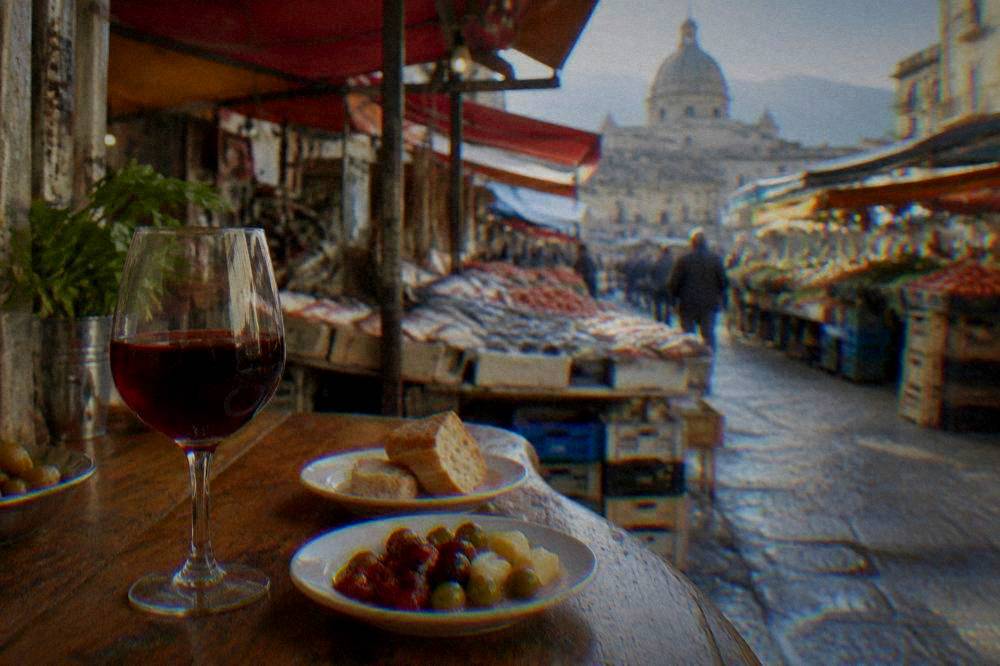
Drinks pair naturally with the food. Sicilian wine by the glass accompanies guided tastings on several walks, and a wine-tasting stop with local snacks is its own evening format, well suited to the hours after the markets close. Water from the tap is fine, which matters on a hot walking day: refill a bottle rather than buying plastic repeatedly, and check the climate guidance in the Palermo weather guide before choosing your walking months.
Coffee follows its own local clock and causes fewer surprises than visitors expect. Standing at the bar is the ordinary way to take an espresso in the morning, and the bar price and the table price for the same cup are different things, which is one more reason a food day built on counters and markets spends less than one built on seated cafes. Ask for the price before ordering if the board is unclear, and the whole question disappears.
How Does A Food Tour Fit Into A Longer Palermo Itinerary?
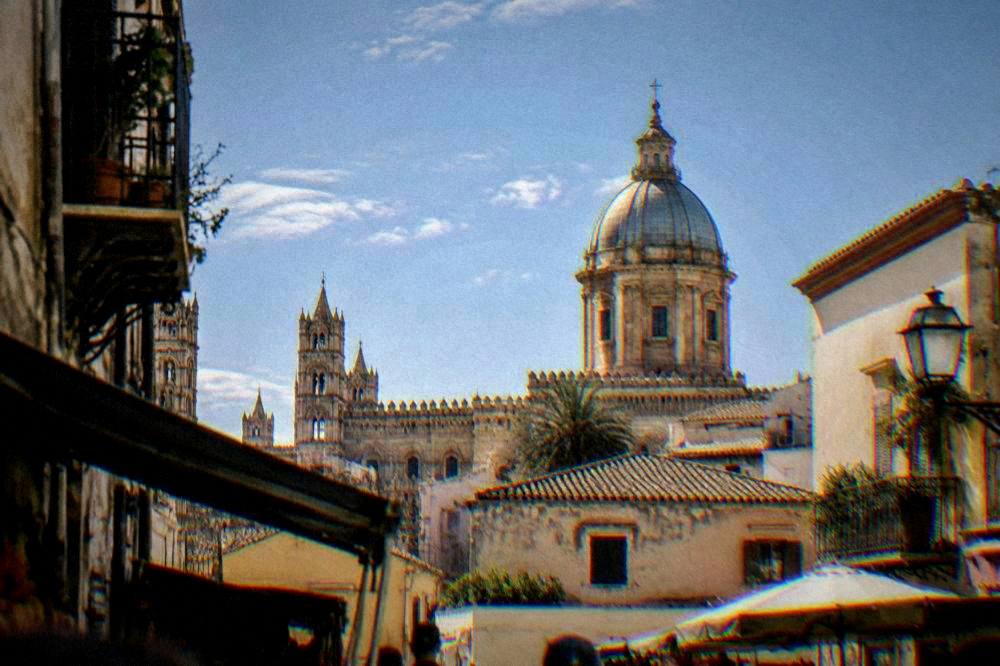
A food tour fits a longer Palermo itinerary best as the spine of day one or two, because the markets sit inside the same old centre as the cathedral, the Quattro Canti and the Palazzo dei Normanni, leaving full days free for Monreale, Cefalu and the western Sicily day trips. A two-night stay can hold one food day and one sightseeing day without overlap; a four or five night stay adds Segesta, Erice or Agrigento as full-day excursions from the same base.
The reason is geography. Ballarò, Capo and Vucciria are within walking distance of nearly everything in the historic centre, so a food morning merges into an afternoon at the cathedral or the Palatine Chapel without transport. The scheduling advice in how many days in Palermo and the ready-made plans in one day in Palermo and two days in Palermo already assume this overlap.
Day trips then extend the same theme. Agrigento's Valley of the Temples, a UNESCO site inscribed in 1997, pairs with the Roman villa at Piazza Armerina on a long combined excursion, and Segesta's temple and theatre, Erice's hilltop town and the Trapani salt pans form the classic western loop. The food connection continues at each stop, since the western towns keep their own versions of the same sweet and fried traditions.
For visitors whose whole trip is built around food, the sequence can run deeper still. A first day of guided tasting sets the vocabulary, a second day of independent market eating repeats the favourites, a cooking class converts the market basket into a meal you can reproduce at home, and a wine-tasting evening closes the arc. Stretch that across four or five nights and the city delivers a complete course, with the day trips as the dessert course at the end of the week. The longer plans in the three days in Palermo and four to five days in Palermo guides show exactly where each piece slots in.
Ready to cook the dishes yourself? Book a pizza and gelato cooking class here.
| Itinerary Length | Food Component | What The Other Days Hold |
|---|---|---|
| 1 night | Market morning plus old-centre loop | Cathedral, Quattro Canti, Palatine Chapel |
| 2 nights | Full food day, guided or independent | Monreale or Cefalu half-day trip |
| 3 nights | Food day plus a cooking class | Segesta or Agrigento full-day trip |
| 4 to 5 nights | All of the above at market pace | Etna and Taormina, or the western loop |
The Agrigento and Villa Romana combined excursion is one way to turn a food-focused stay into a wider Sicily trip.
What Practical Details Should You Sort Before A Food Tour In Palermo?
Sort five things before a food tour in Palermo: your arrival transfer, with the Prestia e Comande airport bus running every 30 minutes for about 50 minutes at 6 EUR one way online and 6.50 EUR onboard; your market day of the week, since Capo does not run on Sundays; comfortable footwear; your arrival timing at the airport, 2 hours before Schengen flights and 3 before non-Schengen; and the tourist tax, which applies for a maximum of 4 consecutive nights.
The airport bus is the standard arrival route into the city: the operator's published fare is 6 EUR one way bought online in advance, 10 EUR return, with onboard prices of 6.50 EUR and 11 EUR, and stops at Politeama, Via Roma and the Centrale station area, which places you within walking distance of the market quarters. The details are laid out in the Palermo airport to city centre guide, and the airport itself is covered in the Palermo airport guide.
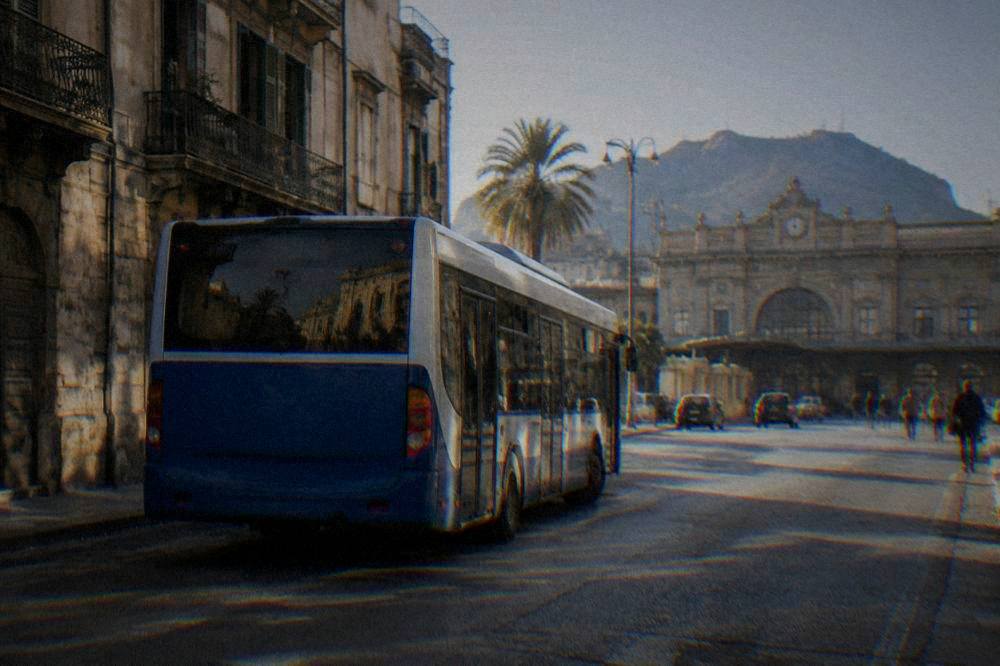
Getting around on the food day itself needs no ticket at all: the distances between the markets are short, and the getting around Palermo guide covers the AMAT bus and tram options, 1.40 EUR for a 90-minute ticket, for the stretches beyond the centre. Where you sleep matters too, and the where to stay in Palermo guide maps the quarters against market access. Visitors with concerns about the city's reputation will find the advisory-based picture in is Palermo safe, which reflects official travel advisories on ordinary urban precautions.
One last practical habit worth adopting: carry some cash in small notes for market counters, since not every fryer takes a card, and keep the day's route flexible enough that a closed stall or a long queue simply moves a tasting to the next stop. The markets reward loose plans and punish rigid ones, and the best food days in Palermo always leave room for the stall you did not plan to find.
The day-trip excursions below extend the same visit beyond the city.
Common Questions About Palermo Food Tours
Is A Palermo Food Tour Worth It?
A guided food tour is worth it if you want tastings, portions and market navigation handled for you, with a guide explaining each dish. The markets themselves are free to enter, so an independent route covers the same stalls for visitors who prefer to plan and order on their own.
What Food Is Palermo Famous For?
Palermo is famous for arancina, the round fried rice croquette, panelle, chickpea fritters, crocche, sfincione and cannoli. The Accademia della Crusca accepts both arancina and arancino, with Palermo using the feminine form. The full dish list is on the page answering what food Palermo is famous for.
Which Palermo Market Is Best For Food?
The municipal tourism page describes Ballarò as the largest historic market, of Arab origin, roughly Monday to Saturday 7:30 to 20:00 with Sunday mornings, which makes it the best single market for a food route. Capo runs mornings and not on Sundays, and Vucciria is now strongest in the evening.
How Long Does A Food Tour In Palermo Take?
Guided food walks in Palermo generally run around two to three hours, covering one or more markets with tastings; the exact duration of each bookable walk is shown on its own listing. An independent eating route takes a half day at market pace.
Can You Drink Tap Water In Palermo?
Yes. AMAP, the city's water utility, states that the water distributed in Palermo is suitable for human consumption, so a refillable bottle works on a market walking day.
Do You Need To Book A Palermo Food Tour In Advance?
Booking in advance is the safe choice for guided walks, since tasting groups are small and market days are fixed by the weekly schedule. Free-cancellation options are common on the operator's live listing, so an early booking costs little flexibility.
A food tour in Palermo is ultimately a walking history lesson with a fork in hand: the markets give the setting, the fryers give the substance, and the same streets hand you the cathedral, the Quattro Canti and the royal chapel between tastings. Plan around the market mornings, keep Sunday's reduced hours in mind, and the eating route of Sicily's capital will fold neatly into whatever wider itinerary the rest of the island demands.