Palermo Weather
Palermo sits on the north-west coast of Sicily, facing the Tyrrhenian Sea, and its weather follows a classic Mediterranean rhythm: long dry summers, mild wetter winters, and short shoulder seasons in between. This guide walks through what each part of the year actually feels like on the ground, how the coastal position shapes the climate, and how to plan around it.
Short answer
Palermo has a Mediterranean coastal climate with hot, dry summers and mild, wetter winters. The sea moderates extremes, spring and autumn are the comfortable middle seasons, and rain concentrates in the cooler months while summer stays largely dry.
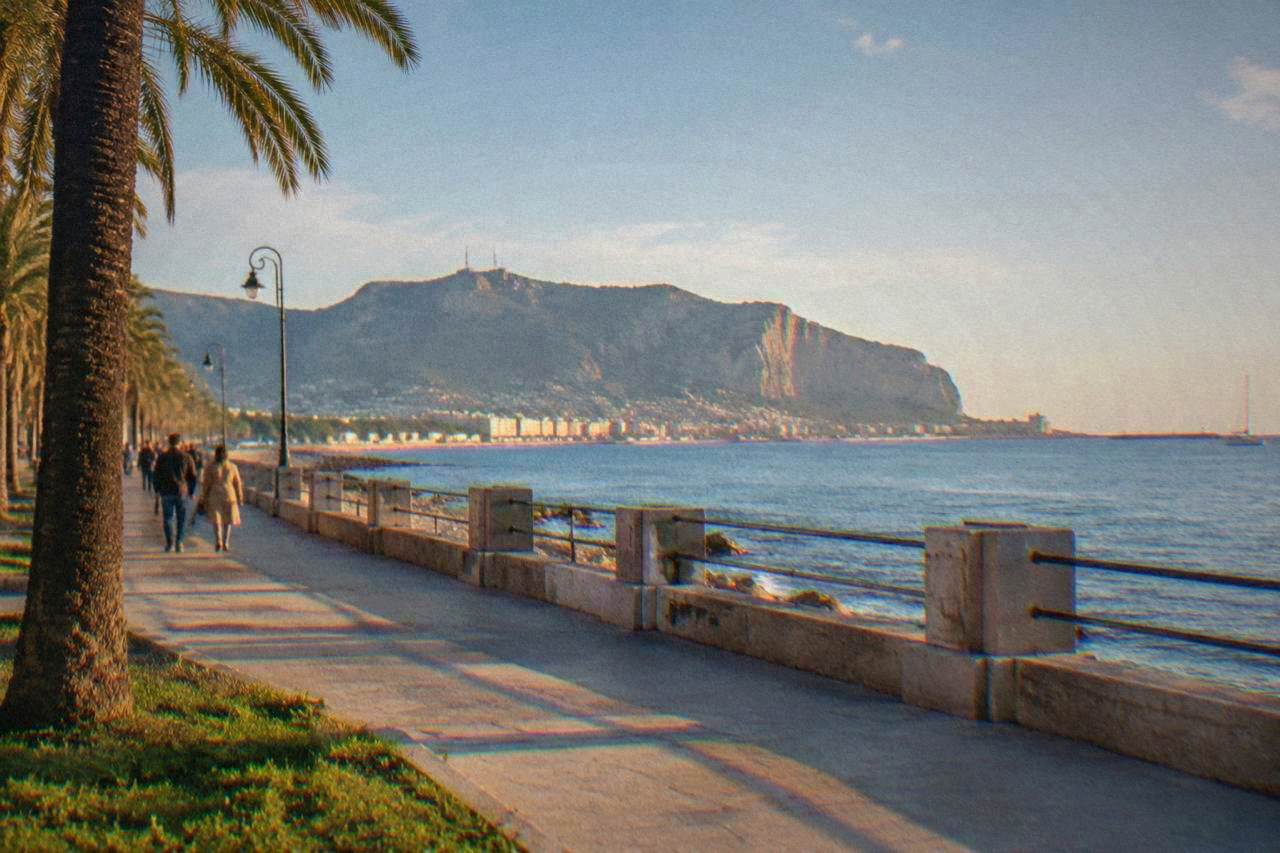
Palermo is the coastal capital of Sicily, on the north-west shore of the island where the city wraps around the Gulf of Palermo on the Tyrrhenian Sea, with Monte Pellegrino rising behind it and the beach district of Mondello a short ride up the coast. That geography does a lot of work. Open water on one side, a limestone mountain at the back and a wide island interior beyond: the result is a Mediterranean climate with hot, dry summers, mild and wetter winters, and two short shoulder seasons that many planners consider the sweet spots. This page from the Palermo Italy Travel Guide editorial desk walks through the year in Palermo, what each season means for sightseeing, beaches, markets and day trips, and how to build a plan that survives a change in the sky.
What Is The Weather Like In Palermo Through The Year?
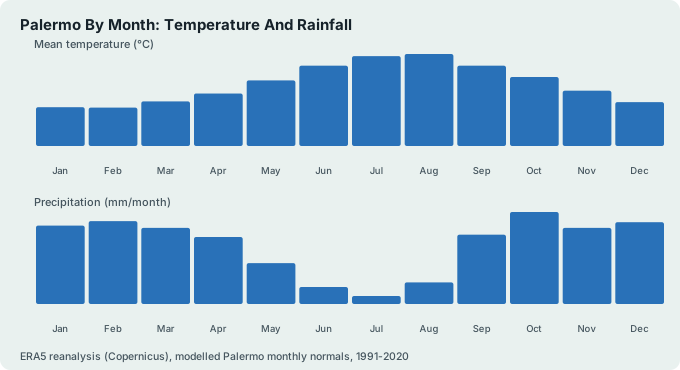
Palermo has a Mediterranean coastal climate: hot, dry summers, mild and wetter winters, and brief, pleasant shoulder seasons in spring and autumn. The Tyrrhenian Sea sits at the city's front door and keeps both extremes softer than in Sicily's inland towns, so winter days are rarely bitter and summer nights stay warmer than the interior. Rain falls mainly in the cooler months, and the summer is largely dry.
The rhythm of the year is reliable enough to plan around, even without a forecast. From late spring through early autumn the city runs on clear or lightly clouded skies, outdoor life moves to the streets and the seafront, and the historic markets spill across their squares until evening. In the cooler half of the year the pattern flips: sunny spells alternate with rainy front after rainy front sweeping in off the Tyrrhenian, and the city's indoor layers, the palaces, churches, theatres and museums, take over the itinerary. The sea is a constant presence in both halves. It warms through late spring, holds its warmth into autumn, and makes swimming realistic anywhere from about late spring through early autumn, as the municipal tourism pages themselves suggest when they promote Mondello's season.
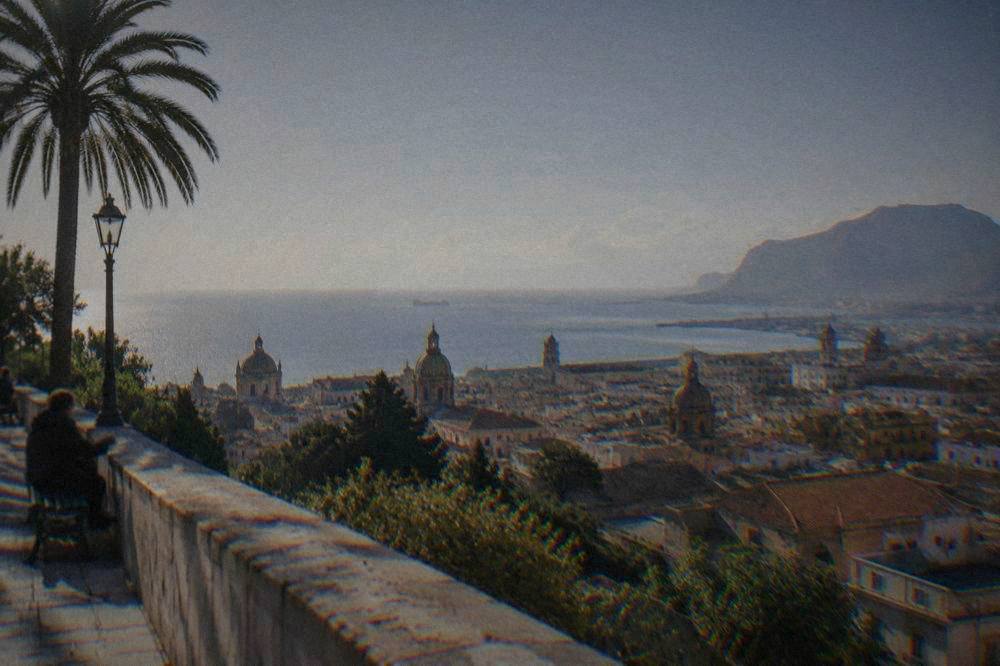
Two features distinguish Palermo from inland Sicily. First, the coastal position means the city rarely sits in the stagnant heat that can build over the island's interior in high summer: a breeze off the Gulf of Palermo is part of daily life along the seafront. Second, Monte Pellegrino and the hills behind the city can hold cloud and drizzle on days when the coast itself clears, so a grey view from a hillside viewpoint does not always mean a grey day at sea level. If you want a fuller discussion of when to time a trip, read the companion page on the best time to visit Palermo.
When Is The Best Time To Visit Palermo For Good Weather?
Late spring and early autumn are the comfortable windows: May and June, then September into early October, bring warm days, sea that has warmed up or is still warm, and far less of the intense midsummer heat. July and August suit travellers who want the full beach season and can pace themselves around the middle of the day, while April and late October trade a little warmth for thinner crowds and lower strain on the itinerary.
The logic is simple and it repeats every year. In late spring the sea off Mondello has had months of sun and is pleasant for swimming, the city's gardens are at their best, and the long daylight lets you combine a morning of sightseeing with an afternoon on the sand. By September the peak heat has passed, the sea is at its warmest after a whole summer of it, and the light over the Gulf softens into the long golden evenings the seafront is known for. These are also the months when a long day trip, to Segesta, to Erice, to Agrigento, is a pleasure rather than an endurance test, because you are walking ruined sites in kind air rather than in full glare.
Midsummer is a different proposition, and an honest plan respects it. July and August deliver the beach season at full volume: lidos and free stretches along the coast at their busiest, the Festino of Saint Rosalia filling the city each July from the 10th to the 15th, with the chariot procession on the 14th and the silver urn procession on the 15th. The trade-off is heat and crowds, and itineraries work best when the heavy walking happens early, the middle of the day goes to water or shade, and the evening goes back outside. Winter, covered below, is mild rather than cold, and it pairs well with the city's museums and the opera season, which opens on 22 November 2026 with Samson et Dalila.
For travellers matching a visit to daylight and pacing rather than beach days, the how many days in Palermo page sets out what fits in one, two, three and five days.
What Is Palermo Like In Summer, And How Do You Handle The Heat?
Summer in Palermo is hot, dry and built around the sea: days run long, rain is rare, and the city shifts its rhythm so that heavy activity happens in the morning and evening while the middle of the day belongs to shade, water and slow lunches. The coastal breeze off the Tyrrhenian keeps the city more bearable than the inland plain, but high summer asks for a plan, not heroics.
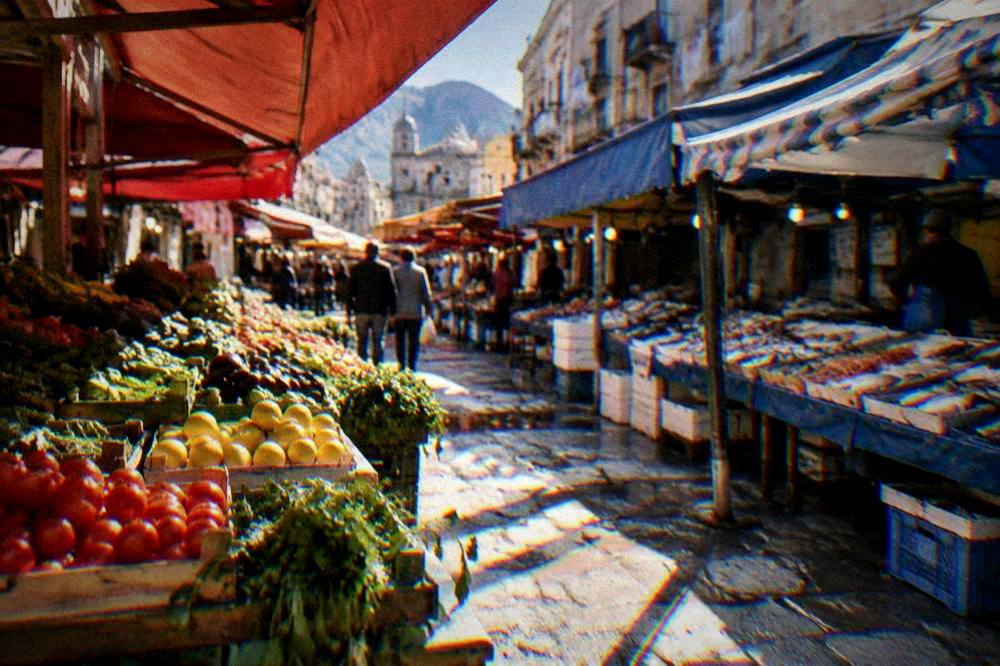
The working pattern is one locals and long-stay travellers converge on. Start early: the historic markets, Ballarò, Capo and Vucciria, are at their liveliest in the morning, and the municipal tourism page describes Ballarò as running roughly Monday to Saturday from about 7:30 to about 20:00 with Sunday mornings as well, so an early start puts you in the best of it. Do the outdoor monuments, the Quattro Canti, the Cathedral exterior, the climbs and viewpoints, before the sun is high. Then retreat: a long lunch, a museum with air conditioning, or the beach at Mondello, which sits about 27 minutes by road from the centre and is served by AMAT's summer line 806. Come back out in the evening, when the seafront and the old centre refill and the street food stalls take over.
Water is the other half of the strategy. Tap water in Palermo is suitable for drinking, AMAP, the municipal water company, states this directly, so refilling a bottle is normal practice and there is no need to buy plastic all day. Shade matters more than fabric weight: loose clothing, a hat and covered shoulders serve double duty at the churches, which ask for covered shoulders and knees as places of worship. And the sea itself is the best heat escape there is. Boat trips along the coast, snorkelling stops and cave visits run all summer, and a morning or afternoon on the water is the single most reliable way to spend the peak hours comfortably.
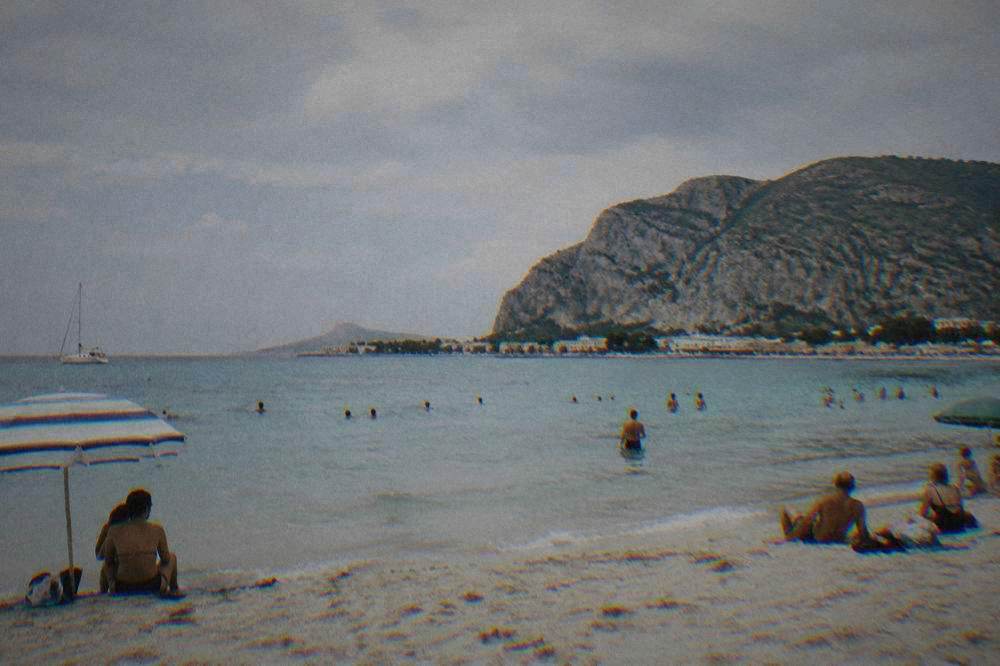
The table below is a practical heat-pacing guide rather than a schedule: it matches the parts of the day to the parts of Palermo that suit them.
| Part Of The Day | Conditions In High Summer | What Works Best |
|---|---|---|
| Early morning | Cool, bright, markets at full flow | Ballarò, Capo and Vucciria markets, outdoor squares, viewpoints |
| Late morning | Sun climbing, glare off pale stone | Indoor sights: Palazzo dei Normanni, Teatro Massimo tour, museums |
| Midday and early afternoon | Peak heat, little shade in open areas | Beach at Mondello, a boat trip, a long shaded lunch |
| Late afternoon | Heat easing, sea breeze along the front | Seafront walk, gardens such as Villa Giulia or the Botanical Garden |
| Evening | Warm, lively, streets refill | Street food, the old centre, nightlife around the Vucciria and the seafront |
Is Winter A Good Time To Visit Palermo?
Winter in Palermo is mild rather than cold, with sunny spells between rainy days, and it is a genuinely good season for the city's indoor riches: the palaces, the churches, the museums and the opera, plus the Christmas period and the season opening at Teatro Massimo on 22 November 2026. Rain is the main thing to plan around, not temperature, and a flexible itinerary absorbs it easily.
The city does not shut down in the cooler months, it changes register. The archaeological and art museums, the Palazzo Steri with its Inquisition prisons, the Marionette Museum with its puppet shows, the Salinas archaeological museum: all of these carry the itinerary on a grey afternoon, and a wet day in Palermo has more covered options than many Sicilian towns. The full picture is on the site's rainy day planning page. Many state and regional museums are free on the first Sunday of the month, which is worth checking per site when you build a winter week.
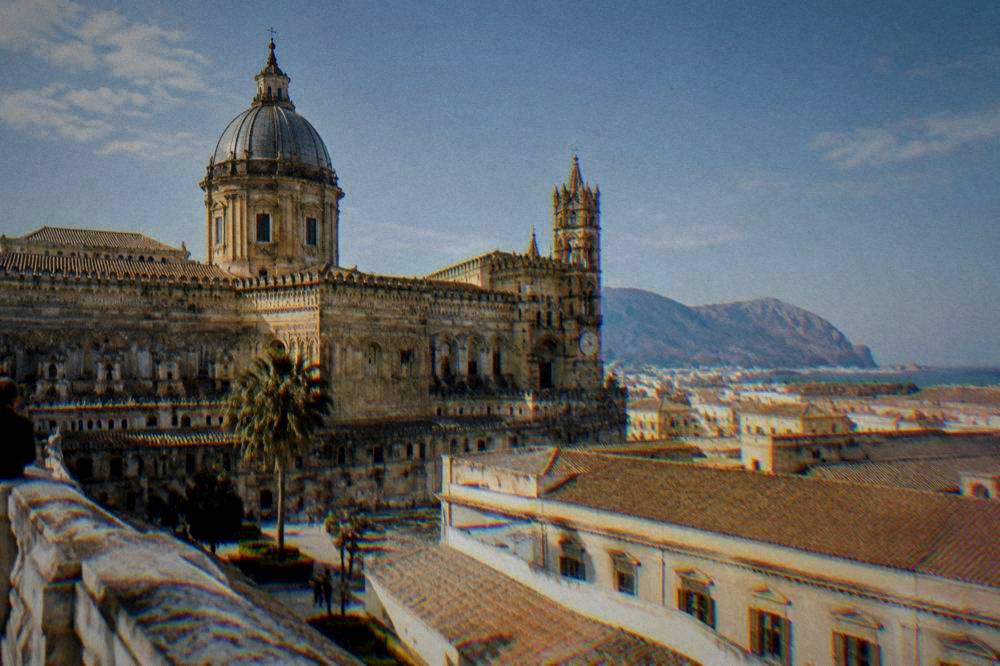
Winter light, on the clear days, is one of the season's quiet rewards. The Gulf of Palermo in low sun, the Cathedral's pale stone, empty-ish viewpoints at the Quattro Canti: December through February delivers these on repeat between the fronts. The sea is cool and the beach season is over, though the seafront itself remains one of the city's best walks in any weather. Practical notes are simple: pack layers and a rain shell, expect short daylight, and keep one indoor option in reserve each day. The dedicated winter in Palermo page expands on all of this.
How Much Rain Does Palermo Get, And When Does It Fall?
Rain in Palermo concentrates in the cooler half of the year, above all in the autumn and winter months, while the summer is largely dry and July is famously short of rain. The heaviest falls tend to arrive with Atlantic fronts sliding across the Tyrrhenian in autumn, and a single rainy spell can drop a lot of water in a short time, which is why the city's covered sights matter in the plan.
Qualitatively, the pattern is the standard Mediterranean one. Late September into October is when the first serious rain typically returns after the dry summer, and October and November are the months when an umbrella earns its place in the bag. Winter keeps the door open to wet spells through February, with March tapering and April to June drying out fast. Summer rain is the exception rather than the rule: weeks can pass in July and August with nothing but heat haze off the sea. When rain does come, it is often concentrated, a heavy morning that clears, rather than an all-day drizzle, and streets dry fast in the follow-on sun.
The planning consequence is a packing and scheduling one. In the cooler months, book the timed sights for the morning and keep museums flexible, check the forecast the evening before, and treat a wet forecast as a nudge toward Teatro Massimo's guided tours, the Catacombs or a long market lunch under the awnings. In summer the rain question barely registers, and the question becomes heat instead, which the section above already answers.
What Should You Pack For Palermo By Season?
Pack for sun and heat from late spring to early autumn, light layers and a rain shell for autumn and winter, and swimwear from about June into September. Covered shoulders and knees are needed for the churches in every season, comfortable walking shoes matter year-round on Palermo's stone streets, and the single most useful items in high summer are a hat, a refillable bottle and loose clothing.
The seasons demand different bags, and the table below keeps them straight.
| Season | Typical Feel | Core Packing | Extra Worth Having |
|---|---|---|---|
| Spring, March to May | Mild to warm, occasional rain early on | Layers, light jacket, comfortable shoes | Compact umbrella for March and April |
| Summer, June to August | Hot, dry, bright, breezy on the coast | Light clothing, hat, sunscreen, swimwear | Refillable water bottle, covered layers for churches |
| Autumn, September to November | Warm early, cooling and wetter later | Layers, light rain shell, swimwear in September | Umbrella from October, warmer evenings layer |
| Winter, December to February | Mild days, cool evenings, rainy spells | Sweaters, waterproof jacket, closed shoes | Indoor sightseeing list for wet afternoons |
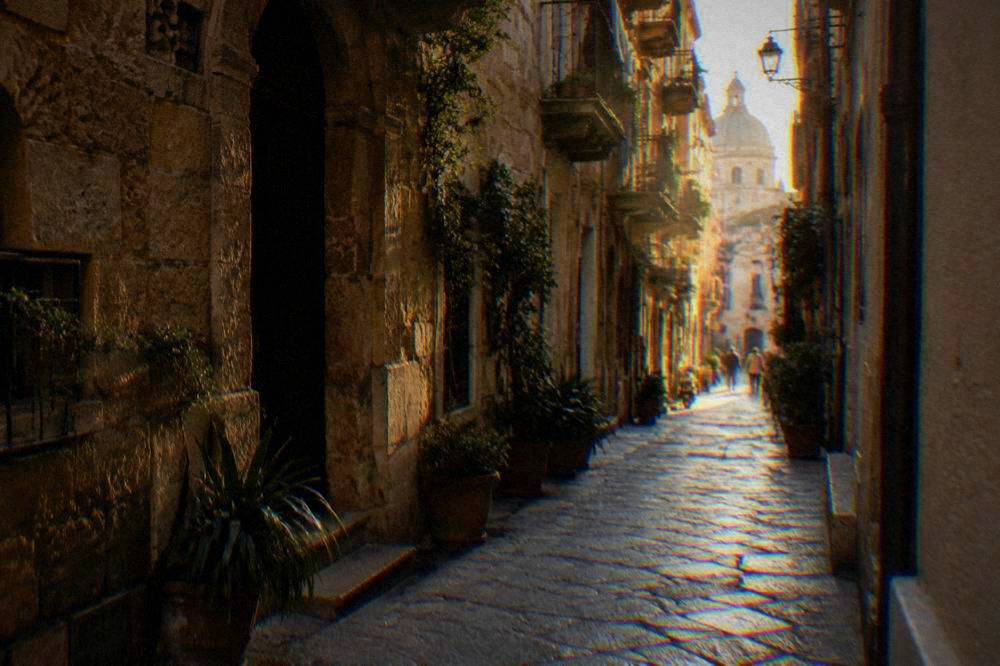
Two Palermo-specific notes refine it. First, the stone in the old centre holds and radiates heat, so in summer the difference between a shaded narrow street and an open square like Piazza Pretoria is significant: dress for the squares, not the alleys. Second, the dress code at churches is a real constraint, not a suggestion, so keep a light scarf or overshirt in the bag across all seasons, since the Cathedral, the Martorana and San Cataldo all ask for covered shoulders and knees. Shoes deserve their own line: Palermo rewards walking, from the Quattro Canti out to the markets and the seafront, and the paving is old, uneven and polished smooth in places.
Does Palermo Weather Affect Day Trips And Beach Plans?
Yes, and in predictable ways: the big archaeological day trips, Segesta, Agrigento, Erice, involve open ground and hilltop exposure, so in high summer they belong to early starts and in the cooler months they are the easiest days of all. Beach days at Mondello and the nearby coast run from late spring into autumn, and boat trips along the coast run the same window, with the sea state rather than the temperature deciding the day.
Distance is the other variable, and the road times below, measured free-flow from Quattro Canti, show how far each trip runs and therefore how much weather each one exposes you to.
| Day Trip | Distance By Road | Free-Flow Time From Quattro Canti |
|---|---|---|
| Monreale | 10.4 km | About 16 minutes |
| Mondello | 13.9 km | About 27 minutes |
| Segesta | 76.2 km | About 64 minutes |
| Cefalu | 71.5 km | About 65 minutes |
| Corleone | 55.9 km | About 65 minutes |
| Scopello | 76.1 km | About 77 minutes |
| Trapani | 105.9 km | About 87 minutes |
| Erice | 112.2 km | About 96 minutes |
| Agrigento, Valley of the Temples | 129 km | About 2 hours 16 minutes |
| Taormina | 261.2 km | About 3 hours 18 minutes |
| Mount Etna, Rifugio Sapienza | 230.8 km | About 3 hours 20 minutes |
| Syracuse | 257.6 km | About 3 hours 20 minutes |
Read that table with the seasons in mind. Segesta and Agrigento are open hillside sites with little shade: in July and August go at opening time, carry double the water you think you need, and treat midday as a museum or beach problem instead. Erice sits high and catches cloud even when Palermo is clear, and its cable car, at 9 EUR one way and 15 EUR return, does not run in strong wind, so a breezy forecast can scrub that plan, check the operator before you set out. The long eastern runs, Etna, Taormina, Syracuse, are three-and-a-half-hour drives each way, which makes them weather commitments as much as itineraries, and Etna adds its own rule: the cable car climbs from about 1,920 m to about 2,500 m, and above about 2,500 m a guide is required, with limits that follow current ordinances. That mountain makes its own weather, colder at the top than the coast by a wide margin, so pack a layer even in August.
Beach planning is simpler. Mondello, about 27 minutes from the centre and served by AMAT summer line 806, mixes free public stretches with paid lidos, and the swimming season realistically runs from late spring into autumn. No Palermo-area beach holds a 2026 Blue Flag, so ignore any claim to the contrary, and the Italo Belga area ran a low-cost 6 EUR access in the 2026 season, though its concession is in a legal dispute, so check locally before planning around it. The fuller picture is on the Palermo beaches page.
For a booked seat that removes the weather guesswork from the western loop, a guided excursion covering Segesta, Erice and the salt pans runs year-round in one itinerary: Check availability.
How Does The Sea Shape Palermo's Climate And Daily Life?
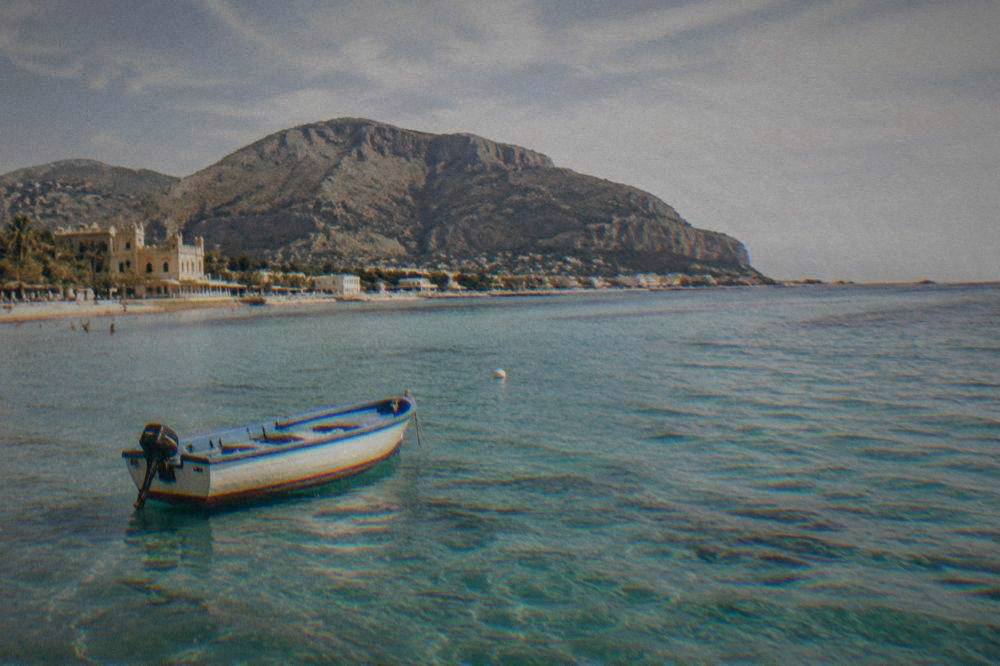
The Tyrrhenian Sea is the reason Palermo's summers feel less punishing and its winters less raw than Sicily's interior: water warms and cools slowly, so the sea buffers the city's temperature in both directions, feeds the daily breeze along the front, and sets the calendar of coastal life, from the beach season to the boats, the ferries and the fishing that still lands at La Cala.
The practical effects are everywhere once you look. The breeze off the Gulf is most reliable in the afternoon, which is one reason the seafront promenade and the Foro Italico fill at that hour: they are simply the most comfortable kilometres in the city. The same breeze makes boat trips pleasant even at the height of summer, and the coast's caves and coves, reachable on organised snorkelling and cave tours, are at their calmest and clearest in the settled weather of late summer. When the wind turns and blows from the south instead, the air can feel heavy and dusty off the African coast, a warm, dry sirocco spell that locals read as surely as a forecast; no temperature figure for it is printed here, but the feel of those days, still and dry, is unmistakable.
The sea also writes the schedule. Hydrofoils to Ustica run about an hour and a half with Liberty Lines, and rough-water days cancel them, so island plans need a fallback. Ferries to Naples, about 11 hours overnight with GNV, Grimaldi and Tirrenia all sailing the route, are weather-tolerant but not weather-proof in winter storms. And the port itself is now a major cruise call, with the terminals at the Stazione Marittima and Sammuzzo sitting about 15 to 20 minutes on foot from the Quattro Canti, so a ship day puts extra feet on the same streets whatever the sky is doing. On the water itself, the coast is best explored in the warm half of the year, and a boat tour with an aperitif, snorkelling and a cave visit is the classic way to do it.
How Do You Get Around Palermo When The Weather Turns?
Palermo is compact and walkable in every season, but when rain or heat arrives the plan shifts to the trams, buses and covered routes: AMAT runs four tram lines and a bus network on a single 1.40 EUR ticket valid 90 minutes, day and multi-day passes cut the cost of hopping, and the old centre's dense streets mean a museum, a market and a church are usually within a short covered dash of each other.
The fares reward a weather-driven style of travel, because hopping on and off is exactly what a mixed-sky day demands. The AMAT fares page lists the numbers directly, and the table below rounds them up.
| AMAT Ticket | Price | Validity |
|---|---|---|
| Single, bought in advance | 1.40 EUR | 90 minutes from validation |
| Single, bought onboard | 1.80 EUR | 90 minutes from validation |
| Day ticket | 3.50 EUR | Whole day until end of service |
| Two-day MultiDay | 6.00 EUR | Until end of service on the second day |
| Three-day MultiDay | 8.00 EUR | Until end of service on the third day |
| Seven-day MultiDay | 16.50 EUR | Until end of service on the seventh day |
Buy before boarding where you can, and validate at once: the 90-minute window starts at validation, and transfers within it are included, which is precisely what a rain-scattered itinerary needs. The suburban rail Passante adds a second layer, with Line A running from Palermo Centrale to the airport and a new Giachery to Politeama section planned to open from November 2026, and the four tram lines thread in from the periphery to the centre. There is no underground metro in Palermo, and the site's getting around Palermo page maps the whole system, including the airport buses and the summer line 806 to Mondello.
On wet days specifically, the geography works in your favour. The Quattro Canti sits at the crossing of Via Maqueda and Corso Vittorio Emanuele, with the four old districts, Capo, Albergheria, Kalsa and Loggia, arranged around it, and the dense blocks mean a burst of rain is usually outlasted under an awning at a market stall or a cafe rather than endured in the open. A guided walk is one way to keep moving through the old centre with a local structure to the route, whatever the sky does: Check availability.
Which Month Should You Choose For A Palermo Trip?
Choose May, June or September for the best all-round mix of warmth, swimmable sea and walkable days; July and August for the full beach and festival season if heat is not a problem; April and October for softer light, thinner crowds and a small rain risk; and November through March for museums, the opera and the mildest city sightseeing of the winter Mediterranean.
The table matches each stretch of the year to what it does best, so the choice becomes a matter of what kind of trip you want.
| Period | What It Does Best | Watch Out For |
|---|---|---|
| March to April | Spring gardens, comfortable walking, Easter period | Cooler sea, occasional rain, Easter Sunday 2027 falls on 28 March |
| May to June | Warm days, sea warmed for swimming, long daylight | Busiest sightseeing of the shoulder season |
| July to August | Beach season at full stretch, Festino 10 to 15 July | Intense heat, peak crowds, pace the middle of the day |
| September | Warm sea at its best after a full summer, soft light | First rain possible late in the month |
| October to November | Cooler city sightseeing, theatre season opens 22 November 2026 | The wettest stretch of the year, shorten beach plans |
| December to February | Museums, opera, Christmas period, mild days | Short daylight, rainy spells, beach season over |
A note on the word "wettest" in that table: it describes the months, not the city, and the rain that does fall tends to arrive in short heavy bursts rather than lasting grey. Even in November, Palermo typically strings together sunny days between the fronts, and the indoor options listed earlier, from the Palazzo Steri to the Marionette Museum's puppet shows, absorb the rest. If the trip needs a single recommendation for a first visit, late May into June balances everything: the sea is swimmable, the day trips run in comfort, and the worst of the summer pressure has not yet arrived.
For itineraries matched to each of these windows, the site's planning pages, from one day in Palermo through the longer stays, break the city down hour by hour.
Common Questions About Palermo Weather
Is Palermo hot in summer?
Yes. Summer is hot and dry, with the peak months of July and August asking for early starts, shade at midday and the sea in the afternoon. The coastal breeze off the Tyrrhenian keeps the city less oppressive than Sicily's inland plain, but high summer still rewards a paced itinerary over a marathon one.
Does it rain a lot in Palermo?
Rain concentrates in the cooler half of the year, mainly from October through the winter months, while summer is largely dry. When rain comes it often falls heavily for a short spell and then clears, so a compact umbrella and a flexible indoor option cover the realistic worst case.
When can you swim in Palermo?
The swimming season realistically runs from about late spring into autumn, with the sea warmest in late summer after months of sun. Mondello, about 27 minutes from the centre and served by AMAT's summer line 806, is the city's main beach, mixing free public stretches with paid lidos.
Is Palermo warm in winter?
Winter is mild rather than warm: sunny days are common between the rainy spells, evenings are cool, and layers plus a rain shell are the right kit. It is a strong season for the city's museums, churches and the opera, which opens its 2026-27 season on 22 November 2026.
What is the best month to visit Palermo?
May, June and September give the best balance of warmth, swimmable sea and comfortable walking. July and August suit beach-first trips, April and October trade a little warmth for thinner crowds, and the winter months fit museum and theatre itineraries.
Does the weather affect day trips from Palermo?
It does. Open sites like Segesta and Agrigento need early starts in high summer, Erice's cable car can stop in strong wind, and Etna, three hours or more by road, is much colder at altitude than the coast. Boat trips and island hydrofoils depend on sea state, so check with the operator the day before.
However the sky looks on arrival, Palermo rewards a plan with give in it: the city's density means sun, shade, sea and shelter are all within a short walk or a 1.40 EUR tram ride of each other, in every month of the year.
