Palermo Cooking Class
A cooking class is one of the most reliable ways to understand Palermo, a coastal capital on the Tyrrhenian Sea where Arab, Norman and later influences all sit in the same cuisine. This guide covers what classes teach, how they run and how to pick one.
Short answer
Most cooking classes in Palermo run as small-group sessions covering pasta, pizza and gelato, or a pasta and tiramisu session, often with a market visit and a shared meal with wine included. Prices and ratings are shown on each operator's live listing, and booking in advance is recommended in high season.
A cooking class in Palermo teaches more than a recipe. The city, Sicily's coastal capital on the Tyrrhenian Sea, layers Arab, Norman and later traditions into its food, and a good class explains that layering while your hands are in the dough. Sessions typically cover pasta, pizza and gelato, or pasta and tiramisu, and often open with a walk through one of the historic markets before the cooking starts. This guide from the Palermo Italy Travel Guide desk lays out what the classes cover, what they cost to arrange, and how to choose between them.
What Does A Palermo Cooking Class Actually Teach You?
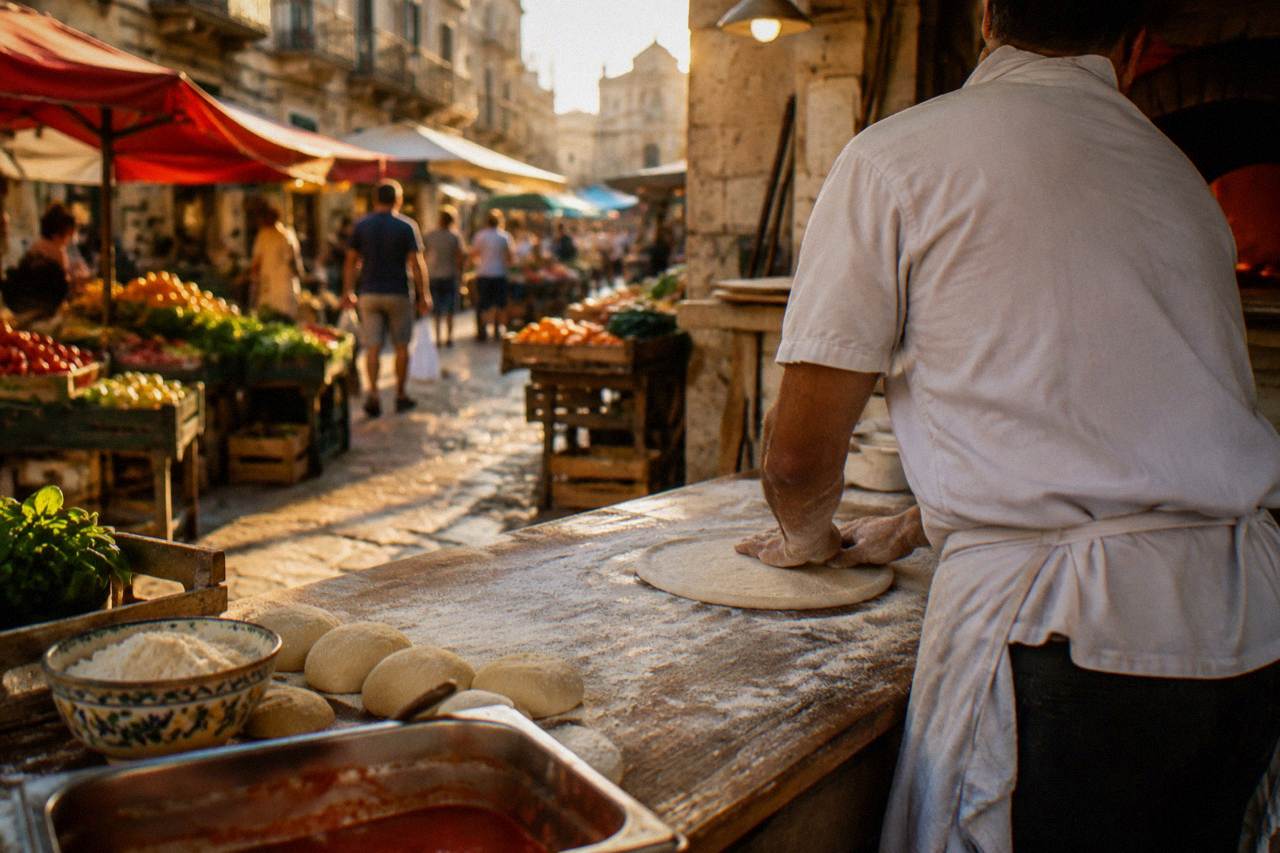
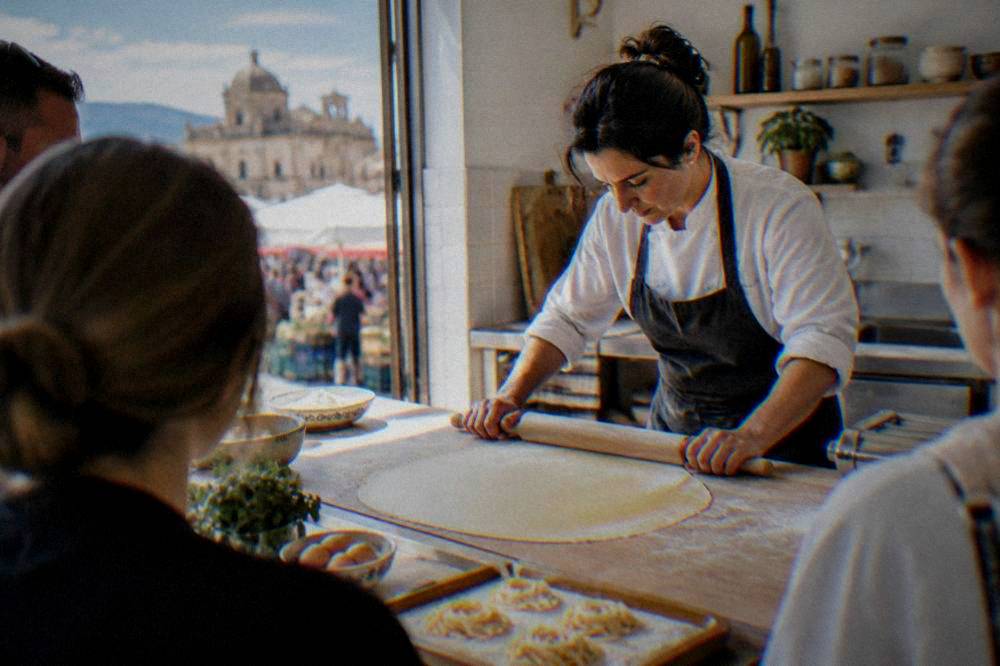
A typical Palermo cooking class is a hands-on session of around three hours in which you prepare pasta, pizza and gelato, or pasta and tiramisu, and then sit down and eat what you made, usually with wine included. The format is small-group, the recipes are everyday Sicilian home cooking rather than restaurant technique, and the teacher walks the group through each stage. Some sessions open with a market visit where the ingredients are bought.
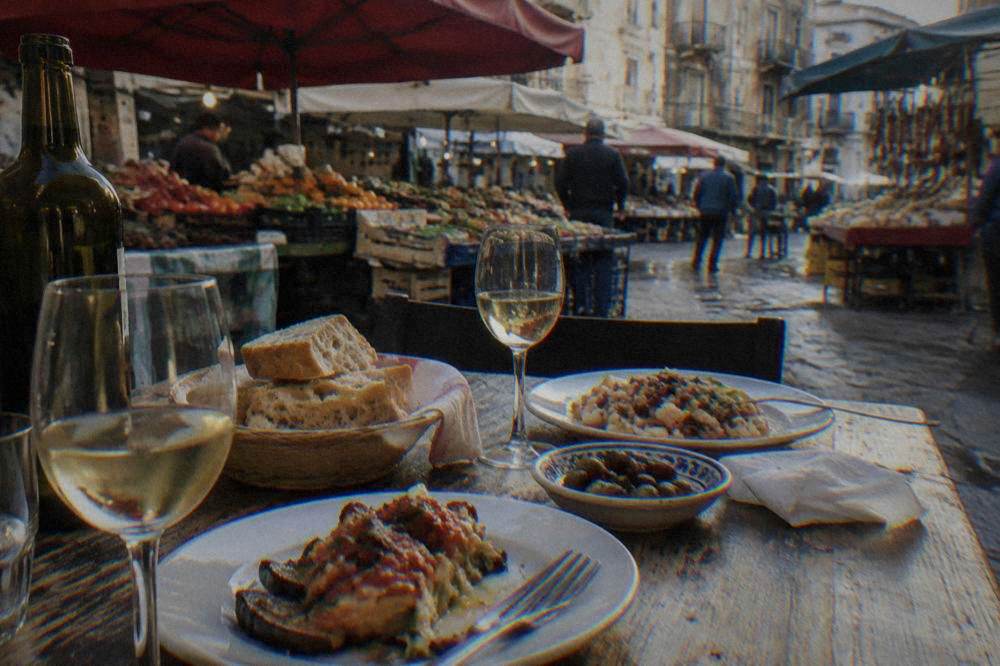
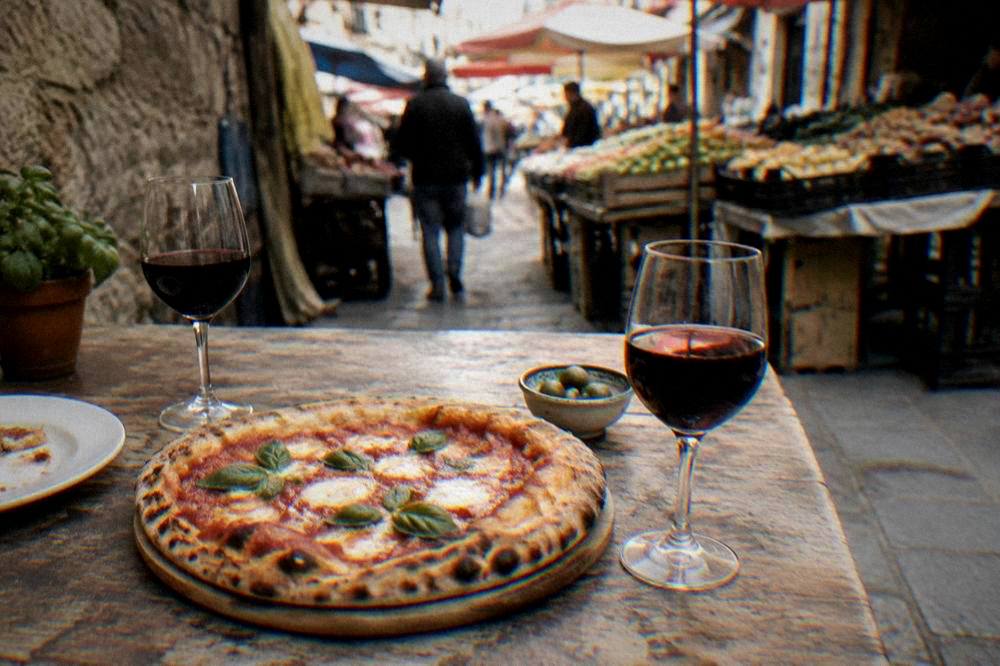
The core dishes come straight from the Palermo table. Fresh pasta, usually a simple egg dough shaped by hand, is a staple of nearly every class, and the sauce is whatever the season allows. Pizza is taught Neapolitan-style but baked and eaten the Sicilian way, as a shared evening meal. Gelato or tiramisu rounds out the dessert half of the session, and the meal at the end is a genuine part of the experience rather than an afterthought, because eating together is how Sicilian families actually use these dishes.
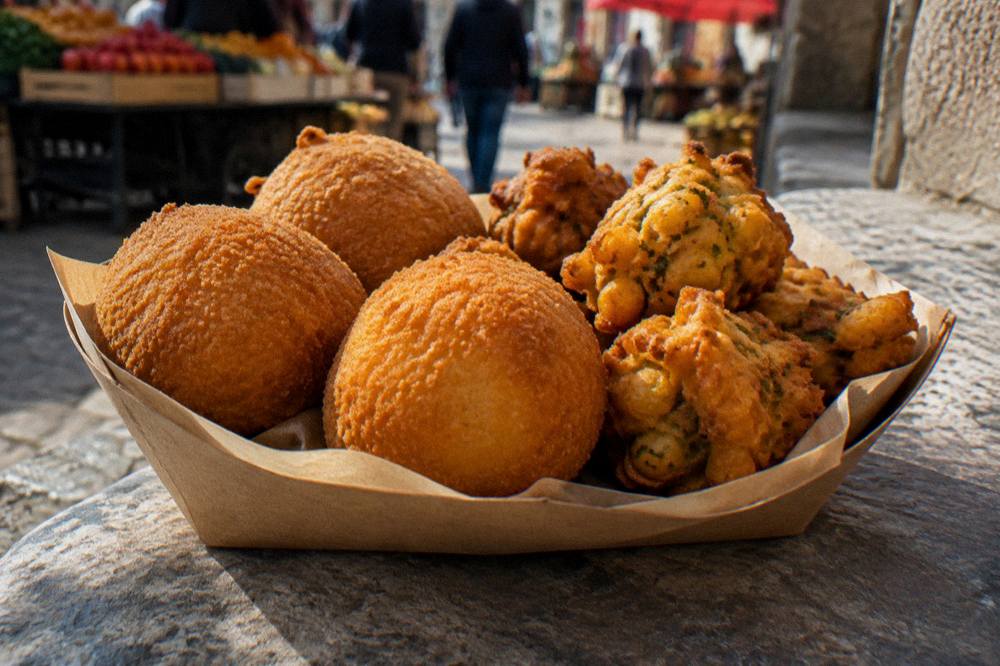
What the classes deliberately avoid is cheffy precision. The Accademia della Crusca, Italy's language academy, notes that even the word for the city's fried rice ball splits by region: Palermo and western Sicily say arancina, Catania and the east say arancino, and both are accepted. A good class passes on that kind of local detail, the small facts that make the food legible, alongside the kneading and rolling.
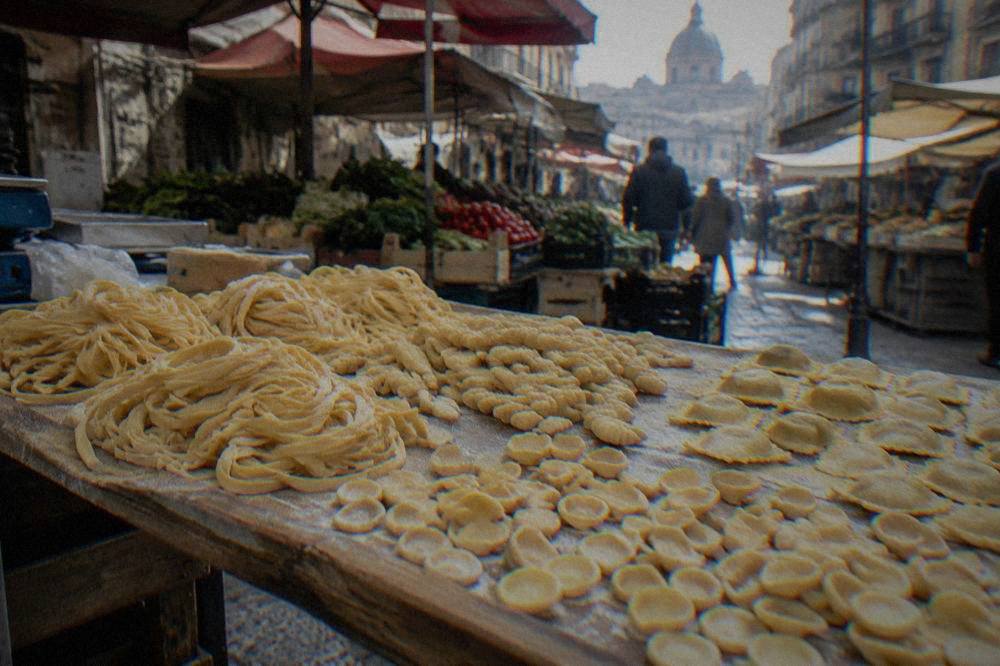
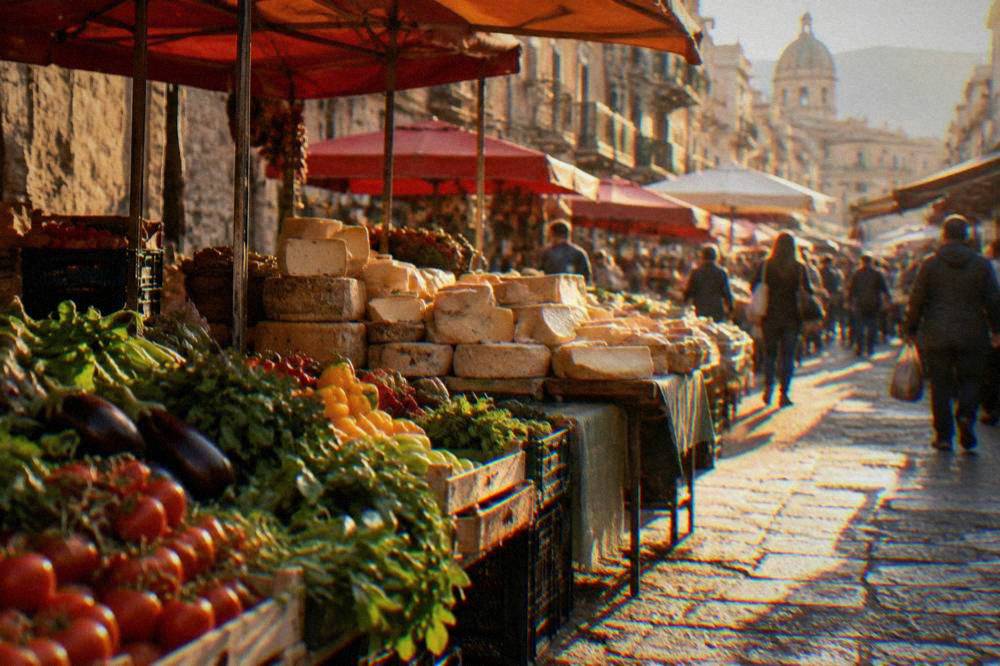
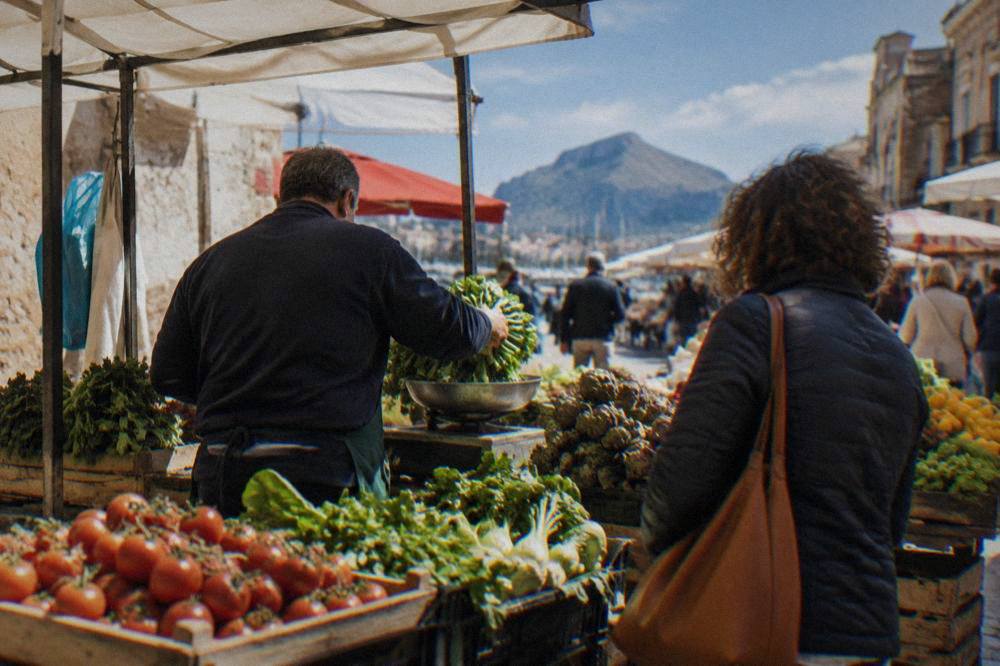
The market-visit variant deserves a separate word. Several classes in the city begin at Ballarò or another historic market, where the group buys the day's ingredients from the stalls. Ballarò runs Monday to Saturday from about 7:30 to about 20:00, with Sunday mornings only, and its stalls carry the chickpea flour, sheep's cheese and seasonal vegetables that Palermo's street food tradition is built on. If seeing the raw supply chain matters to you, look for a class that lists a market walk in its description.
How Much Does A Palermo Cooking Class Cost, And What Is Included?
Cooking class prices in Palermo are shown on each operator's live listing, and this site does not type them into prose, because the from-price, the rating and the review count all render from the live listing at the moment you view it. What can be said in general terms is what the price covers: ingredients, an apron and workspace, instruction, and the meal with wine at the end. Market-visit formats include the walk.
The variation between classes comes less from price and more from format. A pizza and gelato session is a different evening from a pasta and tiramisu session, and a class with a market walk is different again. When comparing listings, compare what is included rather than the headline figure alone.
Here is how the main formats compare at a glance. Prices and ratings are on the live listings.
| Format | Dishes covered | Typical structure | Meal included |
|---|---|---|---|
| Pizza and gelato | Pizza dough, topping, gelato base | Hands-on session, then dinner | Yes, with wine |
| Pasta and tiramisu | Fresh pasta, sauce, tiramisu | Hands-on session, then meal | Yes, with wine |
| Market visit and class | Market shopping, then pasta or full menu | Market walk, then cooking | Yes, with wine |
| Sicilian full class | Broader menu, sometimes street food items | Longer session, often a half day | Yes, with wine |
One cost that does not come from a listing is the city's tourist tax, which applies to your accommodation rather than your class. It is charged per night, by hotel category, for a maximum of 4 consecutive nights, with per-night amounts of about 3 to 5 EUR depending on the rating of the property, and short-term rentals at about 4 EUR. Confirm the exact amount at booking.
It is also worth knowing what the class price does not cover. Travel to the meeting point is your own arrangement, and any extra drinks beyond the included wine are usually settled on the spot. Everything consumable during the session, the ingredients you cook with and the meal you sit down to, is inside the price, which is why the format compares well against a restaurant dinner of the same dishes.
Which Palermo Cooking Class Should You Book?
Choose by dish and by time of day: the pizza and gelato format suits families and evening eaters, the pasta and tiramisu format suits adults who want a dinner-party dish to take home, and a market-visit class suits travellers who want the full chain from stall to plate. All three formats run as small-group sessions with a shared meal at the end.
The pizza and gelato format is the most family-friendly of the three, because pizza dough is forgiving and gelato is fun at any age. The pasta and tiramisu format skews toward a quieter, more technical session, and the market formats add a walk through the historic centre that doubles as an orientation to the city's markets.
If you are comparing a class against other food experiences in the city, a food tour covers more ground and more dishes in the same span of time, while a class goes deeper on fewer things and sends you home with a skill. Travellers who plan more than one food experience often pair an evening food walk with a daytime class, or pair a class with one of the city's restaurants booked for another night.
If tasting while walking appeals more than cooking, book a street food walking tour here.
The featured class on this page is the pizza and gelato session with dinner and wine, a format that covers dough from scratch, topping, gelato churning and a shared meal. You can Check availability on the operator's live listing, where the current from-price, rating and review count are shown. The pizza and gelato class page on this site carries a fuller description.
For a pasta-first alternative, the pasta and tiramisu session with fine wine covers fresh dough, a seasonal sauce and the tiramisu assembly, again ending in a shared meal:
And if you want the market-to-plate version, the street food and history walk adds the city's food history to the tasting, a good complement to a hands-on class:
Where Do Palermo Cooking Classes Take Place?
Most classes take place in a working kitchen or cooking school in or just off the historic centre, the four mandamenti of Capo, Albergheria, Kalsa and Loggia that meet at the Quattro Canti, with some formats opening at a market such as Ballarò before moving to the kitchen. Exact meeting points are given on each listing at the time of booking.
The historic centre is compact and walkable, and the crossing of Via Maqueda and Corso Vittorio Emanuele at the Quattro Canti divides it into the four quarters named Capo, Albergheria, Kalsa and Loggia. A class in any of these puts you within a short walk of the Cathedral, the Norman Palace and the main markets, so a morning class leaves the afternoon free for sightseeing without needing transport.
Getting to a class is straightforward. Palermo's AMAT network sells a 1.40 EUR ticket valid for 90 minutes from validation, a 3.50 EUR day ticket and an 8.00 EUR three-day ticket, with a 1.80 EUR surcharge if you buy from the driver, so the advice is to buy before boarding. Classes reached on foot from central accommodation need no ticket at all.
| Area | Typical class setting | Nearest landmark | Walk from Quattro Canti |
|---|---|---|---|
| Capo | Market-side kitchen near the stalls | Capo market | Short walk |
| Albergheria | Cooking school in a palazzo courtyard | Ballarò market | Short walk |
| Kalsa | Small-group kitchen near the waterfront | Foro Italico | Short walk |
| Loggia | Evening formats near the old port | La Cala | Short walk |
If you are staying outside the centre, in Mondello or along the Politeama side of town, the class meeting point is still easy to reach. Mondello sits about 27 minutes by road from Quattro Canti and is served in summer by AMAT line 806, and the Politeama area is on the main airport bus route, so an evening class can be slotted into the day you arrive or the day you leave without a detour.
When Is The Best Time Of Year To Take A Cooking Class In Palermo?
Any month works, because the classes are indoors and the dishes shift with the season rather than the weather, but spring and autumn pair a class most comfortably with the rest of a Palermo day, since the climate table for the city shows July and August as the warmest months and October as the wettest. Winter classes run as normal and are a strong option for a rainy day.
The seasonal argument is really about what surrounds the class. In the warmer months an evening class escapes the midday heat and finishes with dinner in daylight. In October, the month the climate normals list as the wettest at 81 mm of rain, an indoor session is a dependable anchor for a day when the beach or a day trip is less attractive. The site's rainy day in Palermo guide covers the fuller list of indoor options.
There is also a calendar argument. The Festino of Saint Rosalia, the city's patron saint, runs each July from the 10th to the 15th, with the chariot procession on the 14th and the silver urn procession on the 15th, and the city is busy and lively that week. A cooking class sits well inside a festival itinerary because it is booked and fixed, while the processions are public and free to watch.
Can You Combine A Cooking Class With A Market Tour In Palermo?
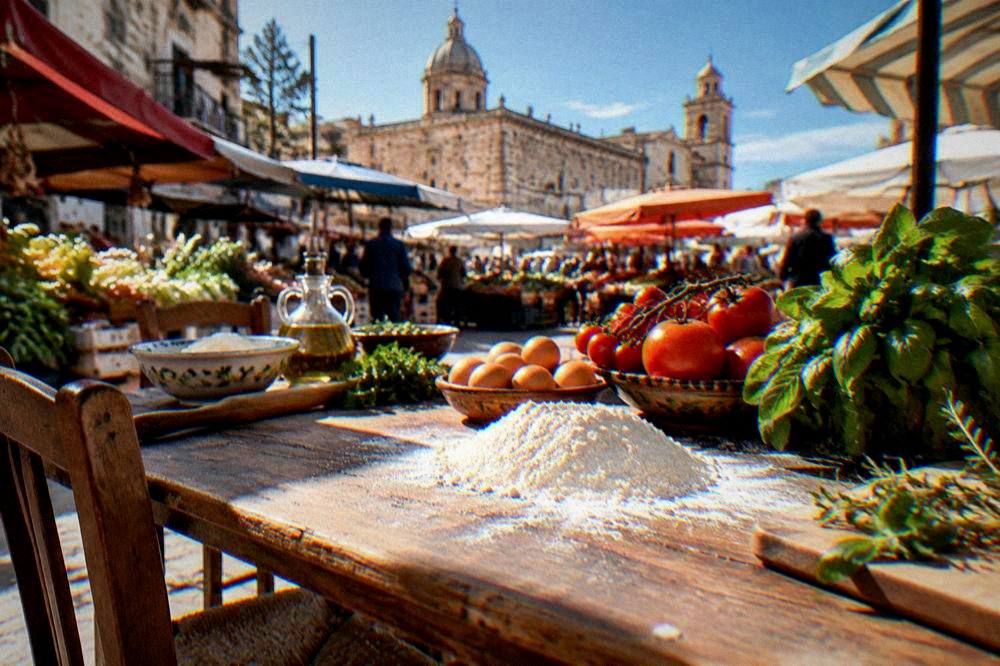
Yes, several Palermo classes open with a guided walk through a historic market, usually Ballarò, where the group buys the ingredients before moving to the kitchen, and this combined format is the one to pick if you want the full story of the city's food from stall to plate. The market walk is guided and the purchases become the class menu.
Ballarò is described by the municipal tourism pages as one of the city's historic Arab-origin markets, running Monday to Saturday from about 7:30 to about 20:00 with Sunday mornings, and the Capo market runs mornings and closes on Sundays. A class that lists a market visit in its description will name which market it uses and the meeting point. The site's Ballarò market guide covers the market itself in more detail.
| Historic market | Days | Rough hours | Role in a class |
|---|---|---|---|
| Ballarò | Mon to Sat, Sun mornings | About 7:30 to about 20:00 | Ingredient buying, guided walk |
| Capo | Mon to Sat | Mornings | Some formats meet here |
| Vucciria | Mon to Sat, Sun mornings | Daytime, evening scene after | Evening classes pass through |
The combined format also teaches shopping, which is part of Sicilian cooking. Which fish, which cheese, which tomatoes: those judgements happen at the stall, and a guide translating them is worth as much as the cooking itself. If your class does not include a market walk, arrive early and walk the market yourself before the session.
Is A Palermo Cooking Class Suitable For Children And Beginners?
Yes, the pizza and gelato formats are built around tasks children can manage, such as kneading, topping and churning, and every class assumes no prior skill, so beginners are the normal audience rather than the exception. Family tickets and reduced rates exist on several listings, and the details of each are shown at the time of booking rather than published as fixed figures.
The practical point for families is pacing. A three-hour session holds a child's attention when the tasks rotate quickly, and pizza dough rotates fast: mix, knead, rest, shape, top. Pasta sessions suit slightly older children for the same reason, the shaping needs a little more patience. Tell the operator the ages of your children at booking and they will say whether the session fits.
For adult beginners, the format is forgiving by design. The recipes are home cooking, the quantities are measured for you, and the teacher corrects technique as the group works. The site's Palermo with kids guide lists the wider family options in the city, from the Marionette Museum, at 5 EUR full and 3 EUR reduced entry with puppet shows, to the playgrounds of Villa Giulia and the Giardino Inglese.
What Should You Know Before Your First Palermo Cooking Class?
Book ahead, arrive hungry, wear closed shoes, and tell the operator about allergies at booking rather than on the day, because the menu is often shopped for in advance, and in the Festino week of July and the spring holidays the small-group sessions fill first. Everything else is provided, including aprons and the meal.
A few practical notes make the session smoother. Tap water in Palermo is suitable for drinking according to AMAP, the municipal water company, so refilling a bottle is fine. The coperto, the cover charge, is legal in Italy when printed on the menu, but it applies in restaurants, not in a cooking class where the meal is part of the price. Tipping is not obligatory anywhere in the city.
If you are building a whole food itinerary around your class, the site's three days in Palermo itinerary slots a class into a wider plan that also covers the Cathedral, the Palatine Chapel and Mondello. A class makes a good anchor for one evening, with the nightlife of the Vucciria and the Politeama area available afterwards.
For travellers who want the cooking experience and then a break from the kitchen, the rest of this page's picks mix a class with an opera house tour and a day trip to Agrigento's temples, a pairing that balances food, culture and the island's Greek heritage.
Common Questions About Palermo Cooking Classes
What dishes do you cook in a Palermo cooking class?
The standard formats cover fresh pasta with a seasonal sauce, pizza from scratch, and either gelato or tiramisu, ending with a shared meal and wine. Some sessions add Sicilian street food items such as arancina or panelle.
How long does a Palermo cooking class last?
The duration for each specific class is shown on its live listing.
Do Palermo cooking classes include the meal?
Yes, eating what you cooked is part of the format, and wine is typically included with the meal. Check the inclusions list on the listing at booking.
Can children join a cooking class in Palermo?
Yes, the pizza and gelato formats suit families, with tasks children can manage. Tell the operator your children's ages at booking, and check the listing for family rates.
Do you need cooking experience for a class in Palermo?
No. The classes are aimed at beginners and use everyday home recipes, with the instructor guiding each stage hands-on.
Should you book a Palermo cooking class in advance?
Yes. Sessions are small-group and the popular evening formats fill first in spring, summer and the Festino week of July, so book before you travel and check the cancellation terms on the listing.
A cooking class is the piece of a Palermo trip that travels home with you, and one evening of dough and gelato in a kitchen off the Quattro Canti will outlast any souvenir.