2 Days In Palermo
Two days cover Palermo's historic centre, its royal palace and cathedral, two street markets and one day trip, provided the plan is ordered around opening hours and the walkable old town rather than against them.
Short answer
Two days in Palermo cover the Palazzo dei Normanni and Cappella Palatina, Palermo Cathedral, the Quattro Canti, the Ballarò and Capo markets, the Kalsa district and one half-day excursion to Monreale or Cefalu, with an evening for street food and the Teatro Massimo.
Two days is enough for Palermo's historic centre and one excursion, provided the days are sequenced around three fixed points: the Palazzo dei Normanni's afternoon closing hours, the markets' morning rhythm, and the location of Monreale's bus at Piazza Indipendenza. The city sits on Sicily's north-west coast on the Tyrrhenian Sea, and its old centre is compact enough that almost everything below is reachable on foot once the airport transfer is done.
Is Two Days Enough For Palermo?
Two days is enough for Palermo's core sights and one excursion: the Palazzo dei Normanni with the Cappella Palatina, Palermo Cathedral, the Quattro Canti, the Ballarò and Capo markets, the Kalsa district and a half-day trip to Monreale or Cefalu all fit, while Agrigento, Etna or Taormina each consume a full day and would displace the city itself. A longer-stay breakdown is covered separately on this site.
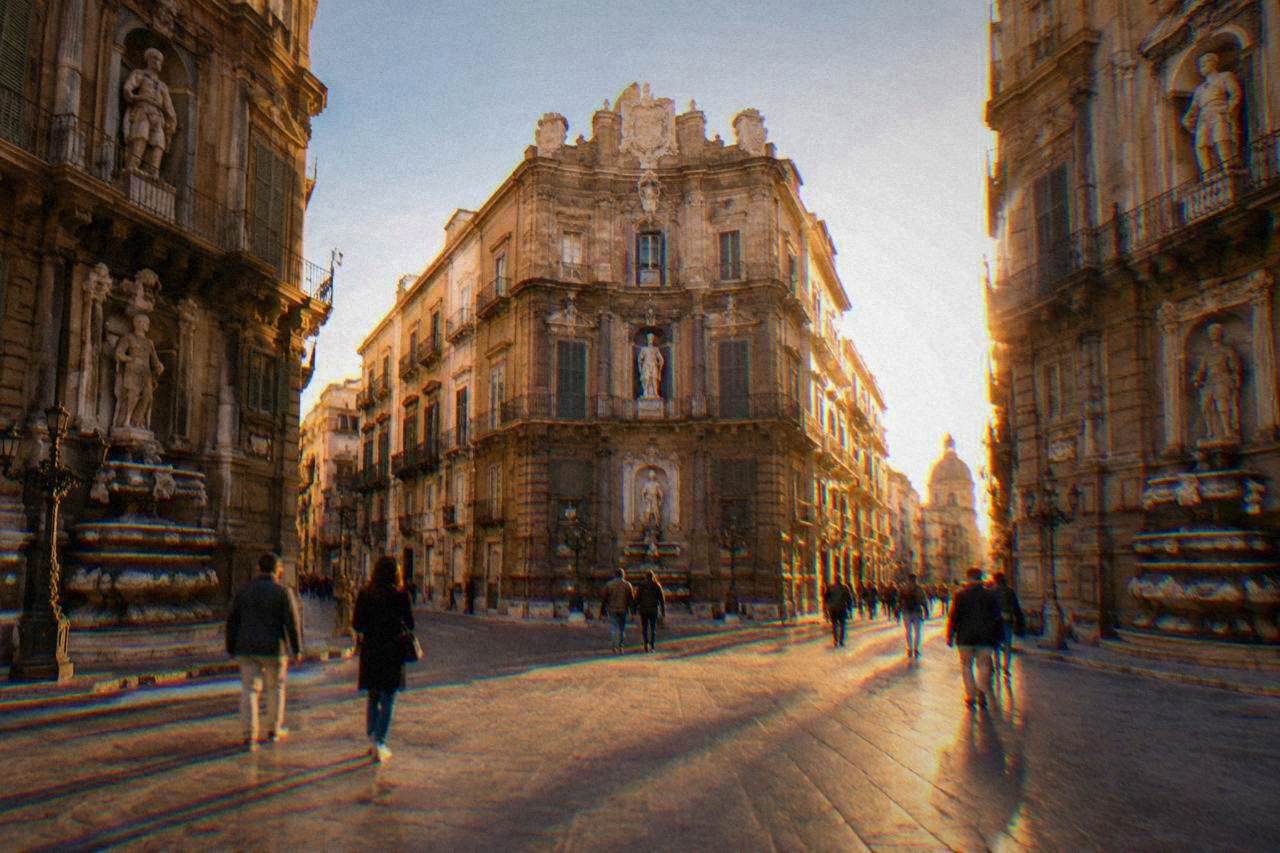
The reason two days works is geography. The four historic districts, Capo, Albergheria, Kalsa and Loggia, meet at the Quattro Canti, and the walk from one edge of the old centre to the other is short. The municipal tourism page describes the crossing of Via Maqueda and Corso Vittorio Emanuele as the line that divides the city into those four mandamenti, and that crossing sits at the centre of everything in Day 1 below. The guide to how many days Palermo needs breaks down the trade-offs at each length of stay.
To stay inside that short walk, book a hotel room here.
What two days does not absorb is eastern Sicily. Etna's Rifugio Sapienza is about 3 hours 20 minutes by road from the Quattro Canti, Taormina about 3 hours 18, Syracuse about 3 hours 20. Those are day trips only in the sense that they are possible; each one replaces a full day of Palermo. A traveller who wants both the city and Etna should read the four to five day Palermo itinerary instead.
Here is the shape of the two days at a glance:
| Slot | Day 1 | Day 2 |
|---|---|---|
| Morning | Quattro Canti, Palermo Cathedral, Capo market | AMAT bus 389 to Monreale, cathedral and cloister |
| Midday | Ballarò market lunch | Return to Palermo, San Giovanni degli Eremiti or the Botanical Garden |
| Afternoon | Palazzo dei Normanni and Cappella Palatina | Kalsa district, La Martorana and San Cataldo |
| Evening | Vucciria and street food, or a cooking class | Teatro Massimo tour or performance, dinner in the Loggia district |
What Should Day 1 Morning In Palermo Look Like?
Start Day 1 at the Quattro Canti, walk west along Corso Vittorio Emanuele to Palermo Cathedral, then loop north through the Capo market back toward the palace: this order puts the cathedral's variable opening hours first, keeps the market visit inside its morning window, and positions you at the Palazzo dei Normanni for its afternoon admission. The walk between all four points stays inside the Albergheria and Capo districts.
The Quattro Canti cost nothing and need no ticket. The municipal tourism page describes the intersection as the point where Via Maqueda and Corso Vittorio Emanuele divide the old city into its four mandamenti, each named for its principal building: Capo or Monte di Pieta, Albergheria or Palazzo Reale, Kalsa or Tribunali, and Loggia or Castellammare. Stand in the middle, orient yourself to the four districts, and the rest of the two days follows that map.
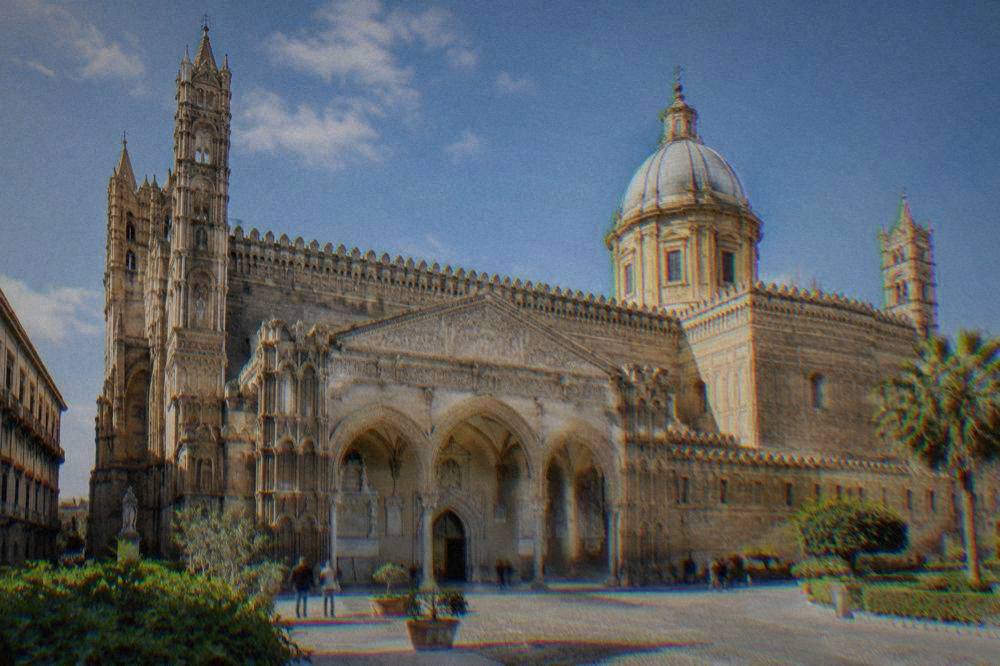
Palermo Cathedral, ten minutes west on foot along the Cassaro, is the city's densest layer of history. The cathedral's own chronicle states that in 831 the Saracens turned the earlier church into a large mosque, and that in 1072 the Normans returned it to Christian worship; a Qur'an verse remains carved on the first column on the left of the southern porch. The royal tombs inside hold Roger II, Constance of Hauteville, Henry VI, Frederick II and Constance of Aragon. The Palermo Cathedral guide covers what each part contains.
Ticketing at the cathedral splits into two experiences, and the official pages state hours without printing prices. The nave is a working church, and the monumental area, meaning the roof, the royal tombs, the treasury and the crypt, is ticketed, with the price shown at the ticket point or on the cathedral's own ticket shop. Hours vary by season and visits are suspended during liturgies, so the morning slot is the safe one. Shoulders and knees covered is the standing rule for a church visit.
| Cathedral area | Access | Where the price is shown |
|---|---|---|
| Nave | Church, dress code applies | No ticket price published on the hours page |
| Roof and monumental area | Ticketed, seasonal hours | At the ticket point or the cathedral ticket shop |
| Royal tombs and treasury | Part of the monumental area | At the ticket point or the cathedral ticket shop |
From the cathedral, the Capo market sits a few streets north. The market runs mornings, Monday to Saturday, and does not operate on Sundays, so a Sunday Day 1 should swap in the Ballarò, which runs Sunday mornings. Buy the snack, not the itinerary: an arancina here follows the Palermo form, and the Accademia della Crusca accepts both arancina and arancino, with Palermo and western Sicily using the feminine form.
How Do You Fill Day 1 Afternoon In Palermo?
Day 1 afternoon belongs to the Palazzo dei Normanni and the Cappella Palatina, which share one ticket at 14.50 EUR full and 12.50 EUR reduced with the royal apartments included, open Monday to Saturday until a 16:30 last admission and Sunday mornings only, with the royal apartments closed Tuesday and Wednesday when the regional parliament sits. Book the late-morning cathedral first and the palace second, because the palace's clock is the tighter of the two.
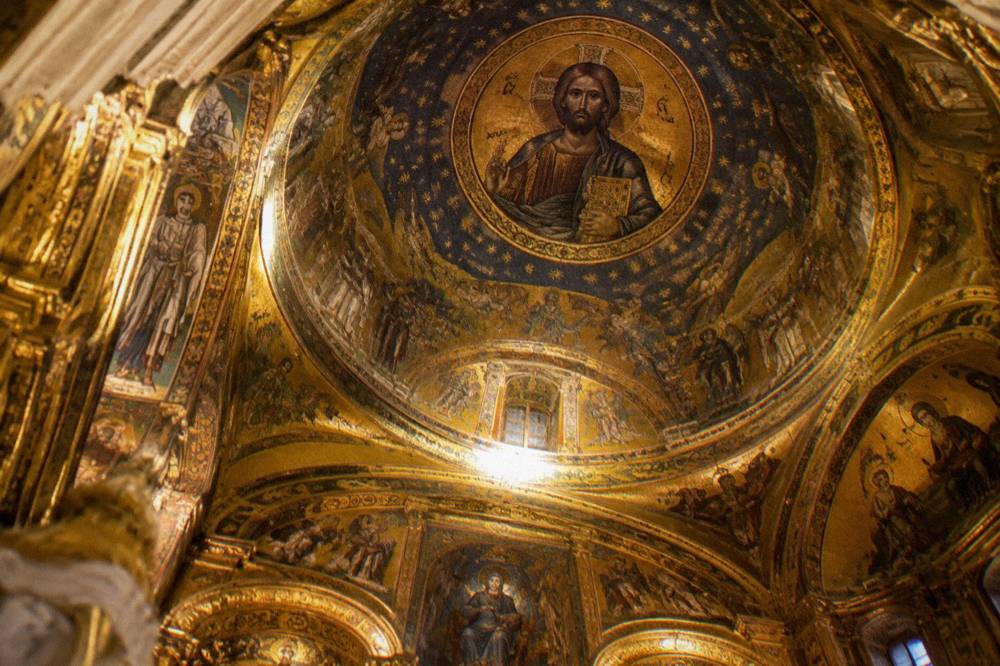
The palace and the chapel are one complex, not two buildings, and one ticket covers both. The Federico Secondo visit page lists the 14.50 EUR full and 12.50 EUR reduced prices, Monday to Saturday hours with a 16:30 last admission, Sunday and holiday hours of 8:30 to 12:30, and closure on 25 December and 1 January. The chapel sits inside the palace, and the Cappella Palatina guide describes what to look at once inside; the walls are covered in gold-ground glass mosaic, and no official tonnage of gold is published for either it or Monreale.
The Tuesday and Wednesday apartment closure is the detail that reshapes itineraries. On those days the ticket still covers the chapel and the other open rooms, but travellers who specifically want the royal apartments should place the palace on a Monday, Thursday, Friday or Saturday, or on the Sunday morning window if the flight times force it.
Before or after the palace, the Norman Palace guide lists what the ticket includes, and two nearby free stops fill the gaps: the gardens of Villa Giulia and the exterior of Piazza Pretoria, both open public spaces a short walk from the Cassaro. If the afternoon runs long, the one day in Palermo itinerary shows how to compress everything above into a single day, which is the fallback if a flight cancels or the weather turns; the rainy day in Palermo plan lists the indoor alternatives.
For the evening, a food experience anchors the night well, and the three below are the ones this site's listings carry for exactly this slot: a hands-on cooking class, a palace visit with a fixed entry window, and an all-inclusive evening street food walk.
Where Does Day 1 Evening In Palermo Go?
Day 1 evening goes to the Vucciria and the streets between Piazza Marina and Via Maqueda, where the daytime market gives way to a night scene of street food stands and bars, or alternatively to a booked food experience: the evening street food walk covers the market districts with tastings included, and the pasta and tiramisu cooking class turns dinner itself into the activity, both of which suit a first night when restaurant choices are still untested.
The Vucciria runs as a daytime market Monday to Saturday and Sunday mornings, and its evening character is a separate thing, strongest from Thursday to Saturday and in summer. The transition is the point: the same square that sold fish at 8:00 sells panelle and crocche at 21:00. The Palermo street food guide covers what to order and where the market boundary sits.
The alternative is a cooking class, which suits a two-day visit better than it first appears: it fixes one dinner without research, and it produces the recipes for the dishes a traveller will have been eating all day. The class this site features for that slot is Check availability for the evening of Day 1 or Day 2.
One Palermo dinner rule is worth printing before the first bill arrives. The coperto, a cover charge, is legal in Italy when it is printed on the menu beforehand, and tipping is not obligatory. The check a reader can make is simple: look for the coperto line on the menu when ordering, not on the bill.
Is Monreale The Best Day 2 Morning Trip From Palermo?
Monreale is the strongest Day 2 morning trip from Palermo for a two-day visit because AMAT bus 389 runs there from Piazza Indipendenza every 40 minutes or so for a 1.40 EUR city ticket, the drive takes about 16 minutes, and the cloister costs 8 EUR full and 4 EUR reduced, so the whole excursion consumes a morning rather than a day, leaving the afternoon free for the Kalsa district back in the city.
The bus is the reason. The AMAT page for line 389 lists 47 runs a day on weekdays and holidays, with the first departure from Piazza Indipendenza at 5:25 and from Monreale at 6:00, and the ticket is the ordinary 1.40 EUR AMAT fare valid 90 minutes including transfers. Piazza Indipendenza sits at the edge of the Albergheria, a short walk from the palace, so the morning bus follows the previous afternoon's geography naturally. Other pages covering the same trip are gathered on Palermo Italy Travel Guide.
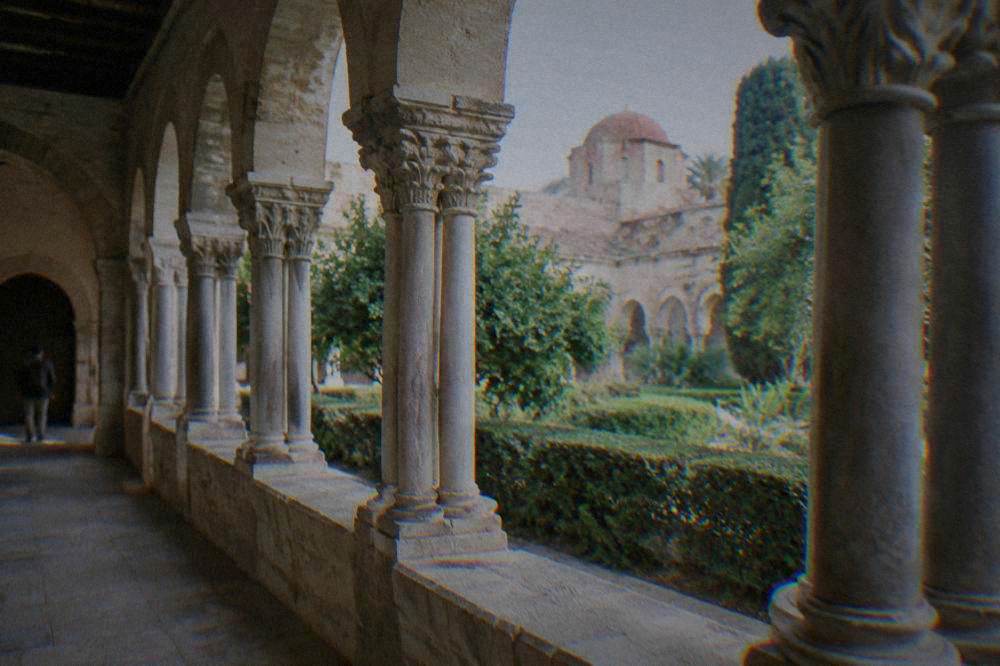
At Monreale, the cathedral and the cloister are separate visits. The cloister, at 8 EUR full and 4 EUR reduced, is open Monday to Saturday 9:00 to 19:00 and Sunday mornings to about 13:30, with entry 30 minutes before closing. William I and William II are buried in the cathedral. The walls of the cathedral are covered in gold-ground glass mosaic, and no official figure for the mosaic area or the weight of gold exists, so treat any number quoted on a flyer or a forum with caution.
Cefalu is the rival choice for Day 2, and the Monreale and Cefalu comparison settles it by clock: Cefalu is 65 minutes by road, its cathedral entry is free with paid tower and museum itineraries at 10 and 13 EUR, and La Rocca costs 5 EUR, so Cefalu works as a Day 2 substitute for beach-minded travellers but eats more of the day. Trains to Cefalu run about 40 to 60 minutes from Palermo Centrale with 19 to 24 direct services daily, per the Palermo to Cefalu guide. The Monreale guide holds the full half-day plan.
| Day 2 morning option | Travel each way | Entry cost | Time needed |
|---|---|---|---|
| Monreale by AMAT 389 | 1.40 EUR, about 16 min drive | Cloister 8 EUR, 4 EUR reduced | A morning |
| Cefalu by train | 39 to 60 min, fare on the Trenitalia ticket page | Cathedral free, itineraries 10 and 13 EUR, La Rocca 5 EUR | Most of the day |
| Mondello by AMAT 806 | Summer line from April | Beach free stretches and paid lidos | Half a day |
What Belongs On Day 2 Afternoon In Palermo?
Day 2 afternoon belongs to the Kalsa district and the three churches around Piazza Bellini: La Martorana, San Cataldo and San Giovanni degli Eremiti, followed by the Foro Italico seafront, all free or low-cost stops that sit within walking distance of each other, with the Capuchin Catacombs as the one detour worth scheduling since they keep split hours of roughly 9:00 to 12:30 and 15:00 to 17:30.
La Martorana and San Cataldo stand facing each other across Piazza Bellini, and both belong to the UNESCO property inscribed in 2015 under the name Arab-Norman Palermo and the Cathedral Churches of Cefalu and Monreale, a listing that runs to nine components across the city and its two cathedral neighbours. San Giovanni degli Eremiti, a short walk north, is part of the same inscription. The La Martorana guide covers the interior; entry prices for these churches are not printed on this site, so confirm at the door.
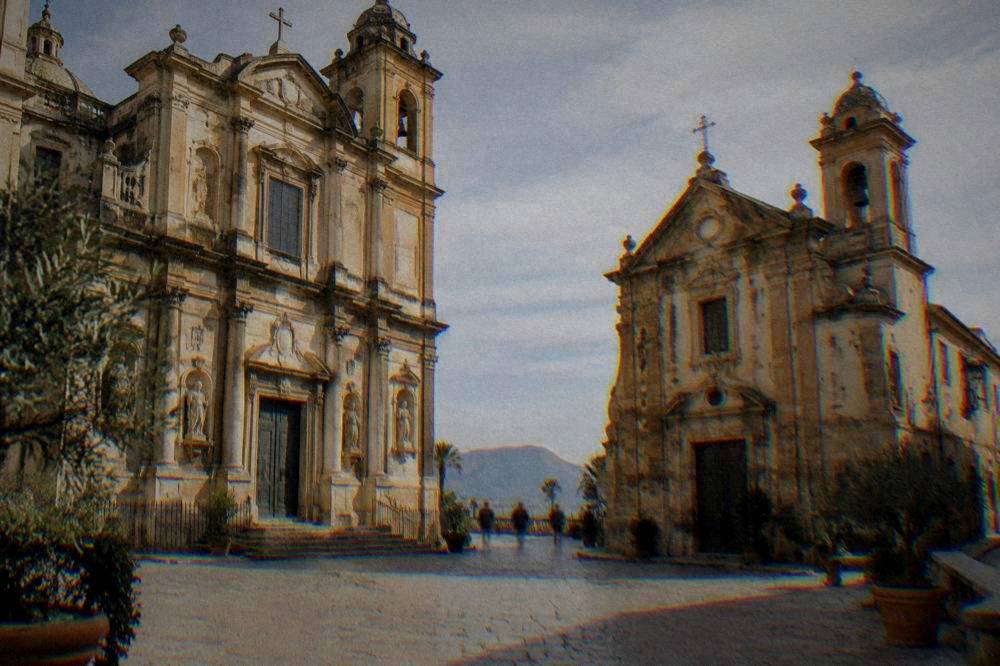
The Kalsa is the district itself, the mandamento named for the tribunals, and the municipal tourism pages describe it as the historic quarter around Palazzo Abatellis and the Spasimo. Palazzo Abatellis is closed or closing: a planned closure of about 18 months for climate-control works began around mid-July 2026, with no reopening date confirmed, so route around it rather than toward it.
The Capuchin Catacombs are the scheduled stop, not a spontaneous one. Entry is 5 EUR full and 3 EUR reduced, tickets are sold at the office only with no authorised online seller, and photography is prohibited inside. Hours are seasonal with a split day, and the Capuchin Catacombs guide covers the practical details. The catacombs sit outside the old centre toward the east, so they pair with the Kalsa more naturally than with Monreale.
End the afternoon on the Foro Italico, the seafront open space that costs nothing, then walk back into the Loggia district for dinner. If the day has energy left, the old town guide maps the evening walk through the remaining streets the two days have not touched.
How Does Day 2 Evening Close A Two-Day Palermo Trip?
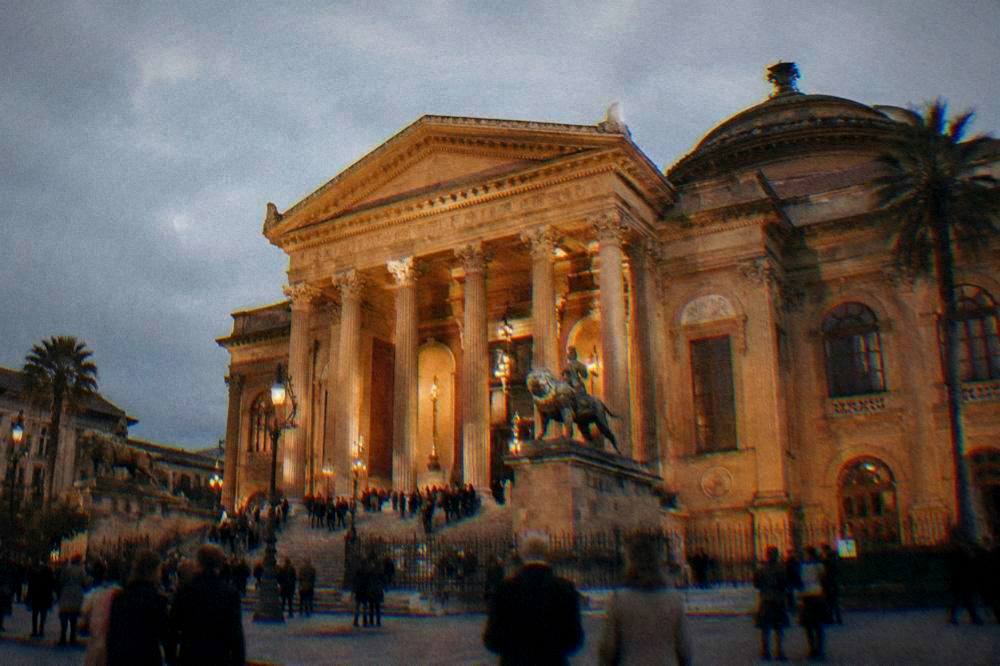
Day 2 evening closes at the Teatro Massimo, either on a guided tour at 14 EUR full and 7 EUR for under 26 with a family ticket at 36 EUR, or in a seat if the calendar cooperates, since the 2026-27 season opens 22 November 2026 with Samson et Dalila and runs Falstaff in May 2027 for the theatre's 130th anniversary, followed by a final dinner in the Loggia or Politeama districts depending on where the morning ended.
The Teatro Massimo guide covers the tour booking; groups must book ahead, individuals can buy at the box office or online. Tours run daily from roughly 9:30 into the early evening, and the theatre remains open through its restoration works. The season detail above comes from the theatre's own season page.
For the final dinner, the split is simple. The Loggia district and the Vucciria's fringes carry the late-night street food energy, while the Politeama and new city area carries the restaurant rows. The Palermo restaurants guide on this site's answers section covers both. A traveller with a mid-morning flight the next day should dinner near the hotel and skip the last drink; the airport bus from the city runs until 21:30, and after that the transfer needs a taxi, whose reported fixed zone rates are 39 EUR for the port side, 44 EUR for the historic centre and 50 EUR for the Foro Italico side, up to four passengers with luggage, under the 2025 tariff as reported, to be confirmed with the driver before setting off.
What Does 2 Days In Palermo Cost?
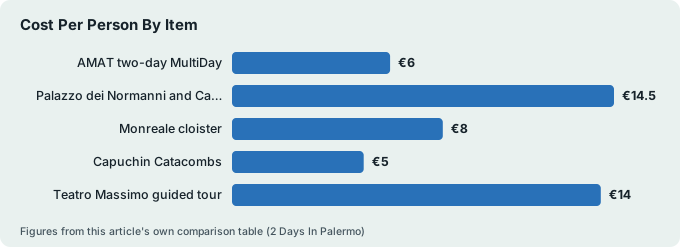
The paid entries in the plan above are the 14.50 EUR ticket for the Palazzo dei Normanni and Cappella Palatina, 5 EUR at the Capuchin Catacombs, 14 EUR for the Teatro Massimo tour and 8 EUR at the Monreale cloister, while city transport runs 6.00 EUR on the AMAT two-day MultiDay covering both Monreale buses, and the cathedral's monumental area price is shown only at the ticket point and the churches charge at the door.
The transport budget is exact, because the AMAT fares page publishes it. A single 90-minute ticket is 1.40 EUR bought in advance and 1.80 EUR onboard; a day ticket is 3.50 EUR; a two-day MultiDay is 6.00 EUR; a three-day is 8.00 EUR. For this itinerary the two-day MultiDay at 6.00 EUR covers both days including both 389 buses to Monreale, making it the default choice over two day tickets at 7.00 EUR.
| Item | Cost per person | Notes |
|---|---|---|
| AMAT two-day MultiDay | 6.00 EUR | Whole network, both Monreale buses included |
| Palazzo dei Normanni and Cappella Palatina | 14.50 EUR full, 12.50 EUR reduced | Royal apartments included, closed Tue-Wed |
| Monreale cloister | 8 EUR full, 4 EUR reduced | Cathedral separate |
| Capuchin Catacombs | 5 EUR full, 3 EUR reduced | Tickets at the office only |
| Teatro Massimo guided tour | 14 EUR full, 7 EUR under 26 | Family ticket 36 EUR |
| Cathedral monumental area | Shown at the ticket point | Roof, tombs, treasury, crypt |
Two structural costs sit outside that table. The tourist tax applies to non-residents for a maximum of four consecutive nights, at rates from 1 July 2025 of about 3 EUR per night at one star up to about 5 EUR at five star, and about 4 EUR for short-term rentals, collected by the accommodation and worth confirming at booking. And the first Sunday of the month brings free entry at many state and regional museums, confirmed per site, which can zero out part of a weekend visit's museum line.
Should You Add A Third Day Or Change The Plan?
A third day in Palermo should add either a full-day excursion, Segesta and Erice to the west or Agrigento's Valley of the Temples to the south, or a slower city day around the Botanical Garden, the marionette museum and Mondello beach, and the choice is purely about appetite: the three days in Palermo itinerary builds both versions, while the Palermo and western Sicily week plan is the right frame once the trip reaches five days or more.
The full-day options are all reachable and all consume a day. Segesta is 64 minutes by road with entry at 14 EUR full and 7 EUR reduced; the Erice cable car is 9 EUR one way and 15 EUR return; the Valley of the Temples is about 2 hours 16 by road, open 8:30 to 20:00, at 14 EUR full and 7 EUR reduced. Those figures come from the regional parks pages and the cable car operator's tariff page respectively.
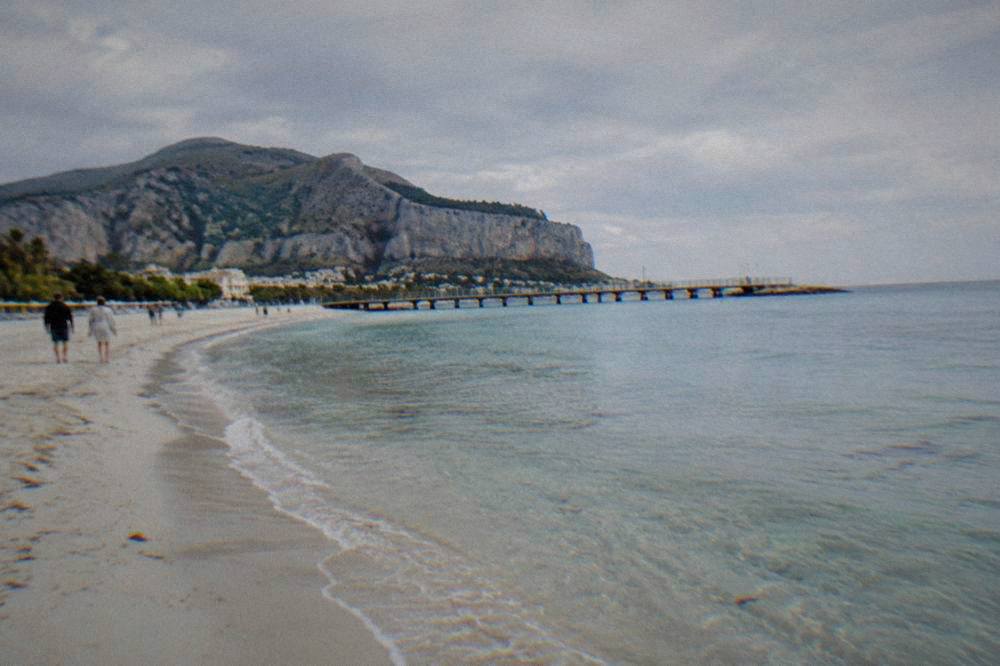
If the third day stays in the city, Mondello is the beach answer. The municipal tourism page describes Mondello as the beach of the Palermitans, a stretch of fine sand with equipped lidos, and the villas in Liberty style around it. Mondello is 13.9 km from the Quattro Canti, about 27 minutes by road, served by AMAT summer line 806. The beach mixes free public stretches with paid lidos; in the 2026 season the Italo Belga area ran a low-cost access at 6 EUR, but that concession is in a court dispute, so check locally before planning around it. The Mondello area guide holds the detail.
Families should note that the Palermo with kids itinerary rotates the same two days around the marionette museum, at 5 EUR full and 3 EUR reduced with puppet shows that include museum entry at 10 EUR, and the playgrounds of Villa Giulia and the Giardino Inglese.
For the trip's remaining evenings and spare hours, the trio below is the one this site carries for exactly this itinerary: the cooking class that fixes a dinner, the Palazzo Conte Federico entry for a palace hour inside the old centre, and the all-inclusive evening street food walk.
When Is The Best Time Of Year For A Two-Day Palermo Trip?
The best months for a two-day Palermo trip are April, May, June and September, when the modelled 1991 to 2020 climate normals show means of 15.3, 19.1, 23.4 and 23.4 C respectively with rainfall of 59, 36, 15 and 61 mm, while July and August, at 26.2 and 26.8 C means, are the warmest but put the day trips in midday heat, and October, the wettest month at 81 mm, is the one to plan indoor backups for.
The climate table the site holds is a modelled ERA5 normal for 1991 to 2020, not a station record, and it carries no sunshine or sea-temperature figures, so those are not printed here. What the table does support is the seasonal logic of the itinerary: the Monreale cloister and the Capuchin Catacombs are unheated and uncooled, the Foro Italico and Mondello afternoons want late spring or early autumn, and the Festino of Saint Rosalia, 10 to 15 July with the chariot procession on 14 July and the silver urn procession on 15 July, is the reason some travellers deliberately pick the warmest week of the year. July is the driest month on the table at 7 mm, which is worth knowing even when the heat steers the day trips toward the early morning.
Winter two-day trips work with substitutions, and the Palermo in winter guide lists them: the museums, the Teatro Massimo tour, the cooking classes and the markets all run, and the rainfall normals for December and January, 72 and 69 mm, are moderate rather than punishing.
Common Questions About Two Days In Palermo
Is 2 days in Palermo enough?
Yes, for the historic centre and one half-day excursion. Two days cover the Palazzo dei Normanni, Palermo Cathedral, the Quattro Canti, the Ballarò and Capo markets, the Kalsa district and Monreale, with an evening for the Teatro Massimo. Etna, Taormina, Syracuse and Agrigento each need a full day and would displace the city itself.
What is the best 2-day itinerary for Palermo?
Day 1: Quattro Canti and Palermo Cathedral in the morning, the Capo market, the Palazzo dei Normanni and Cappella Palatina in the afternoon, street food or a cooking class in the evening. Day 2: bus 389 to Monreale in the morning, the Kalsa, San Giovanni degli Eremiti and possibly the Capuchin Catacombs in the afternoon, and the Teatro Massimo tour in the evening.
Can you visit Monreale on a 2-day Palermo trip?
Yes, in a morning. AMAT bus 389 runs from Piazza Indipendenza about every 40 minutes for the ordinary 1.40 EUR ticket, the drive is about 16 minutes, and the cloister costs 8 EUR full and 4 EUR reduced. The cathedral and the cloister are separate visits.
How much money do you need for 2 days in Palermo?
The paid entries in the plan are 14.50 EUR at the Palazzo dei Normanni, 5 EUR at the Capuchin Catacombs, 14 EUR for the Teatro Massimo tour and 8 EUR at the Monreale cloister, plus 6.00 EUR for a two-day AMAT MultiDay ticket covering buses, trams and both Monreale buses, plus food and accommodation. The tourist tax adds up to four nights of about 3 to 5 EUR per night depending on the accommodation's rating.
Do you need tickets for the Palazzo dei Normanni in advance?
The ticket costs 14.50 EUR full and 12.50 EUR reduced with the royal apartments included, sold on the official visit page. Booking ahead is sensible in high season and on Sundays, when hours shorten to a morning window, and the royal apartments are closed Tuesday and Wednesday when the regional parliament sits.
Is Palermo walkable in 2 days?
The historic centre is fully walkable: the four mandamenti meet at the Quattro Canti and the cathedral, palace, markets and Kalsa are all within a short walk of that crossing. Public transport is only needed for Monreale, Mondello and the catacombs, and a two-day AMAT MultiDay at 6.00 EUR covers all of it.
Two days in Palermo, sequenced around the palace's afternoon window, the markets' mornings and the 389 bus, delivers the UNESCO-listed core of the city plus Monreale without a rushed hour anywhere in it, and every figure above, from the 14.50 EUR palace ticket to the 1.40 EUR bus fare, comes from the operator or official pages named alongside it, so the plan holds together on the ground as written.
