3 Days In Palermo
Three days is enough to cover the historic centre of Palermo, its markets, its major ticketed sights and one or two day trips, and this itinerary sets out exactly how to split them across the days.
Short answer
Spend day 1 on the old town from the Quattro Canti to the Cathedral and Palazzo dei Normanni, day 2 on the markets, Teatro Massimo and the Capuchin Catacombs, and day 3 in Monreale with either Cefalu or Mondello in the afternoon.
Three days in Palermo is the point where the city stops being a blur of churches and markets and starts making sense: day 1 takes the old town from the Quattro Canti to the Cathedral and the Palazzo dei Normanni, day 2 covers the markets, Teatro Massimo and the Capuchin Catacombs, and day 3 heads out to Monreale with either Cefalu or Mondello in the afternoon. Palermo is the coastal capital of Sicily on the Tyrrhenian Sea, and its centre is compact enough that every stop below sits within walking distance or a single bus or tram ride.
What Can You Realistically See In Palermo In 3 Days?
In three days you can cover the entire historic centre, all four of the main ticketed sights, at least two of the street markets, and one full day trip, without rushing. The core sequence that works is the Quattro Canti, Palermo Cathedral, the Palazzo dei Normanni and its Palatine Chapel, Teatro Massimo, the Capuchin Catacombs, the Ballarò and Capo markets, and then Monreale on day 3, with Cefalu or Mondello as the afternoon or full-day alternative.
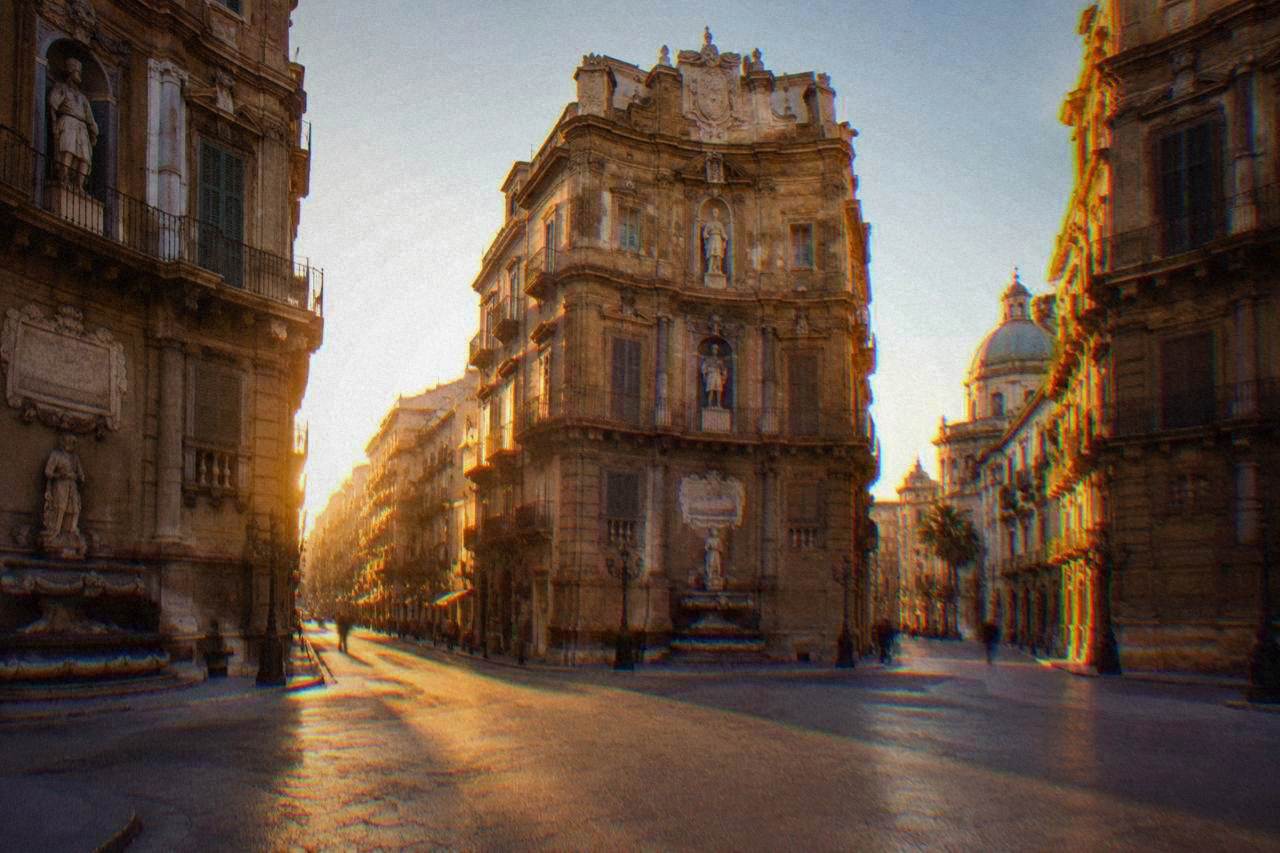
The city's official tourism page describes the old centre as divided into four mandamenti by the crossing of Via Maqueda and Corso Vittorio Emanuele at the Quattro Canti: Capo, Albergheria, Kalsa and Loggia. That crossing is the natural anchor for day 1, because everything in the plan below sits inside or just outside those four quarters. The full detail of the old town is on the old town centro storico guide.
Three days also happens to be the length where the site's own planning advice changes tone: the how many days in Palermo guide sets three days as the threshold where day trips become realistic rather than a squeeze, and the answer page on recommended trip length says the same in short form. If you have less time, the one day in Palermo itinerary and the two days in Palermo itinerary carry the compressed versions of this same plan.
How Should You Structure The 3 Days In Palermo?
Structure the three days as old town first, markets and museums second, day trip third: day 1 walks the centro storico from the Quattro Canti to the Cathedral and Palazzo dei Normanni, day 2 pairs a morning market with Teatro Massimo and the Capuchin Catacombs in the afternoon, and day 3 leaves the city for Monreale plus Cefalu or Mondello. This order front-loads the sights with the tightest admission hours and saves the flexible outdoor time for the last day.
The reason for this order is practical. The Palazzo dei Normanni admits visitors Monday to Saturday until 16:30 last admission, and Sunday only until 12:30, so it belongs early in the trip while you still have full days. The markets are morning places: Ballarò runs Monday to Saturday from about 7:30 and Sunday mornings, and Capo runs mornings and closes on Sunday, so day 2 should start at one of them. Monreale is a fixed bus ride on AMAT line 389 from Piazza Indipendenza, and the frequency of about every 40 minutes makes it a half-day trip you can time precisely.
A quick day-by-day outline before the detail:
| Day | Morning | Afternoon | Evening |
|---|---|---|---|
| Day 1 | Quattro Canti, Piazza Pretoria, Palermo Cathedral | Palazzo dei Normanni and Palatine Chapel, Kalsa quarter | Passthrough the Vucciria area, dinner near the old town |
| Day 2 | Ballarò or Capo market walk | Teatro Massimo guided tour, then the Capuchin Catacombs | Aperitivo around Politeama |
| Day 3 | Monreale cathedral and cloister | Cefalu by train, or Mondello by AMAT bus 806 | Last evening stroll on the Foro Italico |
If walking three full days sounds like too much, a guided bike tour with street food tastings covers the routing, the history and several market stops in a single outing, and the related-tour link beside this article carries the live listing. A guided walk with a Norman Palace option does the same on foot for the UNESCO-listed core, and a combined walking and street food tour splits the difference.
Day 1: How Do You Walk The Palermo Old Town?
Start day 1 at the Quattro Canti, walk down Corso Vittorio Emanuele past Piazza Pretoria to Palermo Cathedral, then cross into the Albergheria for the Palazzo dei Normanni and the Palatine Chapel, and finish in the Kalsa quarter before dinner. Every one of these stops is free to see from outside except the Palazzo dei Normanni, whose full ticket costs 14.50 EUR with the reduced ticket at 12.50 EUR, royal apartments included.
The Quattro Canti is the crossroads that gives the old centre its shape, and the municipal tourism page names the four quarters after it. Piazza Pretoria sits one block south on Via Maqueda, and its fountain is viewable from the square at no cost. The Piazza Pretoria guide and the Quattro Canti guide carry the detail on both.
Palermo Cathedral is next along the Cassaro, as locals call Corso Vittorio Emanuele. The cathedral's own visit page gives hours and lists the monumental area, meaning the roof, the royal tombs, the treasury and the crypt, as ticketed, with prices shown at the ticket point or on the cathedral's ticket shop rather than on the main page. The nave is a working church, so covered shoulders and knees are the practical dress expectation. The Palermo Cathedral guide explains what the monumental area covers, and the royal tombs inside hold the sarcophagi of Roger II, Constance of Hauteville, Henry VI, Frederick II and Constance of Aragon.
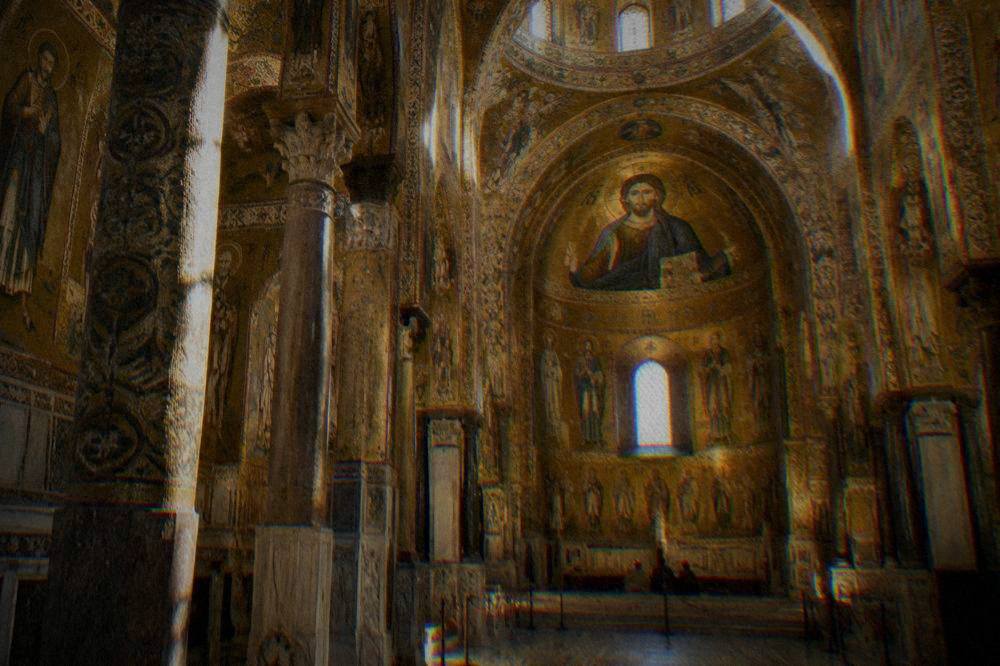
From the cathedral it is a short walk uphill to the Palazzo dei Normanni. One ticket covers the palace and the Palatine Chapel together, the chapel sits inside the palace complex rather than in a separate building, and the official visit page lists Monday to Saturday 8:30 to 16:30 last admission, Sunday and holidays 8:30 to 12:30, and closure on 25 December and 1 January. One detail worth planning around: the royal apartments close on Tuesday and Wednesday when the regional parliament sits, so day 1 should not be a Tuesday or Wednesday if the apartments matter to you. The Norman Palace guide and the Cappella Palatina guide cover the interiors.
The afternoon closes in the Kalsa, the quarter the municipal tourism page lists with Palazzo Abatellis, the Spasimo and the Magione among its sights. Palazzo Abatellis is closed for climate-control works for about 18 months from mid-July 2026 with no reopening date confirmed, so check the regional museums site before counting on it. The Kalsa area guide lists what remains open. The Foro Italico seafront and Villa Giulia are both free and both sit within reach of the evening walk back toward the centre.
The main ticketed stops of day 1, with the figures the official pages publish:
| Sight | Ticket | Hours to plan around |
|---|---|---|
| Quattro Canti | Free, public square | Always open |
| Piazza Pretoria fountain | Free from the square | Always open |
| Palermo Cathedral nave | Church, dress covered shoulders and knees | Hours vary by season, check the cathedral page |
| Palermo Cathedral monumental area | Price at the ticket point or cathedral ticket shop | Suspended during liturgies |
| Palazzo dei Normanni and Palatine Chapel | 14.50 EUR full, 12.50 EUR reduced, apartments included | Mon-Sat to 16:30, Sun to 12:30, apartments closed Tue-Wed when parliament sits |
| Foro Italico and Villa Giulia | Free | Public spaces |
Day 2: What Do The Markets, Teatro Massimo And The Catacombs Take?
Day 2 starts at Ballarò or the Capo market in the morning, continues with a guided tour of Teatro Massimo at 14 EUR full or 7 EUR reduced with a 36 EUR family ticket, and finishes at the Capuchin Catacombs at 5 EUR full or 3 EUR reduced, which together give the day its structure and its two fixed costs. The market walk itself is free, and both markets are morning places, so start early and let the afternoon carry the ticketed stops.
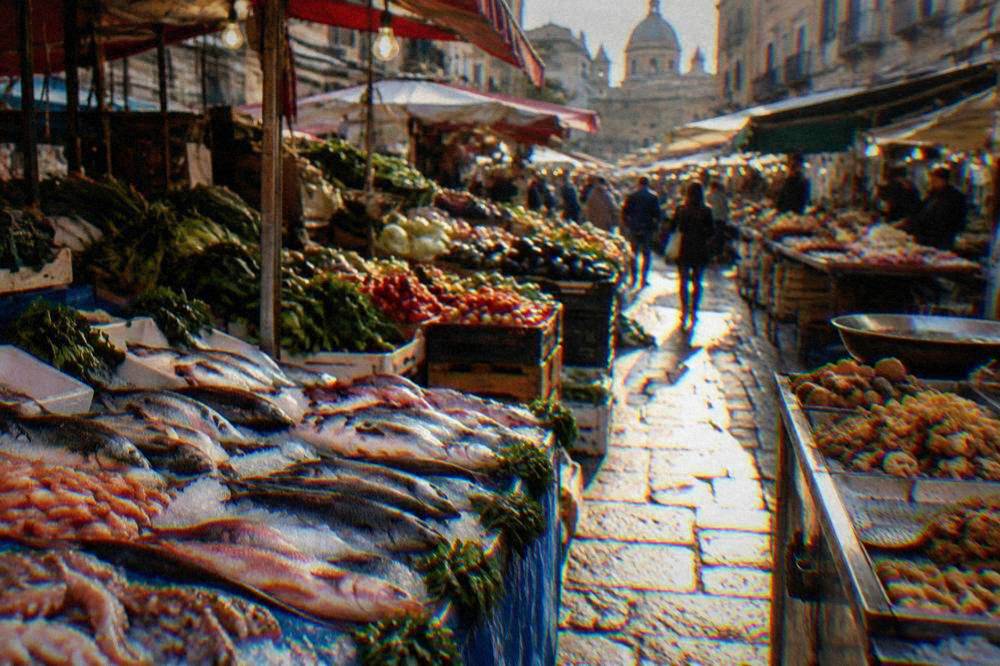
Ballarò runs Monday to Saturday from about 7:30 and on Sunday mornings, and the Capo runs mornings and closes on Sunday; neither keeps a fixed closing hour, so treat any late-afternoon visit as a bonus rather than a plan. The Ballarò market guide covers what to eat and how the stalls are laid out, and the market food is the real point of the morning: panelle, sfincione and arancine are the Palermo staples, and the Accademia della Crusca accepts both arancina and arancino, with Palermo and western Sicily saying arancina. A guided street food walk through the market with a local guide turns the stalls into a meal with context, and the site's street food pages carry the full list of what to order.
Teatro Massimo runs guided tours daily through the late morning and afternoon, and the official tours page lists the full price at 14 EUR, under 26 at 7 EUR, and a family ticket at 36 EUR. The tour is the only way to see the auditorium and the halls beyond the foyer, and booking ahead is required for groups. The Teatro Massimo guide covers what the tour includes, and if your three days fall after 22 November 2026, the 2026-27 season opens that night with Samson et Dalila, so an opera ticket could replace the evening plans.
The Capuchin Catacombs close the day. Admission is 5 EUR full and 3 EUR reduced, tickets are sold at the office only with no online sales, and photography is prohibited inside. Hours are seasonal and split into morning and afternoon openings, so check the official page before setting out. The Capuchin Catacombs guide covers the practicalities and the history in detail.
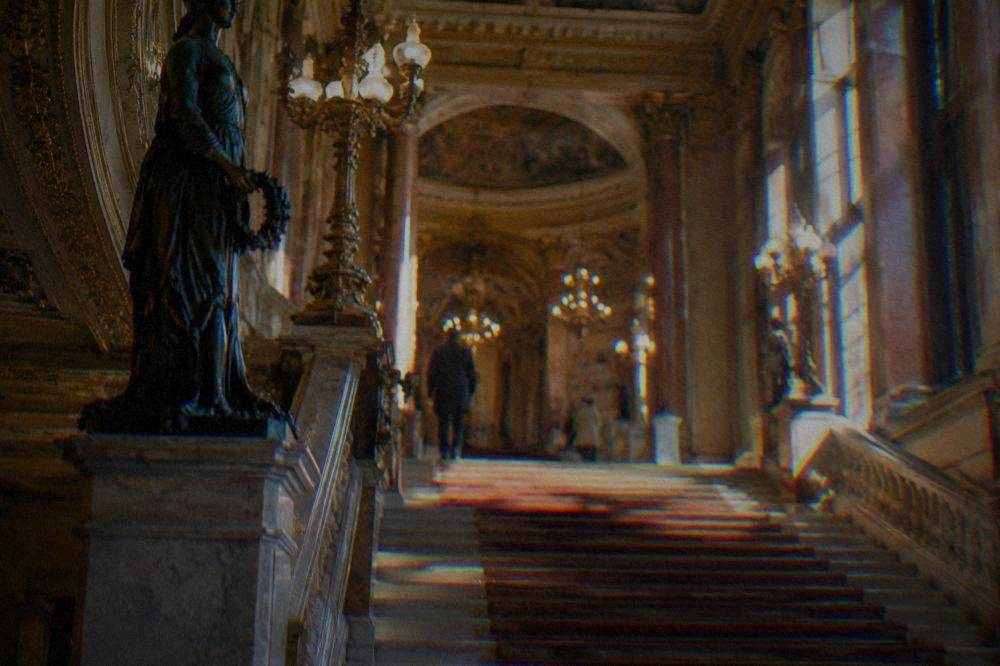
A combined walking and street food tour is the single easiest way to run the morning half of this day, and the live listing carries the current details: Check availability.
If the weather turns, the rainy day plan swaps the market morning for the city's museums: the Galleria d'Arte Moderna at 10 EUR full is open daily, the Salinas Archaeological Museum at 7 EUR full and 3.50 EUR reduced closes on Monday, and the Marionette Museum at 5 EUR full runs puppet shows Tuesday to Saturday at 17:00 with a combined show and museum ticket at 10 EUR. The rainy day in Palermo itinerary and the Palermo museums coverage list the rest.
Day 3: Monreale, Cefalu Or Mondello: Which Day Trip Fits Day 3?
Day 3 belongs to Monreale in the morning, reached on AMAT bus 389 from Piazza Indipendenza for a 1.40 EUR ticket, with the cloister at 8 EUR full and 4 EUR reduced, and then to either Cefalu by direct train in about 40 to 60 minutes or Mondello on AMAT bus 806 for the beach. Monreale plus Cefalu is the fullest version of the day, Monreale plus Mondello is the most relaxed, and a single-destination Monreale day is the fallback if the morning runs long.
Monreale's cloister is the fixed cost of the morning at 8 EUR full and 4 EUR reduced, open Monday to Saturday 9:00 to 19:00 and Sunday about 9:00 to 13:30, with the cathedral itself a separate visit. The walls of the cathedral interior are covered in gold-ground glass mosaic, and no official figure for the surface area or any gold tonnage is published, so judge it by eye rather than by numbers. William I and William II are buried in the cathedral. The AMAT 389 bus makes 47 runs a day, about every 40 minutes, from Piazza Indipendenza, and the ordinary 1.40 EUR AMAT ticket covers it. The Monreale day trip guide carries the full transport detail.
| Day 3 option | Getting there | Time each way | Main costs |
|---|---|---|---|
| Monreale plus Cefalu | AMAT 389, then Trenitalia from Palermo Centrale | Bus about every 40 min, train 40 to 60 min | Cloister 8 EUR, Cefalu towers 10 or 13 EUR |
| Monreale plus Mondello | AMAT 389, then AMAT 806 in summer | Bus about every 40 min, 806 frequent in peak | Cloister 8 EUR, beach free stretches and paid lidos |
| Cefalu only | Direct Trenitalia train, 19 to 24 a day | 40 to 60 min | Cathedral free, towers 10 or 13 EUR, La Rocca 5 EUR |
| Mondello only | AMAT summer line 806 | 13.9 km, about 27 minutes by road | Free stretches and paid lidos |
Cefalu's cathedral entry is free, its paid tower, roof and museum itineraries run at 10 and 13 EUR, and the La Rocca climb costs 5 EUR full and 2.50 EUR reduced. The train from Palermo Centrale takes 40 to 60 minutes with 19 to 24 direct trains a day, which makes the town a genuine half-day trip. The Cefalu day trip guide covers the beach, the Rocca and the timing.
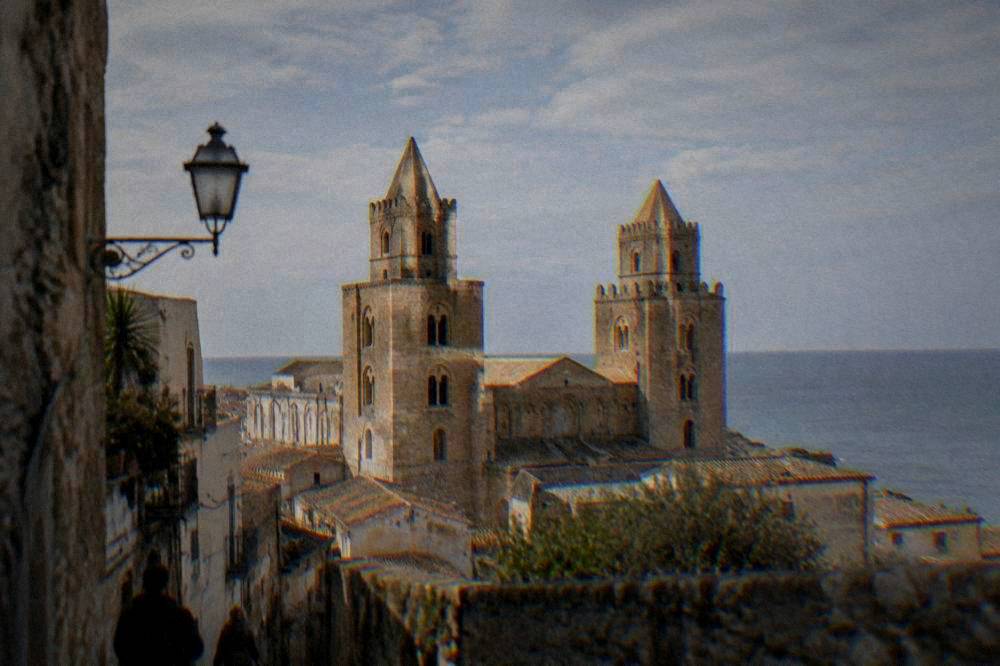
Mondello is the beach alternative: the municipal tourism page describes a 1.5 km stretch of fine pale sand with equipped lidos and cabins, plus the Stabilimento Balneare and the villas in Liberty style. Free public stretches and paid lidos sit side by side, and the Italo Belga area ran a 6 EUR low-cost access in the 2026 season, though its concession is in a court dispute, so check before planning around it. No Palermo-area beach holds a 2026 Blue Flag, so judge the water on the day. The Mondello area guide and the Mondello beach guide carry the rest.
If you would rather not assemble the day yourself, a self-guided Monreale option with a return van transfer from Palermo handles the transport while leaving the visit in your hands: Check availability. More of these guides are collected on Palermo Italy Travel Guide.
How Much Does 3 Days In Palermo Cost In Tickets And Transport?
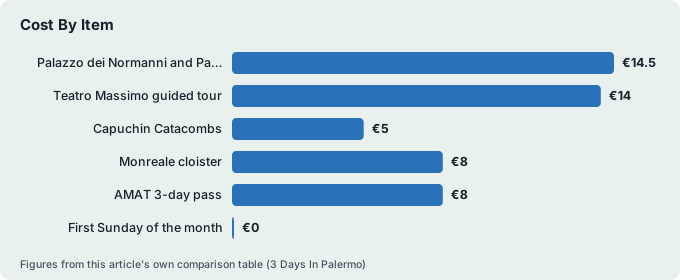
Counting only admissions and local transport, three days in Palermo costs roughly 40 to 60 EUR per person: about 25 to 30 EUR in admissions across the Palazzo dei Normanni, Teatro Massimo, the Catacombs and the Monreale cloister, 8 EUR for a three-day AMAT pass covering buses and trams, and the day 3 excursion fares on top. Meals, accommodation and the tourist tax sit outside that count.
The AMAT fares page gives the full set: 1.40 EUR for a 90-minute ticket, 1.80 EUR bought onboard, 3.50 EUR for a day, 6.00 EUR for two days, 8.00 EUR for three days and 16.50 EUR for seven. Buy before boarding and validate at once, because the 90-minute clock starts at validation. The three-day pass at 8.00 EUR is the natural fit for this itinerary since it covers the 389 to Monreale, the 806 toward Mondello in summer and every city bus and tram in between.
| Item | Cost | Notes |
|---|---|---|
| Palazzo dei Normanni and Palatine Chapel | 14.50 EUR full, 12.50 EUR reduced | Apartments included, closed Tue-Wed when parliament sits |
| Teatro Massimo guided tour | 14 EUR full, 7 EUR under 26, family 36 EUR | Daily tours, groups book ahead |
| Capuchin Catacombs | 5 EUR full, 3 EUR reduced | Tickets at the office only, no photography |
| Monreale cloister | 8 EUR full, 4 EUR reduced | Cathedral is a separate visit |
| Cefalu towers and museum itineraries | 10 or 13 EUR | Cathedral entry free |
| AMAT 3-day pass | 8.00 EUR | Buses and trams, including the 389 to Monreale |
| First Sunday of the month | Free at many state and regional museums | Confirm per site |
Two savings worth planning around. Many state and regional museums are free on the first Sunday of the month, and the Salinas and the Zisa both fall under that rule, so check the calendar against your dates. And the free sights in this itinerary, the Quattro Canti, Piazza Pretoria from the square, the Foro Italico, Villa Giulia, Parco della Favorita and the markets, give day 1 and day 2 plenty of no-cost filler between the ticketed stops. The Palermo on a budget guide expands on this.
The tourist tax applies to non-residents for a maximum of four consecutive nights, at per-night amounts by hotel star rating from about 3 to 5 EUR, with short-term rentals at about 4 EUR, effective from 1 July 2025. It is collected by the accommodation and the exact amount should be confirmed at booking.
Where Should You Stay For 3 Days In Palermo?
For a three-day visit, stay inside the four mandamenti or just outside them around Politeama, because every stop in days 1 and 2 is then walkable and the day 3 transport, the 389 from Piazza Indipendenza and the trains from Palermo Centrale, sits on the edge of the same area. The old town trades character for noise, the Politeama side trades quiet for a short commute in, and either works for this itinerary.
Once you know which quarter suits you, book a hotel room here.
The where to stay in Palermo guide maps the quarters in detail. In short: Albergheria and the Kalsa put you inside day 1's walking route, the area around Politeama and the Teatro Massimo puts you on the new city side with quicker access to the airport bus stops at Politeama and Via Roma, and Mondello itself only makes sense as a base if the beach is the point of the trip.
One booking detail that matters more than the neighbourhood: short-term rentals must display a CIN national code, and hosts must register guests through Alloggiati Web within 24 hours with identity checked in person, so a listing without a CIN code is a legitimate filter. The Palermo apartments guide covers the rental side and the Palermo hotels guide the hotel side.
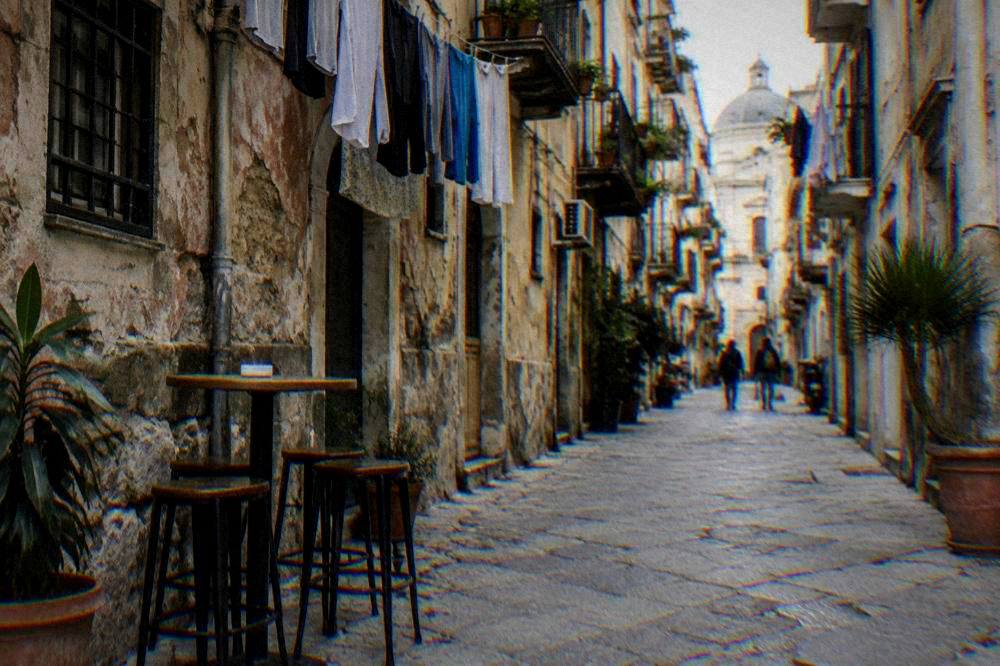
What Should You Know Before Starting A 3-Day Palermo Trip?
Before the trip, know four things: the local transport runs on AMAT buses and four tram lines with no metro, the historic centre is a camera-enforced paid ZTL if you bring a car, the city is walkable enough that a car is a hindrance for days 1 and 2, and the airport is served by the Prestia e Comande bus every 30 minutes with a 6 EUR one-way fare bought online. Each of these changes how you sequence the three days.
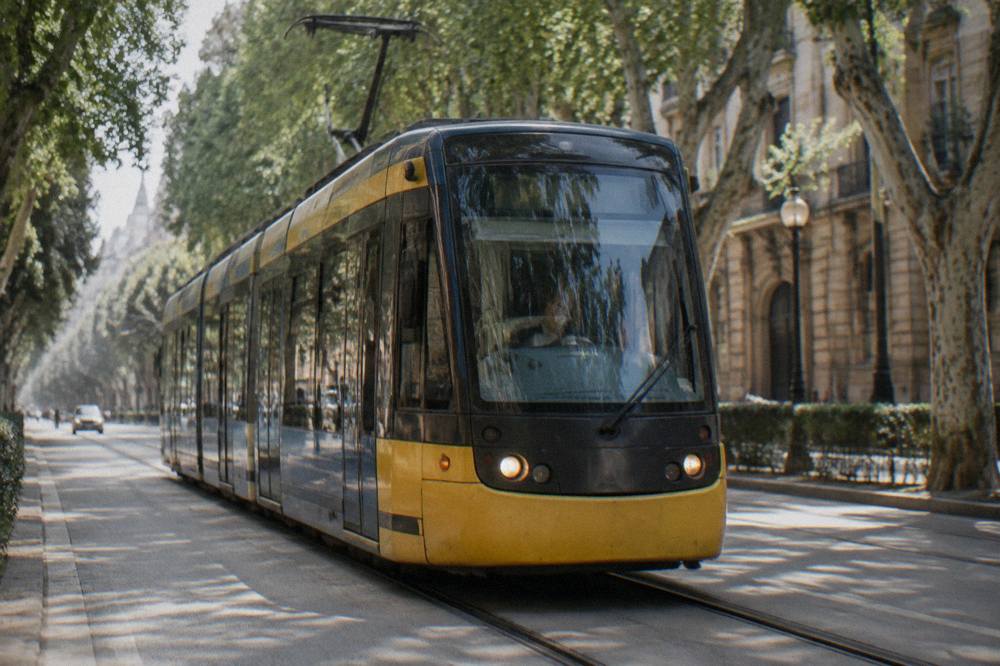
There is no metro in Palermo. What exists is a suburban rail service, the Passante ferroviario, whose Line A runs from Palermo Centrale to the airport, with a Giachery to Politeama section approved to open from November 2026. Within the centre, the four AMAT tram lines converge from the periphery, and the buses cover the rest. The getting around Palermo guide has the full picture, and the answer page on getting around gives the short version.
If you drive in, the ZTL is the trap to know about: the central limited-traffic zone is camera-enforced, access requires a pass bought through the official portal at 5 EUR per day for petrol and diesel cars, 2.50 EUR for hybrids, and free for electric, with weekday daytime hours plus seasonal Friday and Saturday evening hours. Entering without a permit is fined, and the fine amount is not a figure to guess at. Blue-line parking is paid by app. The driving and parking guide covers all of it, and the airport car rental guide the pickup side.
On safety, the US State Department's September 2026 advisory rates Italy at Level 2 and notes that petty crime, including pickpocketing and bag-snatching, is common in popular tourist locations and on public transport, and the UK FCDO says the same about city centres and major attractions. The practical version for this itinerary: a bag zipped and held in front on a crowded bus, and the same care at the market stalls and around the Quattro Canti. The is Palermo safe guide covers the rest, and emergency number 112 reaches police, fire and medical services.
For arrival, GESAP advises arriving at the airport 2 hours before Schengen flights and 3 hours before non-Schengen flights. The Prestia e Comande bus runs every 30 minutes and takes about 50 minutes, stopping at Politeama, Via Roma and the Centrale station area, at 6 EUR one way or 10 EUR return bought online, and 6.50 EUR and 11 EUR onboard. The Palermo airport guide and the airport to city centre guide carry the detail, including the taxi zones.
If three days turns into more, the four to five days in Palermo itinerary and the Palermo and western Sicily week add Segesta, Erice, Scopello and Agrigento, and the root things to do in Palermo page indexes every option. Families should read the Palermo with kids itinerary, and cruise passengers with one ashore day the cruise port day plan.
Common Questions About 3 Days In Palermo
Is 3 days in Palermo enough?
Three days is enough for the whole historic centre, the four main ticketed sights, two markets and one day trip such as Monreale plus Cefalu or Mondello. A fourth day is only needed if you want a second day trip, for example Segesta or Agrigento.
What is the best order for 3 days in Palermo?
Old town first, markets and museums second, day trip third. The Palazzo dei Normanni has the tightest hours, Monday to Saturday to 16:30 and Sunday to 12:30, so it belongs on day 1, and the markets are morning places, so day 2 starts at Ballarò or the Capo.
Do you need a car for 3 days in Palermo?
No. The AMAT three-day pass at 8.00 EUR covers buses and trams including the 389 to Monreale, and the historic centre itself is walkable. The central ZTL is camera-enforced and paid, so a car is a cost and a risk rather than a help for days 1 and 2.
What does a Monreale day trip from Palermo cost?
The AMAT 389 bus from Piazza Indipendenza costs 1.40 EUR each way on an ordinary ticket, and the cloister costs 8 EUR full or 4 EUR reduced. The cathedral is a separate visit and the combined morning is comfortably a half day.
Which day trip is better on day 3, Cefalu or Mondello?
Cefalu if you want a second historic town, a free cathedral and a climbable Rocca at 5 EUR, reached by direct train in 40 to 60 minutes. Mondello if you want the beach, reached on the AMAT 806 in summer, with free public stretches and paid lidos side by side.
When are Palermo museums free?
Many state and regional museums are free on the first Sunday of the month, and the rule should be confirmed per site before you plan around it. Otherwise, the Quattro Canti, Piazza Pretoria from the square, the Foro Italico, Villa Giulia and the markets cost nothing at any time.
Three days, planned in this order, leaves Palermo neither rushed nor half-seen, and every figure above traces back to the official ticket page, the AMAT fares page or the operator timetable that publishes it.
