Palermo Walking Tour
Palermo is a city built for walking: the historic centre folds four old districts around the crossing of Via Maqueda and Corso Vittorio Emanuele, and nearly all of the main sights sit within easy reach of each other on foot.
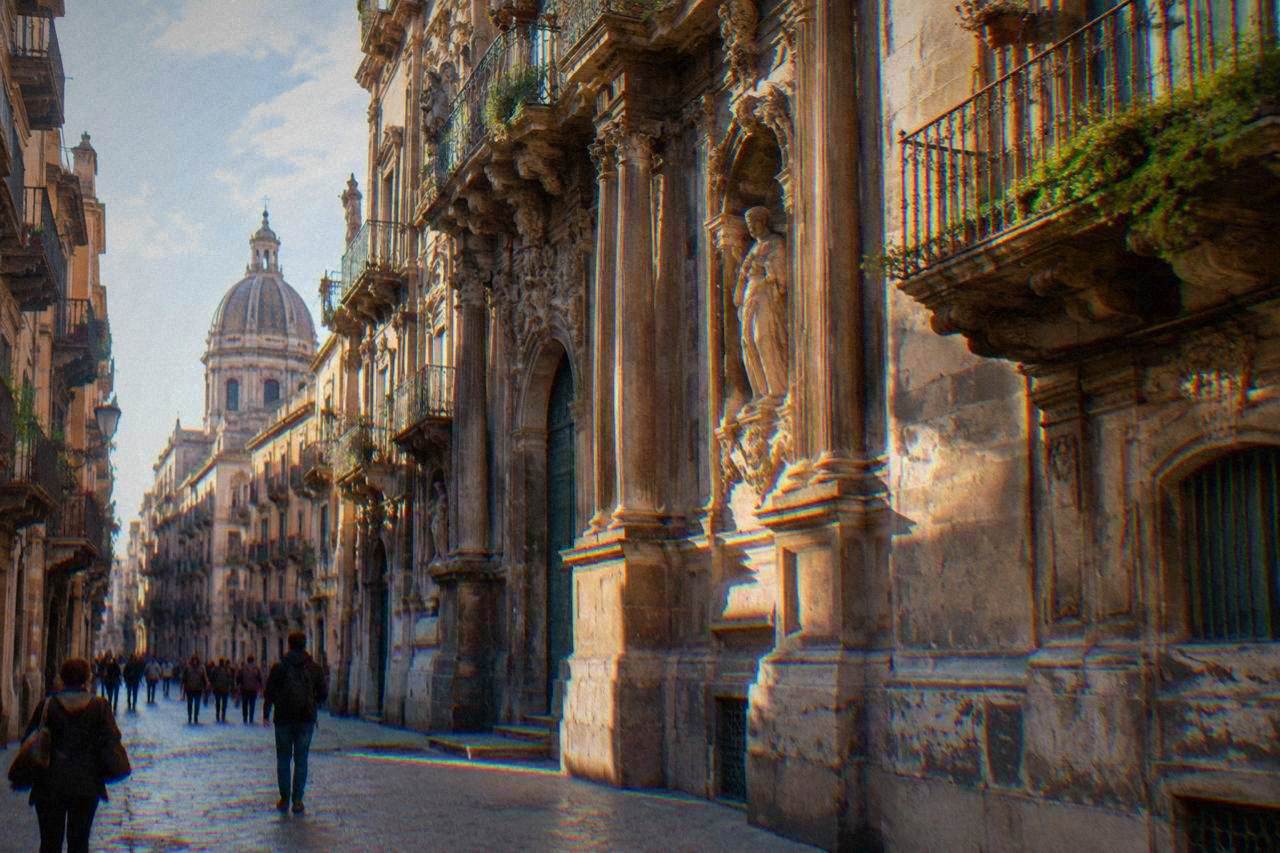
Short answer
Yes, Palermo is best seen on foot. The four historic districts of the centre, Capo, Albergheria, Kalsa and Loggia, meet at the Quattro Canti, and the cathedral, the markets, the Palazzo dei Normanni and the waterfront all sit within a compact area crossed by two main streets.
Palermo is a city whose historic centre was made for walking. The old town is cut into four districts, the mandamenti of Capo, Albergheria, Kalsa and Loggia, by the crossing of Via Maqueda and Corso Vittorio Emanuele at the Quattro Canti, and the municipal tourism page describes exactly this division. Within that square of streets sit the cathedral, the Palazzo dei Normanni with its Palatine Chapel, three historic markets, the Teatro Massimo and the seafront Foro Italico, all connected by lanes that predate the car by centuries. This page from the Palermo Italy Travel Guide lays out how to walk the city: which districts to cross in which order, what each one holds, what a ticketed sight costs where the official pages publish a figure, and where a guided walk earns its place.
Is Palermo A Walkable City?
Yes, Palermo is genuinely walkable, and walking is the sensible way to see it. The four historic districts, Capo, Albergheria, Kalsa and Loggia, meet at the Quattro Canti at the crossing of Via Maqueda and Corso Vittorio Emanuele, and the cathedral, the Palazzo dei Normanni, the Teatro Massimo and the Foro Italico all sit inside or on the edge of that compact centre. The municipal tourism page itself divides the old city into these four mandamenti.
The centre is flat along its two main axes, with a gentle rise toward the Palazzo dei Normanni at the top of Corso Vittorio Emanuele. The lanes are narrow, traffic is limited in the restricted zone, and the distances between headline sights are short: the Quattro Canti to the cathedral is a stroll along one street, the cathedral to the Palazzo dei Normanni continues up the same axis, and the Kalsa runs downhill from there toward the sea. Visitors who want the full picture of the city's transit options, trams, buses and the suburban rail lines, can read the getting around Palermo guide, but for the old centre, feet are enough.
A few practical notes shape a walking day. Summer afternoons are hot, and the climate table shows July and August means of 26.2 and 26.8 C, so the walking pattern that fits the city is an early start, a long lunch and an evening return, which is also when the markets and the squares are liveliest. Comfortable shoes matter on cobbled lanes. The streets of the centre also carry scooters, so the usual urban habit of checking before stepping out applies.
What Is The Best Walking Route Through Palermo?
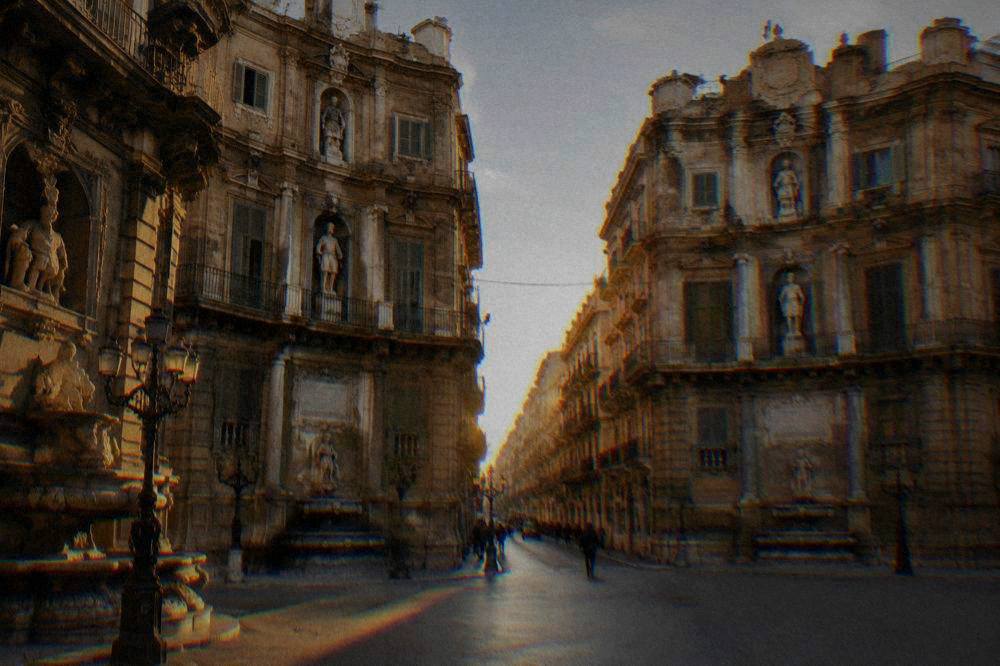
The classic walking route runs from the Teatro Massimo down Via Maqueda to the Quattro Canti, then along Corso Vittorio Emanuele in one direction to the cathedral and the Palazzo dei Normanni, and in the other direction down to the Foro Italico on the sea. This single cross, two streets crossing at the Quattro Canti, organises the whole old town, and every major sight hangs off it.
Start at the Teatro Massimo at the top of the route. The theatre's own pages give the guided-tour prices at 14 EUR full and 7 EUR for under 26s, with a family ticket at 36 EUR, and tours run daily from roughly 9:30 into the early evening. From there, Via Maqueda runs straight down to the Quattro Canti, the four-cornered square where the four districts meet. Continue south and the street reaches Piazza Pretoria with its fountain, then the crossroads of the old city at Corso Vittorio Emanuele.
Turn uphill on Corso Vittorio Emanuele for the cathedral, whose official pages describe hours but list no ticket price for the monumental area of roof, royal tombs, treasury and crypt, which is ticketed with the price shown at the ticket point or on the cathedral's ticket shop. The route continues uphill to the Palazzo dei Normanni, where the federicosecondo.org visit page lists 14.50 EUR full and 12.50 EUR reduced for the palace and Palatine Chapel together, royal apartments included, with apartments closed Tuesdays and Wednesdays when parliament sits. Turn downhill instead and Corso Vittorio Emanuele runs to the sea at the Foro Italico, the long seafront lawn that the municipal page lists among the free spaces of the city.
A full day on this route is realistic, and the question of how long to give the city overall is covered in the how many days in Palermo guide. One day covers the cross route and a market; two or three days add the museums, Mondello and a day trip.
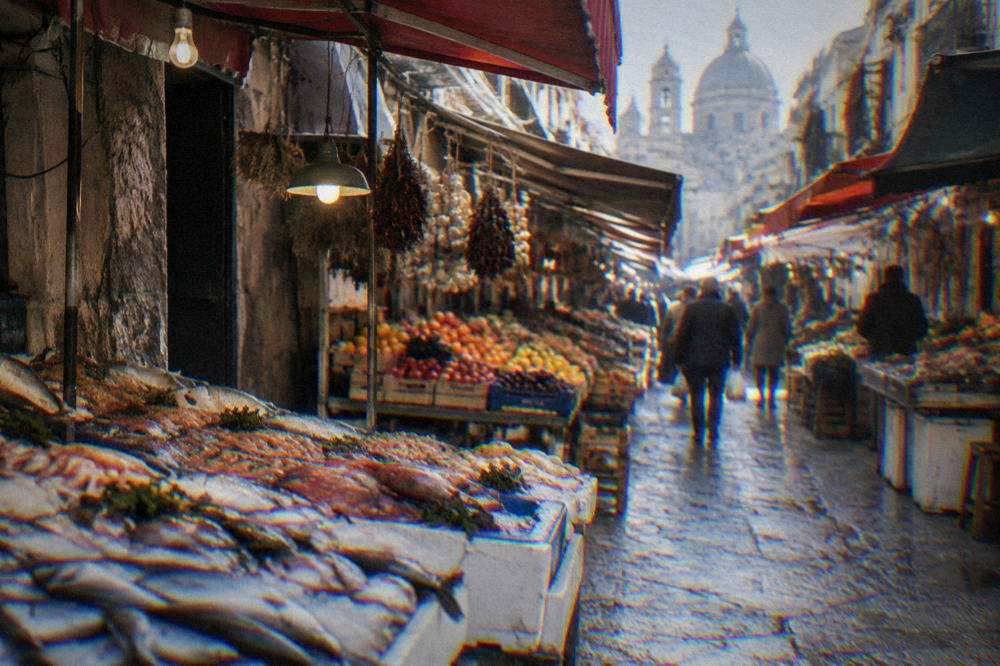
Guided walks and day trips both spare you the planning, and two formats suit first-time visitors. In the city, a guided walk pairs the lanes with the street food; out of it, a coach excursion reaches the west-coast sights in one move.
Want a guided start to the old centre? Book a free welcome walking tour here.
The Segesta, Erice and salt pans excursion suits a day when the city has given what it can and the Greek temple and the hilltown are calling. For anyone who prefers to stay closer, the Monreale and Cefalu half-day trip covers the two cathedral towns that share the UNESCO inscription with Palermo, and the street food and history walk keeps the day inside the old lanes.
Which Palermo Districts Should A Walking Tour Cover?
A walking tour of Palermo should cover the four historic districts named by the municipal tourism page, Capo, Albergheria, Kalsa and Loggia, which meet at the Quattro Canti. Capo holds the market and the cathedral approach, Albergheria holds the Palazzo dei Normanni, Kalsa holds the galleries and the seafront end of the old city, and Loggia holds the port-side streets around the Via Maqueda crossing.
Each district has its own character. Capo, in the north of the old town, is the market district: the Capo market runs in the mornings and closes on Sundays, and its lanes lead toward the cathedral. Albergheria, taking its name from the royal palace at its heart, climbs from the Ballarò market up to the Palazzo dei Normanni. The Kalsa, the old quarter of the city's official tourism listings, runs from Piazza Pretoria down toward the sea and holds the Palazzo Abatellis, which is closed or closing for about 18 months of climate-control works from mid-July 2026 with no reopening date confirmed, so its collection should not be counted on. Loggia wraps the port-side streets and the La Cala harbour area, which has its own page on this site.
The markets deserve a morning each if time allows. Ballarò runs Monday to Saturday from about 7:30 and on Sunday mornings, and never treats a closing hour as fixed. The full picture of all three markets is in the Palermo markets guide, and the food side, panelle, sfincione, arancine, is covered in the Palermo street food guide.
| District | What it holds | Notes for walkers |
|---|---|---|
| Capo | Capo market, cathedral approach | Market mornings, closed Sunday |
| Albergheria | Ballarò market, Palazzo dei Normanni | Uphill from the market to the palace |
| Kalsa | Palazzo Abatellis area, seafront end of old city | Abatellis closed for works from mid-July 2026 |
| Loggia | Port-side streets, La Cala | Flat, connects to Foro Italico |
What Does A Guided Walking Tour Of Palermo Include?
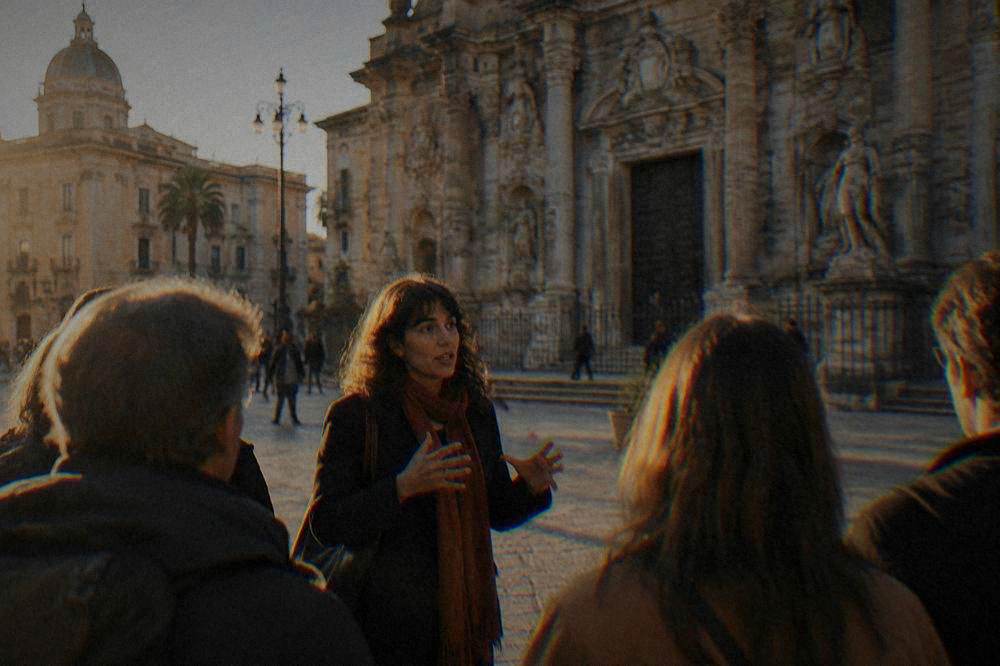
A guided walking tour of Palermo typically covers the Quattro Canti, the cathedral exterior, the market lanes and the street food stalls of the old centre, with the Palazzo dei Normanni and the Palatine Chapel offered as an option on some walks. The three-hour format is the common one, and tip-based walks also run locally, with the terms to be confirmed directly with the guide before setting out.
The value of a guide in Palermo is context. The city's layers, Arab, Norman and later, are read in the stones: the official cathedral history records that Saracens turned the earlier church into a mosque in 831 and that the Normans returned it to Christian worship in 1072, and a Qur'an verse sits on the first column on the left of the southern porch. A walk that points these things out turns a pretty lane into a readable one. The anti-mafia thread is also part of the city's walking story, from the Albero Falcone on Via Notarbartolo, tied to the Capaci attack of 23 May 1992, to the Corleone documentation centre reached on a day trip, and the anti-mafia tour guide covers that strand in full.
For visitors who would rather eat their way through, the food walks are the strongest format in the city, and the Palermo food tour guide compares them. The desk walk is the one below, which pairs the history with the tastings.
How Long Does A Walking Tour Of Palermo Take?
A self-guided walking route across the old centre takes a full day at an easy pace, covering the Quattro Canti, the cathedral, the Palazzo dei Normanni, one market and the Foro Italico. A guided walk typically runs about three hours, and the city's own headline sights each ask for between 45 minutes and two hours, with the Palazzo dei Normanni and Palatine Chapel visit running longer because one ticket covers both.
The official pages give the timings that matter. The Palazzo dei Normanni admits visitors Monday to Saturday until 16:30 last admission and Sunday and holidays until 12:30, so it belongs early or mid-day, not at the end of an afternoon. Teatro Massimo tours run daily from roughly 9:30 with the last tour in the early evening. The Capuchin Catacombs, a short ride or a longer walk out of the centre, charge 5 EUR full and 3 EUR reduced, sell tickets at the office only and prohibit photography. Those hours are set out in the site's dedicated pages for the Norman Palace, the cathedral and the catacombs.
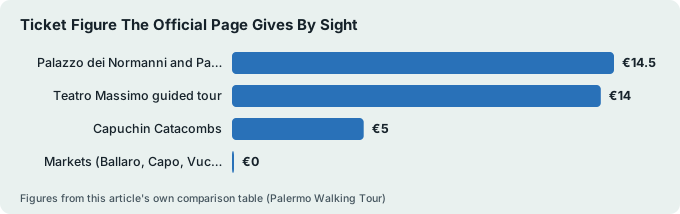
| Sight | Time to allow | Ticket figure the official page gives |
|---|---|---|
| Palazzo dei Normanni and Palatine Chapel | 2 hours | 14.50 EUR full, 12.50 EUR reduced |
| Palermo Cathedral monumental area | 1 to 2 hours | Price at the ticket point or ticket shop |
| Teatro Massimo guided tour | 1 hour | 14 EUR full, 7 EUR under 26 |
| Capuchin Catacombs | 1 hour | 5 EUR full, 3 EUR reduced |
| Markets (Ballarò, Capo, Vucciria) | 1 to 2 hours each | Free entry |
What Should A Palermo Walking Tour Cost?
The walkable core of Palermo is largely free: the Quattro Canti, Piazza Pretoria's exterior, the Foro Italico, Villa Giulia and the markets cost nothing. The ticketed stops on a walking route, at the figures the official pages publish, add up to about 19 EUR per adult for the Palazzo dei Normanni and a Teatro Massimo tour together, or about 24 EUR with the catacombs added, before any guided walk fee.
Budgeting a walking day is straightforward because the paid stops publish their figures. Add the first Sunday of the month, when many state and regional museums are free, to be confirmed per site, and the day gets cheaper still. The Palermo on a budget guide builds a full low-cost day around these free spaces. One caution from the official pages: the Monreale cloister, at 8 EUR full and 4 EUR reduced, and the Monreale cathedral are separate visits, and Monreale is a bus ride out of the centre on AMAT line 389 from Piazza Indipendenza at the ordinary 1.40 EUR fare, so they belong to a day trip rather than a walking day.
| Item on a walking day | Free or paid | Figure where published |
|---|---|---|
| Quattro Canti, Foro Italico, Villa Giulia | Free | Nothing to pay |
| Markets | Free | Nothing to pay |
| Palazzo dei Normanni and Palatine Chapel | Paid | 14.50 EUR full, 12.50 EUR reduced |
| Teatro Massimo tour | Paid | 14 EUR full, 7 EUR under 26 |
| Capuchin Catacombs | Paid | 5 EUR full, 3 EUR reduced |
| First Sunday of the month | Free at many museums | Confirm per site |
When Is The Best Time Of Day To Walk Palermo?
The best time of day to walk Palermo is the morning, from around 8:00 to 13:00, when the markets are fully running, the heat is still reasonable and the ticketed sights are open with full afternoon hours ahead. The evening is the second good window, from about 18:00, when the squares fill again and the climate table's July mean of 26.2 C has cooled toward the night.
The morning argument is practical. Ballarò runs Monday to Saturday from about 7:30, the Capo market runs mornings and rests on Sundays, and the Palazzo dei Normanni's last admission on a weekday is 16:30. A walk that starts at the market, crosses to the Quattro Canti and climbs to the palace by late morning fits every opening in one line. The afternoon gap, roughly 13:00 to 16:00, is the time for lunch or a museum seat, and the best time to visit Palermo guide sets out the month-by-month picture from the same climate table.
Rain is rare in the walking season but not unknown: October is the wettest month in the modelled 1991 to 2020 normals at 81 mm and July the driest at 7 mm. A wet day has answers too, from the Teatro Massimo tour to the Marionette Museum at 5 EUR full and 3 EUR reduced with puppet shows Tuesday to Saturday at 17:00, and the rainy day in Palermo guide lists them.
What Should You Wear And Carry On A Palermo Walk?
Wear closed, comfortable shoes and carry water, sun protection and a small amount of cash for the market stalls, and pack covered shoulders and knees for church entry. Tap water in Palermo is suitable for drinking according to AMAP, the water utility, so a refillable bottle works, and the dress note matters because the cathedral nave is a working church and the monumental area's official page flags comfortable shoes for the roof.
The list is short because the centre is compact. Shoes first: the lanes are cobbled and the cathedral roof visit requires comfortable shoes per the official visiting page. Shoulders and knees covered for churches, including the Palatine Chapel inside the palace. A zipped bag held in front on crowded buses and in market crushes is the standard urban habit that both the US State Department and the UK FCDO advisories point toward, since both name pickpocketing and bag-snatching around tourist sites and on public transport as the common opportunistic crimes; the is Palermo safe guide carries the full wording. Emergency numbers in Italy are 112 for the single European service, with 118 medical, 115 fire and 113 police listed alongside it.
Can You Combine A Palermo Walk With A Day Trip?
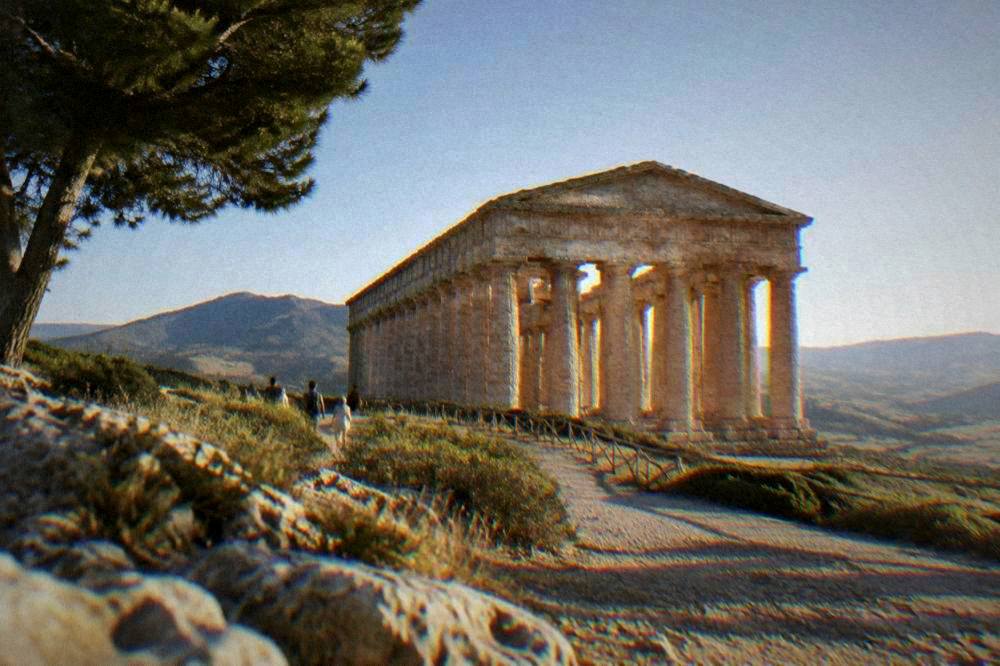
Yes, the standard pattern is a walking morning in the centre followed by an afternoon or a full day out, because the day-trip sights around Palermo, Monreale, Cefalu, Segesta, Erice and the salt pans, all start from stops inside or beside the walkable centre. Monreale is 16 minutes by road and Cefalu 65 minutes by road from the Quattro Canti, per route calculations, and the Segesta, Erice and salt pans circuit is a full-day excursion.
The geography makes the combination easy. The AMAT 389 bus to Monreale leaves from Piazza Indipendenza, an uphill walk from the palace. Trains to Cefalu leave from Palermo Centrale and take 39 to 60 minutes with 19 to 24 direct trains a day, and Cefalu cathedral entry is free with paid tower and museum itineraries at 10 and 13 EUR. Segesta charges 14 EUR full and 7 EUR reduced, the Erice cable car runs at 9 EUR one way and 15 EUR return, and the salt pans museum at Nubia is free. Doing three of those in one day without a car is a puzzle of timetables, which is exactly the case a coach excursion answers.
The desk's pick for the combined day is below, and the half-day Monreale and Cefalu trip in the trio above suits a first visit with only one spare day.
| Day trip from Palermo | Road time from Quattro Canti | Entry figure where published |
|---|---|---|
| Monreale | 16 min | Cloister 8 EUR full, 4 EUR reduced |
| Cefalu | 65 min | Cathedral free, itineraries 10 and 13 EUR |
| Segesta | 64 min | 14 EUR full, 7 EUR reduced |
| Erice | 96 min | Cable car 9 EUR one way, 15 EUR return |
For travellers weighing the whole region, the is Palermo worth visiting guide sets out the case for the city as a base, and the second trio below covers the formats that fit a walking-first stay.
Common Questions About Palermo Walking Tours
Is Palermo easy to walk around?
Yes. The four historic districts meet at the Quattro Canti and the main sights sit inside a compact, mostly flat centre. The two main streets, Via Maqueda and Corso Vittorio Emanuele, cross at that square and organise every route.
How long does a walking tour of Palermo take?
A self-guided route across the old centre takes a full day at an easy pace. Guided walks in the city typically run about three hours, and the ticketed sights each ask for 45 minutes to two hours.
Do you need a guided walking tour in Palermo?
You do not need one, since the centre reads well on its own with a map and the official pages. A guide adds the layered history, from the 831 mosque conversion of the cathedral site to the anti-mafia landmarks, and the food walks add the market tastings, which is where the format earns its fee.
What should a Palermo walking route include?
The Quattro Canti, Piazza Pretoria, the cathedral, the Palazzo dei Normanni and Palatine Chapel, one market (Ballarò or Capo) and the Foro Italico seafront. The Teatro Massimo sits at the top of the route and makes a natural start.
Is it safe to walk in Palermo at night?
The official advisories for Italy name petty crime such as pickpocketing and bag-snatching around tourist sites and on public transport as the common risk, with no advice against travel. The lit central streets between the Quattro Canti and the Politeama area are the standard evening walking ground, and a zipped bag held in front is the usual precaution.
What is the best month for a walking trip to Palermo?
Spring and autumn. The modelled 1991 to 2020 normals show July at 26.2 C and August at 26.8 C as the warmest months, with August's mean maximum at 30.4 C, while April sits at 15.3 C and October at 20.1 C, which suits long days on foot far better.
Palermo rewards the walker more than the driver: its centre is a crossed grid of two streets and four districts, its headline sights publish their hours and most of their prices, and its markets, squares and seafront cost nothing at all. Walk the cross in a morning, add a palace or a theatre in the afternoon, and let a guided walk or a coach day trip carry the rest.
