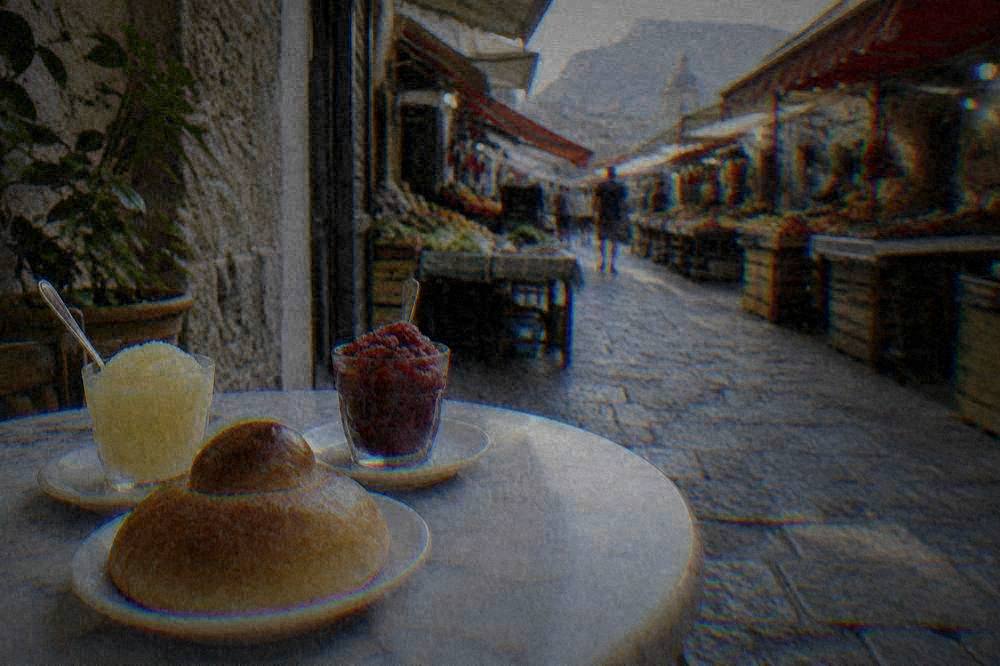
Palermo Street Food
Palermo eats standing up. This guide sets out what the city's street food actually is, which markets sell it and when they open, what the classic dishes are, and how the guided food walks compare with going alone.
Short answer
Palermo street food means the fried and handheld food of the historic markets, above all arancine, pannelle, sfincione and cannoli, eaten at Ballarò, the Capo and the Vucciria. The markets open Monday to Saturday from about 7:30, entry is free, and a guided food walk covers several stalls with tastings included.
Palermo eats standing up. In the markets of the Sicilian capital, food is fried in front of you, wrapped in paper and handed over a counter, and the city's own linguists at the Accademia della Crusca have had to rule on what to call its most famous fried item.
The municipal tourism page groups Ballarò, the Capo and the Vucciria together as the city's main historic markets, and Ballarò is described there as a market of Arab origin with free entry. Those three names, plus the fried food they sell, are the backbone of eating in this city. The Palermo Italy Travel Guide covers the sightseeing side; this page is about the food in the hand.
What Is Palermo Street Food?
Palermo street food is the fried, filled and handheld food sold at counters and market stalls rather than in restaurants: arancine (fried rice balls), pannelle (chickpea fritties), sfincione (a thick, spongy pizza-like slice), crocche, cannoli and spleen sandwiches, all made to be eaten standing or walking. The municipal tourism page frames the markets themselves, Ballarò, the Capo and the Vucciria, as the historic home of this food, with free entry and daytime hours.
The food is cheap by nature, sold by weight or by the piece, and it changes with the time of day. Mornings are for the fried breakfast items that Palermo is unusual in embracing; the afternoon is when sfincione appears; the evening Vucciria becomes a place to eat outdoors with a drink. None of this needs a reservation, and that is the point of it.
The language question has a formal answer. The Accademia della Crusca, Italy's reference body for the language, accepts both arancina and arancino as correct. Palermo and western Sicily say arancina, and the Palermo form is usually round, while Catania and the east say arancino, usually conical. Order either word at a stall and you will be understood. The dedicated Palermo arancine guide breaks the varieties down filling by filling.
Which Palermo Markets Sell Street Food, And When Are They Open?
The three main markets are Ballarò, the Capo and the Vucciria. The municipal tourism page gives Ballarò roughly Monday to Saturday from about 7:30 to about 20:00, with Sunday mornings; the Capo runs mornings and is closed Sunday; the Vucciria keeps a daytime market and an evening street-food scene. Entry to all three is free, and hours are guides rather than fixed commitments, so treat any closing time as approximate.
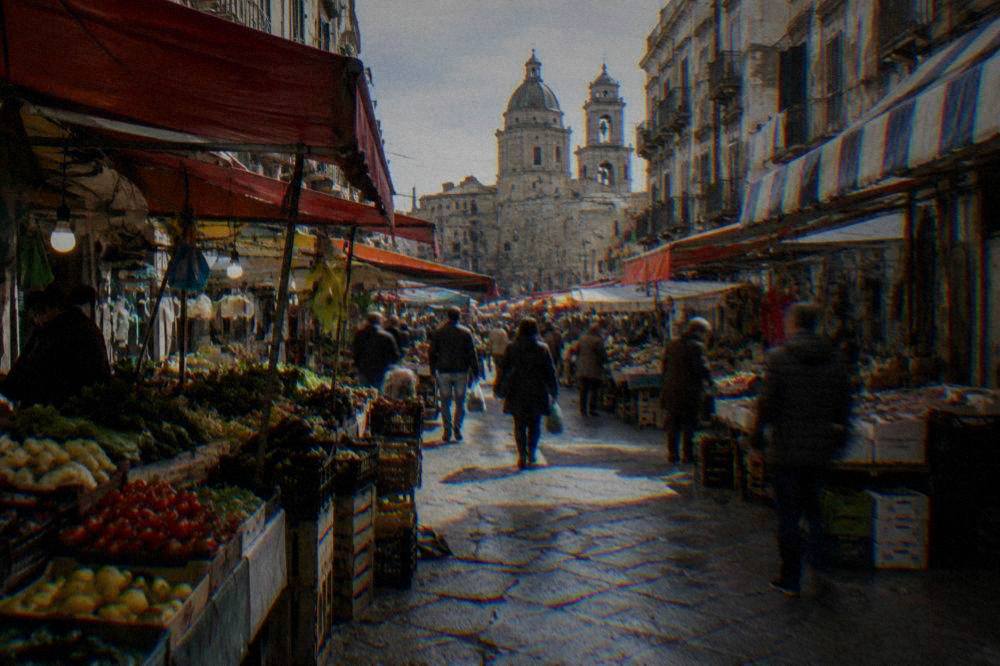
Ballarò sits in the Albergheria district, a short walk from the station side of the old centre. The Capo runs toward the cathedral end of Via Sant'Agostino. The Vucciria is closest to the port-side streets around Via Maqueda, and it is the one whose character changes most after dark, when the stalls close and the bars open. The Palermo markets guide maps all three against the rest of the old town.
| Market | Days | Rough hours | Character |
|---|---|---|---|
| Ballarò | Monday to Saturday, Sunday mornings | About 7:30 to 20:00 | Produce and fried food, described by the municipal page as the largest historic market |
| Capo | Monday to Saturday mornings | Mornings, closed Sunday | Food stalls close to the streets leading to Palermo Cathedral |
| Vucciria | Monday to Saturday daytime | Daytime market, evening bars | Market by day, open-air eating and drinking at night |
One practical note: the closing hour of a Sicilian market is not a timetable commitment. Stalls wind down when the trade winds down, and Sunday everywhere is reduced. Go early for the full spectacle and the freshest fry.
A guided walk is one way to cover several stalls without having to work out which counter serves what, and the trio above all build tastings into the route. The featured walk on this site pairs the market food with the history of the streets around it; the operator's live listing carries the current price, the meeting point and the cancellation terms. Read on for what the dishes actually are before you choose.
What Are The Classic Palermo Street Foods?
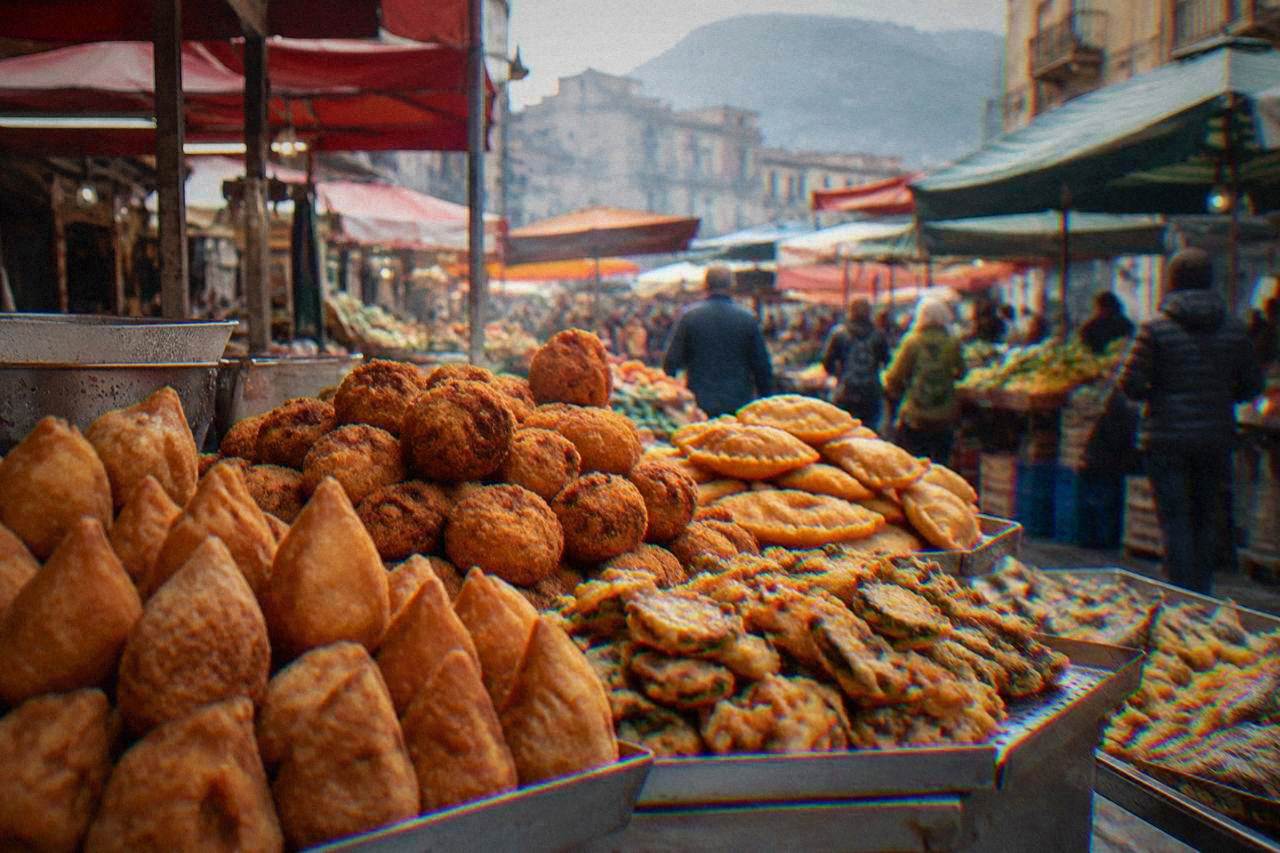
The core dishes are five: the arancina, a fried rice ball with a meat or butter filling; panelle, chickpea-flour fritties served in a roll; sfincione, a thick tomato-and-onion slice on spongy dough; crocche, fried potato croquettes; and cannolo, a crisp pastry tube filled with sweet ricotta. Around them sit pani ca meusa, a spleen sandwich, and the sweets covered in the city's dessert counters.
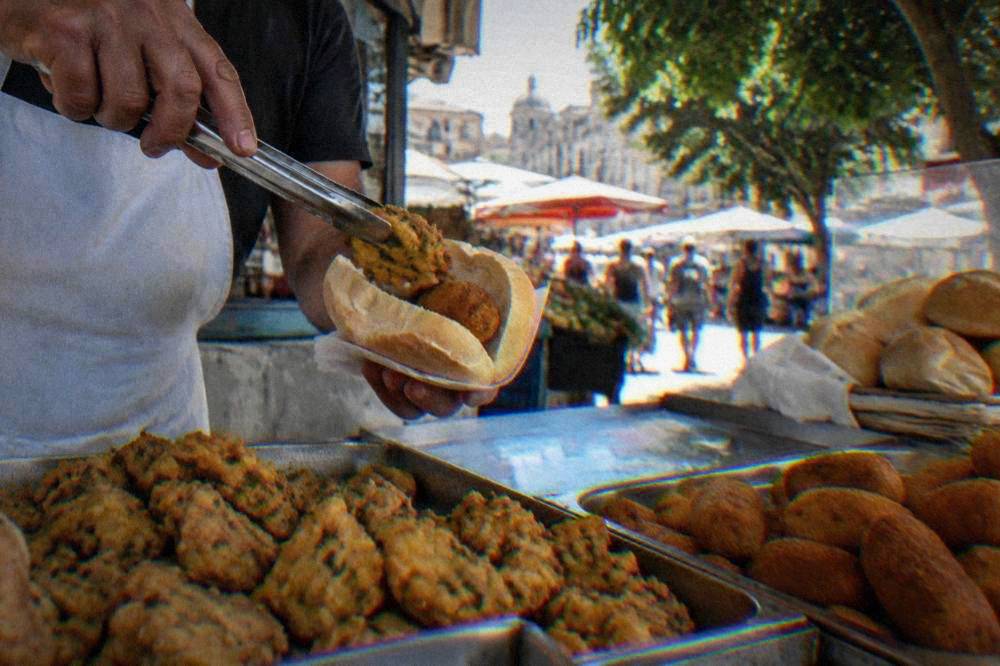
The arancina is the headline item and the one with the linguistic ruling behind it. The Palermo form is round, and the two classic fillings are ragu, with meat sauce and peas, and burro, with ham and cheese. A stall will usually have both, plus whatever the season adds. The Accademia della Crusca's position, that both arancina and arancino are acceptable Italian, settles the ordering question: use either.
Panelle are the city's most distinctive vegetarian item, chickpea flour cooked into firm fritties and served in a soft roll, often with a squeeze of lemon and sometimes with crocche alongside. Together in a roll they are a full lunch for pocket change. Sfincione, covered in its own depth in the sfincione and pannelle guide, is the Palermo answer to pizza, thicker and softer, sold by the slice, and traditionally an afternoon or evening item rather than a lunch one.
| Dish | What it is | When Palermo eats it |
|---|---|---|
| Arancina | Round fried rice ball, ragu or butter filling | Any time, hot from the fryer |
| Pani ca meusa | Bread roll with cooked spleen and lung, with or without ricotta | Breakfast and lunch at specialist stalls |
| Panelle in a roll | Chickpea fritties in bread with lemon | Lunch |
| Crocche | Fried mashed-potato cylinders | Lunch, with panelle |
| Sfincione | Thick spongy dough with tomato, onion and cheese | Afternoon and evening |
| Cannolo | Crisp fried pastry tube filled with ricotta | Dessert, filled to order |
Pani ca meusa deserves its own sentence of warning and encouragement: it is offal, it is a Palermo specialty with deep roots in the market streets, and it is the dish that separates the curious from the cautious. A stall will make it con la ricotta, with ricotta, or senza, without. The sweets are less divisive, and the Palermo Sicilian desserts guide covers cannoli, cassata and the rest in full.
The question a first-time visitor usually has is which stalls to trust. A booked walk answers that directly: the featured street food and history walk moves through the market streets with a local guide and tastings at the stops, and you can Check availability on the operator's live listing. Free cancellation before the start means the weather or a late landing does not strand you.
Can You Drink The Water, And What Is The Coperto?
Yes, the tap water in Palermo is suitable for drinking: AMAP, the city's water utility, states that the water it distributes meets the standards for human consumption. The coperto is a cover charge that is legal in Italy when it is printed on the menu before you order, typically a euro or three per person in a sit-down restaurant, and tipping is not obligatory anywhere, market or restaurant.
The practical effect for a street-food trip is simple. You can refill a bottle from the tap instead of buying water, which matters in the warmer months, and when you do sit down at a table in the evening, the itemised bill should show the coperto as a printed line. If it is not printed, ask. That check is one any visitor can make without a word of confrontation.
Street counters do not charge a coperto, which is part of why the markets are the budget-friendly way to eat the city. The Palermo on a budget guide extends the same logic across accommodation and sights.
Is A Guided Palermo Street Food Tour Worth Booking?
A guided food walk is worth booking when you want several stalls covered in one outing with the dishes explained and the tastings already arranged, since the walks on this site's roster pair market counters with the history of the surrounding streets. Going alone costs less per item and gives you the same food, but you choose the stalls yourself and you miss the context, which in Palermo is inseparable from what is on the plate.
The choice is really about information density. Palermo's market food carries the city's whole layered history in it, Arab-era chickpeas, Spanish-era sweets, and thefried items that became workers' lunches, and a guide who can point at a stall and explain what it is doing there changes the walk from a feed into a tour. The reverse argument holds too: a confident eater with this page and the Palermo walking tour guide can do the route alone at their own pace.
Tip-based walks also run locally, on a pay-what-you-want basis; confirm the arrangement with the guide before setting off. For a fixed-price option, the walk above combines a full walking route with street food stops, and the listing shows what is included.
Where Do You Eat In The Evening In Palermo?
Evening eating in Palermo splits between the Vucciria, where the old market streets fill with bars and open-air food after dark, and the restaurant streets of the old centre, where sit-down Sicilian dining takes over from the market counters. The Vucciria's night scene is the street-food continuation of the day: the daytime stalls close and the squares around Piazza Caracciolo and Garraffello become the place to eat and drink standing.
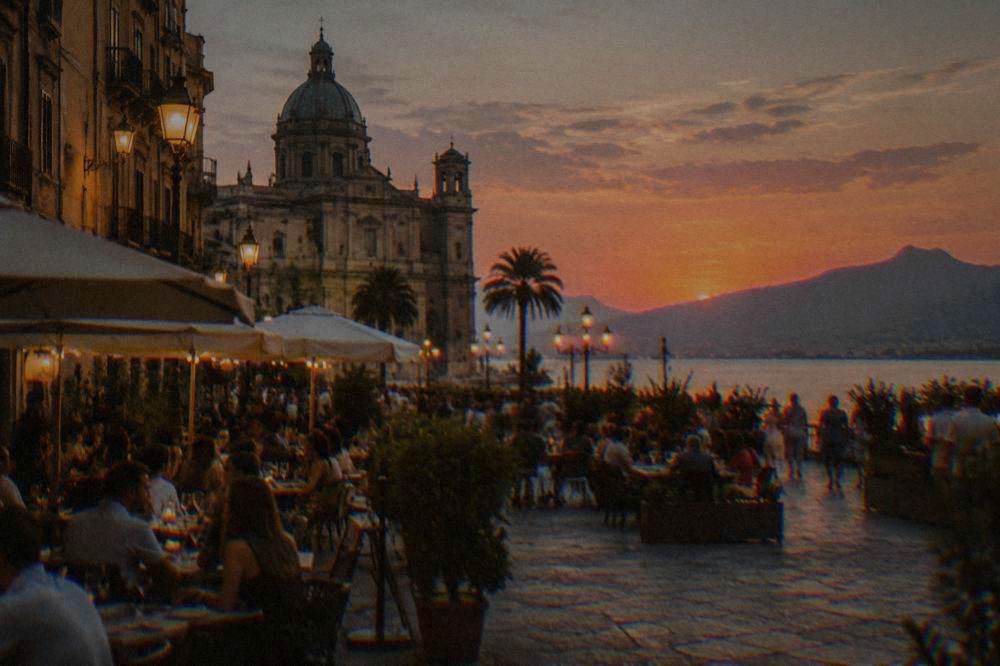
The other classic evening route is Via Maqueda and the streets off it, which fill from apertivo time onward. Mondello, the beach district about 27 minutes by road from the Quattro Canti, adds a summer evening scene of its own. The Palermo nightlife guide maps the districts and the seasonal rhythm, and the Palermo restaurants guide takes over where the counters close.
For the evening side of street food specifically, an all-inclusive evening walk removes the guesswork about which counters are still serving:
It pairs the food with Sicilian wine, which is a natural step up from the paper-wrapped version, and the operator's live listing carries the route and the current price.
Which Ticketed Sights Sit Next To The Food?
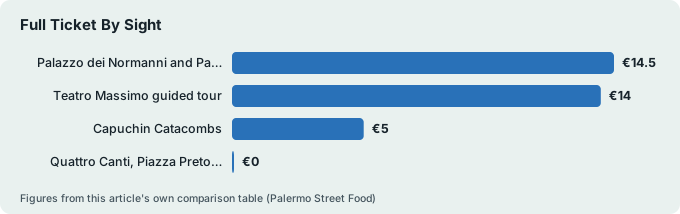
The main ticketed sights inside or beside the market streets are Palazzo dei Normanni with the Palatine Chapel, at 14.50 EUR full and 12.50 EUR reduced including the royal apartments; the Teatro Massimo guided tour at 14 EUR full and 7 EUR under 26; and the Capuchin Catacombs at 5 EUR full and 3 EUR reduced. Palermo Cathedral's monumental area is ticketed with prices shown at the ticket point, and the Quattro Canti, Piazza Pretoria's exterior and Foro Italico are free.
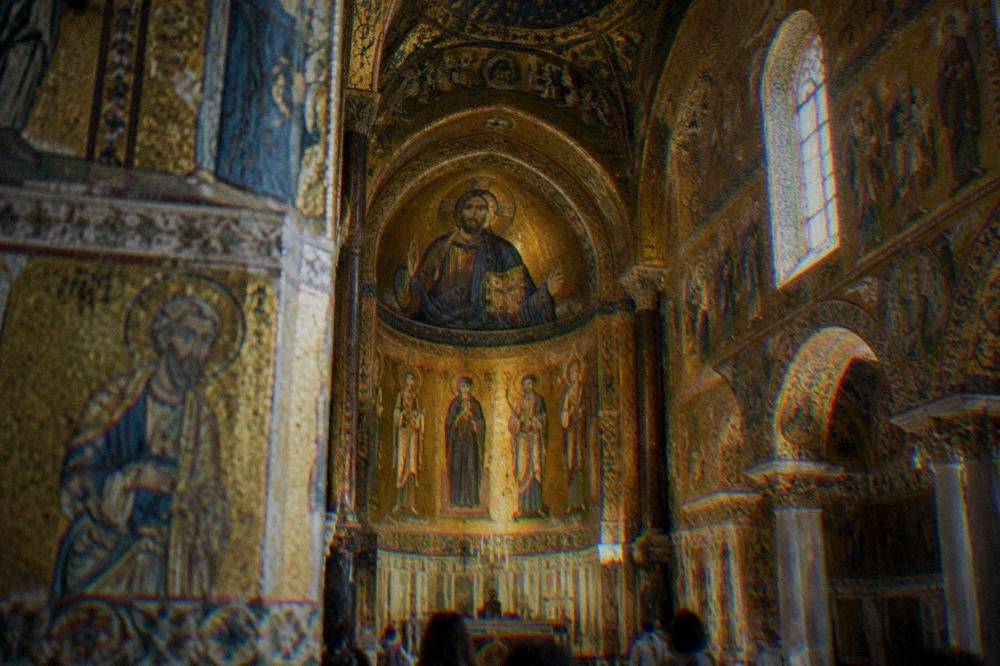
This matters because a food-first day in Palermo is also a walking day, and the stalls sit inside the same four historic districts the sights occupy. The Capo market flows toward the cathedral; Ballarò sits under the palace end of the old town; a sfincione stop fits naturally between the Quattro Canti and the waterfront. The one day in Palermo itinerary sequences exactly this kind of day.
| Sight | Full ticket | Reduced | Note |
|---|---|---|---|
| Palazzo dei Normanni and Palatine Chapel | 14.50 EUR | 12.50 EUR | Royal apartments included; closed to apartments Tuesday and Wednesday when parliament sits |
| Teatro Massimo guided tour | 14 EUR | 7 EUR under 26 | Family ticket 36 EUR; tours daily |
| Capuchin Catacombs | 5 EUR | 3 EUR | Tickets at the office only; photography prohibited |
| Palermo Cathedral monumental area | Price at the ticket point | Price at the ticket point | Roof, royal tombs, treasury and crypt; hours on the cathedral's visit page |
| Quattro Canti, Piazza Pretoria exterior, Foro Italico | Free | Free | Open public space |
Many state and regional museums are also free on the first Sunday of the month, and the Palermo museums guide lists which ones, but confirm per site before planning a Sunday around it.
How Do You Get Between The Markets?
The whole street-food circuit inside the old centre is walkable: Ballarò, the Capo, the Vucciria and the Quattro Canti all sit within the four historic districts that cross at Via Maqueda and Corso Vittorio Emanuele, and no bus is needed between them.
AMAT tickets cost 1.40 EUR for 90 minutes, 3.50 EUR for a day or 8.00 EUR for three days when you do want wheels, and the tram and bus network runs on the same fares, with a 1.80 EUR surcharge if you buy on board.
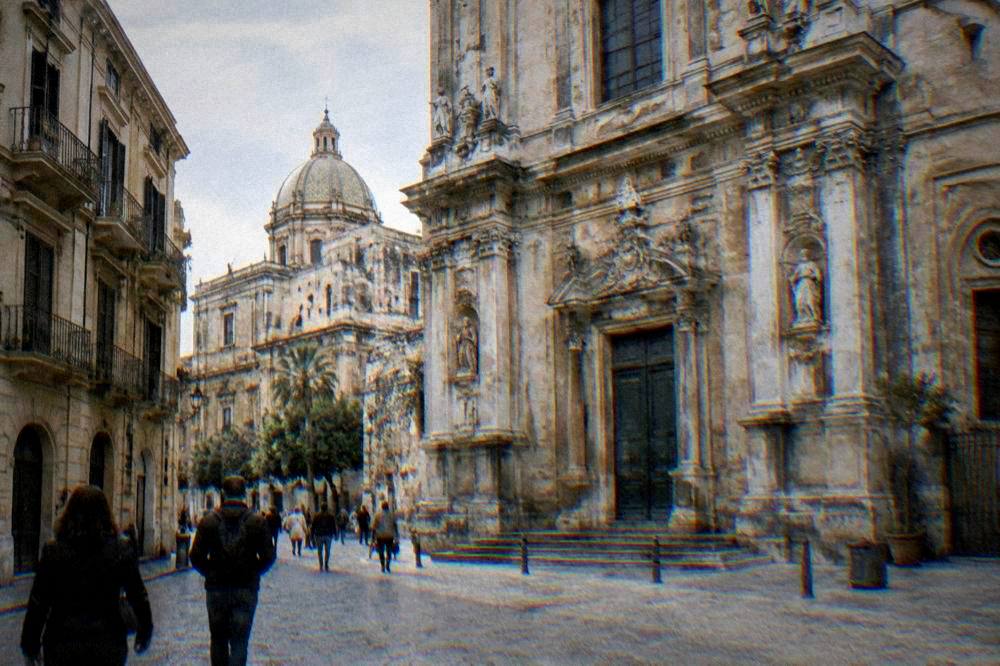
The distances are short and the streets themselves are the attraction, so walking is the right default. Buy AMAT tickets before boarding, from an app or a kiosk, and validate immediately on the first vehicle. The getting around Palermo guide covers the tram lines, the suburban rail and the airport connection in full, and the is Palermo safe guide covers the standard urban precautions that apply in any crowded market, a bag closed and held in front on a packed bus.
| AMAT ticket | Price | Validity |
|---|---|---|
| Single | 1.40 EUR | 90 minutes from validation |
| Single bought on board | 1.80 EUR | 90 minutes from validation |
| Day ticket | 3.50 EUR | Until end of service on the day |
| Three-day MultiDay | 8.00 EUR | Until end of service on the third day |
One more local rule worth knowing on a food trip: the emergency number in Italy is 112, and the tap water, per AMAP, is drinkable, so a refill bottle is more use than a crate of plastic.
Can You Learn To Cook Palermo Street Food Yourself?
Yes, Palermo has cooking classes that teach the city's own food, including pizza and gelato classes, pasta and tiramisu classes, and a Sicilian class that starts with a market tour, so you buy the ingredients at a stall and cook them in the same morning. Every class on the site's roster is a food-and-drink product whose price, duration and rating render from its live listing, and none of those figures belongs in this sentence.
To cook the pasta and tiramisu with a glass of wine, book a pasta and tiramisu cooking class here.
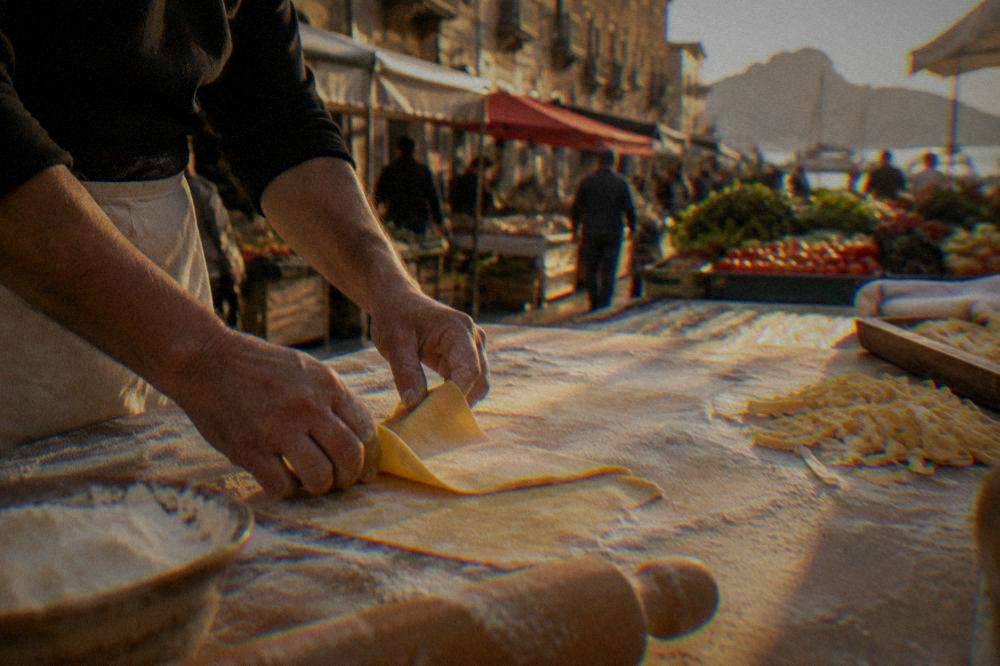
The market-tour-plus-cooking format is the closest thing to a street-food class, because the market is where half the skill lives: choosing the fish, the ricotta and the vegetables is what the stallholders do all morning. The Palermo cooking class guide compares the formats and what each one covers, and the Palermo food tour guide does the same for the walking-and-tasting side.
Whichever way you book, the same rule applies as at the stalls: check what the listing includes before you commit, because tastings, dinner and wine vary between products.
What About Sweets And Coffee To Finish?
The classic Palermo sweet ending is the cannolo, filled with ricotta only when you order it so the shell stays crisp, alongside cassata and the almond pastries of the old confectioners, taken with a coffee standing at the bar as the locals do. The dessert counters of the old centre sit on the same streets as the savoury stalls, so the sweet course is a detour of a few steps, not a separate trip.
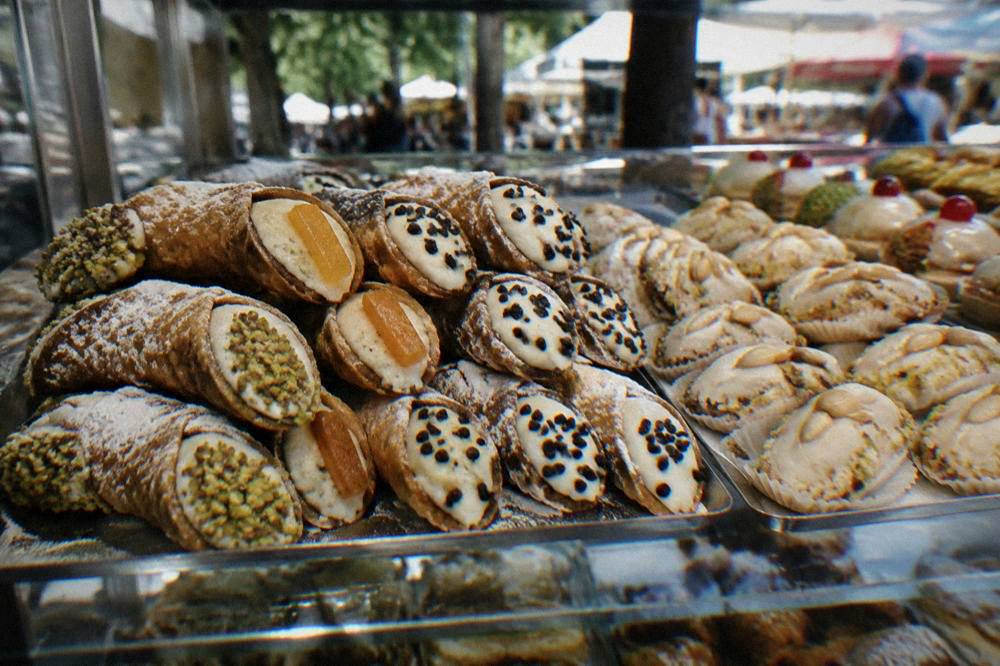
The single most useful sentence in Sicilian dessert ordering is the request that the cannolo be filled to order. A pre-filled shell goes soft, and every counter knows it. Beyond cannoli, the Palermo Sicilian desserts guide catalogues the cassata, the almond biscuits and the ice cream of the city, and the what food is Palermo famous for answer page condenses the whole food scene into one overview.
For a day built around this rather than around the sights, the three days in Palermo itinerary leaves room for a market morning, a cooking class and a day trip, and the things to do in Palermo page is the full index of everything else the city offers alongside its food.
Common Questions About Palermo Street Food
What Is The Most Famous Street Food In Palermo?
The arancina, the round fried rice ball that Palermo and western Sicily call by the feminine name while Catania says arancino. The Accademia della Crusca accepts both forms. Pannelle, the chickpea fritties served in a roll, run it close as the city's signature handheld item.
Is It Safe To Eat Street Food In Palermo?
Food safety at the stalls follows the same logic as anywhere in Italy: food is fried or cooked to order in front of you, turnover is fast, and the fried items come out of hot oil. The tap water is drinkable according to AMAP. The standard urban precautions in the safety advisories concern pickpocketing in crowded places, not the food, so keep a bag closed and hold it in front in a packed market lane.
When Are The Palermo Markets Open?
The municipal tourism page gives Ballarò roughly Monday to Saturday from about 7:30 to about 20:00, with Sunday mornings; the Capo runs mornings and closes Sunday; the Vucciria keeps a daytime market and an evening bar scene. Treat the closing hours as approximate and go early for the fullest version.
Do You Need To Book A Street Food Tour In Palermo?
You do not need one, since the markets are free to enter and the counters sell to anyone. A booked walk covers several stalls in one outing with the tastings arranged and the history explained, which suits a short stay. Check availability on the operator's live listing for current prices, routes and cancellation terms.
What Is Pani Ca Meusa?
A Palermo bread roll filled with cooked spleen and lung, ordered either con la ricotta, with ricotta added, or senza, without. It is a market-morning dish with long roots in the city, and it is the one item on the standard list that tests a first-time visitor's nerve more than any other.
Is The Coperto Legal In Palermo?
Yes, a cover charge is legal in Italy when it is printed on the menu before you order, and it appears as a line on the itemised bill in sit-down restaurants. Street counters do not charge one. Tipping is not obligatory anywhere in the city.
The short version of all of this: go to Ballarò or the Capo in the morning, order an arancina by either name, take panelle in a roll for lunch, finish with a cannolo filled to order, and let the Palermo food tour guide or a booked walk handle the rest if you would rather be led. The stalls open early, the fryers run all day, and no reservation in the city is easier to keep than a paper wrap held in one hand.