Palermo Botanical Garden
The Palermo Botanical Garden is a ten-hectare scientific garden run by the University of Palermo, sitting on the edge of the Kalsa district a short walk from the old centre. This guide covers hours, transport, what grows inside, and how to fold it into a wider Palermo itinerary.
Short answer
The Palermo Botanical Garden is a living research collection managed by the University of Palermo, located on Via Lincoln at the edge of the Kalsa district. Hours vary seasonally and are listed on the official garden site; the entrance price is confirmed at the gate. It is one of the most peaceful green spaces in the city centre and pairs naturally with the nearby attractions of the old town.
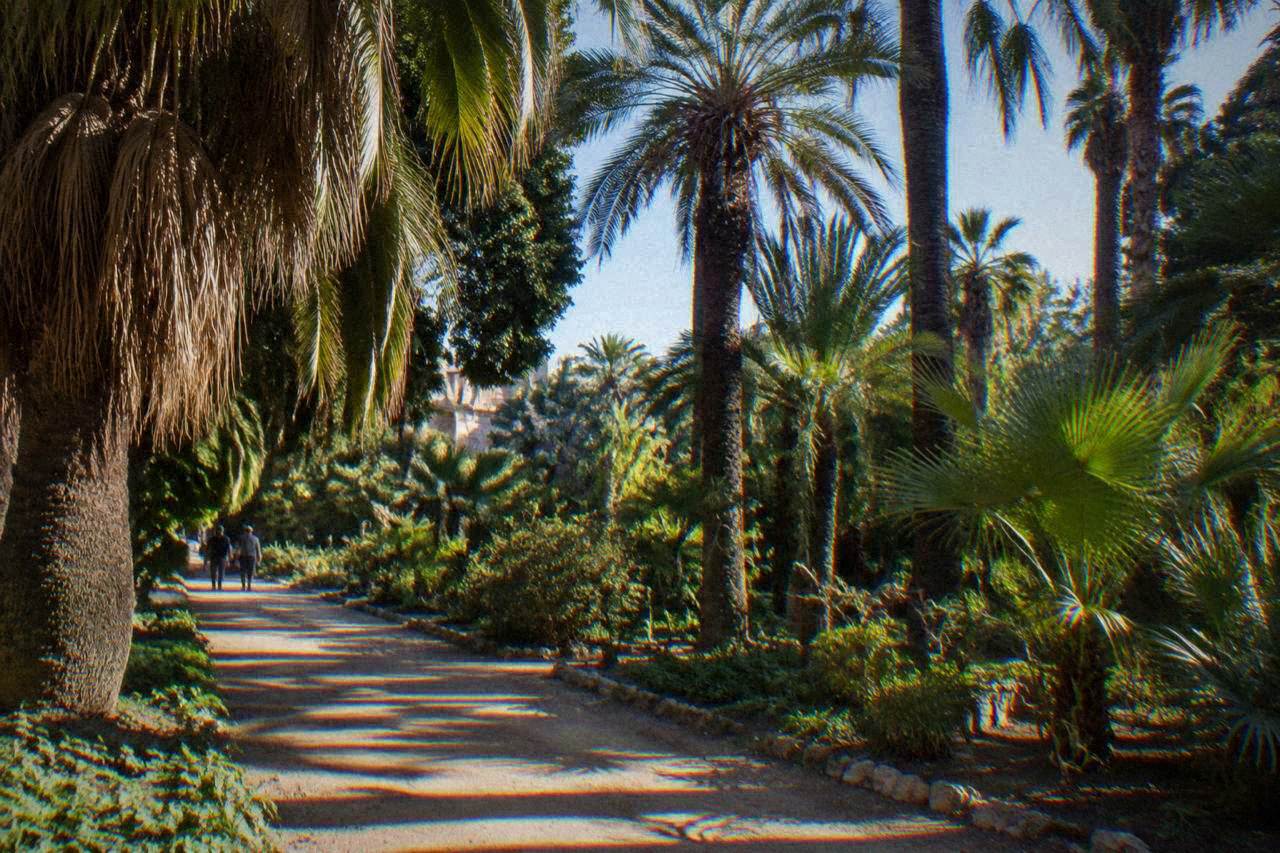
The Palermo Botanical Garden, known locally as the Orto Botanico, is a scientific plant collection and research institution operated by the University of Palermo. It sits on Via Lincoln at the south-eastern edge of the Kalsa district, within easy walking distance of the old centre and the waterfront. For a city whose streets can feel dense and sun-baked, the garden offers a genuinely calm interlude: tree-lined avenues, greenhouse buildings, ponds and a plant collection assembled over more than two centuries of study.
Where Is The Palermo Botanical Garden And How Do You Get There?
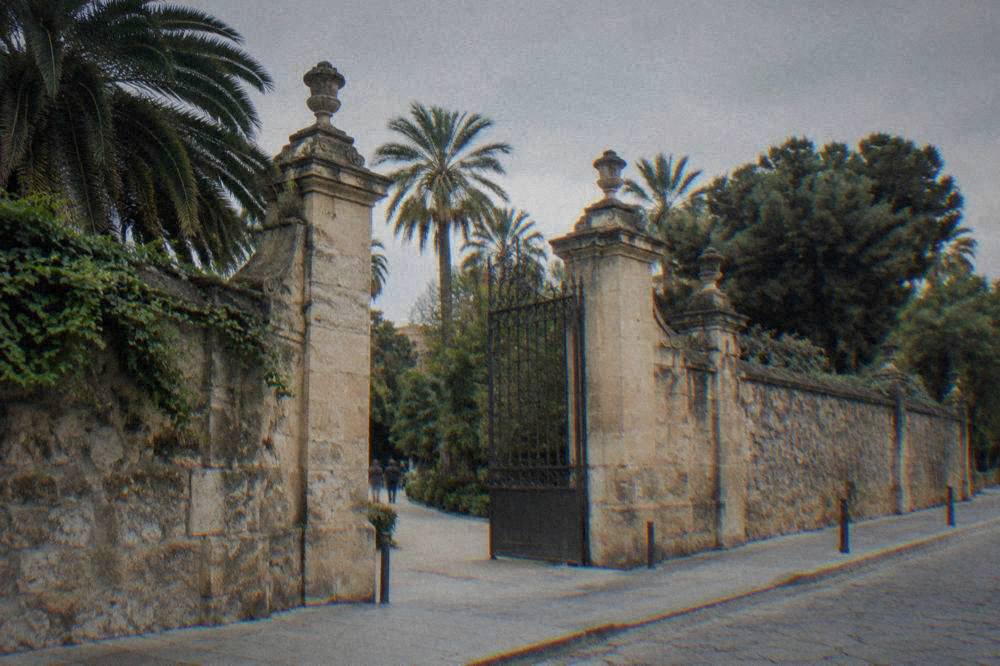
The Palermo Botanical Garden sits on Via Lincoln, at the south-eastern edge of the Kalsa district, roughly fifteen minutes on foot from the city's old centre and close to the waterfront avenues south of the Foro Italico, with the official contact listing giving the address as Via Lincoln 2 in Palermo. The garden sits in a part of town that layers university buildings, residential streets and historic churches within a short radius, making it one of the easiest major green spaces in Palermo to reach without a vehicle.
Walking is the natural approach. The Kalsa district wraps around the garden's northern and western sides, and a route from the Quattro Canti through the old centre passes a chain of sights on the way. If you are planning a wider circuit, our Kalsa district guide covers the quarter in detail, and the Foro Italico page describes the seafront promenade a few blocks to the south.
Public transport also serves the area. AMAT buses and trams run through the adjacent districts, and a standard AMAT ticket costs 1.40 EUR for 90 minutes of travel including transfers, with a day ticket at 3.50 EUR and a three-day pass at 8.00 EUR according to the operator's fares page. The AMAT network page shows four tram lines converging from the periphery toward the centre, and several bus routes pass within a short walk of Via Lincoln. Buy tickets before boarding and validate immediately on the first vehicle.
For an easier way around the wider city, book a sightseeing bus ticket here.
The table below sets out the practical options.
| Approach | Details |
|---|---|
| On foot from Quattro Canti | Roughly 15 to 20 minutes via the old centre and Kalsa streets |
| On foot from Foro Italico | Under 10 minutes along the seafront edge of the district |
| AMAT bus | 1.40 EUR single ticket, 90 minutes validity, buy before boarding |
| AMAT day pass | 3.50 EUR for unlimited travel until end of service |
| Taxi | White licensed taxis from ranks or by phone; confirm the fare before setting off |
For anyone building a longer stay around the city, the one day in Palermo itinerary and the two days in Palermo plan both slot the garden into an afternoon walk through the Kalsa.
What Are The Palermo Botanical Garden Opening Hours?
The Palermo Botanical Garden opens year-round with hours that shift by season: the official garden site lists, for example, October hours of 09:00 to 18:00 Monday to Saturday and 10:00 to 18:00 on Sunday, with last entry one hour before closing. The garden closes on 1 January and 25 December. Because the schedule changes with the seasons, and because the University of Palermo occasionally restricts access for research or institutional events, the current week's hours are always worth confirming on the garden's own site before you set out.
The seasonal pattern matters for planning. On a summer afternoon the shaded avenues under the garden's mature trees are at their best, while in the cooler months the light comes lower and softer through the palms. The greenhouses and the central avenue structures provide interest in every season, though the visual character of the garden changes substantially between spring growth and late-summer dormancy.
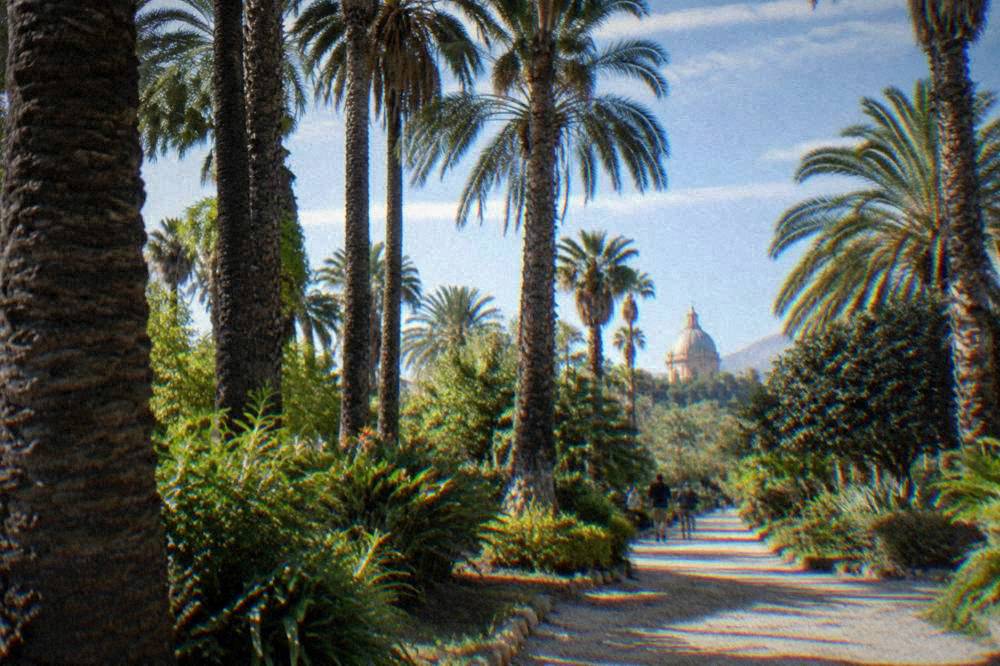
A few practical notes sit alongside the hours. Last entry is one hour before the stated closing time, so arriving late in the day cuts your visit short. The garden's layout is flat and the main avenues are wide, which makes it an easy visit with children or with anyone who prefers level ground. There is limited shade on some of the outer paths, so water and a hat are worth carrying in the warmer months. The climate table for Palermo shows August as the warmest month with a mean of 26.8 C and July the driest at 7 mm of rain, based on modelled 1991 to 2020 normals, which tells you when the midday heat is at its most intense.
| Season | Typical hours pattern | Notes |
|---|---|---|
| Spring | Morning to late afternoon | Peak growing season, comfortable temperatures |
| Summer | Morning to early evening | Shade valuable midday; July mean 26.2 C |
| Autumn | 09:00 to 18:00 pattern in October | Rain increases toward the wettest month, October at 81 mm |
| Winter | Shorter daylight hours | Mild; January mean 11.3 C |
For a fuller picture of the city's seasons, the best time to visit Palermo guide breaks down month-by-month conditions.
How Much Does It Cost To Visit The Palermo Botanical Garden?
The Palermo Botanical Garden charges an admission fee at the entrance, and the current price is shown at the ticket point and on the garden's official site rather than published as a fixed figure here; reductions are typically available for children, students and groups, so check the gate before paying. The garden is a university institution rather than a municipal park, which is why it does not fall under the free-entry schemes that apply to city green spaces such as Villa Giulia or the Parco della Favorita. The fee supports the garden's maintenance and research work.
For context on how the garden's pricing sits within Palermo's wider attraction landscape, the table below shows the verified admission figures for other major sites in the city, each drawn from the official operator or ticket page.
| Attraction | Admission |
|---|---|
| Palazzo dei Normanni and Palatine Chapel | 14.50 EUR full, 12.50 EUR reduced |
| Teatro Massimo guided tour | 14 EUR full, 7 EUR under 26 |
| Capuchin Catacombs | 5 EUR full, 3 EUR reduced |
| Palazzo Steri | 8 EUR full, 5 EUR reduced |
| Salinas Archaeological Museum | 7 EUR full, 3.50 EUR reduced |
| Palazzo Abatellis | Closed or closing for works of about 18 months from mid-July 2026 |
| Botanical Garden | Fee shown at the entrance and on the official site |
Several of the city's state and regional museums are free on the first Sunday of the month, a scheme worth confirming per site, but the Botanical Garden is not part of that scheme. For anyone assembling a low-cost day in the city, the Palermo on a budget guide and the roundup of free things to do in Palermo list what costs nothing at all, including the Quattro Canti, Piazza Pretoria's exterior, the Foro Italico and the markets.
If your interests run beyond the city boundaries and you want a full day in western Sicily, the Segesta, Erice and Salt Pans excursion is one of the most direct ways to cover three of the region's headline sites in a single trip from Palermo. You can Check availability on the operator's live listing, or read more in our Segesta guide and Erice guide.
What Will You See Inside The Palermo Botanical Garden?
Inside the Palermo Botanical Garden you will find a structured landscape of tree-lined avenues, historic greenhouse buildings, water features and systematically arranged plant beds holding species from the Mediterranean basin, Africa, Asia and the Americas, all maintained as a living scientific collection rather than a decorative park. The garden's layout reflects its origins as a teaching and research institution: plants are grouped and labelled for study, the avenues are laid out on a clear plan, and the buildings serve both horticultural and architectural purposes.
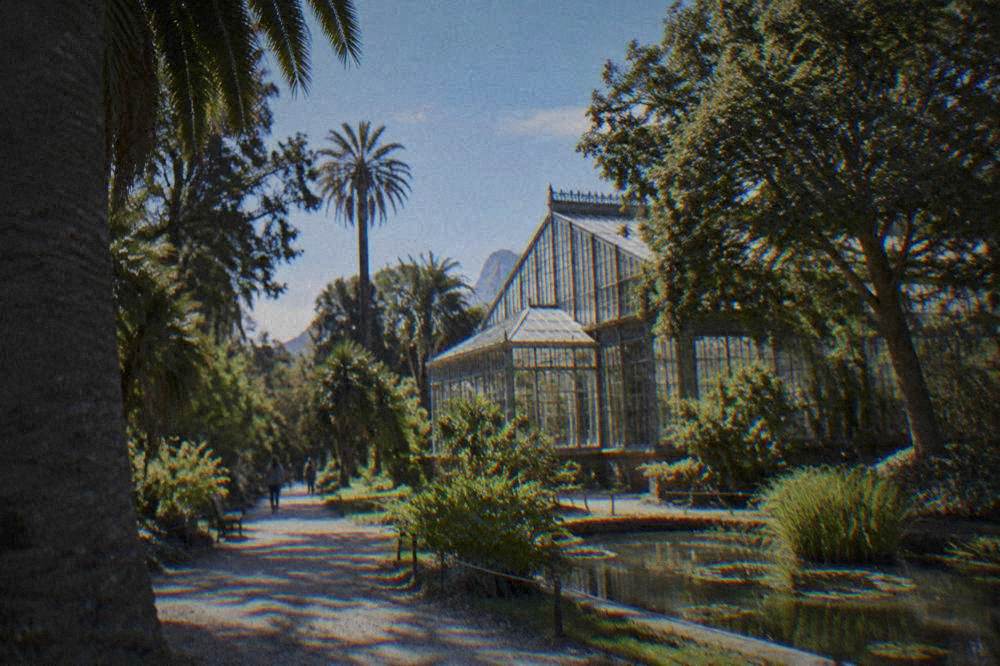
The palm collection is among the garden's most striking features. Palermo's mild coastal climate, with a January mean of 11.3 C and an August mean of 26.8 C according to the modelled 1991 to 2020 climate normals, allows a range of subtropical species to grow outdoors that would fail almost anywhere north of Sicily. Alongside the palms, the garden holds cycads, figs, citrus varieties and a range of succulents and medicinal plants that reflect the collection's long connection to the study of useful plants.
Water features punctuate the layout, including ponds that support aquatic species and add to the garden's sense of quiet. The architectural elements, from the entrance structures to the greenhouse buildings, are part of the visit in their own right. The garden covers roughly ten hectares, which is large enough for a unhurried hour or ninety minutes but compact enough not to demand half a day unless you want it to.
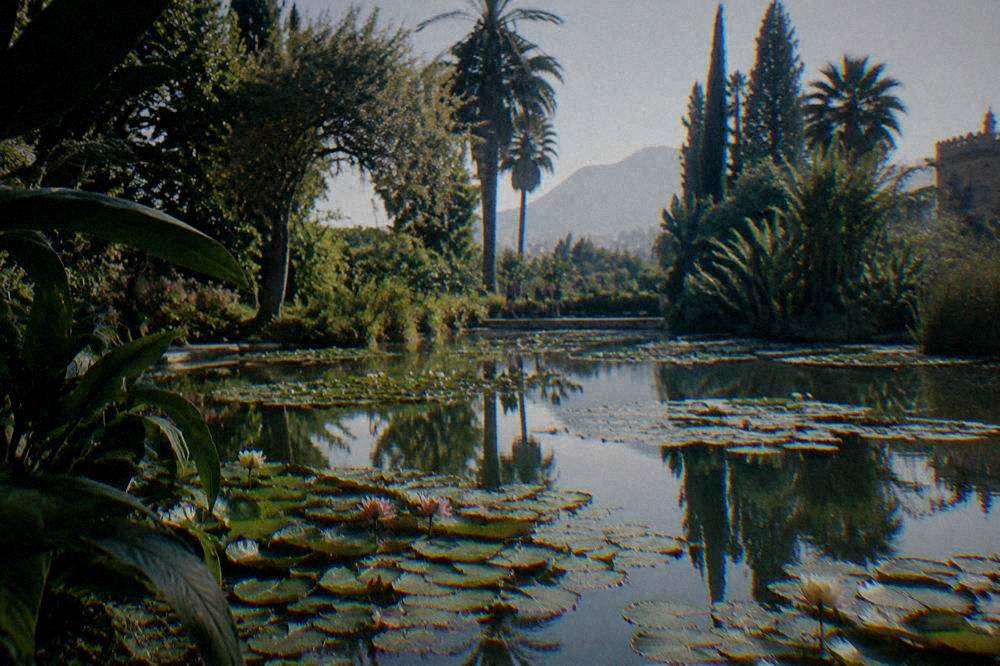
The garden is first and foremost a working institution of the University of Palermo, and that character shapes the visit. Unlike a municipal park, the planting is organised for study and conservation, and signage reflects a scientific purpose. Visitors who enjoy gardens for their design and atmosphere will find plenty to hold their attention, and those with a botanical interest will get considerably more from the labels and the systematic beds. A guided walking tour of Palermo that includes the Kalsa can be a productive way to reach the garden with a guide's commentary on the district's wider history.
What Is The History Of The Palermo Botanical Garden?
The Palermo Botanical Garden was established as a scientific institution of the University of Palermo to support the teaching of botany and the study of medicinal and useful plants, and it has operated continuously as a research garden since its foundation. Its collections grew over the decades as Sicily's port connections brought plant material from across the Mediterranean, Africa and beyond, and several of the largest specimens in the garden today date from that long period of accumulation.
The garden's story is tied to the Age of Enlightenment in Sicily, when scientific institutions, academies and gardens were founded across Europe's university cities. Palermo's garden became a significant centre for the study of plants adapted to warm-temperate and subtropical climates, a role its climate makes natural. The city's position on the Tyrrhenian Sea, at the centre of Mediterranean trade routes, gave the garden's collectors access to species arriving from North Africa, the Levant and the Atlantic islands. The wider set of guides lives on Palermo Italy Travel Guide.
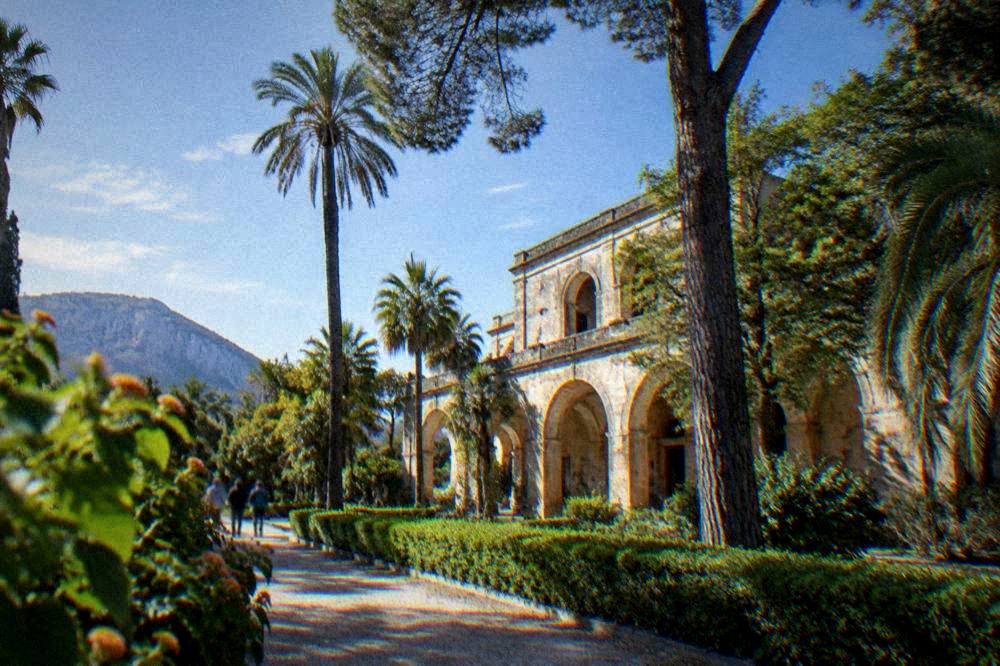
Today the garden continues its university role alongside its public one. Research and teaching happen on the site, and the plant collection is curated for conservation as well as display. That dual function explains some of the rules visitors encounter: the garden is not a picnic park, plants are labelled rather than arranged purely for effect, and the institution's character is closer to a museum of living specimens than to a pleasure ground.
For readers whose interest in gardens extends to the broader landscape of the city, the Villa Giulia guide and the page on Mondello and the city's coast cover the other green and open-air spaces within reach of the centre.
When Is The Best Time Of Year To Visit The Palermo Botanical Garden?
The best time to visit the Palermo Botanical Garden is spring, from March through May, when the modelled 1991 to 2020 climate normals show comfortable temperatures of 13 to 19 C mean and low rainfall, and the garden's planting is in active growth; early morning or late afternoon is the best time of day in summer. The climate table gives a precise picture: July is the driest month at 7 mm of rain and August the warmest at a mean of 26.8 C, while October is the wettest month at 81 mm.
| Month | Mean temperature | Rainfall | Garden character |
|---|---|---|---|
| March | 13 C | 67 mm | Early growth, mild air |
| April | 15.3 C | 59 mm | Spring colour, comfortable walking |
| May | 19.1 C | 36 mm | Full leaf, dry and warm |
| July | 26.2 C | 7 mm | Deep shade valuable at midday |
| August | 26.8 C | 19 mm | Warmest month; visit early |
| October | 20.1 C | 81 mm | Wettest month; softer light |
| December | 12.8 C | 72 mm | Mild, quiet, structural planting |
Winter visits are entirely workable. Palermo's January mean of 11.3 C is mild by northern European standards, and the garden's evergreen palms and structural planting hold interest through the cooler months. The trade-off is shorter daylight and a higher chance of rain, particularly from October onward. The Palermo in winter guide and the Palermo weather page expand on the seasonal picture.
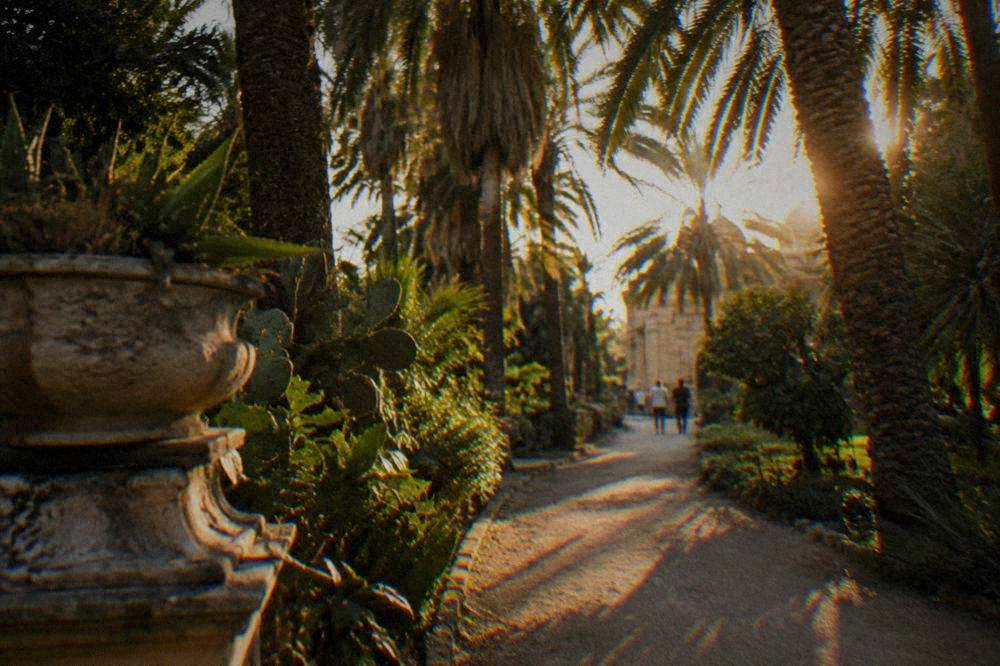
Timing within the day matters as much as timing within the year. The garden's trees cast their deepest shade in the middle hours, but those are also the hours when the summer sun is most intense on the unshaded paths. Arriving soon after opening or in the final two hours before closing gives you softer light, fewer people on the avenues and a more comfortable temperature. Last entry is one hour before the stated closing time, so factor that into a late-day plan.
Can You Combine The Botanical Garden With Other Palermo Attractions?
The Palermo Botanical Garden combines naturally with a walking circuit of the Kalsa district and the seafront: the Foro Italico promenade, Piazza Marina, the Palazzo Abatellis site and the old centre's cathedral and palace all sit within a comfortable radius, and a half-day walk can link the garden with two or three of them without transport. The garden's position at the edge of the Kalsa makes it an ideal mid-route stop rather than a standalone destination.
A productive morning-to-afternoon sequence runs from the old centre through the Palermo Cathedral, down into the Kalsa, through the garden on Via Lincoln, and back along the Foro Italico toward the harbour. The old town guide and the La Cala harbour page describe the endpoints of that route.
| Combination | Walking distance | Notes |
|---|---|---|
| Botanical Garden plus Foro Italico | Under 10 minutes | Flat, seafront, free promenade |
| Botanical Garden plus Kalsa district | Immediate | Same quarter; churches and palaces |
| Botanical Garden plus Palermo Cathedral | 15 to 20 minutes | Via the old centre |
| Botanical Garden plus Palazzo dei Normanni | 20 to 25 minutes | Add the Cappella Palatina on one ticket |
| Botanical Garden plus Ballarò market | 15 minutes | Market busiest in the morning |
For anyone with more than a single day, the Palermo with kids guide and the rainy day in Palermo page both list indoor alternatives close to the garden, including the Marionette Museum with its 5 EUR full-price entry and daily puppet shows, useful if the weather turns.
If you would rather leave the city for a day, the trio of tours below covers the Cappella Palatina in depth, a Sicilian cooking class built around a market visit, and the full-day Segesta, Erice and Salt Pans excursion, giving a spread of what the region offers beyond the garden walls.
Is The Palermo Botanical Garden Family Friendly?
The Palermo Botanical Garden is a family-friendly visit: the ground is flat, the avenues are wide and safe for children to walk, the ponds and palm groves hold genuine interest for younger visitors, and the official garden site lists family-friendly services among its visitor information. The garden is compact enough that a family can cover the highlights in under an hour, and the shade makes it a practical option in the warmer months when the city's stone streets are at their most punishing.
The garden sits within a cluster of options that work well with children. The Parco della Favorita, the largest green area in the city at about 400 hectares according to the municipal tourism page, and the Villa Giulia public garden with its ponds and aviaries are both free and both reachable with modest effort. The Marionette Museum, with shows on scheduled afternoons, makes a strong pairing with a garden visit on a day that needs an indoor anchor.
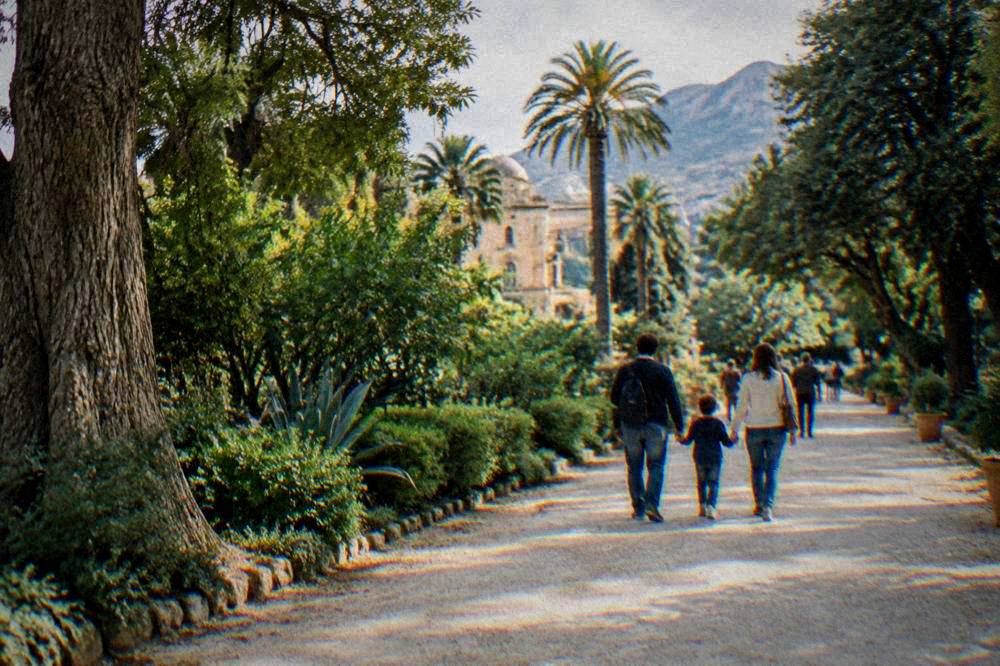
A few practical notes help. The garden is a research institution, so ball games, picnicking and plant collecting are not appropriate; a quiet walk and a conversation about what is growing works better. Water and sun protection matter in summer, since parts of the outer paths are exposed. The Palermo with kids guide carries a fuller set of child-suitable options across the city.
Common Questions About The Palermo Botanical Garden
Is there a botanical garden in Palermo?
Yes. The Palermo Botanical Garden, the Orto Botanico, is a university-run scientific garden on Via Lincoln at the edge of the Kalsa district, open to the public year-round apart from 1 January and 25 December.
How much does it cost to enter the Palermo Botanical Garden?
The garden charges an admission fee, and the current price is shown at the entrance and on the official garden site. Reductions are typically offered for children, students and groups; confirm at the gate.
What are the Palermo Botanical Garden opening hours?
Hours vary by season. The official site lists, for October, 09:00 to 18:00 Monday to Saturday and 10:00 to 18:00 on Sunday, with last entry one hour before closing. Always confirm on the garden's own site before visiting.
How long should I spend at the Palermo Botanical Garden?
An hour to ninety minutes covers the main avenues, greenhouses and ponds at a relaxed pace. Visitors with a botanical interest, or anyone using the garden as a shaded rest stop in summer, may want longer.
Is the Palermo Botanical Garden wheelchair accessible?
The garden's principal avenues are wide and flat, which suits wheels and strollers better than the city's stepped streets. Specific accessibility services are listed by the garden; confirm current provision on the official site before visiting.
The Palermo Botanical Garden rewards exactly the kind of visitor Palermo itself rewards: one willing to slow down, look closely and let the city's layered character reveal itself a street or a plant bed at a time. Paired with the Kalsa, the seafront and the old centre, it completes a day that balances stone and green in a way few Mediterranean cities can match.
