Palermo In Winter
Palermo in winter is a quieter, cheaper-feeling version of the city: theatre season in full swing, markets serving hot street food, museums at their emptiest and day trips to Monreale and Cefalu within an hour.
Short answer
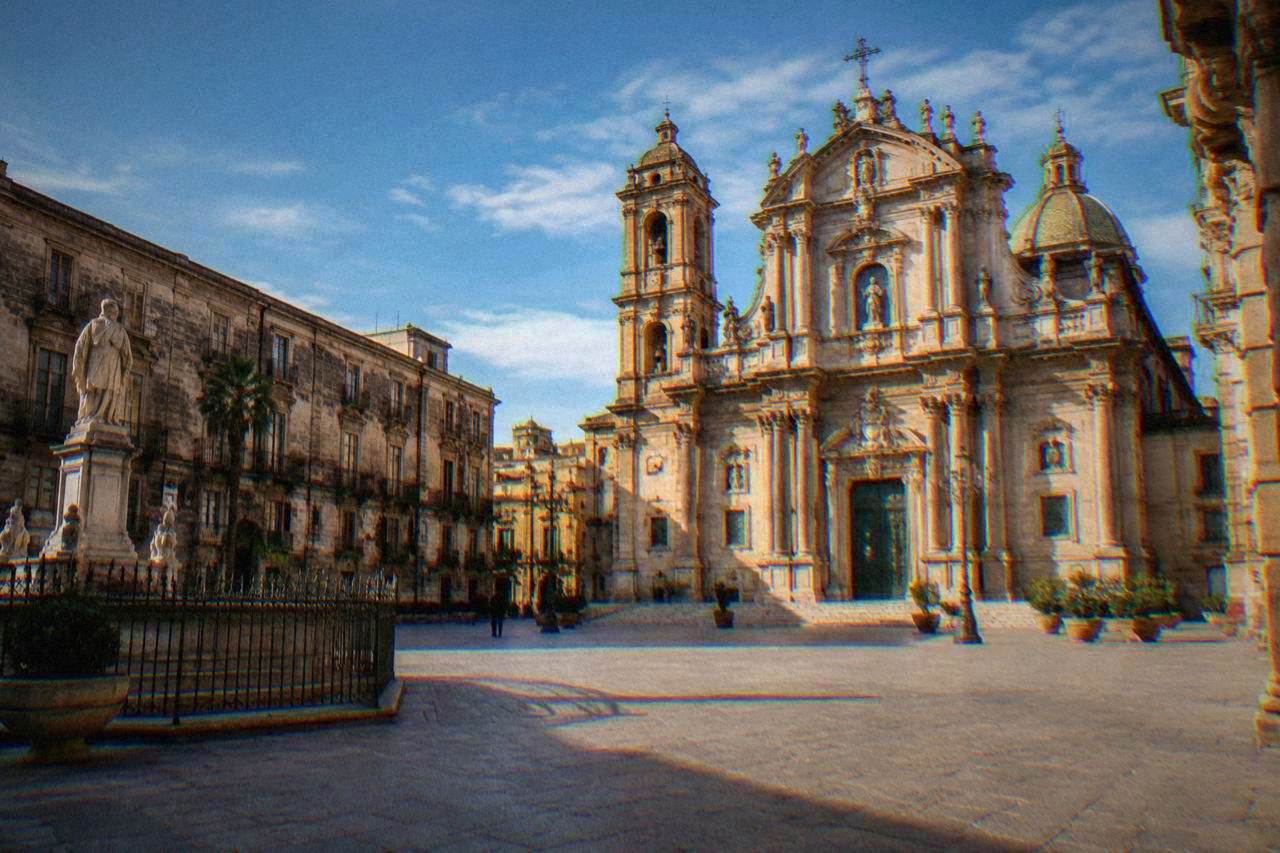
Winter suits Palermo well. The weather stays mild by northern European standards, the Arab-Norman churches and markets run all year, the Teatro Massimo season opens on 22 November 2026, and day trips to Monreale and Cefalu take minutes by road. Crowds thin, and the city's indoor sights carry the season.
Palermo, the coastal capital of Sicily on the Tyrrhenian Sea, does not shut down between November and February. It changes gear. The theatre season opens, the street markets keep frying, the Arab-Norman churches listed by UNESCO in 2015 stay open through the cooler months, and the day-trip towns around the city, Monreale and Cefalu above all, sit close enough that a short drive still fills a morning. Winter here is mild rather than cold, wetter than summer but rarely grey for long, and it is the season when the city belongs to the people who live in it. This guide from the Palermo Italy Travel Guide desk lays out what the season holds: what stays open, what it costs, what to eat and how to plan the short days.
What Is The Weather Like In Palermo In Winter?
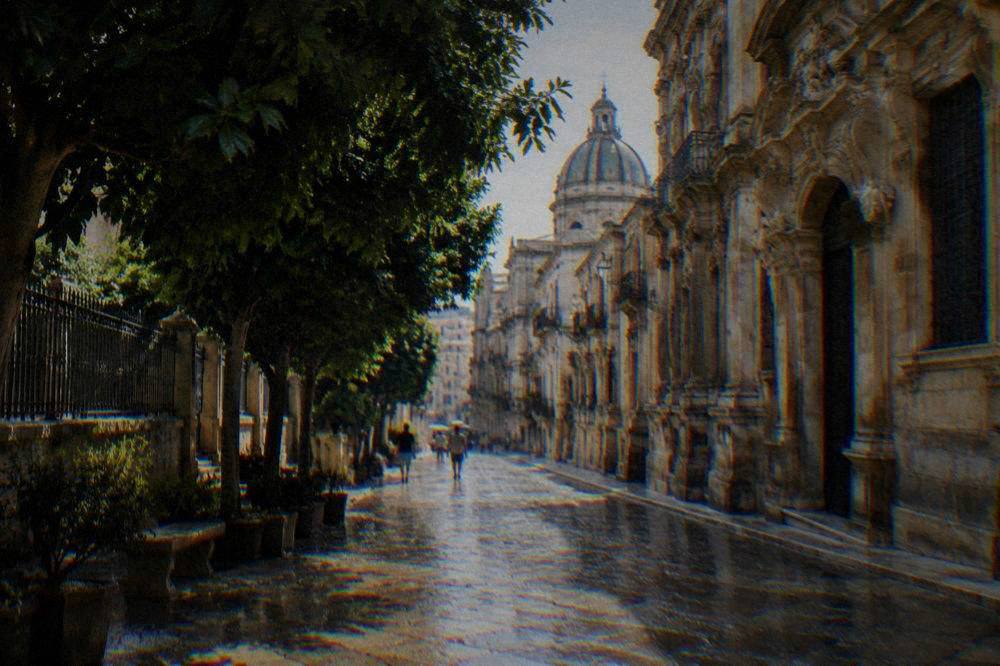
Winter in Palermo is mild and wetter than the rest of the year, with the coolest months arriving around 11 to 13 degrees on average and rain falling on a regular but not constant rhythm. The Mediterranean and the sea behind the city keep temperatures from dropping far, so frost and snow are not part of the picture. Layers and a rainproof jacket cover almost every day of the season.
The site's climate guidance describes the city as Mediterranean and coastal: hot dry summers and mild, wetter winters. That pattern means December, January and February bring the rain the city lives on for the rest of the year, often in short heavy bursts rather than all-day drizzle, with clear spells between fronts rolling in off the Tyrrhenian Sea. The sea itself is cool enough in winter that swimming is a local's game rather than a visitor's, with water comfortable for bathing from about late spring into autumn.
Daylight is the real constraint, not the cold. By late December the afternoon light fades early, so the practical winter plan puts outdoor sights, the markets, the Quattro Canti, the Cathedral exterior and Monreale's cloister, before lunch and keeps museums, the Teatro Massimo tour and long restaurant lunches for the darker hours. The sirocco, a warm wind from the south, occasionally pushes winter days unusually warm; the site holds no figure for it, so treat it as a feel rather than a forecast.
For how the rest of the year compares, the Palermo weather guide breaks the seasons down month by month, and the best time to visit Palermo page weighs winter against spring and autumn for specific trip styles.
Why Visit Palermo In Winter?
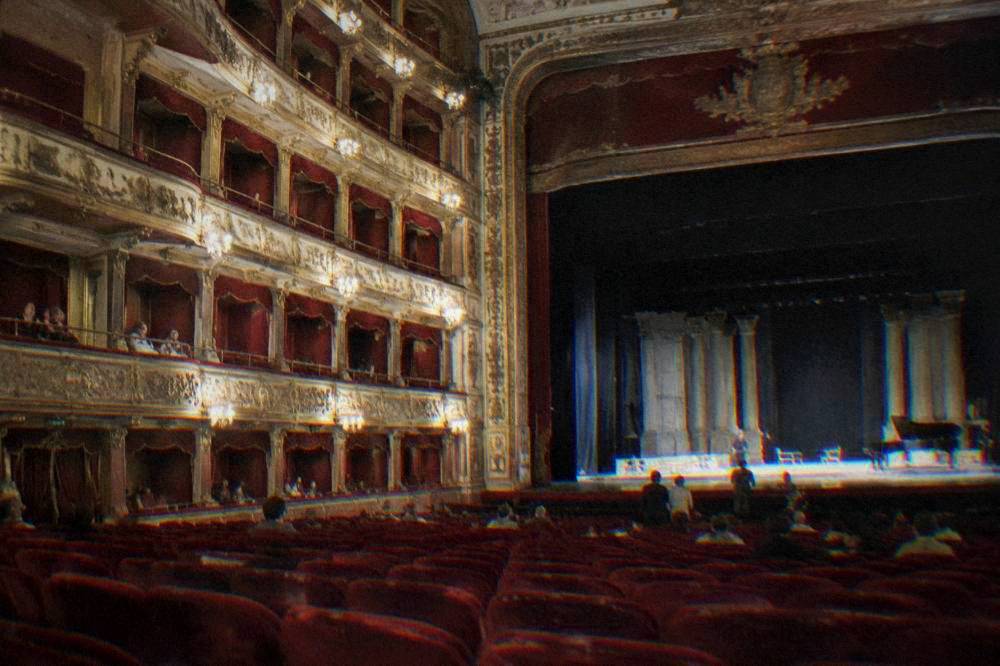
Winter is when Palermo is at its most liveable: the theatre season opens on 22 November 2026 with Samson et Dalila, museum queues shrink, the historic markets run their normal weekday rhythm, and the city's biggest sights sit minutes from each other on foot. Short days and the chance of rain are the trade, and both are plannable.
The Teatro Massimo anchors the season. The 2026-27 programme runs from November 2026 into December 2027, opening with Samson et Dalila from 22 November 2026 and staging Falstaff in May 2027 for the theatre's 130th anniversary. Even without an opera ticket, the guided tour runs daily, at 14 EUR full and 7 EUR under 26, with a family ticket at 36 EUR, and the theatre is at its best as an indoor refuge on a wet afternoon.
Curious to see inside the opera house? Book a Teatro Massimo guided tour here.
Christmas fills December. The municipal programme for late 2026 has not been announced, so check the city's tourism portal before planning around specific events. What is certain: the Festino of Saint Rosalia, the city's patron, belongs to July, 10 to 15 July with the main events on 14 and 15, and is not a winter draw. Easter Sunday falls on 28 March 2027, late enough that spring week crowds will follow it.
Winter also stretches the budget. First Sunday of the month brings free entry to many state and regional museums, confirm per site, and the tourist tax, charged per night by hotel rating for a maximum of four consecutive nights, is unchanged by season, so confirm the amount at booking. For the money-side detail, the site's is Palermo expensive to visit page carries the breakdown.
Things To Do In Palermo In Winter
The winter shortlist runs: the Palazzo dei Normanni and its Palatine Chapel on a single 14.50 EUR ticket, the Capuchin Catacombs at 5 EUR, a Teatro Massimo tour or performance, the indoor markets and their hot street food, the Marionette Museum with its puppet shows, and the churches of the UNESCO Arab-Norman listing strung across the old centre. All of them are open in winter, and the first Sunday of the month frees several.
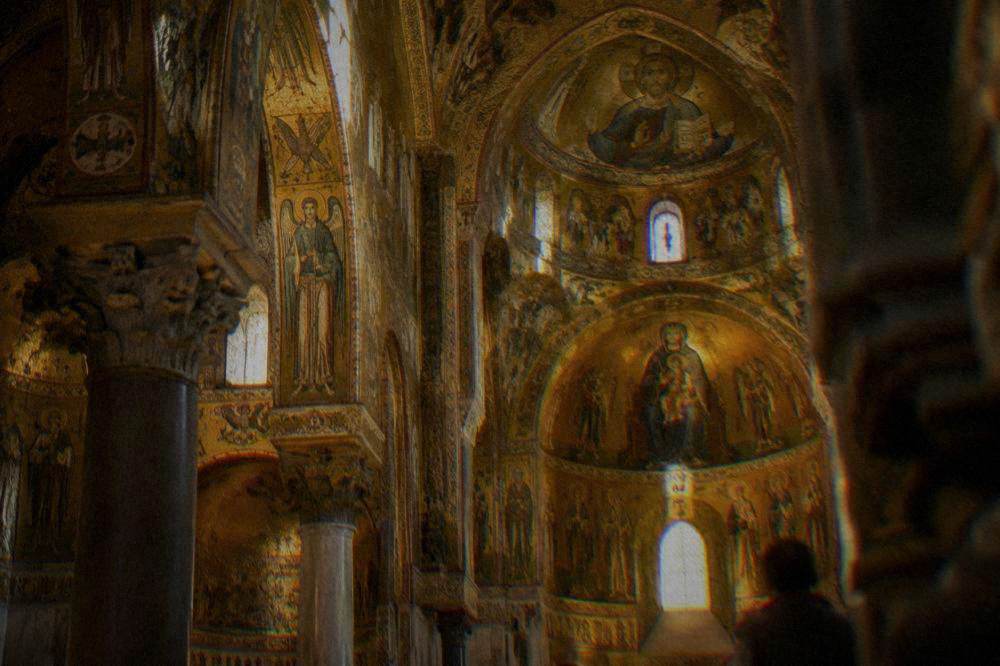
Start inside the old centre. The Quattro Canti, where Via Maqueda crosses Corso Vittorio Emanuele, divides the historic quarters of Capo, Albergheria, Kalsa and Loggia, and it costs nothing to stand in. Piazza Pretoria's fountain, the Foro Italico seafront and Villa Giulia are all free outdoor stops that work in a winter window of clear sky. When rain arrives, the density of the centre pays off: the Palazzo dei Normanni, the Cathedral, the Martorana and San Cataldo sit within a short walk of one another, so a shower rarely strands you far from a roof.
The Palatine Chapel and the royal apartments share one ticket at 14.50 EUR full, 12.50 EUR reduced, open Monday to Saturday with last admission at 16:30 and Sunday mornings only, 8:30 to 12:30. One winter trap: the apartments close on Tuesdays and Wednesdays when the regional parliament sits, so the chapel becomes the whole visit on those days. The Capuchin Catacombs, 5 EUR full and 3 EUR reduced, sell tickets at the office only, and photography is prohibited inside.
The one day in Palermo itinerary works unchanged in winter, and the rainy day in Palermo page is the fallback plan for the wet days that will come. Families have a dedicated route too, on the Palermo with kids page, built around the Marionette Museum and Villa Giulia's play areas.
Which Palermo Museums Are Open In Winter?
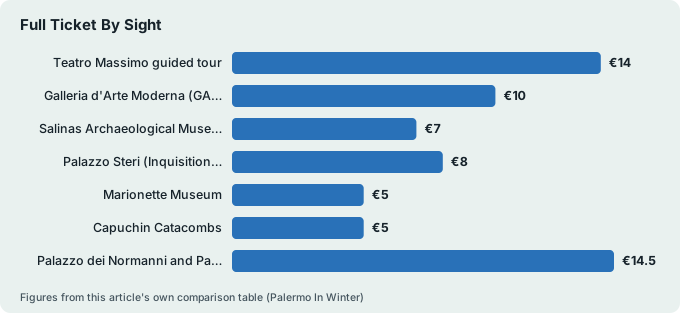
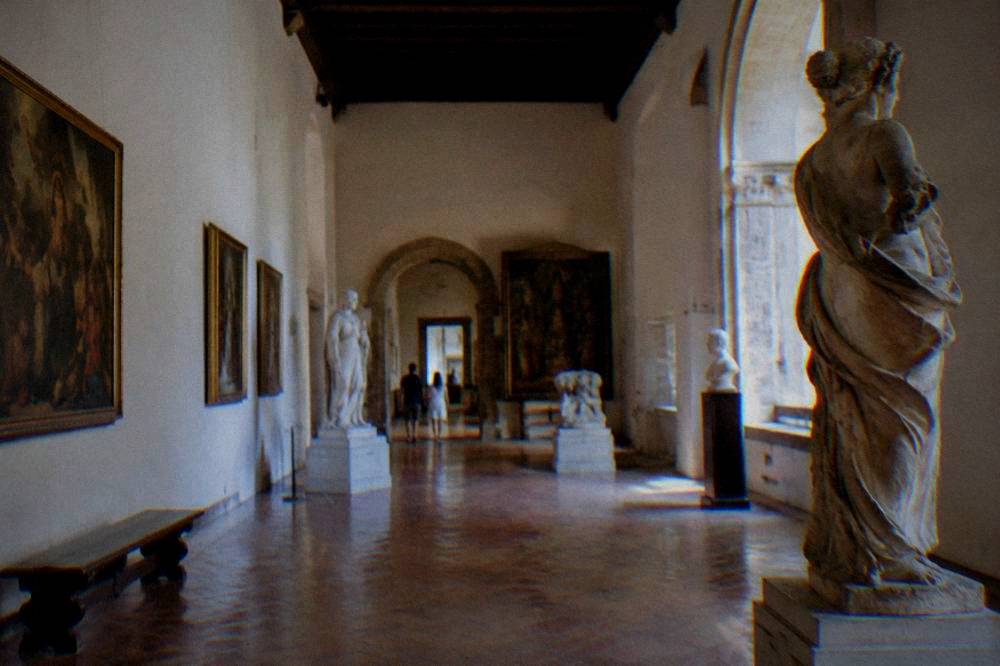
Every major Palermo museum keeps winter hours, and the winter ticket prices are fixed year-round: the Teatro Massimo tour at 14 EUR, the Galleria d'Arte Moderna at 10 EUR, the Salinas Archaeological Museum at 7 EUR, the Palazzo Steri at 8 EUR with a guided tour included, and the Marionette Museum at 5 EUR with puppet shows on weekday afternoons. Palazzo Abatellis is the one closure to know about.
Palazzo Abatellis began a planned closure of about 18 months in mid-July 2026 for climate-control works, with no reopening date set, so its collection should not be part of a winter plan. The rest of the circuit is intact and, in winter, quiet. The table below holds the figures from the official museum pages.
| Sight | Full ticket | Reduced | Winter note |
|---|---|---|---|
| Teatro Massimo guided tour | 14 EUR | 7 EUR under 26 | Family ticket 36 EUR; tours daily |
| Galleria d'Arte Moderna (GAM) | 10 EUR | 8 EUR | Daily 09:30 to 18:30 |
| Salinas Archaeological Museum | 7 EUR | 3.50 EUR | Closed Monday |
| Palazzo Steri (Inquisition prisons) | 8 EUR | 5 EUR | Guided tour included, about 40 minutes |
| Marionette Museum | 5 EUR | 3 EUR | Shows Tuesday to Saturday at 17:00; show plus museum 10 EUR |
| Capuchin Catacombs | 5 EUR | 3 EUR | Tickets at the office only, no photography |
| Palazzo dei Normanni and Palatine Chapel | 14.50 EUR | 12.50 EUR | Apartments closed Tuesday and Wednesday when parliament sits |
| Palazzo Abatellis | Closed | Closed | About 18 months of works from mid-July 2026, no reopening date |
The first Sunday of each month frees many state and regional museums, among them Salinas and the Zisa, but confirm per site before you plan the day around it. The Zisa keeps hours of Tuesday to Saturday 09:00 to 19:00 and Sunday mornings 09:00 to 13:30, closed Monday. For the full museum-by-museum picture, including the smaller collections, see the Palermo museums guide.
Is Winter A Good Time For Day Trips From Palermo?
Yes, and it is arguably the best season for them: Monreale sits 16 minutes away by road, Mondello 27, Segesta 64, Cefalu 65 and Erice 96, all free-flow driving times from the Quattro Canti, and winter means shorter queues at exactly the sites that jam in summer. The one caveat is weather, since sea-view towns like Erice and Cefalu reward a clear day.
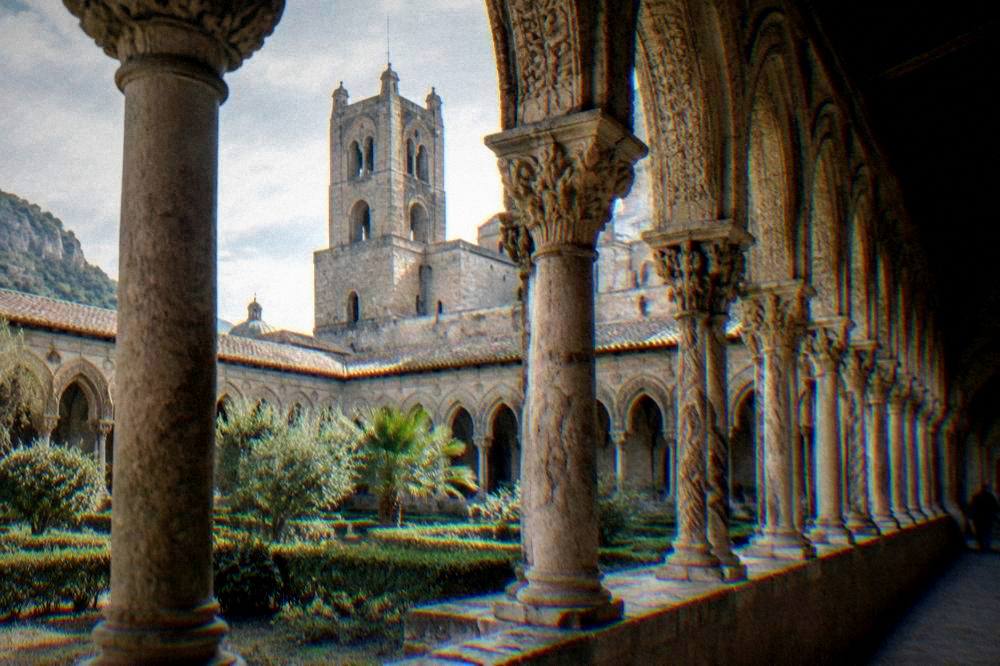
Monreale is the classic winter half-day. The AMAT 389 bus leaves Piazza Indipendenza about every 40 minutes on a 1.40 EUR city ticket, and the cloister costs 8 EUR full, 4 EUR reduced. The cathedral and the cloister are separate visits, and the tombs of William I and William II lie inside the cathedral. The full driving and bus detail, including the stop and the frequency, is on the Monreale page.
Cefalu pairs naturally with Monreale, and it is a year-round town: cathedral entry is free, with paid tower, roof and museum itineraries at 10 and 13 EUR, and the La Rocca climb at 5 EUR, best saved for a dry winter morning rather than a wet one. Trains from Palermo Centrale take roughly 40 to 60 minutes, with 19 to 24 direct services a day. The Palermo to Cefalu guide has the timetable detail.
| Day trip from Palermo | Road time, free-flow | Entry at the site | Winter note |
|---|---|---|---|
| Monreale | 16 min | Cloister 8 EUR, 4 EUR reduced | Bus 389 from Piazza Indipendenza, 1.40 EUR |
| Mondello | 27 min | Beach free stretches and paid lidos | Out-of-season beach town, quiet |
| Segesta | 64 min | 14 EUR, 7 EUR reduced | Shorter winter hours, 9:00 to 15:30 ticket office |
| Cefalu | 65 min | Cathedral free; itineraries 10 and 13 EUR | La Rocca 5 EUR, dry days only |
| Scopello and Zingaro | 77 min | Zingaro 5 EUR, 3 EUR reduced | Reserve open 8:00 to 16:00 |
| Trapani | 87 min | Salt pans museum free | Windy coastline in winter |
| Erice | 96 min | Cable car 9 EUR one way, 15 EUR return | Fog can close the cable car, check first |
| Agrigento, Valley of the Temples | 2 h 16 | 14 EUR, 7 EUR reduced | Open 8:30 to 20:00 all year |
A guided excursion simplifies the wet-weather gamble, since the operator handles the routing and timing. The Monreale and Cefalu half-day trip covers the two headline towns in one morning, and there is a Check availability link beside the site's Monreale and Cefalu excursion page.
What Should You Eat In Palermo In Winter?
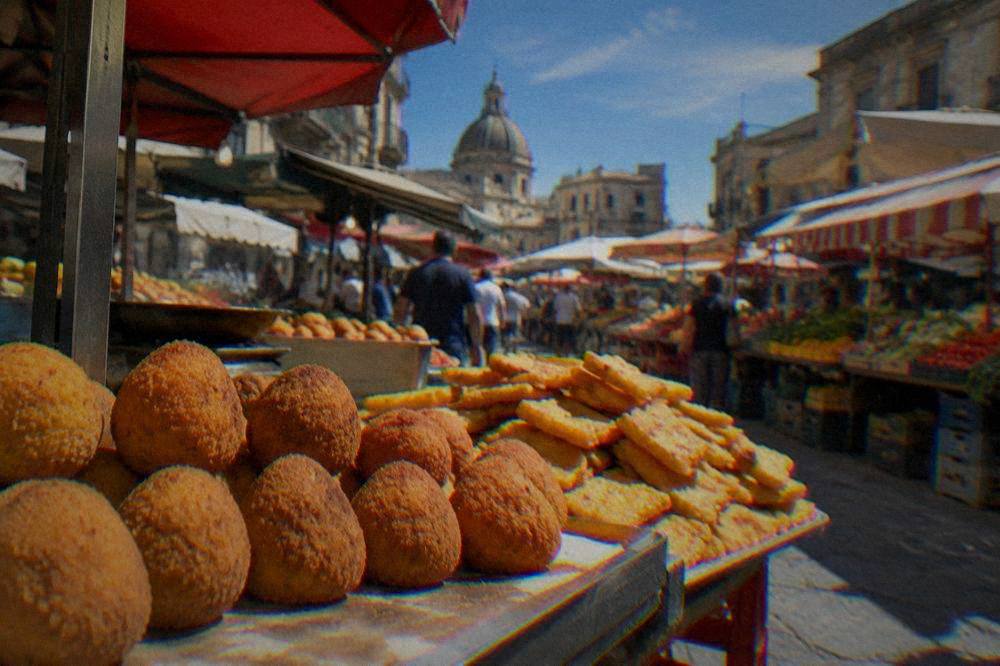
Winter is street food season: hot arancine from the markets, panelle and sfincione sold by the slice, and cannoli and wine indoors when the rain arrives. The Accademia della Crusca accepts both arancina and arancino, with Palermo using the feminine form, and the markets, Ballarò, Capo and Vucciria, run their weekday rhythm straight through the season.
Ballarò trades Monday to Saturday from about 7:30, with Sunday mornings as well; Capo runs mornings and rests on Sunday. Closing hours shift with the stalls, so treat the hours as approximate and go early. Tap water is drinkable throughout the city, AMAP confirms it, which keeps the food crawl cheap. The coperto, a cover charge, is legal when printed on the menu, and tipping is not obligatory, so the itemised bill is the check to run at the end.
The Palermo street food and Palermo restaurants pages carry the dish-by-dish detail, and the dedicated pages on arancine, sfincione and panelle and Sicilian desserts cover the winter classics one by one.
Two indoor food experiences suit the season particularly well. A wine tasting with snacks at Bottega Monteleone turns a cold evening into a sit-down lesson in Sicilian wine, and a pizza and gelato cooking class with meal and wine does the same for families, since the eating is built in.
How Do You Get Around Palermo In Winter?
The AMAT network carries the winter city: 1.40 EUR buys a 90-minute ticket, 3.50 EUR a day, and 8 EUR covers three days across bus and tram, with four tram lines feeding the centre. Buy before boarding, since a ticket from the driver costs 1.80 EUR, and validate it the moment you board.
The trains matter too. There is no metro in Palermo; the Passante is a suburban rail service, with Line A running from Palermo Centrale to the airport. A new Giachery to Politeama section is planned to open from November 2026, which would link the port area to the centre, so check the operator's page for the live status. Shared scooters from Dott, Lime and Bird operate under a city concession from late 2025, and blue-line parking is paid by app. The full detail sits on the getting around Palermo page.
| AMAT ticket | Price | Validity |
|---|---|---|
| Single, bought in advance | 1.40 EUR | 90 minutes from validation |
| Single, from the driver | 1.80 EUR | 90 minutes from validation |
| Day ticket | 3.50 EUR | Whole day until end of service |
| Two-day MultiDay | 6.00 EUR | Whole network, second day |
| Three-day MultiDay | 8.00 EUR | Whole network, third day |
| Seven-day MultiDay | 16.50 EUR | Whole network, seventh day |
For arrival logistics in winter, when early darkness makes a simple transfer more valuable, the Palermo airport and airport to city centre pages hold the bus, train and taxi detail, including the three reported airport taxi zone rates.
What Should You Pack For Palermo In Winter?
Pack layers, a rainproof jacket and walking shoes with grip: winter days move between mild afternoons and cool, damp evenings, showers arrive in short bursts, and the historic centre runs on cobbles and stone. An umbrella is worth its weight, and one slightly smarter outfit covers the Teatro Massimo if a performance is on the plan.
Churches are the other wardrobe factor. Covered shoulders and knees are the standard for the Cathedral and the city's working churches, which matters less in winter clothing anyway but still rules out shorts on a warm sirocco day. Comfortable shoes are the Cathedral roof's own stated requirement, and that same advice serves the La Rocca climb in Cefalu and the Monte Pellegrino paths above the city.
Winter is also the season of short notice. A day that starts grey can end in clear sun over the Foro Italico, so the workable pattern is a packed morning plan with an indoor afternoon held in reserve: a museum, the Teatro Massimo tour, a long market lunch or a cooking class. Tap water is drinkable, so carry a bottle and refill it.
Common Questions About Palermo In Winter
Is Palermo worth visiting in winter?
Yes. The UNESCO-listed churches, the markets and the museums run all year, the Teatro Massimo season opens on 22 November 2026, and the winter city is quieter than the summer one. Mild temperatures and the chance of rain define the season, not closures.
Is Palermo cold in December and January?
Not by northern European standards. The climate is Mediterranean and coastal, with mild, wetter winters; winter days call for a jacket and layers rather than serious cold-weather gear. The site prints no station temperature figures, so treat the season qualitatively.
Can you swim in Palermo in winter?
Swimming is realistically off the plan between late autumn and spring. The sea is comfortable for bathing from about late spring into autumn; in winter it is cool enough that the beach at Mondello becomes a walking and lunch destination rather than a swimming one.
Are the Palermo markets open in winter?
Yes. Ballarò trades Monday to Saturday from about 7:30 with Sunday mornings as well, and Capo runs mornings except Sunday. Hours are approximate and vary by stall, so go early in the day.
What is on at Teatro Massimo in winter?
The 2026-27 season opens with Samson et Dalila from 22 November 2026 and runs into 2027, with Falstaff staged in May 2027 for the theatre's 130th anniversary. Guided tours run daily at 14 EUR full, 7 EUR under 26, family ticket 36 EUR.
Is Palermo safe in winter?
The seasonal advice is the year-round advice: official advisories note petty crime such as pickpocketing and bag-snatching around tourist sites and on public transport, so keep bags closed and in front on crowded buses. The emergency number is 112. The is Palermo safe page carries the full picture.
Winter gives Palermo back to itself: opera in the evening, hot arancine at midday, empty cloisters at Monreale and a seafront walk when the sky clears. Plan for rain, keep a museum in reserve, and the season does the rest.
