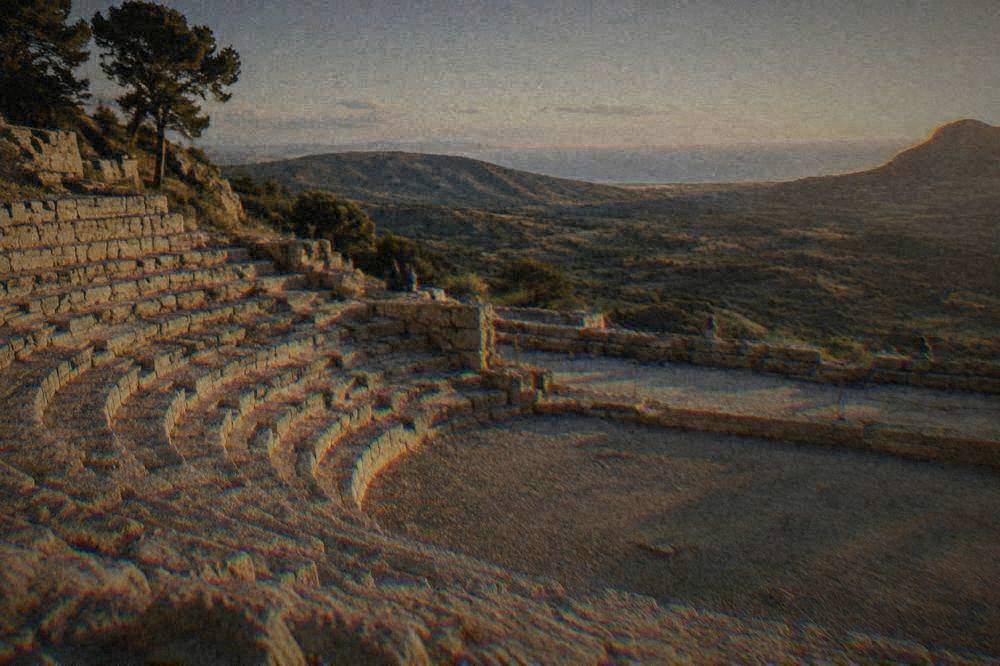
Erice From Palermo
Erice sits on its own mountain above the western Sicilian coast, a walled town of stone lanes reached by cable car from Trapani and easily combined with Segesta or the salt pans on a day out from Palermo.
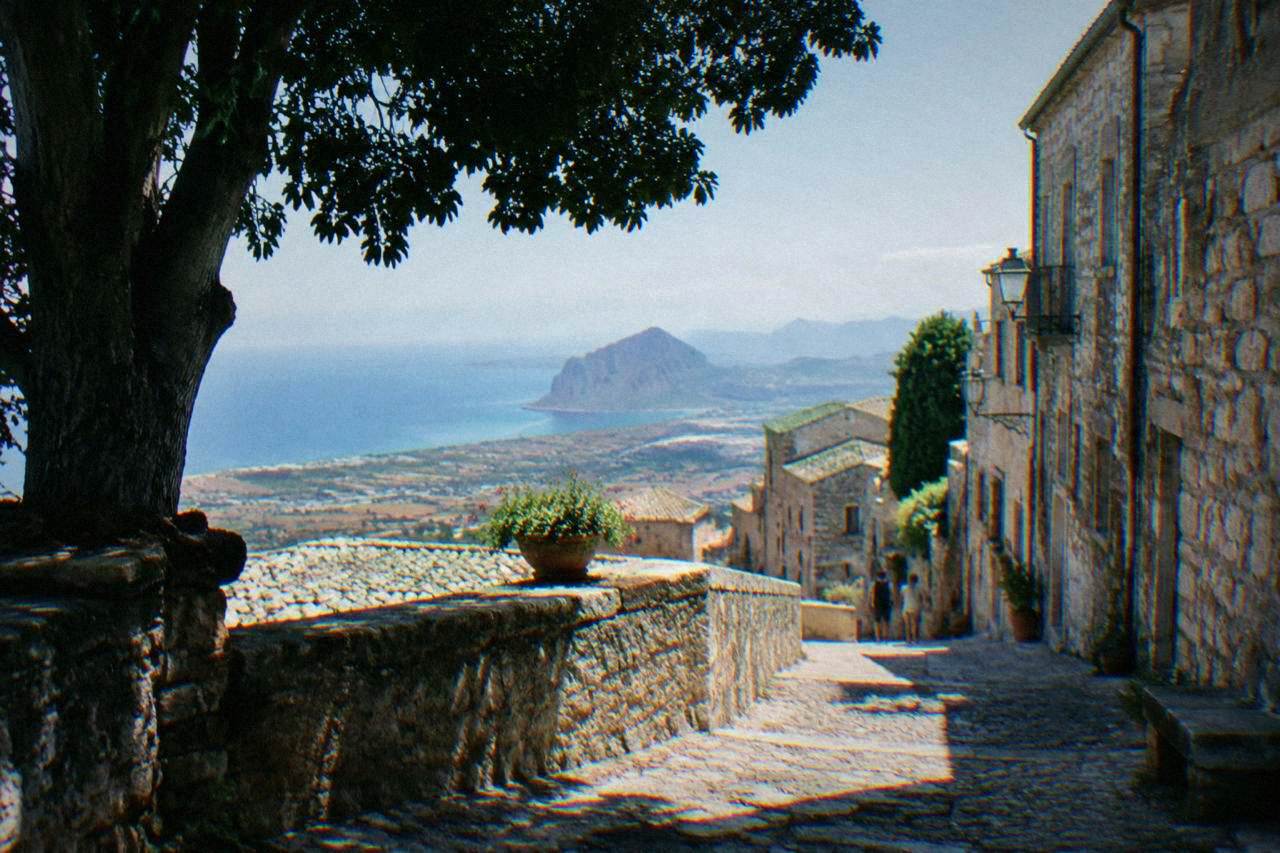
Short answer
Erice is a medieval hilltop town above Trapani, reached from Palermo by road or by a Segesta Autolinee bus to Trapani and then the Funivia di Erice cable car, which costs 9 EUR one way and 15 EUR return. A day trip from Palermo works well combined with Segesta or the Trapani salt pans.
Erice is the walled hilltown that floats above the west coast of Sicily, roughly two hours from Palermo by road, and it pairs naturally with Segesta and the Trapani salt pans on a single long day out. The town sits on Monte San Giuliano overlooking Trapani, the Egadi Islands and the flat country where sea salt is still harvested by wind and sun. Palermo, the coastal capital of Sicily on the Tyrrhenian Sea, is where all of these routes begin.
What Is Erice And Why Travel From Palermo To See It?
Erice is a small walled hilltop town above the city of Trapani on Sicily's west coast, built entirely of stone and reached by a cable car from the valley or a winding road up the mountain. It belongs to the same day-trip ring as Segesta and the Trapani salt pans, and the Funivia di Erice cable car page gives its standard ticket as 9 EUR one way and 15 EUR return.
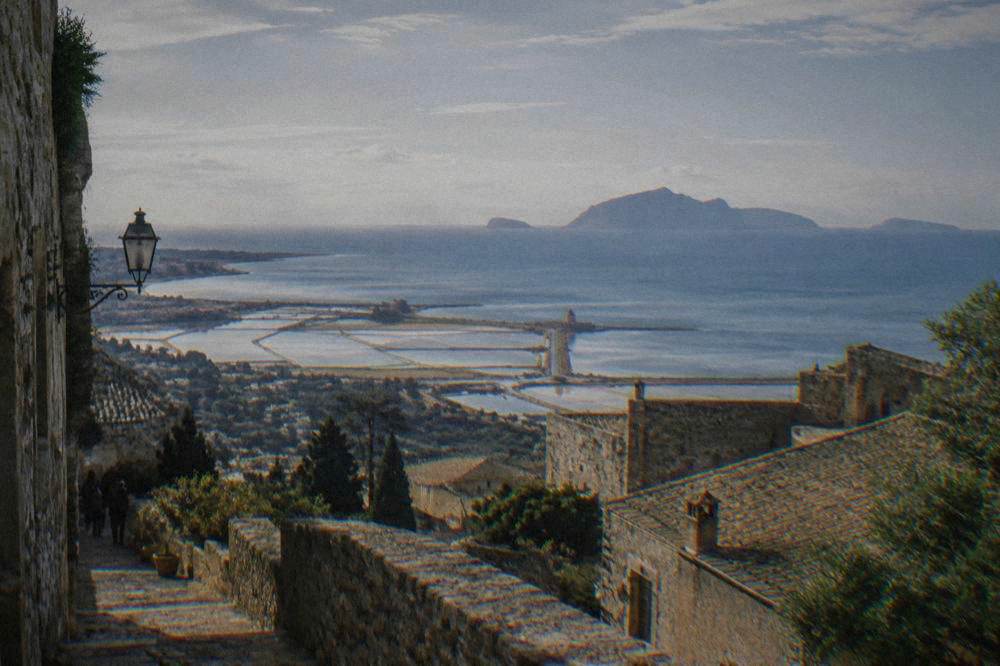
The draw is the combination of altitude, intact medieval streets and a view that takes in the Egadi Islands.
The town keeps a compact historic core inside its walls: cobbled lanes, stone gateways, small churches and convents, and squares that open suddenly onto the plain far below. The municipal tourism description of Erice emphasises that heritage character, and the visitor infrastructure, a cable car, parking outside the walls and a walkable centre, is built around day visitors arriving from Trapani and beyond. For anyone based in Palermo, the town is one of several western Sicily destinations that sit together on one plausible route, which is why organized excursions so often bundle it with Segesta and the salt pans rather than treating it as a stand-alone goal.
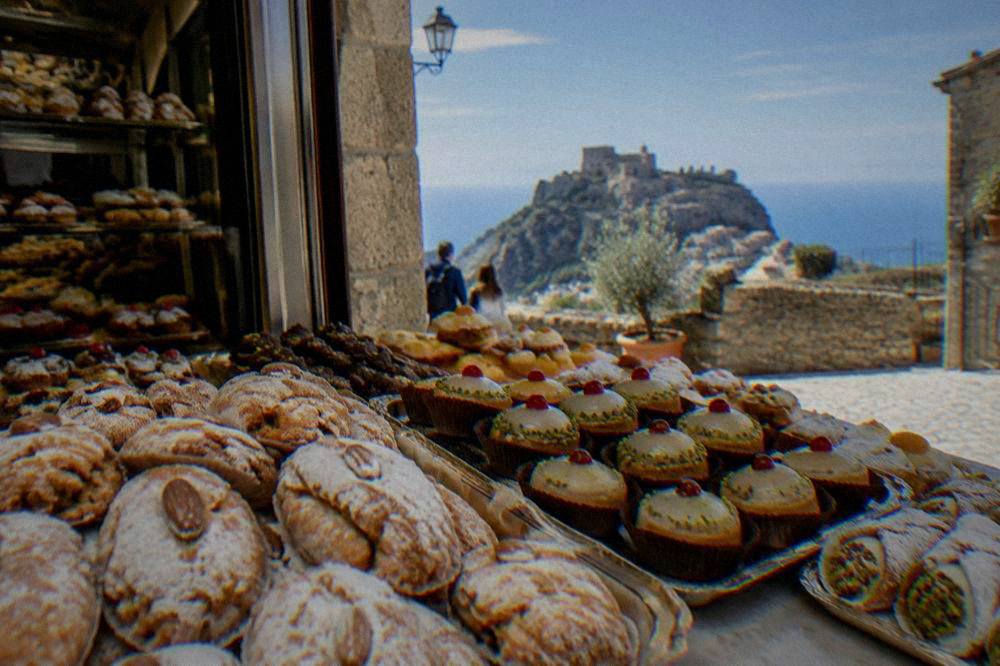
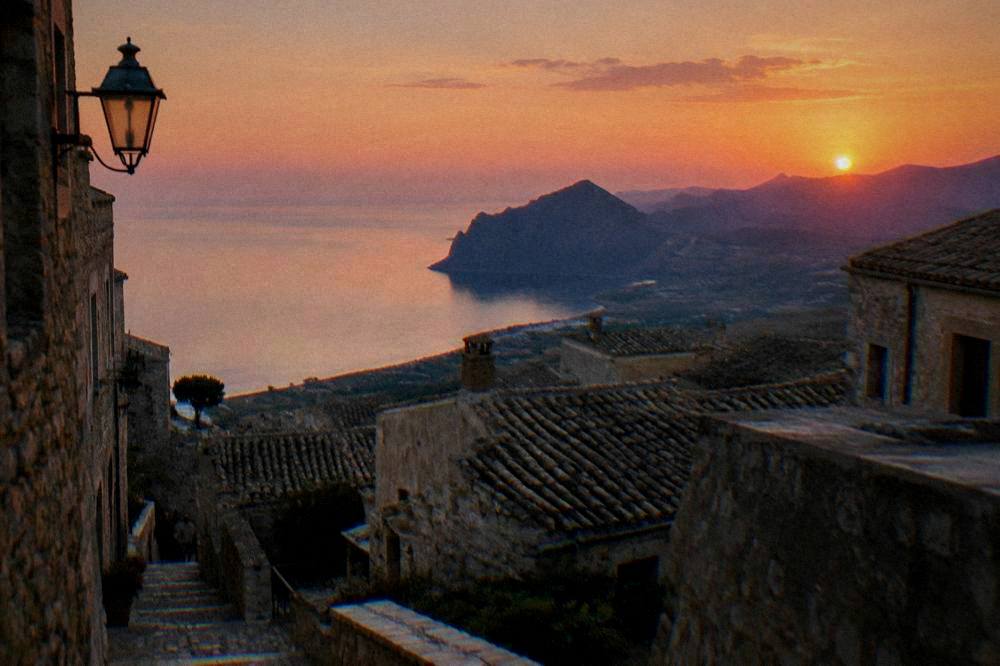
Two things define a visit. The first is the height: Erice looks down on Trapani and the coast, and on clear days the view stretches out over the sea toward the islands. The second is the atmosphere inside the walls, which stays quiet and cool even when the coast below is hot, because the mountain altitude changes the air. Pastry shops in the town are known for almond sweets and a tradition of convent confectionery, and the marble tables of a local pasticceria are part of the standard visit for travellers arriving from Palermo. The Palermo Italy Travel Guide treats Erice as one of the main western day trips alongside Segesta and Trapani and the salt pans.
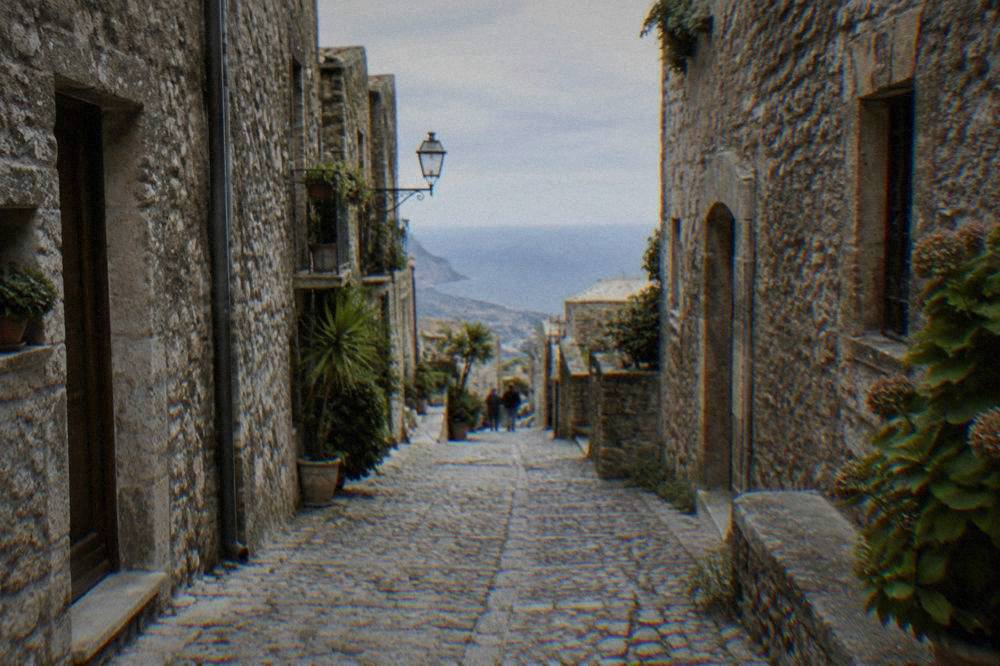
How Do You Get From Palermo To Erice Without A Car?
The independent route from Palermo to Erice is a Segesta Autolinee bus towards Trapani, then either the Funivia di Erice cable car from the Trapani side or the local connection up to the town. The cable car page lists a one-way ticket at 9 EUR and a return at 15 EUR. There is no train to Erice itself: the railway from Palermo runs along the north coast, and the mountain town has always been a road or cable-car destination.
Segesta Autolinee runs the long-distance bus services from Palermo towards Trapani, and FlixBus also lists direct coaches on the corridor. From Trapani the choice is the cable car, which climbs from the edge of the city to the edge of Erice, or the local road up the mountain. The cable car's own page gives hours that vary substantially by period, with evening openings on some weekdays and weekends and maintenance closures noted between seasons, so the day of the week matters more here than at any Palermo attraction. Anyone connecting the same day to other sights should check the operator's current timetable before committing to the plan, because the last descent is not generous in the off-season.
The practical shape of the day is simple: leave Palermo in the morning, arrive in Trapani around midday, ascend by cable car, spend the afternoon in the old town, and descend before the evening. The return bus to Palermo runs into the night, which gives some slack. The whole plan depends on two timetables, the Palermo to Trapani coach and the cable car, and both should be read the day before travel. For travellers who would rather not stitch three timetables together, an excursion that bundles Segesta, Erice and the salt pans handles the transfers, and the trio below shows the local options.
A middle path is the combined ticket logic of the region: Segesta and Erice sit on the same westbound corridor, so a single excursion covering both, plus the salt pans at Nubia where the salt museum is free, is a common structure. The Musei Online listing for the Museo del Sale gives free entry and daily hours, which makes the salt-pans stop the cheapest leg of any western Sicily day.
If covering all three in one day appeals, book a full-day excursion here.
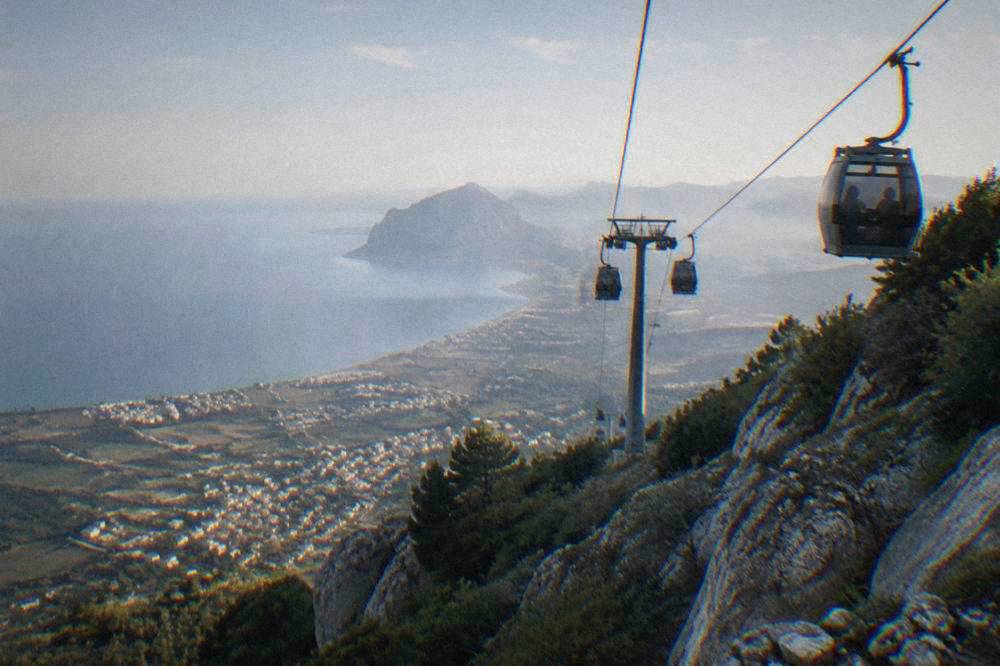
How Much Does The Erice Cable Car Cost And When Does It Run?
The Funivia di Erice cable car lists a standard one-way ticket at 9 EUR and a round trip at 15 EUR on its own tariff page. Hours change by period through the year, with longer evening openings later in the week and weekend openings extending to midnight in some periods, plus maintenance closures between seasons. Reading the operator's current timetable before travel matters more here than for any city sight in Palermo.
The tariff is flat: the operator's page does not break the price down by age or time of day in its standard listing, so families and groups should confirm any reductions directly with the operator. The hours are where the planning risk sits. The published schedule for autumn shows, for example, a Monday afternoon opening alongside full-day openings Tuesday to Thursday, extended Friday and Saturday hours, and Sunday service, with separate blocks for other periods of the year. A traveller who arrives on a Monday morning expecting a full day of cable-car access can find the service closed until the afternoon, and the town's road access does not fully substitute for it without a car.
The table below summarises what the cable car costs against the other paid stops on a western Sicily day-trip circuit, using the figures each operator or authority publishes.
| Stop on a western day trip | Standard price | Notes |
|---|---|---|
| Funivia di Erice cable car | 9 EUR one way, 15 EUR return | Operator tariff page |
| Museo del Sale, Nubia salt pans | Free entry | Musei Online listing |
| Trapani historic centre | Free to walk | Public streets |
| Erice old town streets | Free to walk | Public streets |
What Should You Actually See Inside The Walls Of Erice?
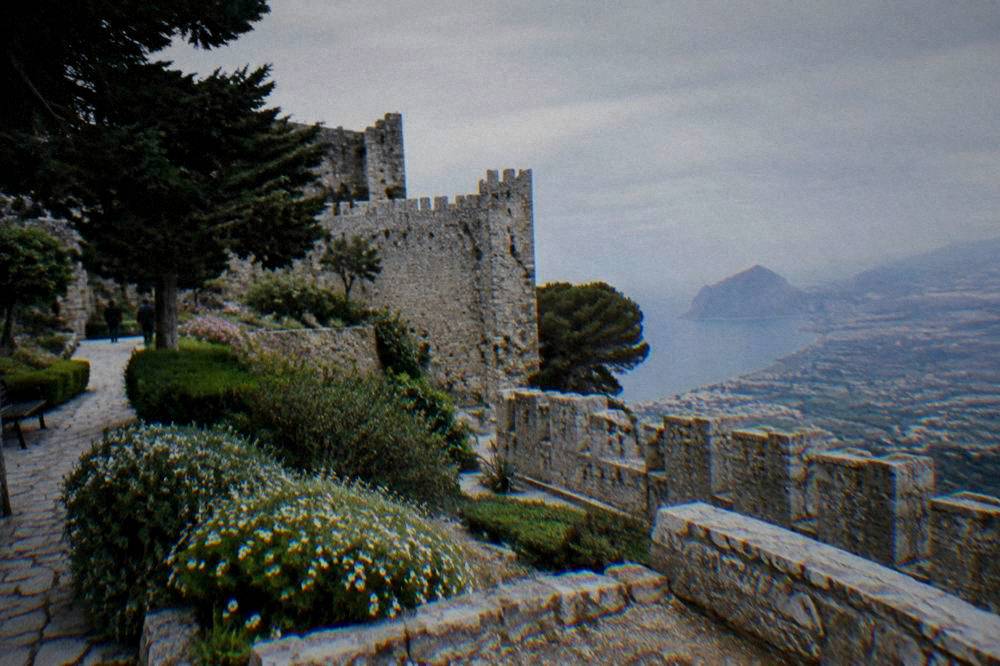
The core of a visit to Erice is the walk through the walled town: Porta Trapani and the gateways, the main street of Vittorio Emanuele with its pastry shops, the castle at the town's highest point, and the gardens and viewing terraces that look out over Trapani and the Egadi Islands. Entry to the streets, gates and viewpoints is free, and the whole circuit is compact enough to cover on foot between the late morning and mid afternoon.
The castle, built on the former site of a temple of Venus according to the town's own visitor material, sits at the top of the hill with gardens beside it and is the destination for the view. Below it, the lanes drop in shallow steps toward Porta Trapani, passing small churches, stone balconies and the workshops that sell the almond pastries and marble-topped cakes the town is known for. The cooling effect of the altitude is real and worth planning around: the town sits high enough that a windy day on the summit feels quite different from the beach temperature in Trapani below, so a layer is a reasonable thing to carry even in the warmer months.
The pasticceria tradition has a documented side. Erice's convent heritage produced a school of pastry-making associated with the town, and its almond and cassata sweets are described in regional tourism material as a speciality of the place. Eating in Erice is therefore a sit-down pastry stop rather than the street-food model of Palermo's markets, and visitors who want the Palermo version can read about Ballarò market separately. For a fuller treatment of Sicilian sweets, the sibling page on Sicilian desserts covers the ground.
Can You Combine Erice With Segesta And The Salt Pans In One Day From Palermo?
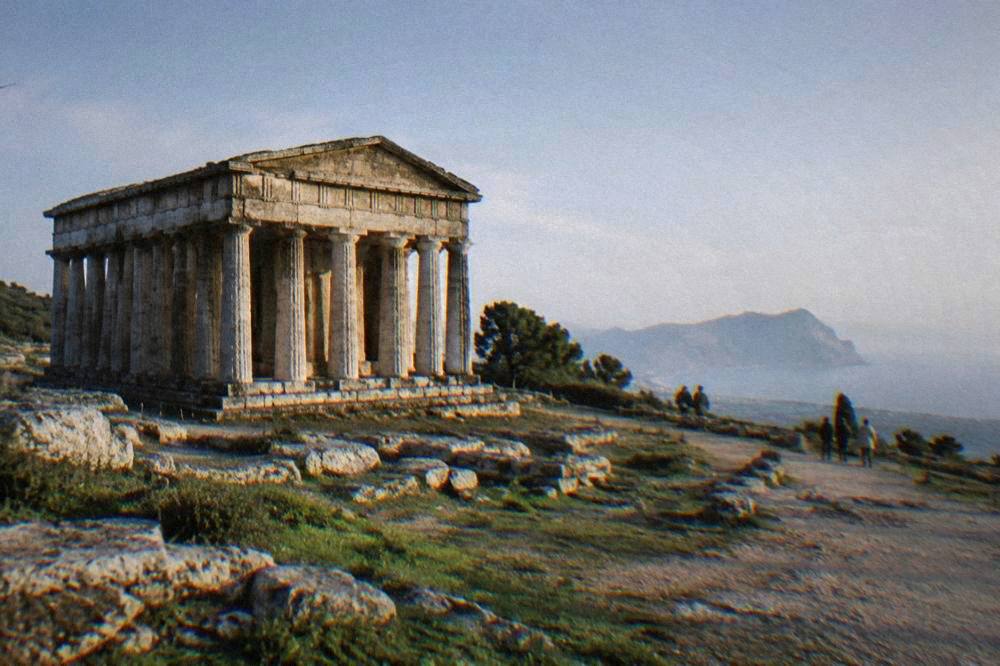
Yes, and that combination is the standard structure of the organized western Sicily excursions from Palermo: Segesta in the morning for the temple and theatre, Erice in the early afternoon for the walled town and pastries, and the Trapani salt pans at Nubia before the drive back. Doing all three independently by public transport in one day is tight, because it depends on coach and cable-car timetables that do not interlock, which is why the guided version sells.
Segesta's archaeological park sits inland on the corridor between Palermo and Trapani, and its regional park page gives seasonal hours that shift four times across the year, with the longest openings in the summer block. The salt pans at Nubia, with windmills and working salt flats, sit just south of Trapani, and the salt museum there is free with daily hours on the listing. The geographic logic runs west then back east: Palermo, Segesta, Trapani and the pans, Erice, home. An independent traveller could do two of the three comfortably and all three only with luck; a guided excursion does all three because the coach is not waiting on a public timetable.
For anyone weighing which western day to take from Palermo, this comparison uses each sight's own published figures.
| Western day-trip stop | What it is | Entry position |
|---|---|---|
| Segesta | Doric temple and hillside theatre | Regional park, seasonal hours |
| Erice | Walled hilltop town and castle | Streets free, cable car 9 EUR one way |
| Trapani salt pans, Nubia | Working salt flats, windmills, salt museum | Museum free |
| Trapani centre | Historic old town on a spit of land | Free to walk |
The trio below shows the guided options that cover this corridor and the other long day trips from Palermo.
Is Erice Better As A Guided Excursion Or An Independent Day Trip?
An independent day trip to Erice suits travellers who want to set their own pace in the old town, accept the bus-to-Trapani-then-cable-car sequence, and read two timetables the night before. A guided excursion suits anyone who wants Segesta, Erice and the salt pans in one day, because the coach links all three without waiting on public connections, and the cancellation terms on the listing allow a change of plan.
The independent version's strength is time in Erice itself. The town rewards slow wandering, a long pastry stop and an unhurried hour at the viewpoint, and none of that needs a guide. Its weakness is fragility: the cable car's variable hours and the coach schedule from Palermo constrain the day, and a missed connection turns a relaxed afternoon into a race. Parking in Erice is outside the walls, and driving visitors arrive via Trapani on mountain roads, a reasonable option for those already reading about renting a car in Sicily, though the card-hire and toll details belong on that page.
The guided version's strength is the three-stop day. A single excursion covering Segesta, Erice and the salt pans turns an either-or choice into a both, and the commentary at Segesta, where the temple and theatre sit apart from each other on a large site, adds context that the signage alone does not. Its weakness is pace: the stop in Erice is fixed by the itinerary, and pastry shops close at set hours like everywhere else. Travellers who value the food side of Sicily above the archaeology might instead look at the Monreale and Cefalu half-day structure, which keeps the day shorter.
What Does A Day Trip To Erice Cost To Arrange Yourself?
The cash costs of an independent day are the bus fare to Trapani, the cable car at 9 EUR one way or 15 EUR return, and food, with the salt museum at Nubia free and the streets of Erice and Trapani free to walk. Everything inside the walls costs nothing except what you eat and buy, so the budget is dominated by transport, and the exact coach fare from Palermo to Trapani should be read on the Segesta Autolinee or FlixBus page before travel.
The table sets out the cost picture for the independent day against the facts each operator publishes.
| Item | Cost position | Where to confirm |
|---|---|---|
| Palermo to Trapani coach | Fare on the operator's booking page | Segesta Autolinee or FlixBus |
| Funivia di Erice cable car | 9 EUR one way, 15 EUR return | Operator tariff page |
| Erice streets, gates and viewpoints | Free | Public space |
| Museo del Sale at Nubia | Free | Musei Online listing |
| Pastries and lunch | Varies by stop | Menus in town |
Two planning notes soften the budget. First, the first Sunday of the month brings free entry to many state and regional museums in Sicily, which matters more on itineraries that include ticketed parks than on this one, where the main costs are transport. Second, the cable car's return ticket is cheaper than two singles, so a round trip on the same day is the economical shape if the descent time fits the plan. Anyone extending the trip toward Trapani and the salt pans should treat the salt museum's free entry as the anchor of that leg.
When Is The Best Time Of Year To Visit Erice From Palermo?
The climate table for Palermo, modelled ERA5 normals for 1991 to 2020, puts July as the driest month at 7 mm and October as the wettest at 81 mm, with the warmest month August at a mean of 26.8 C. For Erice, which sits at altitude above Trapani, spring and early summer give the clearest coastal views, while autumn brings the highest rainfall of the Palermo climate year and a real chance of sitting in cloud on the summit.
Altitude is the seasonal variable that the coastal table cannot show. Erice is famous for wrapping itself in mist, and the same weather that produces a mild, dry afternoon in Trapani at sea level can produce fog on the summit that closes the view entirely. That is a risk-weighted argument for the May to June window, when the climate table shows rainfall falling from 36 mm in May to 15 mm in June and 7 mm in July, and for mornings over afternoons, because cloud often builds through the day. Winter visits are possible, and the town's lanes are quiet then, but the combination of October to December rainfall, 81 mm, 67 mm and 72 mm respectively in the Palermo normals, and summit exposure makes the view a coin toss.
| Month | Mean temperature C | Precipitation mm |
|---|---|---|
| April | 15.3 | 59 |
| May | 19.1 | 36 |
| June | 23.4 | 15 |
| July | 26.2 | 7 |
| September | 23.4 | 61 |
| October | 20.1 | 81 |
Festival timing matters less here than in Palermo itself, where the Festino of Saint Rosalia runs each July from 10 to 15 July with the main events on 14 and 15 July. A July visitor could pair the Festino in Palermo with a dry, clear day on the west coast, though the coastal heat makes the cable-car queue and the unshaded castle terrace harder work. The best time to visit Palermo page carries the full monthly picture.
Common Questions About Erice From Palermo
How do you get from Palermo to Erice?
The independent route is a Segesta Autolinee or FlixBus coach from Palermo towards Trapani, then the Funivia di Erice cable car or the road up the mountain. There is no train to Erice. Confirm both timetables with the operators before travel.
How much does the Erice cable car cost?
The Funivia di Erice tariff page lists 9 EUR one way and 15 EUR return. Hours vary by period, including longer weekend evenings and maintenance closures, so check the operator's page for the day you plan to travel.
Can you visit Segesta, Erice and the salt pans in one day from Palermo?
Yes, as a guided excursion this is the standard western Sicily day trip. Independently it is tight, because the coach and cable-car timetables do not interlock neatly, and doing all three by public transport leaves little time in each place.
Is Erice worth visiting from Palermo?
Erice offers an intact walled hilltop town, a castle with gardens, celebrated almond pastries and views over Trapani and the Egadi Islands. It works best as part of a western day that also includes Segesta or the salt pans.
Is the salt museum at the Trapani salt pans free?
Yes, the Musei Online listing gives free entry to the Museo del Sale at Nubia, with daily hours. The salt flats and windmills around it can be viewed from the public road.
When is the best time of year to visit Erice?
May and June suit the summit best: the Palermo climate normals, modelled ERA5 1991 to 2020, show rainfall dropping to 15 mm in June and 7 mm in July, while October is the wettest month at 81 mm. Erice sits at altitude and can be in cloud even when the coast is clear, so a morning visit is the safer bet.
The long version of the western Sicily decision, including whether to base a second night in Trapani rather than return to Palermo, sits on the Palermo and western Sicily week page, and the alternative day trips eastward toward Cefalu are covered on their own pages.