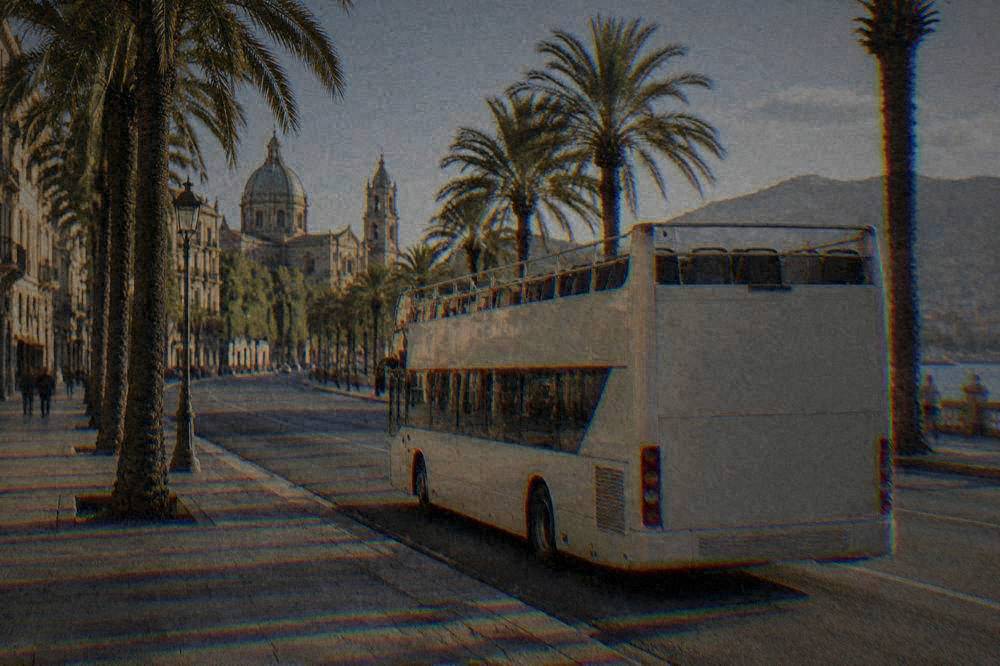
Foro Italico Palermo
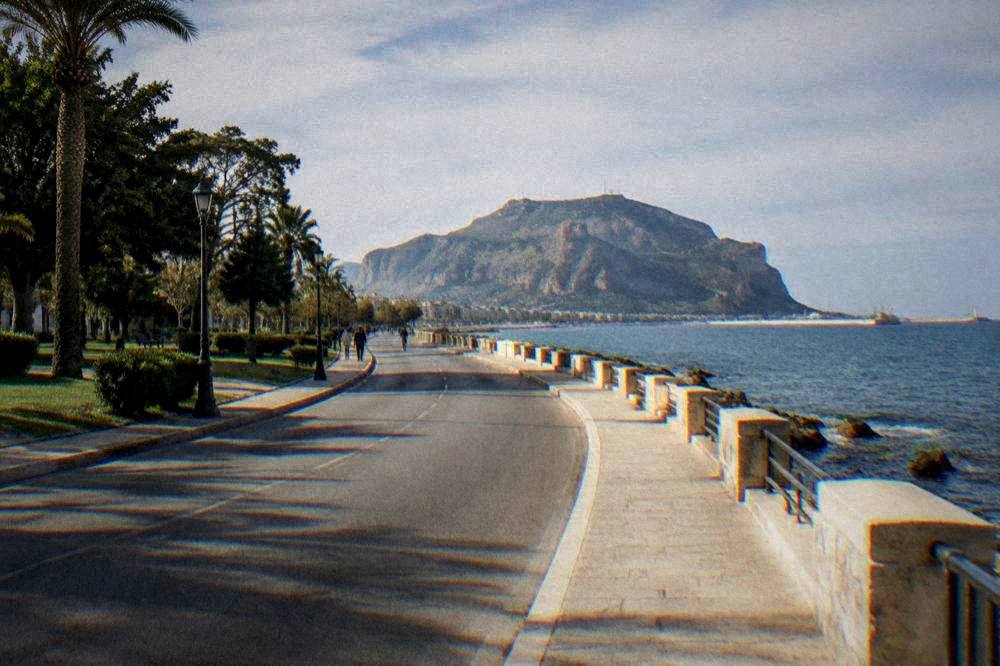
The Foro Italico is Palermo's great open lawn and promenade between the old city and the Tyrrhenian Sea, a free public space where the Festino of Saint Rosalia ends each July in fireworks above the water.
Short answer
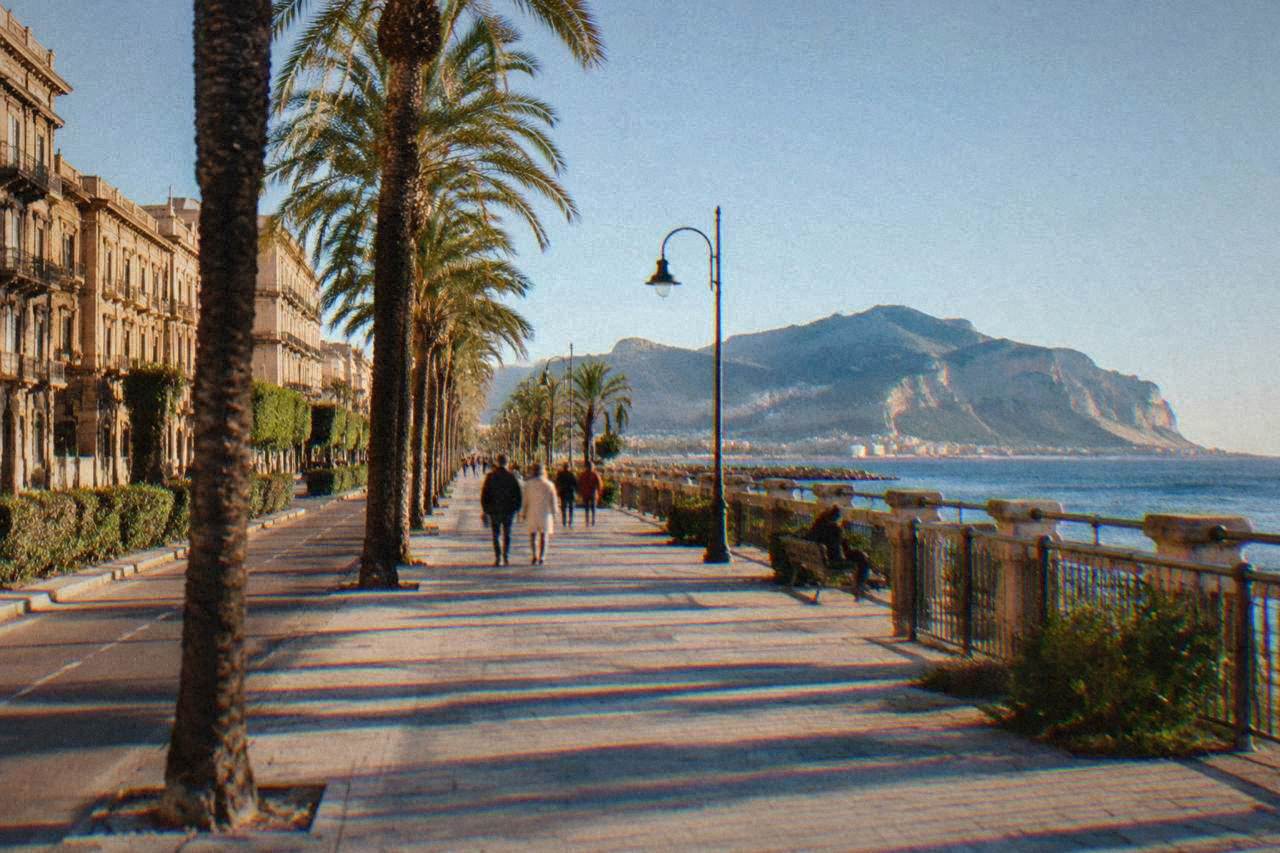
The Foro Italico is a free, open-access seafront park and esplanade on the Gulf of Palermo, reached on foot from the Kalsa district and the Quattro Canti in a short walk along flat ground.
The Foro Italico is Palermo's seafront esplanade, a broad open green between the historic centre and the Tyrrhenian Sea in the Gulf of Palermo. The municipal tourism pages list it among the city's free public spaces, and that is the essential fact about it: no gate, no ticket, no closing booth, just a wide grassed and paved stretch of coast where the city faces the water. On one side rise the palazzi of the Kalsa district; on the other, the open sea and, in the distance, the shape of Monte Pellegrino. This guide covers what the space is, how to reach it, what to see within a short walk, and what happens there each July when the Festino of Saint Rosalia brings the chariot procession down to the water's edge.
What Is The Foro Italico In Palermo?
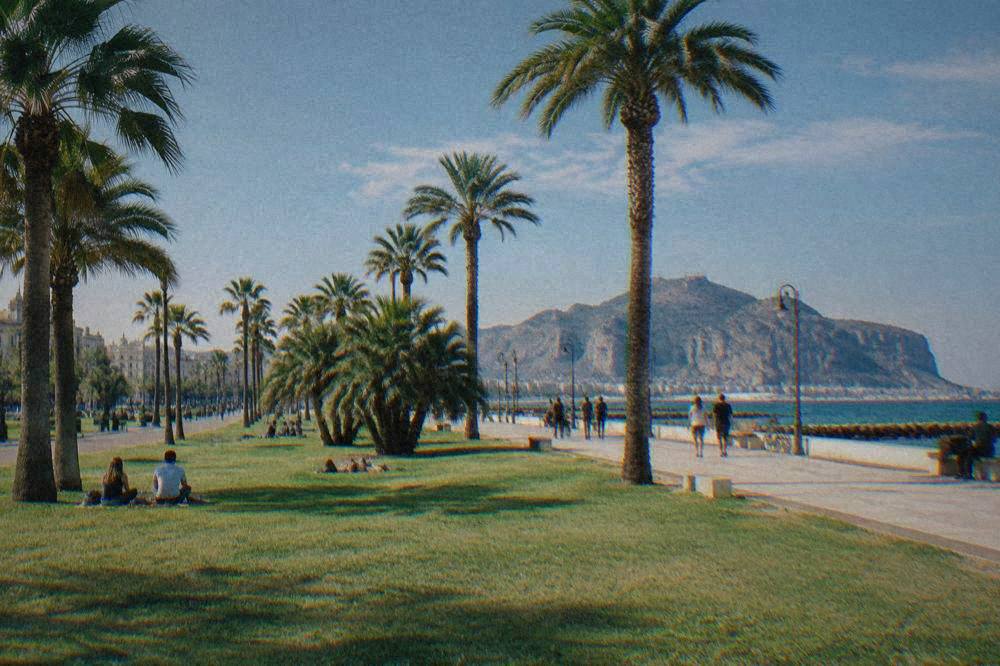
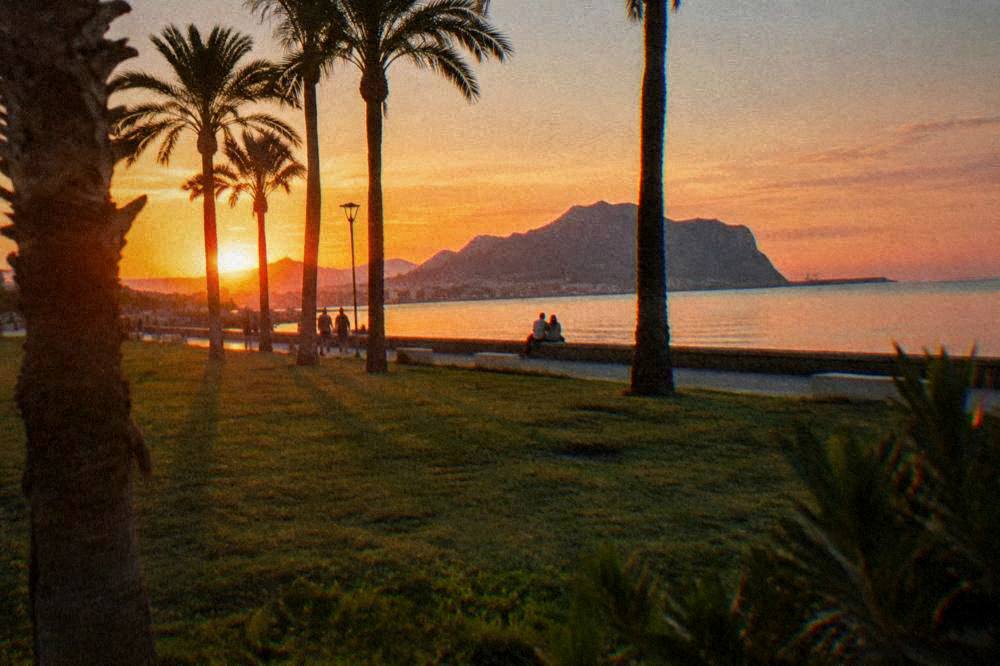
The Foro Italico is a free, open-air seafront park and promenade in Palermo, the coastal capital of Sicily, sitting between the Kalsa district and the Tyrrhenian Sea. The municipal tourism pages list it as a free public space with no ticket and no gate, and its lawns and palms make it one of the few places in the dense old centre where the city opens fully onto the water.
It works as Palermo's seafront living room. Families spread across the grass in the evening, runners use the flat promenade, and the space hosts large public events through the year, the Festino of Saint Rosalia chief among them. The layout is simple: a wide paved walk along the shoreline, generous lawns behind it, palm rows, and the historic buildings of the Kalsa forming the inland edge. The tourist pages that describe the old centre's four districts name Kalsa, also called Tribunali, as the quarter that reaches down to this coast, so a visit to the Foro Italico is naturally stitched into a walk through Palermo's south-eastern mandamento.
The space also connects directly to two other waterfront landmarks. On one end sits the old harbour of La Cala, Palermo's historic marina, covered in its own guide on this site at Palermo Harbour La Cala. On the other, the esplanade runs toward the seafront gardens. Because everything here is public ground, the practical questions are not about tickets but about timing, weather and what sits within walking distance, which the rest of this page answers in order.
Where Is The Foro Italico And How Do You Reach It?
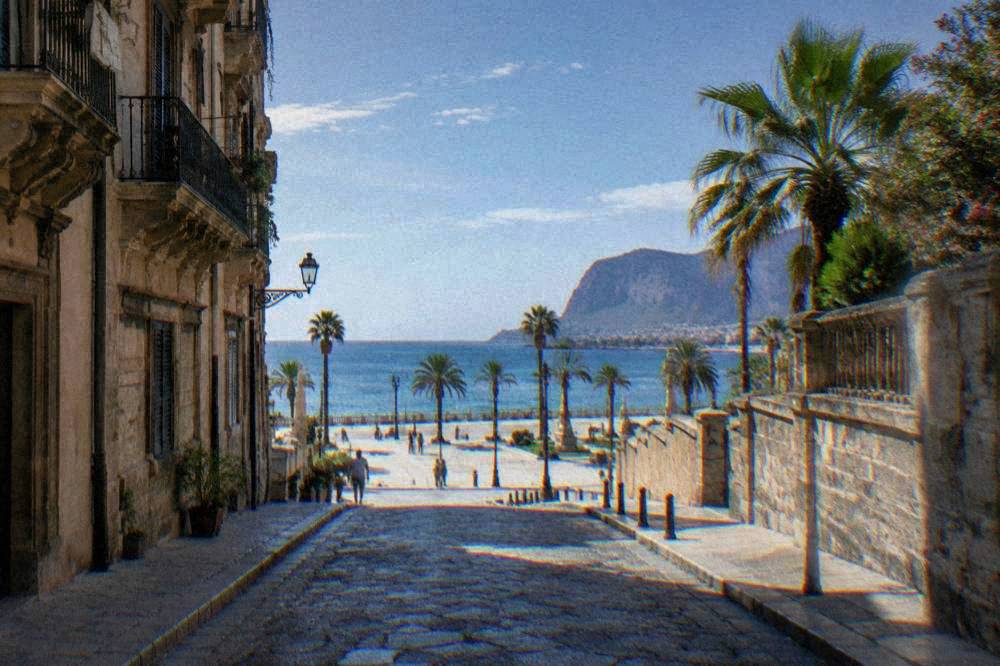
The Foro Italico lies at the southern edge of Palermo's historic centre, fronting the Kalsa district, and the practical route is a flat walk from the Quattro Canti down Corso Vittorio Emanuele toward the sea. AMAT buses and trams serve the centre with a 1.40 EUR ticket valid 90 minutes, and the cruise terminals sit about 1.5 to 1.8 km away, 15 to 20 minutes on foot, per secondary port guides.
The geography is easy to hold in mind. The old centre is cut into four districts by the crossing of Via Maqueda and Corso Vittorio Emanuele at the Quattro Canti: Capo, Albergheria, Kalsa and Loggia, as the municipal tourism page explains. The Foro Italico is the waterfront terminus of the Kalsa side, and Corso Vittorio Emanuele, the ancient Cassaro, runs straight from the Quattro Canti down to it. The whole walk is flat.
Getting there by public transport follows the standard Palermo pattern. The AMAT fares page lists the ordinary ticket at 1.40 EUR bought in advance and valid 90 minutes from validation, 1.80 EUR if bought onboard from the driver, a day ticket at 3.50 EUR and a three-day MultiDay at 8.00 EUR. Buy before boarding and validate at once, because the 90 minutes count from validation, transfers included. There is no metro in Palermo; the rail service in town is the Passante ferroviario, a suburban railway whose Line A runs from Palermo Centrale to the airport, and a Giachery to Politeama section is planned for passenger service from November 2026, so for now the esplanade is a bus, tram or walking destination.
For cruise passengers the arithmetic is short. The full walk-in plan for a port day is laid out in the Palermo Cruise Port Day guide.
| Way to reach the Foro Italico | Ticket or cost | Notes from the operators' pages |
|---|---|---|
| On foot from the Quattro Canti | Free | Flat walk down Corso Vittorio Emanuele through the Kalsa |
| AMAT bus or tram | 1.40 EUR in advance, 1.80 EUR onboard | 90 minutes validity from validation, transfers included |
| AMAT day ticket | 3.50 EUR | Whole day until end of service |
| AMAT three-day MultiDay | 8.00 EUR | Whole network until end of the third day |
What Can You See Around The Foro Italico On Foot?
Within a short walk of the Foro Italico sit the gardens of Villa Giulia, the old harbour of La Cala, the Kalsa district with Palazzo Abatellis, and the long axis of Corso Vittorio Emanuele leading back to the Quattro Canti and Palermo Cathedral. Every one of these is either free to enter or, in Abatellis's case, closed for a long works project, so the seafront loop costs nothing in admissions.
Start with the two waterfront neighbours. Villa Giulia is a free public garden a short walk along the shore, with ponds and green shade, open through the day. La Cala is the historic marina at the other end of the esplanade, where boats still moor against a backdrop of old warehouses. Between them they turn the Foro Italico into the middle panel of a single seafront triptych rather than an isolated lawn.
Inland, the Kalsa holds the district's headline sights. The municipal tourism pages place the Kalsa, called Al Halisah in its historic form, around sites such as Palazzo Abatellis, the Spasimo and the Magione. One note matters for planning: Palazzo Abatellis is closed, with a planned closure of about 18 months for climate-control works that began around mid-July 2026 and no confirmed reopening date, so check the regional museums site before counting on it. Further up the Cassaro, the walk reaches the Quattro Canti, the four-cornered crossing that gives the old centre its shape, and then Palermo Cathedral, whose monumental area of roof, royal tombs and treasury is ticketed, with prices shown at the ticket point or on the cathedral's own ticket shop.
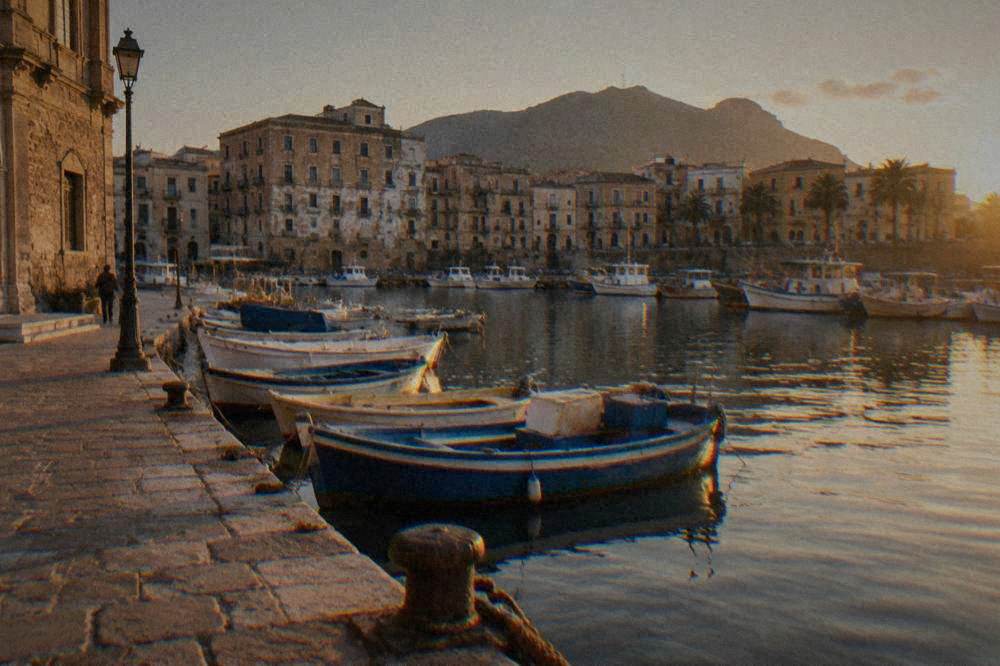
For visitors who want the seafront, the Kalsa and the wider old city covered in one guided loop, the related tour on this page does exactly that: the CruiserCar grand tour drives the esplanade, the old centre and the hillside viewpoints in a single outing, and the operator's live listing carries the current price, schedule and cancellation terms. You can Check availability alongside the site's own Palermo Walking Tour guide.
| Sight near the Foro Italico | Distance by the walking route | Entry |
|---|---|---|
| Villa Giulia gardens | A short walk along the seafront | Free public garden |
| La Cala marina | At the esplanade's western end | Free, open waterfront |
| Quattro Canti | Down Corso Vittorio Emanuele | Free public square |
| Palermo Cathedral | Further up the Cassaro | Nave as a church; monumental area ticketed at the ticket point |
| Palazzo Abatellis | Inside the Kalsa | Closed for works of about 18 months from mid-July 2026 |
| Botanical Garden | Beyond the seafront gardens | Hours seasonal on the garden's page |
What Happens At The Foro Italico During The Festino Di Santa Rosalia?
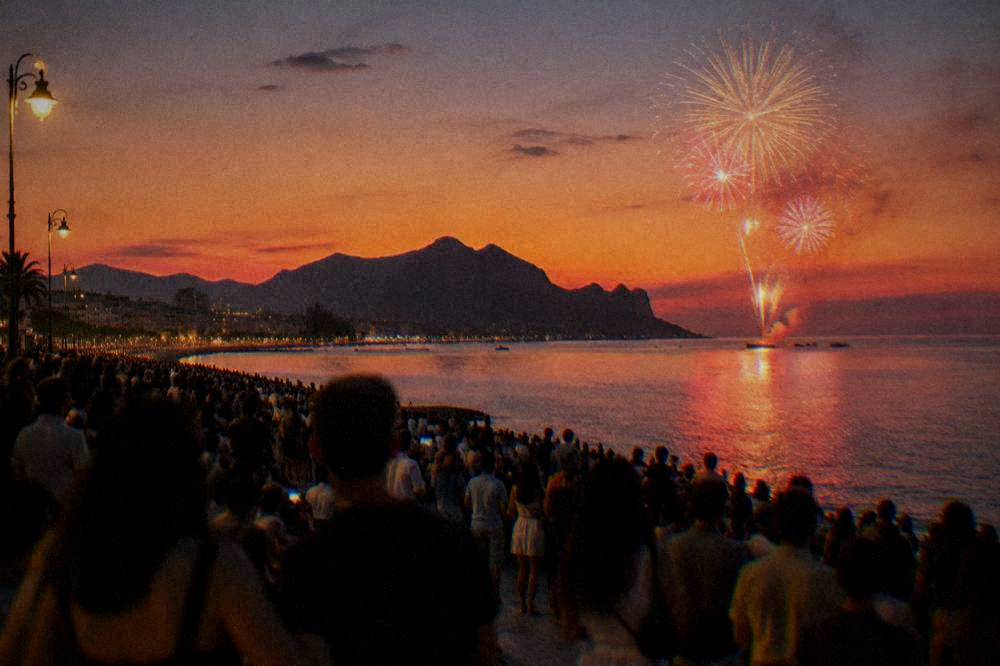
Each July the Festino of Saint Rosalia fills the Foro Italico, with the triumphal chariot procession on 14 July rolling down the Cassaro to Porta Felice beside the sea and fireworks closing the night over the water, followed by the religious procession of the silver urn with the relics on 15 July. The municipal tourism pages give the Festino as 10 to 15 July, main events on 14 and 15 July, and the 2027 dates are not yet announced.
Saint Rosalia is Palermo's patron saint, and her story ties the esplanade to the mountain that frames it. The cathedral's own chronicle records that her relics were found on Monte Pellegrino in 1624, the year the plague ended, and the city has celebrated her each July since. The route matters for a visitor: the chariot procession travels along the Cassaro, which is Corso Vittorio Emanuele, the same straight street a walker uses to reach the Foro Italico, and it finishes at Porta Felice where the street meets the sea. The fireworks that follow go up over the water the esplanade faces, which is why the lawns fill hours before dark. The full index of guides sits on Palermo Italy Travel Guide.
Planning around the Festino is straightforward. Expect the seafront to be crowded on 14 and 15 July, expect road closures along the Cassaro, and check the municipal programme for the year's staging details before setting an itinerary, because the full schedule is published closer to the date. The city's wider calendar, from the Teatro Massimo season to Easter and Christmas events, is gathered in the Palermo Festivals And Events guide.
| Festino moment | Date pattern | What the municipal pages describe |
|---|---|---|
| Festino period | 10 to 15 July each year | City-wide celebrations for the patron saint |
| Triumphal chariot procession | 14 July | Down the Cassaro to Porta Felice, fireworks over the sea |
| Silver urn procession | 15 July | Religious procession with the relics of Saint Rosalia |
| Relics found on Monte Pellegrino | 1624 | The event the cult and the Festino trace back to |
When Is The Best Time Of Day To Visit The Foro Italico?
Early morning and the hour before sunset are the comfortable windows for the Foro Italico, because the esplanade is fully exposed to the sun and the climate table shows August, the warmest month, with a mean of 26.8 C and a mean maximum of 30.4 C, while July is the driest month at 7 mm of rain. Evening is when the lawns fill with locals, and October, the wettest month at 81 mm, is the one to plan around for rain.
The climate behind that advice comes from the modelled ERA5 normals for 1991 to 2020, which describe a Mediterranean coastal pattern: mild winters with January at a mean of 11.3 C, a warm dry summer, and a shoulder-season rise in rain through September and October. Nothing in that table covers sea temperature or sunshine hours, so nothing is claimed here about either. What the table does support is timing: midday in July and August is the least comfortable stretch on an open lawn with little shade, while the same hours in April or May, at means of 15.3 C and 19.1 C, are pleasant.
The evening has the practical advantage of joining the esplanade to the rest of the waterfront's night rhythm. The Vucciria and the seafront edge of the Kalsa are the city's casual nightlife poles, and an evening food and wine walk that ends near the old harbour turns a sunset on the Foro Italico into the first course of the night rather than a detour. For the full seasonal picture, including the winter months, see Best Time To Visit Palermo.
| Month | Mean C | Rain mm | What it means on the esplanade |
|---|---|---|---|
| January | 11.3 | 69 | Mild, quiet, fine for a bracing walk |
| April | 15.3 | 59 | Comfortable daylight hours |
| July | 26.2 | 7 | Driest month; seek morning or evening |
| August | 26.8 | 19 | Warmest month; mean maximum 30.4 C |
| October | 20.1 | 81 | Wettest month; carry a rain layer |
Is The Foro Italico Free, And What Should You Budget Nearby?
The Foro Italico itself is free, an open public space with no ticket, and the cluster around it can be done at no admission cost: the Quattro Canti, the markets, Villa Giulia and the esplanade are all free, while paid entries nearby are Palazzo dei Normanni at 14.50 EUR full and the Capuchin Catacombs at 5 EUR full, both on their official pages. The only unavoidable local cost is transport, at 1.40 EUR per AMAT ticket.
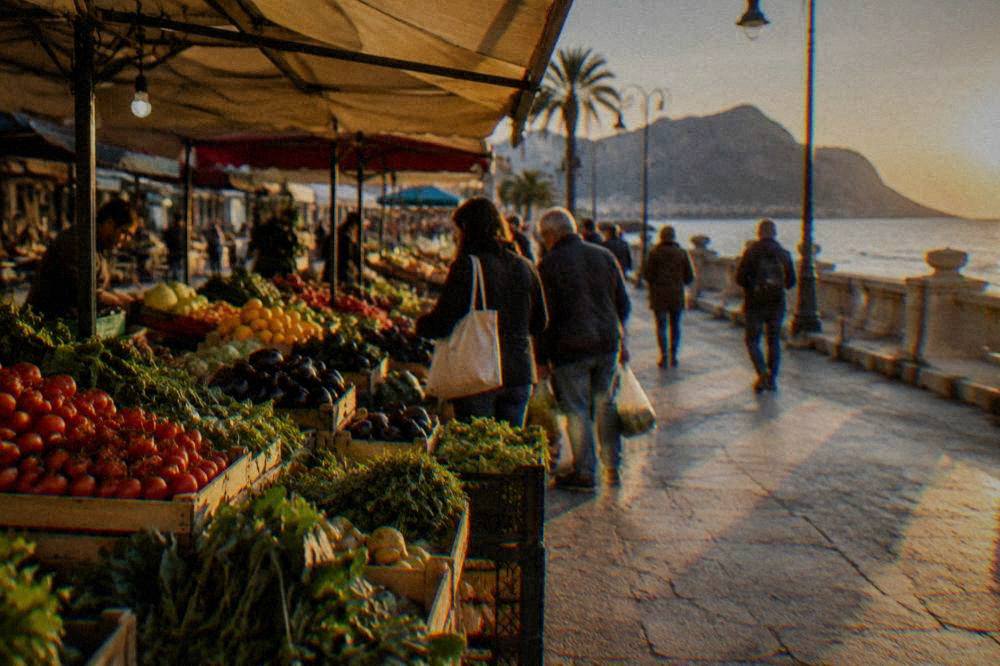
That balance makes the seafront a budget anchor. A day built around the Kalsa and the Foro Italico spends nothing until you choose to, and the markets of Ballarò and the Capo, both free to enter, sit within the same walkable old centre. Food is priced by the plate at market stalls and street counters, and the coperto, the cover charge, is legal when printed on the menu, so read the itemised bill; tipping is not obligatory. A practical note for any summer visit: AMAP states Palermo's distributed tap water is suitable for drinking, so a refillable bottle covers the esplanade's sun exposure cheaply.
Two paid entries reward the short detour inland. The Palazzo dei Normanni and the Cappella Palatina share one ticket, 14.50 EUR full and 12.50 EUR reduced with the royal apartments included, though those apartments close on Tuesdays and Wednesdays when parliament sits. The Capuchin Catacombs charge 5 EUR full and 3 EUR reduced, sell tickets only at the office and prohibit photography. State and regional museums, including the Salinas and the GAM, open free on the first Sunday of the month, with confirmation per site advised.
To pair the palace with a guided walk, book an UNESCO walking tour here.
| Item near the Foro Italico | Cost | Source |
|---|---|---|
| Foro Italico esplanade | Free | Municipal tourism listing of free public spaces |
| Villa Giulia gardens | Free | Public garden listing |
| AMAT single ticket | 1.40 EUR | AMAT fares page |
| Palazzo dei Normanni and Cappella Palatina | 14.50 EUR full, 12.50 EUR reduced | Official visit page |
| Capuchin Catacombs | 5 EUR full, 3 EUR reduced | Catacombs tariff page, tickets at the office only |
| First Sunday of the month | Free at many state and regional museums | Regional museums site, confirm per venue |
How Does The Foro Italico Fit Into A Longer Palermo Itinerary?
The Foro Italico works best as the seafront bookend of an old-centre itinerary: pair it with the Kalsa and La Cala on a first day, slot it into the evening of any itinerary from one to five days, and use it as the launch point for the western day trips to Monreale, Mondello and Segesta, which sit 16 to 64 minutes away by road per route calculations from the Quattro Canti.
The itineraries on this site already treat it that way. The One Day In Palermo plan walks the Cassaro from the cathedral down to the sea, so the esplanade arrives as the walk's natural finish. Two Days In Palermo and Three Days In Palermo add the museums and the markets around it, and the longer Palermo And Western Sicily Week route uses the city as a base before heading out. The driving figures come from free-flow route calculations from the Quattro Canti: Monreale 10.4 km in about 16 minutes, Mondello 13.9 km in about 27 minutes, Segesta 76.2 km in about 64 minutes.
One planning caution belongs here rather than anywhere else on the page: driving to the Foro Italico itself is the wrong instinct. The esplanade sits inside the camera-enforced limited-traffic zone of the historic centre, where access requires a pass bought through the official portal, at 5 EUR per day for petrol and diesel cars and 2.50 EUR for hybrids, with electric vehicles free, and weekday daytime hours plus seasonal Friday and Saturday evening hours that change by season. Entering without a permit is camera-enforced and fined. The bus, the tram or the flat walk down the Cassaro are simpler, and the Getting Around Palermo guide lays out every option.
Palermo's tap water is drinkable per AMAP. The emergency number is 112, with 118 for medical aid and 113 for police. US State Department and UK FCDO advisories for Italy note petty crime such as pickpocketing and bag-snatching around tourist sites and on public transport, so on a crowded Festino evening a zipped bag held in front is the sensible habit, as it would be in any city park hosting a large event. None of that changes the basic character of the place: the Foro Italico is the one large room where Palermo sits facing its sea, free to enter, flat to walk, and easiest of all the city's sights to reach from a ship, a tram stop or the end of the Cassaro.
Common Questions About The Foro Italico
Is the Foro Italico in Palermo free to visit?
Yes. The municipal tourism pages list the Foro Italico among Palermo's free public spaces, with no gate, ticket or admission point. It is an open seafront park and promenade, accessible at any hour like any public square in the city.
How far is the Foro Italico from the cruise port in Palermo?
It is one of the closest open sights to the port for a ship day.
Can you see the Festino fireworks from the Foro Italico?
Yes. The Festino runs 10 to 15 July each year, with the triumphal chariot procession on 14 July travelling down the Cassaro to Porta Felice beside the sea and fireworks over the water, followed by the silver urn procession on 15 July. The 2027 dates are not yet announced, so check the municipal programme.
What is close to the Foro Italico in Palermo?
The gardens of Villa Giulia, the old marina of La Cala, and the whole Kalsa district including Palazzo Abatellis, which is closed for works of about 18 months from mid-July 2026. The Quattro Canti and Palermo Cathedral sit further up Corso Vittorio Emanuele along the same flat axis.
Which month is warmest in Palermo for a seafront visit?
The climate table, modelled ERA5 normals for 1991 to 2020, shows August as the warmest month at a mean of 26.8 C with a mean maximum of 30.4 C. July is the driest at 7 mm of rain and October the wettest at 81 mm, so spring and early autumn suit long seafront walks best.
Can you drive to the Foro Italico?
The esplanade sits inside Palermo's camera-enforced limited-traffic zone, where access needs a pass from the official portal at 5 EUR per day for petrol and diesel cars, 2.50 EUR for hybrids and free for electric vehicles, with weekday daytime hours plus seasonal evening hours. Walking, the bus or the tram is the simpler choice.