Best Time To Visit Palermo
Palermo, the coastal capital of Sicily on the Tyrrhenian Sea, rewards some months far more than others. Here is how the year breaks down, and why late spring and early autumn usually come out ahead.
Short answer
The best time to visit Palermo is late April to June and September to October, when the weather is warm and settled, the sea is swimmable, and the city is not at its summer peak. July and August bring the fullest heat and the busiest streets, while winter months are mild, quieter and cheapest.
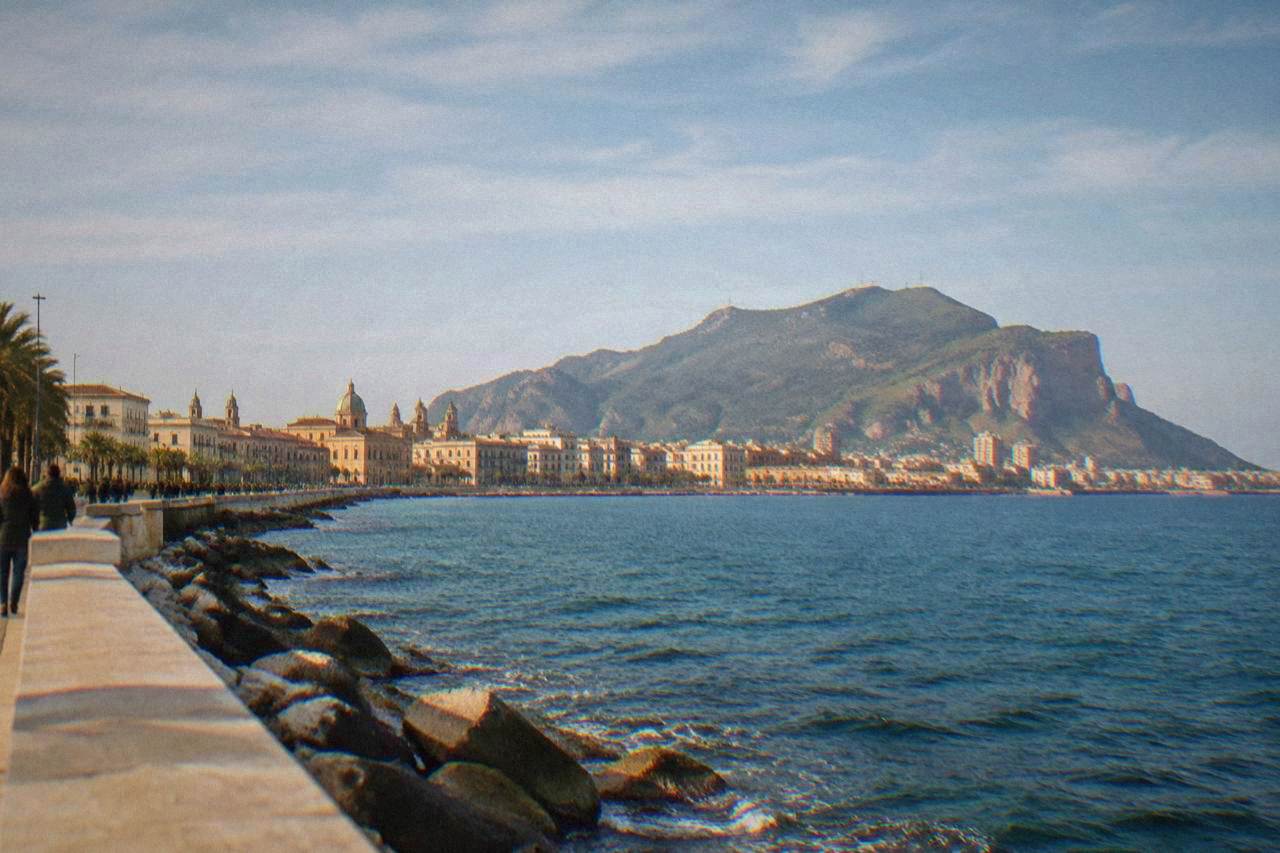
Palermo sits on the north-west coast of Sicily, facing the Tyrrhenian Sea, with Monte Pellegrino rising behind it and the beach district of Mondello a short ride from the centre. The city runs hot, dry summers and mild, wetter winters, and the difference between the two shapes everything here: market hours, festival calendars, the swim season at Mondello, and how comfortable a day of walking the four old districts feels. Picking the right month is the single most consequential planning decision for this trip.
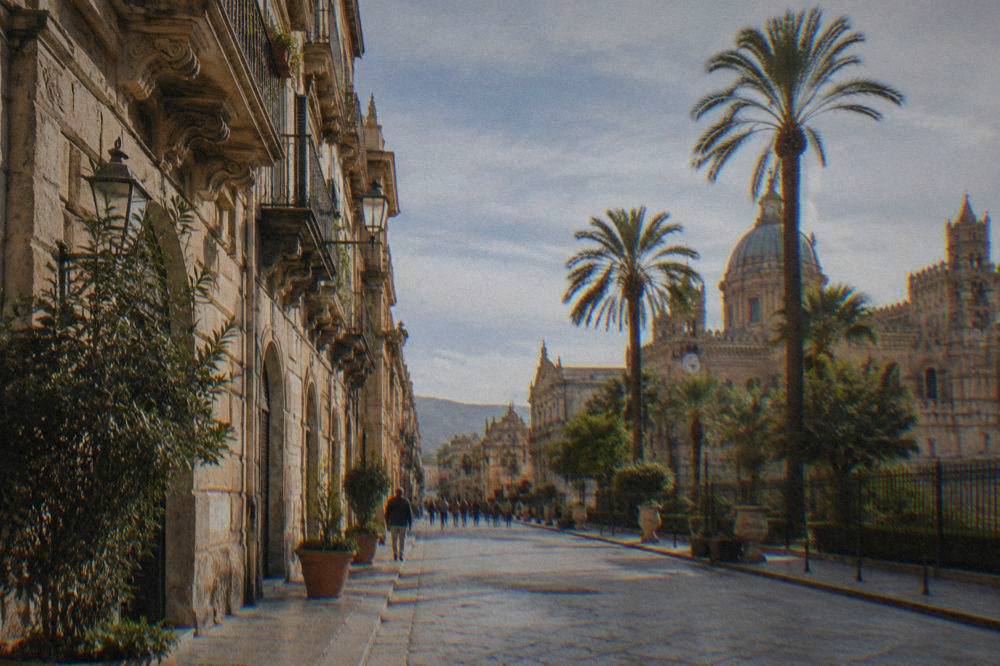
This guide walks through the year season by season, in the voice of an editorial desk reporting what the official pages and operators publish. The short version: late April to June and September to October are the months that combine warmth, open attractions and manageable crowds, and the reasoning is set out below. For day-by-day conditions, the companion Palermo weather guide carries the detail.
When Is The Best Time To Visit Palermo Overall?
The best time to visit Palermo is late April to June and September to October. In those months the days are warm and largely dry, the sea off Mondello is warm enough for swimming, the historic markets run at full rhythm, and the principal sights keep their long summer hours without the peak July and August crush. Late spring also carries the city's biggest religious festival window, and early autumn adds grape and food season.
The reasoning is straightforward. Palermo is a walking city: the Quattro Canti, the Kalsa, the Albergheria and the Capo district are best experienced on foot, and foot comfort tracks the temperature more than anything else. Summer midday heat pushes sightseeing into the morning and evening, compresses the usable day, and sends anyone with a beach appetite straight to Mondello instead. Spring and autumn spread the day evenly.
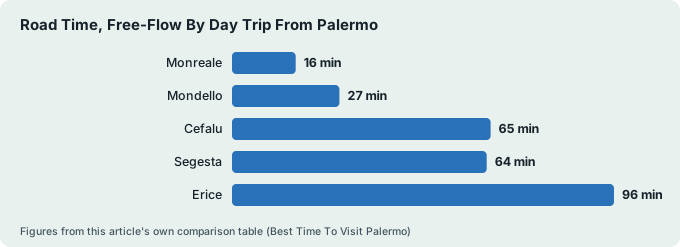
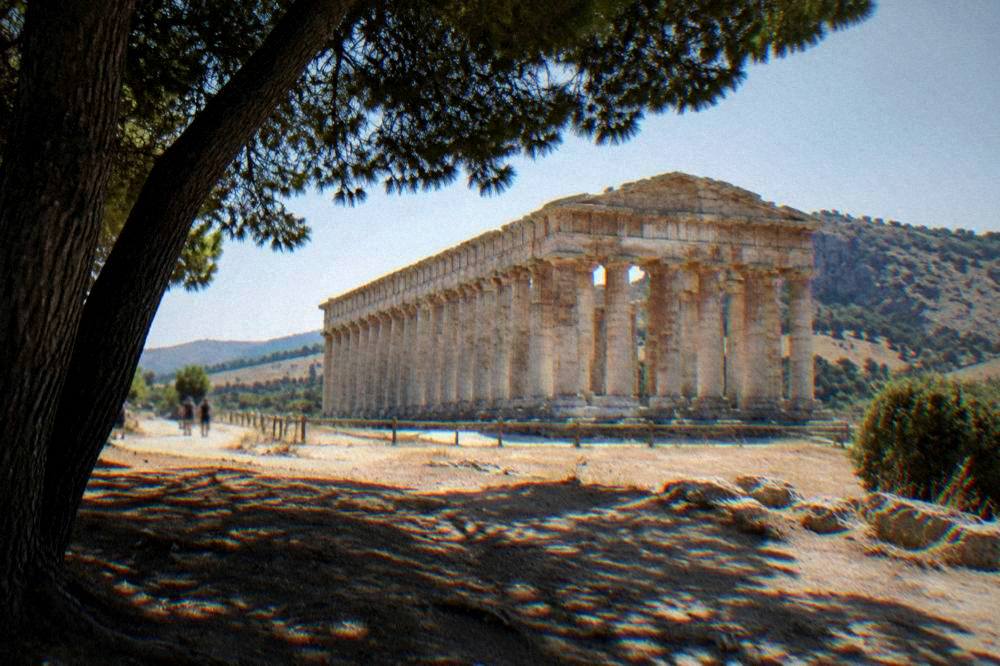
There is a second, quieter argument for the shoulder months: the day trips. Monreale, Cefalu, Segesta and Erice are all outdoor-heavy visits, with cloisters, temples and hill towns walked in the open. The official pages for Segesta, for example, list closing times that shift by month, with shorter winter hours and long summer ones, and a temple site is a different experience in May sunshine versus the August midday. The shoulder months hit the middle of that range.
Finally, price behaviour follows the calendar everywhere in Sicily, and Palermo is no exception. Accommodation rates are set by the accommodation, not by any city tariff, but the pattern is predictable: the Festino week in July and the August holiday period are the tightest, and the November to February window is the loosest. The municipal tourist tax, about 3 to 5 EUR per night depending on the accommodation's star rating and about 4 EUR at short-term rentals, applies for a maximum of four consecutive nights year-round, and the exact amount is confirmed at booking.
What Is The Weather Like In Palermo Through The Year?
Palermo has a Mediterranean coastal climate: hot, dry summers and mild, wetter winters, with rain concentrated in the autumn and winter months and very little in midsummer. Summer days are reliably warm and the sea stays swimmable from about late spring into autumn. Winter days are generally mild enough for sightseeing, with cooler evenings and the year's wettest spells, and the city rarely comes to a stop for weather.
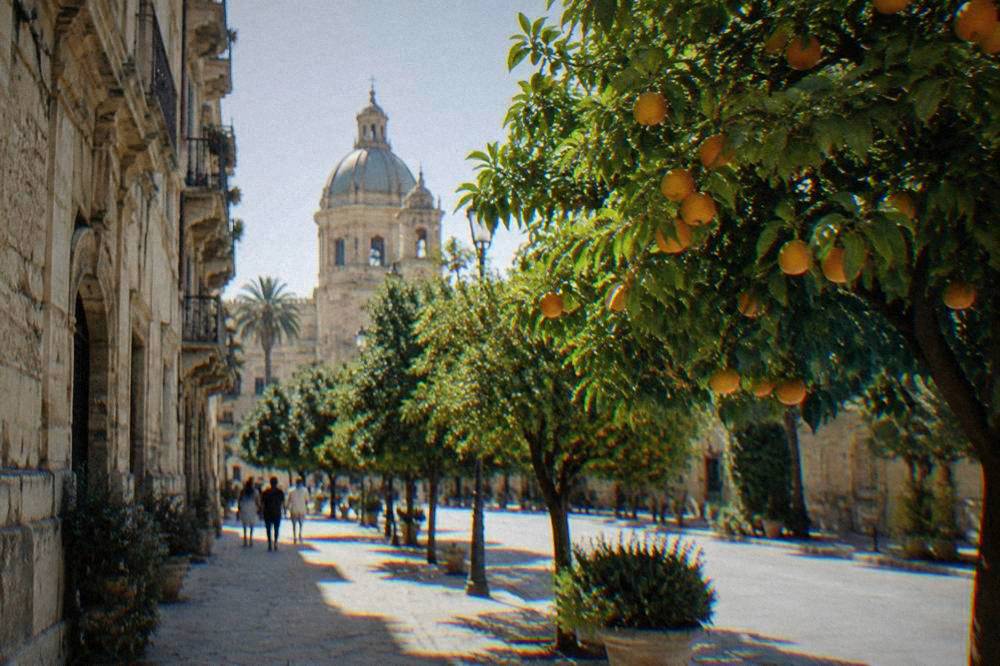
Because this is a coastal city on the Gulf of Palermo, the sea moderates both ends of the year. The practical consequences are worth knowing. First, summer heat is dry rather than humid-tropical, which makes early-morning and evening walking genuinely pleasant even in July. Second, the sirocco, a warm wind from the south, can push a day well above its usual feel; no reliable figure for its effect is published, so simply plan indoor fallbacks when the forecast flags it. Third, autumn rain, when it arrives, tends to come in short heavy spells rather than all-day drizzle, and the street-food stands and market arcades keep going regardless.
The seasons translate directly into what you can do. Beach days at Mondello run from about late spring through early autumn; the municipal tourism page describes Mondello as the beach of the Palermitans, a long stretch of fine pale sand with equipped lidos and free public sections. Sightseeing days run all year, but the winter version wants a jacket and a rain plan, which the Palermo beaches guide and the museum pages cover. Hiking days, La Rocca at Cefalu or the paths at Monte Pellegrino, belong to spring and autumn.
A useful planning rule for this city: decide what the trip is for, then pick the season from that. Beach-plus-city trips point to June or September. Pure city and food trips can take November or February happily. Festival trips are date-locked and the weather is a secondary concern.
What Are The Busiest And Quietest Times In Palermo?
The busiest weeks in Palermo are the Festino of Saint Rosalia from 10 to 15 July, with the main events on 14 and 15 July, and the August Italian holiday period, when the city fills and coastal areas such as Mondello are at maximum use. The quietest months are November through February, excluding the Christmas period, when the historic centre is calm, museum queues shorten, and accommodation is at its loosest.
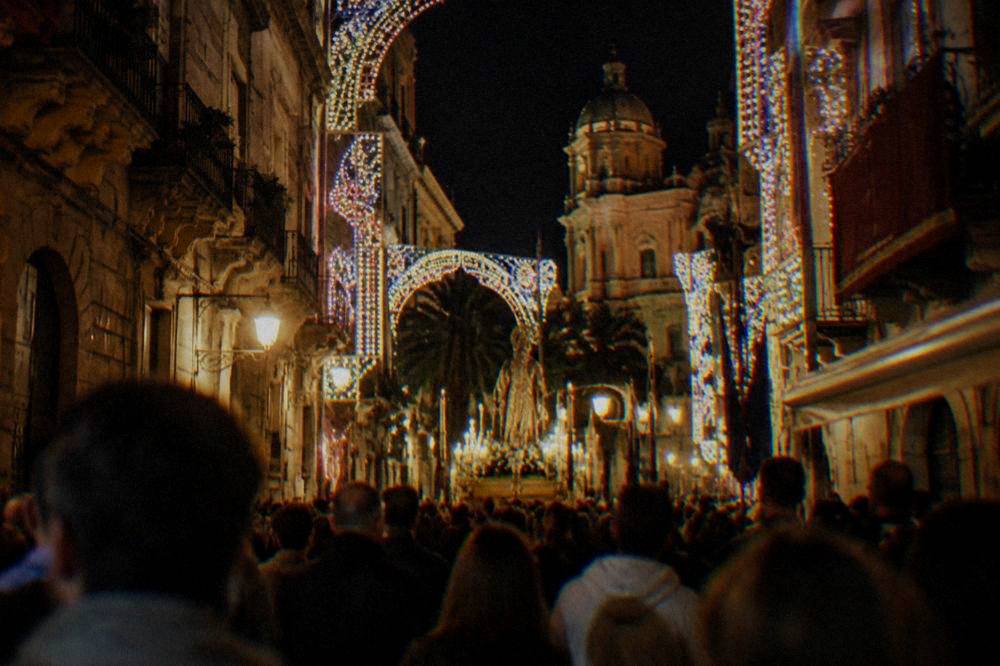
Crowds in Palermo are event-driven more than climate-driven. The Festino, the city's festival for its patron saint, fills the Cassaro from the old centre down to Porta Felice: on 14 July a triumphal chariot processes along the street with fireworks, and on 15 July the silver urn with the saint's relics processes instead. The municipal tourism page publishes the programme each year. It is the single best time to be in Palermo if you want the city at maximum volume, and the single worst if you want quiet churches.
August is the second peak, driven by the national holiday calendar rather than by visitors from abroad. The pattern is a city that feels half-local, half-empty in some quarters and packed at the beach. The markets keep running: Ballarò operates Monday to Saturday from about 7:30 and on Sunday mornings, and the Capo market runs mornings and rests on Sunday.
The quiet months reward a different kind of trip. The state and regional museums, including Palazzo Abatellis's neighbours in the regional system, open their doors free on the first Sunday of the month, and in winter that offer comes with room to breathe, though Palazzo Abatellis itself is closed for climate-control works for a period of about 18 months from mid-July 2026, with no reopening date set. The Teatro Massimo keeps its guided-tour schedule going all year, and the opera season runs through the winter: the 2026-27 season opens on 22 November 2026 with Samson et Dalila.
What Makes Spring A Strong Season For Palermo?
Spring, from about March to June, is when Palermo balances everything at once: mild-to-warm weather, the full return of long sight hours, the swim season opening at Mondello, and the year's most atmospheric religious dates, including the Easter cycle and the build-up to the Festino in July. The municipal sites keep long opening hours, and the day-trip sites west and east of the city are at their most walkable.
Easter is the anchor of the early spring calendar. Easter Sunday falls on 28 March in 2027, and the Holy Week processions around it fill the old centre. The weather in March and April is changeable but generally mild, good for walking the Quattro Canti, the Kalsa and the Albergheria without the summer heat.
May and June are the months this desk would put first for a first visit. The days are long, the sea has warmed, Mondello's lidos are fully open alongside the free public stretches, and the day trips are at their best. Monreale, about 16 minutes by road from the Quattro Canti and reachable on AMAT line 389 from Piazza Indipendenza for the standard 1.40 EUR city ticket, pairs its cathedral and cloister with hillside views that want clear weather. Cefalu, about 65 minutes by road or a regional train ride of roughly 40 to 60 minutes, combines its cathedral, free to enter, with a beach town that works as a half-day or full-day visit.
Spring also suits the markets and street food at their best: the stalls are full and the standing-and-eating culture works in mild air. The Palermo street food guide covers what to order, and a guided tasting walk is the efficient introduction, with several to compare on the food tour page.
Is Summer A Good Time To Visit Palermo?
Summer, July and August, is a good time to visit Palermo only if the plan is built around it: mornings and evenings in the city, middays at Mondello or on the water, and the Festino if the dates align. The heat is dry but real, the July festival brings the year's biggest crowds, and the beach infrastructure, from the lidos to the summer AMAT line 806, is fully in place.
The swim season is the compensation. Mondello is about 27 minutes by road from the Quattro Canti, and AMAT's summer line 806 serves it frequently through the season. The beach runs a mixed model of free public stretches and paid lidos; in the 2026 season the Italo Belga area offered low-cost access at 6 EUR for basic services, though that concession is in a legal dispute, so check locally before planning around it. No Palermo-area beach holds a 2026 Blue Flag, so judge the water by the current local reports rather than any label. Other pages covering the same trip are gathered on Palermo Italy Travel Guide.
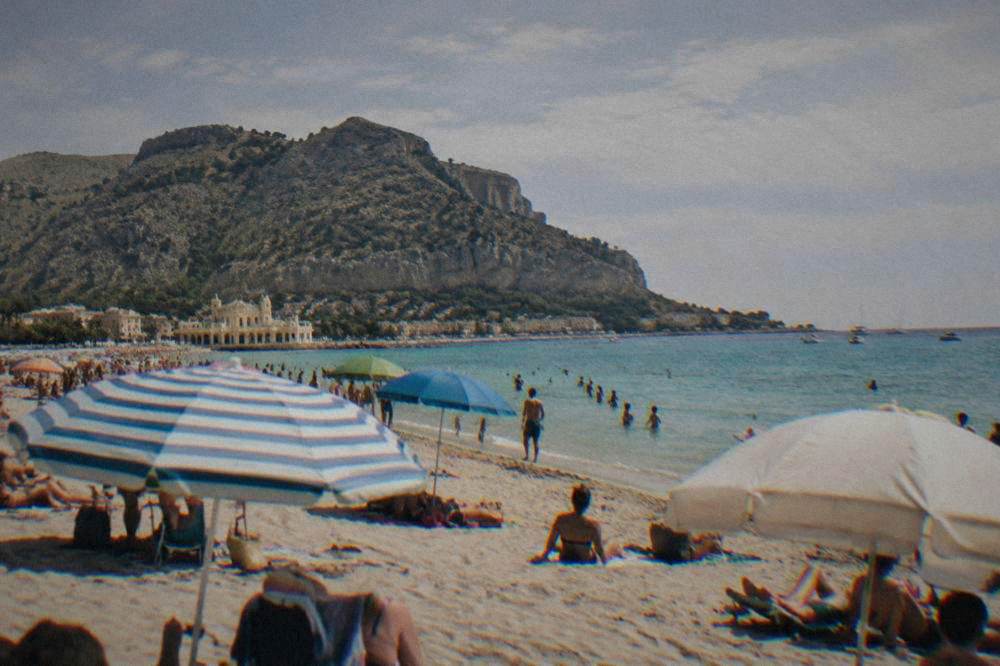
Structure the summer day backwards from the heat. The Capuchin Catacombs, 5 EUR full and 3 EUR reduced, tickets at the office only, open from morning; the Palazzo dei Normanni admits until 16:30 Monday to Saturday; and the evening is when the Vucciria and the streets around Piazza Marina fill with the night scene. A boat trip is the other summer-specific move: shared and private trips with snorkelling and snacks run from the harbour, and the sea breeze is the only reliable afternoon cool.
The official Festino dates are fixed by tradition: 10 to 15 July, with the chariot procession on 14 July and the relics procession on 15 July. Book accommodation well ahead for that week, and expect the Cassaro to be closed to traffic and full of people for the main evenings.
Why Is Autumn Many Travellers' Favourite Season In Palermo?
Autumn, September to October, brings back walkable temperatures while keeping sea-warm water at Mondello, restarts the opera season at Teatro Massimo from 22 November 2026, and layers the year's food rhythm over the city, from grape harvest stalls in the markets to the return of full restaurant hours. The sea is often at its warmest for swimming right at the start of the season's cooler air.
September behaves like a second June with better water. The lidos stay open, the day trips stay on summer hours at sites such as Segesta until late September, and the first autumn rains, when they come, are short. It is the month that best combines city, beach and day trips in a single week.
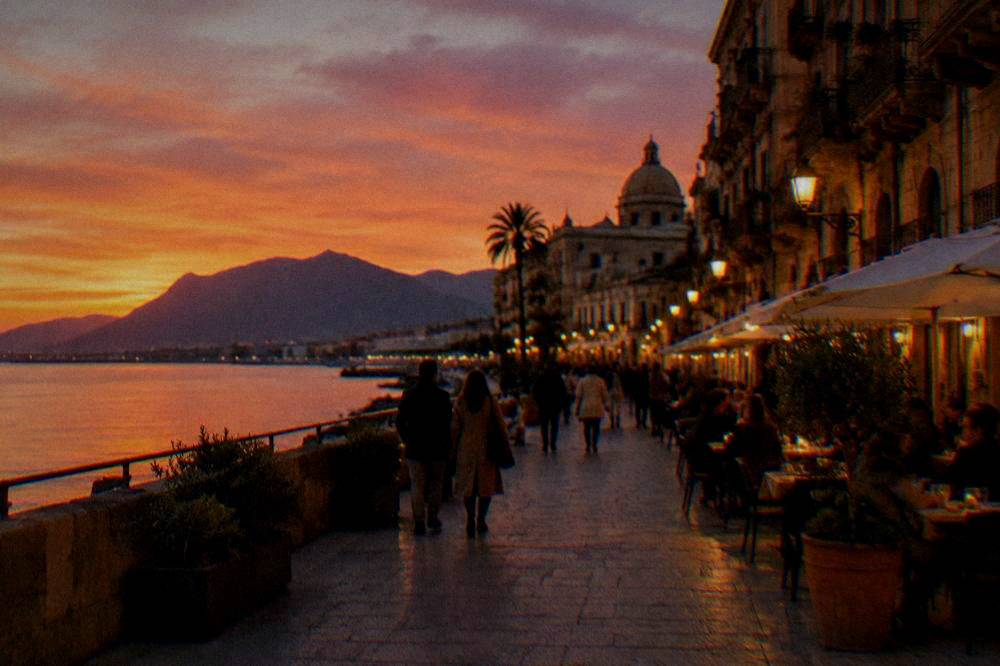
October is the connoisseur's month. The air cools to ideal walking temperature, the Valley of the Temples at Agrigento, about 2 hours 16 by road or a direct regional train of about 2 hours, stays open 8:30 to 20:00, and the theatre calendar restarts. The regional food calendar also turns: the Cous Cous Fest runs in San Vito Lo Capo in the Trapani province in late September, a plausible add-on for a western Sicily loop.
November completes the transition. The Teatro Massimo season opens, the museums settle into winter rhythm, and the first Sunday free-entry days return to the state and regional museums. Rain becomes more frequent from October onward, so keep an indoor list ready; the puppet shows at the Marionette Museum, museum entry 5 EUR and shows Tuesday to Saturday at 17:00, are a reliable wet-afternoon plan.
What Is Winter In Palermo Like For Visitors?
Winter in Palermo, November to February, is mild by northern European standards, wetter than any other season, and dramatically quieter: the historic centre is walkable without crowds, museum and cathedral hours shorten, the beach season pauses, and the Christmas period brings its own lights and markets before the January calm. It is the cheapest and calmest time to visit, and the weather rarely stops a full day of sightseeing.
The winter case is about cost and space rather than warmth. Hours shift: the day-trip sites trim their schedules, Segesta's park closes mid-afternoon in the deepest winter months per its seasonal table, and Monreale's cloister keeps its Sunday short day. The city's indoor core holds up well regardless: the Palazzo dei Normanni with the Palatine Chapel, 14.50 EUR full and 12.50 EUR reduced, keeps Monday-to-Saturday admissions to 16:30, and the Teatro Massimo runs its guided tours daily.
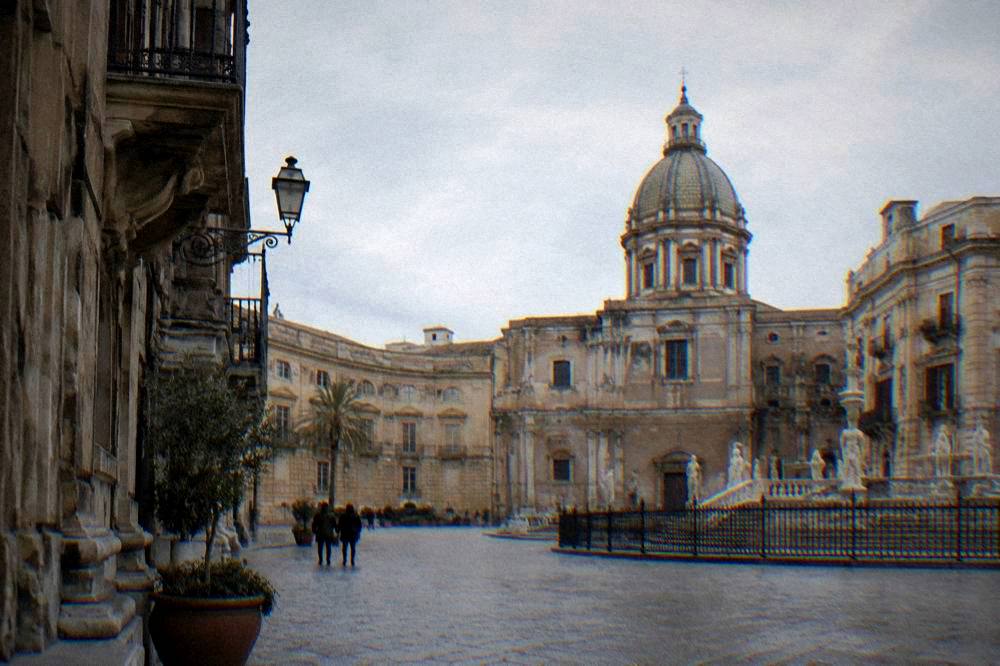
Christmas in Palermo has its own programme, announced by the municipality each year, and the period between Christmas and early January is a local holiday peak with a festive centre. Outside that window, January and February are the quietest months on the calendar. Come with layers and a rain shell, plan one indoor anchor per day, and the winter trip costs less and moves faster than any summer version. The Palermo on a budget guide has the full low-season playbook.
Which Festivals And Events Should Shape The Timing Of A Trip?
The dates that should shape a Palermo trip are the Festino of Saint Rosalia each July, 10 to 15 July with the main processions on 14 and 15 July, the Easter cycle with Easter Sunday on 28 March in 2027, the Teatro Massimo opera season running from its opening on 22 November 2026 through spring 2027, and the Christmas programme each December. Each of these either fills the city or gives the visit its theme.
| Event | When | What Happens |
|---|---|---|
| Easter Holy Week | March or April, Easter Sunday 28 March in 2027 | Processions in the historic centre |
| Festino of Saint Rosalia | 10 to 15 July each year | Chariot procession 14 July, relics procession 15 July, fireworks |
| Beach season at Mondello | Roughly late spring to early autumn | Lidos and free stretches, AMAT summer line 806 |
| Teatro Massimo season | Opens 22 November 2026, runs into 2027 | Opera, ballet and concerts; Falstaff in May 2027 for the 130th anniversary |
| Christmas programme | December, details announced each year | Lights and events in the centre |
The Festino deserves its reputation. The festival marks the discovery of Saint Rosalia's relics on Monte Pellegrino in 1624 and the end of the plague that followed, and the city treats it as its identity event. If the trip can only happen once, and the July heat is acceptable, the Festino week is the one unrepeatable Palermo experience.
The opera calendar is the winter traveller's festival. The Teatro Massimo's 2026-27 season opens with Samson et Dalila on 22 November 2026, and Falstaff arrives in May 2027 as the house marks its 130th anniversary. Tickets come from the theatre's own box office and site, and a performance plus a guided tour of the building is a full Teatro Massimo day.
How Does The Season Affect Day Trips From Palermo?
The season changes the day-trip menu more than the city menu: spring and autumn suit everything, summer pushes the schedule toward morning starts and coastal stops, and winter trims the hours at outdoor archaeological sites such as Segesta while leaving the towns, cathedrals and museums fully open. The driving times stay the same all year; the usable daylight and the site hours do not.
| Day Trip From Palermo | Road Time, Free-Flow | Best Season Notes |
|---|---|---|
| Monreale | 16 minutes | Cloister open year-round, Sunday hours shorter |
| Mondello | 27 minutes | Beach season late spring to early autumn |
| Cefalu | 65 minutes | Beach and cathedral work all year, sea from late spring |
| Segesta | 64 minutes | Winter hours close the park mid-afternoon |
| Erice | 96 minutes | Hill town, cooler than the coast, cable car 9 EUR one way |
| Agrigento, Valley of the Temples | 2 hours 16 minutes | Open 8:30 to 20:00, avoid the summer midday |
The pattern to plan around: archaeological sites are open-air and shadeless, so their season is spring and autumn; beach towns double in interest during the swim season; and hill towns such as Erice are genuinely cooler than Palermo, which makes them a smart summer escape rather than a winter one. Segesta's own seasonal table shows the swing: long summer hours against mid-afternoon winter closures.
Organised day tours solve the winter scheduling problem neatly, since the operators work around the site hours for you, and several run year-round. A combined excursion to Segesta, Erice and the Trapani salt pans is the classic western loop, and a Monreale, catacombs and Mondello combination covers city, history and beach in one booked day.
What Are The Practical Costs That Change With The Season?
The season moves accommodation rates, which are set by each property, but the fixed visitor costs stay stable all year: the municipal tourist tax of about 3 to 5 EUR per night by star rating, about 4 EUR at short-term rentals, for a maximum of four consecutive nights; the AMAT bus and tram fares; the airport bus at 6 EUR one way online; and the museum and site admissions published on their official pages. Transit fares do not rise in summer.
| Fixed Cost | Amount | Note |
|---|---|---|
| AMAT single ticket | 1.40 EUR | 90 minutes, buy before boarding |
| AMAT day ticket | 3.50 EUR | Whole network, one day |
| Airport bus, one way | 6 EUR online, 6.50 EUR onboard | Prestia e Comande, about every 30 minutes |
| Tourist tax | About 3 to 5 EUR per night | Maximum 4 nights, confirm at booking |
| Palazzo dei Normanni and Palatine Chapel | 14.50 EUR full, 12.50 EUR reduced | Royal apartments included |
| Teatro Massimo guided tour | 14 EUR full, 7 EUR under 26 | Daily tours |
The seasonal lever is the room rate, and the second lever is queue time: a July visit pays more and waits longer at the Palatine Chapel than a February one. The where to stay guide maps the districts against the seasons, and the question of how long to stay, covered in how many days in Palermo, interacts with the season too: winter weekends compress well, summer weeks want beach days added.
Common Questions About The Best Time To Visit Palermo
What Is The Best Month To Visit Palermo?
May and September are the strongest single months: warm, largely dry, with the sea warm enough for swimming, full sight hours and crowds below the July and August peak. June and October are close behind. The choice between them comes down to whether the Festino week in July or the opera season from late November matters more to you.
Which Month Is Warmest In Palermo?
July and August are the warmest months, with hot, dry days and very little rain. The sea is at its most inviting then, and the city adjusts: sightseeing moves to mornings and evenings, and middays shift to Mondello or a boat trip. The climate is described qualitatively on this site; for figures, the Palermo weather page carries the detail.
Is Palermo Too Hot In August?
August is hot and dry, and it works if the day is planned around the heat: early starts, a beach or boat middle, and evenings in the Vucciria and around Piazza Marina. It is also a national holiday month, so the city is lively but some businesses keep reduced hours. Late spring or September gives the same swim season with easier walking weather.
Is Winter A Good Time To Visit Palermo?
Yes, for a quieter and cheaper trip. Winter days are generally mild, the museums, cathedral and Teatro Massimo stay fully open, and the opera season opens on 22 November 2026. Rain is more frequent than in any other season, so keep indoor anchors in the plan, and expect shorter hours at outdoor archaeological sites such as Segesta.
When Is The Festino Of Saint Rosalia?
The Festino runs each July from 10 to 15 July, with the triumphal chariot procession on 14 July along the Cassaro to Porta Felice and the procession of the silver urn with the relics on 15 July. The festival marks the finding of the saint's relics on Monte Pellegrino in 1624. It is the busiest week of the Palermo year, so book ahead.
When Can You Swim At Mondello?
The swim season at Mondello runs from about late spring into early autumn, with the lidos and the free public stretches in full operation through the summer and the AMAT summer line 806 serving the beach. In the 2026 season the Italo Belga area offered low-cost access at 6 EUR, but that concession is in a legal dispute, so check locally before planning around it.
The year in Palermo offers three distinct good answers: late spring for the full combination of city, sea and festivals, early autumn for warmth with space, and winter for opera, museums and calm. Pick the one that matches what the trip is for, and the city will meet it.
