La Kalsa Palermo
La Kalsa is the south-eastern quarter of Palermo's historic centre, one of the four mandamenti that meet at the Quattro Canti, holding Palazzo Abatellis, the Spasimo, the Magione and the seafront Foro Italico within a compact walkable grid.
Short answer
La Kalsa is the quarter of Palermo called Kalsa or Tribunali in the municipal tourism pages, bounded roughly by the sea, Porta Felice and Via Maqueda's line. Its headline sight, Palazzo Abatellis, is closed for about 18 months of climate-control works from mid-July 2026, but the Spasimo, the Magione, Piazza Marina and the Foro Italico remain open and free to wander.
La Kalsa is the historic quarter on the south-eastern edge of Palermo's old centre, one of the four mandamenti that the municipal tourism page says were created when Via Maqueda and Corso Vittorio Emanuele crossed at the Quattro Canti: Capo, Albergheria, Kalsa and Loggia. The municipal page names the quarter "Kalsa or Tribunali", and its listings describe it as "the heart of the old Kalsa quarter", with Palazzo Abatellis, the Spasimo and the Magione among its landmarks. This guide covers what the quarter holds, what is open, what it costs, where to eat and how to move through it, in the reporting voice of the Palermo Italy Travel Guide editorial desk.
What Is The Kalsa District Of Palermo?
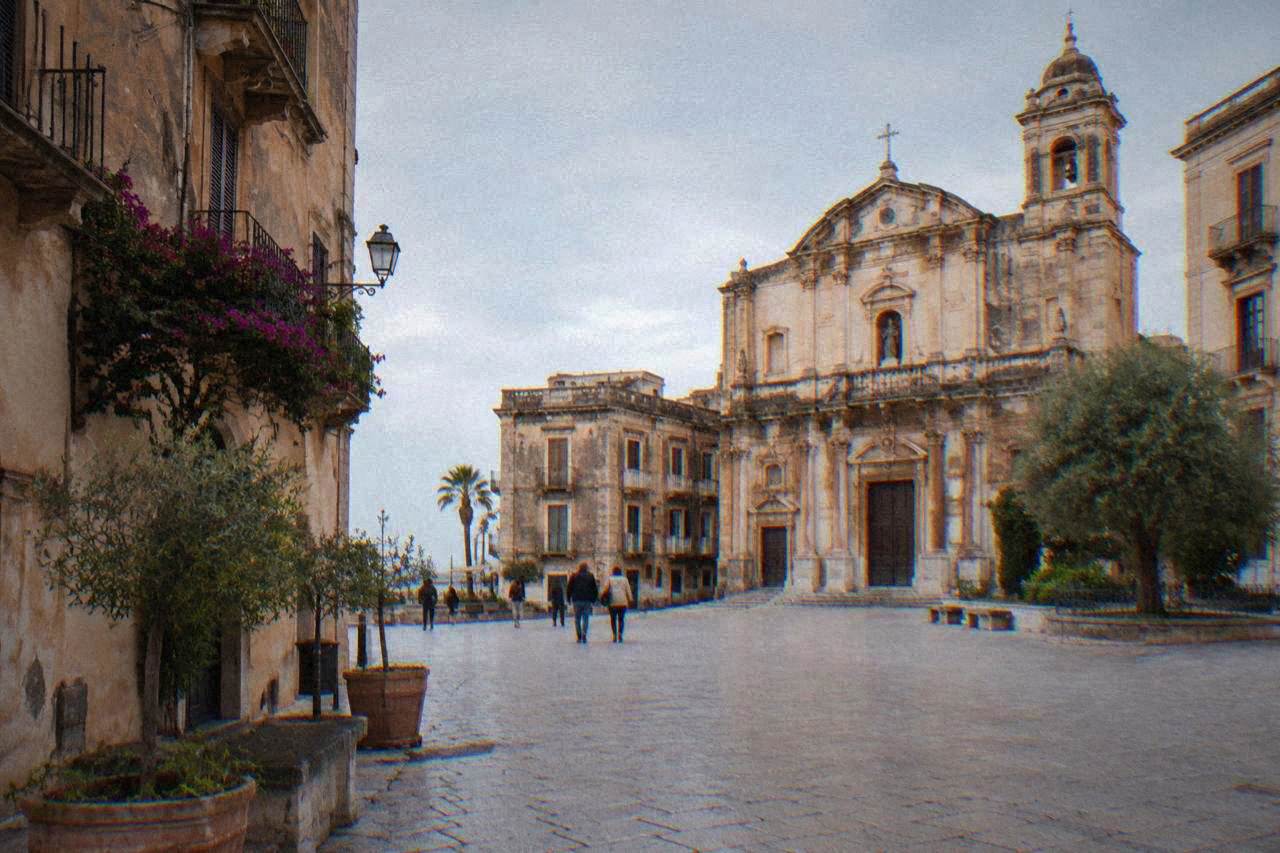
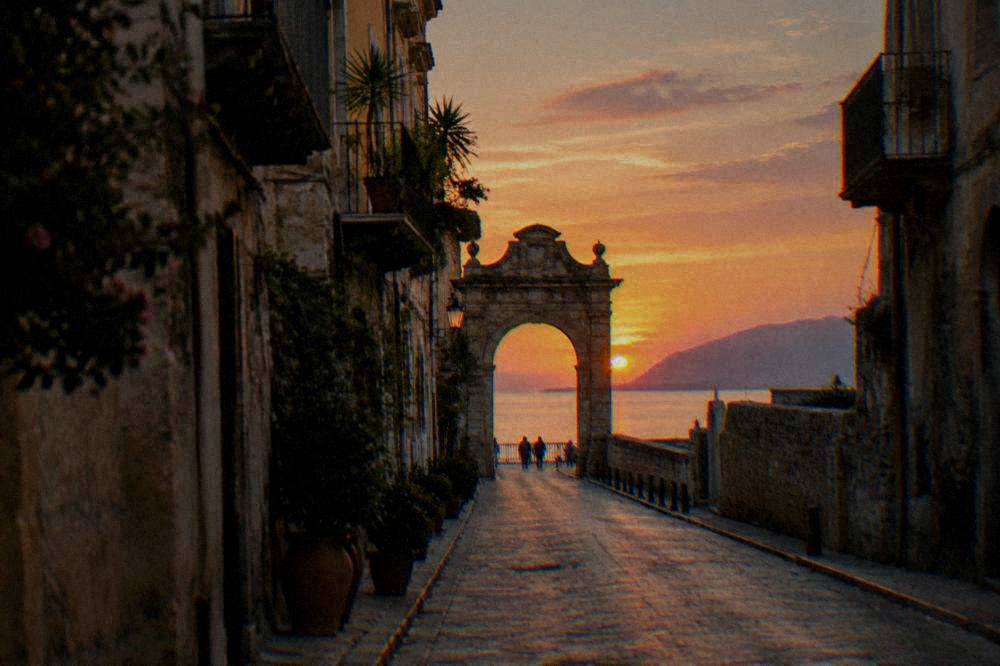
The Kalsa is the south-eastern mandamento of Palermo's historic centre, named "Kalsa or Tribunali" on the municipal tourism page after the tribunal building that once stood in it. It sits between the line of Via Maqueda and the sea, running down to Porta Felice and the Foro Italico, with Piazza Marina and the neighbourhood around Via Alloro at its core. The municipal listings place Palazzo Abatellis, the Spasimo and the Magione inside it.
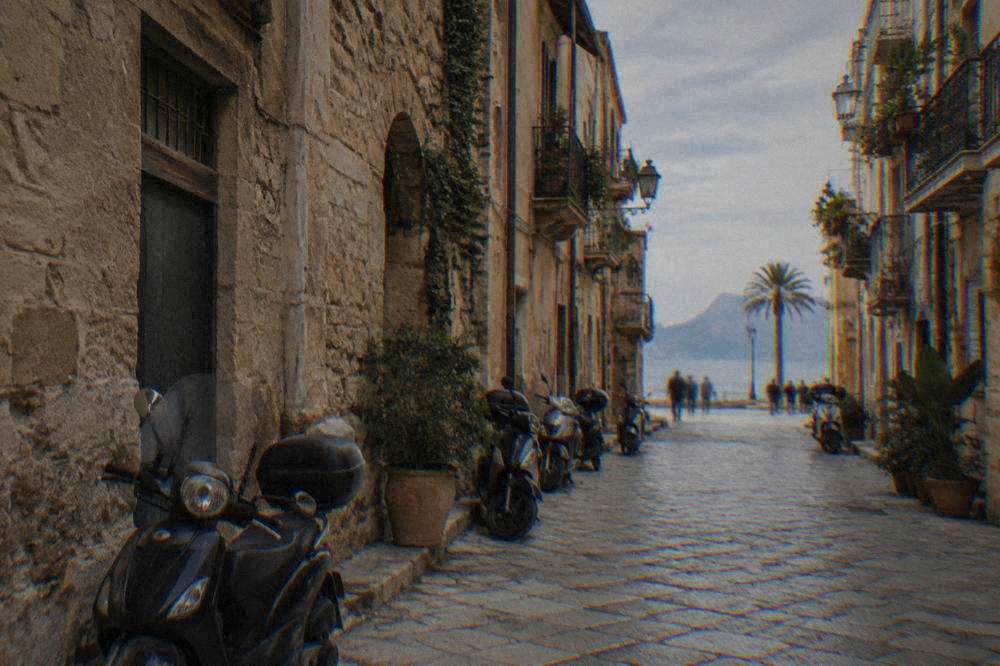
The name comes from the Arabic "Al Halisah", a reference the municipal tourism portal carries in its Kalsa listings. The quarter is flat, compact and built on a grid of narrow streets that open without warning into small squares. Its western edge touches the Cassaro, the line of Corso Vittorio Emanuele that runs from the Quattro Canti down to the sea at Porta Felice, and its eastern edge is the waterfront. For orientation, the quarter reads as three layers: the streets around Via Alloro and Piazza Marina, the church quarter around the Spasimo and the Magione, and the seafront promenade of the Foro Italico, which is free.
Unlike the polished streets further north, the Kalsa mixes restored palazzi with buildings still awaiting repair, and that mix is exactly why it draws attention. The quarter's story in recent years has been one of slow reoccupation: galleries, small museums and food businesses moving into ground-floor spaces. No date is given for this shift, so the description stays at what the municipal page itself says about the quarter's sites.
For a first visit, the quarter pairs naturally with the old town centro storico walk, since the Kalsa is one of its four components. Give it half a day on foot, longer if a museum visit is open on the day you come.
Want a local to show you the quarter? Book a free welcome walking tour here.
What Are The Best Things To See In La Kalsa Palermo?
The headline sights inside the Kalsa are Palazzo Abatellis, the church and cloister of the Spasimo, the church of the Magione, Piazza Marina with its trees and open space, and the seafront Foro Italico, which is free. The Cassaro delivers you to Porta Felice at the quarter's sea gate, and the historic harbour of La Cala sits a short walk along the water. The hop-on hop-off bus circuit covers the wider city between these stops.
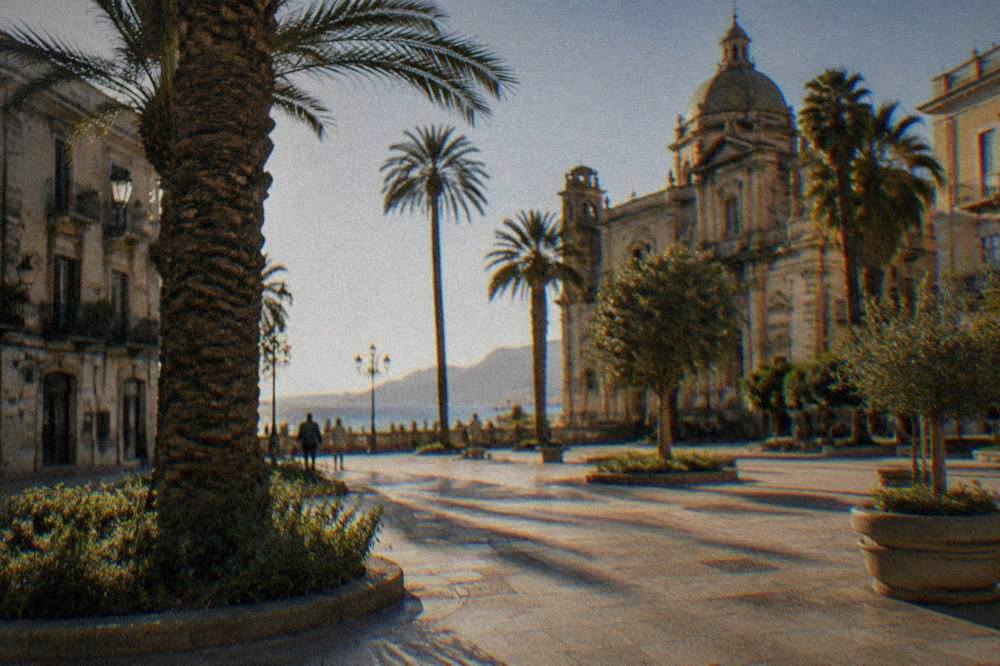
Start at the sea. The Foro Italico is a long paved piazza between the Cassaro's end and the water, planted with palms, and it is the natural first stop if you arrive along Corso Vittorio Emanuele. It is among the free sights of the city. From there, Porta Felice marks the formal entrance into the Kalsa's grid, and Via Alloro, the old street of the aristocracy, carries you inland past palazzi toward Piazza Marina.
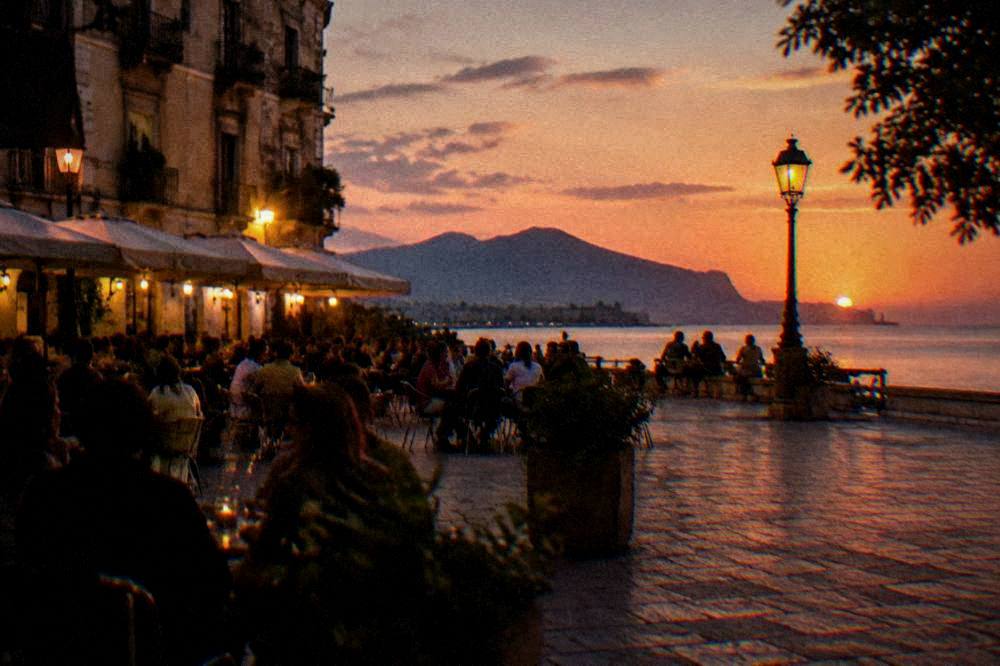
Piazza Marina is the quarter's big open room, ringed with trees and buildings, and the nightlife file names it among the city's bar districts alongside the Vucciria and Via Maqueda. By day it is quiet and shaded; in the evening the bars around it fill. The municipal listings tie the Spasimo and the Magione to the Kalsa: the Spasimo is a church whose roofless nave now hosts events and exhibitions, and the Magione is a church with an attached cloister, both standing in the low streets toward the sea wall.
The Martorana and San Cataldo sit just outside the quarter's northern boundary near Piazza Bellini, and a walk up to them takes in the boundary itself. Toward the water's edge west of the quarter, the harbour of La Cala rounds out the seafront walk.
Sights Inside And On The Edge Of The Kalsa
| Sight | What it is | Entry |
|---|---|---|
| Foro Italico | Seafront piazza between the Cassaro and the water | Free |
| Porta Felice | Sea gate at the end of Corso Vittorio Emanuele | Free, viewable from outside at any hour |
| Piazza Marina | Tree-lined square, evening bar scene per the nightlife listings | Free |
| Spasimo | Roofless church used for exhibitions and events | Depends on the event; check locally |
| Magione | Church with cloister in the lower Kalsa | Confirm at the door |
| Palazzo Abatellis | Regional gallery, currently closed for works | Closed, see below |
| La Cala | Historic harbour basin a short walk west along the water | Free |
The hop-on hop-off bus is one practical way to frame a visit that starts in the Kalsa and reaches the Norman Palace and the Cathedral in the Albergheria, and the circuit's commentary fills in context between stops.
The same ticket logic applies to the bigger picture: if the Abatellis closure has cut a museum day short, the theatre and the day trips pick up the slack, and the two picks below are the ones that fit that gap.
Is Palazzo Abatellis Open In Palermo?
Palazzo Abatellis, the regional gallery in the Kalsa, began a planned closure of about 18 months in mid-July 2026 for climate-control works, and no reopening date is confirmed. Before the closure its hours were Tuesday to Saturday 09:00 to 19:00 and Sunday and holidays 09:00 to 13:30, closed Monday, with tickets at 8 EUR full and 4 EUR reduced. Until it reopens, plan the quarter around its open-air sights instead.
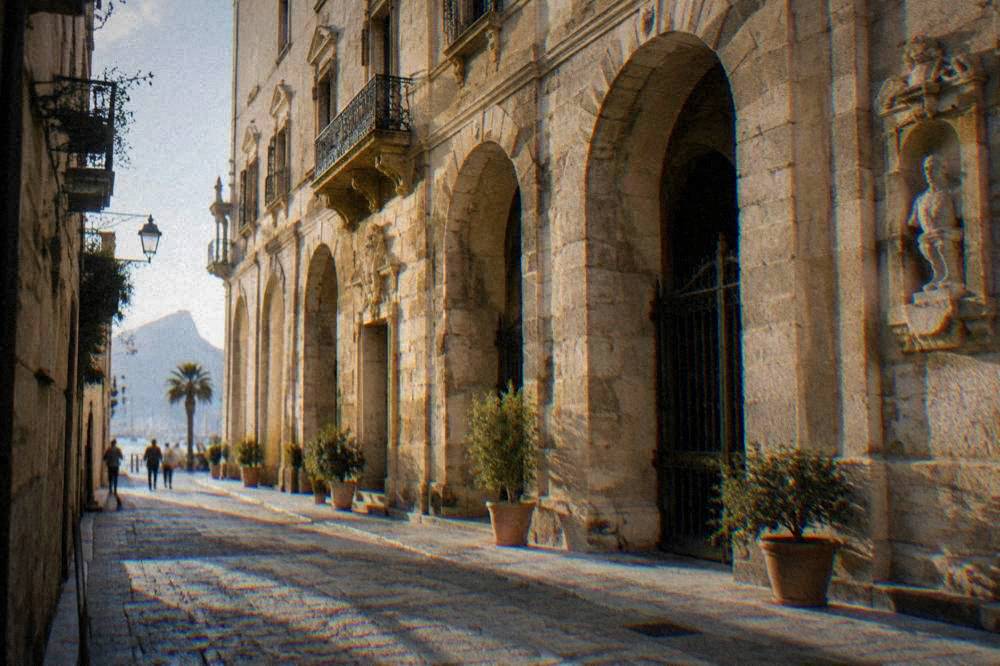
The closure comes from a report in Repubblica Palermo on the works and their possible effect on planned loans. What that means for a visitor is simple: the gallery's collection should not be promised as visible, and the regional museums site is the place to check for any interim arrangements. The building's exterior, on Via Alloro, remains one of the quarter's most photographed facades, a monumental arched gateway and stone facade above the street.
The loss is less damaging than it sounds, because the Kalsa and its borders hold other ticketed culture, and the free first-Sunday rule applies to state and regional museums across the city, confirm per site. The Teatro Massimo offers its guided tour daily, at 14 EUR full and 7 EUR under 26 with a 36 EUR family ticket on the official tours page, and the Capuchin Catacombs run at 5 EUR and 3 EUR with tickets sold at the office only. Both sit outside the Kalsa but within the wider centro storico walk.
Ticketed Sights In And Around The Historic Centre
| Site | Position relative to the Kalsa | Ticket | Status |
|---|---|---|---|
| Palazzo Abatellis | Inside the Kalsa | 8 EUR full, 4 EUR reduced | Closed for about 18 months from mid-July 2026 |
| Galleria d'Arte Moderna | Historic centre, north-west of the quarter | 10 EUR full, 8 EUR reduced | Open daily 09:30 to 18:30 |
| Museo Diocesano | Near the Cathedral, outside the quarter | 7 EUR full | Confirm hours on the diocesan site |
| Salinas Archaeological Museum | Outside the quarter | 7 EUR full, 3.50 EUR reduced | Closed Monday |
| Teatro Massimo guided tour | Outside the quarter | 14 EUR full, 7 EUR under 26 | Daily tours, roughly 09:30 to 19:00 |
| Palazzo Steri | Outside the quarter, on the square of the same name | 8 EUR full, 5 EUR reduced, guided tour included | Daily, seasonal hours |
The Teatro Massimo tour deserves its slot in any Kalsa day, since the theatre anchors the city's cultural calendar: the 2026-27 season opens 22 November 2026 with Samson et Dalila, and Falstaff follows in May 2027 for the theatre's 130th anniversary. A guided tour of the auditorium is the daytime version of the same visit, and Check availability covers the operator's live listing.
For anyone whose Kalsa afternoon now has a gap where the Abatellis visit used to sit, a city circuit ticket is the practical substitute, and it can be booked with free cancellation up to 24 hours before it starts.
How Do You Get To La Kalsa In Palermo?
The Kalsa sits at the sea end of the historic centre, reached on foot down Corso Vittorio Emanuele from the Quattro Canti, or by AMAT bus and tram using a 1.40 EUR ticket valid 90 minutes from validation. There is no metro in Palermo: there are four AMAT tram lines plus the Trenitalia-run Passante rail lines, with the airport Line A running from Palermo Centrale. Buy tickets before boarding and validate at once.
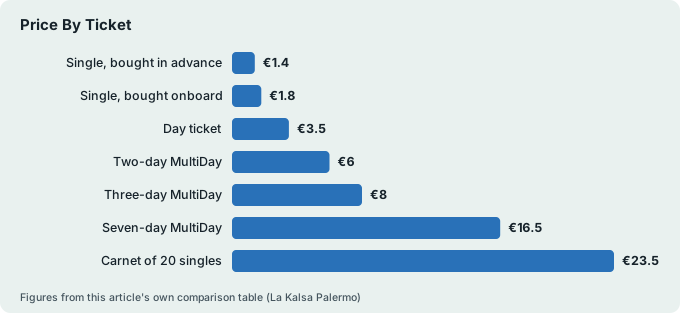
The AMAT fares page gives the full ladder: 1.40 EUR for 90 minutes, 1.80 EUR bought onboard, 3.50 EUR for a day, 6.00 EUR for two days, 8.00 EUR for three days and 16.50 EUR for seven. A carnet of 20 singles at 23.50 EUR exists in the app. The three-day ticket at 8 EUR is usually the right pick for a stay built around the historic centre and a Mondello or Monreale outing, because the same network carries the 389 bus to Monreale from Piazza Indipendenza and the summer 806 line to Mondello.
Arriving from the airport, the Prestia e Comande bus runs every 30 minutes and takes about 50 minutes to the Politeama, Via Roma and the Centrale station stops, at 6 EUR one way online and 6.50 EUR onboard, with returns at 10 EUR online and 11 EUR onboard. From any of those stops the Kalsa is a walk or a short AMAT ride. The airport train is a regional service to Palermo Centrale taking about an hour; its fare sits on the Trenitalia ticket page, not here.
If you drive in, know that the historic centre is a camera-enforced paid ZTL. The daily access pass is 5 EUR for petrol and diesel cars and 2.50 EUR for hybrids, with electric vehicles free, bought through the official ZTL portal, and the zone runs weekday daytime hours with extra Friday and Saturday evening hours that change by season. Entering without a pass is fined, and no amount is printed here. Blue-line parking on the street is paid by app.
AMAT Tickets And What Each One Covers
| Ticket | Price | Validity |
|---|---|---|
| Single, bought in advance | 1.40 EUR | 90 minutes from validation, transfers included |
| Single, bought onboard | 1.80 EUR | 90 minutes from validation |
| Day ticket | 3.50 EUR | Until end of service on the day of validation |
| Two-day MultiDay | 6.00 EUR | Until end of service on the second day |
| Three-day MultiDay | 8.00 EUR | Until end of service on the third day |
| Seven-day MultiDay | 16.50 EUR | Until end of service on the seventh day |
| Carnet of 20 singles | 23.50 EUR | App only, each single valid 90 minutes |
Where Do You Eat In And Around La Kalsa?
Eating around the Kalsa means the street-food staples the city is known for, sold from market stalls and fry shops: panelle and sfincione, arancine, and cannoli, with the Vucciria's evening scene on the quarter's western border and the Ballarò market a walk north. Treat this as a map of where the food categories live and check each stall's posted prices before ordering.
The nearest full market experience to the Kalsa is the Vucciria, whose daytime market runs Monday to Saturday from about 7:30 into the early afternoon, Sunday mornings, per the market listings, and whose nightlife the fresh food file describes as strongest Thursday to Saturday nights. The Ballarò market sits in the neighbouring Albergheria and Ballarò area, open Monday to Saturday from about 7:30 to about 20:00 with Sunday mornings, and it is the biggest of the three historic markets.
On the spelling that starts arguments: Palermo says arancina, Catania says arancino, and the Accademia della Crusca accepts both forms. Order the Palermo form and you will be understood everywhere in the Kalsa. Tap water is drinkable, per AMAP's statement that the distributed supply is suitable for human consumption, so a refillable bottle works.
One bill item to know before you sit down: the coperto, a cover charge, is legal in Italy when printed on the menu, and tipping is not obligatory. Check the itemised bill for the coperto line rather than assuming it was added silently, and keep small coins for market stalls, which are cash-friendly by habit.
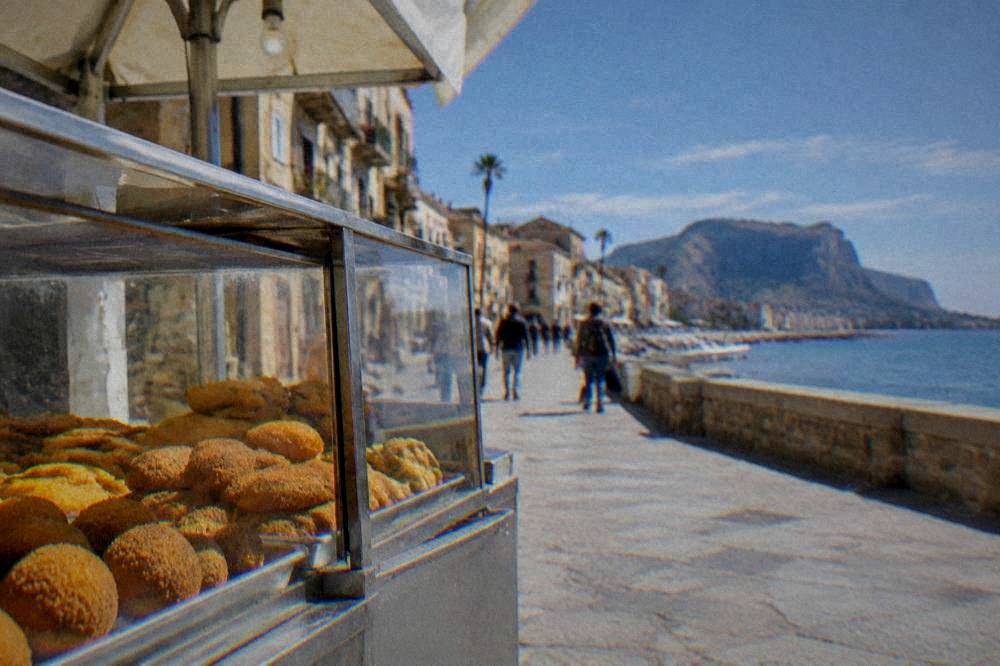
A guided street food walk stitches the Kalsa and the markets together with the history between them, and the food-tour listings on this site describe what each one covers. For the pages that break the category down, start with Palermo street food and a food tour overview. If the day you have free is an evening one, Check availability first, since the bus circuit is a daytime product.
Is La Kalsa Safe For Visitors?
The official advisories treat Palermo like the rest of Italy: the US State Department's September 2026 advisory rates Italy Level 2 and notes petty crime such as pickpocketing and purse-snatching in popular tourist locations and on public transport, and the UK FCDO says bag-snatching and pickpocketing are more common in city centres and at major attractions. No official source names the Kalsa as a no-go area.
The practical reading is standard urban caution, applied to a quarter with narrow streets and evening crowds. Keep bags zipped and held in front on crowded buses and in market crush, spread cash and cards, and check that a bill is itemised before paying. The emergency number is 112, with 118 for medical, 115 for fire and 113 for police, per the numbers carried in the safety file. Tap water is safe per AMAP, so no precaution is needed there.
Use the same judgment you would on any evening walk through a city centre, and treat the nightlife squares as places where drinks and phones change hands often.
How Does La Kalsa Fit Into A Day In Palermo?
The Kalsa works best as the afternoon half of a centro storico day: the Quattro Canti and the Cassaro in the morning, the Cathedral and the Norman Palace in the Albergheria, then down Corso Vittorio Emanuele through Porta Felice into the Kalsa for the seafront, the Spasimo and an evening in Piazza Marina or the Vucciria. The itinerary pages hold the hour-by-hour versions for one, two and three days, and a cruise day can compress the same line into a port morning.
The walking logic is a straight line. The Quattro Canti divides the old town into the four mandamenti; the Cassaro runs from there to the sea; the Kalsa fills the south-east side of that line. A visitor who walks only the Cassaro and the Foro Italico sees the quarter's spine, and the side streets toward the Magione and the Spasimo reward the detours. Distances inside the quarter are short, on the order of a few blocks, so no transport is needed once you are inside it.
For longer stays, the day trips leave from the same centre. Monreale is 16 minutes by road from the Quattro Canti, served by the AMAT 389 bus from Piazza Indipendenza every 40 minutes or so at 1.40 EUR, with the cloister at 8 EUR full and 4 EUR reduced. Cefalu is 65 minutes by road or a 39 to 60 minute direct train. The western loop to Segesta, Erice and the salt pans packs three stops into one long day, and the excursion listing on this site describes what it covers; Check availability for the live dates. The Segesta and Erice pages hold the site-by-site detail.
Day-Tip Distances And Times From The City Centre
| Destination | Road time from Quattro Canti | Transport from the centre |
|---|---|---|
| Monreale | 16 min | AMAT 389 bus from Piazza Indipendenza, 1.40 EUR |
| Mondello | 27 min | AMAT summer line 806 |
| Cefalu | 65 min | Direct train, 39 to 60 min, 19 to 24 trains a day |
| Segesta | 64 min | Coach and excursion services; confirm with the operator |
| Erice | 96 min | Via Trapani, then the cable car at 9 EUR one way, 15 EUR return |
| Agrigento, Valley of the Temples | 2 h 16 | Direct regional train, about 2 hours |
| Catania | 2 h 42 | Direct regional train, about 3 hours |
What Is Near La Kalsa In Palermo?
Around the Kalsa sit the rest of the centro storico's quarters and the seafront: the Albergheria with the Norman Palace and its 14.50 EUR combined ticket to the Cappella Palatina, the Capo and its market streets to the north, La Cala harbour along the water to the west, and the Politeama and the new city beyond it. Everything listed here is inside a walk of under half a day, and the hop-on hop-off circuit links the outer points.
The Norman Palace ticket is the single biggest sight purchase in the old centre: 14.50 EUR full and 12.50 EUR reduced, covering the Cappella Palatina and the royal apartments together, open Monday to Saturday with last admission at 16:30 and Sunday mornings to 12:30, closed 25 December and 1 January. The royal apartments close on Tuesdays and Wednesdays when the regional parliament sits, a detail the official visit page flags and that itineraries built around a two-day stay should absorb. The Cappella Palatina page carries the detail.
North and west, the Politeama and the new city hold the opera house's rival theatre, the shopping streets and the airport bus stop, and the Mondello area page covers the beach, 13.9 km and about 27 minutes by road from the Quattro Canti, with mixed free stretches and paid lidos. The nearby beaches of Isola delle Femmine, Capaci and Sferracavallo sit on the same coast reachable by train or bus.
For planning the wider stay, the itinerary pages are the working tools: one day in Palermo, two days, three days and the cruise port day each fold the Kalsa into a different shape of visit.
Common Questions About La Kalsa Palermo
What does Kalsa mean?
The municipal tourism portal traces the quarter's name to the Arabic "Al Halisah" in its Kalsa listings, and names the mandamento "Kalsa or Tribunali" after the tribunal building that once defined it.
Is Palazzo Abatellis open?
No. The gallery began a planned closure of about 18 months in mid-July 2026 for climate-control works, with no confirmed reopening date. The regional museums site carries any updates.
How do I get to the Kalsa from Palermo Centrale?
Walk or take an AMAT bus toward the centre with a 1.40 EUR ticket valid 90 minutes. The quarter's spine is Corso Vittorio Emanuele, which runs straight from the Quattro Canti to the sea at Porta Felice.
Is the Foro Italico free?
Yes, the Foro Italico is among the free sights, and it is open as a public seafront piazza at all hours.
Is the Kalsa safe at night?
Official advisories for Italy note petty crime such as pickpocketing and bag-snatching around tourist sites and on public transport, without naming any Palermo quarter. The usual city-centre precautions, a zipped bag and awareness in evening crowds, match what the advisories describe.
Which market is closest to the Kalsa?
The Vucciria, on the quarter's western side, runs as a daytime market Monday to Saturday from about 7:30 and turns into a bar scene at night, strongest Thursday to Saturday per the market listings.
The Kalsa rewards the slow approach: one straight street to the sea, a closed gallery that still frames the quarter's finest facade, roofless churches doing duty as event spaces, and a seafront piazza that costs nothing at all. Plan around the Abatellis closure, ride the Cassaro downhill, and let the evening find you in Piazza Marina.
