Cappella Palatina
The Cappella Palatina is the chapel inside the Palazzo dei Normanni in Palermo, the seat of the Sicilian regional parliament, and it shares one ticket with the palace. This guide sets out the published prices and hours, what the ticket covers, and how to fit the chapel into a day in the city.
Short answer
A ticket to the Cappella Palatina is the Palazzo dei Normanni ticket: 14.50 EUR full and 12.50 EUR reduced, royal apartments included, on the official visit page. The chapel sits inside the palace on the first floor, open Monday to Saturday with last admission at 16:30 and Sunday mornings to 12:30.
The Cappella Palatina in Palermo is the royal chapel of the Palazzo dei Normanni, the palace that now houses the Sicilian regional parliament, and it is one of the nine components of the UNESCO property listed as "Arab-Norman Palermo and the Cathedral Churches of Cefalu and Monreale", inscribed in 2015. The chapel is not a separate building with its own door on the street: you enter it through the palace, and the palace ticket is the chapel ticket. That single fact shapes everything about planning a visit, from the price you pay to the days the royal apartments close.
It also places the chapel among the other sights of the old centre, so a first visit to Palermo can be sequenced sensibly. Where a figure is not published, this guide says where to read it rather than guessing.
What Is The Cappella Palatina In Palermo?
The Cappella Palatina is the royal chapel built inside the Palazzo dei Normanni, Palermo's Norman palace and today the seat of the Sicilian regional parliament, and it is listed by UNESCO as one of the nine components of "Arab-Norman Palermo and the Cathedral Churches of Cefalu and Monreale", inscribed in 2015. The chapel sits on the first floor of the palace complex, and a visit to it always passes through the palace entrance and security. The name appears across the site's pages in both forms, Cappella Palatina and Palatine Chapel, and they refer to the same room.
The palace itself has a second life that affects visitors directly: it is a working parliament building. That is why sections of it, including the royal apartments, close on sitting days, and why the official visit page lists one-off closures alongside the regular timetable. A chapel visit is therefore a visit to a institutional building, with airport-style screening at the entrance and parts of the complex off limits on any given day.
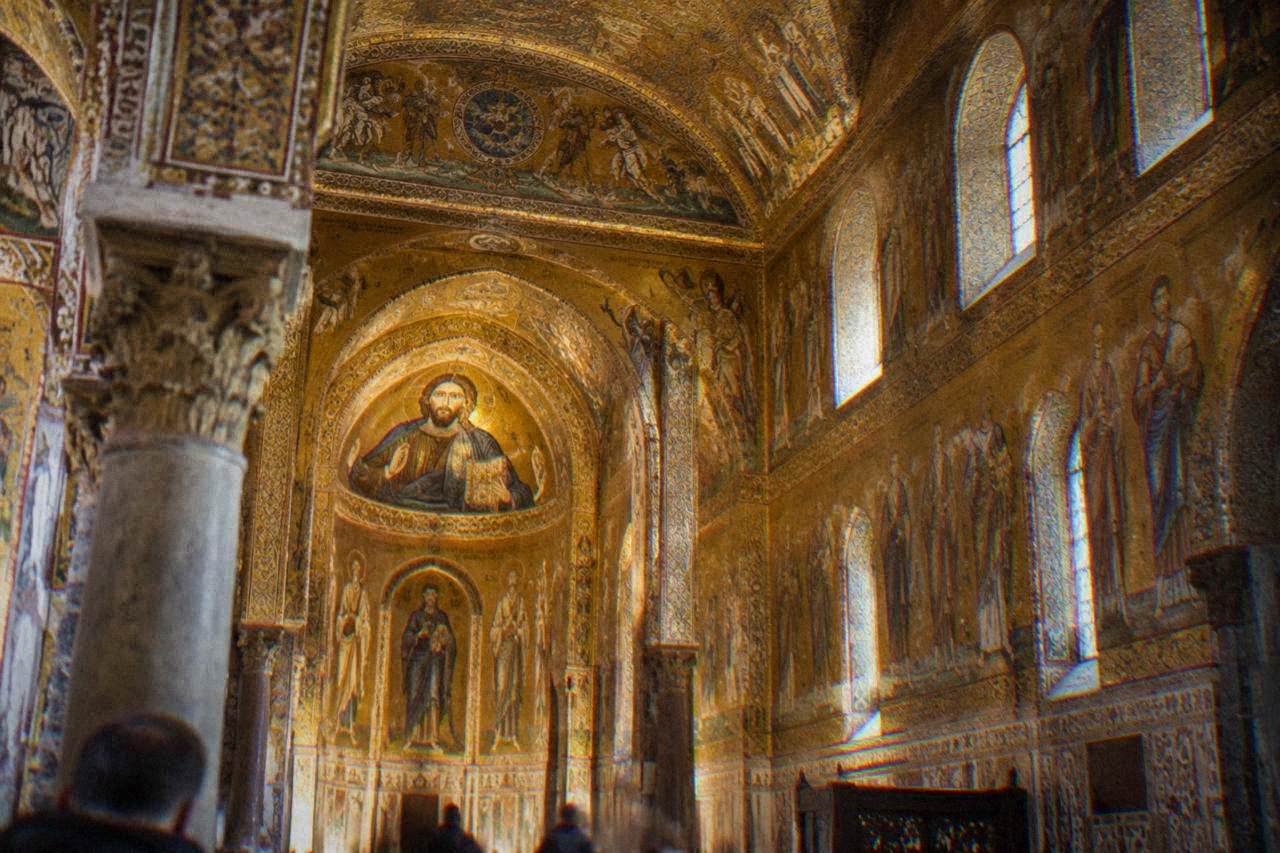
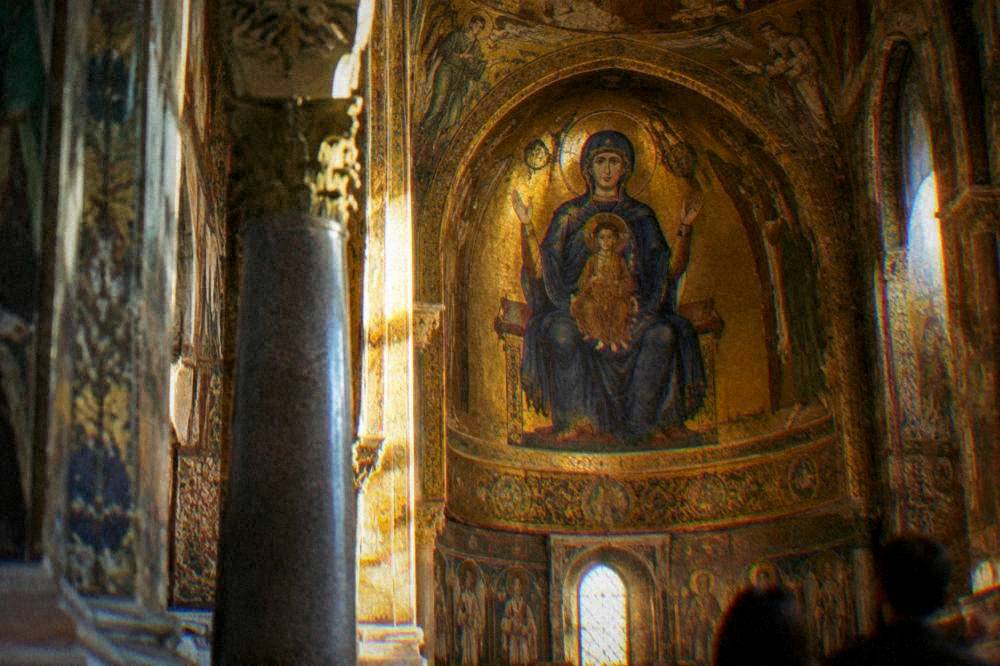
The chapel is small in floor area but dense in decoration. The walls carry gold-ground glass mosaic, the ceiling is a painted wooden muqarnas vault, and the floor and lower walls are laid with stone in geometric patterns.
The palace stands at the top of the Albergheria district, one of the four mandamenti into which the old centre is divided at the Quattro Canti, where Via Maqueda crosses Corso Vittorio Emanuele. The municipal tourism page names the four districts Capo, Albergheria, Kalsa and Loggia, and the palace gives its name to the Albergheria mandamento, listed by the same page as "Albergheria or Palazzo Reale". The old town centro storico guide covers how the four districts fit together.
How Much Does A Cappella Palatina Ticket Cost And What Does It Include?
A full ticket costs 14.50 EUR and a reduced ticket 12.50 EUR, on the official Palazzo dei Normanni visit page, and the same ticket covers both the Cappella Palatina and the royal apartments of the palace, so the chapel and the state rooms come as one visit rather than two. There is no separate chapel-only price published. The visit page also lists dated one-off closures, so the day's access should be checked there before setting out.
The price is the same however you arrive. The official page gives the ticket block for the combined palace and chapel visit, and the royal apartments are included in it. What the ticket does not do is guarantee the apartments: on Tuesday and Wednesday, when the regional parliament sits, the apartments close and the ticket buys the chapel and the palace route only.
For a sense of where that price sits among Palermo's paid sights, the table below gathers the published admissions from the official pages of each site. The Palazzo dei Normanni guide covers the palace side of the ticket in more depth.
| Sight | Full ticket | Reduced | Source page |
|---|---|---|---|
| Palazzo dei Normanni and Cappella Palatina | 14.50 EUR | 12.50 EUR | Official visit page |
| Teatro Massimo guided tour | 14 EUR | 7 EUR under 26 | Teatro Massimo tours page |
| Capuchin Catacombs | 5 EUR | 3 EUR | Catacombs tariff page |
| Palazzo Steri, guided tour included | 8 EUR | 5 EUR | CoopCulture product page |
| Salinas Archaeological Museum | 7 EUR | 3.50 EUR | Regional museums site |
| Galleria d'Arte Moderna | 10 EUR | 8 EUR | GAM hours page |
| Marionette Museum | 5 EUR | 3 EUR | Museum contacts page |
A note on free days: many state and regional museums in Sicily are free on the first Sunday of the month, and readers should confirm per site. The Palazzo dei Normanni is a regional institution, so the first-Sunday rule is worth checking on its page before assuming it applies. The Palermo on a budget guide lists the free-entry sights that hold in every week of the year.
If a self-guided visit feels thin for a room this dense, a guided option exists: the Cappella Palatina and Palazzo dei Normanni tour covers the chapel and the palace with a guide, and it suits visitors who want the mosaics explained rather than simply seen. The listing carries its own price and availability, and Check availability shows the current details.
To have the mosaics and ceiling explained, book a guided palace tour here.
Beyond the chapel, the same ticketing logic applies across the city: Palermo Cathedral's monumental area is ticketed with prices shown at the ticket point or on the cathedral's ticket shop, and the Palermo Cathedral guide sets out what is covered. Planning a paid-sight budget around the table above is realistic: the palace and chapel are the single largest admission on most itineraries, and everything else in the table costs less.
What Are The Cappella Palatina Opening Hours?
The chapel keeps the palace hours: Monday to Saturday 8:30 to 16:30 with last admission, and Sunday and holidays 8:30 to 12:30, with the whole complex closed on 25 December and 1 January, per the schedule reported from the official page. The royal apartments close on Tuesday and Wednesday when the regional parliament sits, and the visit page carries dated one-off closures that change through the year, so the page itself is the final word on any specific date.
Two practical points follow from those hours. First, the morning window on Sunday is short, and last admission at 12:30 means arriving late morning risks missing the chapel that day. Second, the Tuesday and Wednesday apartment closure is not printed on the street entrance in any reliable way; a visitor who wants both the chapel and the apartments should aim for a day other than Tuesday or Wednesday, or accept the chapel-only route.
The table below places the chapel's hours against the other major sights, using the hours each official page publishes. The Teatro Massimo and cathedral entries carry their own caveats on seasonal variation.
| Sight | Published hours | Closed |
|---|---|---|
| Palazzo dei Normanni and Cappella Palatina | Mon to Sat 8:30 to 16:30 last admission; Sun and holidays 8:30 to 12:30 | 25 Dec, 1 Jan; apartments Tue and Wed when parliament sits |
| Palermo Cathedral, monumental area | Varies by season, hours page | Visits suspended during liturgies |
| Teatro Massimo guided tours | Daily, roughly 9:30 to 19:00 | None listed |
| Capuchin Catacombs | Daily, seasonal split hours | None listed year-round |
| Zisa | Tue to Sat 9:00 to 19:00; Sun and holidays 9:00 to 13:30 | Monday |
| Salinas Archaeological Museum | Tue to Sat 9:00 to 18:30; Sun 9:00 to 13:00 | Monday |
One structural change coming to the wider area: the city's suburban rail Passante has a Giachery to Politeama section approved for passenger service from November 2026, which will link the port and centre to Notarbartolo, an interchange with the airport line. Palermo has no metro; the Passante is surface suburban rail, and four AMAT tram lines run across the city. The getting around Palermo guide covers tickets, which start at 1.40 EUR for 90 minutes on the AMAT fares page.
Getting to the palace itself is a walk from the centre. From the Quattro Canti, the crossing that divides the old town into its four mandamenti, the palace sits uphill at the edge of the Albergheria, a short walk along Corso Vittorio Emanuele and up. The Quattro Canti page describes the crossing and its four facades, which are free to see at any hour.
What Will You See Inside The Cappella Palatina?
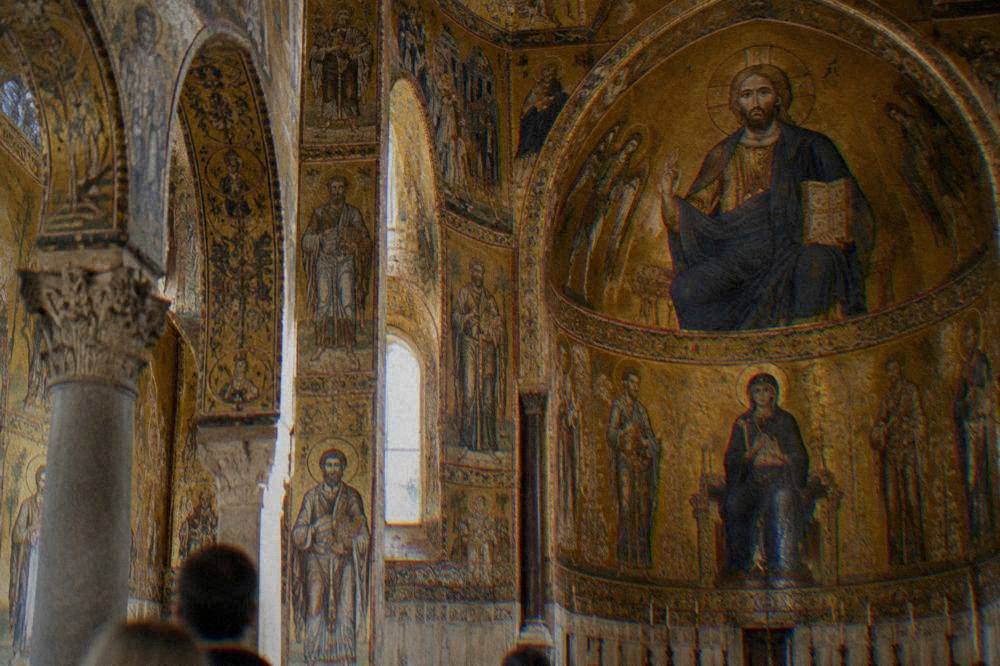
Inside, the chapel's walls and vaults carry gold-ground glass mosaic, its ceiling is a painted wooden muqarnas vault, and its floor and lower walls are set with cut stone in geometric patterns, with the whole listed by UNESCO inside the 2015 inscription of "Arab-Norman Palermo and the Cathedral Churches of Cefalu and Monreale". The room is arranged as a basilica with a nave and two aisles, and the mosaic programme covers the walls from the clerestory down. No official tonnage of gold or area of mosaic is published, so no figure is printed.
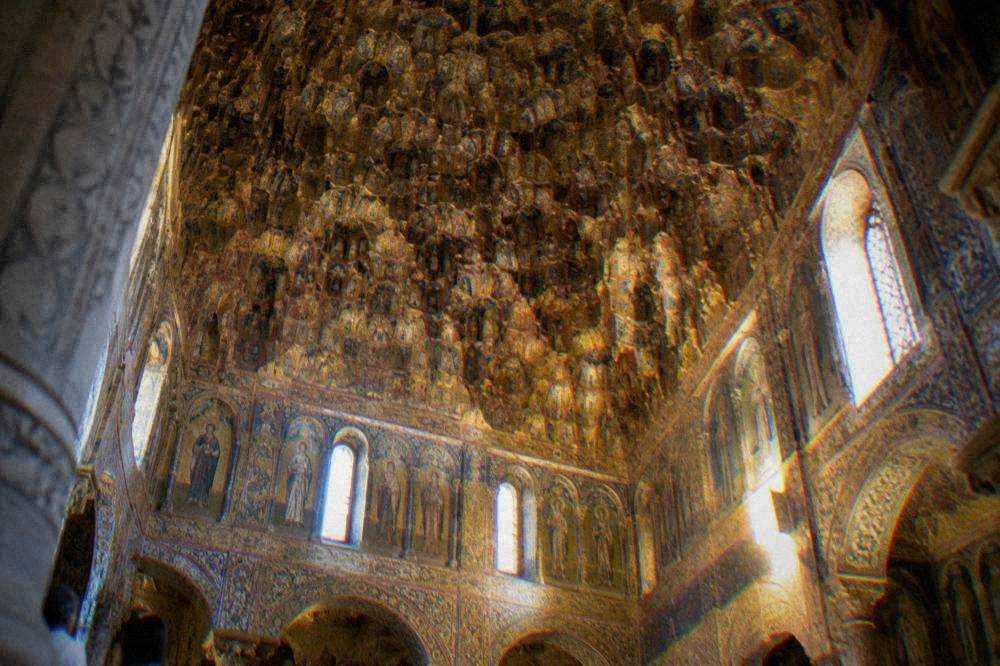
The ceiling rewards standing still. It is a painted wooden construction of interlocking cells, the muqarnas form, with figurative and animal scenes inside the star-shaped compartments. The paintings and the mosaics sit in the same room, and the contrast between the two techniques, one glowing gold in reflected light and one dark and detailed overhead, is what the room is known for. Photography rules inside the chapel should be confirmed at the entrance.
The floor and the lower register are the third layer. Stone in contrasting colours is laid in geometric bands and star patterns across the pavement and up the lower walls, a technique visible in other buildings of the same UNESCO serial property, including the Zisa and Monreale Cathedral, both of which are separate visits outside this page's scope.
The papal platform and the royal throne stand at the west end, and the sanctuary mosaic programme fills the apse and the sanctuary arch. The figures shown include scenes from the Old and New Testaments across the nave walls, read as a cycle from the nave's west end toward the sanctuary. Describing the programme scene by scene is beyond what the official pages publish, and guides carry that detail better than a page can.
For visitors comparing the chapel with Palermo's other decorated churches, the table below gathers the main ones.
| Church | What stands out | Published entry |
|---|---|---|
| Cappella Palatina | Gold-ground mosaic, painted wooden muqarnas ceiling, stone floor | 14.50 EUR full with palace and apartments |
| La Martorana | Gold-ground mosaic in a smaller church | Confirm at the church |
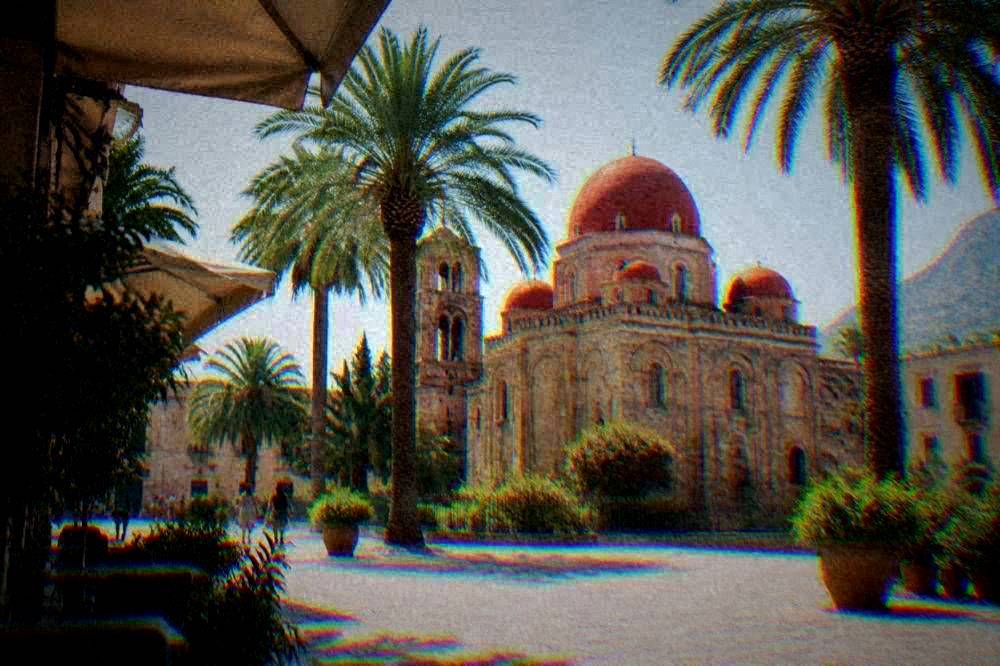
| San Cataldo | Three red domes over a plain stone interior | Confirm at the church |
| San Giovanni degli Eremiti | Gardens and domed crossing | Confirm at the site |
| Palermo Cathedral, nave | Royal tombs including Roger II and Frederick II | Nave as a church; monumental area ticketed at the point |
| Monreale Cathedral | Cloister and gold mosaic walls, a separate hilltown visit | Cloister 8 EUR full, 4 EUR reduced |
The royal tombs in the cathedral's chapel of the Royal Tombs hold the sarcophagi of Roger II, Constance of Hauteville, Henry VI, Frederick II and Constance of Aragon, per the survey cited on the smart-education UNESCO resource. The chapel at the palace holds no royal burials; its role was the king's worship, not the king's grave.
How Long Does A Visit To The Cappella Palatina Take?
A visit to the chapel itself is short, typically 30 to 45 minutes for the room at a steady pace, while the full palace route with the royal apartments, when they are open, runs to about 90 minutes, and a guided visit of chapel and palace together fits comfortably inside a half-day morning with time for the cathedral afterwards. The palace route and the chapel are one continuous visit, so the realistic planning unit is the palace visit, not the chapel alone.
Sequencing matters on a one-day itinerary. The chapel opens at 8:30 and last admission is 16:30 on weekdays, so a morning palace visit leaves the afternoon free for the cathedral and the markets. The one day in Palermo itinerary places the palace and chapel first in the morning for exactly this reason, and the two days in Palermo version spreads the same sights across a slower pace.
Crowd flow is the practical constraint. The chapel is a single room with one main viewing axis, and it fills in the middle of the day when tour groups arrive. The 8:30 opening is the quiet window, and the last hour before the 16:30 admission cutoff is the second one. The listing for the guided palace and chapel visit shows its own schedule and meeting point, and Check availability gives the live times. More of these guides are collected on Palermo Italy Travel Guide.
A half-day around the palace can be built from the table below, which pairs each block with the published admission and the reason for the order. Nothing in it needs a car: the palace, cathedral, Quattro Canti and the markets are all inside the old centre, walkable from one another.
| Block | Sights | Published cost | Why this order |
|---|---|---|---|
| Early morning | Palazzo dei Normanni and Cappella Palatina | 14.50 EUR full | 8:30 opening, quietest window |
| Late morning | Palermo Cathedral and royal tombs | Monumental area ticketed at the point | Five minutes downhill |
| Midday | Ballarò market | Free entry | Food stalls run to early afternoon |
| Afternoon | Quattro Canti, Piazza Pretoria, La Martorana | Free exteriors; churches confirm on site | Compact walking loop |
| Evening | Teatro Massimo guided tour | 14 EUR full, 7 EUR under 26 | Tours run to early evening |
What Is The Best Way To See The Cappella Palatina?
The best way to see the Cappella Palatina is as the first stop of a Palermo morning: buy the combined palace ticket, enter at the 8:30 opening, see the chapel while the room is quiet, then continue to the royal apartments if the day allows, and leave the rest of the palace route for the walk down toward the cathedral. That order uses the published hours as they are printed rather than fighting them.
Three visit styles suit three kinds of traveller. The independent visitor buys at the palace and walks the route alone, which the ticket fully permits. The visitor who wants interpretation takes a guided visit, and the guided option this site features covers the chapel and palace together, with the listing showing its own meeting details. The third style is the tip-based walk, which runs locally in Palermo; where the walk is booked the walker confirms the route and the guide directly, since chapel entry always needs the palace ticket.
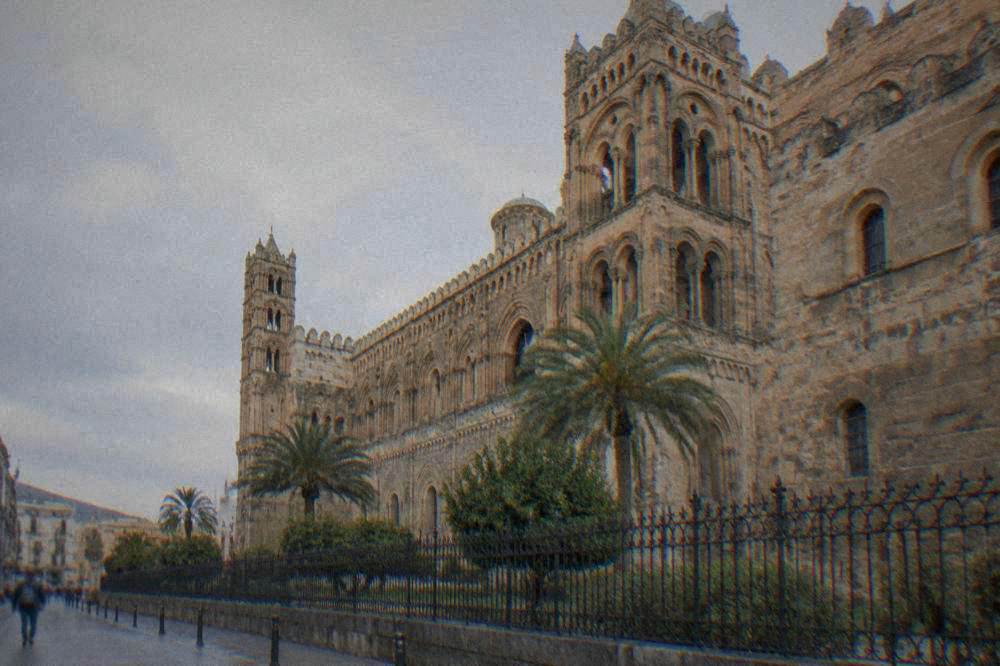
Guides earn their place at this particular sight because the chapel's layers are not self-explaining. The mosaic cycle, the ceiling paintings and the stone pavement come from different craft traditions sitting in one room, and the palace's life as a parliament adds closures and restrictions that a guide tracks. The Palermo walking tour guide compares the city's walk formats, including the UNESCO sites walks that call at the palace.
For visitors extending beyond the city, the palace and chapel are also the anchor of the UNESCO route that continues at Monreale and Cefalu. The Monreale guide covers the cloister and the cathedral there, reached by AMAT line 389 from Piazza Indipendenza with a 1.40 EUR city ticket, and the Cefalu guide covers the third cathedral church of the UNESCO listing.
How Does The Cappella Palatina Fit Into Palermo's UNESCO Listing?
The Cappella Palatina, as part of the Royal Palace, is the first of the nine components of the UNESCO property "Arab-Norman Palermo and the Cathedral Churches of Cefalu and Monreale", inscribed in 2015, and the other eight components are the Zisa, Palermo Cathedral, Monreale Cathedral, Cefalu Cathedral, San Giovanni degli Eremiti, La Martorana, San Cataldo and the Admiral's Bridge. The listing is serial: nine buildings across two cities, visited separately under separate tickets.
The palace component is listed by UNESCO as the Royal Palace and Palatine Chapel together, which matches the single ticket on the ground. Of the remaining components, five are inside or beside the old centre of Palermo and walkable in a day: the cathedral, the Zisa, San Giovanni degli Eremiti, La Martorana and San Cataldo, plus the Admiral's Bridge at the edge of the centre.
| UNESCO component | Location | Published entry |
|---|---|---|
| Royal Palace and Palatine Chapel | Palermo, Albergheria | 14.50 EUR full, 12.50 EUR reduced |
| Palermo Cathedral | Palermo, Via Bonello | Nave as a church; monumental area ticketed at the point |
| Zisa | Palermo, north of centre | Hours Tue to Sat; price confirm on site |
| San Giovanni degli Eremiti | Palermo, near the palace | Confirm at the site |
| La Martorana | Palermo, Piazza Bellini | Confirm at the church |
| San Cataldo | Palermo, Piazza Bellini | Confirm at the church |
| Admiral's Bridge | Palermo, edge of centre | Open street, free |
| Monreale Cathedral | Monreale, hilltown above Palermo | Cloister 8 EUR full, 4 EUR reduced |
| Cefalu Cathedral | Cefalu, coast east of Palermo | Entry free; paid itineraries 10 and 13 EUR |
Reading the list as a route is the natural move. A full day covers the Palermo components; a second half-day by bus 389 covers Monreale; and a third half-day by train, about 40 to 60 minutes from Palermo Centrale with 19 to 24 direct trains a day, covers Cefalu. The three days in Palermo itinerary does exactly this split.
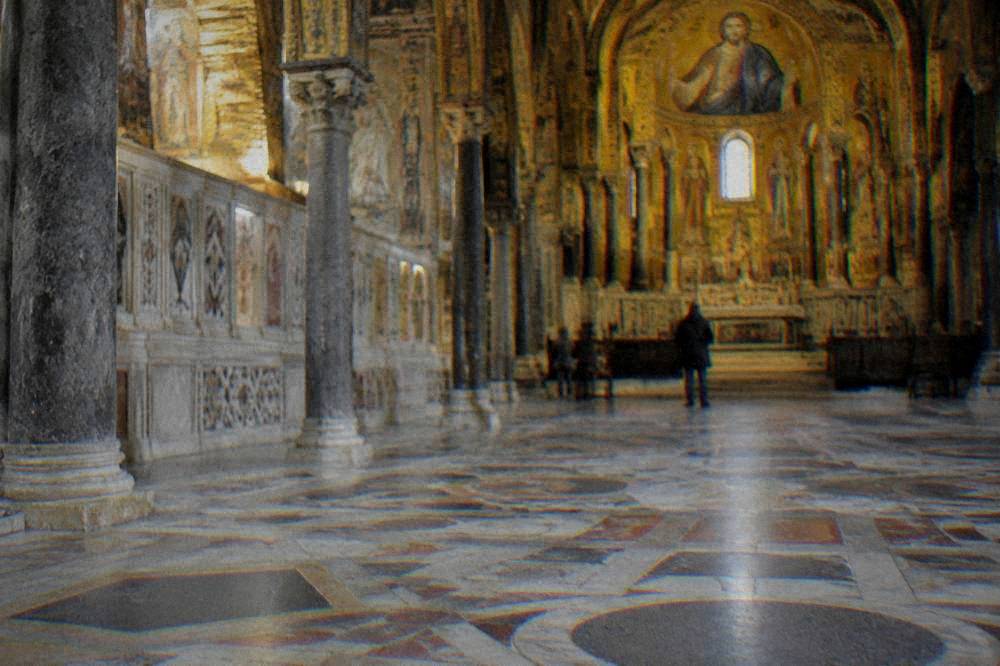
The chapel earns its place at the head of that route for a reason the UNESCO citation itself supports: it is the component where the palace, the chapel and the state institutions sit in one building, and where a visitor sees the mosaic, the painted ceiling and the working parliament in a single admission. No other component pairs a decorated royal interior with a functioning legislature.
What Should You Know Before Visiting The Cappella Palatina?
Before visiting, know five things: the ticket is 14.50 EUR full and includes the palace and apartments, the hours run 8:30 to 16:30 on weekdays and 8:30 to 12:30 on Sundays, the apartments close Tuesday and Wednesday when parliament sits, the complex closes on 25 December and 1 January, and the official visit page lists one-off closures that change, so it should be read for the specific date. Everything else is etiquette and logistics.
Dress follows church norms across Italy: covered shoulders and knees are the standard expectation for a place of worship, and the chapel is one even inside a parliament building. Photography is generally possible inside the chapel, but flash and tripods are restricted in the palace and the chapel's own rules should be confirmed at entry; by contrast, photography is prohibited outright at the Capuchin Catacombs, the city's other major ticketed curiosity, as the Capuchin Catacombs guide notes.
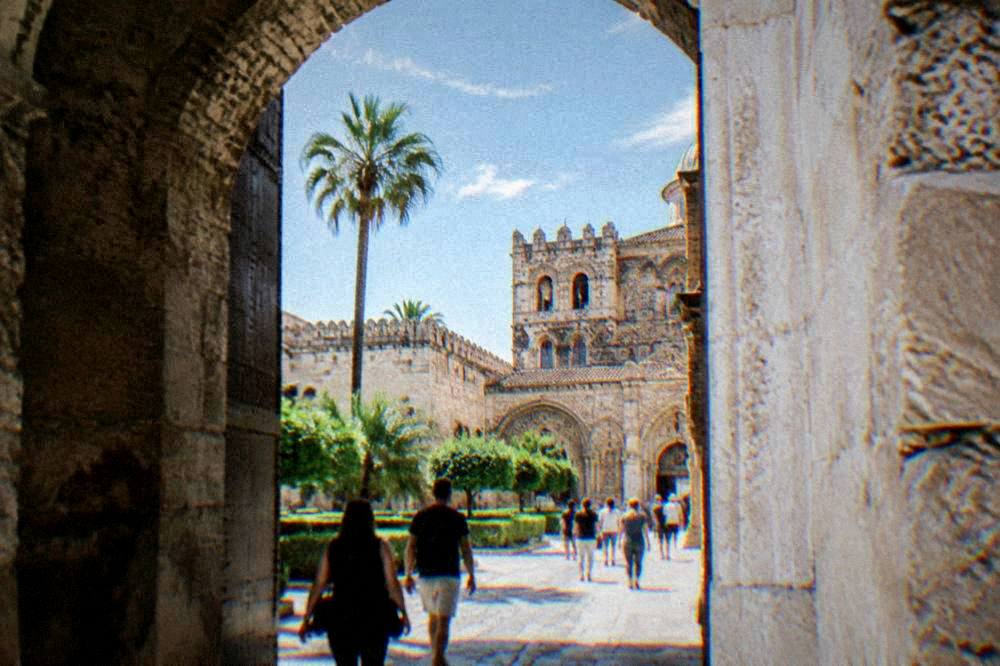
Access and bags: the palace is a security-screened public building, so allow time for the entrance check and travel light. Tap water in Palermo is suitable for drinking per AMAP, so a bottle refilled at the fountain is fine on the walk up.
Weather barely matters for this sight, which is part of its value in the city's plan. The chapel is indoors, and the rainy day in Palermo guide lists it first among the city's wet-weather options alongside the Teatro Massimo tour and the museums. In the July and August heat, when the climate table's modelled 1991 to 2020 normals put the August mean at 26.8 C, an 8:30 chapel slot is cooler than a midday market walk.
Which Nearby Sights Pair Well With The Cappella Palatina?
The sights that pair best with the Cappella Palatina are Palermo Cathedral, five minutes downhill; the Ballarò market, the market of the Albergheria's edge, roughly ten minutes east; the Quattro Canti and Piazza Pretoria at the centre of the old town; and San Giovanni degli Eremiti beside the palace itself, all reachable on foot with no transport and no second ticket unless you enter a paid area. A morning at the palace converts naturally into a full day inside the old centre.
The table below sequences those pairings with their published entries. The Ballarò market runs Monday to Saturday from about 7:30, with Sunday mornings as well, per the municipal tourism page, which makes it a natural late-morning stop after the chapel rather than a reason to skip the 8:30 opening.
| Pairing | Direction from the palace | Published entry | Best hour |
|---|---|---|---|
| San Giovanni degli Eremiti | Beside the palace | Confirm at the site | Morning |
| Palermo Cathedral | Downhill, 5 min | Nave as a church; monumental area ticketed | Late morning |
| Ballarò market | East, level walk | Free entry | Before early afternoon |
| Quattro Canti | Downhill into centre | Free, open street | Any hour |
| Piazza Pretoria | At Quattro Canti | Free exterior | Any hour |
| La Martorana and San Cataldo | Piazza Bellini | Confirm at the churches | Afternoon |
| Teatro Massimo | North end of old centre | Tour 14 EUR, 7 EUR under 26 | Late afternoon |
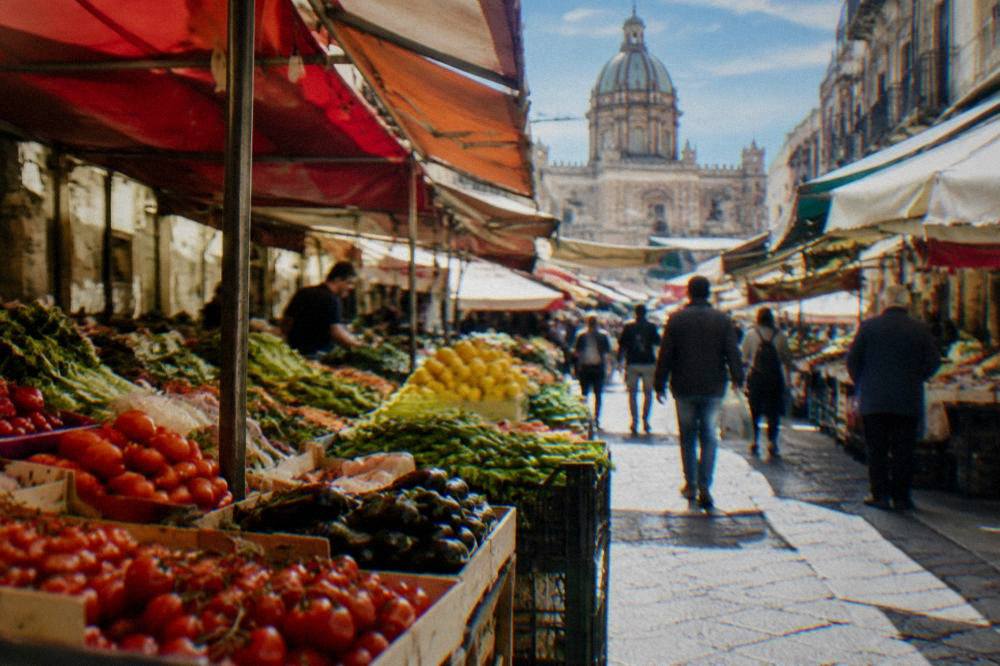
Two pairings deserve a special note. First, Monreale: the hilltown cathedral and cloister form the second city of the UNESCO listing, and the AMAT 389 bus runs there from Piazza Indipendenza, a stop at the edge of the palace hill, with 47 runs a day and a 1.40 EUR ticket, making a palace-plus-Monreale day entirely feasible by public transport. Second, the Teatro Massimo guided tour: its hours run daily to early evening, so it slots after the old-centre walk when everything else has closed.
For visitors building a fuller Sicily trip from the chapel outward, the things to do in Palermo page is the site's hub, and the Palermo and western Sicily week itinerary extends the same route toward Segesta, Erice and the west coast.
Common Questions About The Cappella Palatina
How much is a ticket to the Cappella Palatina?
A full ticket costs 14.50 EUR and a reduced ticket 12.50 EUR on the official Palazzo dei Normanni visit page, and it covers the chapel, the palace and the royal apartments as one visit. The apartments close Tuesday and Wednesday when parliament sits.
What are the Cappella Palatina opening hours?
The chapel keeps the palace hours: Monday to Saturday 8:30 to 16:30 last admission, and Sunday and holidays 8:30 to 12:30, with the complex closed on 25 December and 1 January. The official visit page lists one-off closures, so check it for your date.
Is the Cappella Palatina the same as the Palazzo dei Normanni?
The chapel is inside the palace. The Palazzo dei Normanni is the building, seat of the Sicilian regional parliament, and the Cappella Palatina is the royal chapel on its first floor, reached through the palace entrance with the same ticket.
Do you need a guide for the Cappella Palatina?
A guide is not required, and the ticket alone admits you to the chapel and the palace route. A guided visit of the chapel and palace together is available, and the operator's live listing shows its current schedule and meeting point.
Can you take photos inside the Cappella Palatina?
Photography is generally possible inside the chapel, with flash and tripods restricted. Confirm the day's rules at the entrance, since the palace is a working public building and rules can change with events.
How long should you spend at the Cappella Palatina?
A morning slot from the 8:30 opening leaves the rest of the day free for the cathedral and the old centre.
The Cappella Palatina rewards an early start, a single combined ticket and a slow look up at the ceiling, and the rest of Palermo's old centre sits within a short walk of its doors, ready for the afternoon that follows it.