La Martorana Palermo
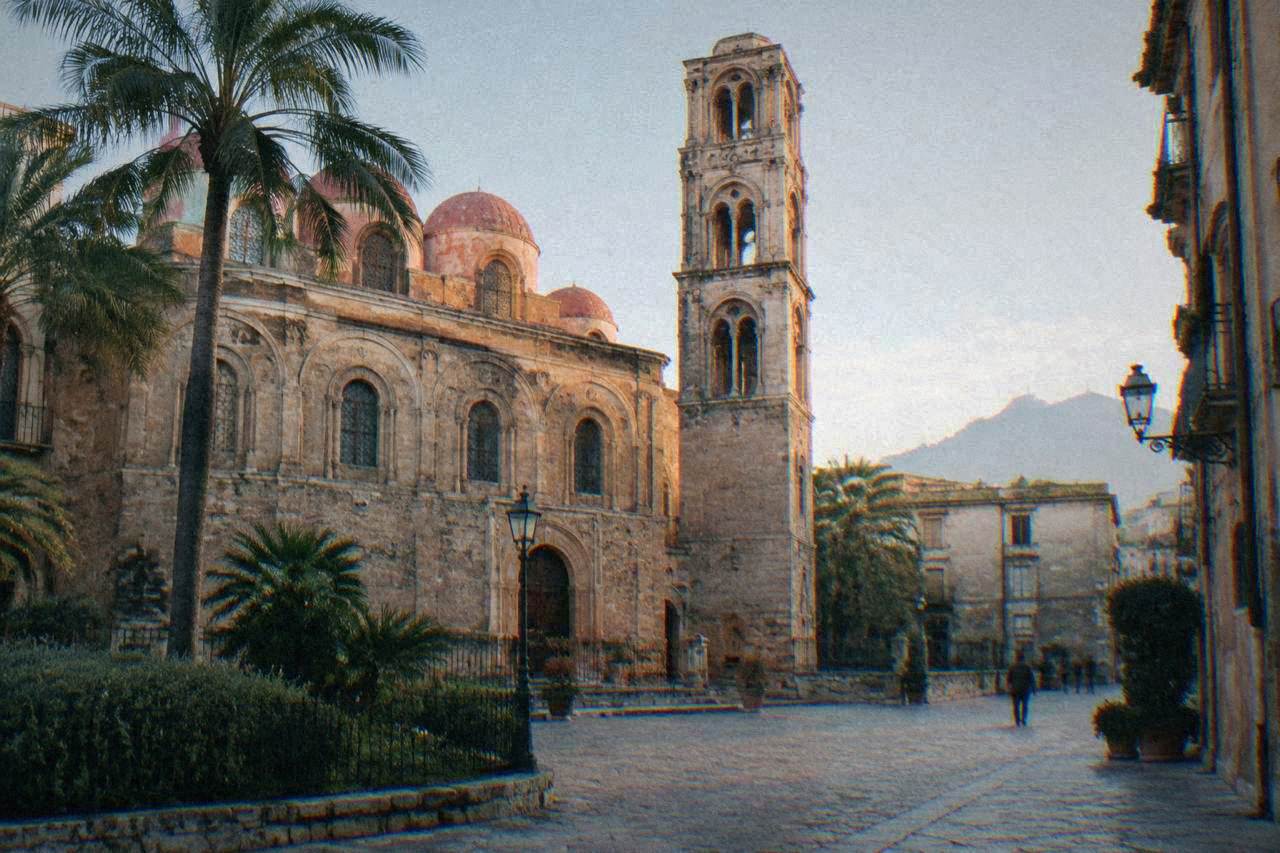
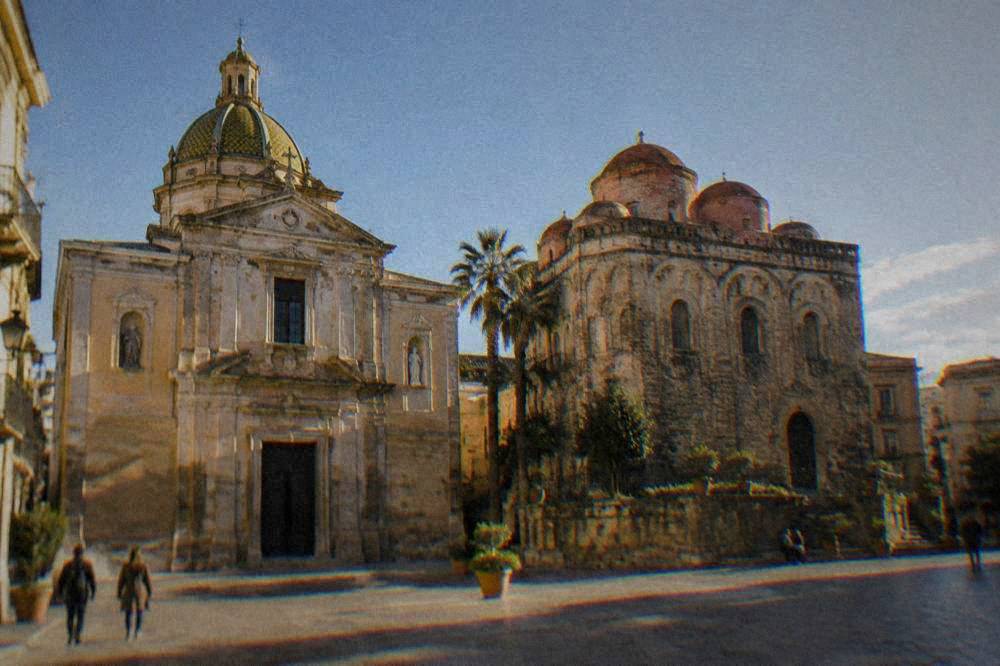
La Martorana, formally Santa Maria dell'Ammiraglio, stands on Piazza Bellini in the historic centre of Palermo, Sicily, and forms one of the nine components of the UNESCO Arab-Norman Palermo inscription. This page covers the church, what a visit involves, and how to plan the streets around it.
Short answer
La Martorana is the church of Santa Maria dell'Ammiraglio on Piazza Bellini in Palermo, listed since 2015 as a component of the UNESCO property Arab-Norman Palermo and the Cathedral Churches of Cefalu and Monreale. Entry conditions and any ticket arrangement are shown at the door, and the church sits directly beside San Cataldo, a few minutes from the Quattro Canti.
La Martorana, formally the church of Santa Maria dell'Ammiraglio, faces Piazza Bellini in the old centre of Palermo, the coastal capital of Sicily on the Tyrrhenian Sea. The UNESCO World Heritage list has carried it since 2015 as one of the nine components of the property named Arab-Norman Palermo and the Cathedral Churches of Cefalu and Monreale, alongside its immediate neighbour San Cataldo, the Royal Palace and Palatine Chapel, the Zisa, Palermo Cathedral, San Giovanni degli Eremiti, and the cathedrals of Monreale and Cefalu.
What Is La Martorana In Palermo?
La Martorana is the church of Santa Maria dell'Ammiraglio, standing on Piazza Bellini in the historic centre of Palermo, and it has been a component of the UNESCO World Heritage property Arab-Norman Palermo and the Cathedral Churches of Cefalu and Monreale since the inscription of 2015. The UNESCO listing names it Santa Maria dell'Ammiraglio, the formal title, while the everyday name La Martorana comes from the neighbouring complex that once held it.
The church serves the Italo-Albanian Catholic community of Palermo, which follows the Byzantine rite, and that living liturgical function shapes the visit: this is a working place of worship, not a museum, and services can close it to sightseeing at short notice. The UNESCO citation lists the church among the nine civil and religious structures of the serial property that spreads across Palermo, Monreale and Cefalu, so a ticket or a route that covers several components is really a route through the same inscription.
The name distinguishes it from its neighbour. San Cataldo stands a few steps away on the same square, also inside the UNESCO property, and the two churches are usually seen together in a single stop, a pairing described on the San Cataldo church page. Piazza Bellini itself opens off Via Maqueda a short walk south of the Quattro Canti, the crossroads that divides the old town into the four districts of Capo, Albergheria, Kalsa and Loggia. The square around the two churches also gives the visitor a quiet vantage on the layered city, with the dome and bell tower framing a scene that changes with the light through the day.
What Do You See Inside La Martorana?
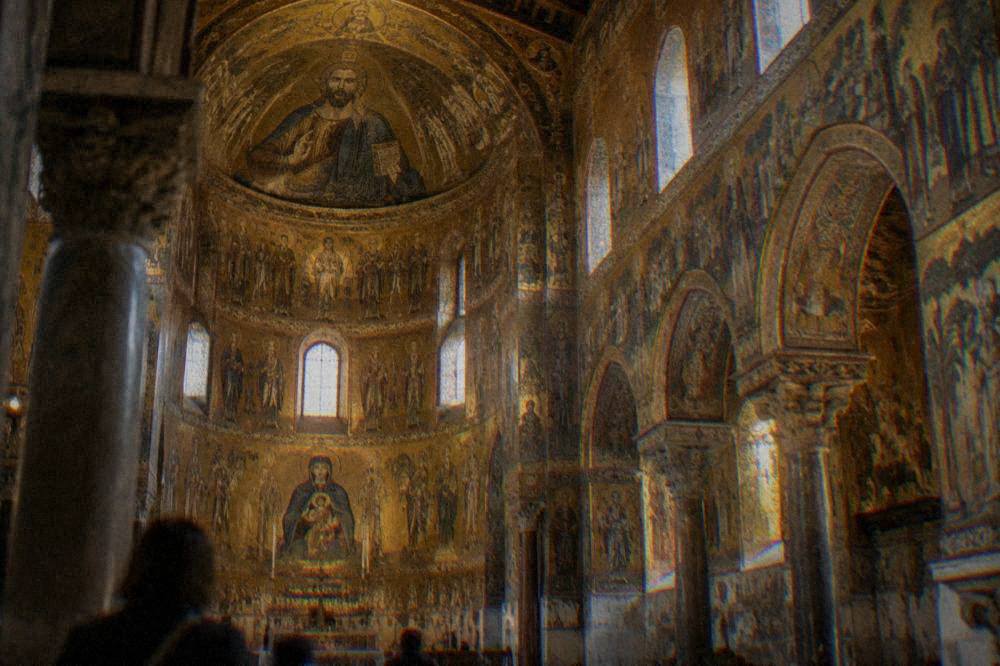
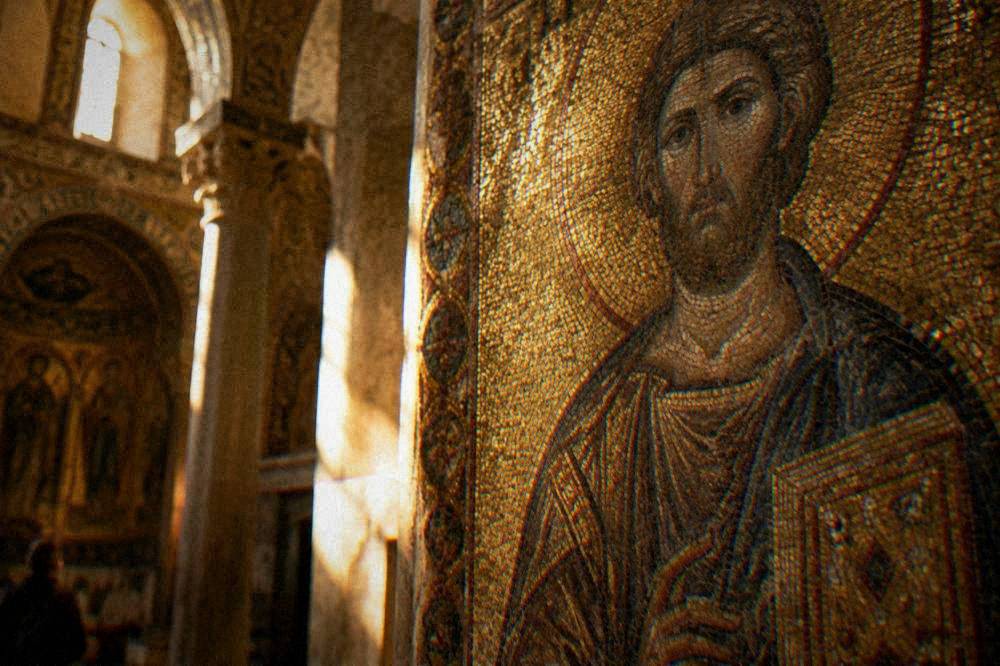
The interior of La Martorana is dominated by gold-ground glass mosaic covering the dome, the vaults and the walls, the decoration the UNESCO property is inscribed for, together with marble flooring, inlaid stonework and later additions from the centuries after the church first served the city. The mosaics include figures of Christ, the Virgin and saints set against the gold background, and no official figure for the mosaic surface area exists, so treat any number you see elsewhere with caution.
The walls carry what the inscription documents: gold-ground mosaic work of the kind that also fills the Cappella Palatina inside the Palazzo dei Normanni, described on the Cappella Palatina page, and the cathedral of Monreale. The visitor sees a coherent programme rather than fragments, with the dome over the crossing as the visual centre. The church also holds later elements added across its life, including work from the baroque centuries, and the mix is part of what a visit reads: layered Palermo inside a single building.
Two practical notes shape any visit. Photography rules and quiet hours follow the fact that the Italo-Albanian community celebrates the Byzantine rite here, so check the notice at the door before setting up a camera. And dress as for any working church: covered shoulders and knees are the standard expectation across Sicilian places of worship.
How Much Does La Martorana Cost To Visit, And When Is It Open?
No ticket price for La Martorana is published in the official sources this site reports, so the figure to trust is the one shown at the door or on the parish notice, and opening hours follow the liturgical schedule of the Italo-Albanian community rather than a fixed museum timetable. Churches in Palermo generally open for morning and late-afternoon hours and close around services; the safe planning assumption is a morning visit on a weekday, with a check of the notice board before travelling across town.
What the old centre shows is a familiar pattern: Palermo Cathedral posts its hours seasonally on its own page, the Palazzo dei Normanni publishes fixed admission windows of Monday to Saturday 8:30 to 16:30 last entry and Sunday 8:30 to 12:30 with a combined ticket of 14.50 EUR full and 12.50 EUR reduced, and smaller churches keep their own hours. La Martorana belongs to the smaller group.
A short planning table for the UNESCO-listed churches and palaces nearest to Piazza Bellini, using only the figures the official pages carry:
| Site | Distance from La Martorana | Admission figure in the sources |
|---|---|---|
| San Cataldo, same square | A few steps on Piazza Bellini | No price published here; check at the door |
| Quattro Canti | A short walk north on Via Maqueda | Free, an open crossroads |
| Palazzo dei Normanni and Cappella Palatina | Uphill in Albergheria | 14.50 EUR full, 12.50 EUR reduced |
| Palermo Cathedral | A short walk west | Monumental area ticketed; price at the ticket point |
| San Giovanni degli Eremiti | Near the palace | No price published here; check at the door |
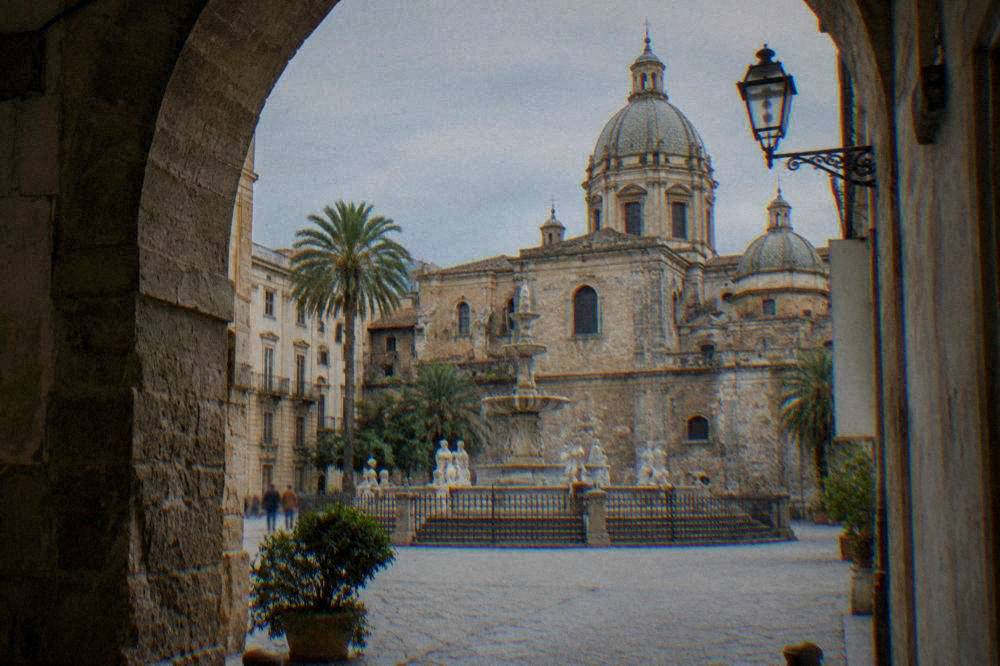
The reliable pattern is to treat Piazza Bellini as a cluster: La Martorana, San Cataldo and the adjacent Piazza Pretoria, whose fountain fills the next square over, described on the Piazza Pretoria page, all sit within a few minutes of one another on foot.
Where Is La Martorana, And How Do You Reach It?
La Martorana stands on Piazza Bellini in the Kalsa-side edge of Palermo's historic centre, roughly a five-minute walk south of the Quattro Canti along Via Maqueda, and it is reached on foot, by AMAT bus along the streets that cross the old town, or by the tram lines that converge on the centre from the periphery. There is no metro in Palermo; the urban rail service is the Passante, whose Line A runs from Palermo Centrale toward the airport and does not serve Piazza Bellini directly.
Walking is the practical answer. The old centre is compact, the four mandamenti meet at the Quattro Canti, and Piazza Bellini sits inside the area a visitor covers on foot anyway, between the old town centro storico and the streets of the Kalsa to the south-east. AMAT buses and the four tram lines handle the longer legs: a single ticket costs 1.40 EUR and is valid 90 minutes from validation, a day ticket costs 3.50 EUR, and a three-day pass costs 8.00 EUR, per the AMAT fares page, with a 1.80 EUR surcharge if bought onboard, so tickets should be bought before boarding and validated at once.
Happy to let a local lead the way. Book a free welcome walking tour here.
Taxis in the city work from ranks and by phone; app availability changes and should be checked in the app before relying on it. Driving into the centre brings the camera-enforced limited traffic zone, the ZTL, where entry without a permit is fined, with daily passes of 5 EUR for petrol and diesel cars and 2.50 EUR for hybrids, electric free, purchased through the official portal.
How Does La Martorana Fit The UNESCO Arab-Norman Listing?
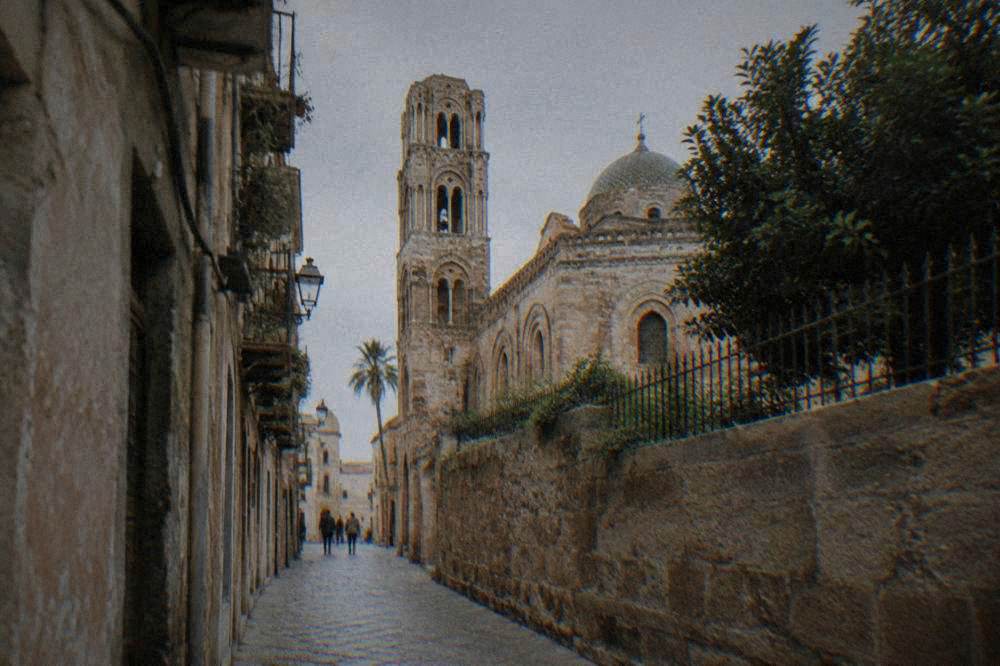
La Martorana is one of the nine components of the UNESCO World Heritage property Arab-Norman Palermo and the Cathedral Churches of Cefalu and Monreale, inscribed in 2015, and the listing names it Santa Maria dell'Ammiraglio. The nine components are the Royal Palace and Palatine Chapel, the Zisa, Palermo Cathedral, San Giovanni degli Eremiti, Santa Maria dell'Ammiraglio, San Cataldo, the Admiral's Bridge, Monreale Cathedral and Cefalu Cathedral.
The serial inscription is the frame that gives the church its weight. A visitor who sees La Martorana, the Palatine Chapel inside the Norman Palace, and the cathedral of Monreale on the same trip has covered three of the nine components, and the gold-ground mosaics are the thread that connects them.
A table of the nine components and where each sits:
| Component of the UNESCO property | Location | Notes for a visit |
|---|---|---|
| Royal Palace and Palatine Chapel | Palermo, Albergheria | Combined ticket 14.50 EUR full, apartments included |
| Palermo Cathedral | Palermo, west of Via Maqueda | Nave is a church; monumental area ticketed at the point |
| San Giovanni degli Eremiti | Palermo, near the palace | Gardens and church; check hours at the door |
| Santa Maria dell'Ammiraglio, La Martorana | Palermo, Piazza Bellini | Byzantine rite community; hours follow services |
| San Cataldo | Palermo, Piazza Bellini | Same square as La Martorana |
| The Zisa | Palermo, north-west of the centre | Tuesday to Sunday hours; closed Monday |
| Admiral's Bridge | Palermo, outside the ring road | An open bridge, viewable from the street |
| Monreale Cathedral | Monreale, above Palermo | Cloister 8 EUR full, 4 EUR reduced |
| Cefalu Cathedral | Cefalu, on the coast | Cathedral entry free; paid tower and museum itineraries |
What Can You Pair With La Martorana On The Same Day?
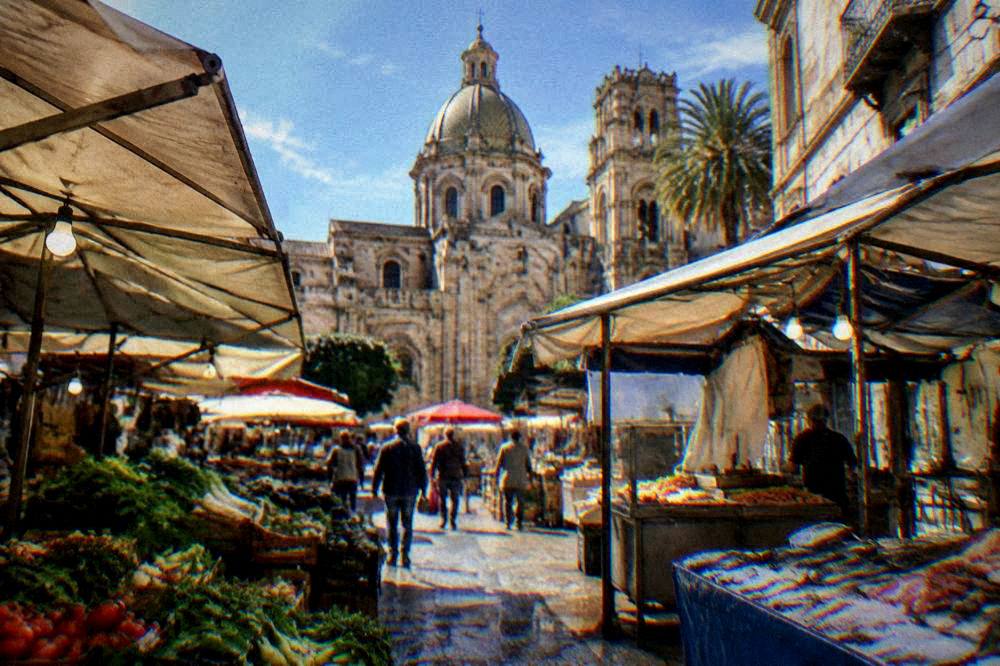
Piazza Bellini sits close enough to the Quattro Canti, Piazza Pretoria, the Ballarò market and the cathedral that La Martorana fits naturally into the first half of a day in central Palermo, with the Royal Palace and Palatine Chapel uphill as the afternoon counterpart. A realistic morning runs the two churches of Piazza Bellini, then the fountain of Piazza Pretoria, then the Ballarò market for street food, all inside a walkable stretch of the old centre.
The market leg needs its own timing. The Ballarò market runs Monday to Saturday from about 7:30 to about 20:00 with Sunday mornings, while the Capo market runs mornings and closes on Sunday, and neither closing hour should be treated as fixed, so an early market stop is the safer order. Street food in the market and a church visit pair well because the churches open mornings and the market peaks before noon too. The whole cluster is laid out in the site's one day in Palermo itinerary for readers planning the full circuit.
For visitors who want the food leg taken care of, the related cooking class on this page, Check availability, pairs a hands-on pasta and tiramisu session with wine, and the Palermo cooking class guide covers the wider choice of kitchens in the city.
A sample day built around the church:
| Time | Stop | What To Know |
|---|---|---|
| Morning | Piazza Bellini | La Martorana and San Cataldo together, hours permitting |
| Late morning | Piazza Pretoria and Quattro Canti | Both free, both open streets |
| Midday | Ballarò market | Monday to Saturday from about 7:30; Sunday mornings |
| Afternoon | Palazzo dei Normanni | Mon-Sat to 16:30 last entry; apartments closed Tue-Wed when parliament sits |
| Late afternoon | Palermo Cathedral | Hours posted seasonally on the cathedral page |
What Should You Know Before Visiting La Martorana With Limited Time?
If time is short, visit Piazza Bellini early in the morning, see both La Martorana and San Cataldo from the square even if one is closed for a service, and walk the five minutes to the Quattro Canti and Piazza Pretoria, all of which cost nothing to see from the street; the churches' interiors are the variable part, since hours follow the Byzantine rite schedule and no fixed timetable is published here, so treat the interior as a bonus and the square itself as the guaranteed stop.
Cruise passengers face the same logic on a tighter clock. The port terminals sit about 1.5 to 1.8 km from the Quattro Canti, a 15 to 20 minute walk reported by secondary port guides, and Piazza Bellini is a few minutes beyond that, which puts both churches inside reach of a half-day ashore; the site's cruise day itinerary plans that case in full. Visitors with two or three days should follow the two days in Palermo and three days in Palermo plans, which spread the UNESCO components and the markets across fuller days.
Three checks worth making before you set out: the notice at the church door for that day's hours, the AMAT fares page if buses are part of the plan, and the weather, since the climate table shows October as the wettest month at 81 mm and July as the driest at 7 mm under the modelled 1991 to 2020 normals, and a wet morning suits interiors like this one better than an open square.
Is La Martorana Worth The Stop In Palermo?
Yes, as the sources frame it: La Martorana is one of nine components of a UNESCO World Heritage property inscribed in 2015, it shares Piazza Bellini with another listed church, and both sit five minutes from the Quattro Canti, which makes it one of the least effortful high-value stops in the old centre. The interior mosaics are the draw, the square itself is free to see, and the only variable is the opening schedule, which follows the community's services rather than a museum clock.
The honest weighing is this. If the gold-ground mosaics of the Palatine Chapel are already on the itinerary, La Martorana deepens the same story in a quieter setting and in a church that still serves its community weekly.
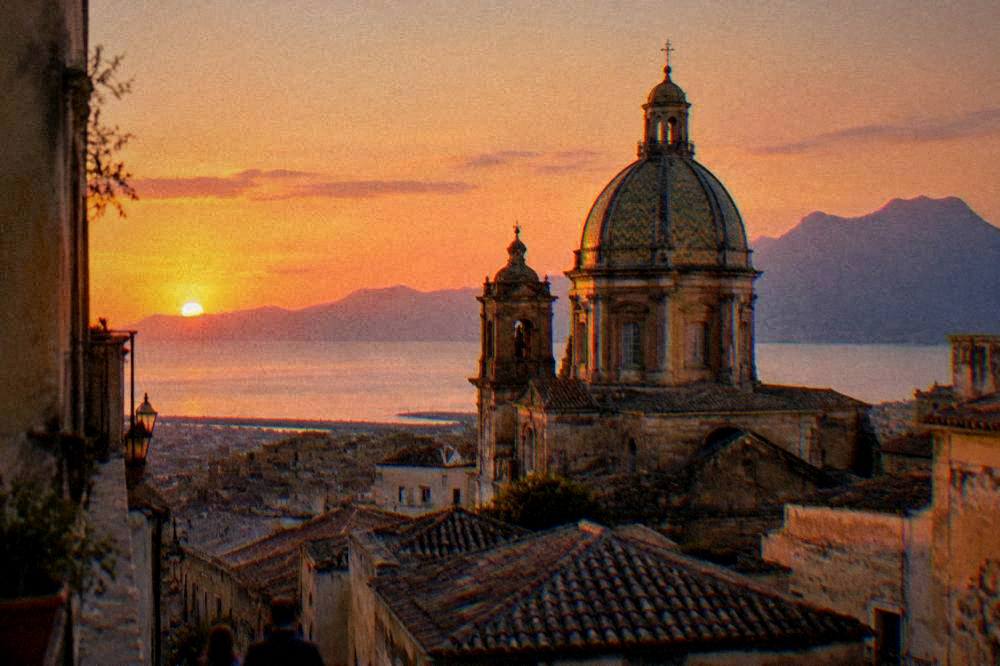
For the fuller picture of the city around the church, the site's root page on things to do in Palermo collects the itineraries, the attractions and the food walks in one place.
Common Questions About La Martorana In Palermo
What is the formal name of La Martorana?
The formal name is Santa Maria dell'Ammiraglio, the title the UNESCO listing uses for the church as a component of Arab-Norman Palermo and the Cathedral Churches of Cefalu and Monreale, inscribed in 2015. La Martorana is the everyday name tied to the neighbouring complex that once held the church.
How far is La Martorana from the Quattro Canti?
Piazza Bellini sits a short walk south of the Quattro Canti along Via Maqueda, well inside the area of the old centre a visitor covers on foot. The Quattro Canti is the crossing of Via Maqueda and Corso Vittorio Emanuele that divides the old town into the four districts of Capo, Albergheria, Kalsa and Loggia.
Can you see San Cataldo and La Martorana together?
Yes, the two churches stand on the same square, Piazza Bellini, and both are components of the same UNESCO property, so the pairing is the natural way to visit. Each keeps its own hours as working churches, so check both notices before travelling across town.
Is La Martorana part of the UNESCO listing?
Yes, the church has been one of the nine components of the World Heritage property Arab-Norman Palermo and the Cathedral Churches of Cefalu and Monreale since the inscription of 2015, listed under its formal name Santa Maria dell'Ammiraglio.
La Martorana rewards a slow hour on Piazza Bellini more than a rushed interior, and paired with San Cataldo, the Quattro Canti and the fountain of Piazza Pretoria it fills a morning in the heart of Palermo with the least travel of any stop in the city.
