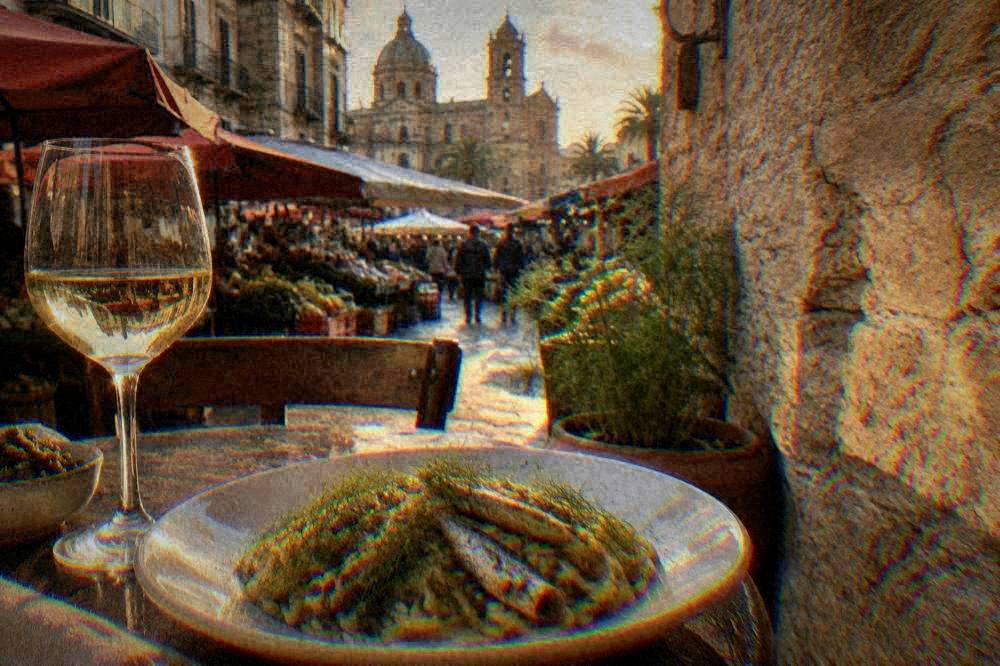
Palermo Old Town
The Palermo old town is the compact historic core of Sicily's coastal capital, cut into four districts by two crossing streets at the Quattro Canti and packed within walking distance with churches, markets, palaces and street food.
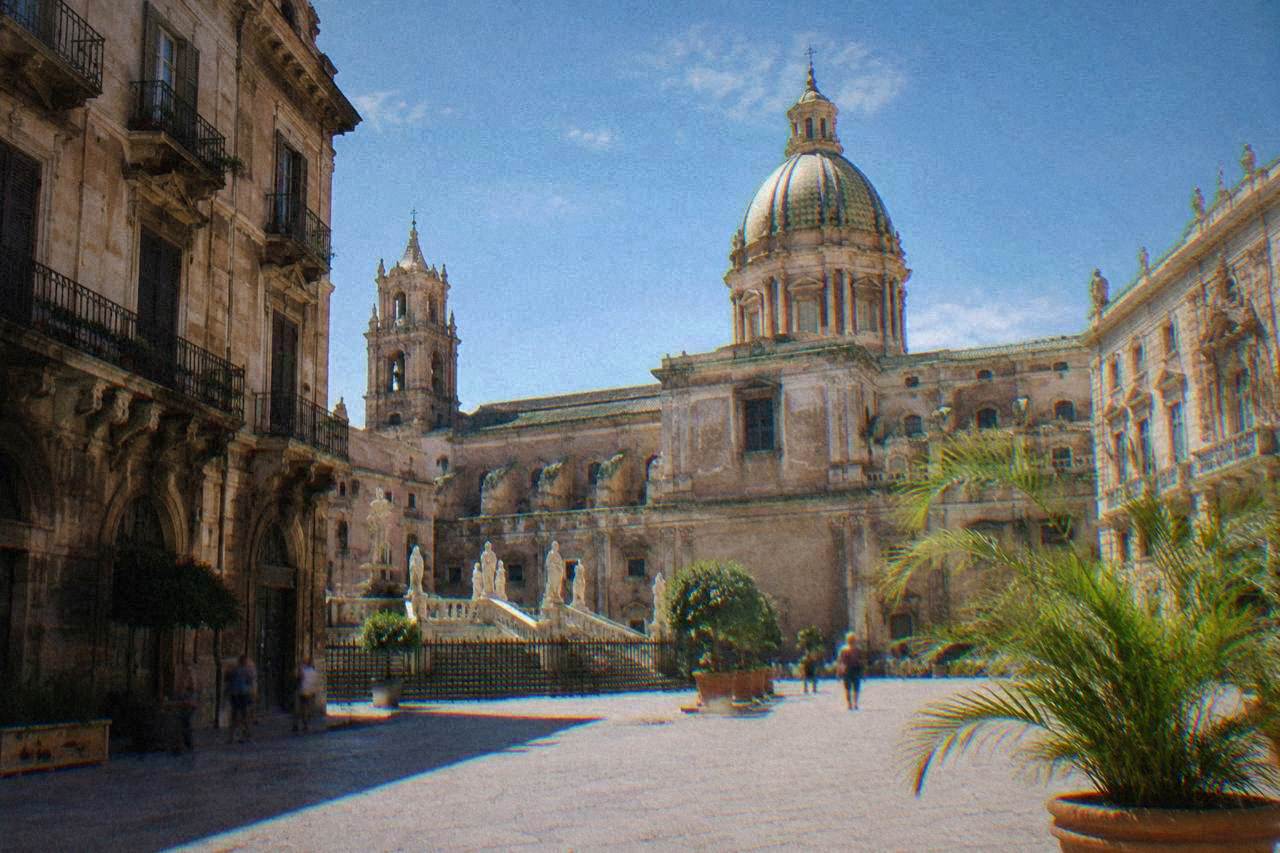
Short answer
The Palermo old town is the historic centre of the city, divided by Via Maqueda and Corso Vittorio Emanuele into four districts, Capo, Albergheria, Kalsa and Loggia. Everything inside it is walkable, its main sights include the Palazzo dei Normanni, the Cathedral and the Quattro Canti, and its markets, Ballarò, Capo and Vucciria, sit inside the same grid.
The Palermo old town is the historic core of Sicily's capital, a coastal city on the Tyrrhenian Sea that counted 628,693 residents at 31 December 2024 in municipal statistics. Two long streets, Via Maqueda and Corso Vittorio Emanuele, cross at the Quattro Canti and split the centre into four historic districts called mandamenti: Capo, Albergheria, Kalsa and Loggia. The municipal tourism page describes exactly this division, and it remains the most useful mental map for a first visit, because every major church, market and palace in the centre belongs to one of those four quarters. The Palermo Italy Travel Guide covers each of them in depth, and this page pulls the old town together as one walkable unit.
What Are The Four Districts Of The Palermo Old Town?
The four districts of the Palermo old town are Capo, Albergheria, Kalsa and Loggia, named after the most important civil building of each quarter: Capo or Monte di Pieta, Albergheria or Palazzo Reale, Kalsa or Tribunali, and Loggia or Castellammare. The municipal tourism page states that the crossing of Via Maqueda and Corso Vittorio Emanuele created this four-part division, and the four corners of the Quattro Canti mark where they meet.
Each district has its own character. Albergheria, in the west of the grid, holds the Palazzo dei Normanni, the seat of the regional parliament, with the Cappella Palatina inside the same complex; the Norman Palace guide covers its tickets and hours in detail. Capo, running north from the Quattro Canti towards the sea, is the quarter of the Capo market and the Cathedral sits at its edge. Kalsa, to the south-east, is the quarter the municipal listings associate with Palazzo Abatellis and the Spasimo. Loggia wraps the old harbour side around the La Cala basin.
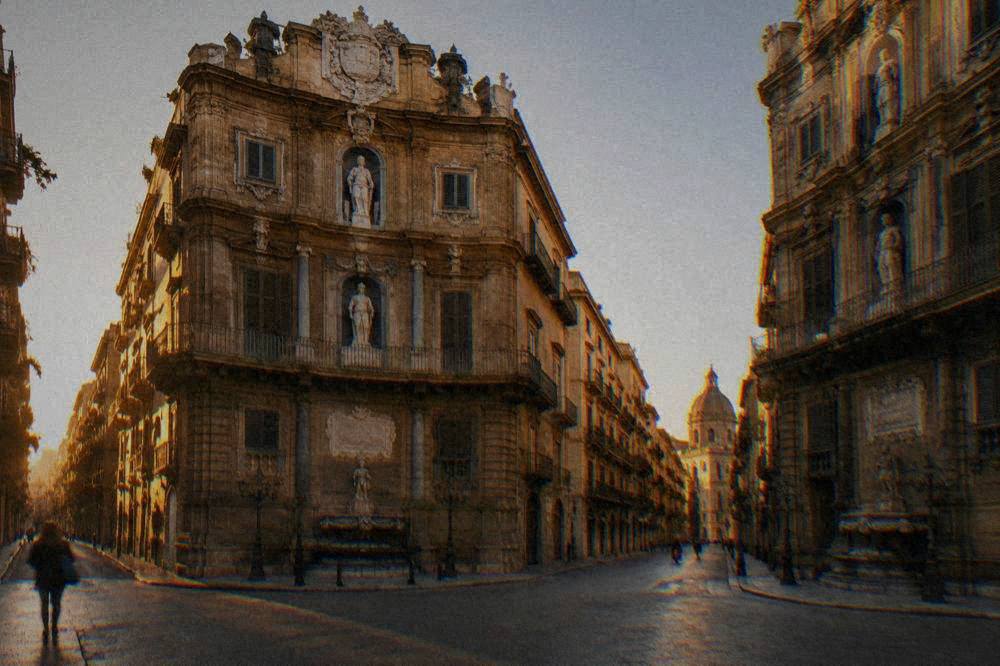
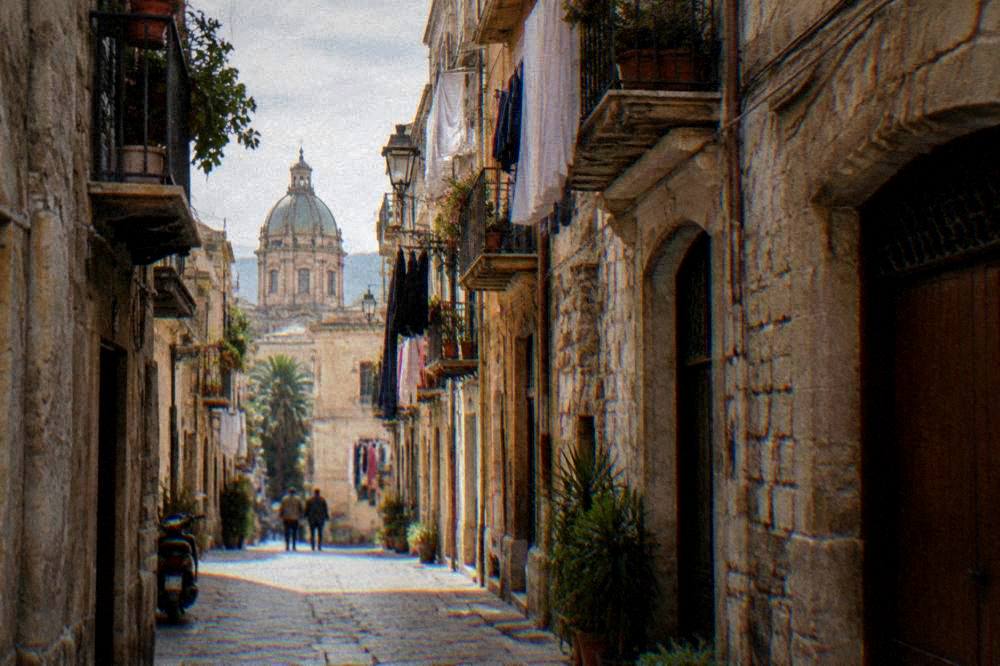
The division is not just decorative. It decides how you walk: the two axis streets are long and straight, while the side streets inside each mandamento are narrow and short, and the markets each sit inside a different quarter. A reader who keeps the Quattro Canti as the reference point can orient almost any address in the centre.
| District | Also called | Key places inside or at its edge | Character |
|---|---|---|---|
| Capo | Monte di Pieta | Capo market, Teatro Massimo nearby | Market quarter, food stalls in the morning |
| Albergheria | Palazzo Reale | Palazzo dei Normanni, Cappella Palatina | Palaces and the regional parliament |
| Kalsa | Tribunali | Palazzo Abatellis area, Spasimo | Museums and quieter lanes |
| Loggia | Castellammare | La Cala harbour basin | Old port side, evening atmosphere |
The Kalsa has its own detailed area guide, and the market quarter around Ballarò is covered in the Albergheria and Ballarò page.
What Should You See First In The Palermo Old Town?
Start at the Quattro Canti, which is free and stands at the exact centre of the old town, then walk west to the Palazzo dei Normanni for the Cappella Palatina, and finish at the Cathedral on Via Vittorio Emanuele. Those three points give you the crossing itself, the palace complex with its single shared ticket, and the city's main church, all inside one straight walk along the two axis streets.
Want a local to show you around on foot? Book a free walking tour here.
The Palermo Cathedral guide explains what the official visit page states: the monumental area, meaning the roof, the royal tombs, the treasury and the crypt, is ticketed, and the price is shown at the ticket point or on the cathedral's ticket shop rather than on the hours page. The cathedral's history is unusually layered, and it is documented on the official site: in 831 the Saracens turned the earlier church into a mosque, and in 1072 the Normans returned it to Christian worship. A Qur'an verse remains carved on the first column on the left of the southern porch, and the chapel of the royal tombs inside holds the sarcophagi of Roger II, Constance of Hauteville, Henry VI, Frederick II and Constance of Aragon.
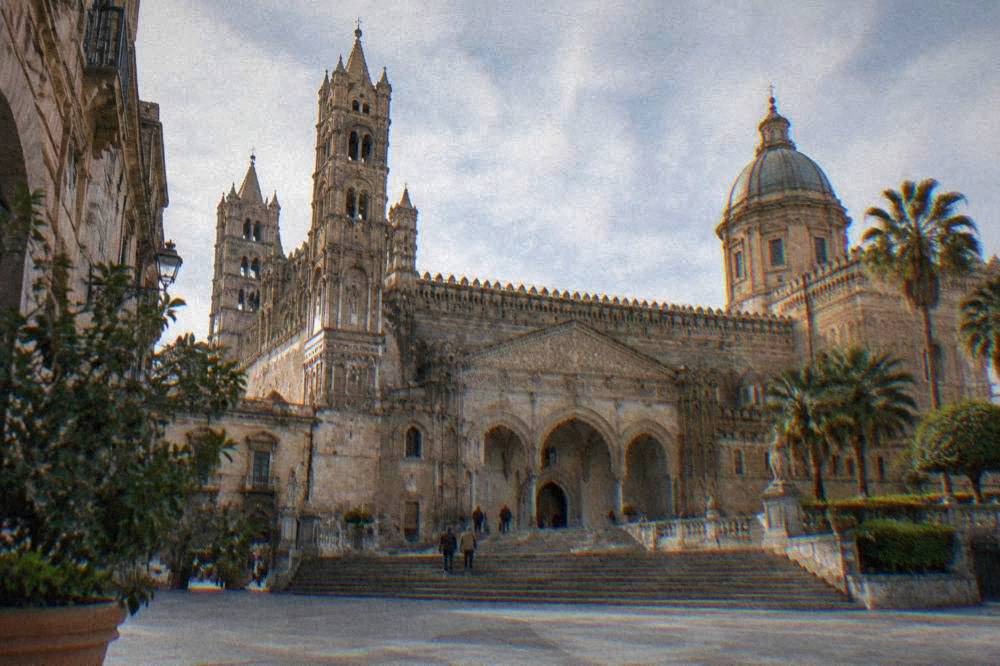
The Palazzo dei Normanni and the Cappella Palatina come as one visit, not two. The ticket page lists 14.50 EUR full and 12.50 EUR reduced, royal apartments included, with hours Monday to Saturday 8:30 to 16:30 last admission and Sunday mornings 8:30 to 12:30. One planning detail matters: the royal apartments close on Tuesday and Wednesday when the regional parliament sits, so the Cappella Palatina page is worth reading before choosing a day.
Beyond those anchors, the Teatro Massimo sits at the top of Via Maqueda at the edge of the old grid, with guided tours at 14 EUR full, 7 EUR under 26 and a family ticket at 36 EUR, and the Capuchin Catacombs lie just outside the centre to the north-west at 5 EUR full and 3 EUR reduced, tickets sold at the office only and photography prohibited. For a single compressed day, the one day in Palermo itinerary sequences these stops on foot.
| Sight | Position in the old town | Entry | Notes from the official pages |
|---|---|---|---|
| Quattro Canti | The exact crossing point | Free | Open square, no ticket |
| Palazzo dei Normanni and Cappella Palatina | Albergheria, west end | 14.50 EUR full, 12.50 EUR reduced | Royal apartments closed Tue and Wed when parliament sits |
| Palermo Cathedral | Western edge of Capo | Monumental area ticketed, price at ticket point | Nave is a working church |
| Teatro Massimo | Northern edge of the grid | Tour 14 EUR full, 7 EUR under 26 | Family ticket 36 EUR |
| La Martorana and San Cataldo | Piazza Bellini, central | No verified price | Part of the UNESCO property |
| Piazza Pretoria | Between the Cathedral and the Quattro Canti | Free exterior | Renovation hoardings change the view |
Nine of the centre's buildings and complexes together form the UNESCO property inscribed in 2015 under the name Arab-Norman Palermo and the Cathedral Churches of Cefalu and Monreale, which is the single best frame for understanding why so many of these sights sit within a few streets of each other.
How Much Does A Visit To The Palermo Old Town Cost?
A walk through the old town itself costs nothing, and the free list is long: the Quattro Canti, the exterior of Piazza Pretoria, the Foro Italico, Villa Giulia, Parco della Favorita and the markets all charge no entry. The paid anchors are the Palazzo dei Normanni at 14.50 EUR full, the Teatro Massimo tour at 14 EUR and the Capuchin Catacombs at 5 EUR, so the sightseeing budget is set by three modest admissions while the streets themselves stay free.
Museums add more options at modest prices, and the official regional and museum pages carry the figures. Palazzo Steri, the former Inquisition prisons, is 8 EUR full with a guided tour included. The Salinas Archaeological Museum is 7 EUR full and 3.50 EUR reduced, closed Monday. The Galleria d'Arte Moderna is 10 EUR full and 8 EUR reduced. The Marionette Museum is 5 EUR for the museum and 10 EUR combined with a puppet show. One regular free window applies: many state and regional museums are free on the first Sunday of the month, to be confirmed per site before you plan around it.
One closure changes 2026 plans. Palazzo Abatellis in the Kalsa began a planned closure of about 18 months from mid-July 2026 for climate-control works, with no reopening date set, so readers should check the regional museums site before counting on its collection. The Palazzo Abatellis page keeps the detail.
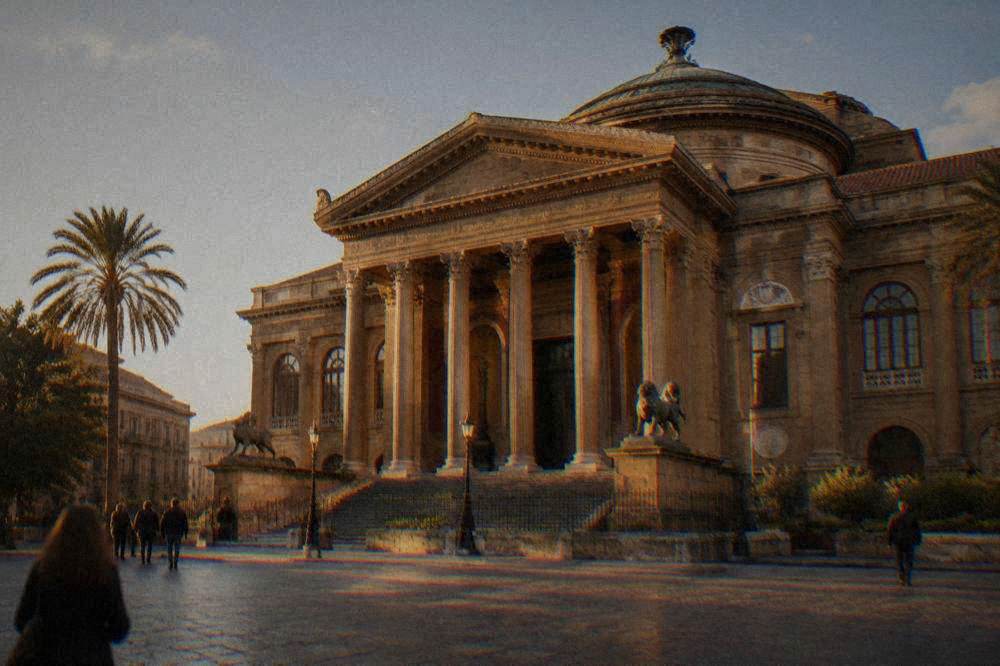
The theatre is not only a museum piece. The 2026-27 season opens on 22 November 2026 with Samson et Dalila, and Falstaff follows in May 2027 for the theatre's 130th anniversary, so an evening performance inside the old town's northern edge is a real option on a winter visit.
Where Do The Historic Markets Sit Inside The Palermo Old Town?
The three historic markets of the old town are Ballarò, Capo and Vucciria, each inside a different part of the grid: Ballarò inland towards Albergheria, Capo running north from near the Cathedral, and Vucciria near the Loggia side close to the old harbour. The municipal tourism page names all three together as the city's main historic markets, entry is free, and the stalls trade in the mornings with hours that shift rather than hold to a fixed closing time.
The listings give Ballarò the widest span, Monday to Saturday from about 7:30 to about 20:00 with Sunday mornings, while Capo is described as a morning market that does not operate on Sundays. The Ballarò market guide collects the details. Vucciria has a second life after dark, when its squares fill with street food and bars, which makes it the evening market of the three.
| Market | District side | Trading pattern | Evening scene |
|---|---|---|---|
| Ballarò | Albergheria side | Mon to Sat from about 7:30, Sunday mornings | Quiet at night |
| Capo | Capo, north of the Cathedral | Mornings, closed Sunday | Limited |
| Vucciria | Loggia, near La Cala | Daytime market, Sunday mornings | Street food and bars, strongest late in the week |
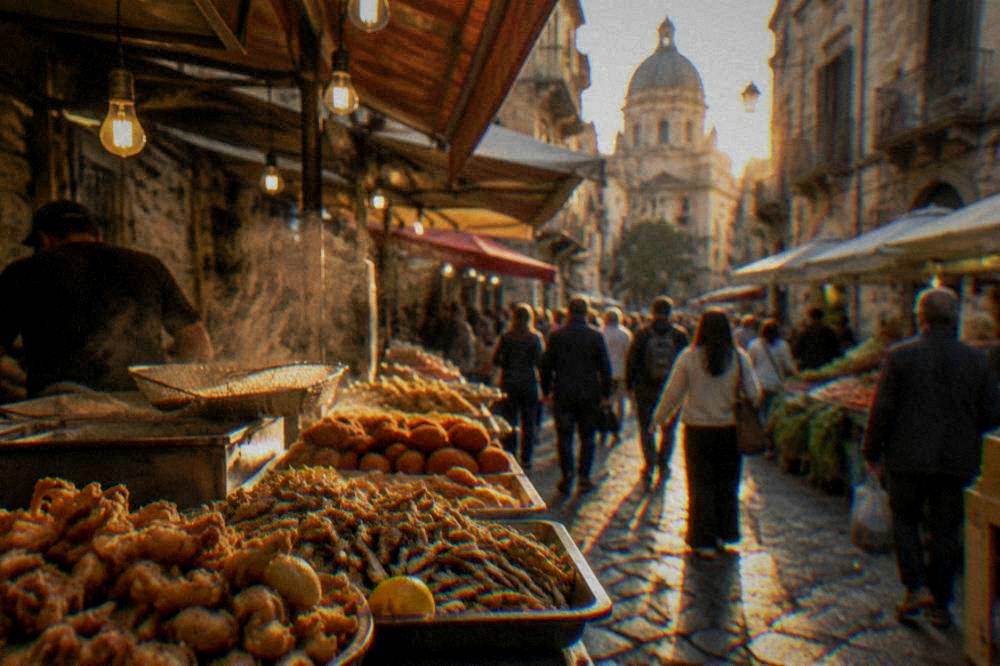
Market food is the old town's cheapest eating. The stalls sell panelle, sfincione and arancine to take away, and the word itself carries a small local lesson: the Accademia della Crusca accepts both arancina and arancino, with Palermo and western Sicily using the feminine form. Tap water is drinkable, AMAP states that the city's distributed water is suitable for human consumption, so a refillable bottle works.
How Do You Get Around The Palermo Old Town Without A Car?
You walk. The old town is compact enough that its four districts, its markets and its main sights all sit within an easy walk of the Quattro Canti, and the centre's narrow lanes and limited-traffic rules make driving inside it a poor plan. For longer hops the AMAT network runs buses and four tram lines, with a 90-minute ticket at 1.40 EUR, a day ticket at 3.50 EUR and a three-day ticket at 8.00 EUR from the fares page.
The AMAT fares page gives the full ladder: 1.80 EUR if bought onboard instead of in advance, 6.00 EUR for two days and 16.50 EUR for seven. Tickets must be validated at once on boarding. There is no metro in Palermo; what the city has is a suburban rail service, the Passante ferroviario, whose Line A runs from Palermo Centrale to the airport, and a Giachery to Politeama section is approved to start service from November 2026, which will place a rail stop close to the old town's northern edge.
| AMAT ticket | Price | Validity |
|---|---|---|
| Single, bought in advance | 1.40 EUR | 90 minutes from validation |
| Single, bought onboard | 1.80 EUR | 90 minutes from validation |
| Day ticket | 3.50 EUR | Until end of service on the day |
| Two-day MultiDay | 6.00 EUR | Whole network to end of second day |
| Three-day MultiDay | 8.00 EUR | Whole network to end of third day |
| Seven-day MultiDay | 16.50 EUR | Whole network to end of seventh day |
Driving into the centre has a specific barrier: the ZTL, a camera-enforced paid limited-traffic zone covering the historic core, active on weekday daytime hours with extra Friday and Saturday evening hours that change by season. Daily passes cost 5 EUR for petrol and diesel cars and 2.50 EUR for hybrids, electric cars enter free, and permits are handled through the official portal, so check the portal before bringing any car inside the ring. The practical alternative is to arrive at Palermo Centrale, where the bus stops and taxi rank sit outside the station, and to leave the car entirely outside the old town.
What Is There To Eat In The Palermo Old Town?
The old town's food runs through its markets and its street counters: panelle, chickpea fritters served in a sesame roll, sfincione, a thick spongy pizza, and arancine, the round fried rice balls Palermo names in the feminine. The centre's palaces and churches are matched by this street kitchen, the markets sell it at stall prices, and a coperto, a cover charge, is legal when printed on the menu, while tipping is never obligatory.
For readers who want the food explained rather than decoded, a guided walk that pairs the history with tastings covers both at once. The street food guide collects the options, and a tasting walk through Ballarò pairs the stalls with the quarter's layered history.
Sicilian desserts close the loop: cannoli filled to order and the almond pastries sold around the old streets. The ice cream and pastry shops cluster along Via Maqueda and around the market edges, and the Palermo Sicilian desserts guide is the deeper read.
Which Day Trips Start From The Palermo Old Town?
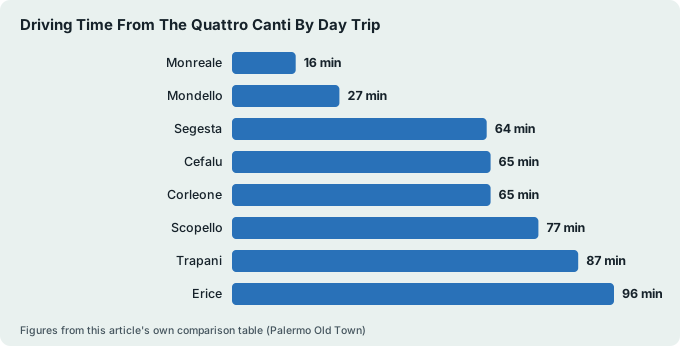
The old town is the natural base for every major day trip in western Sicily, and the driving times from the Quattro Canti, calculated on free-flow routes, are short: Monreale 16 minutes, Mondello 27 minutes, Segesta 64 minutes, Cefalu 65 minutes and Corleone 65 minutes, with Agrigento's Valley of the Temples at 2 hours 16. Monreale even has a city-bus link, AMAT line 389 from Piazza Indipendenza at the old town's western edge, running about every 40 minutes on a 1.40 EUR ticket.
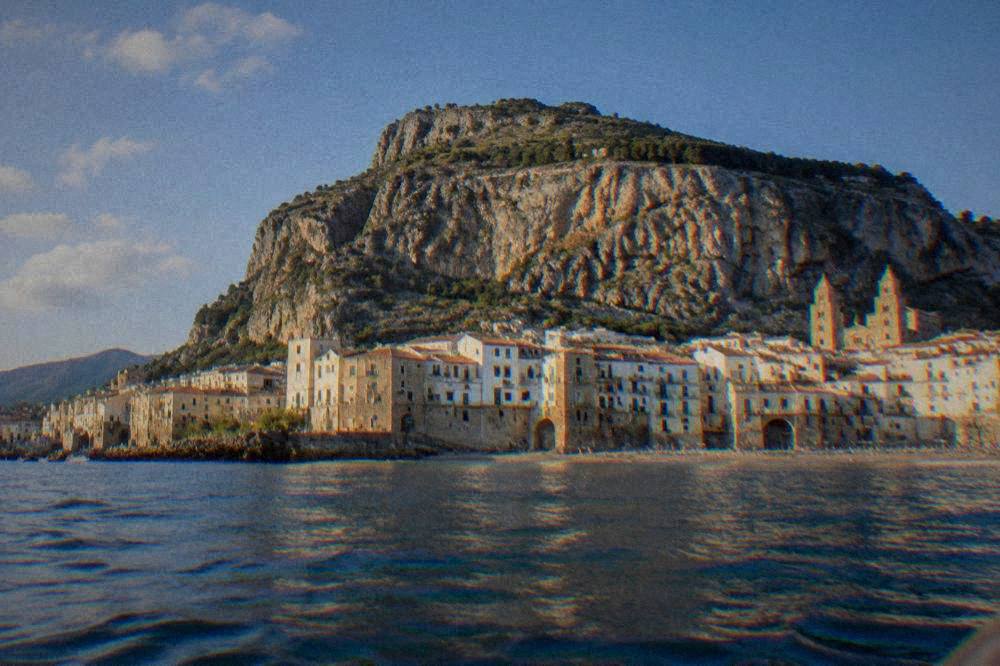
Monreale is the easiest first trip. The Monreale guide covers the cloister, 8 EUR full and 4 EUR reduced, and the bus. Cefalu is a direct train from Palermo Centrale, 19 to 24 services a day taking 39 to 60 minutes, with free cathedral entry and paid tower itineraries at 10 and 13 EUR; the Cefalu page has the detail. Mondello, the city's own beach, is 13.9 km away by road, served by AMAT summer line 806, and its 2026 season ran a mixed model of free public stretches and paid lidos, with a 6 EUR low-cost access in the Italo Belga area whose concession is in a legal dispute, so check before planning a beach day there.
| Day trip | Driving time from the Quattro Canti | Public transport |
|---|---|---|
| Monreale | 16 min | AMAT 389 bus from Piazza Indipendenza, about every 40 min |
| Mondello | 27 min | AMAT summer line 806 |
| Segesta | 64 min | Segesta Autolinee bus routes |
| Cefalu | 65 min | Direct train, 19 to 24 a day, 39 to 60 min |
| Corleone | 65 min | Autolinee Gallo, twice daily |
| Scopello | 77 min | Bus with connection |
| Trapani | 87 min | Segesta Autolinee and coach routes |
| Erice | 96 min | Coach to Trapani, then cable car |
| Agrigento Valley of the Temples | 2 h 16 | Direct regional train, about 2 h |
For a trip that leaves the logistics to someone else, a full-day excursion along the north coast pairs Cefalu with the inland town of Castelbuono in one loop, with Check availability on the operator's live listing.
Longer trips are still feasible from the old town: Erice is 96 minutes by road with a 9 EUR one-way cable car from Trapani, the Zingaro reserve charges 5 EUR entry with electronic payment only, and Segesta's archaeological park is 14 EUR full and 7 EUR reduced. The Segesta, Erice and Trapani pages under the day-trips segment break each one down.
When Is The Best Time To Walk The Palermo Old Town?
The modelled 1991 to 2020 normals for Palermo put July at a mean of 26.2 C and August at 26.8 C, with August's mean maximum at 30.4 C, while October is the wettest month at 81 mm and July the driest at 7 mm. That makes late spring and early autumn the comfortable walking months for a centre best seen on foot, with the July Festino of Saint Rosalia, held each 10 to 15 July, the one mid-summer reason to accept the heat.
The Festino is the city's defining festival. The municipal tourism page describes the triumphal chariot procession on 14 July along the Cassaro, the old name for Corso Vittorio Emanuele, ending at Porta Felice by the sea with fireworks, and the religious procession of Saint Rosalia's silver urn on 15 July. The whole route runs straight through the old town. The relics were found on Monte Pellegrino in 1624, and the saint has been the city's patron since the plague ended.
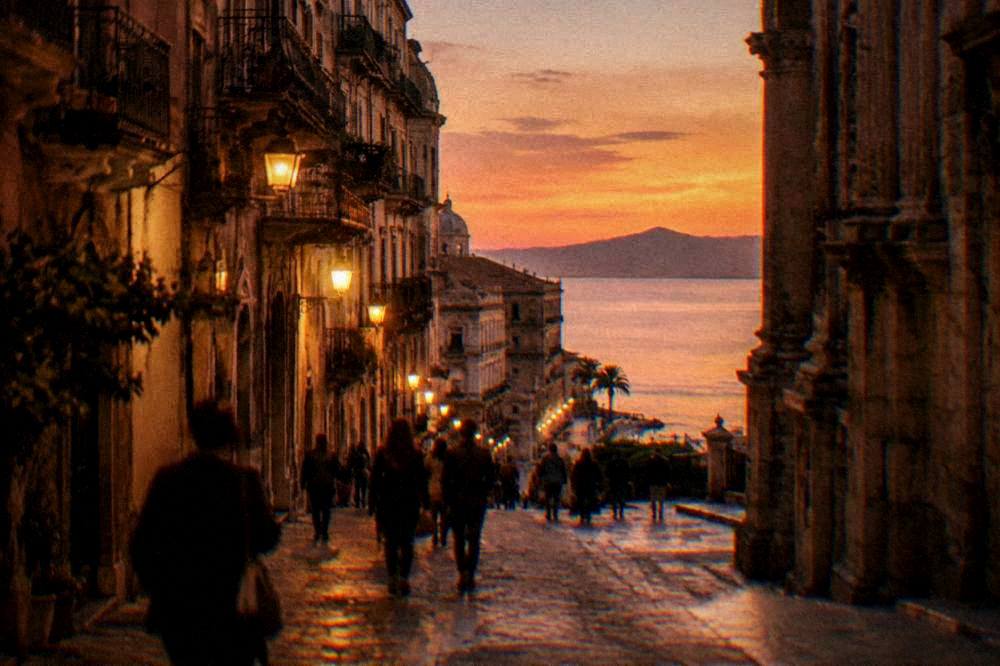
Winter is quiet and mild, with a January mean of 11.3 C in the same climate table, and the theatre season gives the short days a purpose. Rain, when it comes, has indoor answers: the rainy day in Palermo guide lists the museums and the Teatro Massimo tour. Whatever the month, the best time to visit Palermo page holds the full month-by-month picture.
Common Questions About The Palermo Old Town
Is The Palermo Old Town Walkable?
Yes. The four districts of the old town all sit around the crossing of Via Maqueda and Corso Vittorio Emanuele, and the main sights, the markets and the Cathedral are reachable on foot from the Quattro Canti. The centre's lanes are narrow and scooters use them, so keep bags closed and held in front in the busiest streets.
Do You Need Tickets For The Sights In The Palermo Old Town?
Some, yes. The Palazzo dei Normanni with the Cappella Palatina costs 14.50 EUR full on the official ticket page, the Teatro Massimo tour is 14 EUR and the Capuchin Catacombs are 5 EUR. The Quattro Canti, Piazza Pretoria's exterior, the Foro Italico and the markets are free, and many state and regional museums are free on the first Sunday of the month, to be confirmed per site.
Where Should You Stay Inside The Palermo Old Town?
The old town is a workable base, with each mandamento offering a different trade-off between quiet and proximity to the markets. A tourist tax applies to non-residents for a maximum of four consecutive nights, charged per night at about 3 to 5 EUR depending on the accommodation's rating and about 4 EUR for short-term rentals, collected by the accommodation and worth confirming at booking.
Can You Drive Into The Palermo Old Town?
Not freely. The centre sits inside a camera-enforced paid limited-traffic zone, the ZTL, active on weekday daytime hours with extra Friday and Saturday evening hours that change by season. Daily passes cost 5 EUR for petrol and diesel cars and 2.50 EUR for hybrids, electric cars enter free, and permits are issued through the official portal. Entering without a permit is fined, and the amount is set by the municipal regulations.
Which Market Is Best In The Palermo Old Town?
Ballarò has the widest trading span, Monday to Saturday from about 7:30 with Sunday mornings, and the biggest spread of stalls. Capo is a morning market that closes on Sundays, and Vucciria trades by day but is the one of the three that fills with street food and bars after dark. All three are free to enter and at their liveliest before midday.
How Many Days Do You Need For The Palermo Old Town?
Two days cover the centre well: one for the Quattro Canti, the Cathedral, the Palazzo dei Normanni and a market, and one for the theatres, museums and the Kalsa. The site's two days in Palermo itinerary sequences exactly that, and three days allow a first day trip, with Monreale only 16 minutes away by road.
The old town rewards exactly the pace it was built for. Walk its two axis streets, dive into one mandamento at a time, eat at the market counters at midday, and let the Quattro Canti reorient you whenever the lanes tangle, and the historic centre of Palermo will read like the map its own municipal pages describe.