Albergheria Palermo
The Albergheria is the north-western mandamento of Palermo's old centre, holding the Norman Palace and the Ballarò market. This guide sets out what to see, where to eat and how to plan the visit.
Short answer
The Albergheria is one of the four historic districts of central Palermo, bounded by Via Maqueda and Corso Vittorio Emanuele at the Quattro Canti. Plan half a day for the Norman Palace, the Palatine Chapel and a walk through Ballarò market.
The Albergheria is the district of Palermo that holds two of the city's defining sights in one walkable block: the Norman Palace with its Palatine Chapel, and the sprawling street market of Ballarò. The municipal tourism page describes it as one of the four mandamenti, the quarters into which the crossing of Via Maqueda and Corso Vittorio Emanuele divided the old centre, and names it after the royal palace at its heart. This guide from the Palermo Italy Travel Guide editorial desk covers what the district holds, what the entry pages and fares pages actually say, and how to fit the Albergheria and Ballarò into a wider one day in Palermo plan.
Where Is The Albergheria In Palermo?
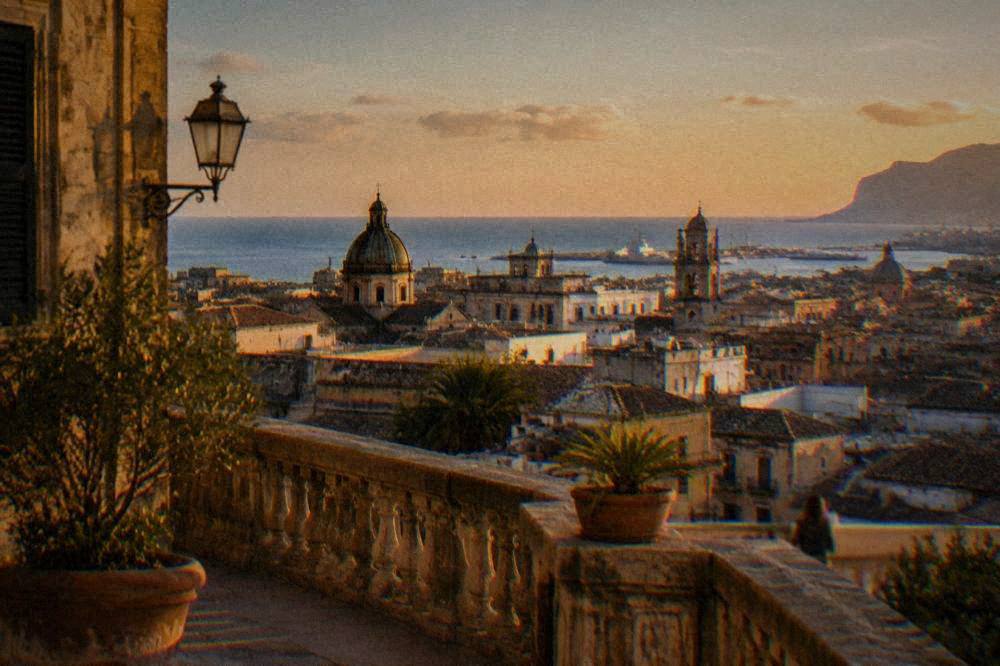
The Albergheria is the north-western of the four historic districts of central Palermo, the quarter the municipal tourism page calls Albergheria or Palazzo Reale after the royal palace inside it. It runs from the Quattro Canti, where Via Maqueda crosses Corso Vittorio Emanuele, uphill toward the Norman Palace, with the Ballarò market streets along its southern edge.
The four mandamenti are Capo, Albergheria, Kalsa and Loggia, each named after the most important civil building in its zone. The municipal page states that the crossing of the two great streets created this four-part division, and that the Albergheria takes its name from the Palazzo Reale, the seat of the regional government and one of the nine components of the UNESCO property inscribed in 2015 as Arab-Norman Palermo and the Cathedral Churches of Cefalu and Monreale. The neighbouring quarters are covered in the old town centro storico and Kalsa guides, and the district sits a short walk from the Quattro Canti crossing itself.
Geographically the district is compact. Its edges are roughly Corso Vittorio Emanuele to the south, Via Maqueda to the east, and the line of the old walls toward Via Papireto to the north. The ground rises gently from the market streets to the palace terrace, so a visit walks uphill one way and down the other. Piazza Indipendenza, on the palace side, is also the boarding point for the AMAT 389 bus to Monreale, which the AMAT page records as 47 runs a day, about every 40 minutes, on a standard 1.40 EUR city ticket.
What To See In The Albergheria District Of Palermo?
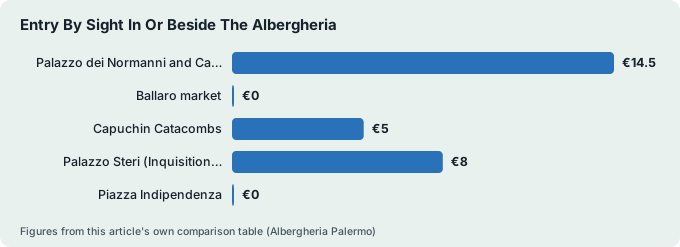
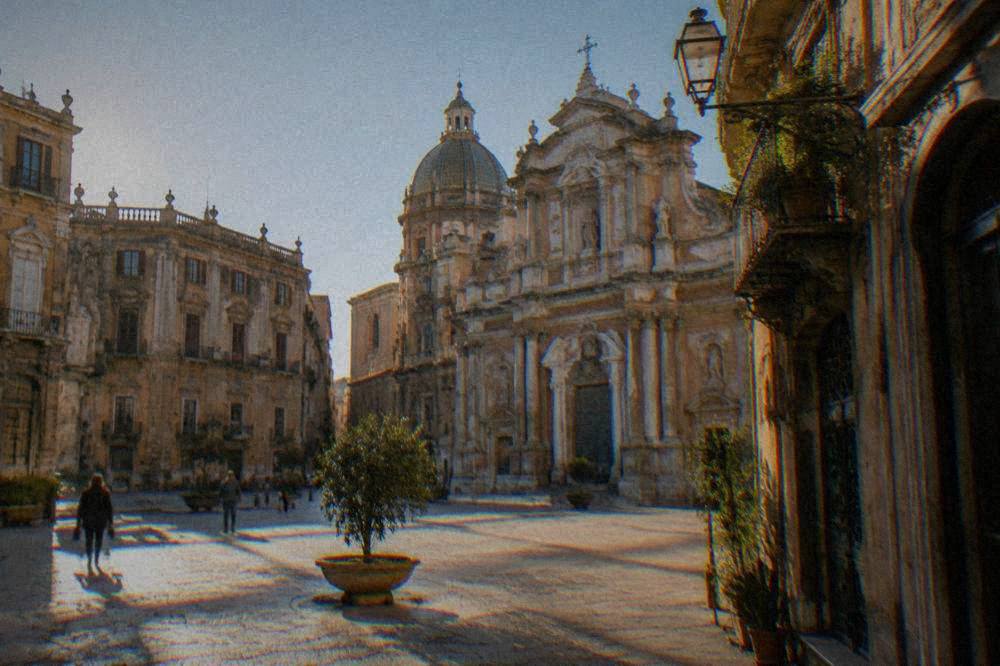
The Albergheria's headline sights are the Palazzo dei Normanni and the Cappella Palatina, which share one 14.50 EUR full ticket or 12.50 EUR reduced ticket with the royal apartments included, on the official visit page, plus the Ballarò market streets, the free Piazza Indipendenza and, just outside the edge, the Capuchin Catacombs at 5 EUR full and 3 EUR reduced.
To walk from palace to market with a guide, book a guided walking tour here.
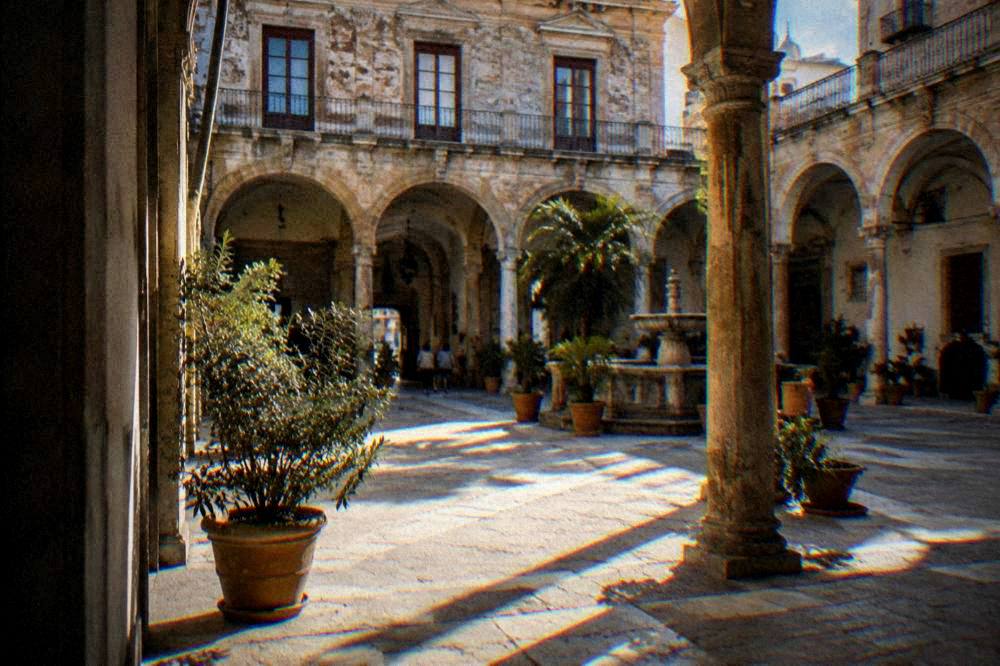
The palace is the district's anchor. The official visit page lists hours of Monday to Saturday 8:30 to 16:30 last admission and Sunday and holidays 8:30 to 12:30, closed 25 December and 1 January, and it flags one detail that catches out plenty of plans: the royal apartments close on Tuesdays and Wednesdays when the regional parliament sits. The chapel sits inside the palace complex, not as a separate building, so one ticket covers both. The fuller picture, including how the visit is organised, is in the Norman Palace and Cappella Palatina guides.
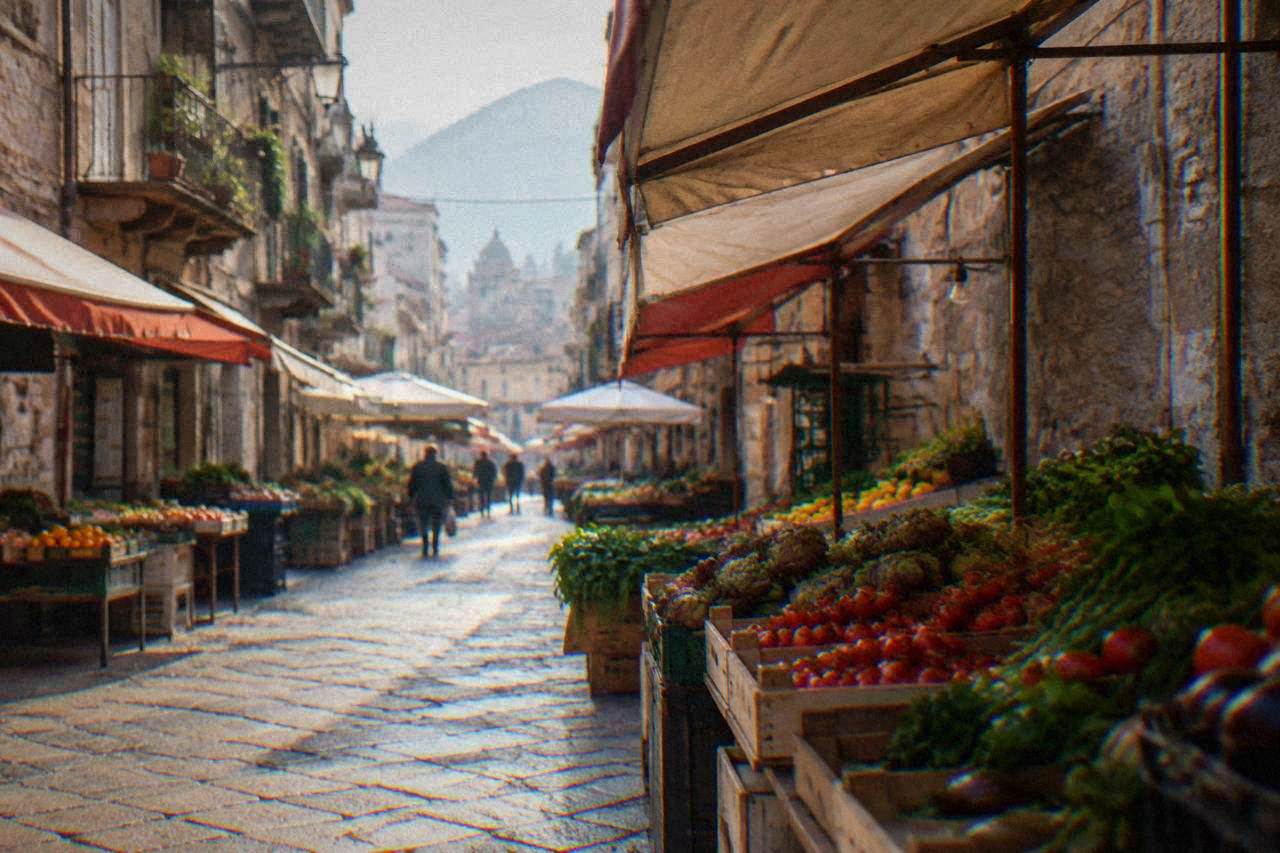
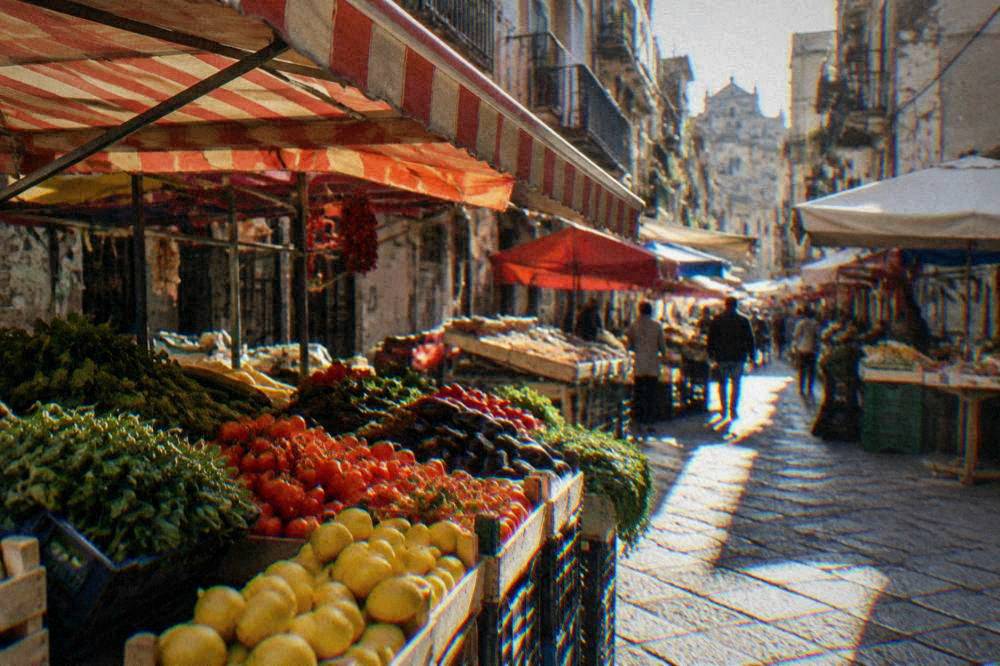
Below the palace, the district descends into the market lanes around Via Ballarò. The municipal tourism page describes Ballarò as a historic market of Arab origin, free to enter, running roughly Monday to Saturday from about 7:30 to about 20:00 with Sunday mornings, and it names Capo and Vucciria as the other main historic markets. No closing hour should be treated as fixed; stalls thin out later in the day and the page itself gives approximate times. The market deserves its own planning, which the Ballarò market guide handles in detail.
Two further stops complete the district list. The Capuchin Catacombs lie a short way north of the quarter, on the road toward Mondello, with 5 EUR full and 3 EUR reduced tickets sold at the office only, and photography prohibited inside. And Piazza Indipendenza itself, with its gardens and views toward Monte Pellegrino, is free public space and a natural pause between the palace and the bus stop. The table below gathers the district's paid entries in one place.
| Sight in or beside the Albergheria | Entry | Hours as listed | Notes |
|---|---|---|---|
| Palazzo dei Normanni and Cappella Palatina | 14.50 EUR full, 12.50 EUR reduced | Mon to Sat 8:30 to 16:30, Sun 8:30 to 12:30 | Royal apartments included; closed Tue and Wed when parliament sits |
| Ballarò market | Free | Roughly Mon to Sat 7:30 to 20:00, Sun mornings | Times approximate per the municipal page |
| Capuchin Catacombs | 5 EUR full, 3 EUR reduced | Daily, seasonal hours | Tickets at the office only, no photography |
| Palazzo Steri (Inquisition prisons) | 8 EUR full, 5 EUR reduced | Daily, guided tour included | 40-minute guided visit per the listing |
| Piazza Indipendenza | Free | Public space | AMAT 389 to Monreale departs nearby |
Is Ballarò Market Worth Visiting In Palermo?
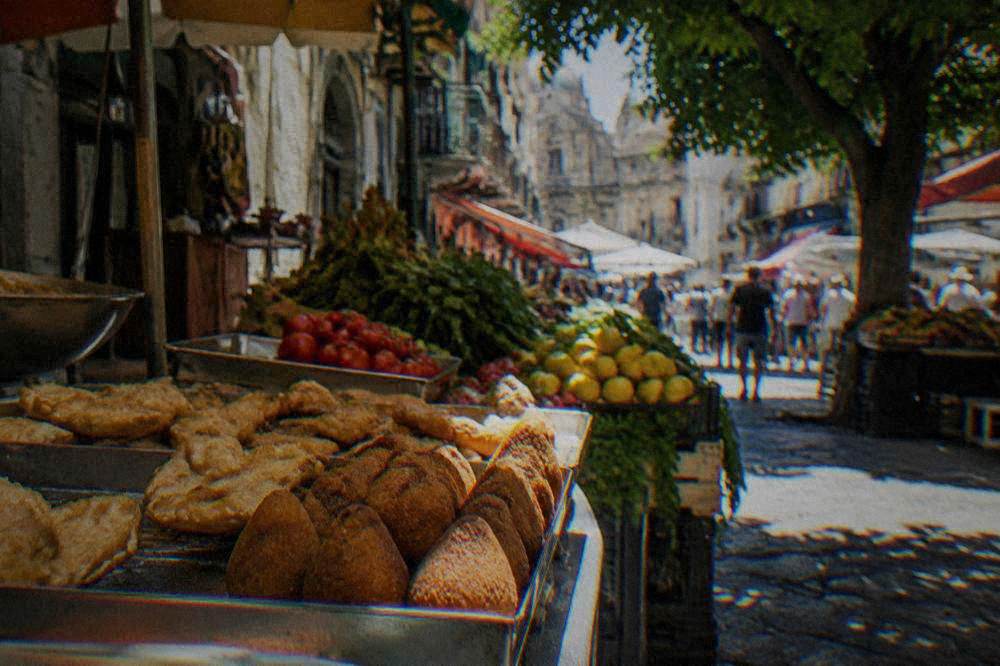
Ballarò is the market of Palermo that the municipal tourism page singles out as the largest of the historic markets, of Arab origin and free to enter, and its food stalls are the practical introduction to Palermo's street cooking, with panelle, sfincione and arancine sold from the lanes that run off Via Ballarò. Whether it is worth visiting depends on the hour: mornings are the working market, evenings are quieter.
The market's rhythm matters more than any single stall. The municipal page gives the rough span as Monday to Saturday from about 7:30 to about 20:00, with Sunday mornings, but the busiest trading is early, when the produce, fish and street food trade is at full pitch. An afternoon walk sees a thinner market and, on the lanes toward Corso Vittorio Emanuele, a street food scene that continues into the evening. No stall counts or vendor names are carried by any official page, so the honest advice is to walk the lanes and buy what looks busy.
The food the market sells is the city's food. The Accademia della Crusca accepts both arancina and arancino, and notes that Palermo and western Sicily say arancina, so the sign above the fryer in Ballarò reads arancina. Panelle and sfincione, the chickpea fritters and the thick Sicilian pizza, are the other two market staples, and the site's Palermo street food pages carry the fuller food background. Tipping is not obligatory, and a coperto, a cover charge, is legal when it is printed on the menu.
A guided walk is one way to bridge the market and the district's history in a single morning. The listing for the street food walk covers tastings with a local guide through the market lanes, and the operator's live listing carries the current price, meeting point and cancellation terms.
Where To Eat In The Albergheria And Ballarò Area?
Eating in the Albergheria and Ballarò area splits into three layers: street food bought standing in the market lanes, small trattorie on the streets between Via Ballarò and Corso Vittorio Emanuele, and the cooking class scene, where the site's roster carries classes that combine a market visit with pasta, gelato or pizza making and wine. No official page prices restaurant menus, so posted prices and the itemised bill are the checks to make.
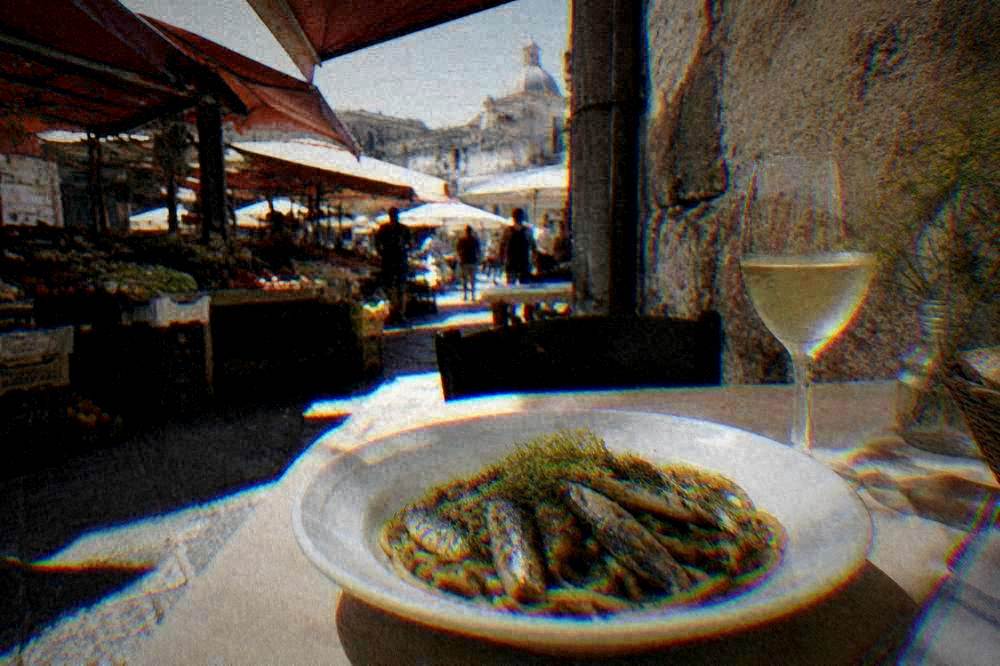
The market lanes are the first layer. Arancine, panelle and sfincione are sold through the day, and the market's own rhythm, early and busy, applies to the food stalls as much as the produce. The second layer is the trattorie and small eateries of the quarter, concentrated on the streets that run downhill from the market toward the Cassaro, the old east-west axis of Corso Vittorio Emanuele. The coperto check applies: it is legal when printed, and the itemised bill shows it as a line.
The third layer is the class scene, which uses the market as its shopping floor. The site's roster carries a street food walk with tastings led by a local guide, and a wine tasting with snacks at a bottega in the centre. Both render their prices and ratings from their listings, and the inline links below go to the operator's live pages.
For travellers who want the market explained rather than simply eaten, the wine and snacks tasting adds a seated hour to a walking morning, with Sicilian wines poured alongside the snacks. It is listed on the site's food and drink pages.
How To Get To The Albergheria And Ballarò In Palermo?
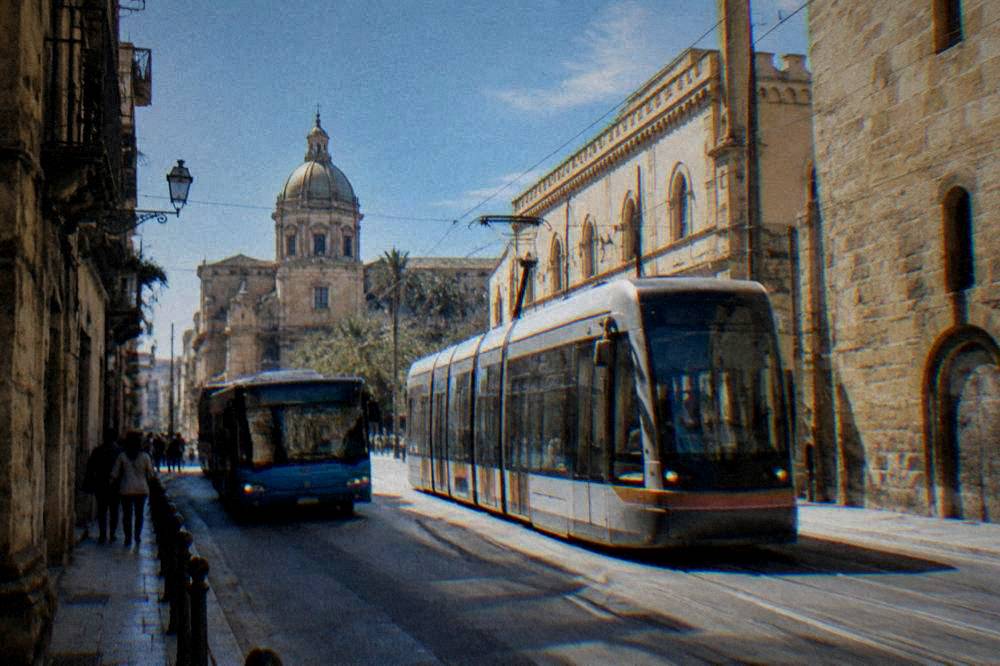
The Albergheria sits on foot at the heart of Palermo: from the Quattro Canti the palace end of the district is a short walk uphill along Via Maqueda and Corso Vittorio Emanuele. By public transport the AMAT network serves the district on a 1.40 EUR ticket valid 90 minutes, a 3.50 EUR day ticket or an 8.00 EUR three-day ticket, and from Palermo Centrale the lanes are a short tram or bus ride, all per the AMAT fares page.
The district's position makes walking the default. Palermo Centrale station, with its bus stops and taxi rank outside, lies south of the quarter, and the walk from the station to the market lanes is flat along the Cassaro. From the cruise terminals the port authority area lies about 1.5 to 1.8 km from the Quattro Canti, reported as a 15 to 20 minute flat walk, which places the Albergheria within easy reach of a port day, a plan the Palermo cruise port day itinerary covers.
For buses and trams, the AMAT fares page lists the full ladder, and the figures below are that page's own. Buy before boarding where possible, since the onboard single costs more, and validate at once. Tap water in Palermo is suitable for drinking according to AMAP, the water utility, which saves buying bottles on a market walk.
| AMAT ticket | Price | Validity |
|---|---|---|
| Single, bought in advance | 1.40 EUR | 90 minutes from validation |
| Single, bought onboard | 1.80 EUR | 90 minutes from validation |
| Day ticket | 3.50 EUR | Until end of service on the day |
| Three-day MultiDay | 8.00 EUR | Whole network until end of the third day |
| Bus 389 to Monreale | 1.40 EUR city ticket | 47 runs a day, about every 40 minutes |
Driving into the quarter is the one option to treat with care. The historic centre sits inside a camera-enforced limited traffic zone, the ZTL, where access requires a pass bought through the official portal at 5 EUR per day for petrol and diesel cars, 2.50 EUR for hybrids and free for electric, with weekday daytime hours plus extra Friday and Saturday evening hours that change by season. Blue-line parking is paid by app. The honest summary: arrive by bus, tram or on foot, and leave the car outside the zone, as the site's driving and parking guidance recommends.
How Much Time Do You Need For The Albergheria And Ballarò?
Half a day covers the Albergheria and Ballarò well: the Norman Palace and Palatine Chapel visit plus a walk through the market lanes fits a morning, with the palace hours of Monday to Saturday 8:30 to 16:30 last admission setting the outer limit. A full day adds the Capuchin Catacombs, a long market lunch and the museums just outside the quarter, and that is the shape of a day built around the district.
The pacing decision is the palace. Its official page lists dated one-off closures beyond the standing hours, so the day should be checked against the visit page before locking a plan, and the Tuesday and Wednesday apartment closures shape which morning works best. A morning palace visit, roughly two hours at a comfortable pace, followed by the downhill walk into the market lanes for lunch, is the pattern that fits the market's own rhythm, since the stalls are at their busiest before midday.
A sample half-day, using the hours and prices the official pages carry:
| Time | Stop | Cost | Basis |
|---|---|---|---|
| 09:00 | Palazzo dei Normanni and Cappella Palatina | 14.50 EUR full | Official visit page |
| 11:00 | Walk down through the market lanes of Ballarò | Free | Public streets |
| 11:30 | Street food in the market | Varies, posted prices | No official figures exist |
| 13:00 | Piazza Indipendenza and the gardens | Free | Public space |
| 14:00 | Optional: Capuchin Catacombs | 5 EUR full, 3 EUR reduced | Official listing |
Two museums sit within easy reach and reward a longer day. The Salinas Archaeological Museum charges 7 EUR full and 3.50 EUR reduced and closes on Mondays, and the Galleria d'Arte Moderna charges 10 EUR full and 8 EUR reduced, daily 09:30 to 18:30, both per the official regional and museum pages. On the first Sunday of the month many state and regional museums are free, and that is worth confirming per site when planning.
What Is Near The Albergheria For Day Trips From Palermo?
The Albergheria's own Piazza Indipendenza is the departure point for Monreale, 16 minutes away by road or an AMAT 389 bus ride on the 1.40 EUR city ticket, and from the wider district the standard day trips run to Cefalu at 65 minutes, Segesta at 64 minutes and, for a long day, Etna and Taormina, with the site's roster carrying a full-day excursion that pairs the volcano and the town in one guided trip.
Monreale is the natural first trip, both because the bus leaves from the district's edge and because its cathedral forms part of the same UNESCO inscription as the palace in the Albergheria. The Monreale cloister is a separate visit from the cathedral, at 8 EUR full and 4 EUR reduced per the listing, and the Monreale guide carries the full plan. Cefalu, 65 minutes by road with trains taking 39 to 60 minutes on roughly an hourly service, is the seaside counterpart, and its cathedral entry is free with paid tower and museum itineraries at 10 and 13 EUR.
The volcano day is the long one. Etna's Rifugio Sapienza lies about 3 hours 20 minutes by road from the Quattro Canti, with the cable car climbing from about 1,920 m to about 2,500 m and a guide required above about 2,500 m under current ordinances, and Taormina adds roughly the same road distance again in the other direction. That is why the pairing usually runs as a single organised excursion rather than self-drive, and the site's related listing covers it: Check availability.
| Day trip from Palermo | Road time, free-flow | Entry figures | Source |
|---|---|---|---|
| Monreale | 16 min | Cloister 8 EUR full, 4 EUR reduced | Listing |
| Cefalu | 65 min | Cathedral free; tower and museum itineraries 10 and 13 EUR | Visitor pages |
| Segesta | 64 min | 14 EUR full, 7 EUR reduced | Regional park page |
| Erice | 96 min | Cable car 9 EUR one way, 15 EUR return | Operator page |
| Agrigento, Valley of the Temples | 2 h 16 | 14 EUR full, 7 EUR reduced, open 8:30 to 20:00 | Regional park page |
| Etna, Rifugio Sapienza | 3 h 20 | Cable car climbs from about 1,920 m to about 2,500 m | Operator pages |
Where Should You Stay In The Albergheria Compared With Other Palermo Districts?
The Albergheria suits travellers who want the palace and the market on the doorstep and will accept a working, unpolished quarter around them, while the streets between the Quattro Canti and Politeama offer the quieter evenings, and Mondello offers the beach. The tourist tax applies citywide, a maximum of 4 consecutive nights at about 3 to 5 EUR per night by hotel star rating and about 4 EUR for short-term rentals from 1 July 2025, confirmed at booking.
The district's character is the deciding factor. The Albergheria is a lived-in quarter: the market lanes run hard through the morning, the palace draws the crowds, and the side streets are quiet at night rather than lively. The Politeama and the new city streets carry the later dinner and bar scene, and Mondello is the beach district 13.9 km out, served in summer by AMAT line 806. The site's wider area guides compare all of them.
For short-term rentals, two practical checks are now law rather than advice. A rental listing must display a CIN national code, and hosts must register guests through the Alloggiati Web system promptly and check identity in person, so a bare keybox without any host contact is not a compliant check-in. Both are visible checks a guest can make: the code on the listing, and a host who actually appears. The municipal tourism portal's accommodation section lists licensed structures by category, and the site's Palermo apartments pages carry the fuller rental background.
Common Questions About The Albergheria And Ballarò In Palermo
Is the Albergheria in Palermo safe to walk?
The same advice that applies to central Palermo applies here: the US State Department's September 2026 advisory notes petty crime such as pickpocketing and bag-snatching is common around tourist sites and on public transport in Italy, and the UK FCDO says the same for city centres. Keep a bag zipped and held in front on the crowded market lanes, and keep the standard urban checks on the bus.
How do I get from Palermo Centrale to the Albergheria?
Palermo Centrale station lies a short walk south of the quarter, flat along Corso Vittorio Emanuele, with AMAT bus and tram stops and the taxi rank outside the station. An AMAT single is 1.40 EUR bought in advance, valid 90 minutes, per the fares page.
Do I need tickets for the Palazzo dei Normanni?
Yes. The official visit page lists a 14.50 EUR full ticket and a 12.50 EUR reduced ticket, covering the Palatine Chapel and the royal apartments, open Monday to Saturday 8:30 to 16:30 last admission and Sunday 8:30 to 12:30, with the apartments closed Tuesdays and Wednesdays when parliament sits.
What days is Ballarò market open?
The municipal tourism page gives roughly Monday to Saturday from about 7:30 to about 20:00, with Sunday mornings. Treat the closing hour as approximate rather than fixed; the market is at its busiest in the morning.
Can you visit Monreale from the Albergheria?
Yes, easily. The AMAT 389 bus to Monreale departs from Piazza Indipendenza at the palace end of the district, 47 runs a day at about every 40 minutes, on the standard 1.40 EUR city ticket. The cloister at Monreale is 8 EUR full and 4 EUR reduced.
The Albergheria rewards exactly the kind of slow morning it was built for: a palace and chapel whose single ticket opens both, a market that has traded on the same lanes for centuries, and a bus square that turns the district into a base for Monreale and the wider west. Plan the palace for the morning, eat in the lanes at midday, and let the rest of Palermo, from the Kalsa to the sea at Mondello, arrange itself around the quarter.