Is Palermo Safe
Official advisories rate Italy, and Palermo with it, as a normal destination with standard urban precautions, and the risks worth planning for are petty crime and traffic rather than anything else. This page reports what the official sources actually say.
Short answer
Yes. Palermo is considered safe to visit under the standard urban precautions that apply across Italy: keep valuables close, watch bags on crowded buses, and use the same care at night that any large city deserves. The single emergency number is 112.
Palermo, the coastal capital of Sicily on the Tyrrhenian Sea, carries a reputation that sits heavier than the facts support. The US State Department's September 2026 advisory places Italy at Level 2, exercise increased caution, and names petty crime as the concern; the UK Foreign Office advises against no travel to Italy at all. Neither singles out Palermo.
Is Palermo Safe To Visit?
Palermo is safe to visit under the same standard urban precautions that apply across Italy. The official advisories for Italy name petty crime, pickpocketing and bag-snatching around tourist sites and on public transport as the main risks, and they advise no avoidance of any part of the city. Violent crime against visitors is not part of the advisory picture for Palermo at all.
The US State Department advisory for Italy, updated in September 2026, describes crimes against foreigners as opportunistic: purse snatching, pickpocketing and car break-ins, in popular tourist locations and on public transport including trains. The UK FCDO wording is similar, noting that bag-snatching and pickpocketing are more common in city centres and at major tourist attractions. Neither advisory names Palermo, or any Sicilian city, as needing special treatment.
That is the whole official risk picture. It is the same advice issued for Rome, Florence or Milan. The city's own numbers point the same way: Palermo is a city of 628,693 residents at 31 December 2024 by municipal statistics, a normal large regional capital whose visitor-facing problems are the same ones every southern European city manages.
What Do Official Travel Advisories Say About Palermo?
Both the US State Department and the UK FCDO treat Palermo as part of Italy's normal, nationwide risk level. The US advisory sets Italy at Level 2 and describes opportunistic petty crime near tourist sites and on transport; the UK advisory names no exclusion and warns only of pickpocketing and bag-snatching in city centres. Neither body restricts travel to Sicily.
The table below condenses what each source actually says, in its own terms. Nothing here is Palermo-specific, which is itself the finding: the advisory system does not consider the city an elevated risk.
| Source | Level or status | What it names | Palermo-specific wording |
|---|---|---|---|
| US State Department, September 2026 | Italy Level 2, exercise increased caution | Petty crime in tourist locations and on public transport; terrorism (nationwide) | None |
| UK FCDO | No advice against travel to Italy | Bag-snatching and pickpocketing in city centres and at major attractions | None |
| Single emergency number | 112 | Police, medical, fire across Italy | Works in Palermo |
Reading an advisory correctly matters. Level 2 means exercise increased caution, the same level held by France and Spain at various points in recent years. It is a planning instruction, not a warning to stay away. The FCDO's silence on Sicily is the strongest signal in the system: when a destination carries real risk, the FCDO names it, and it names nothing here.
For the arrival itself, the practical pages on this site carry the detail: Palermo Airport and Getting From Palermo Airport To The City Centre cover the bus, the train and the licensed white taxis, all of which are the regulated options from Falcone Borsellino.
Is The Historic Centre Of Palermo Safe At Night?
The historic centre of Palermo is safe to walk at night with ordinary city care, and no official advisory names any district to avoid. The practical precautions are the ones the advisories give for all of Italy: keep bags closed and in front, carry only what is needed, and stay on lit, busy streets such as Via Maqueda and the streets around the Teatro Massimo after dark.
The old centre, divided by the crossing of Via Maqueda and Corso Vittorio Emanuele into the four mandamenti of Capo, Albergheria, Kalsa and Loggia, is where the evening life happens. The Palermo Nightlife guide covers where that concentrates: the Vucciria after dark, Piazza Marina, Via Maqueda, the Politeama quarter and, in summer, Mondello. These are public, populated areas, and populated areas after dark are the standard condition for safe city walking anywhere.
The honest nuance is that Palermo's centre, like every old Mediterranean centre, mixes polished and worn streets within a few blocks. That variety is character, not risk. The US advisory's concern is opportunistic theft where crowds and distraction meet, so the countermeasures are simple and physical: a zipped bag held in front on a crowded street, valuables not in back pockets, phones not left on cafe tables. Those checks work everywhere and cost nothing.
Any page that tells you a named district is dangerous in Palermo is going beyond what any advisory supports.
Is Public Transport In Palermo Safe?
Public transport in Palermo is safe to use, and the official advisories flag only one transport-specific issue: petty crime on crowded buses and trains. The AMAT bus and tram network is the standard way to move around the city, tickets cost 1.40 EUR for 90 minutes when bought in advance, and the precautions are the same bag-awareness habits that apply in any European city.
AMAT operates the city's buses and four tram lines, and the fares page gives the full set: 1.40 EUR for a 90-minute ticket, 1.80 EUR onboard, 3.50 EUR for a day, 8.00 EUR for three days. Buy before boarding where you can and validate at once. There is no metro; the suburban Passante rail lines, including the airport line from Palermo Centrale, are run by Trenitalia, and a new Giachery to Politeama section is planned for service from November 2026.
| AMAT ticket | Price | Validity |
|---|---|---|
| Ordinary, bought in advance | 1.40 EUR | 90 minutes from validation |
| Ordinary, bought onboard | 1.80 EUR | 90 minutes from validation |
| Day ticket | 3.50 EUR | Until end of service on the day |
| Three-day MultiDay | 8.00 EUR | Until end of service on the third day |
The advisory wording on transport is about crowding, not about the network. Crowded buses and busy stations are where pickpockets work in every city in Europe, and the countermeasure is the same everywhere: bag zipped, in front, nothing in outer pockets. At Palermo Centrale, the main railway station with bus stops and a taxi rank outside, the same ordinary care applies as at any large station.
For the fuller transport picture, Getting Around Palermo covers buses, trams and the rail lines in detail, and Palermo Train Station covers the station itself.
Is Palermo Safe For Solo Travellers And Families?
Palermo works well for solo travellers and for families, and the official risk advice does not change by travel party. Solo visitors face the same petty-crime precautions as everyone else, with the one addition of minding phones and bags in evening crowds; families will find the practical challenges are pavement quality, scooter traffic and summer heat rather than personal safety.
For families, the city's own offerings do the reassuring. The municipal tourism pages describe Villa Giulia as a free public garden with ponds and spaces for children, Parco della Favorita as the largest green area in the city with free entry, and the Marionette Museum runs puppet shows with family pricing. The Palermo With Kids and Rainy Day In Palermo guides collect the indoor options, from the Teatro Massimo tours to the puppet museum.
For solo travellers, the group walking tour format is a natural first-evening orientation, and the Palermo Walking Tour page explains the options, including tip-based walks that run locally and should be confirmed with the guide directly. Women travelling alone report the same experiences as in other Italian cities: street attention happens, physical risk is rare, and the standard advice about walking lit streets at night applies.
To start your stay with an orientation walk, book a free walking tour here.
Two health facts worth having: tap water in Palermo is suitable for drinking according to AMAP, the water utility, so refilling a bottle is normal practice; and 112 reaches police, medical and fire services from any phone.
What About Traffic, Scooters And Driving In Palermo?
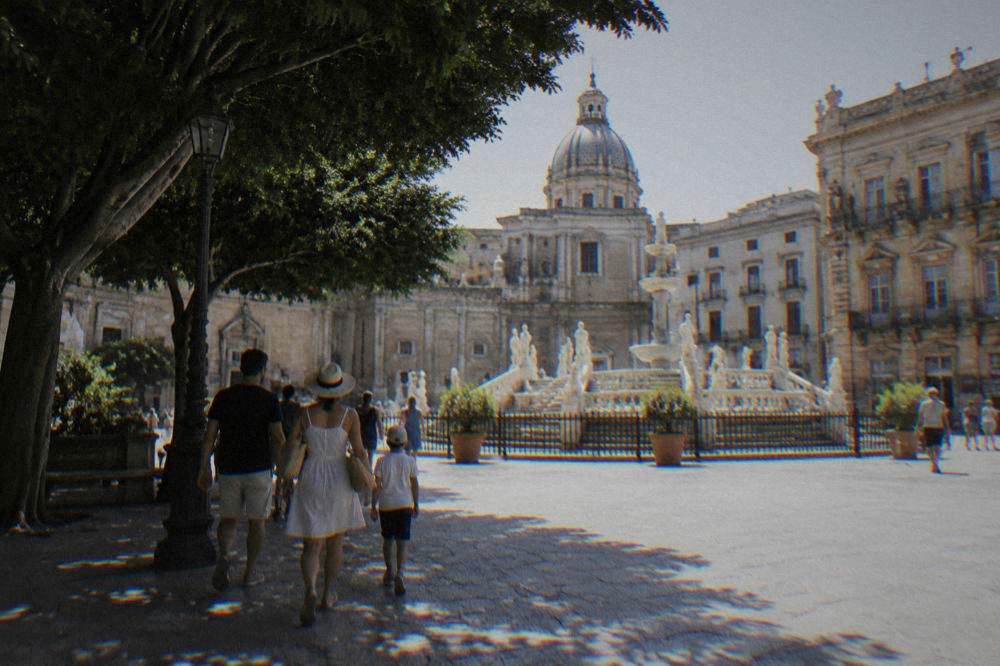
The most realistic safety issue in Palermo is traffic, not crime. The historic centre has narrow streets with heavy scooter and moped traffic, sidewalks can be irregular, and the ZTL camera-enforced limited-traffic zone catches drivers who enter without a permit; crossing streets with attention and holding children's hands near curbs matters more here than any other precaution.
For pedestrians, the habit worth building is looking for scooters before stepping out, including when a light is in your favour. For drivers, the rules are formal and enforced. The ZTL Centrale is a paid, camera-enforced zone: access requires a pass bought through the official portal, at 5 EUR per day for petrol and diesel cars, 2.50 EUR for hybrids, and free for electric vehicles. Entering without a permit is camera-enforced and fined; the hours run weekday daytimes with extra Friday and Saturday evening hours that change by season, so check the official portal.
Non-EU licence holders generally need an International Driving Permit alongside their home licence. The two main motorways out of the city, the A19 to Catania and the A29 toward Trapani, are toll-free, which at least removes one variable from a day of driving.
The Palermo Driving And Parking and Palermo Airport Car Rental guides carry the full picture, and Is It Worth Renting A Car In Palermo sits alongside the comparison pages for the wider Sicily question.
Are The Markets And Street Food Safe?
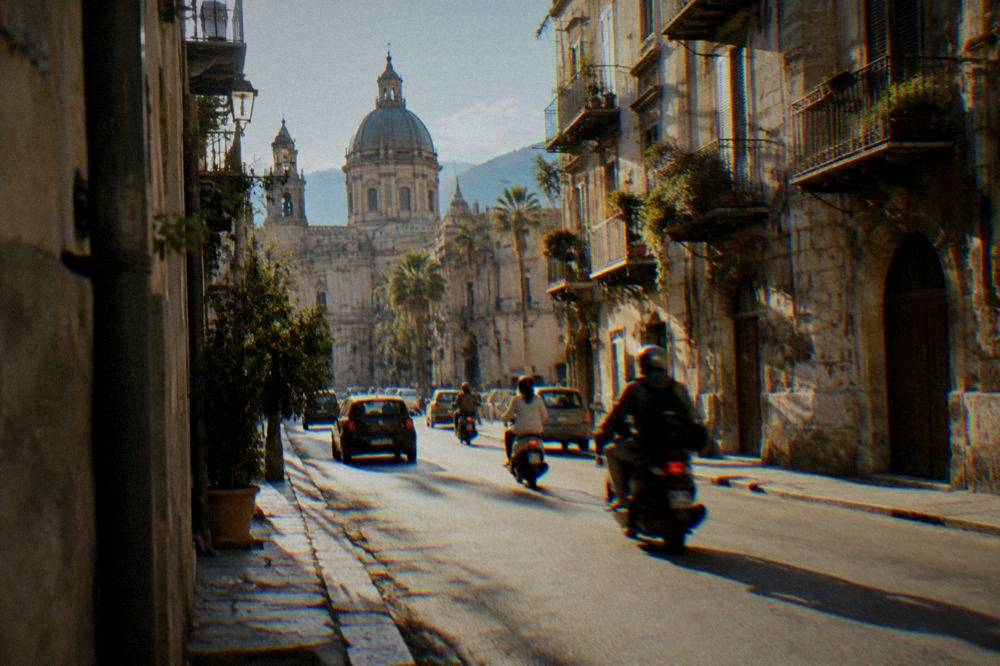
The historic markets of Palermo are safe to visit and are among the city's main attractions, with the only advisory-relevant risk being pickpocketing in the crowds. Food safety is a separate question with a simple answer: the markets are licensed food businesses, the fried street foods are cooked at high heat in front of you, and tap water is drinkable according to AMAP.
Ballarò, Capo and the Vucciria are working markets first and sights second. Ballarò runs Monday to Saturday from about 7:30, with Sunday mornings; Capo runs mornings and closes Sunday. Crowds, narrow lanes and distracted visitors are the combination the advisories warn about, so the same bag rule applies: zipped, in front, minimal contents.
The eating itself is straightforward. Arancine, panelle and sfincione are fried or baked at high temperature on the spot, and cannoli are filled to order. The Palermo Street Food and Palermo Markets guides cover what to order and where, and the Accademia della Crusca has settled the naming question: both arancina and arancino are accepted, with Palermo saying arancina.
One billing fact is worth knowing anywhere in Italy: the coperto, a cover charge, is legal when printed on the menu, and tipping is not obligatory. Checking the itemised bill and the printed cover charge is a habit that removes surprises, and it is a check you can make yourself rather than a claim about any venue.
What Emergency Numbers And Healthcare Should You Know In Palermo?
The single emergency number in Palermo is 112, which reaches police, medical and fire services, with 118 for medical emergencies, 115 for fire and 113 for police as alternatives. Italy's emergency system is standard EU-wide, pharmacists are a first stop for minor illness, and visitors should carry the European Health Insurance Card where it applies or travel insurance documents for anything beyond urgent care.
| Number | Service |
|---|---|
| 112 | Single European emergency number, police, medical and fire |
| 118 | Medical emergency and ambulance |
| 115 | Fire service |
| 113 | Police |
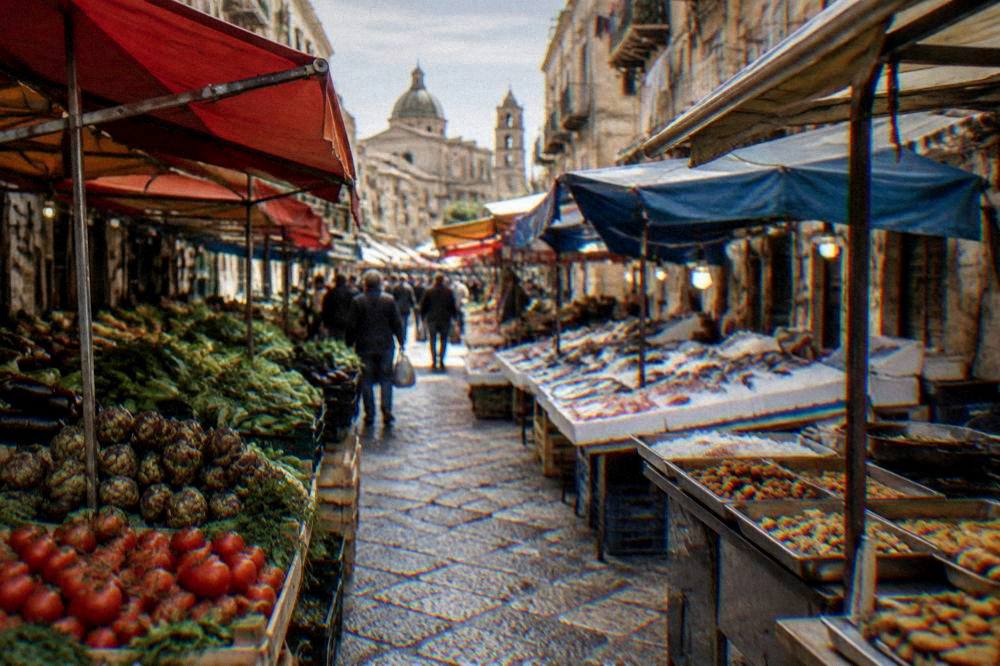
Save 112 in your phone before you arrive; it works from any phone, including without credit on Italian SIMs. For minor problems, a pharmacy is the practical first stop in any Italian city, and Palermo's central pharmacies are easy to find on the main streets.
Two entry-system facts complete the picture for non-EU visitors. The EES entry-exit system is fully operational from 10 April 2026, recording fingerprints and facial images at Schengen external borders instead of passport stamps. ETIAS, the travel authorisation for visa-exempt visitors, is not yet operational and has no fixed start date, so no authorisation is needed until an official launch is announced.
Are Day Trips From Palermo Safe?
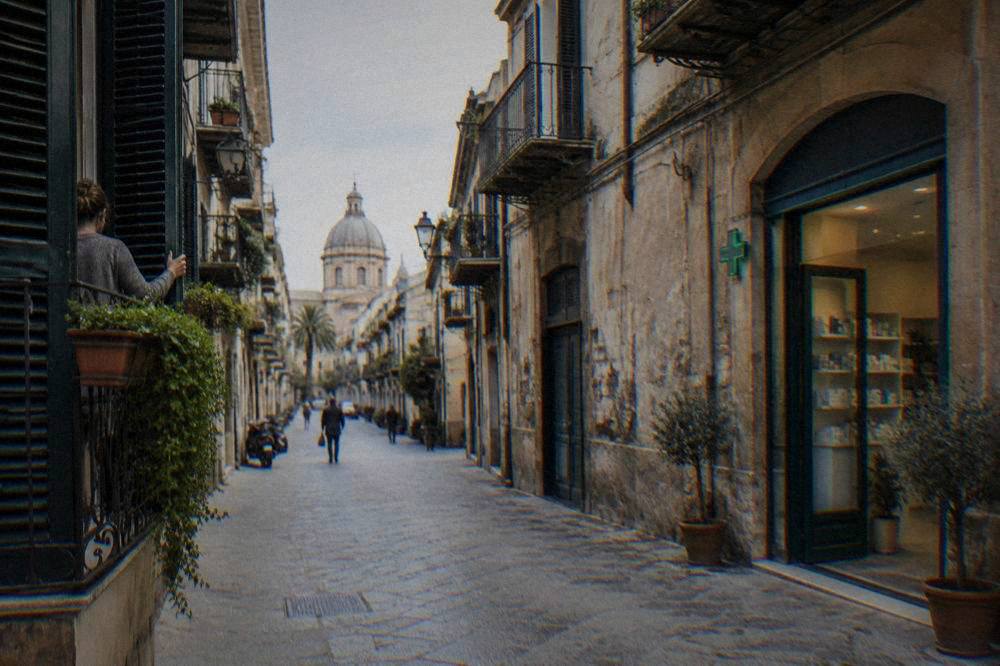
Day trips from Palermo are safe in the same ordinary sense as the city itself, and the main risk on any of them is the drive, not the destination. The routes to Monreale, Cefalu, Segesta and the western towns are ordinary regional roads and toll-free motorways, and an organised excursion transfers the driving, the parking and the timed entries to an operator.
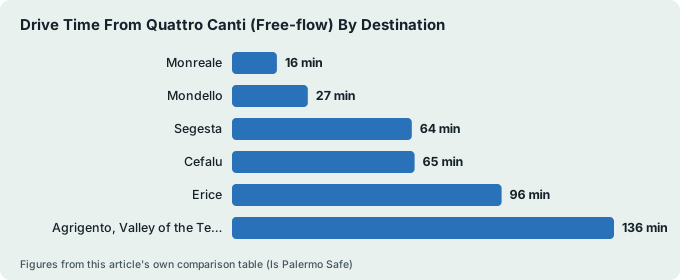
The roads themselves are the practical detail. From Quattro Canti, route calculations put Monreale 16 minutes away by road, Cefalu 65 minutes, Segesta 64 minutes, Erice 96 minutes and Agrigento about 2 h 16. The A19 and A29 motorways are toll-free. On Etna excursions, the cable car climbs from about 1,920 m to about 2,500 m, and a guide is required above about 2,500 m under current ordinances, a rule the organised tours handle.
| Destination | Drive time from Quattro Canti (free-flow) |
|---|---|
| Monreale | 16 min |
| Mondello | 27 min |
| Segesta | 64 min |
| Cefalu | 65 min |
| Erice | 96 min |
| Agrigento, Valley of the Temples | 136 min |
Guided options remove most of the remaining friction. A full-day excursion to Cefalu and Castelbuono, which this site features as its related trip, handles the coastal drive and the town visits in one booked day: Check availability. The day-trip guides, from Monreale to Cefalu and Mondello Beach, cover each route in detail.
What Practical Checks Keep A Palermo Trip Trouble-Free?
A trouble-free Palermo trip comes down to five checks: keep the bag zipped and in front in crowds and on buses, save 112 before arrival, confirm your accommodation's CIN code and registration practice, plan around heat in summer, and use regulated transport from the airport. None of these is specific to Palermo, and together they address everything the official advisories raise.
Heat deserves its own line, because the climate table gives it plainly. The modelled ERA5 normals for 1991 to 2020 put the July mean at 26.2 C and the August mean at 26.8 C, with an August mean maximum of 30.4 C. Water, shade at midday and comfortable shoes are the response, and the Palermo Weather and Best Time To Visit Palermo guides give the monthly picture.
| Month | Mean temperature C | Precipitation mm |
|---|---|---|
| January | 11.3 | 69 |
| April | 15.3 | 59 |
| July | 26.2 | 7 |
| August | 26.8 | 19 |
| October | 20.1 | 81 |
| December | 12.8 | 72 |
Accommodation rules are also part of a smooth stay. Short-term rentals must display a national CIN code and register guests through Alloggiati Web within 24 hours, with identity checked in person; a listing without a CIN code is a reason to book elsewhere. The tourist tax, collected by the accommodation, applies for a maximum of four consecutive nights, with per-night amounts set by star rating, so confirm the figure at booking.
Common Questions About Safety In Palermo
Is Palermo safe for tourists?
Yes, under the standard precautions the US State Department and UK FCDO give for all of Italy: petty crime such as pickpocketing and bag-snatching occurs around tourist sites and on public transport, so keep bags closed and in front. Neither advisory restricts travel to Palermo or names any district to avoid.
Is Palermo safe at night?
The historic centre is active in the evenings around Via Maqueda, the Teatro Massimo area, Piazza Marina and the Vucciria, and no official source names a district to avoid after dark. Ordinary city care applies: lit and busy streets, bags in front, phones not left on tables.
Is Palermo safe for solo female travellers?
The official advisories make no distinction by traveller type, and the risks they name are opportunistic theft, not targeted harassment. Solo visitors should apply the same habits as in any Italian city: stay on populated streets at night and keep valuables secure in crowds.
Are there areas to avoid in Palermo?
No official advisory, from the US State Department or the UK FCDO, names any Palermo neighbourhood as one to avoid. This site publishes no avoid-list for the same reason: the sources that would support one do not exist.
What is the emergency number in Palermo?
112 is the single European emergency number and reaches police, medical and fire services in Palermo. The alternatives are 118 for medical emergencies, 115 for fire and 113 for police.
Is Palermo affected by the Mafia?
The city's anti-mafia memory is part of its public life rather than a visitor risk: the Falcone tree at Via Notarbartolo, the Capaci monument beside the A29 tied to 23 May 1992, and Corleone's anti-mafia documentation centre with guided visits. The official travel advisories raise no Mafia-related concern for visitors.
Palermo asks of its visitors what every large Italian city asks: attention in crowds, care crossing streets, and a phone with 112 saved. Plan around traffic and August heat, book day trips with operators whose terms you can read in advance, and the city rewards the preparation.
