Palermo To Cefalu
Cefalu sits on Sicily's north coast about an hour from Palermo by rail, with a free-entry cathedral, a walled rocky climb and a sandy beach that starts in the town centre. This page sets out the ways to make the journey, what the day costs and how the pieces fit together.
Short answer
The train from Palermo Centrale to Cefalu takes about 39 to 60 minutes and runs about hourly, which makes Cefalu one of the easiest day trips from Palermo. Cefalu Cathedral is free to enter, the paid tower and museum itineraries cost 10 and 13 EUR, and La Rocca costs 5 EUR full and 2.50 EUR reduced.
Cefalu is the seaside town on Sicily's north coast that Palermo keeps sending its visitors to, and the reason is practical: the rail line runs along the shore and puts you there in under an hour. The municipal tourism pages in both towns treat the route as a standard day out, and the timetables support that. What follows is the journey itself, the costs once you arrive and a realistic shape for the day, in the words of the operators and official pages that publish the figures.
For the wider picture of the coast and the other towns within reach, the Cefalu area guide on this site covers the town itself in depth, and is Cefalu a good day trip from Palermo answers the yes-or-no question directly. This page stays on the corridor between the two towns.
How Do You Get From Palermo To Cefalu?
The practical answer is the coastal train from Palermo Centrale, which takes about 39 to 60 minutes and runs about hourly through the day, with roughly 19 to 24 direct services daily. By road the same journey is 71.5 km and about 65 minutes free-flow from Quattro Canti, and a coach service also runs from the stops near the station, taking longer than the train.
To compare times and fares for the coastal train, book a train ticket here.
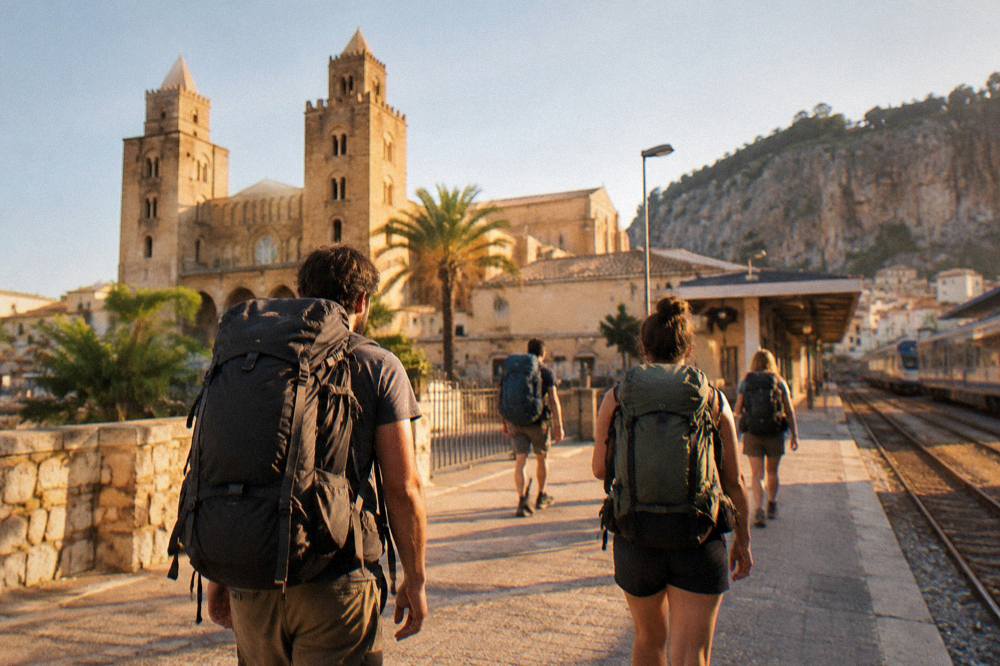
Palermo Centrale is the city's main railway station, with the bus stops and the taxi rank directly outside, so both the rail and coach options start from the same place. The Trenitalia regional service hugs the coast for the whole run, and the timetable references for the route show the fastest trains completing it in around 39 to 42 minutes with the slower stopping services closer to an hour.
The coach alternative departs from Via Balsamo near the station, takes about 1 hour 29 minutes to 1 hour 35 minutes and runs several times a day, with limited service on Sundays. Driving yourself means the A20 coastal motorway and then the descent into town; parking in Cefalu in summer is the part worth checking before you commit, because the historic centre is compact and largely reserved for residents.
| Option | Where it starts | Journey time | Frequency |
|---|---|---|---|
| Trenitalia regional train | Palermo Centrale | about 39 to 60 minutes | about hourly, 19 to 24 direct trains a day |
| Coach from Palermo | Via Balsamo, near Palermo Centrale | about 1 h 29 to 1 h 35 | several daily, limited Sundays |
| Car from Quattro Canti | city road network | 71.5 km, about 65 minutes free-flow | any time |
If your day in Palermo starts at the airport rather than in the city, the Palermo airport guide and the airport to city centre guide cover getting as far as the station, which is where this route begins.
How Long Does The Train From Palermo To Cefalu Take?
The Palermo to Cefalu train takes about 39 to 60 minutes depending on the service, with the fastest trains around 39 to 42 minutes and the stopping services closer to the hour mark. There are about 19 to 24 direct trains a day, roughly one an hour through the daytime, so the timetable lets you build a day trip around a morning out and a late afternoon return.
That frequency is the quiet advantage of this route over every other day trip from Palermo. Monreale has no rail line at all, Segesta and Agrigento have a handful of daily services, but Cefalu is served all day at a near-clockface rhythm, which means a missed train costs you an hour and nothing more. The timetable references this site holds show the pattern holding on weekdays and weekends alike, though seasonal adjustments are always possible, so the Trenitalia page is the place to confirm the day you travel.
Buying the ticket is standard regional practice: tickets go on sale at the station and through the operator's own channels, and regional tickets need to be validated before boarding where paper is used. Seats cannot be reserved on regional services, so in July and August the mid-morning departures fill up, and the same is true of the returning late-afternoon trains out of Cefalu. An earlier start in both directions is the simple fix.
Is Cefalu A Good Day Trip From Palermo?
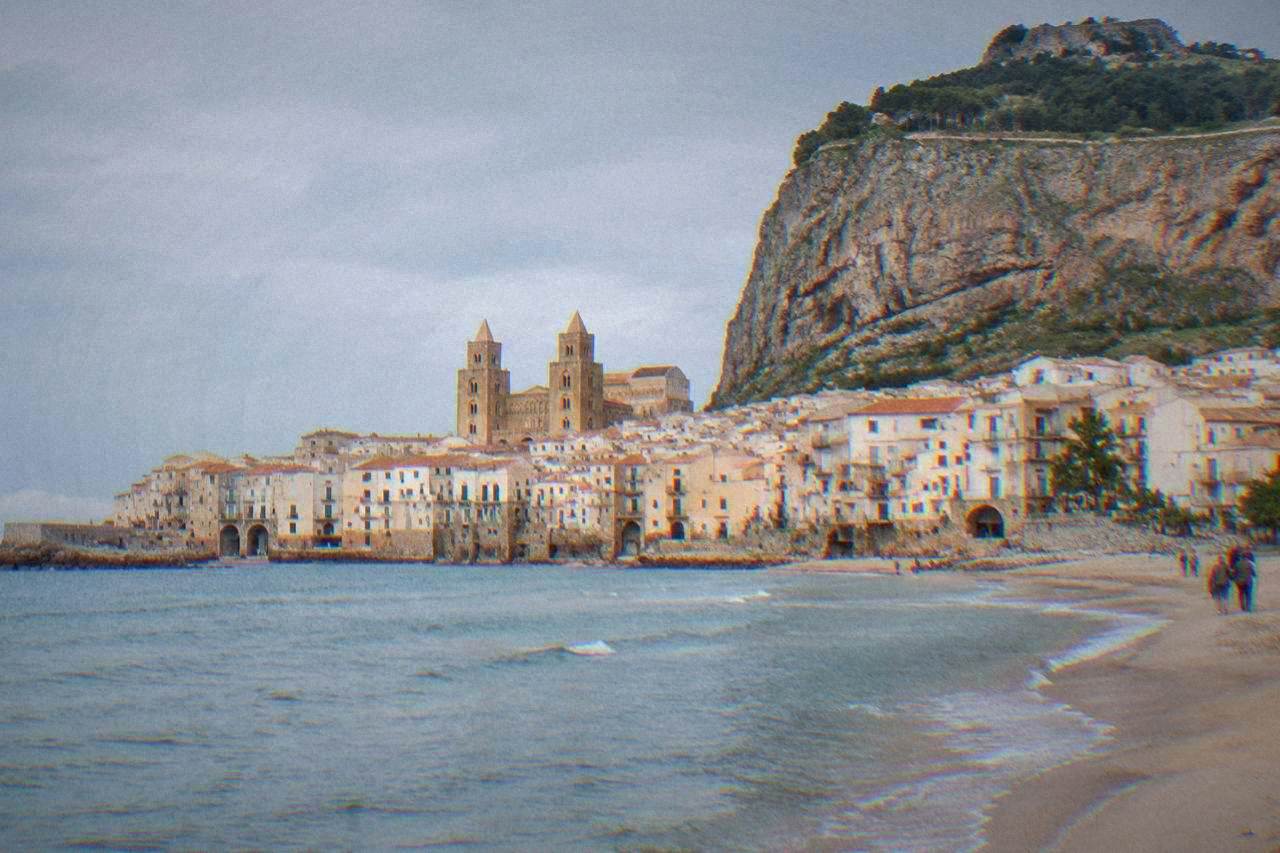
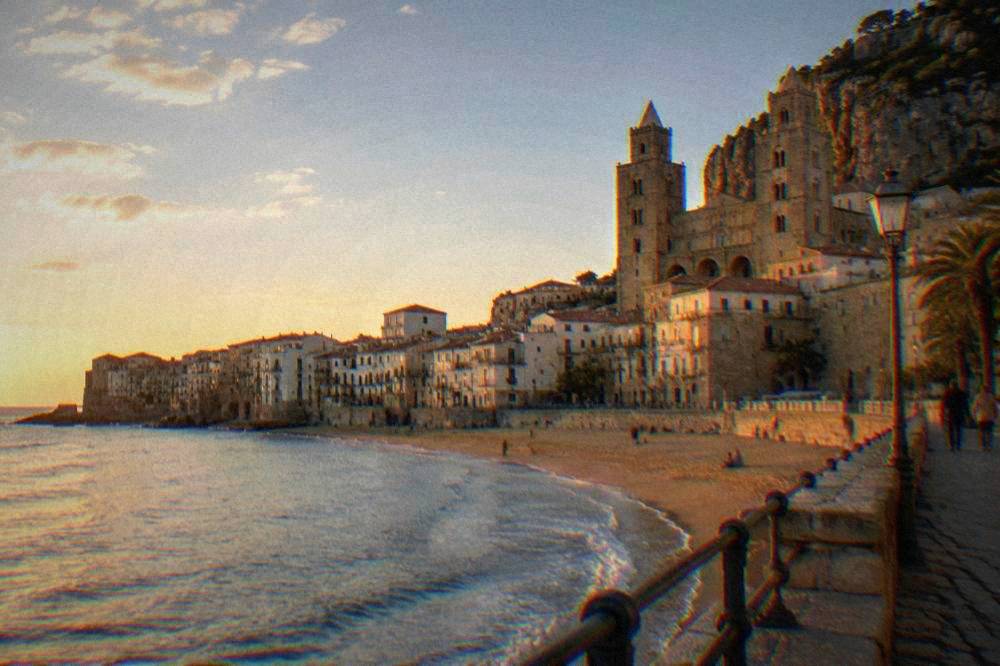
Cefalu works as a day trip precisely because the town's three anchors sit within a short walk of each other: the cathedral with its free entry, the La Rocca climb above the town, and the sandy beach that runs along the seafront in the centre. All three are reachable on foot from the station, and the train frequency means the day can be as long or as short as the timetable allows.
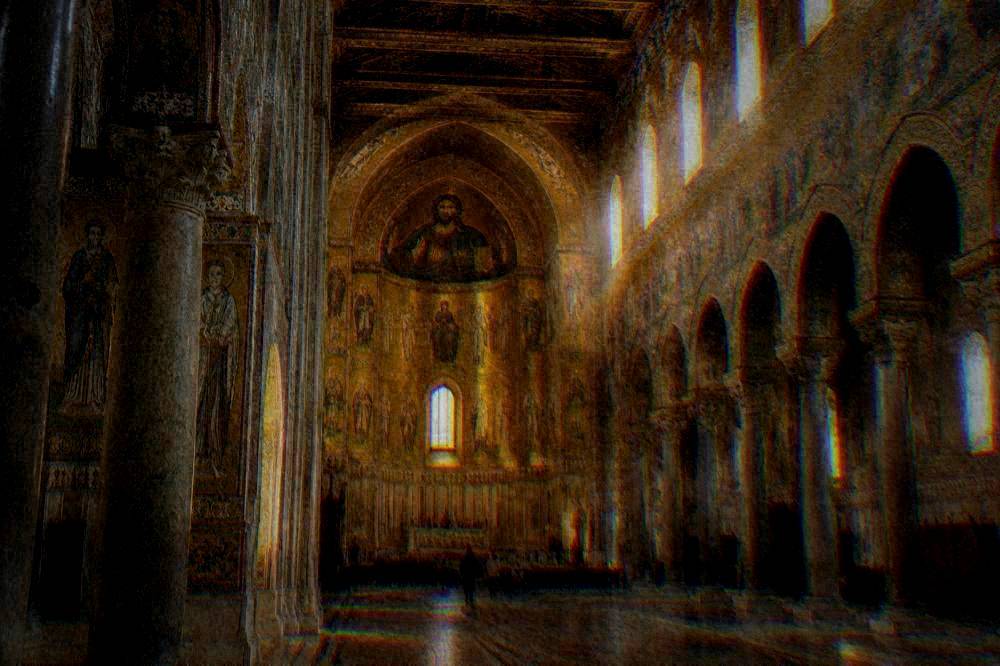
The official Visit Cefalu pages present the town exactly that way, as a compact historic centre under a rock, with the cathedral, the Rocca park and the beach as the headline items. The cathedral is a UNESCO World Heritage component as part of the Arab-Norman Palermo and the Cathedral Churches of Cefalu and Monreale inscription, which the UNESCO listing records as inscribed with nine components across the two cities. The beach needs no planning beyond a towel: the Visit Cefalu pages describe a long sandy stretch of roughly 1 km along the seafront promenade in the town centre, partly free and partly equipped with loungers and bars.
The one structural decision of the day is La Rocca. The climb is a real one, on paved and unpaved paths, and the site's own information page sets conditions: closed shoes required, sandals prohibited, no unaccompanied minors, and water carried, with midday summer heat explicitly advised against. Do the Rocca in the morning while the air is still cool, keep the cathedral and the town for the middle of the day, and end on the beach before the return train.
The where to stay in Palermo guide covers the districts in the city that make an early train easiest, if the day trip is part of a longer stay.
What Does A Day In Cefalu Look Like Hour By Hour?
A workable shape is a train out around 9:00, La Rocca first while the climb is cool, the cathedral and the old town through the middle of the day, lunch near the seafront, the beach for the afternoon, and a return train in the early evening, giving roughly eight hours on the ground without ever needing a car.
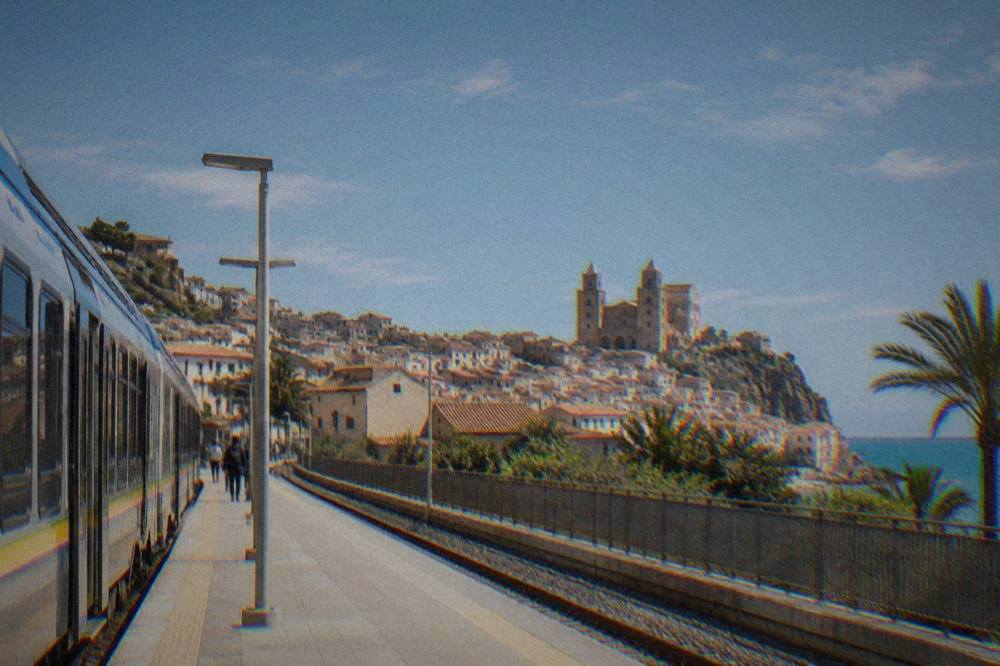
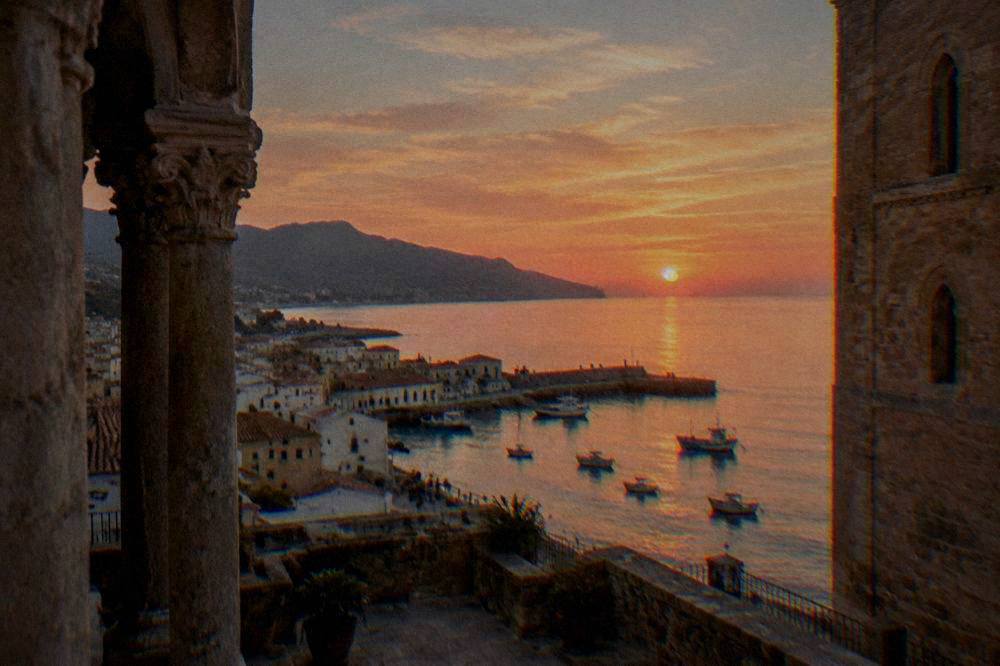
The station sits at the edge of the historic centre, and the walk into town is short and flat. From there the day sorts itself naturally. The Rocca entrance is signposted from the streets below the rock; the cathedral stands on the main square a few minutes from the seafront; and the beach starts at the promenade itself, with stairs down from the promenade and access from the Old Pier area, as the Visit Cefalu pages describe. Nothing in the itinerary requires transport once you have arrived.
One adjustment worth making: if you are travelling in July or August, invert the beach and the Rocca, going up the rock at opening time and holding the beach until the afternoon heat. The site's own guidance about avoiding midday in summer applies to the climb, not to the water. In the cooler months the beach becomes a walk rather than a swim and the day gains an extra hour of town.
How Much Do Cefalu Tickets Cost?
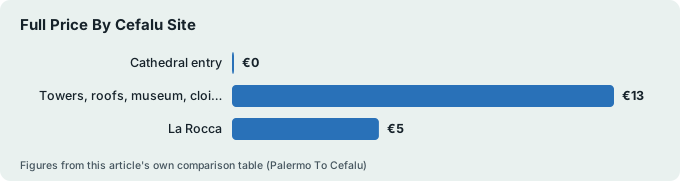
Cefalu Cathedral is free to enter, while the paid itineraries covering the towers, roofs, museum and cloister cost 13 EUR full and 10 EUR reduced for one itinerary and 10 EUR full and 8 EUR reduced for another, and La Rocca costs 5 EUR full and 2.50 EUR reduced, with free entry for town residents.
The cathedral's pricing structure is unusual and worth reading carefully. Entry to the cathedral itself costs nothing; what carries a charge are the named itineraries that open the towers, the roofs, the museum and the cloister. The Visit Cefalu and cathedral FAQ pages list a Red itinerary at 13 EUR full and 10 EUR reduced, and Blue and Green itineraries at 10 EUR full and 8 EUR reduced, with free entry for children under 5 and holders of the EU disability card among the listed exemptions. Hours for the paid areas run 10:00 to 13:00 and 15:00 to 19:00, while the cathedral itself opens 8:30 to 13:00 and 15:00 to 19:00, all subject to change. More of these guides are collected on Palermo Italy Travel Guide.
La Rocca is priced separately at 5 EUR and 2.50 EUR reduced, free for residents, and payment and access conditions are on the park's own information page.
| Cefalu site | Full price | Reduced price | Notes |
|---|---|---|---|
| Cathedral entry | free | free | daily 8:30 to 13:00 and 15:00 to 19:00, subject to change |
| Towers, roofs, museum, cloister, Red itinerary | 13 EUR | 10 EUR | paid areas 10:00 to 13:00 and 15:00 to 19:00 |
| Towers, roofs, museum, cloister, Blue and Green itineraries | 10 EUR | 8 EUR | discounts and free-entry cases listed on the cathedral FAQ |
| La Rocca | 5 EUR | 2.50 EUR | free for residents, closed shoes required |
What Is The Best Way To Travel Palermo To Cefalu Without A Car?
The train is the best car-free option by a clear margin: about 39 to 60 minutes, about hourly, and arriving at the edge of the historic centre, against roughly 1 hour 29 to 1 hour 35 minutes for the coach and a driving route that trades speed for the problem of parking in a busy seaside town.
The coach does have one thing going for it, which is the departure point on Via Balsamo beside Palermo Centrale, so if a train time does not fit, the coach is the fallback rather than a reason to change plans. Its Sunday service is limited, though, and the timetable references note that clearly. A third car-free option is a guided excursion: this site features the Cefalu and Castelbuono full day excursion, which adds an inland town to the day and removes every timing decision, and you can Check availability if that shape suits you better than the rails.
For getting to the station itself from elsewhere in Palermo, the getting around Palermo guide covers the buses and trams that converge on the Centrale area.
What Should You Not Miss In Cefalu?
The three anchors are Cefalu Cathedral with its free entry and paid tower itineraries, the La Rocca climb to the Temple of Diana and the castle ruins, and the town-centre beach along the promenade, and all three are what the official Visit Cefalu pages themselves lead with when they describe the town.
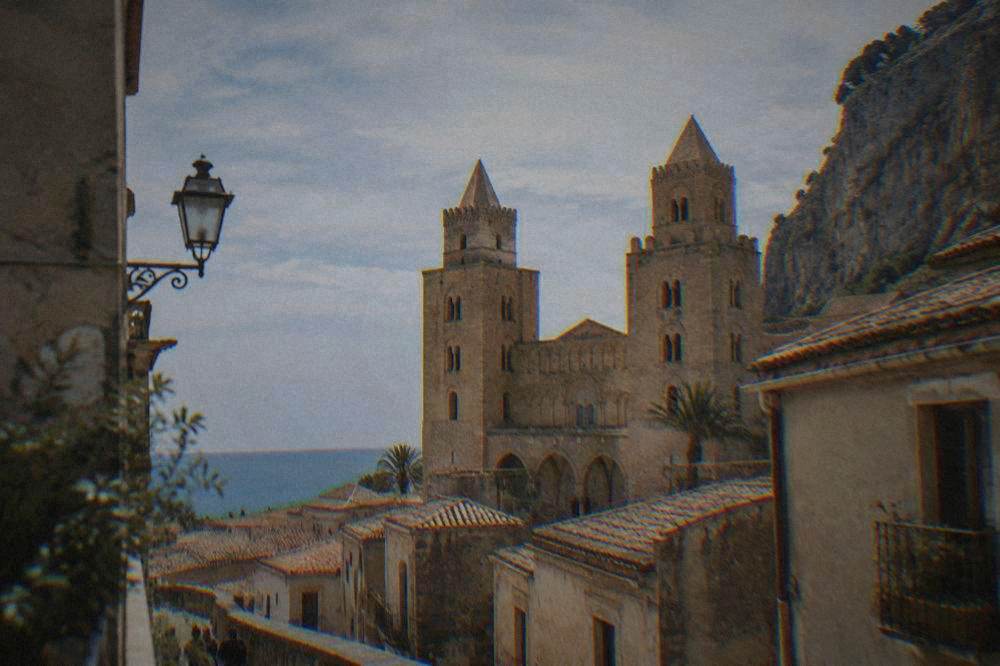
The cathedral deserves longer than a photograph. As a UNESCO component of the Arab-Norman Palermo and the Cathedral Churches of Cefalu and Monreale inscription, it is one of the nine listed buildings that the 2015 inscription covers across Palermo, Cefalu and Monreale. The interior is free to enter, and the paid itineraries open the towers and roofs, which the site's pages note come with their own access conditions.
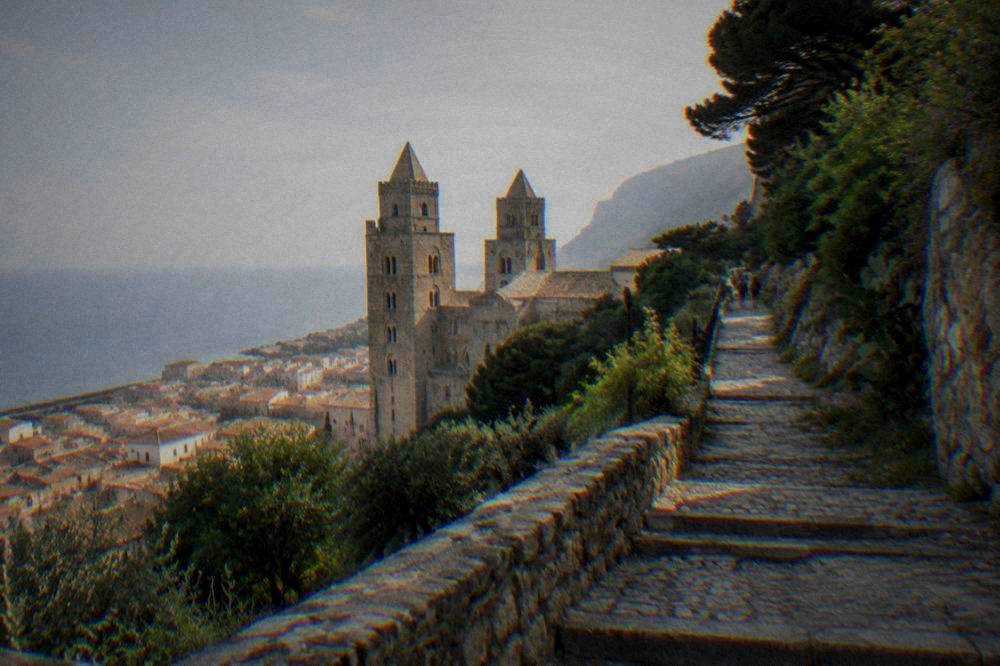
La Rocca is the view and the walk in one. The park's trails reach archaeological sites, the Temple of Diana, the castle ruins and viewpoints over the town and the sea. The rules are posted and enforced: closed shoes, no sandals, no unaccompanied minors, no fires or camping, and water carried. The beach, finally, needs no ticket at all on its free stretches, with equipped lido sections available where you want a lounger.
For anyone building the wider week, Cefalu pairs naturally with the other coastal and inland days out covered on this site, and the Palermo beaches guide is the place to compare Mondello with the Cefalu shore before choosing which sand day to spend where.
When Is The Best Time Of Year For The Palermo To Cefalu Trip?
The warm months from May to September give the trip its full shape, with beach weather and the longest days, but the climate table shows Palermo's July and August means at 26.2 and 26.8 C, which makes the La Rocca climb an early-morning affair, while May, June and September combine warmth with the midday heat the Rocca rules warn against.
The climate figures this site holds are the modelled ERA5 normals for 1991 to 2020, and they show the coast warming from a March mean of 13 C through 19.1 C in May to the July and August peaks, with September still at 23.4 C and October at 20.1 C. Rain is the other lever: October is the wettest month at 81 mm and July the driest at 7 mm, so the shoulder months trade a little storm risk for cooler climbing. Sea swimming is a June-to-September activity on these numbers; in winter the trip becomes a town-and-cathedral day with the beach as a walk.
Day length matters too, because the return train frequency thins in the evening. In midsummer you can leave Cefalu at 20:00 in daylight; in December the sensible return is two or three hours earlier, which shortens the whole day by more than the timetable does.
| Month | Mean temperature | Rainfall | Suitability for the day trip |
|---|---|---|---|
| March | 13 C | 67 mm | town and cathedral day, cool climb |
| May | 19.1 C | 36 mm | full day, comfortable Rocca climb |
| July | 26.2 C | 7 mm | full day, climb early, beach afternoon |
| August | 26.8 C | 19 mm | full day, climb early, busiest month |
| September | 23.4 C | 61 mm | full day, sea still warm, fewer crowds |
| October | 20.1 C | 81 mm | town day, wettest month, carry a layer |
The Palermo weather and best time to visit Palermo guides carry the full monthly table and the same reasoning applied to the whole trip.
Should You Stay Overnight In Cefalu Or Return To Palermo?
The train frequency makes returning to Palermo the default, since an about-hourly service runs until evening and the journey takes about 39 to 60 minutes, but an overnight stay changes the character of the town, because the day visitors leave on the late-afternoon trains and the evening streets, the seafront and the morning light on La Rocca belong to the people who stayed.
The comparison question is answered in full on the is it better to stay in Cefalu or Palermo page of this site. The short version is that Palermo holds the transport hub, the airport connection and the restaurant weight, while Cefalu rewards a single relaxed night with the hours the day-trip timetable removes. Anyone staying in the city should also read the how many days in Palermo guide to see where a Cefalu day fits inside a longer itinerary.
A practical middle path exists too: take the first train of the morning out and one of the last back, which turns a day trip into something close to a 12-hour visit without a hotel night. The frequency supports it, and the beach makes the long evening easy to fill.
What Should You Bring For The Day?
The list is short and driven by the posted rules rather than preference: closed shoes for La Rocca, where sandals are prohibited, water for the climb, swimwear and a towel for the beach, and a layer for the sea breeze, plus tickets bought in advance if you want the cathedral towers rather than the free nave alone.
The Rocca's own information page sets the footwear and water requirements, and they are enforced at the entrance. The beach needs nothing booked on its free stretches, though the equipped lido sections charge for loungers. The cathedral's paid itineraries are worth booking ahead in high season per the site's advice, while the free nave has no such pressure. Cash for small purchases still matters in the smaller shops of the old town, and the emergency number across Italy is 112.
Common Questions About Palermo To Cefalu
How do you get from Palermo to Cefalu?
The Trenitalia regional train from Palermo Centrale to Cefalu takes about 39 to 60 minutes and runs about hourly, with roughly 19 to 24 direct trains a day. A coach from Via Balsamo near the station takes about 1 hour 29 to 1 hour 35 minutes, and driving is 71.5 km and about 65 minutes free-flow from Quattro Canti.
How long is the train from Palermo to Cefalu?
The fastest services complete the journey in about 39 to 42 minutes and the stopping trains take closer to an hour, so the working range is about 39 to 60 minutes. The fare for this route is shown on the Trenitalia ticket page when you book.
Is Cefalu a good day trip from Palermo?
Yes, and the train frequency is the reason: about-hourly departures both ways let you set the length of the day yourself. The cathedral is free to enter, La Rocca costs 5 EUR full and 2.50 EUR reduced, and the town-centre beach is partly free, so the whole day needs no car.
How much does it cost to visit Cefalu Cathedral?
Entry to the cathedral is free. The paid itineraries covering the towers, roofs, museum and cloister cost 13 EUR full and 10 EUR reduced for the Red itinerary, and 10 EUR full and 8 EUR reduced for the Blue and Green itineraries, with discounts and free-entry cases listed on the cathedral FAQ.
Can you swim in Cefalu on a day trip from Palermo?
Yes, the sandy beach runs along roughly 1 km of seafront promenade in the town centre, partly free and partly equipped with loungers and bars, and it is a short walk from the station. On the modelled 1991 to 2020 climate normals the warmest months are July at 26.2 C and August at 26.8 C, with September still at 23.4 C.
Is it better to stay overnight in Cefalu or return to Palermo?
The about-hourly train until evening makes returning to Palermo the easy default. An overnight stay gives you the town after the day visitors leave, and the fuller comparison is on this site's dedicated page on whether to stay in Cefalu or Palermo.
The corridor between Palermo and Cefalu is the simplest big day trip the island offers: one station, one train, one rock, one free cathedral and a beach at the end of the street. Check the Trenitalia page for the day's departures, wear closed shoes for the Rocca, and let the timetable decide how long you stay.