Zisa Palace Palermo
The Zisa Palace stands at the western edge of the Palermo historic centre, a UNESCO-listed palace with a fountain hall, gardens and a museum wing, open Tuesday to Saturday with shorter Sunday hours.
Short answer
The Zisa Palace in Palermo is one of the nine components of the UNESCO Arab-Norman Palermo listing and is open Tuesday to Saturday 09:00 to 19:00 and Sunday 09:00 to 13:30, closed Monday. Ticket prices are shown at the ticket point and on the operator's page, and state museums are free on the first Sunday of the month.
The Zisa Palace stands in the north-west of Palermo, the coastal capital of Sicily on the Tyrrhenian Sea, and it is one of the nine components the UNESCO World Heritage listing groups under the name Arab-Norman Palermo and the Cathedral Churches of Cefalu and Monreale, inscribed in 2015. The palace is a castle-like summer residence set in gardens, with a fountain hall at its heart, and it sits close to the Cantieri Culturali alla Zisa, the cultural quarter that has grown up around it.
What Is The Zisa Palace In Palermo?
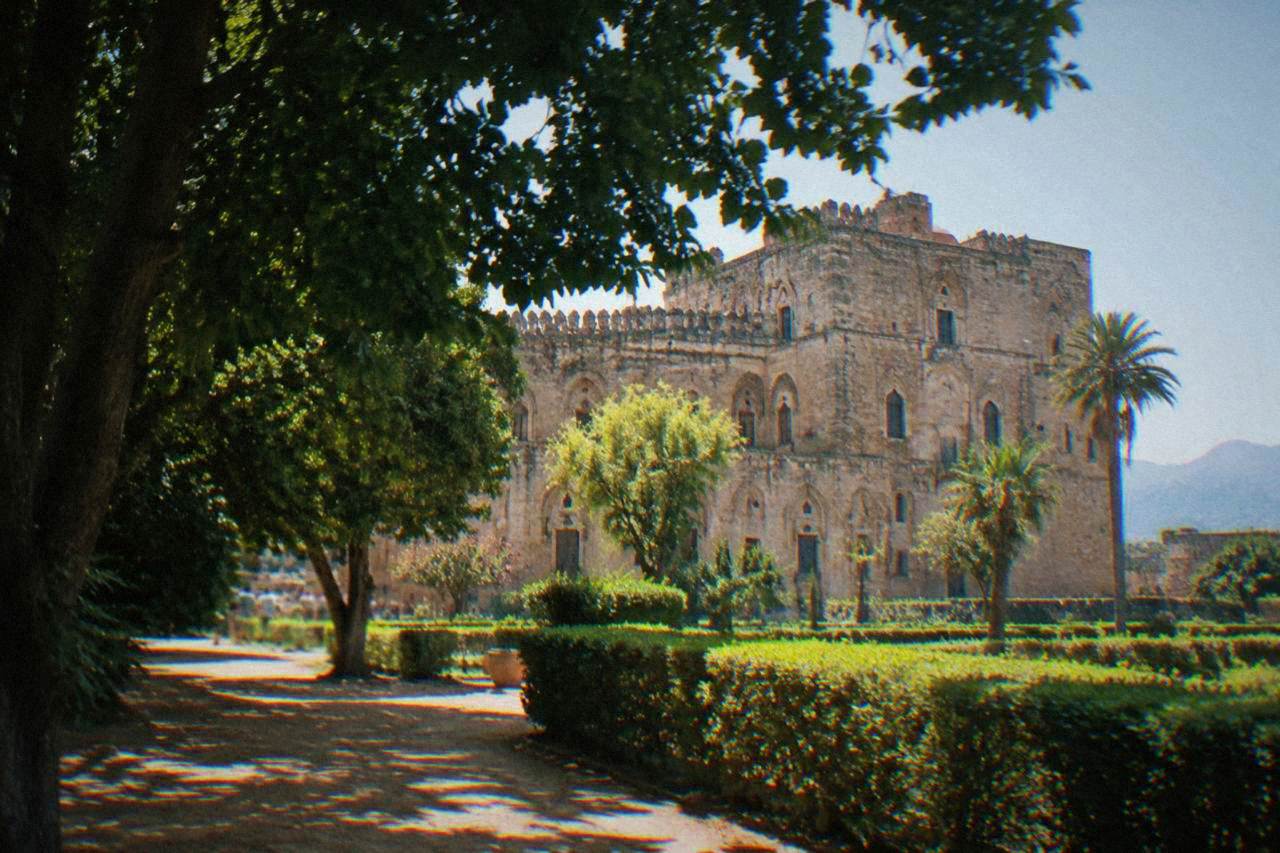
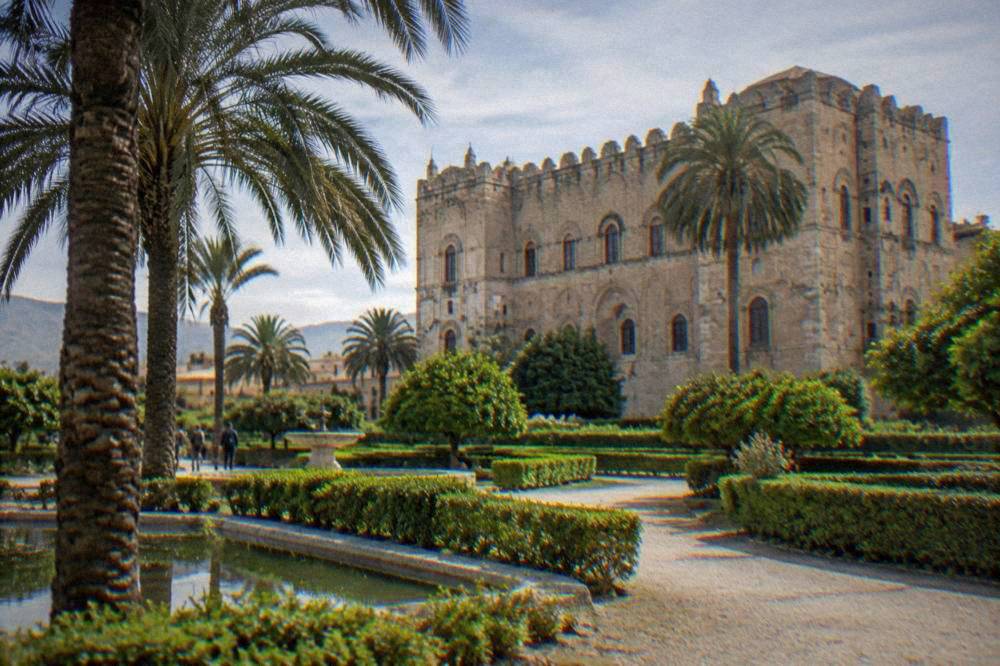
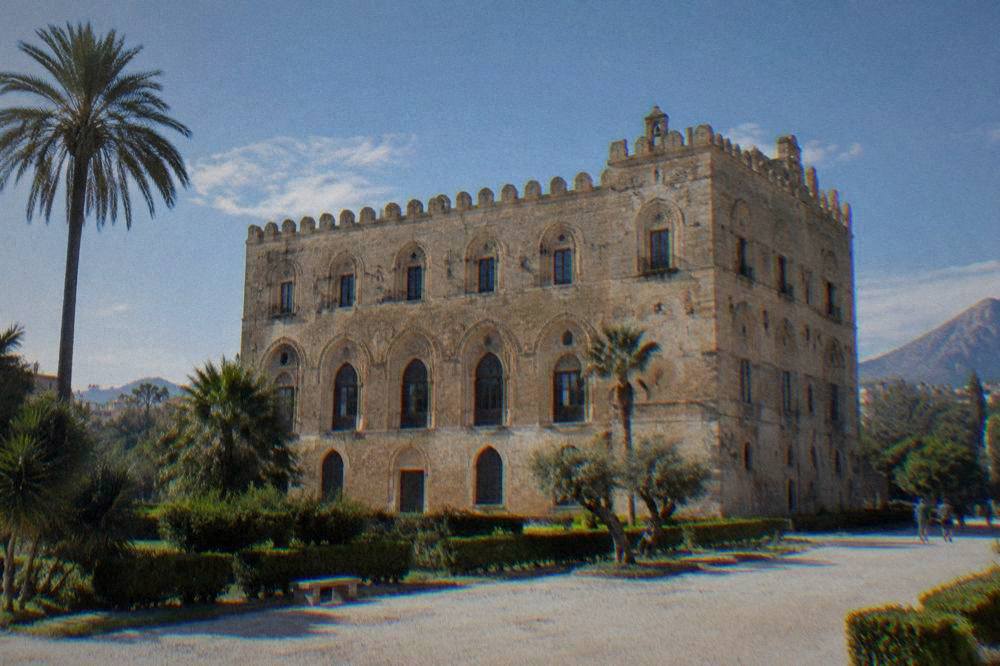
The Zisa Palace is a former royal summer residence on the western edge of central Palermo, begun for the Norman court and listed since 2015 as one of the nine components of the UNESCO property named Arab-Norman Palermo and the Cathedral Churches of Cefalu and Monreale. The building takes the form of a compact palace with a three-storey front, a fountain hall on the ground floor and gardens in front, and the listing presents it as the clearest surviving example of the court's pleasure architecture.
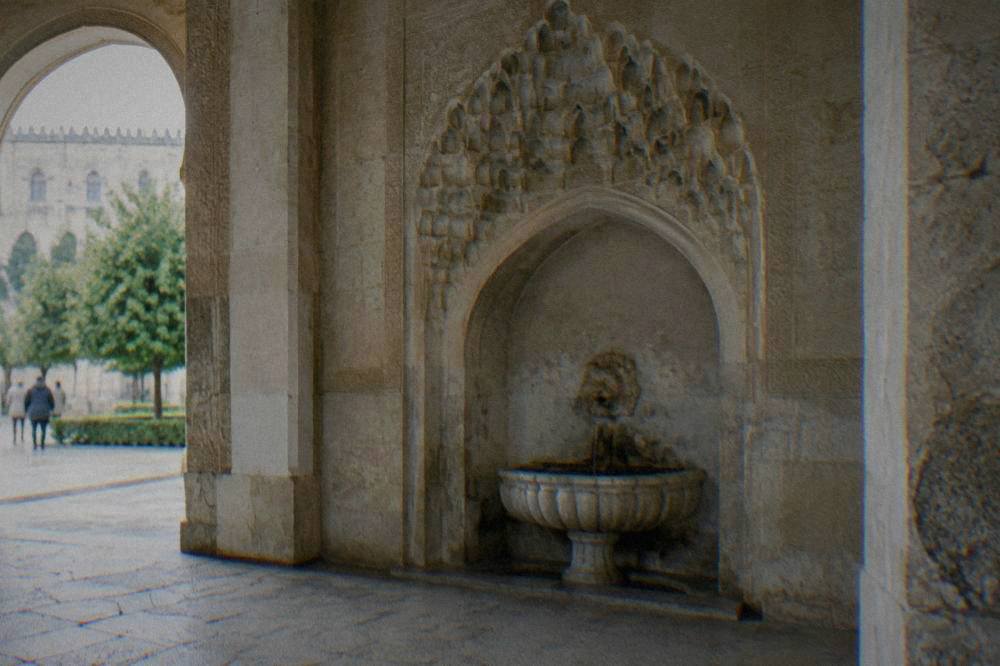
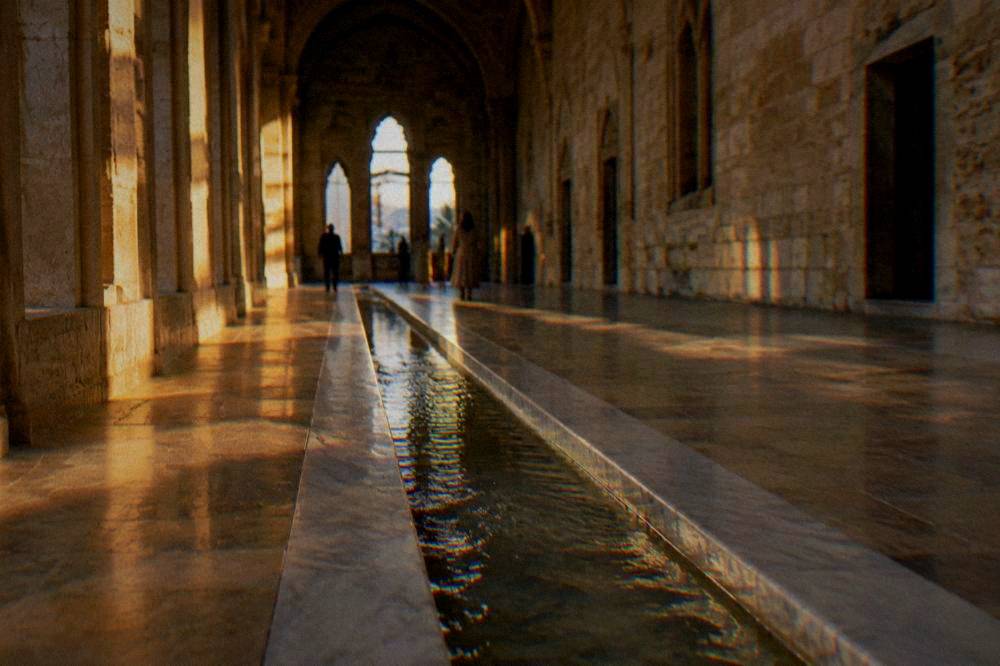
The palace was designed as a retreat from the city heat, and its plan makes that purpose plain. The ground floor is a single cool hall, the Sala della Fontana, where water once ran through a wall fountain and a channel across the floor, an arrangement the Sicilian court borrowed from the gardens and halls of North African palace culture rather than from the stone keeps of northern Europe. The upper floors hold the museum display, and the whole building is small enough that a visit runs to a handful of rooms rather than a long route.
The name itself is a corruption of the Arabic al-Aziza, meaning the splendid, and the palace is one of the stops on any route through Palermo's layered heritage, alongside the Norman Palace in the centre and Palermo Cathedral a short distance away. The UNESCO listing ties the Zisa to eight other monuments across Palermo, Cefalu and Monreale, and the table further down this page lists all nine components so the visit can be planned as part of that set.
To link those heritage stops around Palermo, book a hop-on hop-off bus ticket here.
The palace is easiest to reach on a half-day that also takes in the Botanical Garden or a walk back through the historic centre toward the Quattro Canti. Palermo's old town is compact, and the Zisa sits just outside its western edge, which makes it a natural first or last stop on a day that runs from the gardens to the seafront at the Foro Italico.
What Are The Zisa Palace Opening Hours?
The Zisa Palace opens Tuesday to Saturday from 09:00 to 19:00 and on Sundays and public holidays from 09:00 to 13:30, and it is closed on Mondays. The hours come from the palace's listing page, which also carries the seasonal variations and one-off closures, so the day of the week is the first thing to check when planning a visit, because a Monday arrival will find the doors shut.
The weekly pattern matters more at the Zisa than at some Palermo sights because the Sunday window is short. A Sunday visit needs an arrival soon after 09:00 to leave time for the fountain hall, the upper floors and the gardens. On weekdays the long closing hour means the palace can be paired with a morning elsewhere, for example the Ballarò market in the morning and the Zisa in the middle of the afternoon.
| Day | Hours | Notes |
|---|---|---|
| Monday | Closed | No access |
| Tuesday to Saturday | 09:00 to 19:00 | Last entry earlier than closing |
| Sunday and holidays | 09:00 to 13:30 | Short window, arrive early |
| First Sunday of the month | Free entry at many state and regional museums | Confirm per site before relying on it |
The palace shares its ticketing administration with the regional museum network, and closures for maintenance or events are posted on the operator's page rather than on a single municipal calendar. As with the Capuchin Catacombs and other Palermo sites with seasonal schedules, the safe habit is to check the listing on the morning of the visit.
The climate table gives one more reason to time the visit: Palermo's modelled 1991 to 2020 normals show July and August means of 26.2 and 26.8 C, with an August mean maximum of 30.4 C. The Zisa's thick walls and fountain hall are at their best in exactly those months, and the gardens have little shade at midday, so the morning or late-afternoon slots are the comfortable ones in high summer.
How Much Do Zisa Palace Tickets Cost?
The Zisa Palace's ticket price is shown at the ticket point and on the operator's booking page, and the palace's own listing pages carry no fixed published price to quote here, so the live figure should be read at booking.
What can be stated is the access pattern: entry is by ticket at the entrance, state and regional museums across Palermo are free on the first Sunday of the month subject to confirmation per site, and the Zisa falls under the regional museums network whose combined ticket options are listed on the operator's page.
This is the honest position, and it is the same position this site takes on the Palermo Cathedral's monumental area, where the official hours page likewise publishes hours without a printed price. The Zisa is administered through the regional museum system, the same system that runs the Salinas Archaeological Museum at EUR 7 full and EUR 3.50 reduced and the Palazzo Steri at EUR 8 full and EUR 5 reduced with a guided tour included, so a combined ticket covering several sites is often the better value once the live prices are compared on the operator's page.
After a palace morning, the sea is the other half of a Palermo day. The city's harbour runs boat trips along the coast toward Mondello and Capo Gallo, and the operator's live listing shows what each departure includes.
The first-Sunday rule deserves its own line in any budget plan. Across Palermo, state and regional museums including the Zisa's network typically open free of charge on the first Sunday of each month, and the same rule applies at the Salinas, the Palazzo Abatellis when open, and the regional archaeological parks at Segesta and Agrigento. The free day draws crowds, so an early start is the trade-off for the saving.
| Site in Palermo | Full ticket | Reduced | Free first Sunday |
|---|---|---|---|
| Zisa Palace | Shown at ticket point and on operator's page | Shown at ticket point | Confirm per site |
| Salinas Archaeological Museum | EUR 7 | EUR 3.50 | Yes, confirm per site |
| Palazzo Steri, guided tour included | EUR 8 | EUR 5 | Confirm per site |
| Galleria d'Arte Moderna | EUR 10 | EUR 8 | Yes, with limits |
| Marionette Museum | EUR 5 | EUR 3 | Confirm per site |
| Teatro Massimo guided tour | EUR 14 | EUR 7 under 26 | Not part of the scheme |
One closure to plan around: the Palazzo Abatellis in the Kalsa district began a planned closure of about 18 months from mid-July 2026 for climate-control works, with no reopening date set, so the Zisa and the Salinas carry more of the city's museum weight while that gallery is dark.
What Can You See Inside The Zisa Palace?
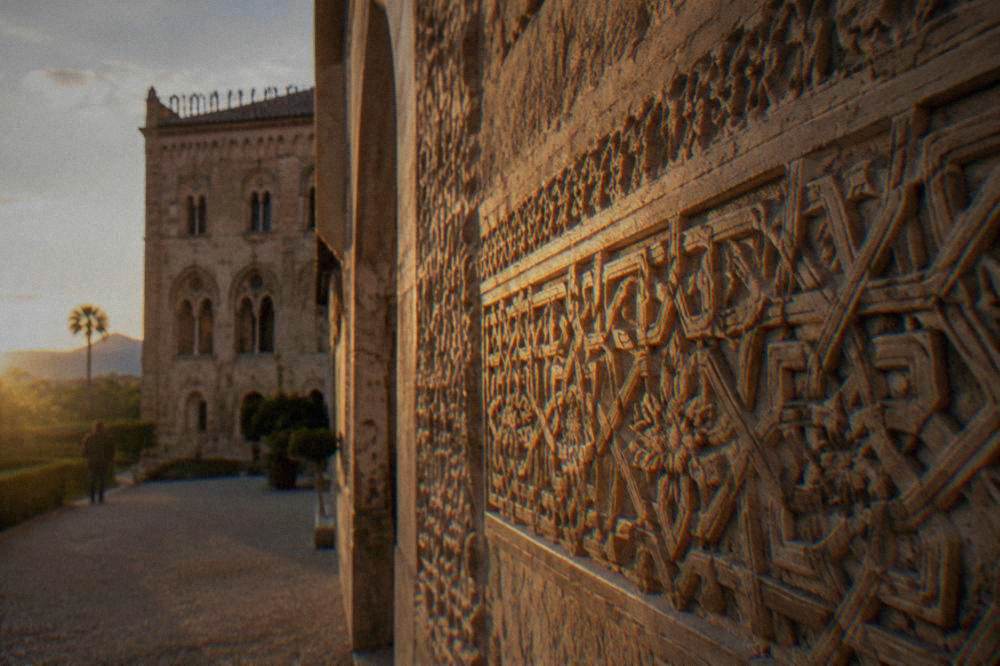
The visit covers the Sala della Fontana on the ground floor, a hall where a wall fountain, a water channel and carved stucco decoration survive from the palace's original scheme, plus the museum rooms above it and the gardens in front. The hall is the reason the building is listed: the fountain wall carries an inscription and muqarnas-style vaulting over the niches, and the water course that once ran the length of the floor is the clearest surviving example of the cooling system the summer palace was built around.
The fountain hall works as a piece of engineering as much as decoration. Water was raised to a tank and released through the wall fountain, then ran across the hall in an open channel, cooling the air as it moved, and the planting outside extended the same idea. Nothing else in the UNESCO set shows this palace type as completely, which is why the listing names the Zisa separately from the great churches. The wider set of guides lives on Palermo Italy Travel Guide.
Above the hall, the museum floors hold the Islamic Museum display, with material from the Sicilian court period and from the wider Mediterranean world the court drew on, including ceramics, architectural fragments and items tied to the palace's own history. The rooms are modest in number, and the display labels are the main guide, so a visit of the fountain hall, the museum floors and the garden runs comfortably inside an hour and a half at a relaxed pace.
The gardens in front of the palace were replanted as a public park, and they frame the facade for photographs in the morning light. Beyond the gardens, the street leads directly into the Cantieri Culturali alla Zisa, a former industrial complex now given over to cultural spaces, events and studios, which the local press covers as one of the city's active cultural venues. No ticket is needed to walk the district, and the pairing of a listed palace with a working cultural quarter is one of the more distinctive afternoons in Palermo.
For a sense of how the Zisa slots into a day, the itinerary pages help: one day in Palermo keeps to the historic core, while two days in Palermo and three days in Palermo leave room for the Zisa and the coast.
Why Is The Zisa Part Of The UNESCO Arab-Norman Listing?
The Zisa is one of the nine components of the UNESCO World Heritage property inscribed in 2015 under the name Arab-Norman Palermo and the Cathedral Churches of Cefalu and Monreale, a serial listing that ties two royal palaces, three great churches and a bridge into one claim about the court culture of the Sicilian kingdom. The listing recognises the exchange between Norman, Arabic and Byzantine craft traditions, and the Zisa is the listing's clearest pleasure-palace example.
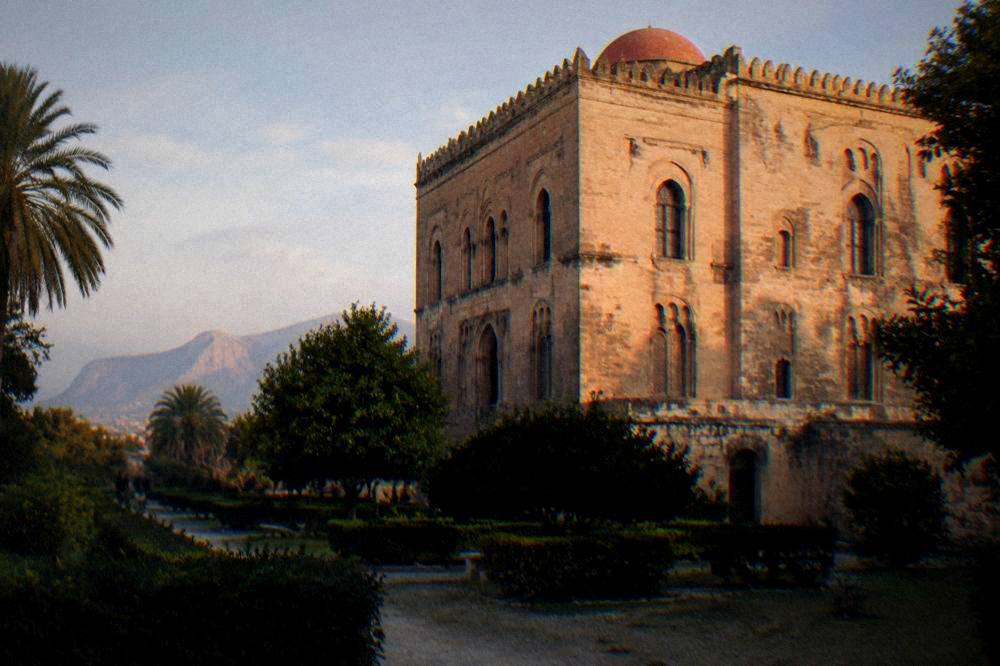
The serial listing is unusual in spreading across two cities. Two of the components are palaces, the Royal Palace with the Cappella Palatina inside it and the Zisa, and the rest are churches and a bridge. Visiting all nine takes in the Palermo Cathedral, the La Martorana and San Cataldo beside it, San Giovanni degli Eremiti near the palace, and then the cathedrals of Cefalu and Monreale outside the city.
| UNESCO component | Location | Type |
|---|---|---|
| Royal Palace and Palatine Chapel | Central Palermo | Palace and chapel |
| Palazzo della Zisa | North-west of the centre | Summer palace |
| Palermo Cathedral | Central Palermo | Cathedral |
| San Giovanni degli Eremiti | Near the Royal Palace | Church |
| Santa Maria dell'Ammiraglio, La Martorana | Central Palermo | Church |
| San Cataldo | Beside La Martorana | Church |
| Admiral's Bridge | Outside the historic core | Bridge |
| Cefalu Cathedral | Cefalu, on the coast east of Palermo | Cathedral |
| Monreale Cathedral | Monreale, above Palermo | Cathedral |
The Zisa's role in the set is distinct. The Royal Palace and the churches show the kingdom at its ceremonial height; the Zisa shows how that same court lived away from ceremony, with water, gardens and shaded halls doing the work that tapestries and gold do elsewhere. For a visitor building a theme rather than a checklist, the Zisa is the counterweight to the Palatine Chapel: one visit for the glitter, one for the engineering.
Cefalu and Monreale are both reachable as half-day trips from Palermo, and the Monreale and Cefalu excursion is among the most booked day trips in the city's tour roster. The pair completes the UNESCO set for anyone collecting the full listing.
How Do You Get To The Zisa Palace?
The Zisa Palace sits on the western edge of the Palermo historic centre, within the AMAT bus and tram network, where a single ticket costs EUR 1.40 for 90 minutes from validation, a day ticket costs EUR 3.50 and a three-day ticket costs EUR 8.00, all published on the AMAT fares page, and tickets must be bought before boarding and validated at once on the first vehicle.
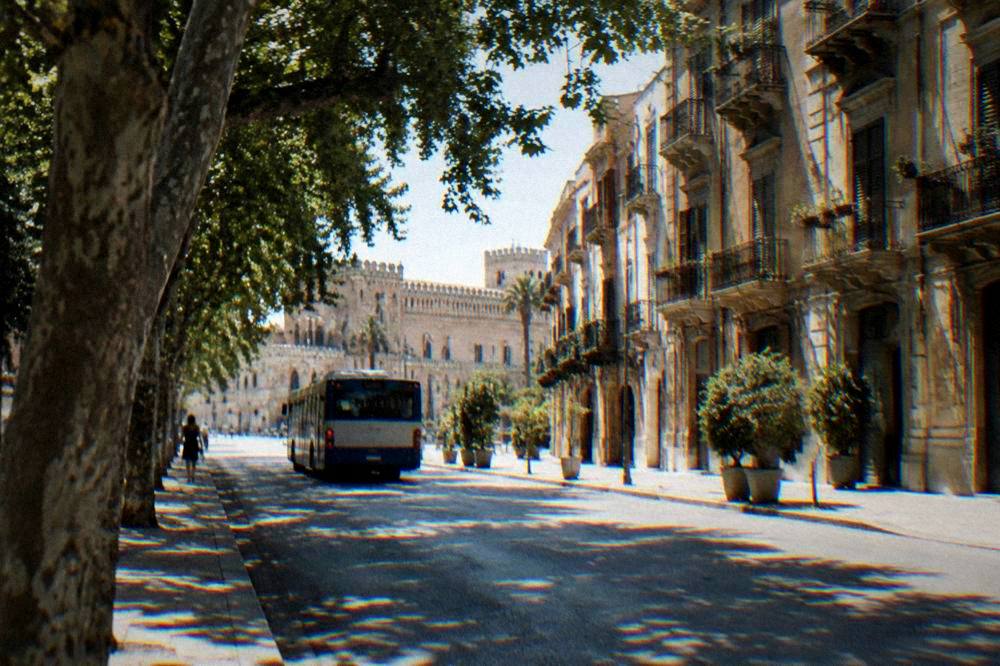
The palace is also walkable from the historic core in a straight line west, and the route passes through ordinary Palermo streets rather than a museum quarter.
The fare structure is flat across the whole AMAT network, so the ride to the Zisa costs the same as any other city journey. The AMAT fares page lists EUR 1.40 for the 90-minute ticket, EUR 1.80 if bought onboard, EUR 3.50 for the day ticket, EUR 6.00 for two days, EUR 8.00 for three days and EUR 16.50 for seven days, with a carnet of 20 at EUR 23.50 through the app. For a visitor combining the Zisa with markets and the seafront, the day or three-day ticket usually pays for itself.
| AMAT ticket | Price | Validity |
|---|---|---|
| Single, bought in advance | EUR 1.40 | 90 minutes from validation |
| Single, bought onboard | EUR 1.80 | 90 minutes from validation |
| Day ticket | EUR 3.50 | Until end of service on the day |
| Two-day MultiDay | EUR 6.00 | Until end of service on the second day |
| Three-day MultiDay | EUR 8.00 | Until end of service on the third day |
| Seven-day MultiDay | EUR 16.50 | Until end of service on the seventh day |
Two cautions from the city's transport picture. First, Palermo has no metro; the suburban Passante rail lines run on the national network, with Line A running from Palermo Centrale toward the airport, and a new Giachery to Politeama section is planned to open from November 2026, which will bring a rail stop closer to the northern districts. Second, the ZTL camera-enforced limited-traffic zone covers the historic centre, so anyone driving to the palace should check the ZTL portal before setting out; the daily access pass is EUR 5 for petrol and diesel cars and EUR 2.50 for hybrids, with electric cars free, always confirmed on the official portal.
The full picture of city transport, including the tram lines and the airport connections, is on the getting-around guidance for the city, and the walk from the Zisa back to the centre passes the Villa Giulia gardens and the San Giovanni degli Eremiti church, both part of the same UNESCO story.
Is The Zisa Palace Worth Including On A Short Palermo Trip?
On a one-day trip the Zisa is a defensible second-day sight rather than a first-morning one, because the Palatine Chapel, the Cathedral and the markets fill a single day more completely, but on any stay of two days or more the palace earns its place as the UNESCO listing's most distinctive component and the easiest one to pair with an ordinary Palermo neighbourhood.
Its short visiting route also makes it a low-effort addition, at roughly an hour to an hour and a half for the hall, the museum and the garden.
The honest comparison is with the other ticketed royal sight in the city. The Norman Palace and Palatine Chapel share one ticket at EUR 14.50 full and EUR 12.50 reduced, with the royal apartments included but closed on Tuesdays and Wednesdays when the regional parliament sits, and that visit is the centrepiece of a first day. The Zisa is quieter, smaller and, on many weekdays, close to empty, which for some travellers is the better experience of the two.
The palace also anchors the western end of a walk that few first-time visitors take: from the old town west through ordinary streets to the Zisa, then back via the Botanical Garden or the seafront. The contrast between the UNESCO core and the everyday city around the palace is part of what Palermo is, and the site's overview of the city's sights on the main things to do in Palermo page places the Zisa in that wider frame.
For visitors whose trip runs four or five days, the Zisa can be combined with a coastal afternoon. The Mondello and Capo Gallo cruise is the natural pairing, and the listing shows what the departure includes.
A quieter alternative is a full day on the water with lunch included, which turns the palace morning into a complete day.
And for a shorter sail with snorkelling stops, the luxury boat option covers the same coast in half a day.
| Pairing with the Zisa | Type | Notes |
|---|---|---|
| Botanical Garden | Garden | Seasonal hours on the official site, last entry one hour before closing |
| Cantieri Culturali alla Zisa | Cultural quarter | Events and studios, no ticket needed to walk |
| Villa Giulia | Public garden | Free entry |
| Foro Italico | Seafront | Free, flat walk |
| Mondello and Capo Gallo cruise | Boat trip | Details and availability on the operator's live listing |
Practical notes close the planning. Tap water in Palermo is suitable for drinking according to the municipal water utility AMAP, so a bottle can be filled at the palace gardens. The coperto cover charge is legal in Italy when printed on the menu, and tipping is not obligatory, which matters for lunch near the Zisa where ordinary trattorias serve the neighbourhood. The emergency number across Italy is 112. And in the summer months, when the climate table shows July rainfall averaging just 7 mm and August means of 26.8 C, the palace's fountain hall is one of the few historic interiors in the city that was designed for exactly that heat.
Common Questions About The Zisa Palace In Palermo
What are the Zisa Palace Palermo opening hours?
The Zisa Palace opens Tuesday to Saturday from 09:00 to 19:00 and on Sundays and public holidays from 09:00 to 13:30, closed on Mondays. The listing page carries seasonal variations and one-off closures, so checking it on the day of the visit is the safe habit.
How much does it cost to visit the Zisa Palace?
The ticket price is shown at the ticket point and on the operator's booking page, and no fixed figure is published on the palace's listing pages. State and regional museums are typically free on the first Sunday of the month, confirmed per site, and combined ticket options with other regional museums are listed on the operator's page.
Is the Zisa Palace part of UNESCO Palermo?
Yes. The Zisa is one of the nine components of the World Heritage property inscribed in 2015 under the name Arab-Norman Palermo and the Cathedral Churches of Cefalu and Monreale, alongside the Royal Palace and Palatine Chapel, Palermo Cathedral, four churches, a bridge and the cathedrals of Cefalu and Monreale.
How long does a visit to the Zisa Palace take?
The visiting route covers the fountain hall, the museum floors and the garden, and runs comfortably in about an hour to an hour and a half at a relaxed pace, with the Cantieri Culturali district alongside it if the afternoon is open.
Can you reach the Zisa Palace by public transport?
Yes, the palace sits inside the AMAT bus and tram network, where a single ticket costs EUR 1.40 for 90 minutes and a day ticket EUR 3.50, bought before boarding and validated at once. The palace is also a straight walk west from the historic centre.
Is the Zisa Palace open on Sundays?
Yes, but with a short window: Sunday hours run from 09:00 to 13:30, so an early arrival is needed to see the hall, the museum floors and the gardens without rushing. The palace is closed on Mondays.
The Zisa Palace rewards a visitor who has already seen Palermo's ceremonial sights and wants the city's quieter, engineered side: a fountain hall built to cool a medieval court, a garden front, and a cultural quarter growing around it, all inside a two-euro bus ride of the centre. Checking the operator's page for the live ticket price and the day's hours is the only planning step the palace asks for, and the rest of the visit takes care of itself.
