Palermo Cruise Port
Palermo's cruise terminals sit on the central waterfront, a flat 15 to 20 minute walk from the Quattro Canti, which makes the city one of the easiest port calls in the Mediterranean for seeing a historic centre on foot.
Short answer
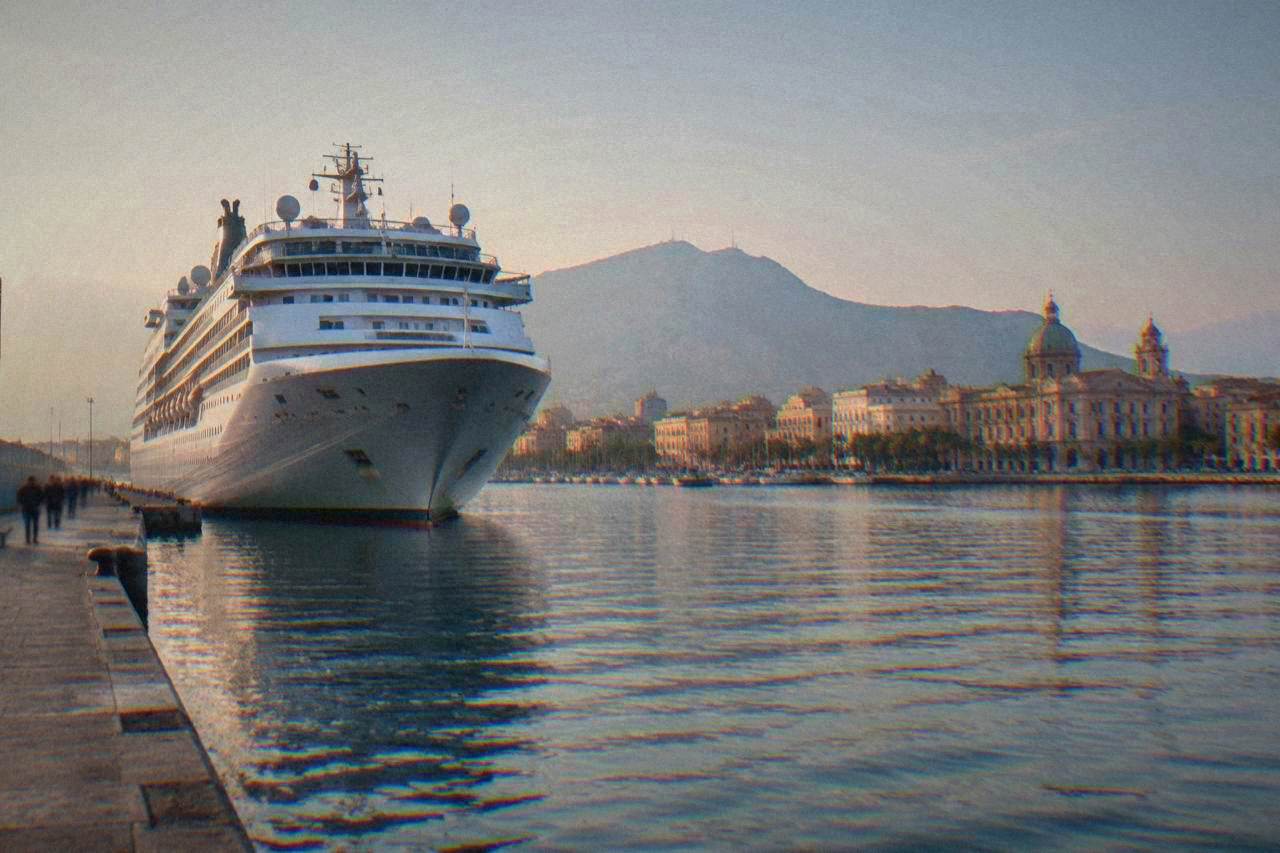
Ships berth at the Stazione Marittima and Sammuzzo terminals on Palermo's central waterfront, about 1.5 to 1.8 km from the Quattro Canti, roughly 15 to 20 minutes on foot. The Palazzo dei Normanni, Palermo Cathedral, the markets and the Teatro Massimo are all reachable on foot or with a single AMAT bus ticket at 1.40 EUR.
Palermo is the coastal capital of Sicily, on the Tyrrhenian Sea in the Gulf of Palermo, and its cruise terminals stand on the central waterfront rather than in an industrial dock far from town. The port authority's terminals, the Stazione Marittima at Molo Vittorio Veneto and the Sammuzzo terminal on Via Francesco Crispi, sit beside the historic harbour of La Cala, and the crossing point of the old centre, the Quattro Canti, is about 1.5 to 1.8 km away, a flat 15 to 20 minute walk. That single fact shapes every good port day here: the city arrives on foot, and a plan built around walking beats a plan built around transport.
The essentials first, then the timings.
How Far Is The Palermo Cruise Port From The Centre?
The Palermo cruise terminals stand on the central waterfront, about 1.5 to 1.8 km from the Quattro Canti, which is 15 to 20 minutes on foot along a flat route via Via Emerico Amari and then Via Maqueda. Secondary port guides report these distances, and no official port authority page publishes a figure. The walk passes the Politeama theatre and enters the old centre at its crossing point, so the route itself is sightseeing.
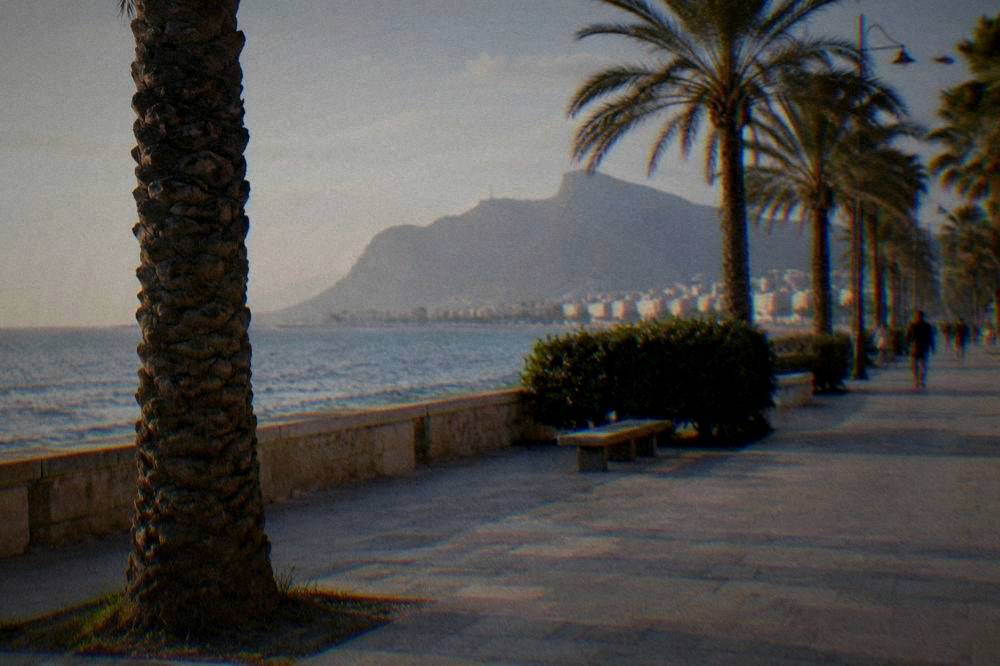
The Stazione Marittima and the Sammuzzo terminal both face the city, not away from it. La Cala, the historic harbour basin, sits immediately east of the terminal area, and the harbour and La Cala waterfront is itself a pleasant first stretch with boats, palm trees and cafes. From there the streets run straight into the grid of the historic centre.
Three things change the arithmetic. Rain, heat and limited mobility all argue for the taxi rank or the AMAT bus rather than the walk, and the July and August means in the climate table run at 26.2 C and 26.8 C, with an August mean maximum of 30.4 C, which makes a midday walk with luggage-scale effort less attractive. Second, some ships berth at berths further along the waterfront, so the actual gate position matters: ask at the terminal where the exit gate sits before setting a walking plan. Third, everything in this paragraph concerns the walk to the centre, not back: the return is uphill by a matter of only a few metres, Palermo's centre is essentially flat.
| Route From The Terminals | Distance | Time On Foot | Notes |
|---|---|---|---|
| Terminals to La Cala | Adjacent | 5 min | Boats and waterfront cafes |
| Terminals to Politeama | About 1 km | 10 to 12 min | Theatre square, shops |
| Terminals to Quattro Canti | 1.5 to 1.8 km | 15 to 20 min | Flat, via Via Maqueda |
| Terminals to Palermo Cathedral | About 2 km | 20 to 25 min | Add 5 min beyond Quattro Canti |
What Can You See In Palermo In A Half-Day Port Call?
A half-day ashore in Palermo covers the Quattro Canti, the Palazzo dei Normanni with the Cappella Palatina, Palermo Cathedral and one market, in that order, all within a walkable loop of about 3 km. The Palazzo dei Normanni ticket is 14.50 EUR full and 12.50 EUR reduced, royal apartments included, and the hours run Monday to Saturday 8:30 to 16:30 last admission, Sunday and holidays 8:30 to 12:30.
Rather see the whole city without the walking? Book a grand city tour here.
The Palazzo dei Normanni is the anchor sight, and the Norman Palace guide covers it in detail. Two warnings matter on a port day. The royal apartments close on Tuesday and Wednesday when the regional parliament sits, so the visit on those days is the chapel and the remaining rooms. The palace is also about a 15 minute uphill walk from the cathedral end of the loop, and the whole complex closes on 25 December and 1 January.
Palermo Cathedral needs no ticket for the nave, and the monumental area, meaning the roof, the royal tombs, the treasury and the crypt, is ticketed with prices shown at the ticket point or on the cathedral's own ticket shop. The tombs hold Roger II, Constance of Hauteville, Henry VI, Frederick II and Constance of Aragon. The Palermo Cathedral guide carries the hours by season.
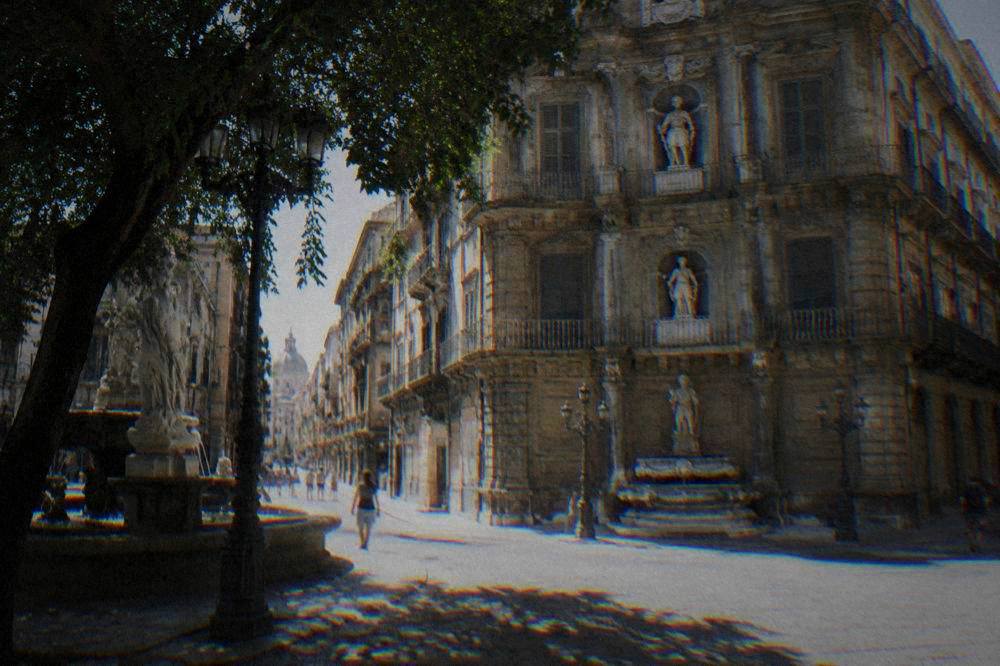
Between the two, the Quattro Canti crosses Via Maqueda and Corso Vittorio Emanuele and splits the old town into its four districts, Capo, Albergheria, Kalsa and Loggia, as the municipal tourism page describes. The Quattro Canti square costs nothing and takes ten unhurried minutes.
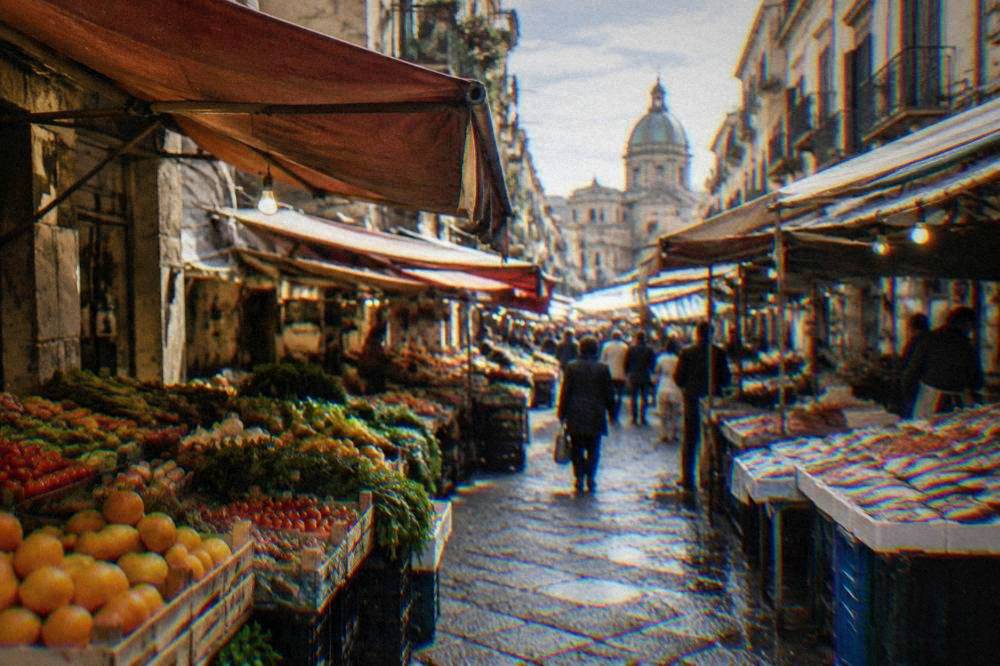
For the market leg, Ballarò is the practical choice on a port day: the municipal tourism page lists it Monday to Saturday from about 7:30 to about 20:00, with Sunday mornings. The Capo market runs mornings and closes Sunday. Neither needs a ticket, and both are covered in the Ballarò market guide.
A half day is also enough for one paid interior beyond the palace. The Teatro Massimo runs guided tours daily, roughly 9:30 to 19:00, at 14 EUR full and 7 EUR under 26, with a family ticket at 36 EUR, and the Teatro Massimo guide explains booking. The Capuchin Catacombs, at 5 EUR full and 3 EUR reduced, tickets at the office only, photography prohibited, sit outside the walking loop and need a bus or taxi leg.
Which Excursions Fit A Cruise Ship Schedule From Palermo?
Monreale is the excursion that fits almost any port call: AMAT bus 389 runs from Piazza Indipendenza about every 40 minutes, 47 runs a day, on a 1.40 EUR ticket, and the drive is about 16 minutes. Monreale Cathedral entry is free, with paid tower and museum itineraries at 10 and 13 EUR, and the cloister is a separate visit at 8 EUR full and 4 EUR reduced.
Monreale works because the bus is frequent and the return does not depend on a tour operator's timetable. The Monreale guide covers the mosaics, the cloister and the two William tombs. The one trap is timing: the cloister keeps Monday to Saturday hours of 9:00 to 19:00 and Sunday hours of about 9:00 to 13:30, so a Sunday call means a morning excursion.
Cefalu is the second reliable ship-day trip. The train from Palermo Centrale takes 39 to 60 minutes with 19 to 24 direct services a day, and the Cefalu guide covers the free cathedral entry, the paid itineraries and La Rocca at 5 EUR. The drive is about 65 minutes free-flow. The constraint is the distance from the port to Palermo Centrale, which adds a taxi or tram leg to any train plan.
| Excursion | Transport From Palermo | Travel Time | Entry Cost | Fits A Half Day? |
|---|---|---|---|---|
| Monreale | AMAT 389 bus | About 16 min drive | Cathedral free, cloister 8 EUR | Yes, tight on Sunday |
| Cefalu | Train from Centrale | 39 to 60 min | Cathedral free, itineraries 10 and 13 EUR | Yes |
| Mondello | AMAT 806 summer bus | About 27 min drive | Beach free, lidos paid | Yes, in season |
| Segesta | Car or excursion | About 64 min drive | 14 EUR full, 7 EUR reduced | Only a long call |
| Agrigento | Train or excursion | About 2 h train | 14 EUR full, 7 EUR reduced | No, needs a full day |
Mondello, the beach district about 13.9 km and 27 minutes by road from the Quattro Canti, is served by the AMAT summer line 806. The municipal page describes its 1.5 km stretch of fine sand with equipped lidos, and the Mondello beach guide covers the mixed free and paid access. Segesta, at 14 EUR full and 7 EUR reduced, sits about 64 minutes away by road and pairs with Erice and the Trapani salt pans on full-day excursions; the Segesta guide has the seasonal hours.
For a full-day call, the Agrigento excursion is the one that rewards the longest hours ashore. The Valley of the Temples, inscribed by UNESCO in 1997, charges 14 EUR full and 7 EUR reduced and keeps hours of 8:30 to 20:00, and the direct regional train from Palermo takes about 2 hours. The operator's live listing carries the current itinerary and meeting point.
Where Should You Eat On A Port Day In Palermo?
Street food is the fastest lunch in Palermo and the markets are its counter: an arancina, a slice of sfincione or a panelle roll all come from a market stall or a counter in minutes, and no booking is needed. The Accademia della Crusca accepts both arancina and arancino, and Palermo and western Sicily say arancina, typically round. Tap water is suitable for drinking according to AMAP, so a refillable bottle works.
A port day rewards counter food over sit-down restaurants, because a table service lunch can eat an hour that the Palazzo dei Normanni or Monreale would use better. The Palermo street food guide maps the stalls by district, and the Palermo restaurants guide covers the table-service end for a late-sailing day.
Two rules keep the bill honest. The coperto, the cover charge, is legal in Italy when it is printed on the menu, so read the menu before sitting down. Tipping is not obligatory. The Palermo on a budget guide adds the free sights that stretch a short call.
When the ship sails at sunset and the sea is warm, a boat trip from the port area turns dead afternoon hours into the best of the day. The shared boat tours run from the waterfront within reach of the terminals, with snorkelling stops and an aperitif; the listing carries departure times and the meeting point.
How Do You Get Around Palermo From The Cruise Port?
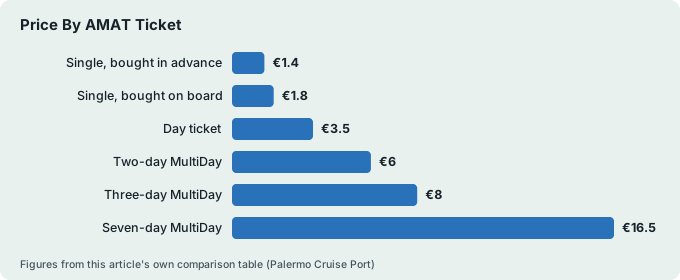
AMAT buses and trams carry the city on a 1.40 EUR ticket valid 90 minutes from validation, with a 3.50 EUR day ticket and an 8.00 EUR three-day ticket, and tickets bought on board cost 1.80 EUR. The AMAT fares page lists all of these, including a 6.00 EUR two-day and a 16.50 EUR seven-day version. Buy before boarding where possible and validate at once.
There is no metro in Palermo. The Passante ferroviario is a suburban rail service run by Trenitalia and RFI, with Line A connecting Palermo Centrale to the airport, and a Giachery to Politeama section approved for service from November 2026, so write that as planned rather than running. AMAT operates four tram lines converging from the periphery to the centre, as the AMAT tram page states.
For a port day, three AMAT facts do the work. The 90 minute ticket covers transfers, so one ticket can carry a passenger from the terminal area to the palace district and on toward Ballarò. The day ticket pays for itself on a third ride. And the airport line is irrelevant to a cruise call unless the itinerary combines a flight and a sailing, in which case the Palermo airport to city centre guide covers the Prestia e Comande bus at 6 EUR one way online, 6.50 EUR on board, every 30 minutes and about 50 minutes to the Centrale station area.
| AMAT Ticket | Price | Validity |
|---|---|---|
| Single, bought in advance | 1.40 EUR | 90 minutes |
| Single, bought on board | 1.80 EUR | 90 minutes |
| Day ticket | 3.50 EUR | Until end of service |
| Two-day MultiDay | 6.00 EUR | Whole network, 2nd day end |
| Three-day MultiDay | 8.00 EUR | Whole network, 3rd day end |
| Seven-day MultiDay | 16.50 EUR | Whole network, 7th day end |
Taxis are the white licensed kind, from a rank or by phone. The only published figures are the airport fixed rates, reported for the 2025 tariff at 39 EUR for the port side, 44 EUR for the historic centre and 50 EUR for the Foro Italico side, up to four passengers with luggage, and a passenger should confirm with the driver before setting off. City fares inside Palermo are metered and no figure is published here.
What Should A First-Time Cruise Passenger Know About Palermo?
Palermo's old centre divides into four districts at the Quattro Canti, Capo, Albergheria, Kalsa and Loggia, and each one holds a different slice of the day: the Capo market and the cathedral in the north, the palace in Albergheria, the museums and the Foro Italico in the Kalsa. Emergency numbers are 112 general, 118 medical, 115 fire and 113 police. Italy uses the euro and is a Schengen member.
The safety picture comes from the official advisories. The US State Department, in its September 2026 advisory, rates Italy Level 2 and notes that petty crime such as pickpocketing and purse snatching is common in popular tourist locations and on public transport. The UK FCDO says the same in its own words: bag-snatching and pickpocketing are more common in city centres and at major tourist attractions. The practical answer on a crowded port day is a zipped bag held in front, the same precaution as in any large Mediterranean city, and the is Palermo safe guide expands on this.
Weather planning starts with the calendar. The climate table, modelled ERA5 normals for 1991 to 2020, puts July as the driest month at 7 mm and October as the wettest at 81 mm, with January means at 11.3 C and August means at 26.8 C. A spring or autumn call usually gives the friendliest walking weather, and the best time to visit Palermo guide works through the months.
Ferry routes radiate from the same waterfront, which explains why the port feels busy: GNV sails overnight to Naples in about 11 hours, to Genoa in about 20 h 30, to Civitavecchia in about 13 h 30 and to Tunis in about 9 h 30, and the Liberty Lines hydrofoil reaches Ustica in about 1.5 hours. Cruise passengers share the waterfront with all of this, and the Naples to Palermo ferry guide covers the overnight option for anyone extending the trip.
A guided walking tour compresses the old centre into a single block of hours, which is exactly what a port call wants: the markets, the key churches and the street food counters in one loop that ends near the terminals. The one day in Palermo itinerary does the same route self-guided, and the rainy day in Palermo itinerary rearranges it for wet weather.
What Is The Best Plan For A Full Day In Port At Palermo?
A full day in port splits into three blocks: the palace and the cathedral in the morning while the queues are short, a market lunch and the Quarto Canti district walk at midday, then Monreale by the 389 bus or a boat trip from the waterfront in the afternoon, returning to the terminals with an hour to spare before all-aboard. The palace ticket at 14.50 EUR and the Monreale bus at 1.40 EUR are the only fixed costs.
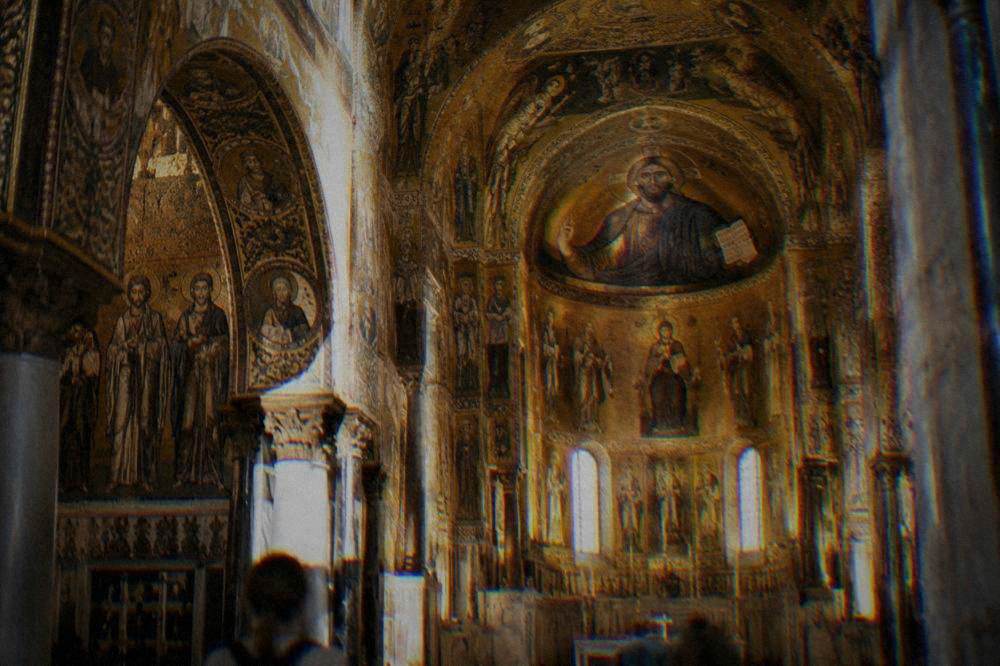
The morning block works best started early, because the Palazzo dei Normanni last admission lands at 16:30 on weekdays and the palace share of the day shrinks after lunch. The Cappella Palatina sits inside the palace complex and shares its ticket, so the two are one visit, not two; the Cappella Palatina guide covers what the chapel holds.
The midday block is the city's gift to short visits: free squares, open markets and counter food. Piazza Pretoria's exterior, the Foro Italico seafront lawn, the Villa Giulia garden and the market streets all cost nothing, as the free things list in the budget guide details, and first Sundays bring free entry at many state and regional museums, confirmed per site.
| Time Block | Plan | Fixed Costs |
|---|---|---|
| Morning, 8:30 to 11:30 | Palazzo dei Normanni and Cappella Palatina, walk down to the cathedral | 14.50 EUR ticket |
| Midday, 11:30 to 14:00 | Cathedral nave, Quattro Canti, Ballarò lunch | Street food, no tickets |
| Early afternoon, 14:00 to 17:00 | Monreale by 389 bus, or boat trip, or Teatro Massimo tour | 1.40 EUR bus or 14 EUR tour |
| Return, 17:00 onward | Waterfront walk back via La Cala | None |
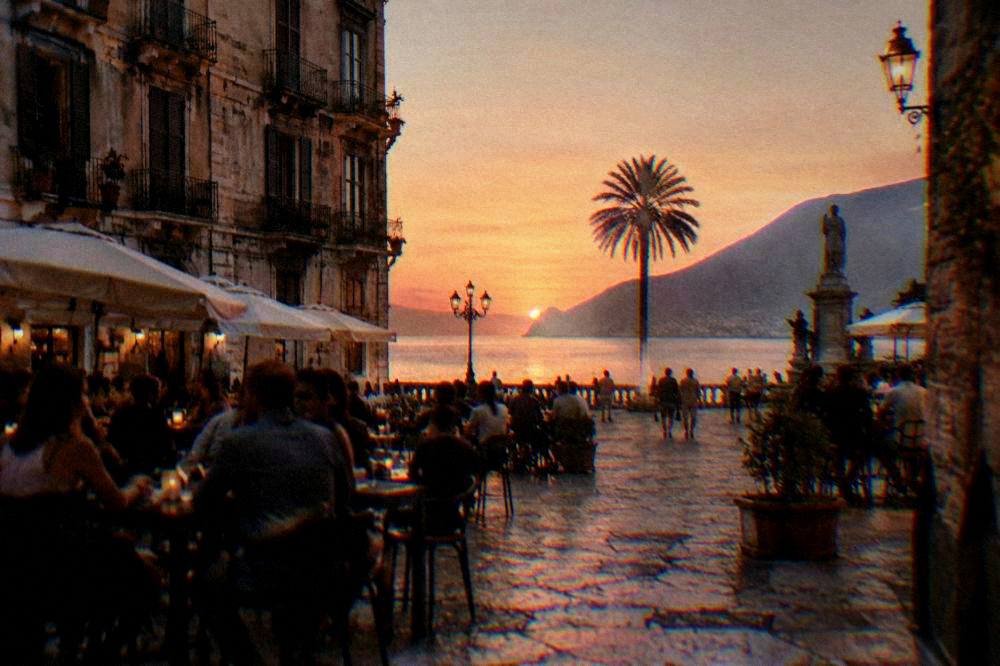
The afternoon block has three honest options and the ship's all-aboard time picks among them. Monreale needs about four hours round trip with the visit. The Teatro Massimo tour needs about an hour plus the walk to the square. A boat trip needs a booked slot that matches the sailing time, and the listing shows the departure windows. For a call that ends late, the Palermo nightlife guide covers the Vucciria's evening transformation, when the market streets fill with bars and street food stalls.
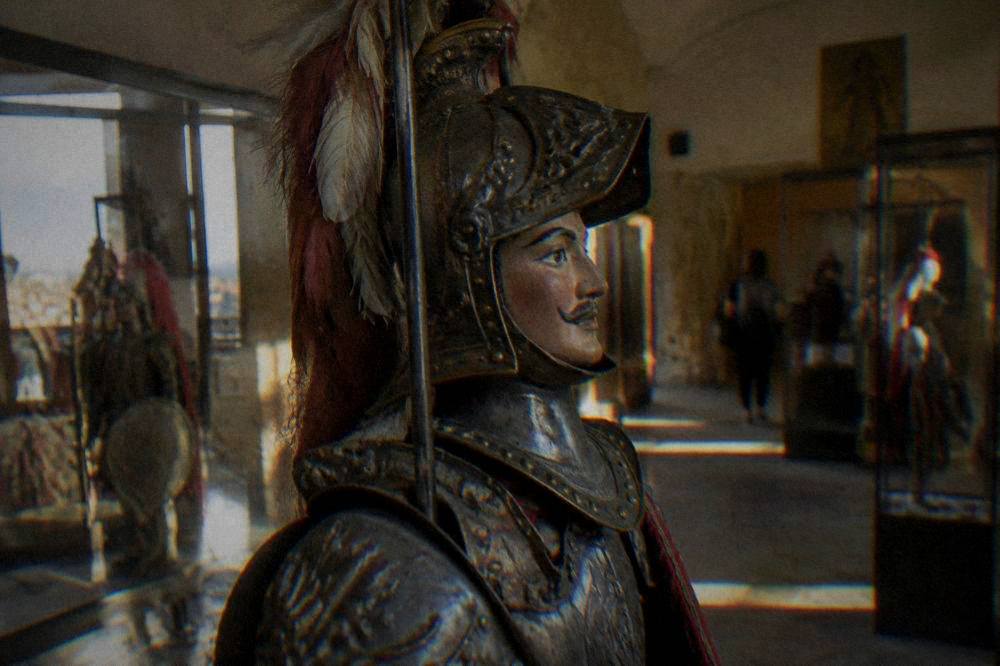
Families ashore for a day have a workable set too: the Marionette Museum at 5 EUR full and 3 EUR reduced with puppet shows Tuesday to Saturday at 17:00, the Villa Giulia garden with its playgrounds, and the Parco della Favorita, the city's largest green area, all sit within a bus ride of the terminals, and the Palermo with kids itinerary sequences them.
Common Questions About A Palermo Cruise Port Day
How Far Is The Palermo Cruise Port From The City Centre?
The terminals sit about 1.5 to 1.8 km from the Quattro Canti, roughly 15 to 20 minutes on a flat walk via Via Emerico Amari and Via Maqueda, as secondary port guides consistently report.
Can You Walk Into Palermo From The Cruise Terminal?
Yes. The walk is flat, passes the Politeama theatre and enters the old centre at the Quattro Canti, and the waterfront of La Cala runs alongside the first stretch. In summer heat or with limited mobility, the taxi rank or an AMAT bus is the better choice.
What Should You See In Palermo On A Short Port Call?
The Quattro Canti, the Palazzo dei Normanni with the Cappella Palatina at 14.50 EUR full, Palermo Cathedral's nave and one market, in a walking loop of about 3 km that starts and ends near the terminals.
Is Monreale Possible On A Cruise Day From Palermo?
Yes. AMAT bus 389 runs from Piazza Indipendenza about every 40 minutes on a 1.40 EUR ticket, the drive is about 16 minutes, cathedral entry is free and the cloister is 8 EUR full and 4 EUR reduced. On Sundays the cloister closes early, around 13:30, so go in the morning.
How Much Is Public Transport In Palermo For A Port Day?
The AMAT fares page lists 1.40 EUR for a 90 minute ticket, 3.50 EUR for a day ticket and 8.00 EUR for three days, with 1.80 EUR for a ticket bought on board. Validate immediately on boarding.
Is Palermo Safe For A Day Visit From A Cruise Ship?
Official advisories describe normal urban precautions. The US State Department notes petty crime such as pickpocketing in popular tourist locations and on public transport, and the UK FCDO says bag-snatching and pickpocketing are more common in city centres and at major attractions. A zipped bag held in front covers the practical advice.
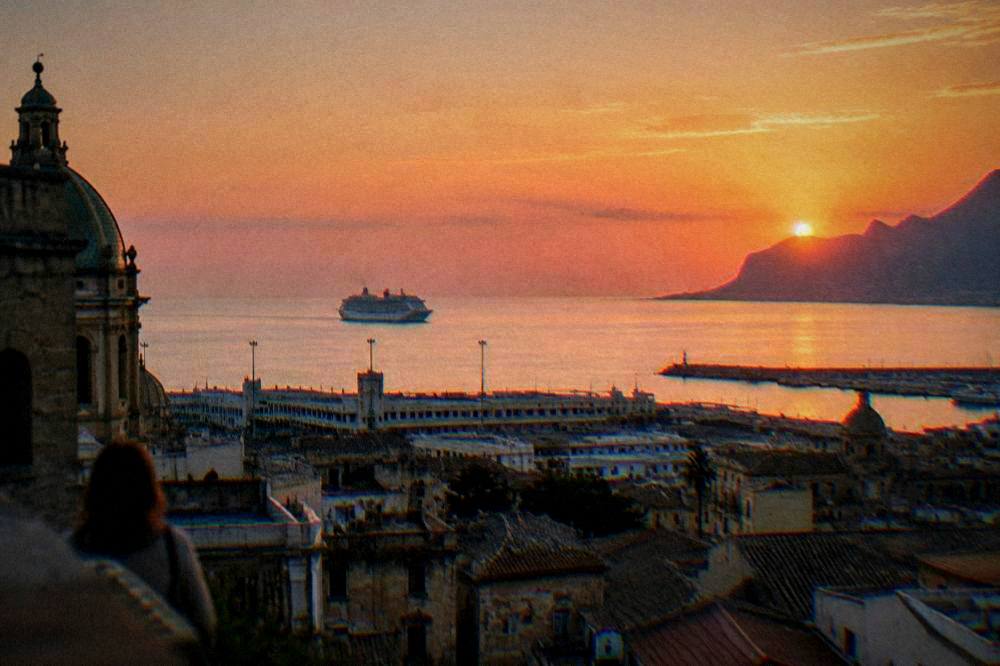
A port day in Palermo asks for less planning than almost any other call on a western Mediterranean itinerary, because the terminals hand the city over on foot. Pick the palace or Monreale as the one booked-clock commitment, let the markets fill the middle of the day, and keep the last hour for the flat walk back along the water. The Palermo Italy Travel Guide carries the deeper pages on every sight named here, from the cathedral to the old town centre, for anyone turning one day ashore into a longer stay.
