One Week In Western Sicily
A week based in Palermo covers the city's Arab-Norman sights, the coast at Mondello and Cefalu, and the western loop of Segesta, Erice and Trapani, with Agrigento as the long day south. This page sets out a day by day plan with the published fares, tickets and travel times.
Short answer
Base yourself in Palermo for the week: two full days in the historic centre, a morning in Monreale, a day on the coast at Mondello or Cefalu, a day loop to Segesta, Erice and the Trapani salt pans, and one long day to Agrigento, keeping the last day for the markets and a boat trip from the harbour.
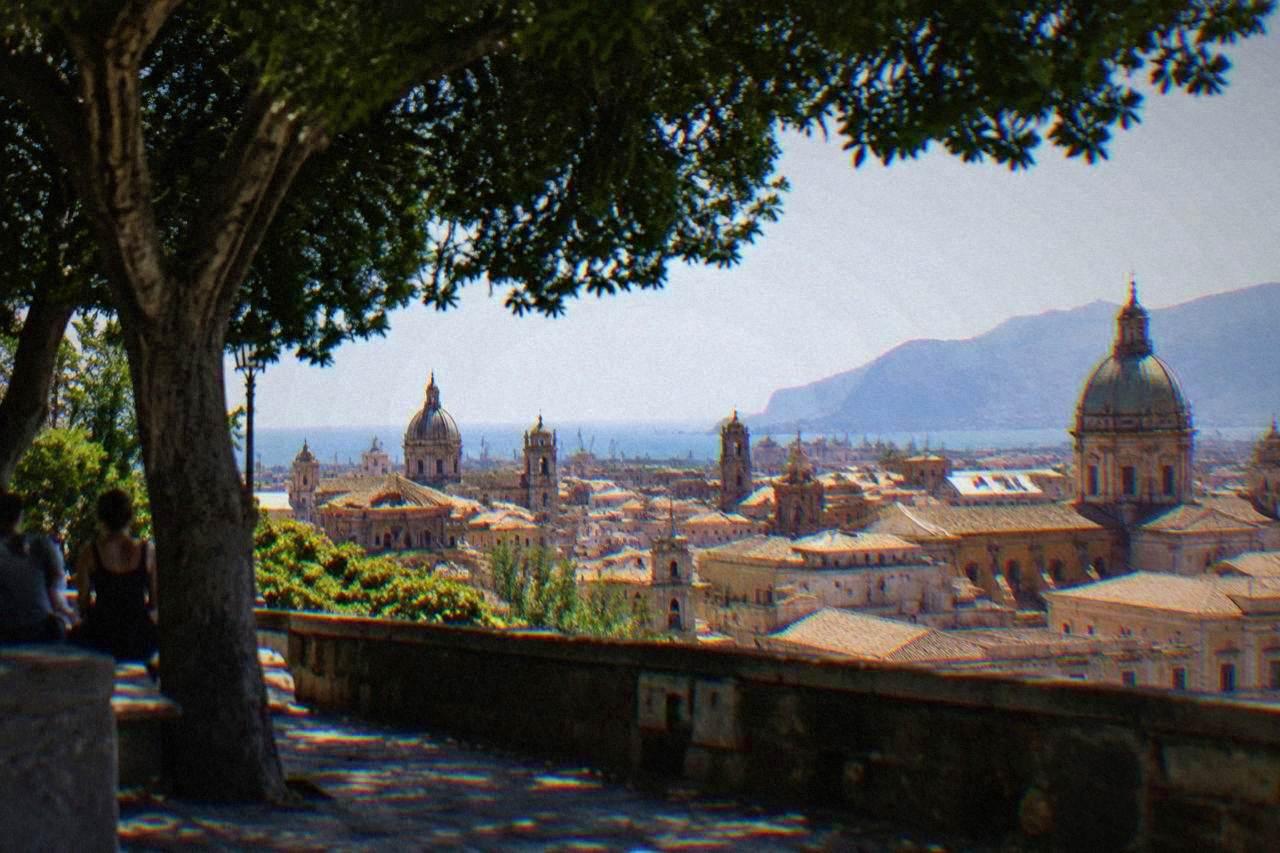
Palermo, the coastal capital of Sicily on the Tyrrhenian Sea, is the natural base for a week in the west of the island. The city holds the UNESCO-inscribed Arab-Norman churches, the street markets and the port, and from it the roads and railways fan out to Monreale, Cefalu, Segesta, Erice, Trapani, Agrigento and the beaches of Mondello and Scopello. The municipal statistics office counts 628,693 residents at 31 December 2024, and the city's four old quarters, Capo, Albergheria, Kalsa and Loggia, meet at the Quattro Canti where Via Maqueda crosses Corso Vittorio Emanuele. A week is enough to work through the city at a human pace and still take four day trips without changing hotels.
The structure suits a first visit: the city first, then the near hill towns, then the far west, then the long southern day, with the sea reached twice because Mondello and the boat trips serve two different moods. If you hold only two or three days instead of seven, the shorter Palermo itineraries cut this plan down without losing the logic.
Where Should A One Week In Western Sicily Begin And End?
Start and end the week in Palermo itself, sleeping in or near the historic centre for all seven nights, because every western excursion either walks out of the old town or leaves from stops around Palermo Centrale and Piazza Indipendenza. The trains to Cefalu and Agrigento run from Palermo Centrale, the AMAT 389 bus to Monreale starts at Piazza Indipendenza, and the day-trip coaches pick up in the same few places, so a single well-placed base removes every transfer problem the week could throw at you.
The alternative, moving hotels two or three times, buys you little. Nothing in that list justifies packing a suitcase twice. The municipal tourism portal groups the city's accommodation by district, and the old centre keeps you inside walking distance of the evening streets, the markets and the harbour.
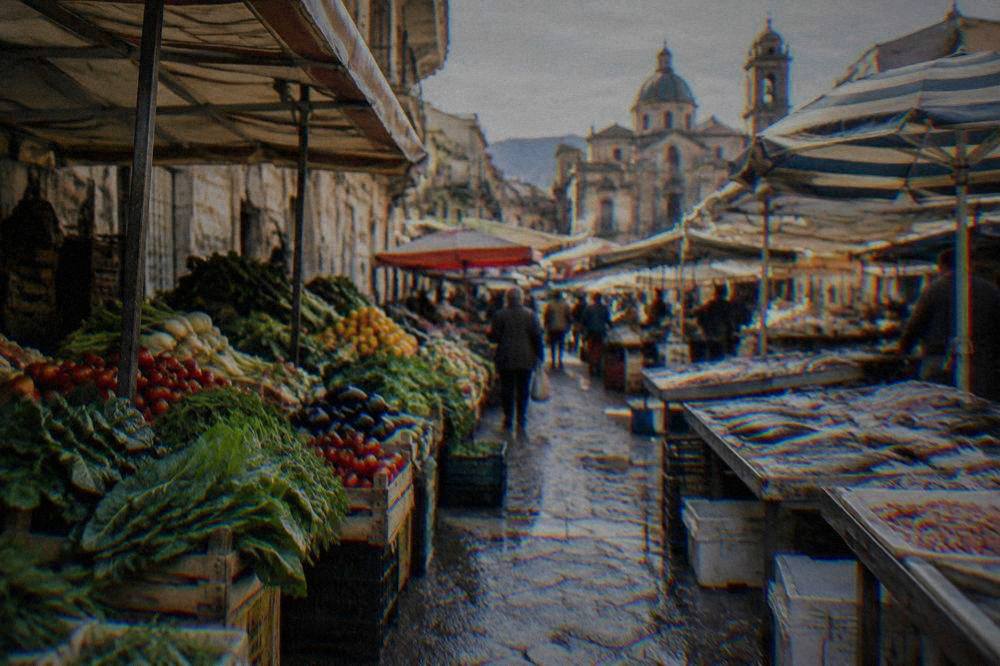
Two rhythms decide the week's shape. The markets open in the morning: the Ballarò stalls run Monday to Saturday from about 7:30 and on Sunday mornings, and the Capo market works mornings and rests on Sundays, so market days belong early in the week. The second rhythm is the sea: Mondello sits 13.9 km and about 27 minutes by road from the Quattro Canti, and AMAT's summer line 806 serves it, which makes it an easy half day rather than a full expedition.
For readers who want the whole city first, the one day in Palermo plan covers the essentials in a single loop, and the cruise port day guide does the same for anyone arriving by ship. The week below assumes no such constraints.
What Should Days 1 And 2 Cover In Palermo?
Give day one to the Arab-Norman core: the Palazzo dei Normanni and Cappella Palatina on one 14.50 EUR full ticket, the Cathedral, the Quattro Canti and the Martorana and San Cataldo churches, then give day two to the markets, the Capuchin Catacombs at 5 EUR full and 3 EUR reduced, and a guided tour of Teatro Massimo at 14 EUR full and 7 EUR under 26, with the royal tombs and the cathedral roof folded in where hours allow.
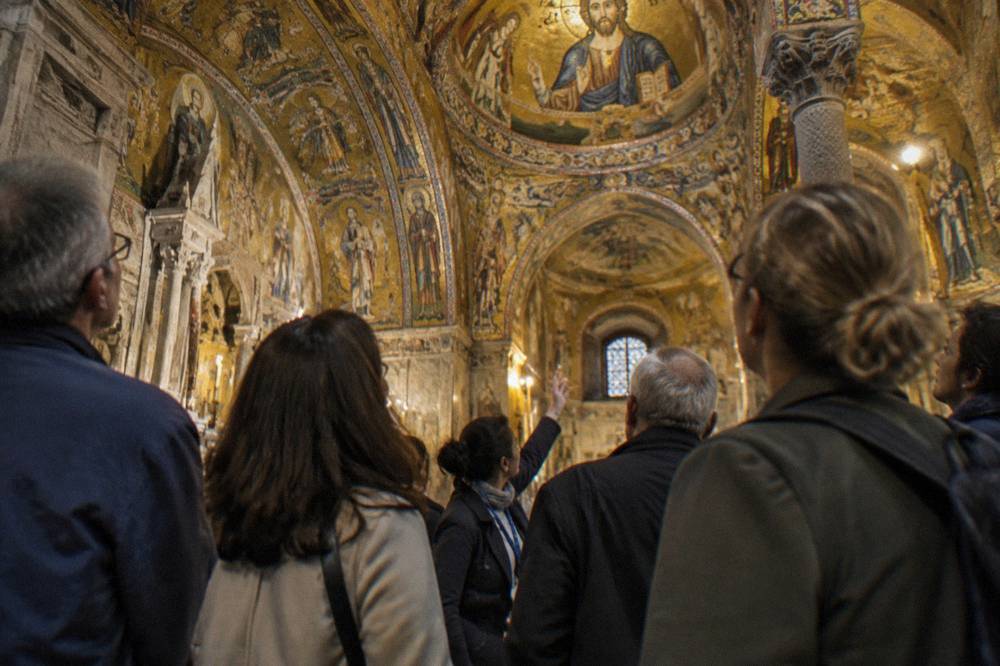
The ticketing detail that matters most: the Palazzo dei Normanni and the Cappella Palatina share one admission, 14.50 EUR full and 12.50 EUR reduced, with the royal apartments included, Monday to Saturday from 8:30 to 16:30 last admission and Sunday and holidays 8:30 to 12:30. The visit page warns that the royal apartments close on Tuesdays and Wednesdays when the regional parliament sits, so plan that palace day around the calendar. The Cappella Palatina sits inside the palace complex, not in a separate building.
The Palermo Cathedral guide covers what the official page states: the monumental area, meaning the roof, the royal tombs, the treasury and the crypt, is ticketed, and the price is shown at the ticket point or on the cathedral's ticket shop rather than on the hours page. The history the cathedral's own site gives is worth carrying with you: in 831 the Saracens turned the earlier church into a mosque, and in 1072 the Normans returned it to Christian worship, with a Qur'an verse still cut into a column of the southern porch. The royal tombs hold Roger II, Constance of Hauteville, Henry VI, Frederick II and Constance of Aragon.
Day two runs from food to the macabre. The Capuchin Catacombs charge 5 EUR full and 3 EUR reduced, sell tickets at the office only and prohibit photography. Teatro Massimo runs guided tours daily from roughly 9:30 into the early evening, and the 2026-27 opera season opens 22 November 2026 with Samson et Dalila, with Falstaff in May 2027 for the theatre's 130th anniversary. The Teatro Massimo page holds the detail.
If the second afternoon turns wet, the rainy day in Palermo itinerary swaps the open-air stops for the Salinas Archaeological Museum at 7 EUR full, the Galleria d'Arte Moderna at 10 EUR and the Marionette Museum at 5 EUR, where the puppet shows run Tuesday to Saturday at 17:00 and the show-plus-museum ticket is 10 EUR full. Note that Palazzo Abatellis is closed for climate-control works of about 18 months from mid-July 2026, with no reopening date confirmed, so leave it off a 2026 or 2027 list and check the regional museums site before planning around it.
Two of those three experiences slot straight into the city days. The CruiserCar grand tour compresses the outer districts, the favorita park and the Monte Pellegrino road into one loop when walking them would eat a full day, and the catacombs-and-cemeteries walk pairs naturally with the Capuchin visit on day two, since the guided route frames the site the raw ticket does not.
How Do You Fit Monreale And Cefalu Into The Week?
Take Monreale on day three as a half day, using AMAT bus 389 from Piazza Indipendenza at 1.40 EUR each way, about every 40 minutes across 47 daily runs, and put Cefalu on day four as the coastal day, reached by direct regional train from Palermo Centrale in roughly 40 to 60 minutes on one of 19 to 24 daily departures, with the cathedral entry free and the paid tower and museum itineraries at 10 and 13 EUR.
Monreale's cloister costs 8 EUR full and 4 EUR reduced, and the cloister and the cathedral are separate visits, open Monday to Saturday 9:00 to 19:00 and Sunday about 9:00 to 13:30. The Monreale guide covers the mosaics and the royal burials: William I and William II lie in the cathedral. No official figure exists for the mosaic surface area or the gold tonnage, so treat any number a leaflet or forum hands you with caution; what the visitor sees is gold-ground glass mosaic covering the walls of the main apse and nave.
Cefalu rewards the full day. The train is the fastest public option, and the Cefalu day trip page lays out the rest: the long sandy beach runs beside the town's seafront, partly free and partly equipped with lidos, and La Rocca, the headland park above the town, charges 5 EUR full and 2.50 reduced, with closed shoes required and sandals prohibited. The municipal pages promote the town around its cathedral, its historic centre and the sea, and the free cathedral entry makes it the cheapest major stop of the week.
The transfer question is the one readers ask most, and the answer is that neither town needs a car. The 389 bus ticket is the ordinary AMAT fare, 1.40 EUR including transfers, and the Cefalu trains run roughly hourly through the daytime. A combined Monreale-and-Cefalu half-day excursion also exists on the tour roster for anyone who would rather not stitch the two together alone, and the two days in Palermo plan shows how these trips compress if the week shortens.
What Does The Western Loop Of Segesta, Erice And Trapani Look Like?
Day five is the western loop: Segesta first at 14 EUR full and 7 EUR reduced for the archaeological park, then the Funivia di Erice cable car up to the hill town at 9 EUR one way or 15 EUR return, then the Trapani salt pans where the Museo del Sale at Nubia is free, with free-flow road times from Palermo of 64 minutes to Segesta, 87 to Trapani and 96 to Erice, a loop that fills a day comfortably without rushing any of the three stops.
Thinking about driving the western and southern loops yourself? Book a rental car here.
Segesta's own seasonal hours matter more than its neighbours': the park's ticket office hours step down through the year, 9:00 to 18:00 with the park closing 19:30 in the 29 March to 30 September window, and shorter windows either side, so check the regional park's page for your dates. The Segesta guide covers the temple and the theatre on the hillside above it.
Erice's cable car runs from Trapani's outskirts, and its hours vary by period, including late-evening openings at weekends in some seasons, so the operator's timetable page is the one to read before committing to a sunset. The hill town itself sits at the top of the lift. Trapani's salt pans sit on the coast road south of the city, and the salt museum at Nubia, listed by the environmental institutes as free, opens 9:30 to 19:00 daily.
The Scopello and Zingaro option swaps the salt pans for a protected cove walk: the Zingaro reserve charges 5 EUR full and 3 EUR reduced, takes electronic payment only, and lies 77 free-flow minutes from the Quattro Canti. Public transport on that leg is thin, described in words only on the Scopello and Zingaro pages, so a coach excursion or a hire car serves that variant better than the bus.
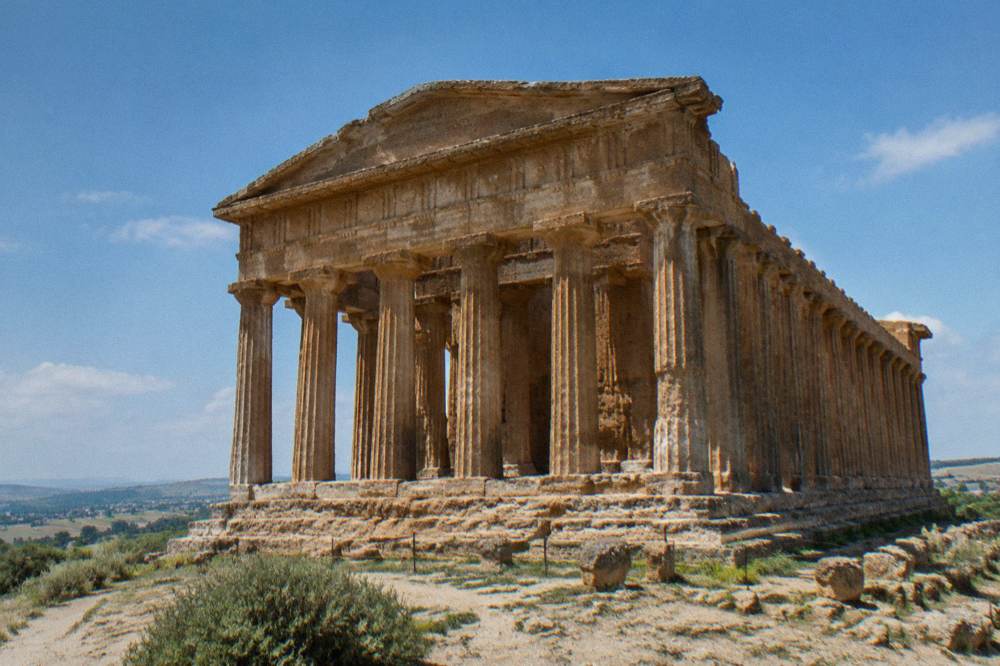
Is Agrigento Worth The Long Day From Palermo?
Agrigento is the longest day of the week and the most rewarding single site in the south-west: the Valley of the Temples costs 14 EUR full and 7 EUR reduced, opens every day 8:30 to 20:00 with last entry 19:00, and sits 129 km and 136 free-flow minutes from the Quattro Canti, reachable by a direct regional train of about two hours from Palermo Centrale or by coach, so it works as a book-ahead day rather than a spur-of-the-moment one.
The temple park's UNESCO inscription dates from 1997, and the Agrigento guide carries the detail. Summer adds evening openings on set dates, and the first Sunday of the month brings free daytime entry in the summer period, per the ticketing operator's page. Combined tickets with the Pietro Griffo Museum and the Kolymbethra Garden exist at higher rates on the same page.
The train is the simple choice: direct regional services run Palermo Centrale to Agrigento in about two hours, and the coach operators serve the town with a transfer at the Agrigento end to reach the site itself. A guided day tour from Palermo folds the transfer and the interpretation into one booking, and several sit in the site's tour roster, but the independent route is entirely practical with a morning start. The wider set of guides lives on Palermo Italy Travel Guide.
Fold the Villa Romana del Casale at Piazza Armerina into this day only if you accept a very long day; the combined temple-plus-villa excursions on the roster run as full-day products, and the villa's mosaics justify the extra hours for readers whose interest runs to Roman floors. Otherwise keep Agrigento pure and return to Palermo for a late dinner in the Kalsa.
When Should You Take To The Water From Palermo?
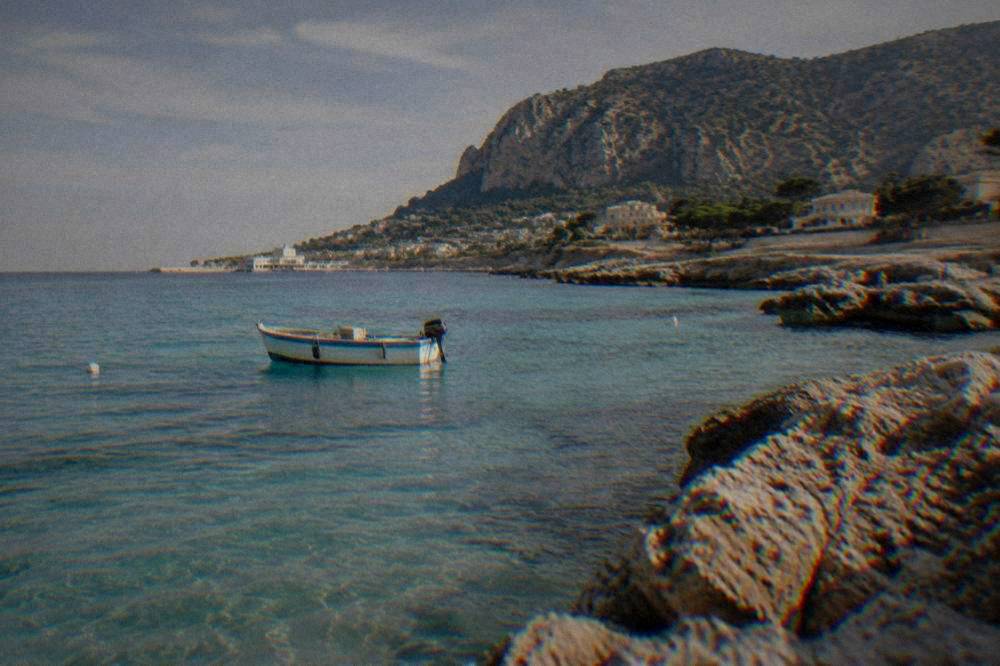
Give day six to the sea in one of two forms: the beach at Mondello, 13.9 km and about 27 minutes by road from the Quattro Canti and served by AMAT's summer line 806, or a boat trip from the Palermo harbour, where small-group trips with snacks and snorkeling run along the coast to Capo Gallo and Mondello, with the port's own 2025 figures showing 996,484 cruise passengers across 284 calls, a port busy enough that the waterfront runs all year.
Mondello's beach mixes free public stretches with paid lidos, and the 2026 season ran a low-cost access option at 6 EUR for basic services in the Italo Belga area, though that concession sits in a court dispute, so check before planning around it. No Palermo-area beach appears on the 2026 Sicily Blue Flag list, so judge the water on the day and on the municipal sampling reports rather than on a badge. The Mondello guide carries the practical detail.
The boat option suits the week's rhythm better than a second beach day. Departures leave from the harbour a short walk from the centre, and the routes run toward Capo Gallo and the Mondello bay with swimming stops. The featured trip on this site carries snacks and snorkeling gear and renders with its live price and rating from its token below; readers comparing options can also look at the shared-boat and full-day catamaran listings on the main things to do page.
Keep the last morning for what the week has left dangling: a final pass through Ballarò market before the stalls thin after lunch, the Foro Italico seafront, or Villa Giulia and the Parco della Favorita, all free. Tap water in Palermo is suitable for drinking according to AMAP, the city's water utility, so a bottle fills at the tap. Emergency numbers are 112 for general emergencies, 118 medical, 115 fire and 113 police.
What Should A Day By Day Plan For Seven Days Look Like?
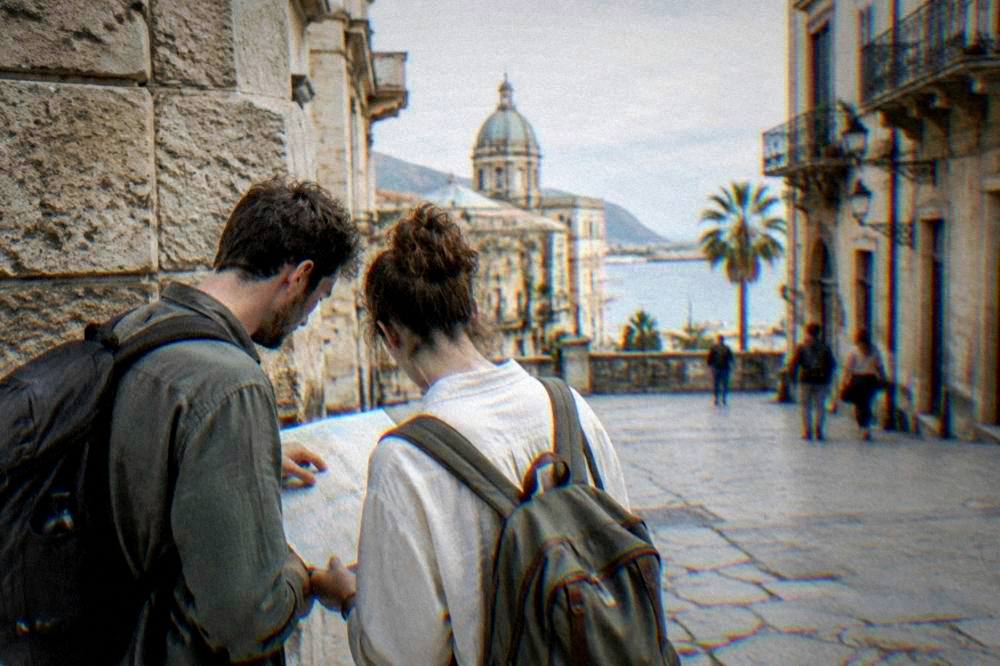
The week runs city, hill town, coast, far west, deep south, sea, and a soft landing: days one and two in Palermo's centre, day three in Monreale, day four in Cefalu, day five on the Segesta, Erice and Trapani loop, day six in Agrigento, and day seven split between Mondello or a harbour boat trip and a final market morning, an order that alternates long travel days with short ones and never puts two 90-minute-plus drives back to back.
| Day | Base | Main stops | Key fares and tickets |
|---|---|---|---|
| 1 | Palermo | Palazzo dei Normanni, Cappella Palatina, Cathedral, Quattro Canti | Palace ticket 14.50 EUR full, 12.50 EUR reduced |
| 2 | Palermo | Ballarò or Capo market, Capuchin Catacombs, Teatro Massimo tour | Catacombs 5 EUR, tour 14 EUR full, 7 EUR under 26 |
| 3 | Monreale | Cathedral and cloister, back to Palermo for the Kalsa | Bus 389 at 1.40 EUR, cloister 8 EUR full, 4 EUR reduced |
| 4 | Cefalu | Cathedral, La Rocca, the beach | Train 40 to 60 min, La Rocca 5 EUR, cathedral free |
| 5 | Segesta, Erice, Trapani | Temple and theatre, cable car, salt pans | Segesta 14 EUR, cable car 9 EUR one way, 15 EUR return |
| 6 | Agrigento | Valley of the Temples | Direct train about 2 h, ticket 14 EUR full, 7 EUR reduced |
| 7 | Palermo and Mondello | Boat trip or beach, market, Foro Italico | AMAT day ticket 3.50 EUR |
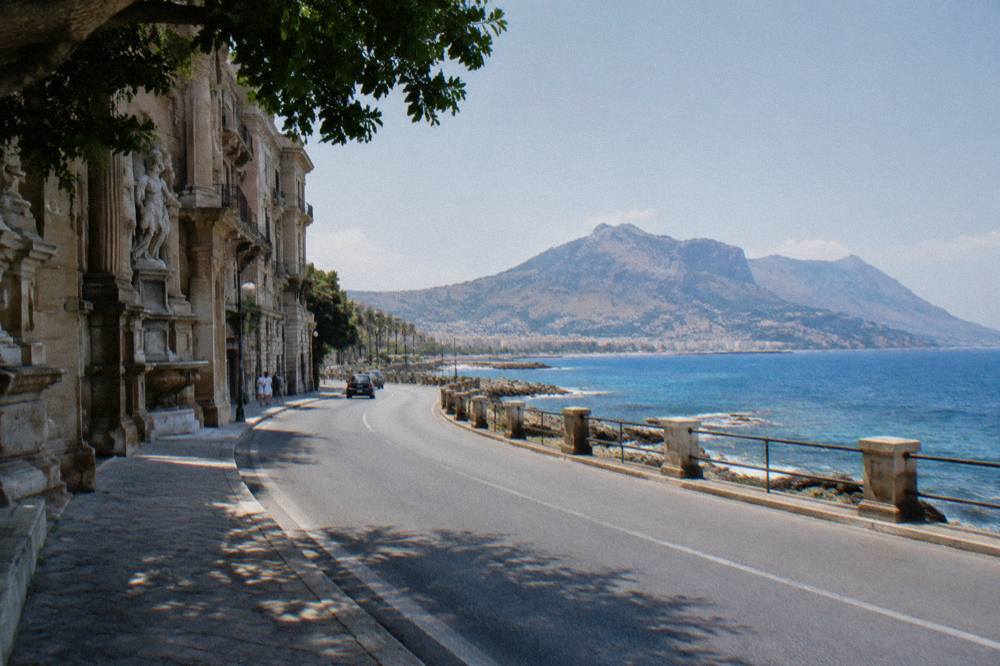
The driving distances below come from route calculations from the Quattro Canti and assume free-flow traffic, so add margin at summer weekends.
| Destination | Road distance from Quattro Canti | Free-flow time |
|---|---|---|
| Monreale | 10.4 km | 16 min |
| Mondello | 13.9 km | 27 min |
| Segesta | 76.2 km | 64 min |
| Scopello | 76.1 km | 77 min |
| Trapani | 105.9 km | 87 min |
| Erice | 112.2 km | 96 min |
| Agrigento temple park | 129 km | 136 min |
| Cefalu | 71.5 km | 65 min |
Public transport fares, all from the operators' own pages, sit low enough that the week's entire local transport bill stays modest.
| Ticket | Price | Notes |
|---|---|---|
| AMAT single, bought in advance | 1.40 EUR | Valid 90 minutes from validation |
| AMAT single, onboard | 1.80 EUR | Includes a surcharge |
| AMAT day ticket | 3.50 EUR | Whole network, until end of service |
| AMAT three-day ticket | 8.00 EUR | Whole network, covers the Palermo days |
| Monreale bus 389 | 1.40 EUR | Ordinary AMAT fare, about every 40 min |
| Palermo to Cefalu train | Fare on the Trenitalia ticket page | 40 to 60 min, 19 to 24 direct trains daily |
| Palermo to Agrigento train | Fare on the Trenitalia ticket page | Direct regional, about 2 h |
What Will The Week Cost In Tickets, And When Is The Best Month To Go?
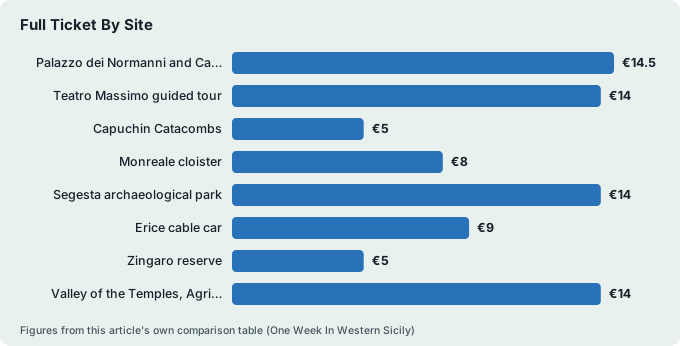
Counting only the paid admissions listed above, the seven days run to roughly 60 EUR per adult at full price before food and sleep, with the biggest single ticket the 14.50 EUR Palazzo dei Normanni admission and the cheapest meaningful one the 1.40 EUR bus ride to Monreale, while the climate table, modelled ERA5 normals for 1991 to 2020, puts August as the warmest month at 26.8 C mean and October as the wettest at 81 mm, making May, June and September the comfortable planning months.
The admissions table below gathers the figures in one place. The first Sunday of the month brings free entry at many state and regional museums, confirmed per site, which can shave the museum lines if the calendar cooperates.
| Site | Full ticket | Reduced |
|---|---|---|
| Palazzo dei Normanni and Cappella Palatina | 14.50 EUR | 12.50 EUR |
| Teatro Massimo guided tour | 14 EUR | 7 EUR under 26 |
| Capuchin Catacombs | 5 EUR | 3 EUR |
| Monreale cloister | 8 EUR | 4 EUR |
| Segesta archaeological park | 14 EUR | 7 EUR |
| Erice cable car | 9 EUR one way, 15 EUR return | on the operator's page |
| Zingaro reserve | 5 EUR | 3 EUR |
| Valley of the Temples, Agrigento | 14 EUR | 7 EUR |
| Cefalu tower and museum itineraries | 10 EUR and 13 EUR | on the operator's page |
| La Rocca, Cefalu | 5 EUR | 2.50 EUR |
The monthly means from the modelled 1991 to 2020 normals: January 11.3 C, April 15.3 C, July 26.2 C, August 26.8 C and October 20.1 C, with rainfall peaking in October at 81 mm and bottoming in July at 7 mm. July and August suit the boat and beach days and crowd the temples; May, June and September split the difference. The Festino of Saint Rosalia runs each July, 10 to 15 July in 2026 with the chariot procession on the 14th and the silver urn procession on the 15th, and it fills the centre, so book ahead if the week lands on it.
Common Questions About One Week In Western Sicily
Is one week enough for Palermo and western Sicily?
Yes. Seven nights in Palermo cover two city days plus Monreale, Cefalu, the Segesta, Erice and Trapani loop, Agrigento and a sea day, all as day trips from one base, since no excursion on this plan exceeds about 136 free-flow minutes each way.
Do you need a car for a week in western Sicily?
No. The trains reach Cefalu in 40 to 60 minutes and Agrigento in about two hours, AMAT bus 389 reaches Monreale for the 1.40 EUR city fare, and coach excursions cover Segesta, Erice and Scopello. A car helps only for the Zingaro reserve and the flexible western loop.
What is the best month for a week in Palermo and the west?
May, June and September balance the modelled 1991 to 2020 normals, with warm means and less of October's 81 mm rainfall, while July at 26.2 C and August at 26.8 C suit the water days and crowd the temple parks.
How much do tickets cost for the week's main sites?
Full-price admissions on this plan run 14.50 EUR at the Palazzo dei Normanni, 14 EUR at Segesta and the Valley of the Temples, 8 EUR at the Monreale cloister, 5 EUR at the Capuchin Catacombs and La Rocca in Cefalu, and 15 EUR return on the Erice cable car, roughly 60 EUR per adult across the week before food and accommodation.
Which day trips from Palermo are the longest?
Agrigento at 129 km and 136 free-flow minutes is the longest, then Erice at 96 minutes and Trapani at 87.
Can you swim during a Palermo-based week?
Yes. Mondello lies 13.9 km and about 27 minutes from the centre with AMAT summer line 806, mixing free stretches with paid lidos, and harbour boat trips with snorkeling run along the coast toward Capo Gallo. No Palermo-area beach holds a 2026 Blue Flag, so judge the water on the day.
The week ends where it began, at the Quattro Canti, with the last evening left open for the Vucciria's night scene or a final plate from a market stall, and every ticket on this page already read, bought or wisely left to the operator's live listing.
