Trapani From Palermo
Trapani sits on Sicily's western tip, where working salt pans meet the sea and a cable car climbs to the hill town of Erice. This page lays out how the day works from Palermo, what each part costs, and where the plans need checking before you set off.
Short answer
Trapani is reached from Palermo by direct coach, on timetables of roughly 1 hour 35 minutes to 1 hour 40 minutes, and the day splits naturally between the seafront town, the salt pans at Nubia with their free salt museum, and the cable car up to Erice at 9 EUR one way or 15 EUR return.
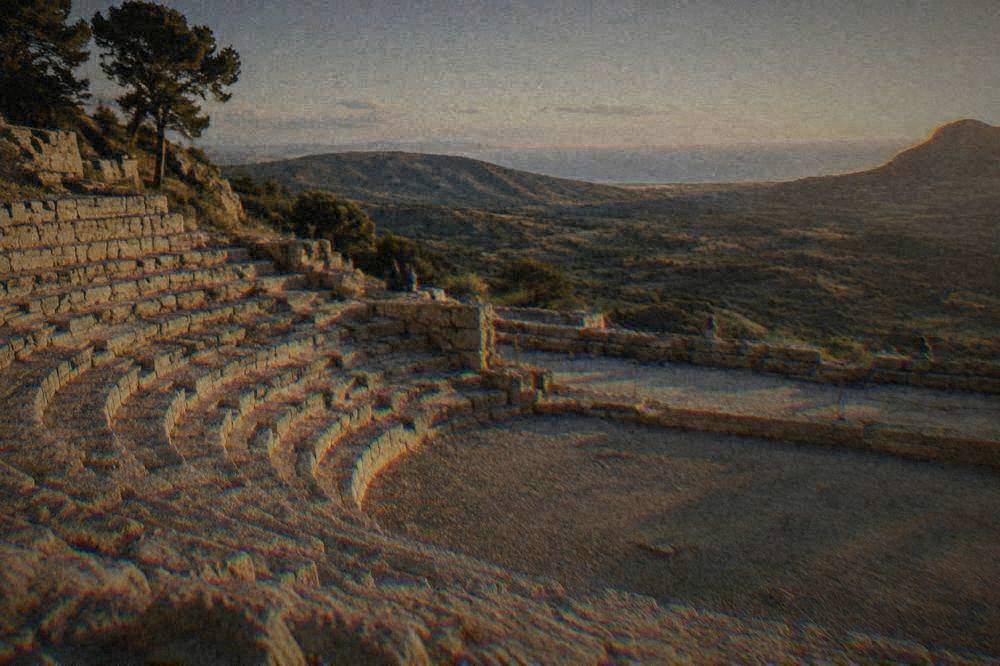
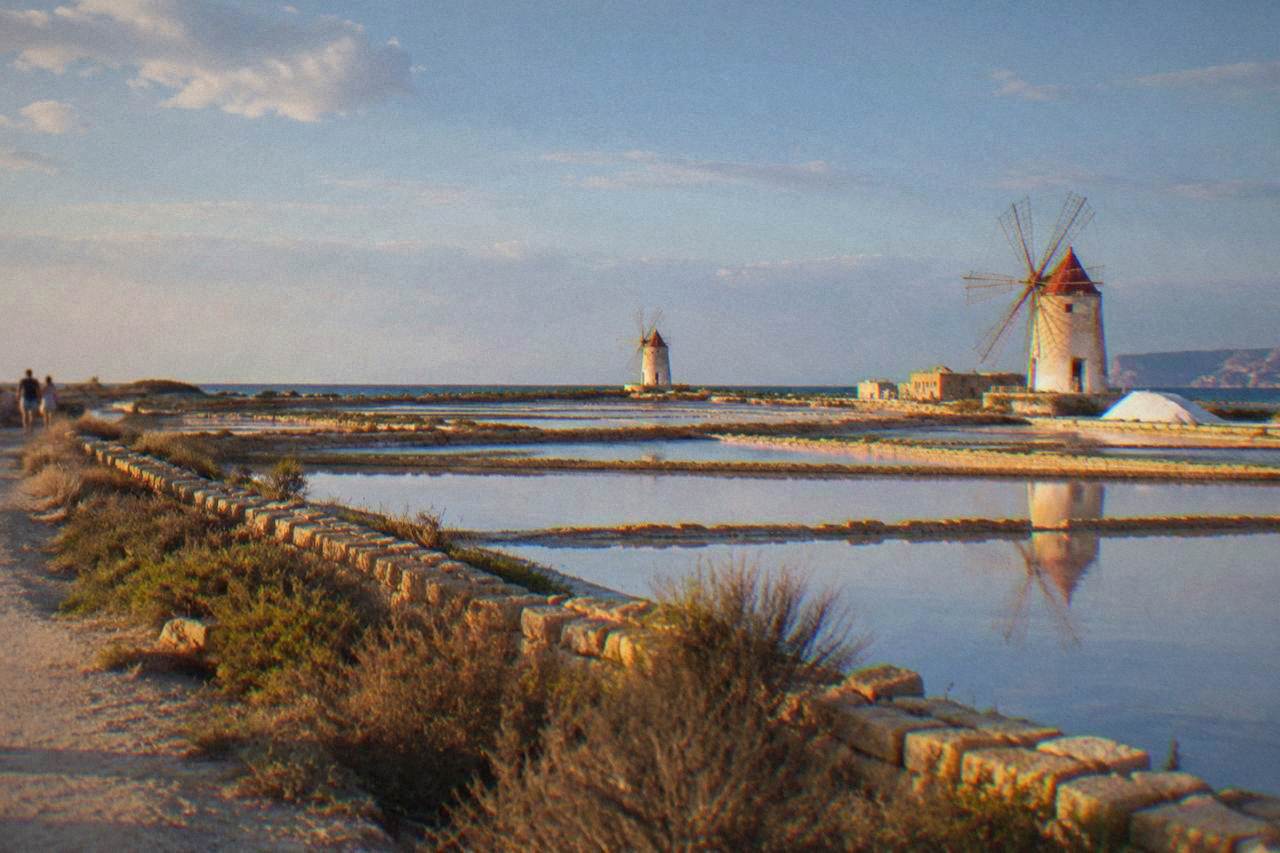
Trapani curves out along a low spit of land on Sicily's west coast, three hours of island away from Palermo by road and coach. The town itself is a working port with a long seafront, but the reason the trip registers on a Palermo itinerary is the landscape around it: shallow salt pans divided into patchworks of pink and white, windmills standing in the water, and the walled town of Erice on its mountain directly above. The Palermo Italy Travel Guide desk has assembled this page from operator timetables, museum listings and the regional parks' own pages, so every figure below has a source behind it and every gap says where to check.
The shape of the day matters more than the order. Trapani, the salt pans at Nubia and Erice sit in a tight triangle at the end of the A29 motorway, which is toll-free for its whole length, so a visitor with a full day can move between all three without backtracking. A visitor with a car can add Segesta on the way out, since the archaeological park sits inland on the Palermo side. Everything on this page starts and ends at Palermo, and the day trips overview collects the other options, from Monreale to Cefalu.
How Do You Get From Palermo To Trapani Without A Car?
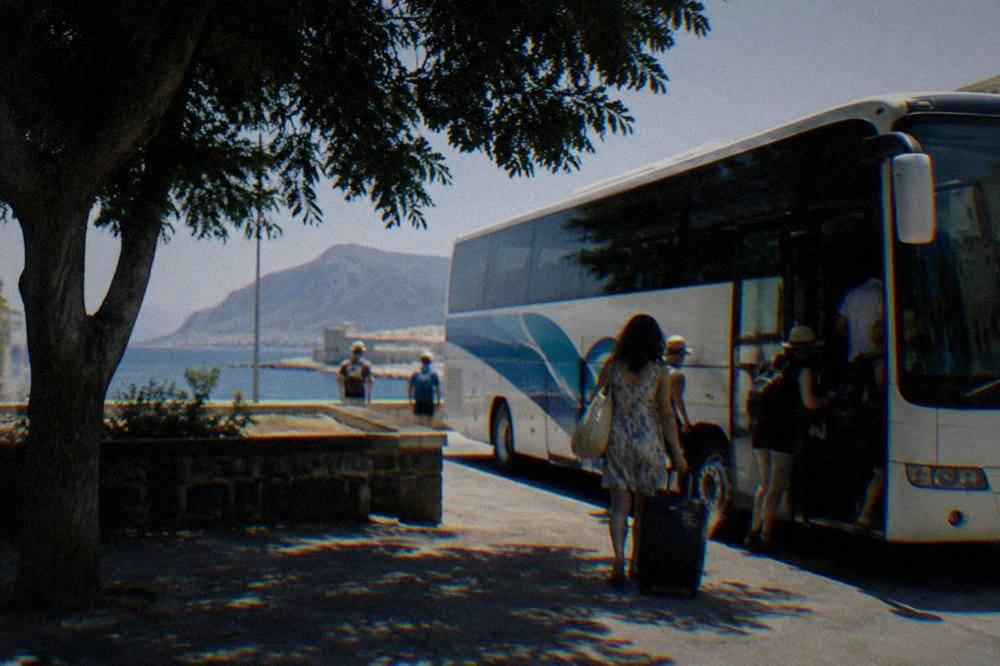
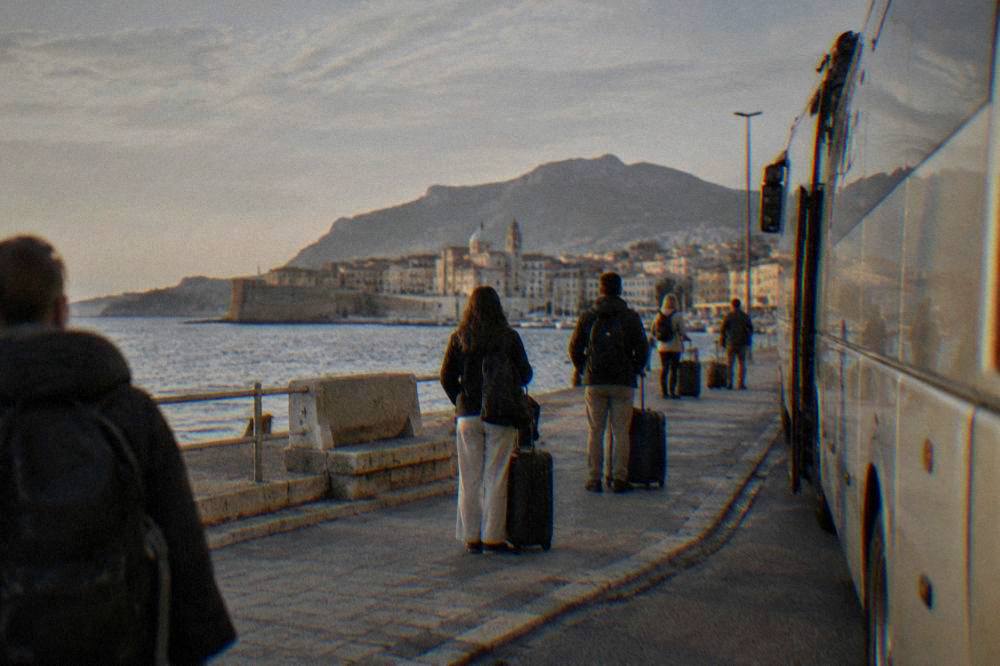
Trapani is served from Palermo by direct coaches run by Segesta Autolinee and FlixBus, with journeys of about 1 hour 35 minutes to 1 hour 40 minutes on the operators' timetables, arriving in Trapani town where local buses and the Erice cable car take over. No train timetable between the two cities is carried here, so the coach is the service this page can actually describe, and fares are shown on each operator's own booking page.
The coach is the practical answer. Segesta Autolinee, the regional operator, runs the Palermo to Trapani route alongside the long-distance FlixBus services, and the two networks between them give a choice of departures across the day. The fare is not printed on this page because it belongs to the operators' booking systems rather than to a published tariff this desk can cite; both operators show it before you commit. Coaches leave from the stops around Palermo Centrale station, where the taxi rank and the AMAT bus and tram stops sit outside the same building.
Driving is the other route. The A29 runs from the Palermo ring road to Trapani and its branches, and it is toll-free along its entire length because it is managed by Anas rather than a private concession. That makes the western day trip unusually cheap in fuel-and-tolls terms compared with motorway travel elsewhere in Italy. A hire car also unlocks the stops between Trapani and Marsala, where the salt pans string along the coast road, and the parking question in Trapani town is simply one to check at the accommodation or car-hire desk.
If driving the whole triangle at your own pace appeals, book a rental car here.
What Makes The Trapani Salt Pans Worth The Trip?
The salt pans between Trapani and Marsala are a working landscape of evaporation basins, canals and windmills that still produces sea salt, and the Museo del Sale at Nubia explains the whole process with free entry, open daily from 9:30 to 19:00, so the stop costs nothing but the time it takes to walk the basins and watch the water shift colour through the day.
Salt has been harvested here by sun and wind for centuries, and the method is visible from the road: seawater is moved through a descending series of shallow ponds, and as the water evaporates the concentration rises until salt crusts over the final basins for raking into white heaps behind the windmills. The colour comes next. The concentrated brine hosts algae and small shrimp that tint the ponds pink and amber, and the effect is strongest in the afternoons, which is why the light and the timing of a Trapani day matter.
The museum anchors the visit. The Museo del Sale sits at Nubia, on the SP21 road that runs down the coast towards Marsala, inside a restored mill complex, and its listing shows daily opening from 9:30 to 19:00 with free entry. The mill machinery is part of the display, and the shop sells the salt the pans produce. For a visitor arriving by coach into Trapani town, the pans at Nubia are a taxi or local bus ride south; for a driver, the coastal road passes viewing spots where you can stop safely and walk the bunds.
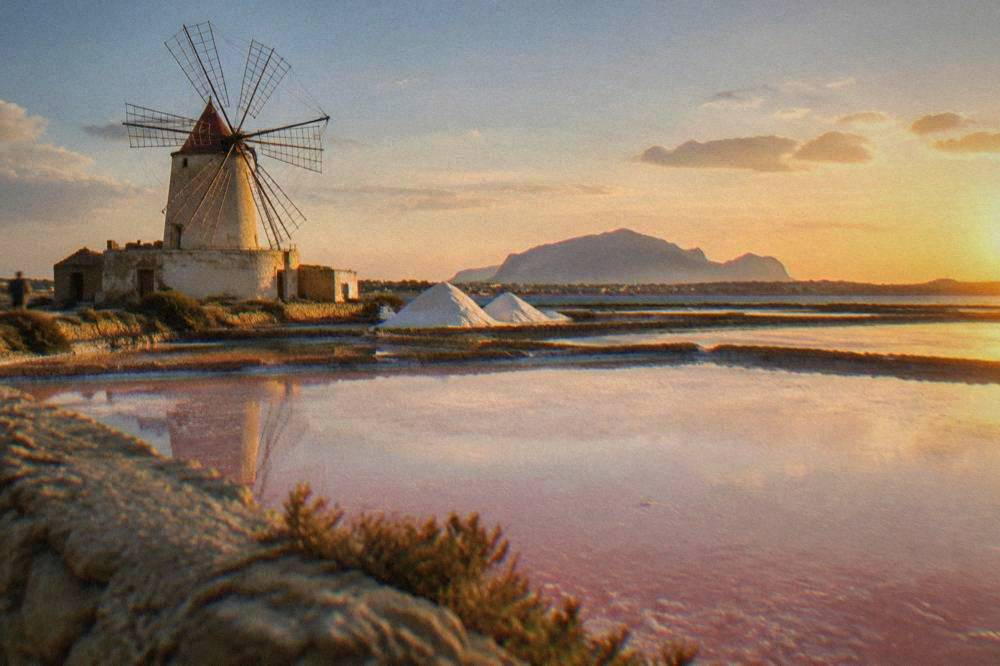
What the pans are not is a beach. The basins are working industrial land, with soft edges, deep channels and machinery, so the rule is to stay on the paths and the roads. The town of Trapani itself has its own seafront swimming and a sandy strip near the centre, but that is a separate stop, and anyone combining a swim with the pans should plan them in that order rather than the reverse.
A guided excursion is the alternative to self-driving, and the operator listings cover the region's far stops in one booked day. The Villa Romana and Valley of the Temples trip runs south rather than west, but it shows how a booked day handles the distances; for the western triangle, the listing for each excursion names its exact stops before you pay. Check availability
Is Erice The Real Reason To Take This Trip?
Erice is a stone-built hill town sitting high above Trapani, reached by the Funivia cable car from the Trapani outskirts in a straight climb from the valley station, with tickets at 9 EUR one way and 15 EUR return on the operator's tariff page, and its walls, cobbled lanes and castle gardens look out across the salt pans, the Egadi islands and the western sea.
The cable car is the point. The Funivia di Erice runs from the valley station on the edge of Trapani to the town gates, and its published tariff is 9 EUR one way and 15 EUR return, with hours that shift by season and with some closure periods for maintenance, so the day should start from the operator's own timetable page rather than from a remembered time. The climb replaces the winding mountain road, which is the other way up and the one coaches and cars use.
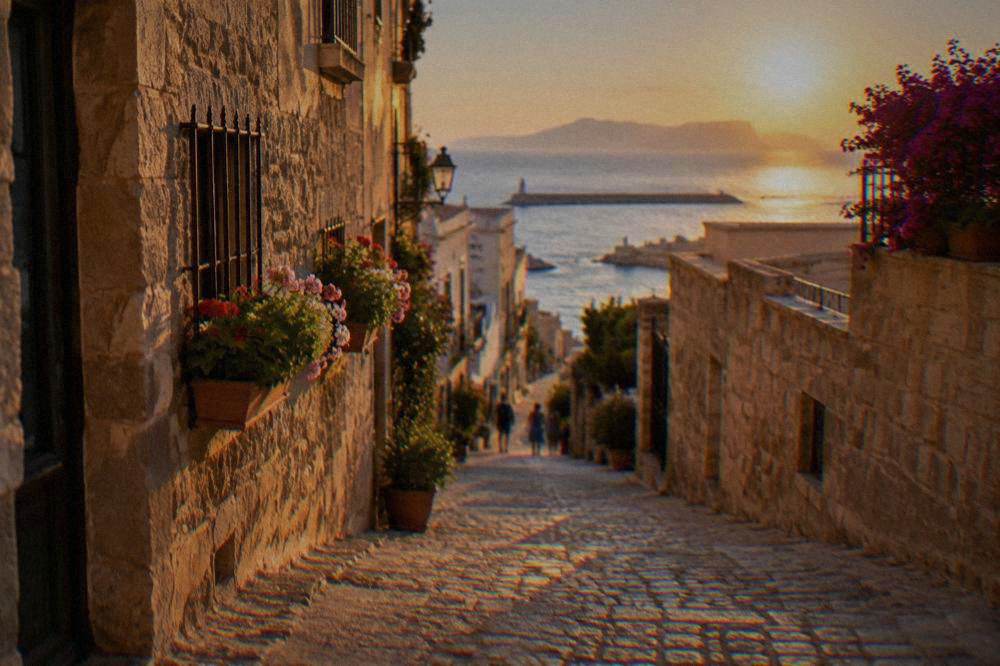
Up top, Erice is small enough to walk in a loop. The town is a grid of cobbled lanes inside its walls, with the castle grounds at one edge and gardens running along the ramparts, and the views are the reason the viewpoint railings get crowded at sunset. The pasticcerie of Erice are known for almond sweets and for a claim to the invention of one of them, but a claim like that is the shop's own story rather than a fact this page can check, so the honest advice is to buy one and judge it.
Two practical notes carry the day. First, Erice sits in cloud more often than the coast below, and the temperature difference is real, so a layer that would be excessive in Trapani is useful at the top. Second, the cable car queue builds in the middle of the day, and the operator runs a published timetable rather than a turn-up-and-go frequency, so checking the last descent before you climb is the one task that protects the return journey.
Can You Combine Segesta With Trapani In One Day?
Segesta and Trapani can be combined in one long day with a car, because the Segesta archaeological park sits inland on the Palermo side of the route, and visiting it on the way out or back leaves the western triangle for the afternoon, but the combination is a full-day plan with tight timing and it depends on the Segesta opening hours, which shift by month across the year.
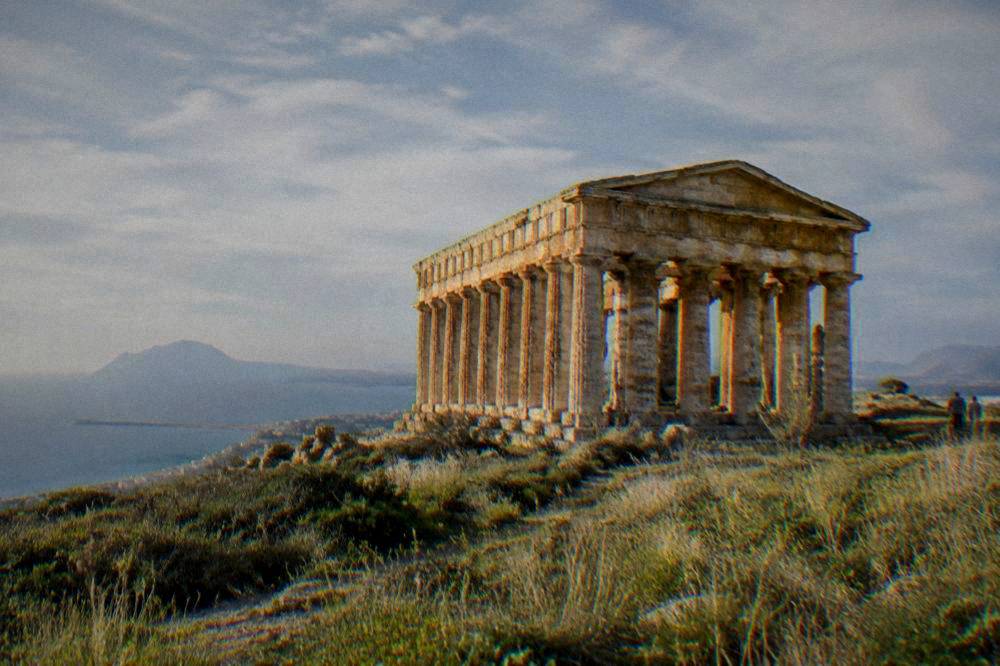
Segesta is the deep-history stop on this route. The park holds a Greek temple on its hillside and a theatre higher up, and the regional parks' own pages give the seasonal hours: the ticket office and closing times move across the year, with winter days ending in the mid afternoon and summer days running into the evening, so the month of travel decides whether Segesta works as a first stop or a last one. The admission figures sit on the regional parks' ticketing page, which is where the current price should be read rather than guessed here.
The order that works is Segesta first, then Trapani and the pans, then Erice for the evening light and the descent after it. The Segesta day trip guide covers the site itself in detail, and the honest summary for combining is: by car, yes; by public transport, plan Segesta as its own half day.
What Does A Trapani Day Trip Cost To Plan?
A Trapani day built around the salt pans and Erice carries two fixed costs this page can print, the Erice cable car at 9 EUR one way or 15 EUR return and the free Museo del Sale at Nubia, with the Palermo to Trapani coach fare shown on the operator's booking page and Trapani's own seafront, old town and churches walked at no charge, so the day can run from very little upward depending on food and transport choices.
The table below collects what carries a printed figure and what does not. Where a cell points to an operator or official page, that is where the live number lives, and a fare read there at booking beats a number remembered from a forum.
| Item | Figure | Where It Comes From |
|---|---|---|
| Erice cable car, one way | 9 EUR | Funivia di Erice tariff page |
| Erice cable car, return | 15 EUR | Funivia di Erice tariff page |
| Museo del Sale, Nubia | Free entry | Museum listing |
| Museo del Sale hours | 9:30 to 19:00 daily | Museum listing |
| A29 motorway tolls | None, toll-free | Anas-managed route |
| Palermo to Trapani coach | Fare on the operator's booking page | Segesta Autolinee and FlixBus |
| Palermo to Trapani coach time | About 1 h 35 to 1 h 40 | Operator timetables |
| Segesta entry | Current prices on the parks' ticketing page | Regional parks site |
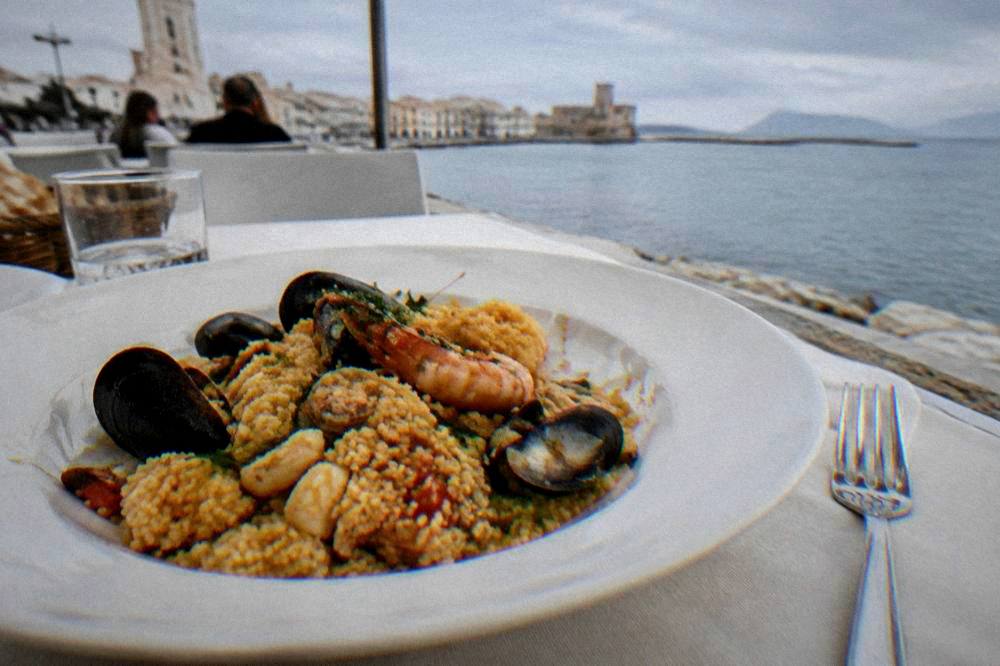
Food is the open variable. Trapani's cooking leans on the sea, and couscous is the signature dish of the western coast, a legacy the town shares with its North African neighbours across the water; the CousCous Fest at San Vito Lo Capo in the Trapani province each September is the region's celebration of it, but that town is a separate stop covered on the Scopello and Zingaro page. In town, the same rules as Palermo apply: a coperto cover charge is legal when printed on the menu, tipping is not obligatory, and the itemised bill is the check that matters.
When Is The Best Time Of Year For Salt Pans And Erice?
The climate table for Palermo, modelled ERA5 normals for 1991 to 2020, shows the warm and dry window running from May through August with July the driest month at 7 mm of rain and August the warmest at a mean of 26.8 C, while October is the wettest month at 81 mm, so the salt pans and the cable car are at their most dependable from late spring to early September and the shoulder months trade thinner crowds against a real chance of rain.
The pans themselves change with the season. Summer is harvest time, when salt is raked and heaped and the ponds sit at their most concentrated colour, and the heat at the coast is real, with an August mean maximum of 30.4 C in the table for Palermo. Spring fills the basins and softens the landscape but mutes the colour. Winter keeps the pans working with the windmills idle, and the museum holds its 9:30 to 19:00 hours through the year.
Erice flips the equation. At altitude, the town catches cloud and wind that the coast misses, and a summer afternoon that is heavy at the pans can be cool at the castle walls. The cable car's own hours page lists seasonal patterns and maintenance closures, so a winter or late-autumn plan should read it the day before rather than the week before.
| Month | Mean Temperature C | Rainfall mm | What It Means For The Day |
|---|---|---|---|
| May | 19.1 | 36 | Warm coast, green pans, comfortable walking in Erice |
| June | 23.4 | 15 | Salt season building, long daylight for the descent |
| July | 26.2 | 7 | Driest month, strongest pond colour, hot at midday |
| August | 26.8 | 19 | Warmest month, mean maximum 30.4 C, peak salt harvest |
| September | 23.4 | 61 | Sea still warm, rain returning, fewer departures to check |
| October | 20.1 | 81 | Wettest month, check the cable car page before booking |
The figures above are modelled 1991 to 2020 normals for Palermo itself, and Trapani's climate runs close to them, but Erice at altitude runs cooler than any coastal figure, so the table plans the coast and the layer plans the mountain.
What Should You Know Before You Set Off?
The practical spine of the day is the same as Palermo's: emergency number 112 works across Italy, petty crime such as pickpocketing and bag-snatching is what the US State Department and UK FCDO advisories flag around tourist sites and public transport, the euro is the currency, and the two checks worth making the day before are the cable car timetable and the coach departure board, because seasonal shifts hit both.
Safety advice for this trip is ordinary city advice. The US State Department's Italy advisory notes that petty crime, including pickpocketing and purse snatching, is common in popular tourist locations and on public transport, and the UK FCDO says the same about city centres and major attractions. The checks that follow are plain: a bag zipped and held in front on a crowded coach, valuables out of back pockets, and a phone photographed with the coach times before the return journey.
Money and timing close the plan. Nothing on this page needs cash in advance except small purchases, since the cable car, the coach and the museum are each paid at the point of use. If the day runs long, Trapani is a ferry and hydrofoil port in its own right, but connections from there belong to another itinerary and no timetable for them is carried here. The one booking that removes the transport question entirely is a guided excursion, and the listings show each route's stops before payment.
| Check Before You Go | Where To Read It | Why It Matters |
|---|---|---|
| Cable car hours and closures | Funivia di Erice timetable page | Seasonal shifts and maintenance stops |
| Coach times Palermo to Trapani | Operator booking pages | The return leg sets the day's end |
| Segesta seasonal hours | Regional parks' site | Closing times move month by month |
| Museo del Sale hours | Museum listing | Confirms the free stop fits the route |
| Weather for Erice's altitude | Any forecast, read for the town not the coast | Cloud and cold sit at the top |
Which Other Day Trips Pair With A Western Sicily Plan?
A western Sicily itinerary built from Palermo can string Trapani and Erice with Segesta, the Scopello coast and the Zingaro reserve, and the Erice guide deserves a slower day if the town earns one, because all of them sit within the same toll-free A29 corridor, while Mondello works as the lazy contrast, a 1.5 km sandy beach 13.9 km from the city on the municipal page's own description, reached by the AMAT summer line 806.
The pairing logic is simple: west for landscape and depth, near for water and rest. A three-day western run could take Trapani and Erice on the first day, Segesta and Scopello on the second, and Mondello beach on the third, with Monreale's cloister, at 8 EUR full and 4 EUR reduced, slotting into any morning before a coach leaves. The Erice guide holds the town in detail, and the beaches page holds the coastal facts, including the note that no Palermo-area beach is on the 2026 Blue Flag list, so a western swim stop should be chosen on water and access rather than on an award.
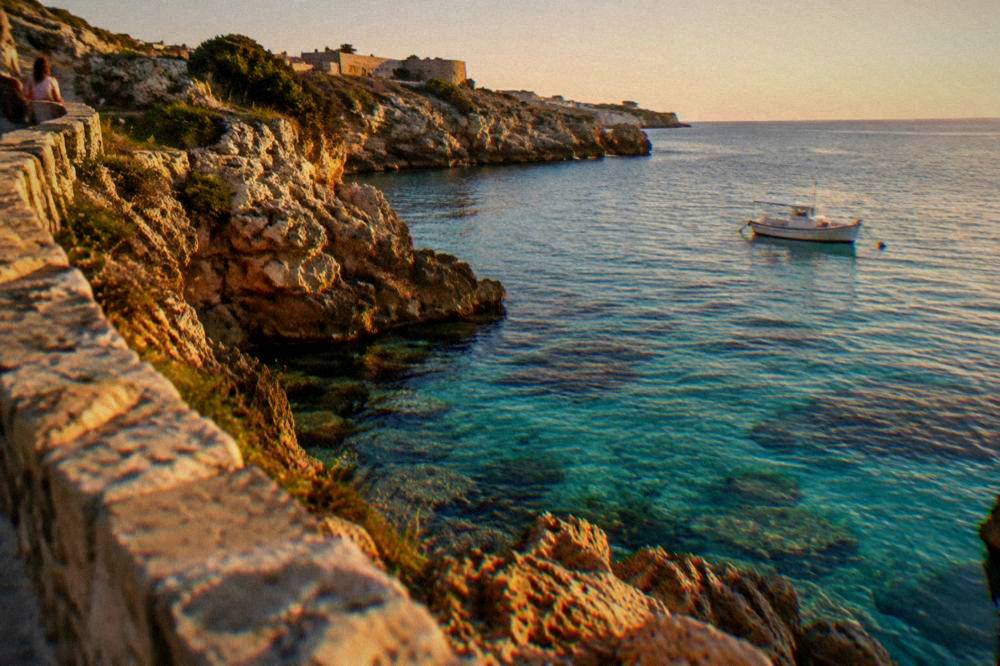
For visitors who would rather taste the region than drive it, the food listings cover the same ground at street level. The street food and history walk and the pizza and gelato class both stay in Palermo, which makes them the evening counterpart to a western day trip: the coast in the morning, the market counters after dark.
Common Questions About Trapani From Palermo
How Do You Get From Palermo To Trapani?
Direct coaches run by Segesta Autolinee and FlixBus connect Palermo with Trapani in about 1 hour 35 minutes to 1 hour 40 minutes on the operators' timetables, departing from the stops around Palermo Centrale station. The fare is shown on each operator's booking page. Driving uses the toll-free A29 motorway.
How Much Does The Erice Cable Car Cost?
The Funivia di Erice tariff page lists 9 EUR for a one-way ticket and 15 EUR for a return. Hours change by season and the page also lists maintenance closures, so read it the day before a planned visit.
Is The Salt Museum At Nubia Free?
Yes, the Museo del Sale listing shows free entry with daily opening from 9:30 to 19:00. The museum sits inside a restored windmill in the salt pans between Trapani and Marsala.
Can You Visit Segesta And Trapani On The Same Day?
With a car, yes: Segesta lies inland on the Palermo side of the route and its seasonal hours on the regional parks' site decide whether it works as a first or last stop. By public transport the connection is thin and no verified timetable is printed here, so plan Segesta as its own half day.
When Is The Best Month For A Trapani Day Trip?
The modelled 1991 to 2020 normals for Palermo show July the driest month at 7 mm of rain and August the warmest at a 26.8 C mean, which is the peak salt-harvest colour in the pans. May, June and September trade slightly cooler days for thinner crowds, and October, the wettest month at 81 mm, needs a weather check and a cable car timetable check.
Do You Need A Car For The Salt Pans?
A car reaches the pans at Nubia directly along the coast road, and it is the flexible option for the stops between Trapani and Marsala. Arriving by coach into Trapani town, the pans are a local bus or taxi ride south, and the museum's 9:30 to 19:00 daily hours give the stop a wide window either way.
The western day is the one where Sicily's geography does the work: a toll-free road, a free museum in a windmill, a cable car priced at 9 EUR up, and a hill town waiting above the salt. Read the cable car page and the coach board the night before, pack a layer for Erice, and the plan holds together on its own.