Is Palermo Worth Visiting
Palermo, the coastal capital of Sicily on the Tyrrhenian Sea, is worth visiting for one layered reason: a UNESCO-listed historic centre, three working street markets, a beach district 27 minutes by road, and day trips to Monreale, Cefalu, Segesta and Agrigento all start from the same city.
Short answer
Yes. Palermo rewards a visit with a UNESCO-inscribed Arab-Norman route, a Palatine Chapel ticket that costs 14.50 EUR, street food markets that need no ticket at all, and Mondello beach and Monreale within an hour, all in a city of about 628,693 residents that runs on a 1.40 EUR bus ticket.
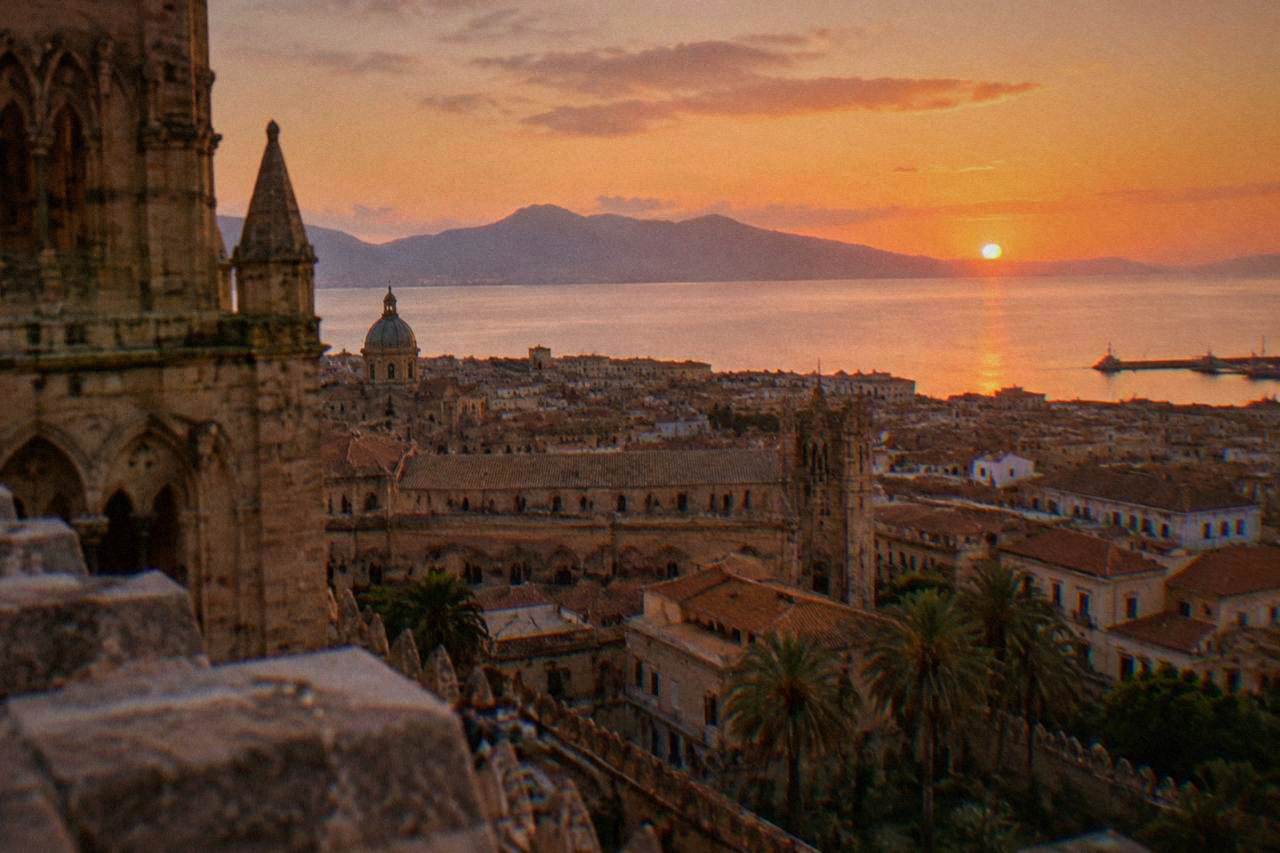
Palermo, the capital of Sicily on the north-west coast of Italy, sits on the Tyrrhenian Sea in the Gulf of Palermo, with Monte Pellegrino rising behind it and the beach district of Mondello up the coast. The municipal statistics office counts 628,693 residents at 31 December 2024, which makes it a working regional capital rather than a museum town. That distinction answers the question this page exists for. The city holds a UNESCO World Heritage inscription, three street markets that open at dawn, a royal palace with a chapel of gold mosaic inside it, and a transport network priced for residents rather than visitors, all covered in this guide from the Palermo Italy Travel Guide desk.
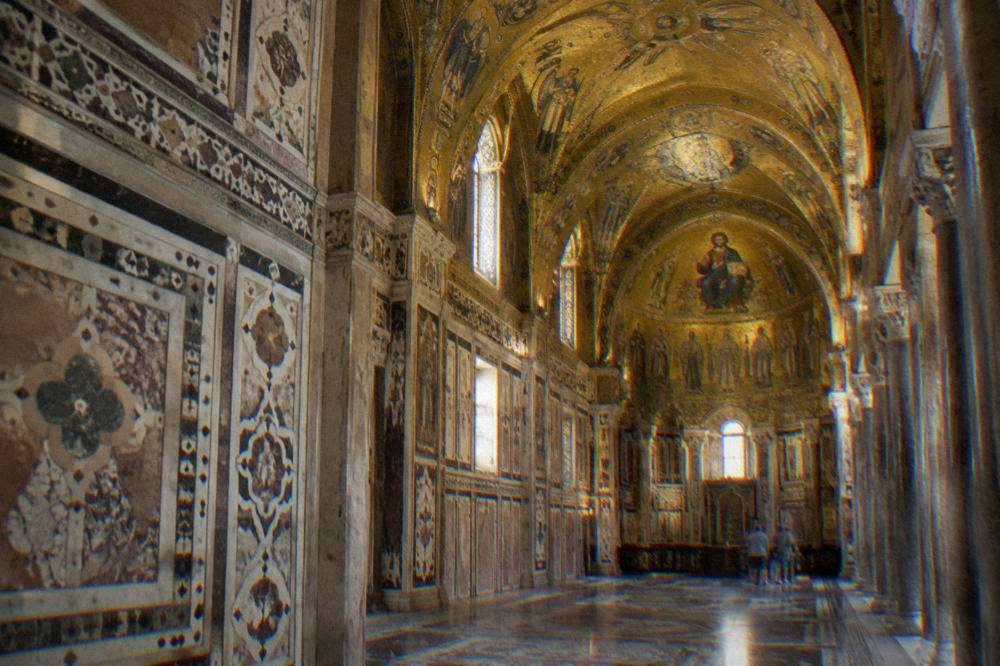
The short version: yes, Palermo is worth visiting, and the reasons are concrete. A single 14.50 EUR ticket covers the Palazzo dei Normanni and the Cappella Palatina together. The Quattro Canti, the Foro Italico, Villa Giulia and the markets cost nothing. The nearest serious beach is 13.9 km away by road. And Monreale, Cefalu, Segesta, Erice and Agrigento all sit within day-trip range of Palermo Centrale station. The rest of this page puts figures against each of those claims.
What Makes Palermo Worth Visiting?
Palermo earns its trip on density: a UNESCO-inscribed group of nine buildings across one walkable centre, three markets that still sell to residents, a beach 27 minutes by road, and a ring of day-trip towns within two hours. UNESCO inscribed Arab-Norman Palermo and the Cathedral Churches of Cefalu and Monreale in 2015, listing nine components, from the Royal Palace and Palatine Chapel to the Zisa, the Admiral's Bridge and three churches of the old centre. That single inscription gives the city a heritage rank that few Mediterranean capitals of its size hold, and it is walkable: the four historic districts, or mandamenti, of Capo, Albergheria, Kalsa and Loggia meet at the Quattro Canti, where Via Maqueda crosses Corso Vittorio Emanuele.
The municipal tourism page describes the crossing plainly: the intersection divided the city into four parts, each named for its most important building, Capo or Monte di Pietà, Albergheria or Palazzo Reale, Kalsa or Tribunali, and Loggia or Castellammare. A visitor can stand at that corner and see all four in one turn.
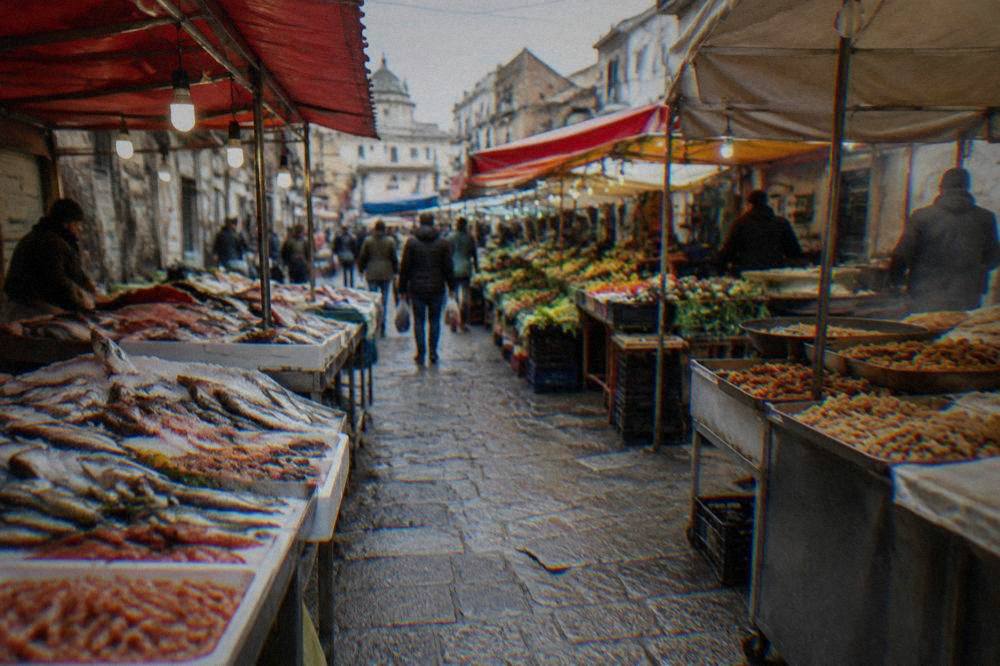
Layered on that layout is the food culture. The street food of Palermo runs through the markets of Ballarò, Capo and Vucciria, which need no ticket and open early: Ballarò runs Monday to Saturday from about 7:30 with Sunday mornings, and Capo runs mornings and closes Sundays. The Accademia della Crusca accepts both "arancina" and "arancino", noting that Palermo and western Sicily say arancina while Catania says arancino, so the fried rice ball is itself a small lesson in where you are.
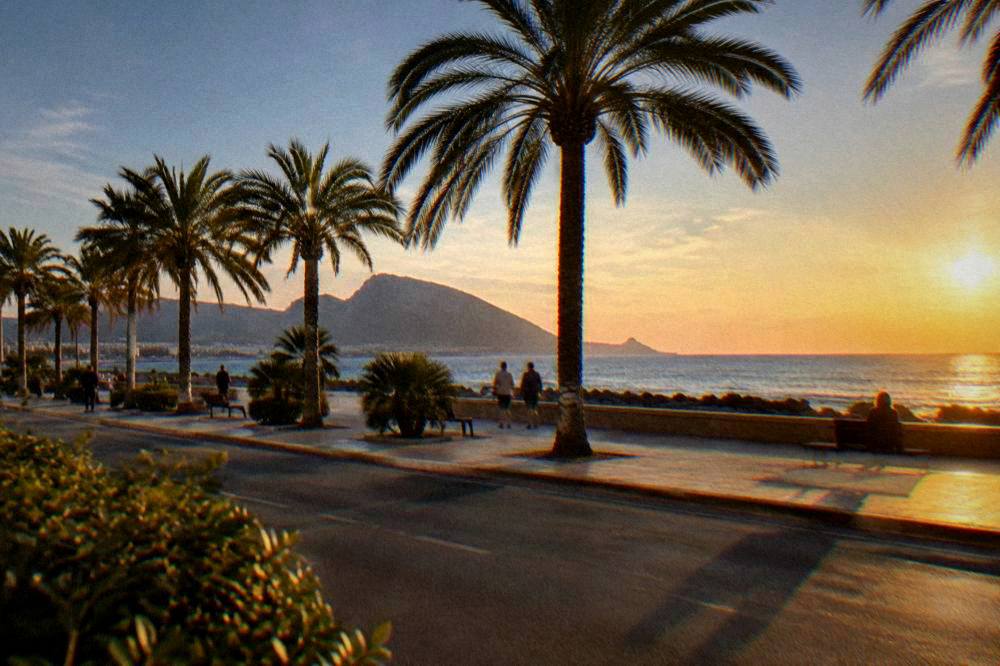
Add the sea. Mondello, the beach district described by the municipal tourism page as a fishing village with a long beach of fine white sand, is 13.9 km and about 27 minutes by road from the Quattro Canti, served in summer by AMAT line 806. Few regional capitals in Europe put a sandy beach that close to a UNESCO route.
What Are The Sights That Justify A Trip To Palermo?
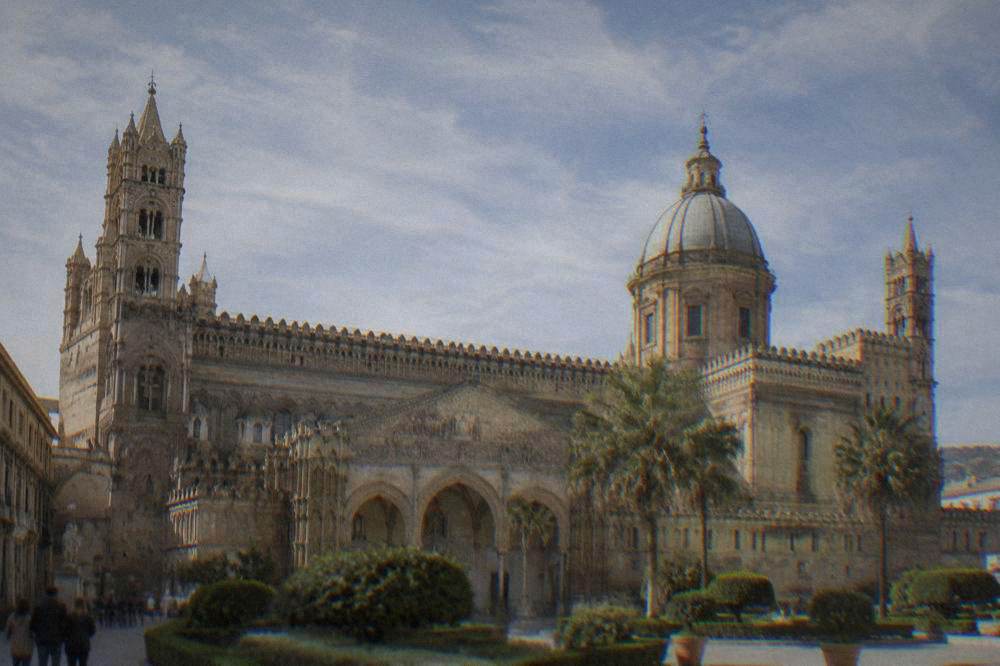
The core sights are the Palazzo dei Normanni with the Cappella Palatina inside it, Palermo Cathedral with its royal tombs, the Capuchin Catacombs, the Teatro Massimo, and the market streets, and together they fill two full days without repeating themselves. The palace and chapel share one ticket at 14.50 EUR full and 12.50 EUR reduced, with the royal apartments included, open Monday to Saturday to 16:30 last admission and Sunday mornings to 12:30. The chapel sits inside the palace complex rather than beside it, so one queue covers both, and the royal apartments close on Tuesdays and Wednesdays when the regional parliament sits, a detail the official visit page flags.
The cathedral carries the city's most compressed history. The official cathedral site states that in 831 the Saracens turned the earlier church into a large mosque called the Gami, and that in 1072 the Normans returned it to Christian worship. A Qur'an verse remains carved on the first column on the left of the southern porch. Inside, the Chapel of the Royal Tombs holds the sarcophagi of Roger II, Constance of Hauteville, Henry VI, Frederick II and Constance of Aragon. The monumental area, meaning the roof, the royal tombs, the treasury and the crypt, is ticketed, and the price is shown at the ticket point or on the cathedral's own ticket shop page.
Two more sights round out a first visit. The Capuchin Catacombs charge 5 EUR full and 3 EUR reduced, sell tickets at the office only, and prohibit photography. The Teatro Massimo runs daily guided tours, with the price table listing 14 EUR full, 7 EUR under 26, and a family ticket at 36 EUR; its 2026-27 season opens 22 November 2026 with Samson et Dalila, and Falstaff follows in May 2027 for the theatre's 130th anniversary. A guided visit to the palace and chapel is also bookable as a small-group or private tour:
For anyone planning the full circuit, the one day in Palermo and three days in Palermo itineraries sequence these sights street by street, and the Palermo museums page covers the Palazzo Steri, the Salinas Archaeological Museum and the Marionette Museum, which runs puppet shows Tuesday to Saturday at 17:00.
For visitors who want a guided handle on the city before exploring alone, these are the current picks:
To get that guided introduction before exploring alone, book a free walking tour here.
How Much Do The Main Palermo Sights Cost?
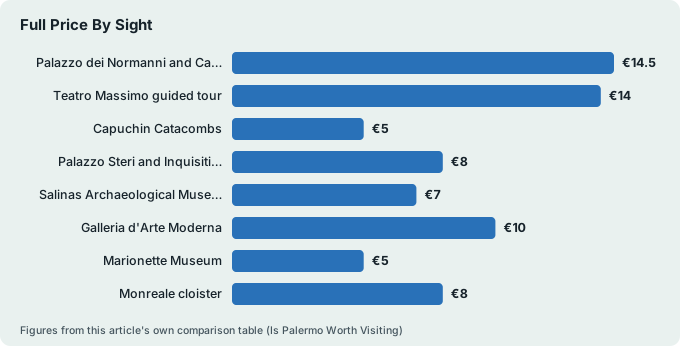
A two-day sightseeing budget in Palermo runs about 30 to 45 EUR per person in admission fees at full price, because the headline sights are cheap by the standards of other Italian regional capitals: 14.50 EUR for the palace and chapel, 5 EUR for the catacombs, 14 EUR for the Teatro Massimo tour, and nothing at all for the Quattro Canti, the markets, the Foro Italico or Villa Giulia.
Where a price is not published on an official page, the table says where it is shown instead of guessing a figure.
| Sight | Full price | Reduced | Notes |
|---|---|---|---|
| Palazzo dei Normanni and Cappella Palatina | 14.50 EUR | 12.50 EUR | Royal apartments included; closed to apartments Tue and Wed when parliament sits |
| Teatro Massimo guided tour | 14 EUR | 7 EUR under 26 | Family ticket 36 EUR; daily tours |
| Capuchin Catacombs | 5 EUR | 3 EUR | Tickets at the office only; photography prohibited |
| Palazzo Steri and Inquisition prisons | 8 EUR | 5 EUR | Guided tour included |
| Salinas Archaeological Museum | 7 EUR | 3.50 EUR | Closed Monday |
| Galleria d'Arte Moderna | 10 EUR | 8 EUR | Open daily 09:30 to 18:30 |
| Marionette Museum | 5 EUR | 3 EUR | Show plus museum 10 EUR and 8 EUR |
| Palermo Cathedral monumental area | Shown at the ticket point | Shown at the ticket point | Roof, royal tombs, treasury and crypt; price on the cathedral ticket shop |
| Monreale cloister | 8 EUR | 4 EUR | Separate from the cathedral visit |
Free sightseeing is not a consolation prize here. The Quattro Canti, Piazza Pretoria from the outside, the Foro Italico seafront, Villa Giulia, Parco della Favorita and the three markets all cost nothing, which is why the Palermo on a budget page can build a full day around zero admissions. One closure matters for art lovers: Palazzo Abatellis began a planned closure of about 18 months from mid-July 2026 for climate-control works, with no reopening date set, so check the regional museums site before counting on its collection.
A guided tour can bundle the palace, the chapel and the old centre into one booked block, with cancellation terms stated on the listing:
Is Palermo Easy To Reach And Get Around?
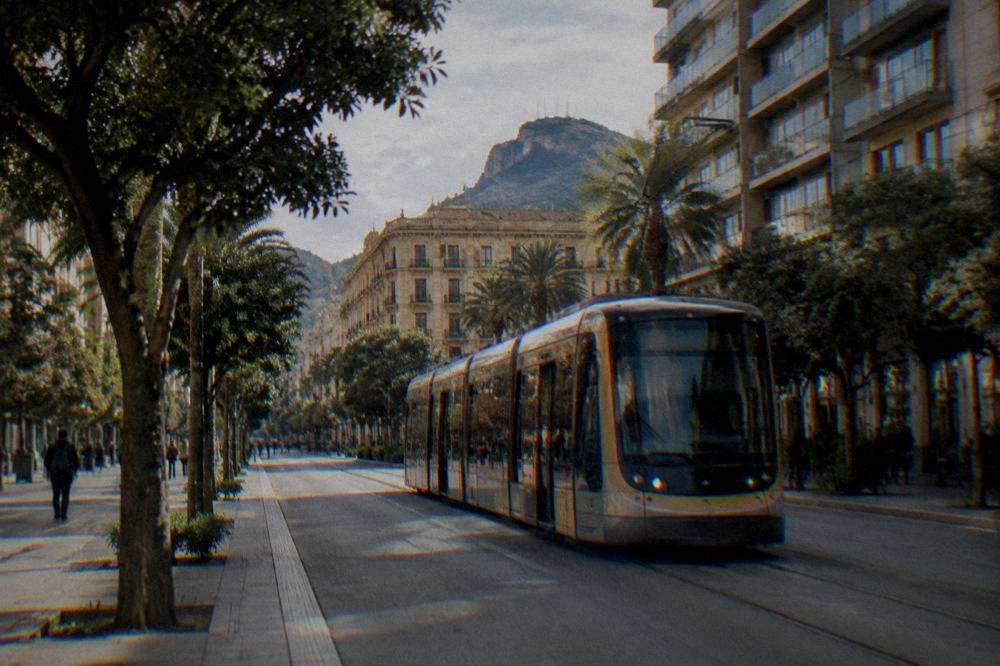
Palermo is easy to reach and unusually cheap to move around: the airport bus runs every 30 minutes for 6 EUR one way bought online, an AMAT ticket costs 1.40 EUR and stays valid for 90 minutes, and the whole historic centre is walkable on foot between its four districts. Falcone Borsellino airport is connected to the city by the Prestia e Comande coach, which the operator's own schedule shows at 6 EUR one way and 10 EUR return online, 6.50 EUR and 11 EUR bought onboard, running every 30 minutes and taking about 50 minutes, with stops at Politeama, Via Roma and the Centrale station area. A regional train also links the airport to Palermo Centrale in about an hour, with the fare shown on the Trenitalia ticket page.
Inside the city, the getting around Palermo picture is simple. There is no metro; the Passante ferroviario is a suburban rail service, with Line A running from Centrale to the airport and a new Giachery to Politeama section approved for service from November 2026, so write that one as planned. AMAT runs four tram lines plus the buses, and its fares page lists the full set.
| AMAT ticket | Price | Validity |
|---|---|---|
| Single, bought in advance | 1.40 EUR | 90 minutes from validation, transfers included |
| Single, bought onboard | 1.80 EUR | 90 minutes |
| Day ticket | 3.50 EUR | Until end of service on the day |
| Two-day MultiDay | 6.00 EUR | Until end of the second day |
| Three-day MultiDay | 8.00 EUR | Until end of the third day |
| Seven-day MultiDay | 16.50 EUR | Until end of the seventh day |
The rules that matter are short. Buy before boarding where you can, validate at once, and hold the ticket for the whole 90 minutes. For arrival logistics in detail, the Palermo airport and Palermo airport to city centre pages carry the bus timetable, the taxi zone structure and the train option side by side.
Walking does more work here than in most cities of this size. The four mandamenti meet at one corner, the markets sit inside them, and the seafront is flat. The can you walk in Palermo question on this site's answers section gets a yes with a map, and the only climb most itineraries include is the cathedral roof or the walk up to La Rocca on a Cefalu day trip.
What Does A Day In Palermo Cost?
A day in Palermo costs less than a day in almost any other large Italian city: about 1.40 EUR of transport if you walk between the districts, street food lunches priced per item in the markets, and a tourist tax that tops out at about 5 EUR per night at the highest hotel rating and applies for a maximum of four consecutive nights. The tourist tax rates from 1 July 2025 run 3 EUR at one star, 3.50 EUR at two star, 4 EUR at three star, 4.50 EUR at four star and 5 EUR at five star, with short-term rentals at 4 EUR, all collected by the accommodation and all worth confirming at booking.
Eating is where Palermo rewards the visitor most. Market food is sold per item and priced on the stall, so a lunch of panelle, sfincione and an arancina is assembled piece by piece rather than ordered from a menu. The coperto, a cover charge, is legal in Italy when printed on the menu, and tipping is not obligatory. Tap water is drinkable: AMAP, the municipal water company, states that the water distributed in Palermo is suitable for human consumption.
| Daily cost item | Typical figure | Where it comes from |
|---|---|---|
| Bus or tram single | 1.40 EUR | AMAT fares page |
| Day transport pass | 3.50 EUR | AMAT fares page |
| Headline admission | 14.50 EUR | Palazzo dei Normanni official visit page |
| Catacombs admission | 5 EUR | Catacombs official tariff page |
| Tourist tax, mid-range hotel | About 4 EUR per night | Municipal rates from 1 July 2025, confirm at booking |
| Tourist tax, top hotel | About 5 EUR per night | Municipal rates, confirm at booking |
| Market lunch | Priced per item at the stall | Check the stall prices |
| Coperto | Legal when printed on the menu | National rule |
Short-term rentals must display a CIN national code, and hosts must register guests through the Alloggiati Web system within 24 hours and check identity in person, so a listing without a CIN code is one to query.
Is Palermo Safe For Visitors?
Palermo is safe for visitors under the standard urban precautions that apply across Italy: the US State Department's September 2026 advisory rates Italy Level 2, exercise increased caution, and notes that petty crime such as pickpocketing and purse snatching is common in popular tourist locations and on public transport, while the UK FCDO says the same about city centres and major attractions. Neither advisory names Palermo as a special case, and both describe opportunistic theft rather than targeted crime.
The practical reading is unglamorous. Keep a bag zipped and held in front on a crowded bus, carry the day's money rather than everything, and check the itemised bill, including the printed coperto, before paying. The emergency number is 112, with 118 for medical, 115 for fire and 113 for police. The is Palermo safe page works through the detail, including the anti-mafia history that visitors sometimes ask about.
That history is part of the answer to whether the city is worth visiting, and it is handled openly on the ground. The Falcone tree at Via Notarbartolo is tied to the Capaci attack of 23 May 1992 and draws a gathering each 23 May; the Capaci monument stands beside the A29 motorway; and Corleone, 65 minutes by road from the Quattro Canti, runs an anti-mafia documentation centre with guided visits at 10 EUR. A dedicated anti-mafia tour can be built from these sites, and the half-day Corleone excursion below is the pick that covers it:
Which Day Trips Can You Take From Palermo?
Palermo is one of the strongest day-trip bases in Italy: Monreale is 16 minutes by road, Mondello 27, Segesta 64, Cefalu 65, Scopello 77, Trapani 87, Erice 96 minutes, and Agrigento's Valley of the Temples about two and a quarter hours, with trains to Cefalu in as little as 39 minutes and to Agrigento in about two hours. That spread of Greek temples, Norman cathedrals, hill towns and beaches, all reachable without changing hotel, is the argument that pushes a Palermo stay from a weekend to a week.
| Day trip | Road time from Quattro Canti | Admission at the site |
|---|---|---|
| Monreale | 16 min | Cloister 8 EUR full, 4 EUR reduced |
| Mondello | 27 min | Free public stretches; lidos priced on site |
| Segesta | 64 min | 14 EUR full, 7 EUR reduced |
| Cefalu | 65 min | Cathedral free; tower and museum itineraries 10 and 13 EUR |
| Scopello and Zingaro | 77 min | Zingaro reserve 5 EUR full, 3 EUR reduced |
| Trapani | 87 min | Salt pans museum free |
| Erice | 96 min | Cable car 9 EUR one way, 15 EUR return |
| Agrigento, Valley of the Temples | About 2 h 16 | 14 EUR full, 7 EUR reduced, open 08:30 to 20:00 |
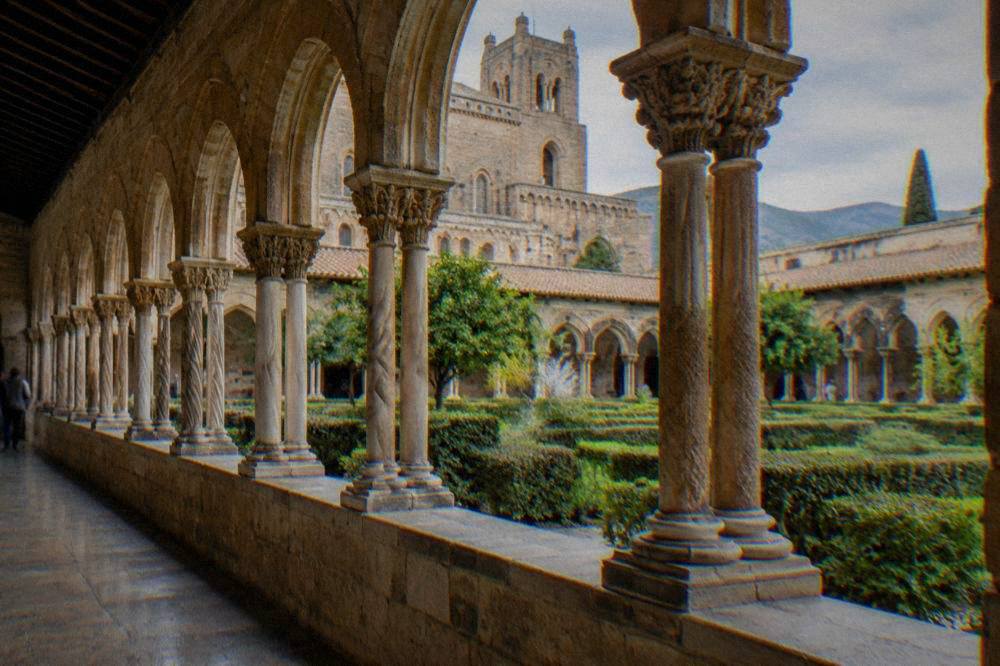
Monreale deserves its own note because it is so close and so often squeezed. The AMAT 389 bus leaves Piazza Indipendenza 47 times a day, roughly every 40 minutes, on a 1.40 EUR ordinary ticket. The cathedral and the cloister are separate visits, and William I and William II are both buried in the cathedral. The Monreale and Cefalu pages carry the detail.
The classic pairing is Monreale and Cefalu in one half-day, which a guided excursion covers with the driving included:
Longer arcs reach Etna and Taormina in the east, about three and a half hours by road each way, with the Etna cable car climbing from about 1,920 m to about 2,500 m and a guide required above about 2,500 m under current ordinances. For anyone weighing two bases instead of one, the Palermo versus Catania and Palermo versus Taormina comparisons set out the trade.
When Is The Best Time To Visit Palermo?
The best time to visit Palermo is spring or autumn, when the city's sights are walkable, the markets run their full week, and the July festival calendar or the winter opera season can be added to the trip rather than worked around. The Festino of Saint Rosalia runs each July, 10 to 15 July in 2026, with the chariot procession on 14 July along the Cassaro to Porta Felice and fireworks, and the silver urn procession on 15 July. The 2027 dates are not announced, so plan on "each July" until the municipality publishes them.
The Teatro Massimo season gives the autumn and winter a focus, opening 22 November 2026 with Samson et Dalila. Easter Sunday falls on 28 March 2027 for anyone planning around the religious calendar. The Palermo weather and best time to visit Palermo pages carry the month-by-month detail, including the rain pattern that peaks in autumn and drops to almost nothing in midsummer.
Beach planning needs one check. Mondello mixes free public stretches with paid lidos; the Italo Belga area ran a low-cost access at 6 EUR in the 2026 season, but its concession is in a court dispute, so read current local reporting before counting on that option. No Palermo-area beach appears on the 2026 Blue Flag list for Sicily, so choose on access and facilities rather than on labels. The Mondello beach and Palermo beaches pages explain the layout.
So Is Palermo Worth Visiting?
Yes, and the case is arithmetic as much as atmosphere: a UNESCO route of nine buildings in one walkable centre, headline admissions at 14.50 EUR and 5 EUR, a 1.40 EUR bus network, free entry to the markets and the seafront, a beach 27 minutes away, and day trips to Segesta, Cefalu, Monreale, Erice and Agrigento from a single base. Cities with two of those assets charge for the privilege; Palermo holds all of them and still prices like a regional capital rather than a resort.
The realistic caveats are equally concrete. Give it at least two days, because the palace, the cathedral, the catacombs and the markets do not compress into one; the how many days in Palermo page sets out the pacing. Expect working-city texture, morning market noise and evening street life in the Vucciria, rather than a polished museum quarter. Check opening days before locking an itinerary, since the royal apartments shut two days a week and Palazzo Abatellis is closed for a long works programme. Book the one or two guided visits that matter to you, the palace, the food walk or a day trip, and let the rest of the city happen on foot.
For a final shortlist of guided options, from the anti-mafia day trip to the palace and the Monreale and Cefalu pairing:
Common Questions About Visiting Palermo
Is Palermo worth visiting compared to other Sicilian cities?
Palermo is worth visiting as a base and a destination in its own right: it holds the UNESCO Arab-Norman inscription, three historic markets and the regional transport links, while Cefalu and Taormina are smaller and Catania sits closer to Etna. The trade-offs are set out on this site's Palermo versus Catania and Palermo versus Taormina pages.
Is Palermo safe for tourists?
Official advisories treat Palermo as part of Italy's standard urban picture. The US State Department rates Italy Level 2 and notes petty crime such as pickpocketing and bag-snatching around tourist sites and on public transport; the UK FCDO says the same about city centres. Keep bags closed and in front on crowded transport, and call 112 in an emergency.
How many days do you need in Palermo?
Two days cover the Palazzo dei Normanni, the cathedral, the Capuchin Catacombs and the markets; three to five days add Monreale, Cefalu, Mondello and one longer day trip such as Segesta, Erice or Agrigento.
Is Palermo expensive?
Transport and admissions are low: a 1.40 EUR bus ticket, 3.50 EUR for a day pass, 14.50 EUR for the palace and chapel, 5 EUR for the catacombs. The tourist tax runs about 3 to 5 EUR per night by hotel rating for a maximum of four consecutive nights, and street food is priced per item in the markets.
Do you need a car in Palermo?
No. The historic centre is walkable, AMAT covers the city and Mondello on its fares above, and the day-trip towns have bus or train links. The ZTL in the centre is camera-enforced with paid daily passes, so a car is a liability inside the old town and only earns its keep on a multi-stop tour of western Sicily.
What is Palermo best known for?
The UNESCO-listed Arab-Norman buildings including the Palatine Chapel and Palermo Cathedral, the street markets of Ballarò, Capo and Vucciria, the Festino of Saint Rosalia each July, and the Teatro Massimo, whose 2026-27 season opens on 22 November 2026.
