Palermo Or Catania
Palermo and Catania sit on opposite coasts of Sicily, and the choice between them decides which half of the island your trip belongs to. This comparison lays out the airports, the beaches, the food, the day-trip ranges and the transport figures from each city so the decision rests on facts rather than slogans.
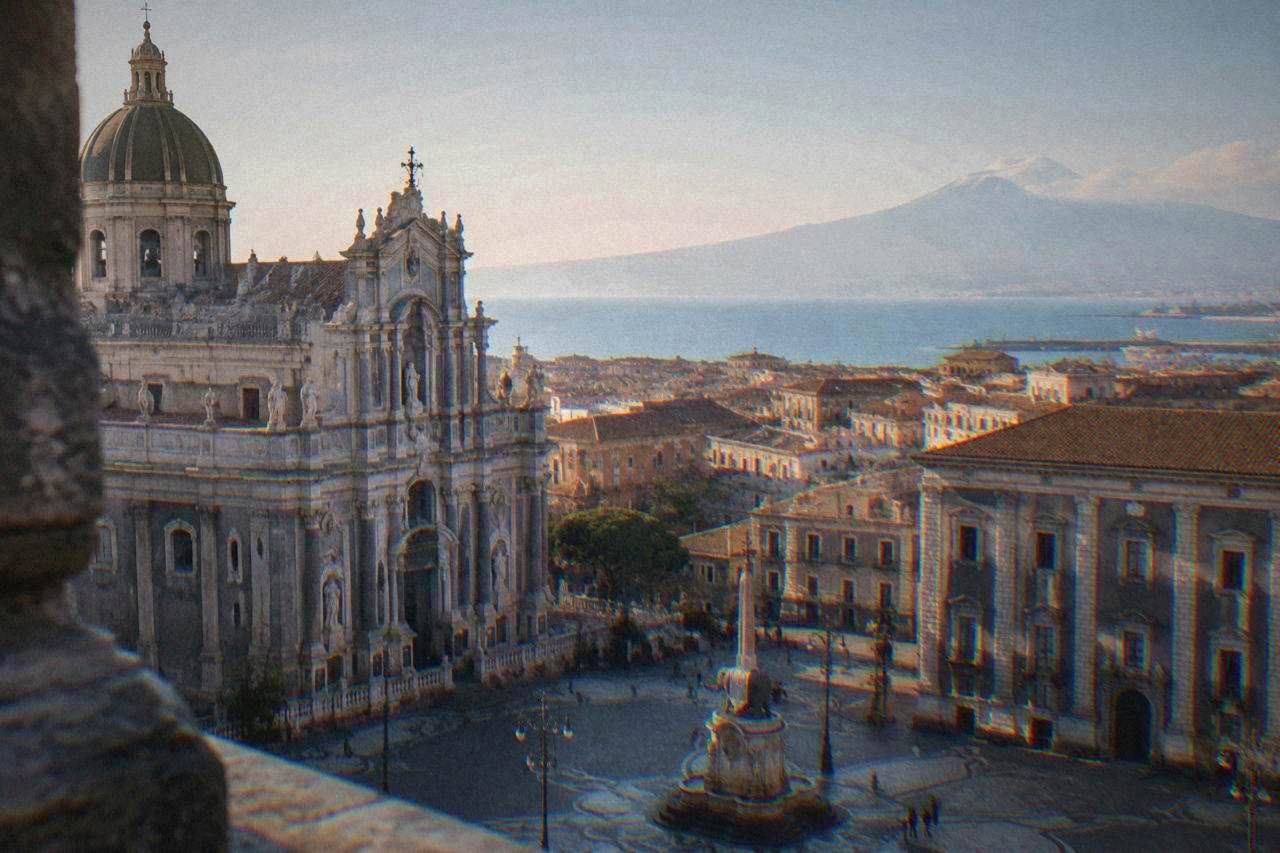
Short answer
Choose Palermo for western Sicily: Monreale, Cefalu, Segesta, Erice, Trapani and Agrigento all sit within its day-trip range, and its Arab-Norman UNESCO core is the largest in the region. Choose Catania for Mount Etna and the east coast: it is the closer base for Etna's southern access and the baroque towns, and it is the busier airport. The two cities are about three hours apart by direct regional train.
Palermo is the coastal capital of Sicily on the Tyrrhenian Sea, with Monte Pellegrino at its back and the Gulf of Palermo in front of it; Catania is the island's second city, on the Ionian coast under Mount Etna, a 162-minute drive away on a free-flowing route calculation. The question of which one to base a trip in is really a question about which half of Sicily you want, because the two cities anchor opposite ends of the island and almost nothing worth visiting sits within easy reach of both. The Palermo Italy Travel Guide desk works from the western end, so this comparison leans on the published figures: route calculations, operator fares, climate tables and the transport timings that decide how far a day trip can stretch.
Palermo Or Catania: Which City Suits Your Trip?
Palermo suits a trip built on western Sicily: its UNESCO-listed Arab-Norman core, the markets of Ballarò, Capo and Vucciria, and day trips to Monreale, Cefalu, Segesta, Erice, Trapani, Agrigento and Corleone. Catania suits a trip built on the east: Mount Etna, Taormina, Syracuse and the baroque towns of the south-east, all closer to Catania than to Palermo. A direct regional train links the two cities in about three hours, so the choice is about where the days go, not about isolation.
The division is geographic before it is anything else. From the Quattro Canti, the crossing point that splits Palermo's old centre into the four districts of Capo, Albergheria, Kalsa and Loggia, the driving times to the western highlights are short: Monreale is 16 minutes, Cefalu 65 minutes, Segesta 64 minutes and Erice 96 minutes, on free-flowing route calculations. Catania sits to the east, 162 minutes of driving on a good run, and from Catania the eastern coast opens instead: Taormina is about 50 to 60 km away, and the southern access to Etna at Rifugio Sapienza is roughly 35 to 45 minutes out of the city.
Neither city is a poor choice, and plenty of travellers do both. But a day trip to Etna from Palermo is a 200-minute drive each way on the route calculation, which is why Etna excursions from Palermo run as long, full-day operations, while the same mountain is a morning's outing from Catania. The mirror image holds for Segesta and Erice: from Catania they are the far end of the island, while from Palermo the Segesta archaeological park and the Erice cable car are an easy morning.
Which Airport Should You Fly Into, Palermo Or Catania?
Fly into Palermo Falcone Borsellino (PMO) for western and north-western Sicily: Palermo itself, Cefalu, Trapani, Segesta and Agrigento. Fly into Catania Fontanarossa (CTA) for the east: Etna, Taormina, Syracuse and the baroque south-east. PMO is Sicily's second-busiest airport after Catania and handled 8.9 million passengers in 2024; a seasonal United nonstop from Newark serves Palermo, extended to 17 December 2026, and no other US nonstop is confirmed.
The airport question and the base question usually have the same answer, because backtracking across the island costs most of a day. PMO sits about 35 km by road from Palermo's centre, and the Prestia e Comande airport bus covers it every 30 minutes in about 50 minutes for 6 EUR one way bought online, 6.50 EUR onboard, with a return at 10 EUR online. The full transfer picture, including the three reported fixed taxi zones, is on the Palermo airport to city centre page, and the airport itself is covered in detail at Palermo airport.
Catania's airport is closer to its city and serves the denser eastern half of the island. If your itinerary is genuinely split, the Palermo to Catania connection is straightforward: a direct regional train takes about three hours, and coaches run the route in 2 hours 35 minutes to 3 hours 30 minutes. The fuller argument for one airport over the other is set out in is it better to fly into Palermo or Catania.
To compare coach times and fares for that connection, book a bus ticket to Catania here.
Which City Has The Better Old Centre And Sights?
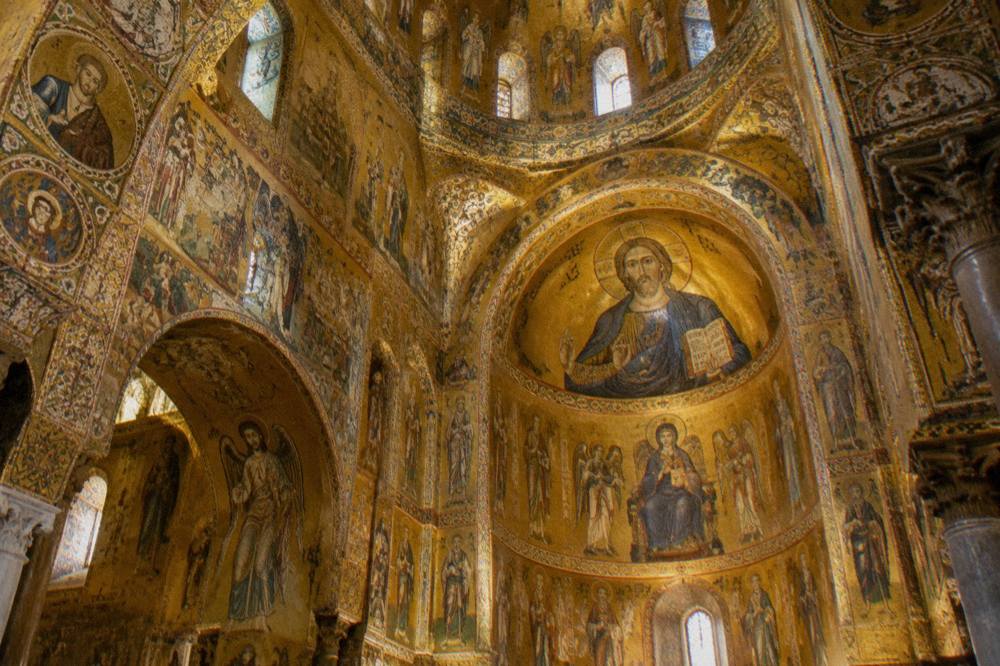
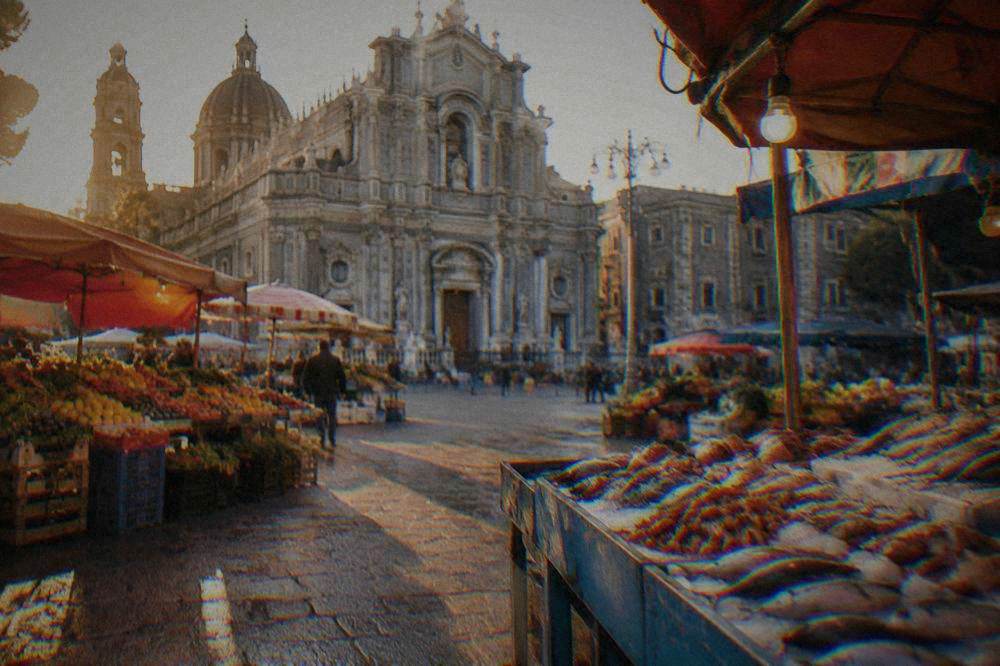
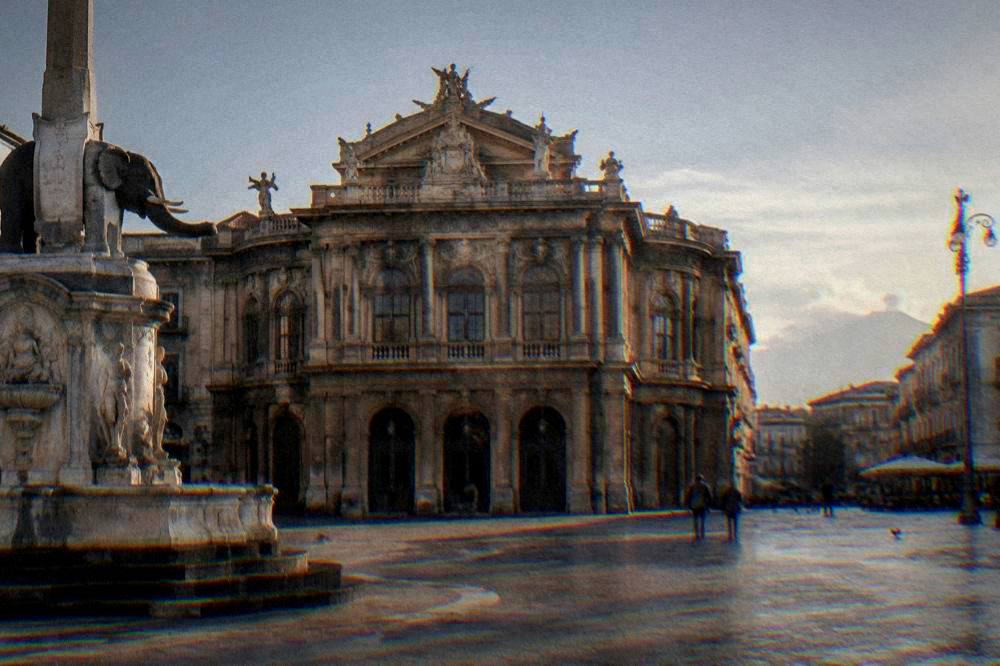
Palermo's centre carries the larger inscribed monument set: the UNESCO property "Arab-Norman Palermo and the Cathedral Churches of Cefalu and Monreale", listed in 2015, spans nine components including the Royal Palace and Palatine Chapel, the Cathedral, the Zisa, San Cataldo and La Martorana. Catania's centre is rebuilt around Etna lava stone and Baroque fronts after the earthquakes that levelled it, and its headline draw is the mountain behind it rather than the buildings in front.
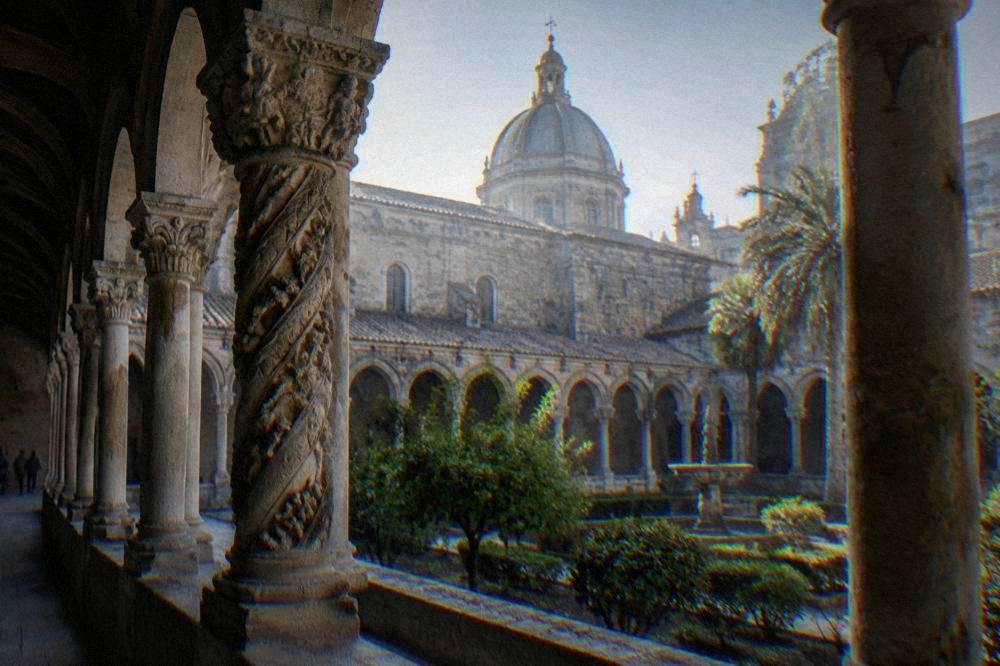
The two centres reward different kinds of looking. Palermo layers its history visibly: the Cathedral's own chronicle records that the Saracens turned the earlier church into a mosque in 831 and the Normans returned it to Christian worship in 1072, with a Qur'an verse still cut into a column of the southern porch. The Palermo Cathedral page covers what is ticketed and what the official pages state. The royal palace complex, covered at Norman Palace and Cappella Palatina, shares one ticket at 14.50 EUR full and 12.50 EUR reduced with the royal apartments included.
Catania's story is different in kind: its centre was destroyed and rebuilt, which gives it a unified look and a wide, straight street grid that Palermo's tangled mandamenti do not have. Palermo answers with density. Within a short walk of the Quattro Canti sit the Piazza Pretoria fountain, the San Cataldo church, La Martorana and the markets, and the old town centro storico guide maps the walk. Theatre matters too: Teatro Massimo runs guided tours at 14 EUR full, 7 EUR under 26, with a family ticket at 36 EUR, and its 2026-27 season opens 22 November 2026 with Samson et Dalila, ahead of Falstaff in May 2027 for the house's 130th anniversary.
Which City Has Better Beaches Within Reach?
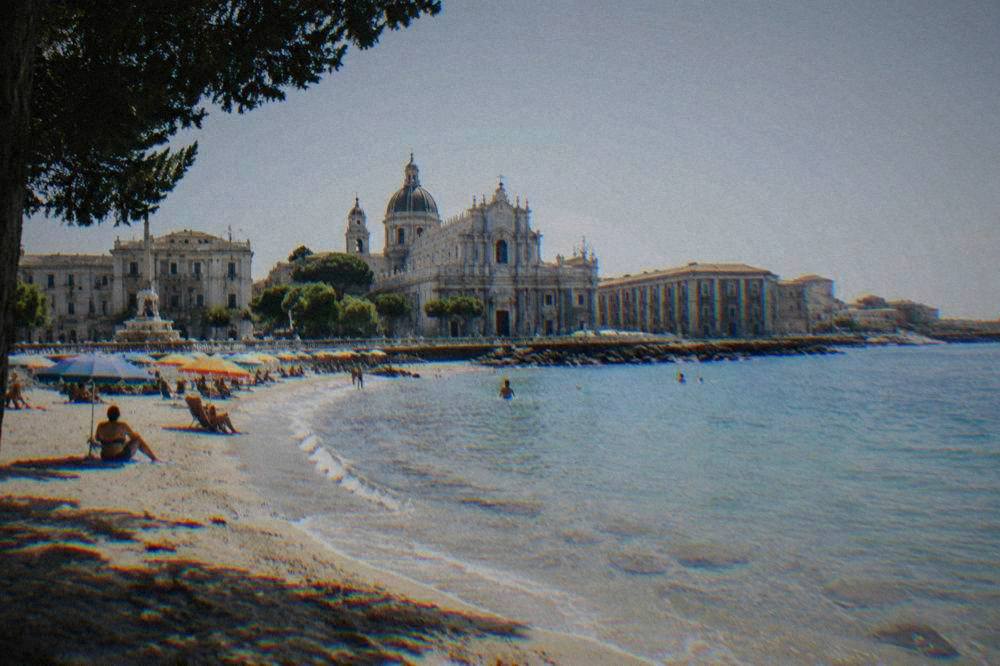
Palermo's own beach is Mondello, a 1.5 km stretch of fine pale sand 13.9 km and about 27 minutes by road from the Quattro Canti, served by AMAT's summer line 806. Catania's city waterfront is dark volcanic sand and its famous beaches, like the Taormina area's Isola Bella and Mazzeo, sit up the coast; Visit Sicily's beach list names Mondello for Palermo and Isola Bella for the Taormina side. Neither city's beaches hold a 2026 Blue Flag.
Mondello is genuinely a city beach, the municipal tourism page calls it the beach of the palermitani, with equipped lidos and free public stretches side by side. The 2026 season ran a low-cost daily access at 6 EUR at the Italo Belga area for basic services, though that concession is in a court dispute, so check before planning around it. The full picture, including the nearby coast stops of Isola delle Femmine, Capaci and Sferracavallo, is on the Mondello beach and Palermo beaches pages, and the beach-by-beach comparison continues in is Palermo or Catania better for beaches.
Cefalu, an hour or less from Palermo by train, adds a long sandy town beach with free stretches and paid lidos along about 1 km of promenade, which makes a swim-and-sightseeing day possible from the western base. From Catania the equivalent trip is up to Taormina's coast. Neither option is weak; the difference is that Palermo's beach sits inside the city bus network at a 1.40 EUR AMAT ticket, while Catania's headline beaches need a train or a drive up the coast.
| Beach factor | Palermo base | Catania base |
|---|---|---|
| Main city beach | Mondello, 1.5 km of pale sand | Lava-stone waterfront in the city |
| Distance from centre | Mondello 13.9 km, about 27 min by road | Isola Bella area about 50 to 60 km up the coast |
| Public transport | AMAT summer line 806, 1.40 EUR ticket | Coastal rail toward Taormina |
| 2026 Blue Flag | None in the Palermo area | Not on the comparison list for Palermo |
| Nearby add-on | Cefalu beach, train 39 to 60 min | Giardini Naxos area beaches |
How Do The Cities Compare On Food And Markets?
Palermo's food identity runs through its street food and its three historic markets, Ballarò, Capo and Vucciria, which the municipal tourism page names as the city's main markets; the street-food repertoire, arancine, panelle, sfincione and cannoli, is eaten standing up. Catania's food identity runs through its restaurants, its fish market and the eastern variant of the rice ball: the Accademia della Crusca accepts both arancina and arancino, with Palermo and the west saying arancina and Catania and the east saying arancino.
The market hours shape the day. Ballarò runs Monday to Saturday from about 7:30 and on Sunday mornings; Capo runs mornings and does not operate on Sundays; closing times shift, so treat them as moving. The Ballarò market and Palermo markets pages carry the detail, and the Palermo street food page lists what to order. For a sit-down meal the Palermo restaurants guide separates the markets' takeaway culture from the restaurant scene.
One practical note that holds in both cities: the coperto, the cover charge, is legal anywhere in Italy when it is printed on the menu, and tipping is not obligatory. Check the itemised bill rather than assuming. Tap water in Palermo is suitable for drinking according to AMAP, the water utility's own statement, which is a saving that adds up over a week of summer lunches.
| Food factor | Palermo | Catania |
|---|---|---|
| Market culture | Ballarò, Capo, Vucciria, street food focus | Fish market and restaurant culture |
| The rice ball | Arancina, typically round | Arancino, typically conical |
| Sweet signature | Cannoli and sfincione, eaten from market stalls | Eastern pasticceria tradition |
| Where the guide stands | The western kitchen, covered market by market | Covered only as a comparison from Palermo |
How Easy Is Each City As A Base For Day Trips?
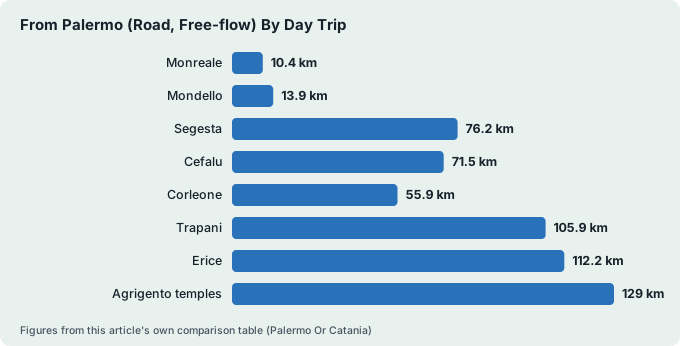
Palermo's day-trip range covers Monreale at 16 minutes by road, Mondello at 27, Segesta at 64, Cefalu and Corleone at 65, Scopello at 77, Trapani at 87, Erice at 96 and Agrigento's Valley of the Temples at 136 minutes, all free-flow route calculations; the east coast is out of range, with Taormina 198 minutes and Syracuse 200 minutes away. Catania's range is the mirror: Etna, Taormina and Syracuse sit close, while Segesta and Erice are the far end of the island.
The bus and rail links back the driving times up. Monreale is a 1.40 EUR AMAT 389 bus from Piazza Indipendenza, 47 runs a day, about every 40 minutes; Cefalu is 39 to 60 minutes by train with 19 to 24 direct departures a day; Agrigento is about two hours on a direct regional train; Taormina needs a change and takes 3 hours 47 or more. The getting around Palermo page covers the city network, and each destination has its own guide, from Monreale and Cefalu to Agrigento's Valley of the Temples.
For visitors who want the western highlights without self-driving, organised day trips cover the pairs that public transport joins awkwardly. The Monreale and Cefalu combination is the classic half day, and Check availability on the operator's live listing; the same sightseeing logic applies to the Segesta, Erice and salt pans loop, which strings three stops that each sit on a separate bus line.
| Day trip | From Palermo (road, free-flow) | Rail or bus link |
|---|---|---|
| Monreale | 10.4 km, 16 min | AMAT 389, 1.40 EUR, about every 40 min |
| Mondello | 13.9 km, 27 min | AMAT summer line 806 |
| Segesta | 76.2 km, 64 min | Segesta Autolinee, about 70 min |
| Cefalu | 71.5 km, 65 min | Train, 39 to 60 min, 19 to 24 daily |
| Corleone | 55.9 km, 65 min | Autolinee Gallo, twice daily, about 1 h 20 |
| Trapani | 105.9 km, 87 min | Coach, about 1 h 35 to 1 h 40 |
| Erice | 112.2 km, 96 min | Coach to Trapani, then cable car |
| Agrigento temples | 129 km, 136 min | Direct regional train, about 2 h |
| Taormina | 261.2 km, 198 min | Train with a change, 3 h 47 or more |
| Mount Etna | 230.8 km, 200 min | Full-day excursion territory |
How Do Getting Around And Transport Costs Compare Inside Each City?
Palermo runs an AMAT network of buses and four tram lines with a 1.40 EUR ticket valid 90 minutes from validation, a 3.50 EUR day ticket and an 8.00 EUR three-day pass, all on the operator's fares page; there is no metro, only a suburban rail Passante whose Line A reaches the airport. Catania runs its own AMT network with a small metro line, which Palermo does not have, so the eastern city holds the only underground rail option between the two.
The Palerman numbers to know are short: 1.40 EUR bought in advance, 1.80 EUR from the driver, 3.50 EUR for a day, 8.00 EUR for three days, and tickets must be validated at once on boarding. Shared scooters from Dott, Lime and Bird operate under a five-year city concession from late 2025, while the AMIGO bike-share service ended on 1 April 2025. The full fare table, the tram lines and the ZTL rules for anyone bringing a car, with its daily pass figures of 5 EUR petrol and diesel, 2.50 EUR hybrid and free for electric, sit on the Palermo driving and parking page.
The historic-centre scale matters more than the mode. Palermo's four mandamenti stack the main sights inside a walkable core: the Quattro Canti crossing to the Cathedral, the La Kalsa district and the Foro Italico waterfront all chain together on foot, and the question of whether the whole centre is walkable is answered in detail on the walking page. Catania's rebuilt grid is likewise compact, so in either city the transit ticket is for the outliers, Mondello in Palermo's case, not for the daily round of sights. One further Palermo rail note: a Giachery to Politeama section of the Passante is approved for service from November 2026, which will add a station at the western edge of the centre.
| Transport item | Palermo figure | Note |
|---|---|---|
| AMAT 90-minute ticket | 1.40 EUR | On the operator's fares page |
| AMAT ticket from driver | 1.80 EUR | Includes the surcharge |
| AMAT day ticket | 3.50 EUR | Valid to end of service |
| AMAT three-day pass | 8.00 EUR | Whole network |
| Airport bus, one way | 6 EUR online, 6.50 EUR onboard | Prestia e Comande, every 30 min |
| Airport taxi, fixed zones | 39, 44 and 50 EUR | Reported 2025 tariff, confirm with the driver |
| Suburban rail | Line A to the airport | No metro; Giachery to Politeama planned from November 2026 |
Which City Is Warmer, And When Should You Visit Each?
Palermo's climate table, modelled ERA5 normals for 1991 to 2020, gives a July mean of 26.2 C, an August mean of 26.8 C with a mean maximum of 30.4 C, a January mean of 11.3 C, October as the wettest month at 81 mm and July as the driest at 7 mm; the site holds no equivalent verified table for Catania, so no temperature figure is printed for the eastern city here. The visiting window runs spring through early summer and September into October.
The rainfall curve shapes the calendar as much as the temperature. October's 81 mm and September's 61 mm make early autumn changeable, while July's 7 mm makes it dry almost without exception. The month-by-month breakdown, with the full table and what each month means for crowds and openings, is on the Palermo weather and best time to visit Palermo pages. The festival calendar adds its own dates: the Festino of Saint Rosalia runs each July, 10 to 15 July in 2026 with the chariot procession on the 14th and the silver urn procession on the 15th.
If heat is the deciding factor, both cities sit on the coast and both get a full Sicilian summer. What the Palermo table shows is that the shoulder months, May at a 19.1 C mean and June at 23.4 C, deliver summer conditions before the peak, and the Palermo in summer and Palermo in winter pages cover both ends of the year in detail.
Where Should You Stay, And Is Either City Safer?
Palermo's stay areas split into the four historic districts, Capo, Albergheria, Kalsa and Loggia, plus the Politeama and Libertà quarter and the Mondello beach district; the tourist tax applies to non-residents for a maximum of four consecutive nights, about 3 to 5 EUR per night by hotel star rating from 1 July 2025, confirmed at booking. On safety, the US State Department's September 2026 advisory rates Italy Level 2 and notes petty crime around tourist sites and on public transport, with no distinction drawn between the two cities.
The safety question gets a fuller treatment, with the official advisory wording and the practical checks, on the is Palermo safe page. The short version is ordinary city care: a bag zipped and held in front on a crowded bus, a check of the itemised bill, awareness that the coperto is legal when printed. No advisory names either Palermo or Catania as a place to avoid. The UK FCDO likewise says bag-snatching and pickpocketing are more common in Italian city centres and at major attractions, which applies equally to both.
Lodging rules are the same across Italy and worth knowing before booking either city. Short-term rentals must display a national CIN code, and hosts must register guests through the Alloggiati Web system within 24 hours and check identity in person, so a bare keybox with no host contact is not a compliant check-in. The where to stay in Palermo, Palermo hotels and Palermo apartments pages cover the western side district by district.
| Stay factor | Palermo | Catania |
|---|---|---|
| Historic districts | Capo, Albergheria, Kalsa, Loggia | Rebuilt Baroque grid |
| Modern quarter | Politeama and Libertà | Central streets off the main square |
| Beach district | Mondello, on the city bus network | Up the coast, not in the city |
| Tourist tax | About 3 to 5 EUR per night by star rating, max 4 nights | Same national rules, confirm at booking |
| Rental check | CIN code shown, host registers guests in person | Same |
How Many Days Does Each City Need?
Palermo rewards two to three full days in the city itself plus one day per major excursion: the how-many-days guide sets out one, two, three and four-to-five-day plans built around the UNESCO core, the markets and the Monreale and Cefalu trips. Catania works as a shorter city stop, commonly one to two days, because its role in most itineraries is a launch pad for Etna and the east coast rather than a destination that fills a week on its own.
The Palermo day counts break down like this: one day covers the Cathedral, the Quattro Canti, the markets and the Palatine Chapel; two days add the Capuchin Catacombs, at 5 EUR full and 3 EUR reduced with tickets sold at the office only and photography prohibited, plus the museums; three days bring in a first excursion. Beyond that, the four to five days in Palermo and Palermo and western Sicily week plans stretch the base outward to Segesta, Agrigento and the Trapani coast. Families have their own shorter circuit on the Palermo with kids page, and cruise passengers docking at the Stazione Marittima or Sammuzzo terminals, about 1.5 to 1.8 km and 15 to 20 minutes on foot from the Quattro Canti, have a one-day plan on the cruise port day page.
The honest summary is that neither city loses this comparison. Palermo is the deeper city stop and the only base from which western Sicily's whole range works; Catania is the better springboard for the volcano and the east. Anyone with ten days or more can take both, joined by the three-hour train, and the is Palermo worth visiting page makes the western case at length.
Common Questions About Palermo Or Catania
Palermo or Catania: which is better for a first trip to Sicily?
Palermo for a first trip weighted toward culture, markets and western day trips; Catania for a first trip weighted toward Etna and the east coast. The two cities are about three hours apart by direct regional train, so a longer trip can include both.
Is Palermo or Catania cheaper to visit?
City transport in Palermo is 1.40 EUR for a 90-minute ticket and 3.50 EUR for a day, the airport bus is 6 EUR one way online, and the main state museums run 5 to 14 EUR; the site holds no verified cost table for Catania, so no comparative price is printed. The tourist tax rules are the same across Italy, about 3 to 5 EUR per night by star rating in Palermo, confirmed at booking.
Which city is closer to Mount Etna?
Catania. The southern access at Rifugio Sapienza is about 35 to 45 minutes from Catania, while the same point is 230.8 km and about 200 minutes of driving from the Quattro Canti in Palermo, which is why Etna trips from Palermo run as full-day excursions.
Can you visit Palermo and Catania on the same trip?
Yes. A direct regional train links Palermo Centrale and Catania in about three hours, and coaches run the route in 2 hours 35 minutes to 3 hours 30 minutes. The A19 motorway between them is toll-free.
Which airport has more flights, Palermo or Catania?
Catania Fontanarossa is the busier of the two; Palermo Falcone Borsellino is Sicily's second-busiest, with 8.9 million passengers in 2024. Palermo has a seasonal United nonstop from Newark, extended to 17 December 2026, and no other US nonstop is confirmed.
Is Palermo or Catania better for beaches?
Palermo has the better in-city option, Mondello, a 1.5 km sandy beach 13.9 km from the centre on a 1.40 EUR bus ticket, while Catania's headline beaches sit up the coast toward Taormina. No Palermo-area beach holds a 2026 Blue Flag.
The Verdict: Choosing Between Palermo And Catania
Palermo wins as a base when the trip is about western Sicily: the Arab-Norman UNESCO set, three working markets, Mondello's city beach and a day-trip range that reaches Monreale in 16 minutes and Agrigento in about two hours by train. Catania wins when the trip is about the volcano and the east coast. The deciding figures are simple: Etna's southern access is about 200 driving minutes from Palermo and roughly 35 to 45 minutes from Catania, and Segesta and Erice sit at the opposite end of that scale.
Everything else is preference. Palermo's climate table promises a 23.4 C June mean and a 7 mm July, the Palermo food tour and Palermo cooking class pages show how the western kitchen fills an evening, and the Palermo nightlife guide covers the Vucciria after dark, where the daytime market turns into the city's casual night scene. Catania, for its part, is the practical east-coast hub, and nothing in this comparison diminishes it. Choose the half of the island whose sights you would rather run out of days before you run out of interest, and if the calendar allows ten days or more, the three-hour train makes the argument moot.
Whichever base wins, book the sightseeing around the opening hours rather than the slogans: the Palazzo dei Normanni runs Monday to Saturday 8:30 to 16:30 last admission with the royal apartments closed Tuesday and Wednesday when parliament sits, and the first Sunday of the month brings free entry at many state and regional museums, confirmed site by site. Those small calendar facts, more than any ranking, decide how much of either city a week actually delivers.
