Palermo Churches
Palermo packs more decorated church interiors into one walkable centre than almost any other Mediterranean city, from the cathedral with its royal tombs to the gold-ground mosaics of the Cappella Palatina and Monreale. This guide sets out what each church holds, what tickets and hours the official pages publish, and how to plan the visit.
Short answer
The five churches the official sources single out are Palermo Cathedral, the Cappella Palatina inside the Palazzo dei Normanni, La Martorana, San Cataldo and San Giovanni degli Eremiti, plus Monreale Cathedral as a short trip out. Only the Palazzo dei Normanni and Monreale cloister have published ticket prices among them; the cathedral's monumental area is ticketed with the price shown at the ticket point.
Palermo, the coastal capital of Sicily on the Tyrrhenian Sea, holds one of the densest concentrations of decorated church interiors in the Mediterranean. Nine of its monuments sit together on a single UNESCO inscription, Arab-Norman Palermo and the Cathedral Churches of Cefalu and Monreale, added in 2015, and several of them stand within a fifteen minute walk of one another in the old centre. For the wider sightseeing picture, start with the site's things to do in Palermo overview, and for background on individual buildings see the Palermo Cathedral guide.
Which Churches Should You See In Palermo?
The five church interiors the official sources single out inside the city are Palermo Cathedral, the Cappella Palatina inside the Palazzo dei Normanni, La Martorana (Santa Maria dell'Ammiraglio), San Cataldo and San Giovanni degli Eremiti, with Monreale Cathedral and its cloister a short bus ride away and Cefalu Cathedral on the coast. All but the Palazzo dei Normanni and the Monreale cloister publish no fixed ticket price, so this list is about what each holds rather than what each costs.
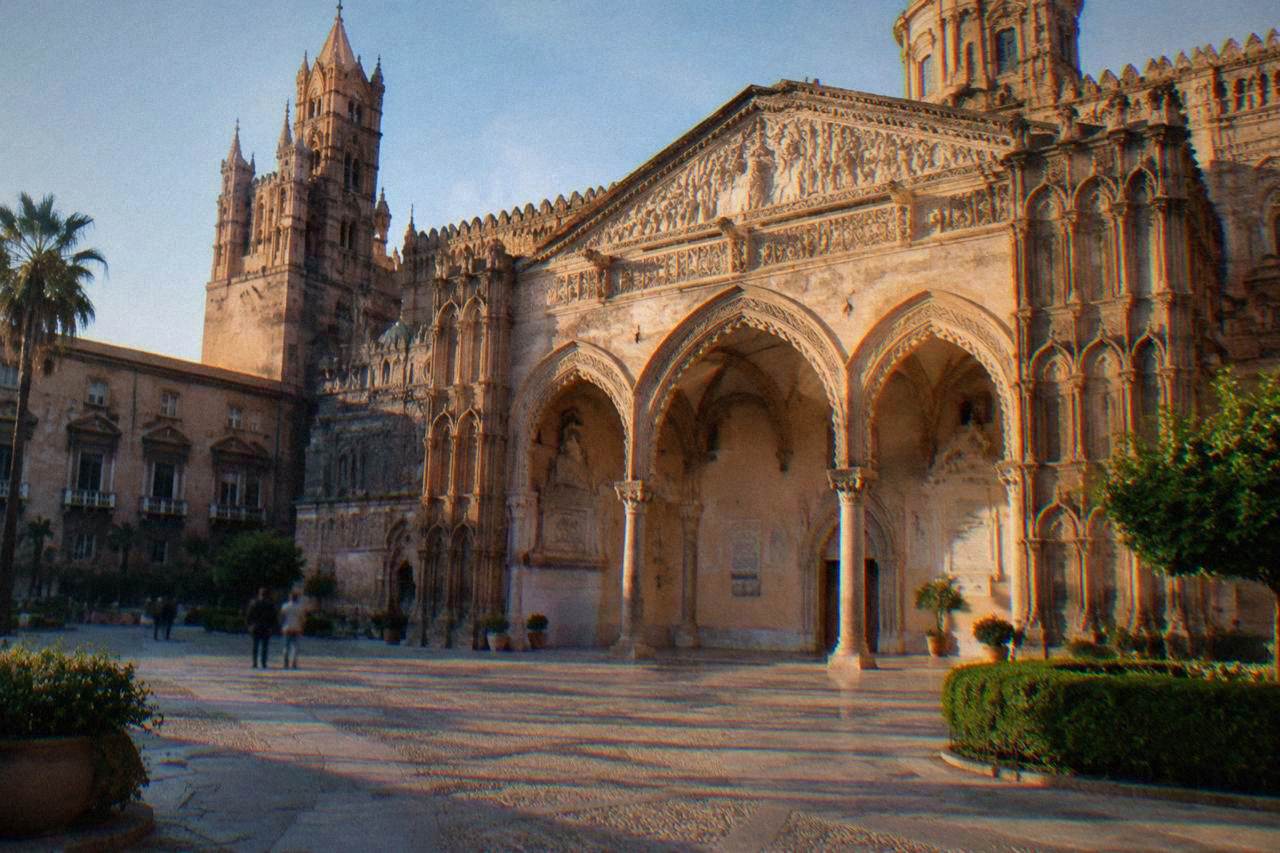
The cathedral is the city's principal church and its monumental area, meaning the roof, the royal tombs, the treasury and the crypt, is ticketed, with hours published seasonally on the cathedral's own visiting page and the price shown at the ticket point or on its ticket shop. The Cappella Palatina sits inside the Palazzo dei Normanni, the seat of the regional parliament, and shares one ticket with the palace's royal apartments. La Martorana and San Cataldo stand side by side on Piazza Bellini, and San Giovanni degli Eremiti lies a short walk west near Piazza Indipendenza, the same square where the Monreale bus leaves.
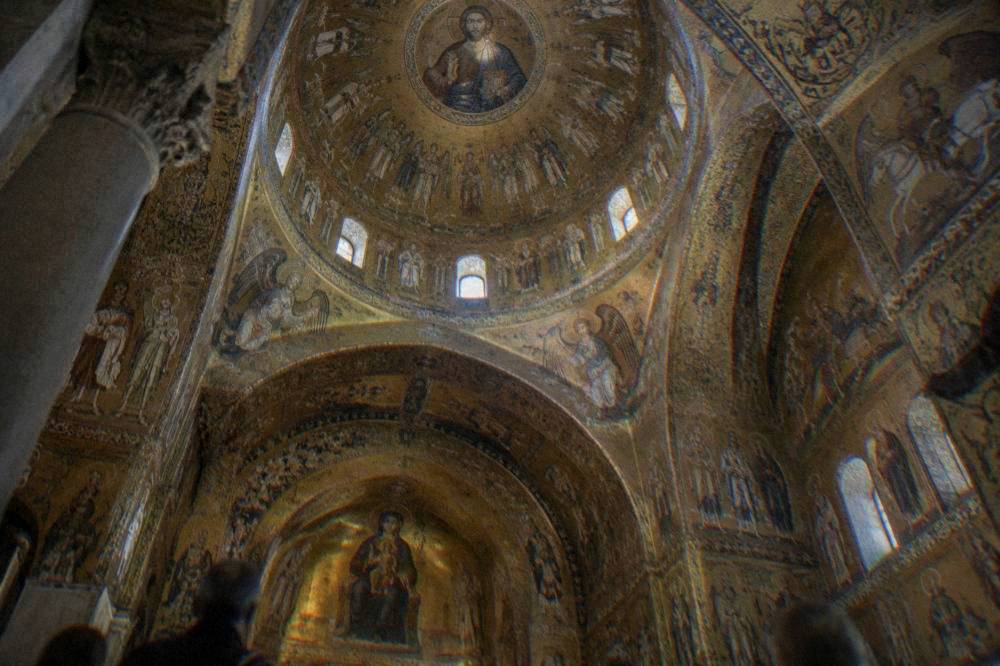
The quartet covers a striking range. The Palermo Cathedral page records that Saracens turned the earlier church into a mosque in 831 and the Normans returned it to Christian worship in 1072, and a Qur'an verse remains carved on the first column on the left of the southern porch. The Cappella Palatina's interior is covered in gold-ground glass mosaic, and Monreale's walls carry the same technique on a larger scale, though no official figure exists for the surface area or the weight of gold in either building. The UNESCO listing names all of these as parts of one serial property, which is the honest framing: they belong together, and the listings below treat them as one itinerary rather than separate sights.
| Church | District | Entry situation | What stands out |
|---|---|---|---|
| Palermo Cathedral | Albergheria edge, Via Bonello | Nave as a church; monumental area (roof, tombs, treasury, crypt) ticketed, price at the ticket point | Royal tombs, roof walk, the porch column with a Qur'an verse |
| Cappella Palatina (Palazzo dei Normanni) | Albergheria | Shared ticket with the palace, EUR 14.50 full, EUR 12.50 reduced, apartments included | Gold-ground mosaic interior, painted wooden ceiling |
| La Martorana | Kalsa edge, Piazza Bellini | Price shown on site | Mosaic interior facing Piazza Bellini |
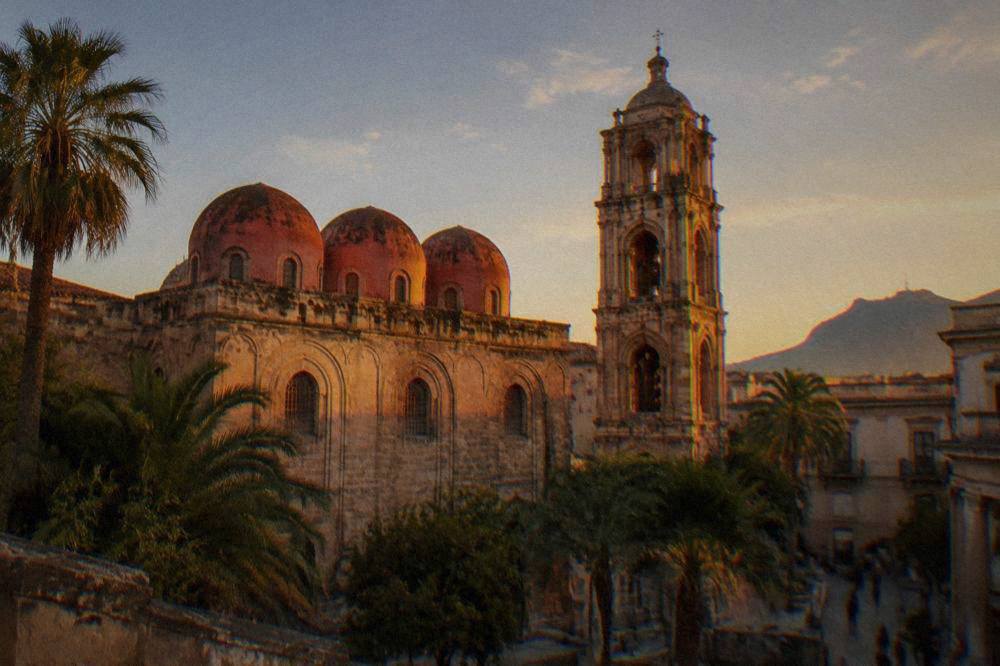
| San Cataldo | Piazza Bellini | Price shown on site | Three red domes, plain stone interior |
| San Giovanni degli Eremiti | Near Piazza Indipendenza | Price shown on site | Red domes and a cloister garden |
| Monreale Cathedral and cloister | Monreale hill town | Cloister EUR 8 full, EUR 4 reduced; cathedral and cloister are separate visits | Cloister columns, gold-ground mosaics, royal tombs of William I and William II |
How Much Do Tickets To Palermo Churches Cost?
Only two of the major church sites publish fixed prices: the Palazzo dei Normanni with the Cappella Palatina at EUR 14.50 full and EUR 12.50 reduced, royal apartments included, and the Monreale cloister at EUR 8 full and EUR 4 reduced. Palermo Cathedral's ticketed monumental area shows its price at the ticket point and on the cathedral's ticket shop, and the other churches publish no fixed figure, so the amounts are read at the door.
The Palazzo dei Normanni ticket is the one to plan around, because the chapel is inside the palace complex rather than a separate building, and the ticket buys both. The official visiting page lists Monday to Saturday 8:30 to 16:30 last admission, Sunday and holidays 8:30 to 12:30, closed 25 December and 1 January, with the royal apartments closed Tuesday and Wednesday when parliament sits. The Monreale cloister runs Monday to Saturday 9:00 to 19:00 with Sunday hours of about 9:00 to 13:30, and the cathedral and the cloister in Monreale are separate visits with separate arrangements.
One planning point softens every ticket in the table: many state and regional museums in the city are free on the first Sunday of the month, and the regional museums body advises confirming per site. That does not automatically apply to the cathedral's monumental area or the Monreale cloister, which sit under different administrations, but it applies widely enough to be worth checking against your dates. Visitors building a fuller schedule around the churches can pair this page with how many days in Palermo, and a guided route such as Check availability folds the church interiors into one walk with the palace option attached.
What Are The Opening Hours For Palermo Churches?
The Palazzo dei Normanni is open Monday to Saturday with last admission at 16:30 and Sunday mornings to 12:30; the Monreale cloister runs Monday to Saturday 9:00 to 19:00 and Sunday to about 13:30; Palermo Cathedral publishes seasonal hours on its own page, with visits suspended during liturgies; and the smaller churches keep their own morning-and-afternoon patterns, so hours, not tickets, are the constraint that shapes a church day in Palermo.
The practical consequence is sequencing. The palace and its chapel are the strictest, because the last admission cutoff lands mid-afternoon and the apartments disappear two days a week. The cathedral's hours page warns that visits are suspended during liturgies and that the roof is not advisable for anyone with heart, claustrophobia or vertigo problems, with comfortable shoes required. Monreale's cloister closes its entry thirty minutes before closing time. Put the palace first, the cathedral second, and leave Monreale for a morning with the 389 bus.
| Site | Published hours | Planning note |
|---|---|---|
| Palazzo dei Normanni and Cappella Palatina | Mon to Sat 8:30 to 16:30 last admission; Sun and holidays 8:30 to 12:30 | Royal apartments closed Tue and Wed when parliament sits; closed 25 Dec and 1 Jan |
| Palermo Cathedral | Seasonal, on the cathedral hours page | Visits suspended during liturgies; comfortable shoes for the roof |
| Monreale cloister | Mon to Sat 9:00 to 19:00, last entry 30 min before; Sun and holidays about 9:00 to 13:30 | Closed certain holidays including 1 Jan, 1 May, 25 Dec |
| Capuchin Catacombs (a church site, not a church) | Seasonal, daily sessions | EUR 5 full, EUR 3 reduced, tickets at the office only, photography prohibited |
| Palazzo Steri (Inquisition prisons) | 9:00 to 20:00 to 31 Oct, 9:00 to 18:00 in winter | EUR 8 full, EUR 5 reduced, guided tour included |
A second insight from the fresh data: Palazzo Abatellis, the regional gallery in the Kalsa, began a planned closure of about 18 months in mid-July 2026 for climate-control works, and no reopening date is confirmed. It appears on several church-and-palace itineraries, so anyone following an older route should read the regional museums site before counting on it. The La Kalsa guide covers what remains open in that quarter.
For visitors who prefer a guide to the palace's own ticket line, a small-group or private option exists: Check availability. The same logic applies to the opera house, whose guided tour at EUR 14 full and EUR 7 under 26 makes an easy secular pairing with a church morning, covered in the Teatro Massimo guide.
What Makes Palermo Cathedral Different From The Others?
Palermo Cathedral is the only church in the city that was a mosque: the official chronicle records that Saracens converted the earlier church in 831 and the Normans returned it to Christian worship in 1072, and a Qur'an verse still runs along the first column on the left of the southern porch. It also holds the royal tombs of Roger II, Constance of Hauteville, Henry VI, Frederick II and Constance of Aragon, which no other Palermo church can claim.
The tombs sit in a dedicated chapel and are the reason many visitors buy the monumental-area ticket. The cathedral's own page gives hours and access rules but no price, so the amount is read at the ticket point or on the ticket shop, and no online reservation is required for the main areas. The nave itself remains a working church, which brings the dress expectation of covered shoulders and knees that applies across the city's churches. The rest of the planning pages sit on Palermo Italy Travel Guide.
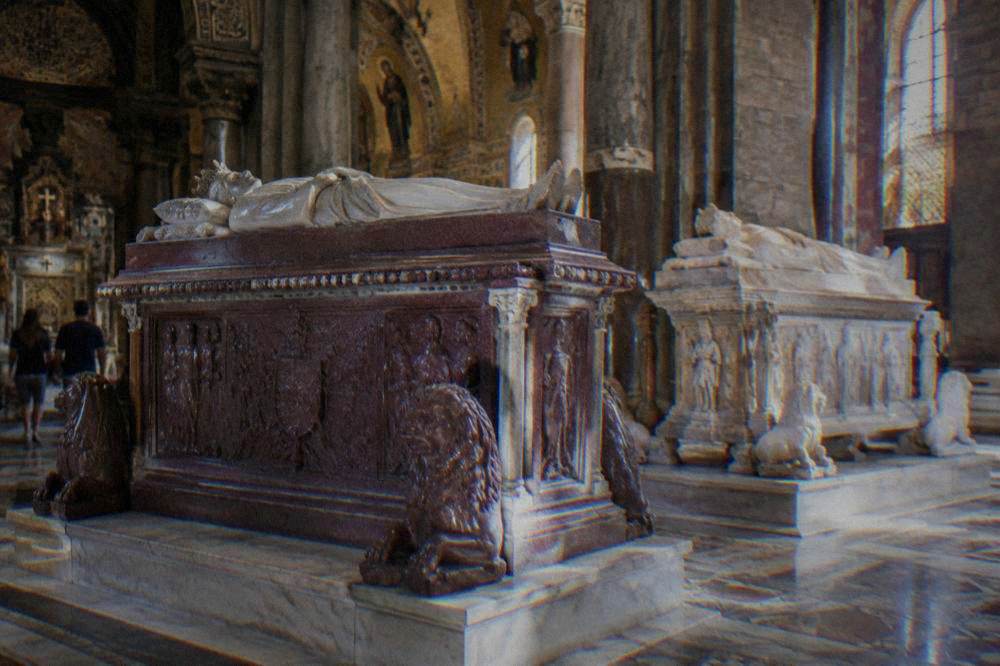
The mosque phase is not folklore. The cathedral's chronicle page states it plainly, and the porch column is the physical evidence a visitor can check. The Palermo Cathedral guide expands on all of it.
Is The Cappella Palatina Worth The Palace Ticket?
Yes, because the Cappella Palatina is the interior the UNESCO inscription is built around: a chapel covered in gold-ground glass mosaic with a painted wooden ceiling, inside the working seat of the Sicilian regional parliament, and the EUR 14.50 full or EUR 12.50 reduced ticket includes the royal apartments above it. The catch is calendar: the apartments close Tuesday and Wednesday when parliament sits, and the whole complex stops admitting at 16:30 on weekdays.
The chapel is small, and that is part of the point. Where Monreale spreads its mosaics across a cathedral-sized nave, the Palatina concentrates them in a space you can cross in a minute, with the ceiling adding a layer Monreale does not match. Photography is unrestricted on the standard visit unless a sign at the door says otherwise. The Cappella Palatina guide and the Norman Palace guide cover the palace side.
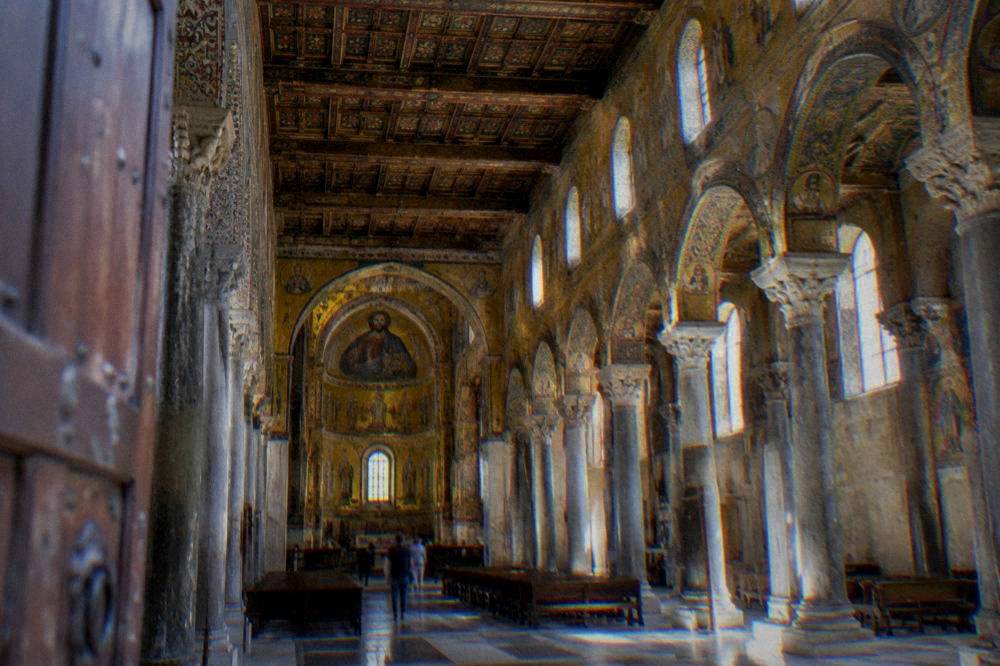
A guided version of the visit, with a small group or privately, pairs the chapel with the palace history and skips the queue-reading: Check availability. For a full picture of the walkable centre that connects the churches, the old town guide maps the four mandamenti, Capo, Albergheria, Kalsa and Loggia, that the Quattro Canti divide the centre into.
For the full sweep of the old centre, book a free walking tour here.
How Do You Visit Monreale Cathedral And Its Cloister From Palermo?
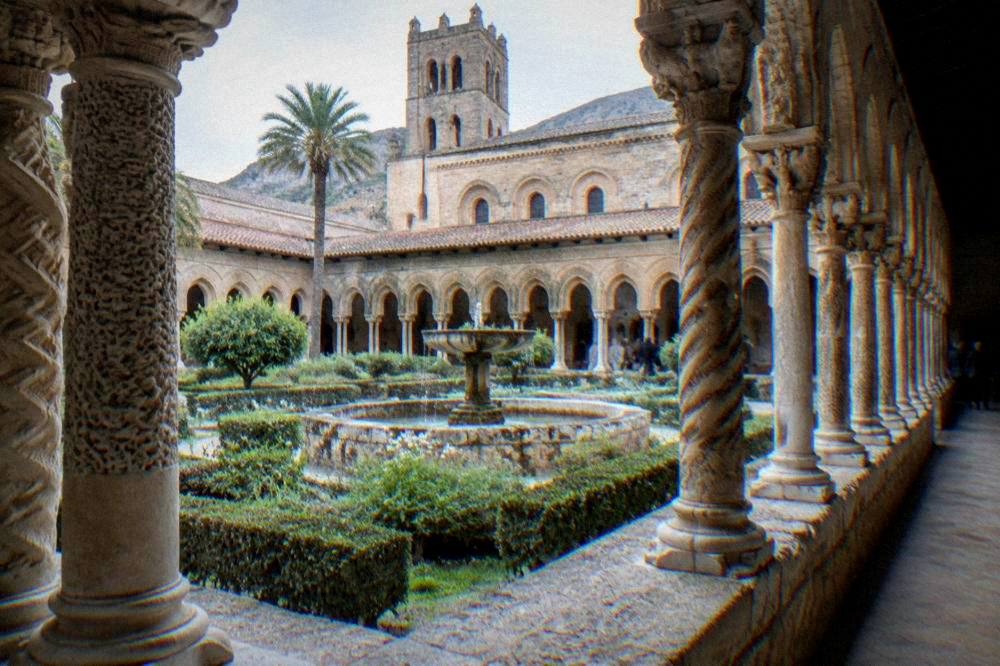
AMAT bus 389 runs from Piazza Indipendenza to Monreale 47 times a day, about every 40 minutes, on a standard EUR 1.40 city ticket valid 90 minutes including transfers; the cloister costs EUR 8 full and EUR 4 reduced, opens Monday to Saturday 9:00 to 19:00 and Sunday about 9:00 to 13:30, and the cathedral and the cloister are separate visits.
Piazza Indipendenza sits beside San Giovanni degli Eremiti, so the natural morning is that church first, then the bus. The 389 service continues under a renewed convention between AMAT and the commune of Monreale, with the first departure from Piazza Indipendenza at 5:25 and from Monreale at 6:00, which makes an early start easy. Inside, Monreale Cathedral holds the tombs of William I and William II, and its walls carry the gold-ground glass mosaic that draws the comparison with the Palatina. No official figure exists for the mosaic area or the gold weight, and any number a tour brochure prints is its own claim, not a published one.
| Item | Figure | Source basis |
|---|---|---|
| Bus 389 frequency | 47 runs a day, about every 40 min | AMAT and commune convention |
| 389 ticket | EUR 1.40, 90 minutes, transfers included | AMAT fares page |
| Monreale cloister ticket | EUR 8 full, EUR 4 reduced | CoopCulture listing |
| Cloister hours | Mon to Sat 9:00 to 19:00; Sun about 9:00 to 13:30 | CoopCulture listing |
| Tombs in Monreale Cathedral | William I and William II | Secondary sources on the cathedral |
A half-day trip combining Monreale with Cefalu exists as a bookable excursion, and so does a self-guided van transfer for visitors who would rather not read a bus timetable; both are listed on the site's day-trip picks. The Monreale guide and the Cefalu guide hold the detail, and Cefalu Cathedral's own entry is free, with paid tower and museum itineraries at EUR 10 and EUR 13, so the coast option carries its own church reward.
What Should You Know About La Martorana, San Cataldo And San Giovanni Degli Eremiti?
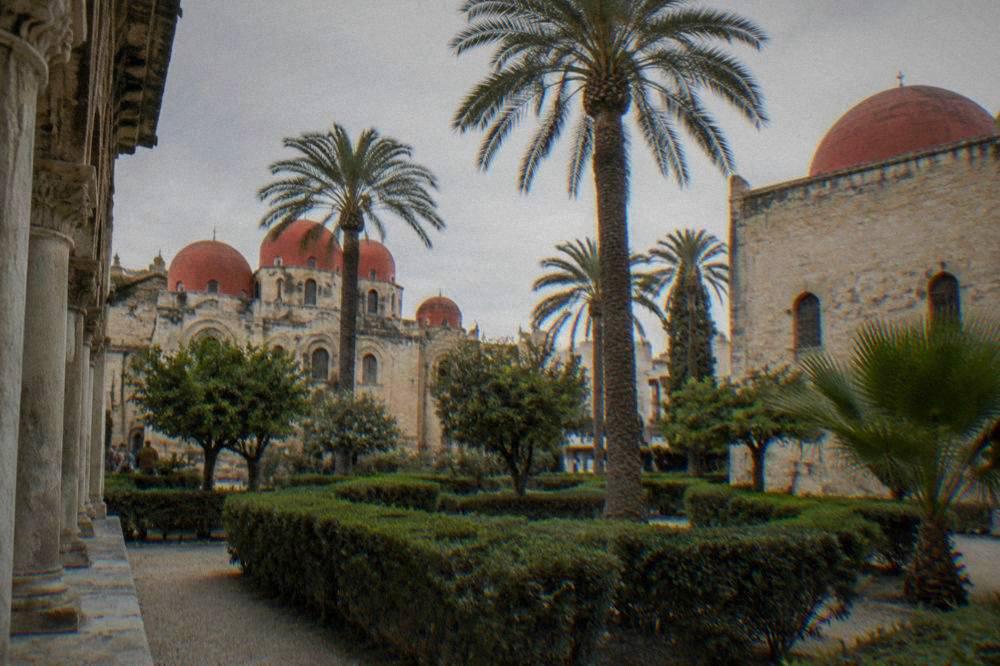
La Martorana and San Cataldo stand together on Piazza Bellini in the Kalsa, one with a mosaic interior, the other a plain stone room under three red domes, and both publish their entry prices at the door rather than in a fixed official figure; San Giovanni degli Eremiti sits west near Piazza Indipendenza with red domes and a planted cloister garden, and it is the natural first stop before the Monreale bus.
All three belong to the UNESCO serial property, which is why a Piazza Bellini stop is never wasted time: two inscribed buildings share one small square. The La Martorana guide and the San Cataldo church guide carry what the site holds on each, and the Palermo churches walking-tour overview shows how they slot into a guided route.
What Etiquette Applies When Visiting Churches In Palermo?
Covered shoulders and knees are the expectation in every working church in the city, including the Palermo Cathedral nave, the Cappella Palatina and Monreale; photography is generally allowed except where a sign forbids it, though it is prohibited outright at the Capuchin Catacombs, and Palermo Cathedral suspends visits during liturgies while the Monreale cloister admits its last visitors 30 minutes before closing.
The catacombs rule is explicit on the official page: photography prohibited, tickets at the office only, EUR 5 full and EUR 3 reduced, hours seasonal. Elsewhere the working rule is simple. A scarf or a light long layer solves the dress question in summer, and the cathedral's roof requires comfortable shoes and excludes anyone with heart, claustrophobia or vertigo problems. Tap water in Palermo is suitable for drinking according to AMAP, the municipal water company, so a filled bottle carries you between churches without cost. The getting around Palermo guide covers the AMAT tickets that connect the clusters, EUR 1.40 for 90 minutes or EUR 3.50 for the day, and the is Palermo safe guide carries the standard urban precautions that apply on the crowded buses between them.
| Rule | Where it applies | Details |
|---|---|---|
| Covered shoulders and knees | All working churches | Standard expectation stated for the cathedral nave |
| Photography prohibited | Capuchin Catacombs | Official catacombs page |
| Comfortable shoes, no vertigo | Cathedral roof | Cathedral hours page |
| Visits suspended during liturgies | Palermo Cathedral | Cathedral hours page |
| Last admission before closing | Monreale cloister | 30 minutes before closing |
Can You Combine Palermo's Churches With A Day Trip?
Yes, and the geography favours it: Monreale is a 16 minute drive or the 389 bus from Piazza Indipendenza, Cefalu is 65 minutes by road or 39 to 60 minutes by train with 19 to 24 direct services a day, and Corleone, whose anti-mafia documentation centre runs guided visits at EUR 10, is 65 minutes by road, so a church morning in the city pairs with an afternoon trip in almost any direction.
The Corleone pairing is the one this site highlights. The town's documentation centre offers a full itinerary of legality at EUR 10 with guided visits booked ahead, and the story it tells, anchored in the city by the Albero Falcone on Via Notarbartolo and the memory of the Capaci attack of 23 May 1992, belongs to the same recent history as any church facade. The Palermo mafia and anti-mafia tour guide sets out the city-side sites, and the Corleone guide covers the trip itself.
For visitors with a second day, the Agrigento direction carries the Valley of the Temples, a separate UNESCO inscription from 1997, open 8:30 to 20:00 at EUR 14 full and EUR 7 reduced, reachable by a direct regional train of about 2 hours. A half-day Corleone excursion, booked as Check availability, is the version this site features alongside its church pages, because it leaves the morning free for the Palazzo dei Normanni before the 16:30 last admission.
Longer routes work too. The Palermo and western Sicily week strings Segesta, EUR 14 full and EUR 7 reduced, with Erice and its cable car at EUR 9 one way, EUR 15 return, and the three days in Palermo plan gives the churches a full first day. Whatever the route, book the palace around the parliament calendar, read the cathedral's seasonal hours on its own page before setting out, and let the buses and trains in the site's transport guides carry the rest.
Common Questions About Palermo Churches
Do You Need Tickets For Palermo Cathedral?
The nave is a working church and the monumental area, meaning the roof, royal tombs, treasury and crypt, is ticketed. The official page publishes hours but no price, so the amount is shown at the ticket point or on the cathedral's ticket shop.
How Much Is The Cappella Palatina?
The chapel shares one ticket with the Palazzo dei Normanni at EUR 14.50 full and EUR 12.50 reduced, royal apartments included, per the official visiting page. The apartments close Tuesday and Wednesday when the regional parliament sits.
Was Palermo Cathedral A Mosque?
Yes. The cathedral's own chronicle records that Saracens turned the earlier church into a mosque in 831 and the Normans returned it to Christian worship in 1072. A Qur'an verse remains on the first column on the left of the southern porch.
Which Palermo Churches Are Part Of UNESCO?
Nine components of the city and its neighbour towns were inscribed together in 2015 as Arab-Norman Palermo and the Cathedral Churches of Cefalu and Monreale, including the Royal Palace and Palatine Chapel, Palermo Cathedral, the Zisa, San Giovanni degli Eremiti, La Martorana, San Cataldo, and the cathedrals of Monreale and Cefalu.
Is There A Dress Code For Churches In Palermo?
Covered shoulders and knees are the standing expectation in working churches, including the cathedral nave and Monreale. The cathedral roof additionally requires comfortable shoes and is not advised for visitors with heart, claustrophobia or vertigo problems.
How Do You Get To Monreale Cathedral From Palermo?
AMAT bus 389 runs from Piazza Indipendenza, 47 times a day at about 40 minute intervals, on the standard EUR 1.40 ticket valid 90 minutes. The cloister costs EUR 8 full and EUR 4 reduced, and the cathedral and cloister are separate visits.
