Palermo In Summer
Palermo in summer is a coastal city that moves early, rests at midday and comes back to life after sunset: here is what stays open, where to swim and how to plan the warm months.
Short answer
Summer in Palermo means hot dry weather, morning markets, evening life in the old quarters and the beach at Mondello a short bus ride away, with the Festino of Saint Rosalia each July at its centre.
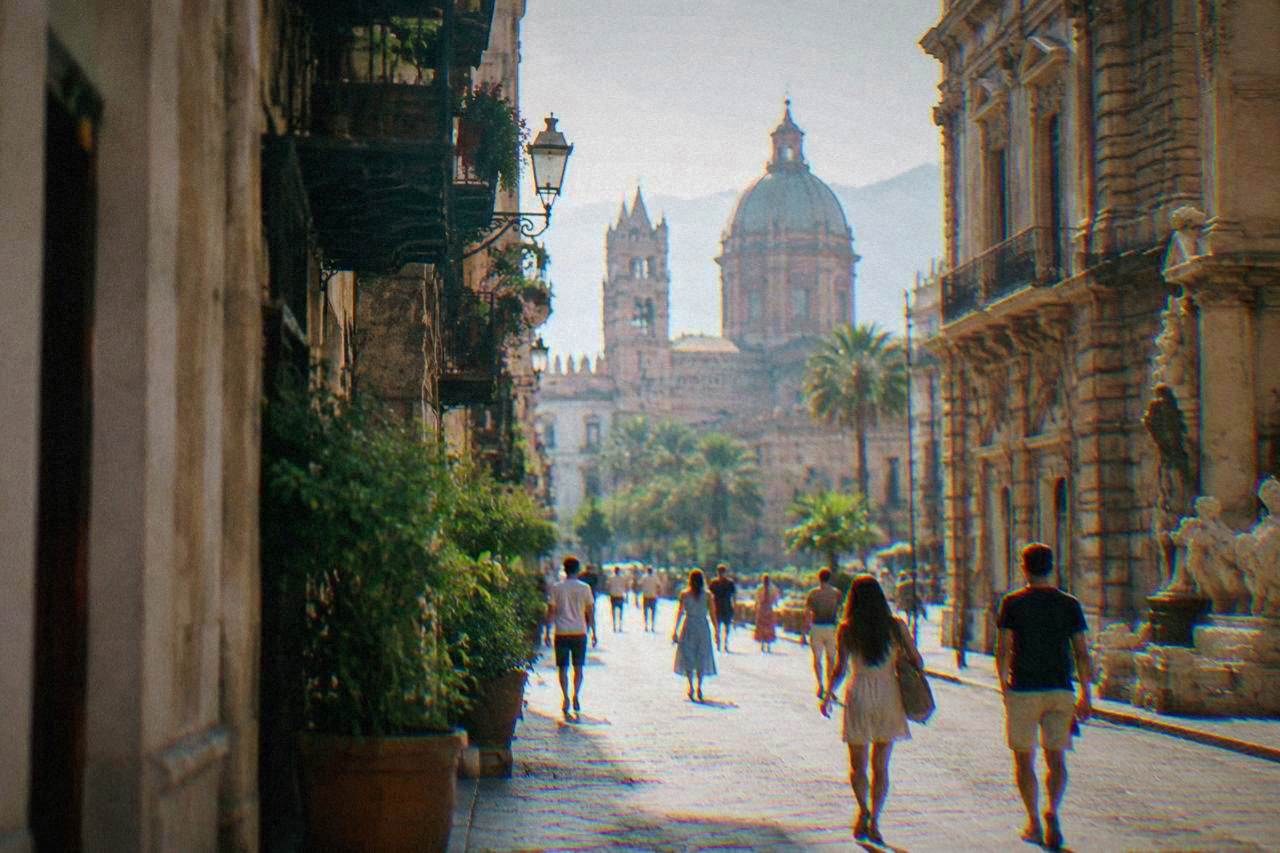
Palermo, the coastal capital of Sicily on the Tyrrhenian Sea, changes shape in summer: the markets start at first light, the stone squares empty in the early afternoon, and the whole weight of the day shifts toward the evening, when the old quarters fill again and the sea breeze off the Gulf of Palermo finally makes itself felt. The Festino of Saint Rosalia each July is the emotional centre of the season, but summer here is also a practical puzzle of opening hours, bus timetables and the question of when, exactly, to do anything that involves walking. For the broader picture of the city across all seasons, the Palermo Italy Travel Guide homepage collects the main planning pages in one place.
What Is Summer In Palermo Like?
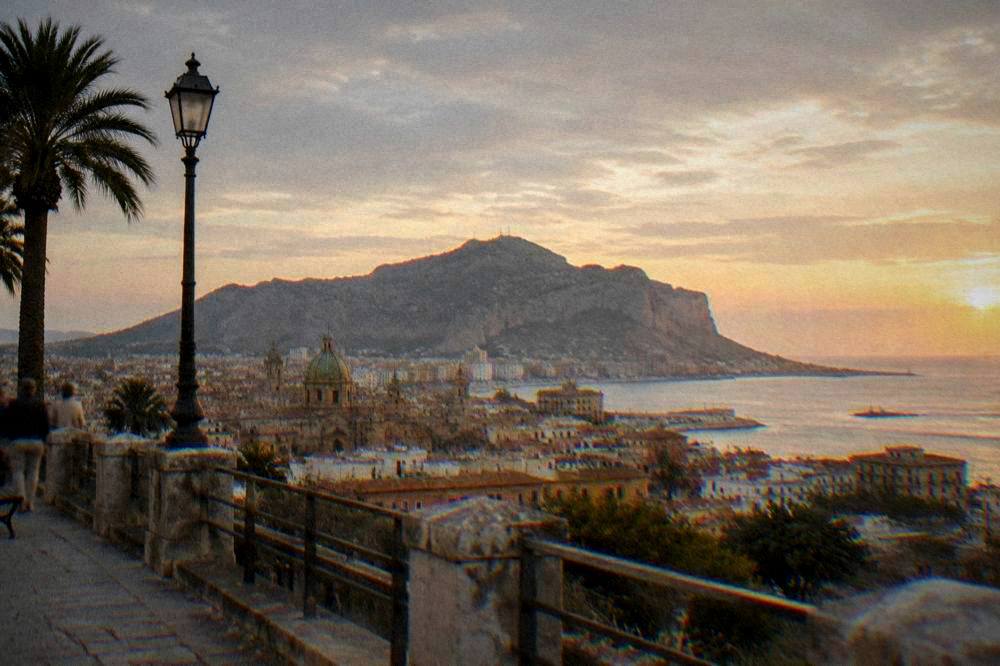
Summer in Palermo is hot, dry and organised around the sea and the evening: the climate is Mediterranean and coastal, with hot dry summers and mild wetter winters, and the city's own rhythm shifts its social life to the late afternoon and night. The historic centre is compact and walkable, the beach at Mondello is a short bus ride away, and the July Festino brings the biggest celebration of the year onto the streets. The city sits on the north-west coast of Sicily, with Monte Pellegrino rising behind it, and that coastal position matters in summer: the sea tempers the worst of the heat and gives the evening air its movement.
The practical pattern of a summer day is well established in the way the city's own institutions describe themselves. The municipal tourism portal lists the historic markets, the Four Corners of the Quattro Canti, the waterfront Foro Italico and the villas as the free staples of a visit, all of them open-air and all of them at their best before noon or after sunset. The markets in particular run on a morning schedule: Ballarò trades from early morning, and the Italia.it listing for the market describes a rhythm that is finished by early afternoon. Midday in July and August is for churches, museums, long lunches and shuttered rooms.
The season also changes what a day trip looks like. The heat makes the long drives to Etna or Syracuse a bigger undertaking than in April or October, and it pushes visitors toward the water: Mondello, the coast at Sferracavallo and Isola delle Femmine, and the Zingaro reserve near Scopello all sit within reach of the city.
How Hot Does Palermo Get In June, July And August?
Summer in Palermo is consistently hot and almost rain-free: the climate is Mediterranean and coastal, with hot dry summers, and July and August are the warmest months of the year while the sea stays warm enough to swim from about late spring into autumn. The site holds no official station normals for the city, so no temperature figure is printed here, but the pattern is stable: long dry spells, warm nights and almost no rainfall through the peak months. Visitors from northern Europe should plan for heat that starts in June and does not really break until late September.
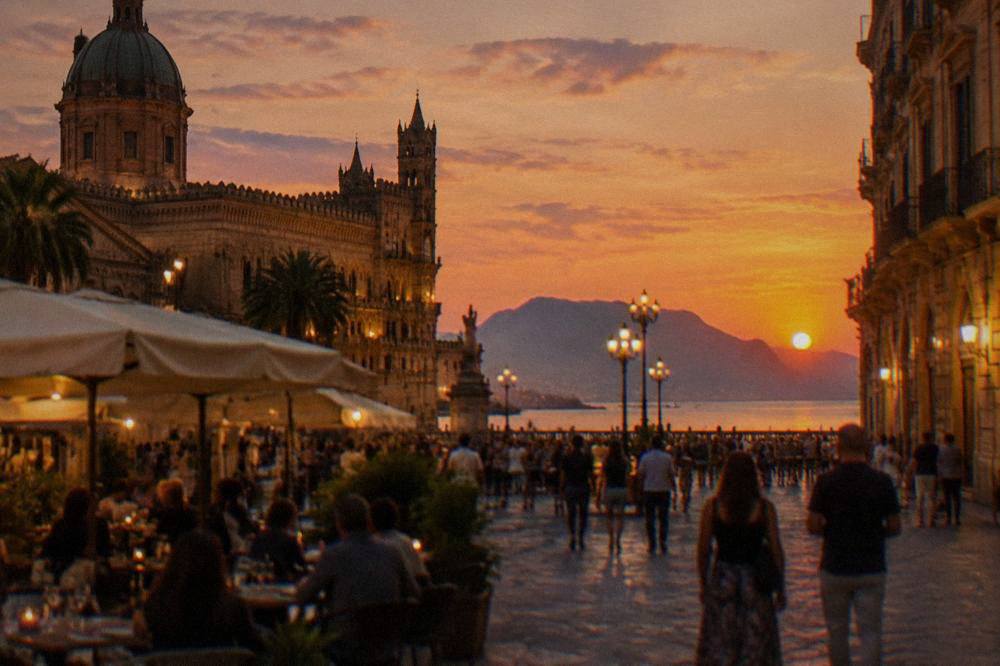
What the heat means in practice is a matter of timing rather than endurance. The mornings are pleasant and bright, and they are when the markets, the walking routes and the open squares are at their best. The middle of the day belongs indoors: the Palazzo dei Normanni with its Palatine Chapel, the museums and the churches all offer stone-cooled interiors, and the Teatro Massimo runs guided tours daily through the summer. The evening is the second outdoor window, and it is the one the city itself uses: the nightlife areas around the Vucciria, Piazza Marina and the Politeama side fill after dark, and dinner seating runs late.
Two practical notes come straight from the official pages. AMAP, the water utility, states that Palermo's distributed tap water is suitable for drinking, which matters when the temperature climbs: refill a bottle rather than buying plastic all day. And the US State Department's Italy advisory notes that petty crime such as pickpocketing is common in popular tourist locations and on public transport, which in summer means crowded buses to the beach and packed festival streets deserve a zipped bag held in front.
Which Palermo Sights Stay Open In Summer?
The main indoor sights of Palermo keep their regular hours through the summer: the Palazzo dei Normanni and Palatine Chapel run Monday to Saturday with last admission at 16:30 and Sunday mornings to 12:30, the Teatro Massimo offers daily guided tours, and the Capuchin Catacombs stay open with seasonal hours. The one significant summer change is the Palazzo Abatellis, which is closed for a planned works period of about 18 months from mid-July 2026, so its collection should not be counted on.
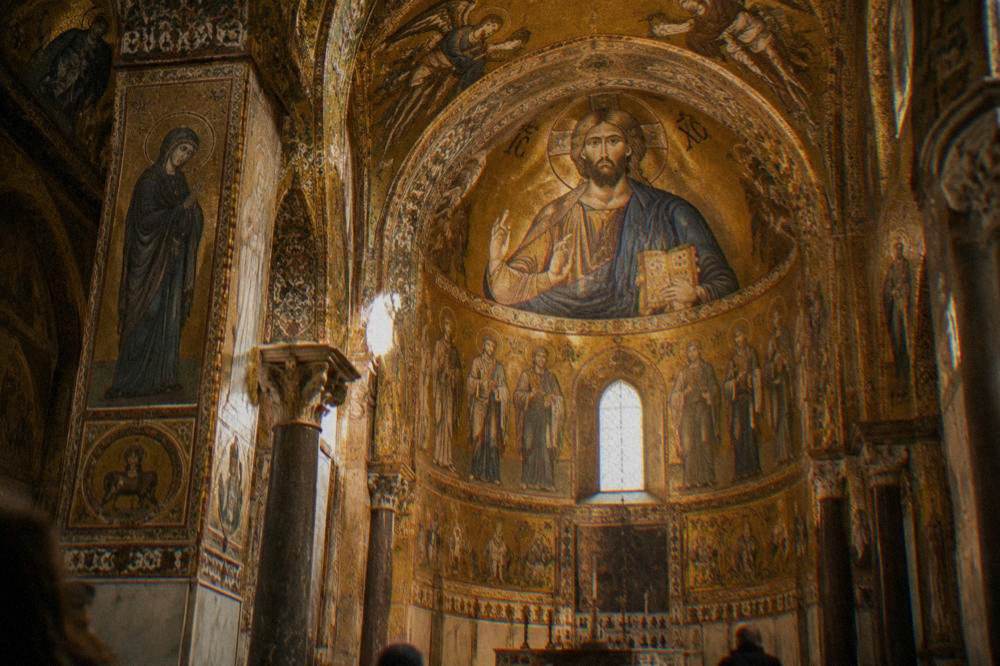
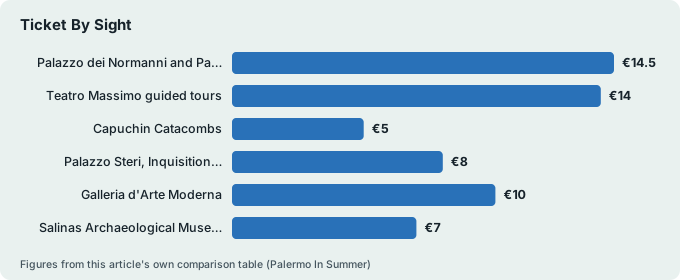
The Palazzo dei Normanni is the anchor sight and the one where the hours matter. The visit page lists Monday to Saturday 8:30 to 16:30 last admission, Sunday and holidays 8:30 to 12:30, closure on 25 December and 1 January, and a standing detail: the royal apartments close on Tuesday and Wednesday when the regional parliament sits, while the Palatine Chapel remains part of the same ticket. A full ticket is 14.50 EUR and a reduced ticket is 12.50 EUR, royal apartments included, on the official visit page. In summer the smart move is the first slot of the morning, before the coaches arrive and before the afternoon heat.
The table below collects the main ticketed sights with the figures the official and operator pages give.
| Sight | Summer opening | Ticket |
|---|---|---|
| Palazzo dei Normanni and Palatine Chapel | Mon to Sat 8:30 to 16:30 last admission, Sun 8:30 to 12:30 | 14.50 EUR full, 12.50 EUR reduced |
| Teatro Massimo guided tours | Daily, roughly 9:30 to 19:00 | 14 EUR full, 7 EUR under 26, family 36 EUR |
| Capuchin Catacombs | Daily, seasonal hours, tickets at the office only | 5 EUR full, 3 EUR reduced |
| Palazzo Steri, Inquisition prisons | Daily, guided visits | 8 EUR full, 5 EUR reduced |
| Galleria d'Arte Moderna | Daily 9:30 to 18:30 | 10 EUR full, 8 EUR reduced |
| Salinas Archaeological Museum | Tue to Sat, closed Monday | 7 EUR full, 3.50 EUR reduced |
| Palazzo Abatellis | Closed from mid-July 2026 for about 18 months | Reopening date not confirmed |
Free sights carry the rest of a summer day: the Quattro Canti crossing, the exterior of Piazza Pretoria, the Foro Italico waterfront, Villa Giulia and the markets cost nothing. Many state and regional museums are free on the first Sunday of the month, and the reader should confirm per site. The old town guide explains how the four historic districts fit together, and the rainy day guide doubles as a hot-day guide, since the same indoor list works at 2 pm in August.
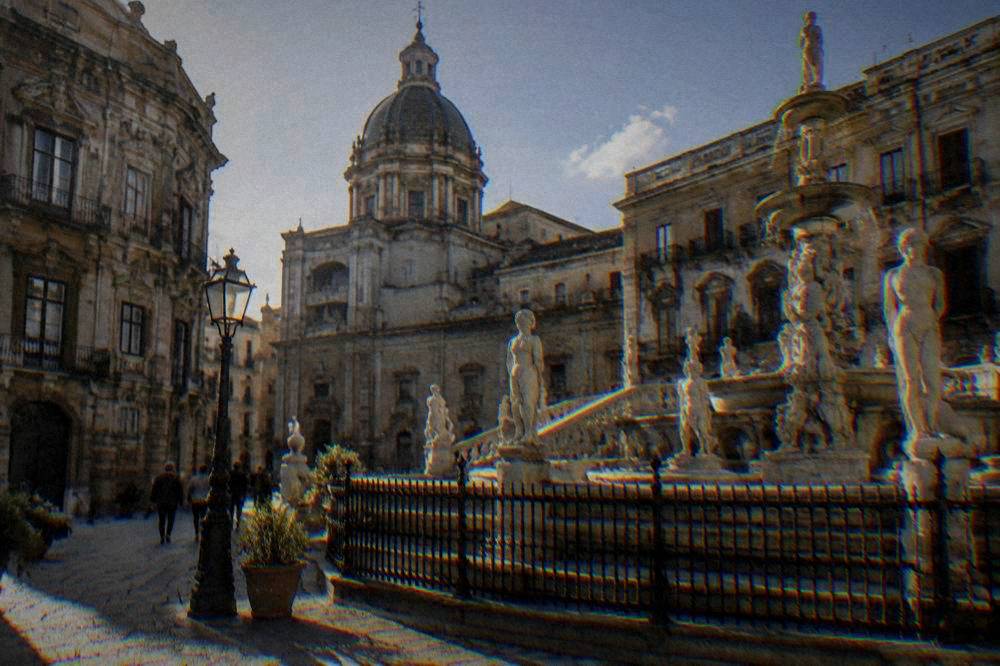
For visitors who want the city explained rather than just seen, guided formats run all summer, and the evening walks are the ones that dodge the heat entirely. Tip-based walks also run locally; confirm the meeting point and the guide's arrangements directly.
Where Can You Swim Near Palermo In Summer?
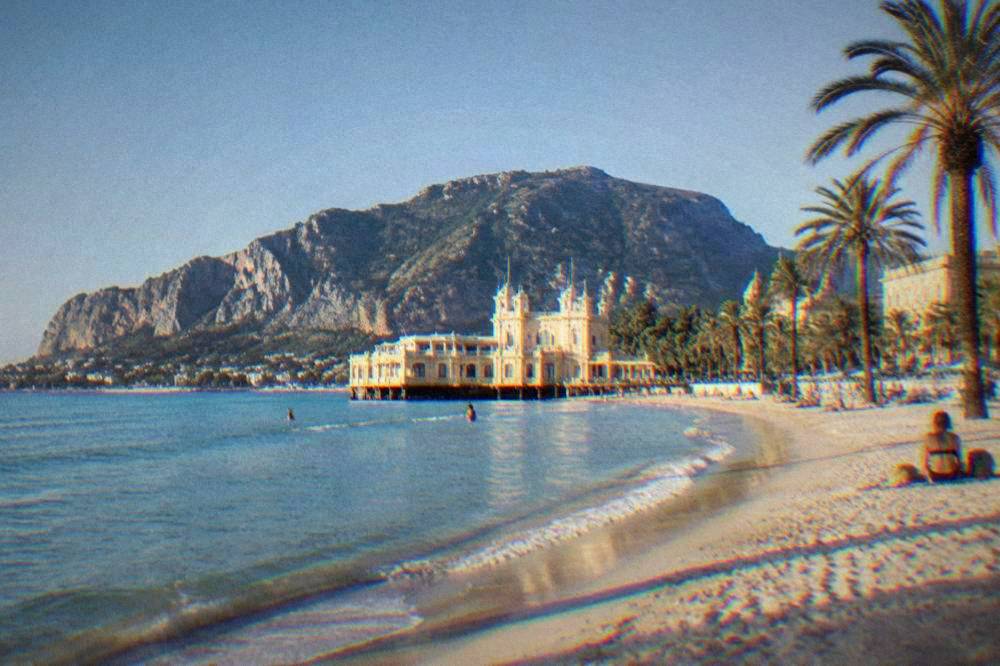
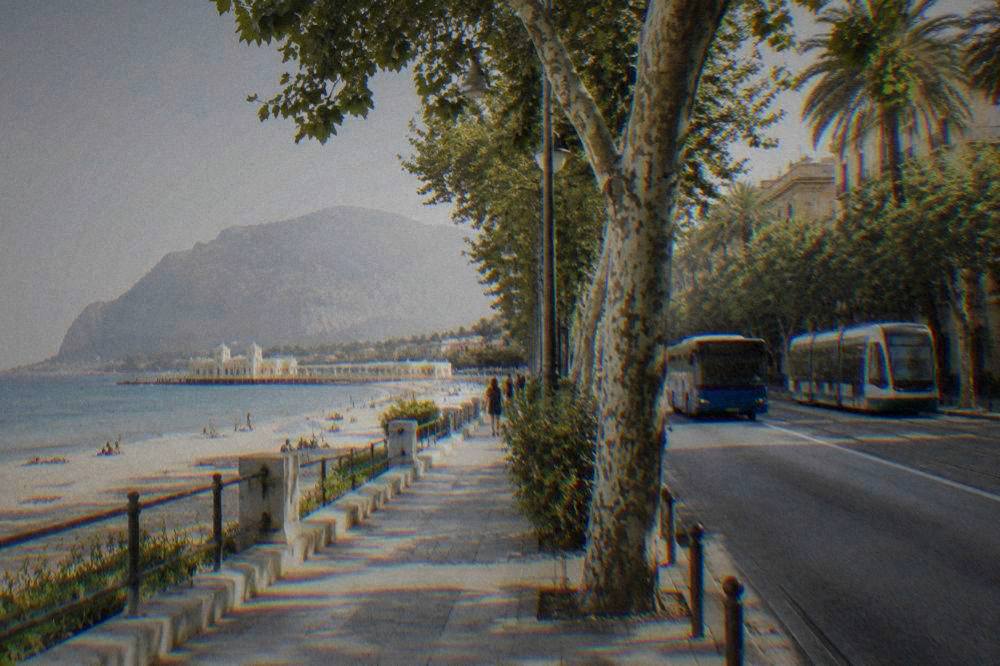
Mondello is Palermo's beach district, 13.9 km and about 27 minutes by road from the Quattro Canti, served in summer by AMAT line 806, and it mixes free public stretches of sand with paid lidos. The municipal tourism page describes a 1.5 km stretch of fine pale sand with equipped lidos and bathing cabins, plus the Stabilimento Balneare and the villas in Liberty style. No Palermo-area beach is on the 2026 Blue Flag list, so swim on facilities and convenience rather than any award.
The 2026 season at Mondello ran a two-model arrangement: traditional lidos alongside a low-cost access option at 6 EUR for basic services such as showers, toilets and lifeguard cover in the Italo Belga area. That concession is in a court dispute, with the decision pending, so check the current arrangement before planning a beach day around it. What is stable is the structure: free public sand exists, and paid lido spots are booked by the day or by subscription.
Getting there is simple. AMAT's summer line 806 runs toward Mondello through the season, and the ordinary AMAT ticket at 1.40 EUR covers 90 minutes including transfers. Other coast stops within reach of the city include Sferracavallo, Isola delle Femmine and Capaci, all of them on the same north-west coast. The full Mondello area guide and the beaches guide cover the sand, the lidos and the transport in detail.
| Coast spot | Character | Getting there in summer |
|---|---|---|
| Mondello | 1.5 km of pale sand, free stretches plus paid lidos | AMAT line 806, about 27 minutes by road |
| Sferracavallo | Fishing village seafront west of the city | Local bus and train options, check AMAT |
| Isola delle Femmine | Sandy stretches west of Mondello | Train on the airport line, then a short walk |
| Capaci | Sandy beach town on the same coast | Train on the airport line |
| Cefalu | Long sandy town beach, 65 minutes by road or 40 to 60 minutes by train | Train from Palermo Centrale or car |
For a day built around the water rather than the sand, boat trips run from the harbour along the coast toward Capo Gallo and Mondello, with snorkelling stops and refreshments included in the shared formats.
Ready to see that stretch from the deck? Book a Mondello and Capo Gallo cruise here.
What Should You Eat In Palermo In Summer?
Summer eating in Palermo leans on cold and fried street food: panelle and sfincione from the markets, the round Palermo arancina, granita and brioche for breakfast, and cold seafood in the evening, with the markets at their best before noon. The Accademia della Crusca accepts both arancina and arancino, and Palermo and western Sicily say arancina, so either form is correct on the island's two sides. Water is not a purchase you need to make: AMAP states the city's tap water is suitable for drinking.
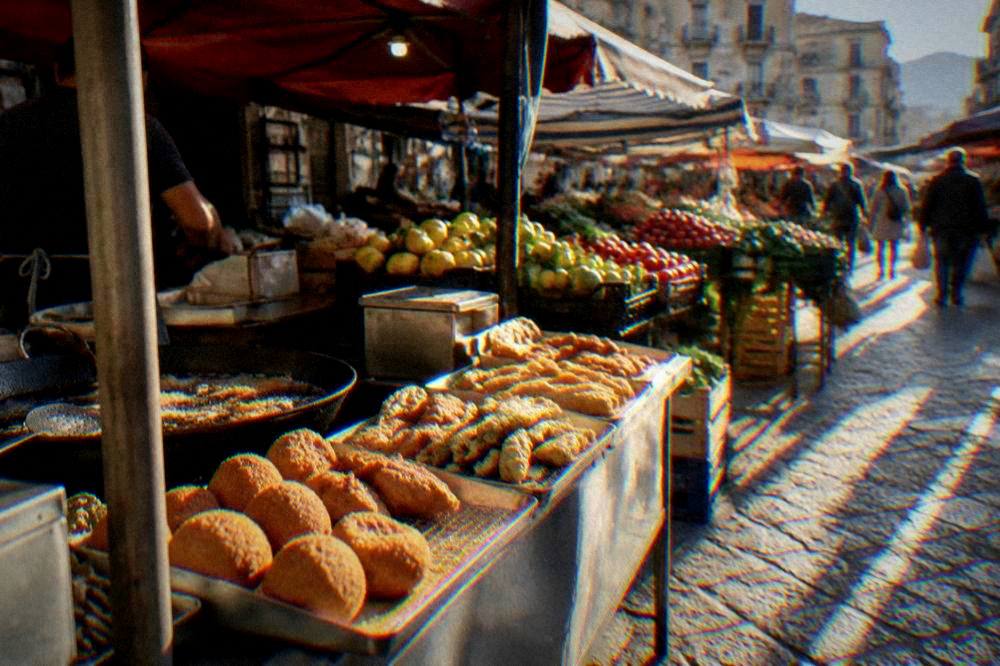
The markets set the summer schedule. Ballarò trades Monday to Saturday from about 7:30 and on Sunday mornings, and the closing hour moves with the season, so treat any late figure as approximate; the Capo market runs mornings and rests on Sunday. The Italia.it listing for Ballarò describes a market whose serious trading is a morning affair, which suits the heat anyway. The evening market scene is a different thing: the Vucciria after dark becomes a street-food and bar district rather than a produce market, and that is the summer version of the city many visitors remember.
A coperto, a cover charge, is legal in Italy when it is printed on the menu, and tipping is not obligatory. In summer, with tables outside and covers charged per person, the menu is the document that settles every question: read it before sitting down and check the itemised bill at the end. The street food guide, the restaurants guide and the arancine guide cover the full edible map of the city.
Guided food formats run in the cool of the evening through the season, and a market-and-tasting walk is the way to try a dozen things without committing to any single counter.
Which Day Trips Work Best From Palermo In Summer?
The summer day trips that work best from Palermo are the short ones and the watery ones: Monreale is 16 minutes by road and 1.40 EUR by AMAT bus 389, Cefalu is 65 minutes by road or 40 to 60 minutes by train with a town beach at the end, and the Zingaro reserve near Scopello pairs a cove walk with swimming.
The long mountain runs, Etna at about 3 hours 20 minutes by road and Syracuse at the same, are possible but demanding in the heat, and Etna's summit rules change with current ordinances.
Monreale is the easy answer. AMAT line 389 leaves from Piazza Indipendenza, runs 47 times a day at about every 40 minutes, and costs the ordinary 1.40 EUR ticket. The cloister is 8 EUR full and 4 EUR reduced, and the cathedral and the cloister are separate visits. Done early, Monreale is back-lunch territory: leave after breakfast, see the mosaics and the cloister in the cooler hours, and be back in Palermo for the afternoon.
Cefalu pairs a visit with a swim. The cathedral entry is free, the paid tower and museum itineraries run 10 and 13 EUR, and La Rocca climb is 5 EUR, best attempted in the morning rather than midday. The train from Palermo Centrale takes 40 to 60 minutes with roughly hourly service. The Monreale guide and the Cefalu guide hold the detail.
| Day trip | Time by road from the Quattro Canti | Time by train or bus | Summer note |
|---|---|---|---|
| Monreale | 16 min | AMAT 389, about every 40 min | Go in the morning, cloister 8 EUR |
| Mondello | 27 min | AMAT line 806 | Beach day, no sights needed |
| Cefalu | 65 min | Train 40 to 60 min | Cathedral free, La Rocca 5 EUR |
| Segesta | 64 min | Bus, check the operator | Temple and theatre, little shade |
| Scopello and Zingaro | 77 min | Bus, check the operator | Reserve entry 5 EUR, coves for swimming |
| Erice | 96 min | Bus to Trapani, then cable car | Cable car 9 EUR one way, 15 EUR return |
| Agrigento | 2 h 16 | Direct train about 2 h | Temples open 8:30 to 20:00, ticket 14 EUR |
| Mount Etna | 3 h 20 | Tour transport | Guide required above about 2,500 m |
The Zingaro reserve deserves its summer reputation: entry is 5 EUR full and 3 EUR reduced, electronic payment only, and the coastal path links coves that exist to be swum in. Agrigento's Valley of the Temples, 14 EUR full and 7 EUR reduced, is open 8:30 to 20:00, and its long unshaded ridge argues for the first or last hours of the day. A guided excursion with transport removes the summer friction of connections and heat-fatigue navigation, and the operator's live listing carries the current itinerary and cancellation terms.
What Events Fill The Palermo Summer Calendar?
The Festino of Saint Rosalia is Palermo's summer event, held each July from 10 to 15 July, with the triumphal chariot procession on 14 July along the Cassaro to Porta Felice and fireworks, and the religious procession of the silver urn with the relics on 15 July. Saint Rosalia has been the city's patron since her relics were found on Monte Pellegrino in 1624, after the plague ended, and the municipal pages describe the Festino as the city's defining celebration.
The 2027 Festino dates are not announced, so plan on the pattern rather than a calendar: each July, main events on 14 and 15 July, and a city centre that is full from early evening. The route runs along the Cassaro, the old straight street that is today Corso Vittorio Emanuele, ending at Porta Felice by the sea. Crowds are dense, and the standard summer precautions apply twice over: the US State Department advisory notes petty crime such as pickpocketing is common in popular tourist locations and on public transport, and a festival crowd is both.
Beyond the Festino, the summer calendar leans on the sea and the evening. The Teatro Massimo's 2026-27 season opens 22 November 2026, so summer itself belongs to guided tours of the theatre rather than opera, though the theatre marks its 130th anniversary in 2027 and the season brochure carries the full calendar. Easter 2027 falls on 28 March, well before the heat. The Cous Cous Fest runs each September in San Vito Lo Capo in Trapani province, not in Palermo itself, but it lands within day-trip range at the edge of the season. The festivals guide holds the full year.
How Do You Get Around Palermo In The Summer Heat?
The AMAT network carries summer visitors for 1.40 EUR a ride on a 90-minute ticket bought in advance, 3.50 EUR for a day or 8.00 EUR for three days, with a 1.80 EUR surcharge if you buy on board, and four tram lines converge on the centre from the periphery. There is no metro: the city's rail service is the Passante ferroviario, whose Line A connects Palermo Centrale to the airport, with a new Giachery to Politeama section approved for service from November 2026.
Buy before boarding and validate at once, because the 90 minutes run from validation, and the onboard purchase costs more for exactly the reason it sounds like it does. The day and MultiDay tickets cover the whole network, buses and trams together, and the beach-bound line 806 in summer makes the 3.50 EUR day ticket the obvious arithmetic for a Mondello round trip. The fares page and the getting around guide carry the full list, including the two-day and seven-day options.
| AMAT ticket | Price | Validity |
|---|---|---|
| Single, bought in advance | 1.40 EUR | 90 minutes from validation |
| Single, bought on board | 1.80 EUR | 90 minutes from validation |
| Day ticket | 3.50 EUR | Whole day until end of service |
| Two-day MultiDay | 6.00 EUR | Until end of service on the 2nd day |
| Three-day MultiDay | 8.00 EUR | Until end of service on the 3rd day |
| Seven-day MultiDay | 16.50 EUR | Until end of service on the 7th day |
From the airport, the Prestia e Comande bus runs every 30 minutes and takes about 50 minutes to the centre, at 6 EUR one way and 10 EUR return bought online or in advance, 6.50 EUR and 11 EUR on board, with children 3 to 12 at 4 EUR one way; the airport-to-city service runs from 05:05 to 01:05 and the return from 03:30 to 21:30. A regional train also links the airport line to Palermo Centrale in about an hour, with the fare shown on the Trenitalia ticket page. GESAP, the airport operator, advises arriving 2 hours before Schengen flights and 3 hours before non-Schengen flights. The airport guide and the airport to centre guide cover every option.
Driving is the one summer choice that deserves a second thought. The historic centre's ZTL is a camera-enforced paid zone with weekday daytime hours plus Friday and Saturday evening hours that change by season, and the daily pass runs 5 EUR for petrol and diesel cars, 2.50 EUR for hybrids and is free for electric vehicles, via the official portal. Entering without a permit is camera-enforced and fined, and no fine amount is printed here. The motorways out of the city, the A19 toward Catania and the A29 toward Trapani, are toll-free, and the driving and parking guide explains the rest.
Where Should You Stay In Palermo For A Summer Visit?
For a summer stay, the historic centre districts of Albergheria, Kalsa and the area around the Quattro Canti put the evening life and the sights within a short walk, while Mondello suits a beach-first stay and the Politeama side offers a quieter base with fast transport links.
The tourist tax applies to non-residents for a maximum of 4 consecutive nights, at about 3 to 5 EUR per night depending on the accommodation's star rating and about 4 EUR for short-term rentals, collected by the accommodation and confirmed at booking.
Air conditioning is not a luxury in Palermo in July and August, and it should be treated as a booking requirement rather than a preference. The same goes for the short-term rental paperwork: Italian rules require a national CIN code displayed on listings, hosts must register guests through the Alloggiati Web system within 24 hours, and identity must be checked in person, so a listing without a CIN code is a listing to question. The where to stay guide and the hotels guide break the districts down by budget and character.
The summer logic is simple: the old centre puts the evening Vucciria and the market mornings on foot, Mondello trades the evening city for the morning sea, and the Politeama and Libertà side splits the difference with the airport bus stop and the tram network close by. Whichever base wins, the one day, two days and three days itineraries can all be run in summer by shifting the outdoor blocks to the morning and the evening.
Common Questions About Palermo In Summer
Is Palermo too hot in summer?
Palermo has a hot dry Mediterranean summer, and the climate is coastal, so the sea tempers the heat and the evenings cool down. The workable pattern is morning activity, an indoor or shaded midday, and outdoor life again after sunset. No temperature figure is printed here because the site holds no official station normals for the city.
When is the Festino of Saint Rosalia in Palermo?
The Festino runs each July from 10 to 15 July, with the chariot procession and fireworks on 14 July along the Cassaro to Porta Felice and the silver urn procession on 15 July. The 2027 dates are not announced, so plan on the July pattern.
Can you swim in Palermo in summer?
Yes. Mondello, the city's beach district, is 13.9 km and about 27 minutes by road from the Quattro Canti and is served in summer by AMAT line 806. It mixes free public sand with paid lidos, and the sea stays warm enough to swim from about late spring into autumn.
What is open in Palermo in August?
The main sights keep their hours: the Palazzo dei Normanni and Palatine Chapel, the Teatro Massimo tours, the Capuchin Catacombs and the museums all run through summer, and many state and regional museums are free on the first Sunday of the month. The Palazzo Abatellis is the exception, closed from mid-July 2026 for about 18 months of works.
Is the tap water safe to drink in Palermo in summer?
Yes. AMAP, the water utility, states that the water distributed in Palermo is suitable for human consumption, so refilling a bottle is a normal thing to do in the summer heat.
Summer in Palermo rewards whoever moves with the city rather than against it: markets at 8 am, mosaics and museums at noon, a bus to Mondello when the sand calls, and the squares again after dark. Plan the hours around the sun, keep the ticket pages and the AMAT fares page bookmarked, and the warm months stop being an obstacle and become the reason the city feels so alive.
