Why Is Palermo So Run Down?
Why parts of Palermo look faded, what decades of neglect and rebuilding did to the historic centre, and which restored districts balance the picture.
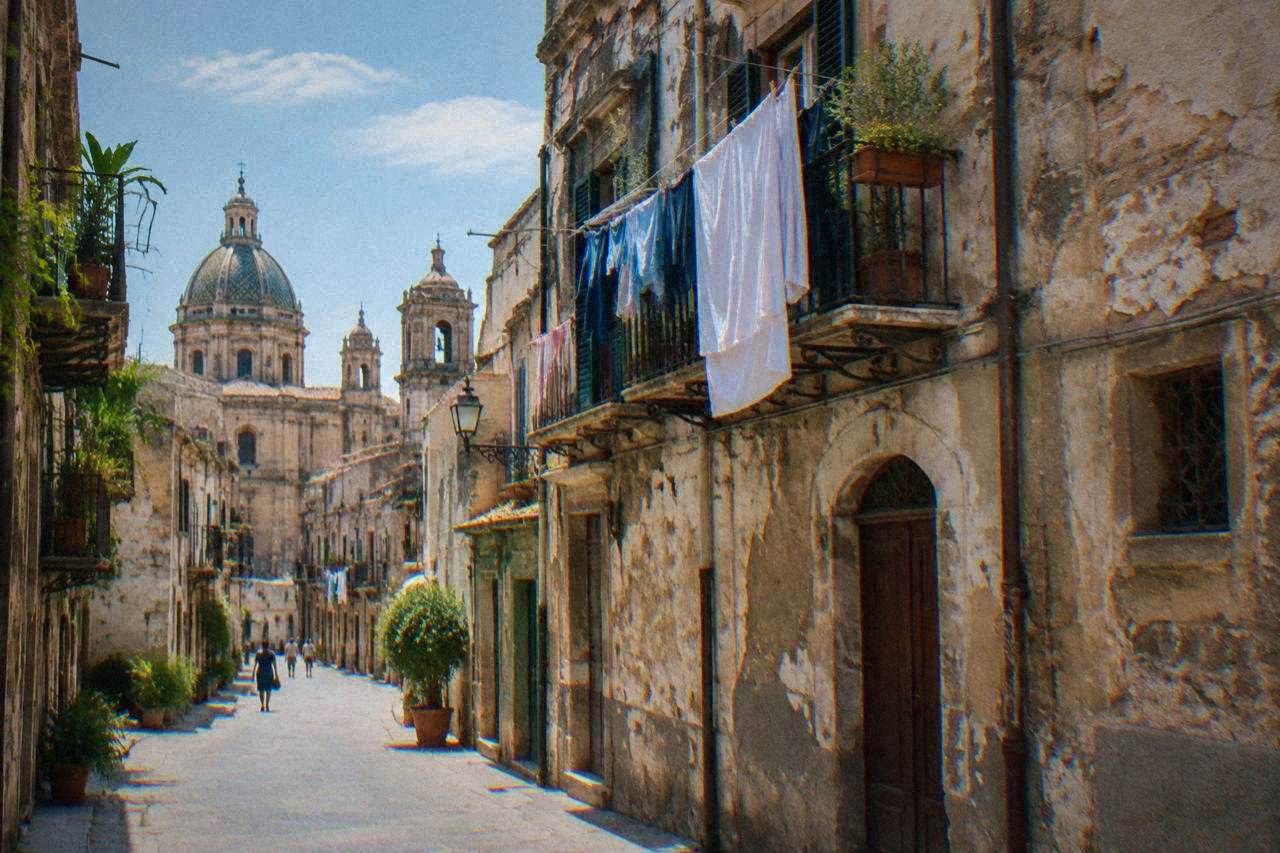
Palermo, the coastal capital of Sicily on the Tyrrhenian Sea, has a cityscape that catches first-time arrivals off guard: grand facades with plaster peeling off them, palaces behind scaffolding, streets where restored buildings stand shoulder to shoulder with shuttered ones. The worn look is real, not a trick of light, and it has identifiable causes, from population loss to decades in which money and public maintenance drained away. The municipal statistics office counted 628,693 residents at 31 December 2024, and the city's street pattern still follows the four historic quarters, Capo, Albergheria, Kalsa and Loggia, described on the municipal tourism portal. This page explains where the dilapidation comes from, how much of it is being repaired, and why the answer is more specific than "the city is poor".
Why Is Palermo So Run Down?
Palermo looks run down because it is an old, layered city whose historic centre lost residents and investment over a long stretch of the modern era, so that great numbers of ageing apartment buildings and palaces went without maintenance. Bombing in the Second World War, then suburban sprawl and the criminal violence that peaked with the 1992 Capaci attack, all cut the tax base that would otherwise have paid for upkeep. Restoration began in earnest after the 2015 UNESCO inscription, but it is uneven and ongoing.
That is the short answer. The city's own cathedral chronicle records that Saracens turned the earlier church into a mosque in 831 and the Normans returned it to Christian worship in 1072, which is a reminder that the streets around it have been continuously rebuilt for well over a thousand years. Each era left buildings, and each era also left buildings it stopped maintaining. What a visitor today reads as neglect is often simply the unfinished half of a very long renovation cycle.
The 23 May 1992 Capaci attack, commemorated each year on 23 May at the Albero Falcone on Via Notarbartolo, marked the low point of a period in which public works, permitting and ordinary administration all slowed. The A29 motorway monument near Capaci still marks the site. After 1992 the city recovered slowly, and the restoration of the old quarters accelerated as tourism grew.
Where Does The Worn Look Come From?
The worn look comes from three stacked causes: wartime damage that was rebuilt cheaply, an exodus from the centre that emptied whole apartment blocks, and a climate of coastal humidity and salt air that attacks plaster and stonework fast once painting and repointing stop. A building in Palermo that goes unmaintained for even a few years shows it visibly, and many went unmaintained for far longer.
Start with the physical layer. Palermo sits on the Gulf of Palermo with Monte Pellegrino behind it, and the sea air is hard on lime plaster and soft stone. The climate table, modelled ERA5 normals for 1991 to 2020, shows October as the wettest month at 81 mm of rain against July's 7 mm, so the annual pattern is a long dry summer followed by a wet autumn and winter. Rain entering cracked render, then drying in heat, peels facades quickly. The city's famous scaffolding is partly the visible front line of that fight.
The human layer matters more. As residents moved to the outskirts and to northern Italy, the dense blocks of the four mandamenti, Capo, Albergheria, Kalsa and Loggia, lost the everyday occupants whose repairs keep a district alive. Empty upper floors mean closed shutters, and closed shutters are what an eye registers as dereliction even when the street below is busy. The municipal tourism portal describes these four quarters as the historic division of the city created at the crossing of Via Maqueda and Corso Vittorio Emanuele, and their fabric is old enough that constant care is the only thing that keeps them presentable.
Finally there is the administrative layer. The limited-traffic ZTL, camera-enforced with paid daily passes of 5 EUR for petrol and diesel cars, 2.50 EUR for hybrids and free access for electrics, was designed in part to protect the fragile centre from traffic vibration and exhaust, both of which age buildings faster. A city that restricts cars in its core is a city acknowledging its core needs protection.
| Factor | What it did | What a visitor sees today |
|---|---|---|
| Wartime bombing | Destroyed or damaged central blocks, rebuilt quickly and cheaply | Plain postwar buildings mixed into old streets |
| Population loss from the centre | Emptied upper floors of historic apartment blocks | Shuttered windows above busy ground floors |
| Coastal, humid climate | Peels plaster and erodes soft stone once maintenance stops | Patchy facades and exposed brickwork |
| slowed public works | Deferred restoration of palaces and churches | Long-running scaffolding, such as at Teatro Massimo |
| Renewed investment | Targeted restoration of squares and monuments | Polished quarters beside faded ones |
How Much Of Palermo Has Been Restored?
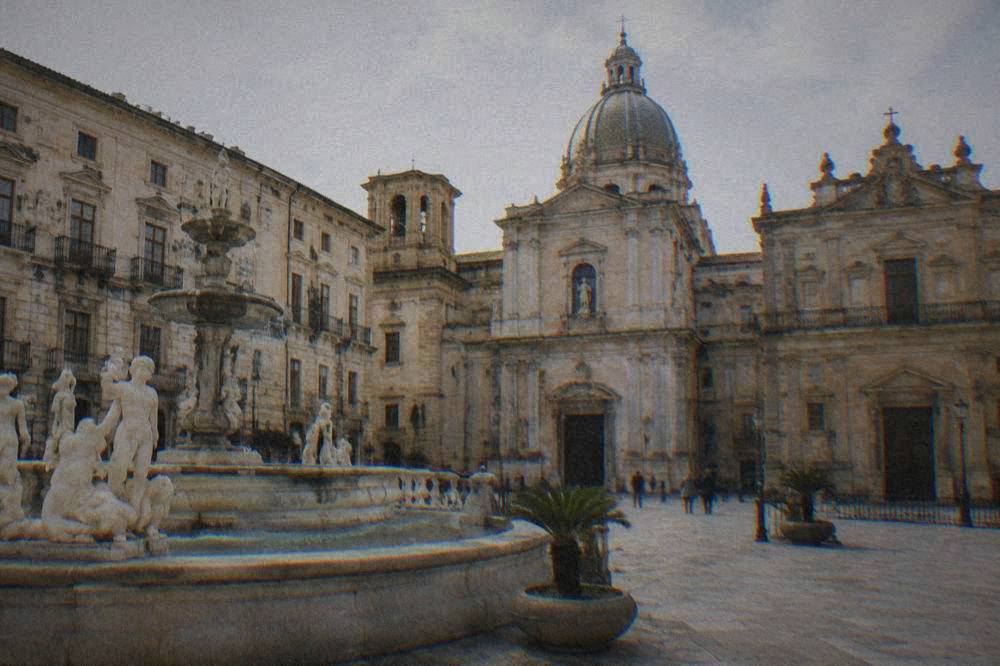
A large share of the monumental core has been restored, and the work continues. The 2015 UNESCO inscription of Arab-Norman Palermo and the Cathedral Churches of Cefalu and Monreale placed nine components under an international conservation framework, and since then squares, churches and museum buildings have been reopened one by one. Teatro Massimo runs a full 2026 to 2027 season while restoration of its systems continues, and Palazzo dei Normanni keeps normal visiting hours with only the royal apartments closing on sitting days.
The pattern to understand is patchiness rather than absence. Palazzo Abatellis, the regional gallery in the Kalsa, entered a planned closure of about 18 months from mid-July 2026 for climate-control works, which is what active conservation looks like from the outside: a closed building getting the systems it needs. The Zisa, the Arab-Norman palace on the western edge of the centre, keeps regular hours Tuesday to Saturday, and the CoopCulture listing shows it operating as a normal ticketed site. Restoration and dereliction are neighbours, and on many streets you can see both in one glance.
The markets show the same double face. The municipal tourism page presents Ballarò, Capo and Vucciria together as the city's historic markets, and they remain working food districts rather than museum pieces. Their fabric is worn because their function is daily trade, roughly Monday to Saturday from about 7:30 with Sunday mornings at Ballarò, and the listings warn that hours flex rather than fix. A market street that looks untidy at 2 p.m. is often simply a market street between rushes.
Should The Look Put You Off Visiting?
No, and the city's own numbers argue the opposite. The cruise port authority's figures for 2025, reported by PortsEurope, show Palermo handling 996,484 passengers across 284 calls, which does not happen at a city travellers avoid. UNESCO inscription in 2015, a full opera season opening on 22 November 2026 with Samson et Dalila, and the steady reopening of museums all point the same direction. The worth-visiting question and the how-many-days question are covered in their own pages, but the short version is that the worn fabric is one layer of a working city of 628,693 residents, not the whole of it.
Is Run Down The Same As Unsafe In Palermo?
No. The faded plaster is a maintenance record, not a crime map. Official travel advisories rate Italy at Level 2, exercise increased caution, and name the usual urban risks: pickpocketing, purse snatching and bag-snatching around tourist sites and on public transport. None of that is specific to Palermo's older quarters, and the practical precautions are the same ones for any large Mediterranean city: watch bags on crowded buses, keep valuables out of back pockets, and use the single European emergency number 112 if anything happens.
The US State Department advisory of September 2026 and the UK FCDO guidance both describe opportunistic theft at tourist locations and on public transport as the main risk for visitors to Italy, without singling out Palermo's historic streets. The difference between a district that looks shabby and a district that is dangerous is one travellers routinely misjudge by eye, and Palermo is a case study in that gap. The Albero Falcone on Via Notarbartolo, where crowds gather each 23 May, is itself in one of the city's elegant boulevards, the kind of street a visitor might mistake for purely residential.
The dedicated safety question and the pages on areas to be careful in and what to avoid in Palermo carry the detail. What belongs on this page is the visual point: peeling paint on a palazzo tells you about its roof and its owner, not about the street at night.
Which Parts Of Palermo Look Their Age?
The four historic mandamenti carry the worn texture: Capo around its market streets, Albergheria below the Palazzo dei Normanni, the Kalsa east of Via Maqueda, and the Loggia toward the old harbour at La Cala. The newer districts around Politeama and Via Libertà look markedly fresher, and the seafront at Foro Italico has been rebuilt as open public space. Mondello, the beach district 13.9 km out, is a separate world of villas and seaside facades.
Within the old quarters the contrast is block by block. The Kalsa contains both Palazzo Abatellis, closed for its climate-control works, and freshly restored squares a few streets apart. Albergheria sits directly under the Palazzo dei Normanni, whose full ticket at 14.50 EUR with the Palatine Chapel included, reduced 12.50 EUR, draws queues every day the parliament is not sitting and the royal apartments are open, Monday to Saturday until 16:30 last admission. The lesson for a visitor is to walk the quarters rather than judge the city from one street.
The markets deserve their own note. Ballarò's trading hours, roughly 7:30 to 20:00 Monday to Saturday with Sunday mornings, mean the same street can look exhausted at midday and busy by late afternoon. Capo runs mornings and closes Sundays. Vucciria, quiet as a daytime market, becomes the centre of the city's casual nightlife. Judging any of them from a single pass at a single hour misreads them.
| District | Character | What stands out |
|---|---|---|
| Capo | Market mandamento north of the Cassaro | Food stalls, worn side streets, gate at Porta Carini |
| Albergheria | Quarter below the royal palace | Palazzo dei Normanni and Cappella Palatina, patchy housing stock |
| Kalsa | Old administrative quarter | Palazzo Abatellis (closed for works), restored squares, galleries |
| Loggia | Old merchant quarter toward the sea | La Cala harbour, Foro Italico nearby |
| Politeama and Libertà | Newer expansion district | Elegant streets, stiffer facades, Albero Falcone on Via Notarbartolo |
| Mondello | Beach district on the coast | Sandy beach, villas in Liberty style per the municipal page |
How To See Past The Surface In Palermo?
Treat the worn facades as context and spend your time on what the city actually maintains: the ticketed monuments, the markets at their busy hours, and the guided walks that explain the layers. A guided walking tour is the most efficient decoder, because a guide points out the mosque-era column, the Norman plan and the later rebuilds in one street, which turns dereliction into readable history rather than scenery. Food-led walks add the market layer on top.
The Mount Etna and Taormina excursion is the related pick for this page not because the city needs escaping but because it shows the contrast: a day in Etna's volcanic landscape and Taormina's polished streets makes Palermo's working texture easier to read on your return. Check availability. A market-and-food walk does the opposite, burrowing into the quarters that look hardest from the outside, and a guided visit to the Palazzo dei Normanni or the Cappella Palatina explains why the UNESCO inscription of 2015 changed the city's repair schedule. Tip-based walks also run locally; confirm arrangements with the guide directly.
Practicalities stay simple. The tourist tax runs a maximum of four consecutive nights, charged per night by accommodation category, about 3 to 5 EUR, and is confirmed at booking. For the fuller picture, the site's overview of Palermo Italy Travel Guide collects the monuments, day trips and practical pages in one place.
Common Questions About Why Palermo Looks Run Down
Why is Palermo so run down?
Decades of population loss from the centre, wartime rebuilding done cheaply, slowed public works in the late modern era and a coastal climate that attacks unmaintained plaster together produced the worn facades. Restoration has been running since well before the 2015 UNESCO inscription and continues, unevenly, across the four historic quarters.
Is Palermo poor?
Palermo is the capital of the Sicily region with 628,693 residents at 31 December 2024 per municipal statistics, a major port handling 996,484 cruise passengers in 2025, and an opera house running a full 2026 to 2027 season. The city's problem is concentrated deferred maintenance in the historic core, not an absence of economic activity.
Are the run-down areas of Palermo dangerous?
Official advisories for Italy name pickpocketing, purse snatching and bag-snatching at tourist sites and on public transport as the main risks, and do not single out Palermo's older quarters. Take the ordinary precautions you would in any large city, keep bags closed and in front on crowded transport, and call 112 in an emergency.
Which parts of Palermo are restored?
The monumental core around the Palazzo dei Normanni, the cathedral, the seafront at Foro Italico, the Politeama and Libertà district, and successive squares in the Kalsa and Albergheria have all been restored. Palazzo Abatellis is closed for about 18 months of climate-control works from mid-July 2026, with the reopening date unconfirmed.
Should the look of the city affect how long I stay?
Most itineraries balance the worn quarters with the monuments and a day trip or two, and the city rewards two or three days at minimum. The how-many-days question has its own page with itinerary detail, and a Palermo base pairs well with Monreale, Cefalu and the western Sicily sites.
The honest summary is that Palermo's run-down look is a true observation drawn to a false conclusion: the fabric is genuinely old and genuinely under repair, and the same streets hold a UNESCO-inscribed core, a working port and a full opera season. Walk the four quarters with that in mind and the scaffolding starts to read as progress rather than decline.
