Where To Avoid In Palermo?
A calm, source-based answer to where to avoid in Palermo, covering official travel advisories, the streets that need normal city care, and the areas worth every minute of your visit.
Palermo, the coastal capital of Sicily on the Tyrrhenian Sea, has a reputation that generates this question constantly, and the honest answer is quieter than the question implies. No national travel advisory names a Palermo district to avoid. The UK Foreign, Commonwealth and Development Office advises no avoidance of travel to Italy at all, and the US State Department's September 2026 advisory for Italy, Level 2, cites petty crime in popular tourist locations and on public transport rather than any specific zone of any specific city.
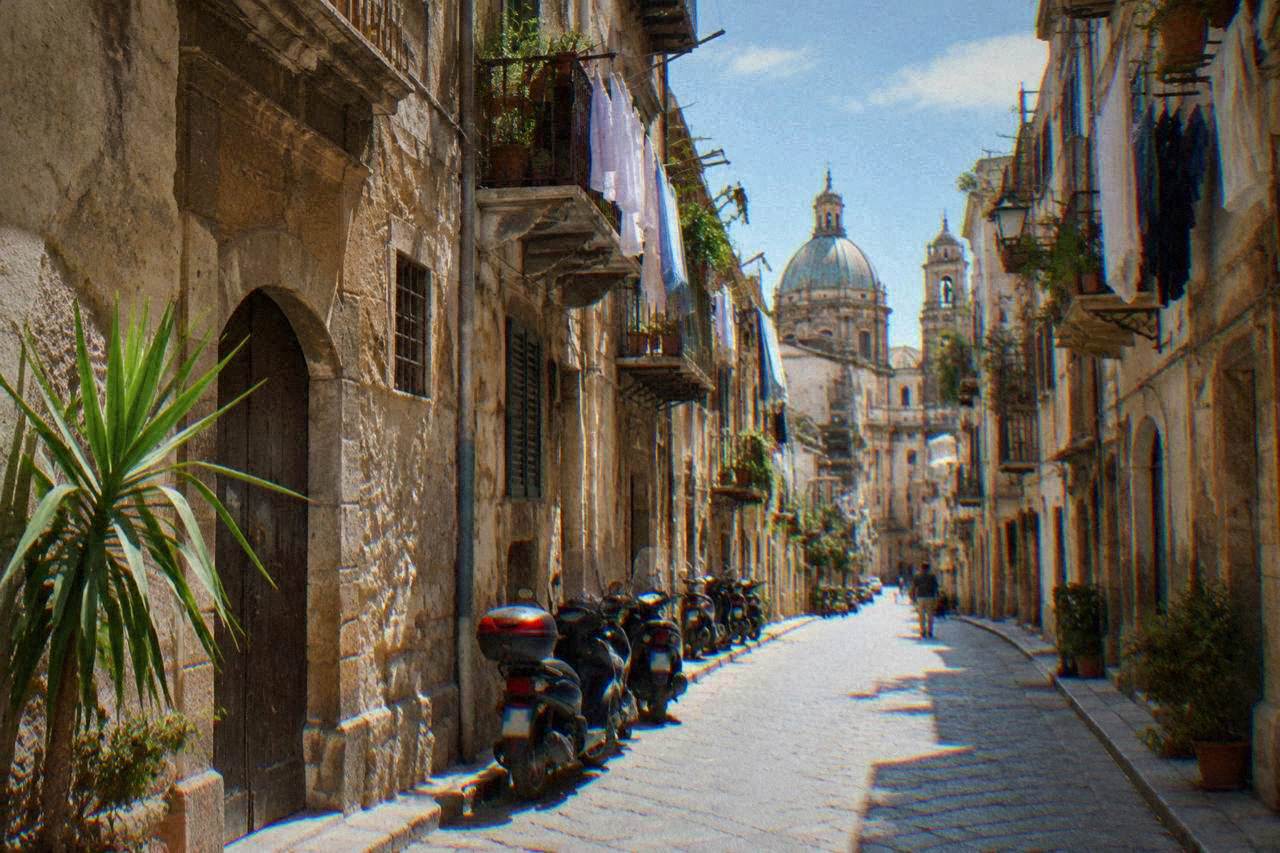
The question people usually mean is narrower: will I be safe walking at night, will I be cheated in a restaurant, is there a district that will spoil the trip. On all three the picture from official and municipal sources is a normal southern European city of 628,693 residents, per municipal statistics at 31 December 2024, with a dense, walkable historic core. The editorial desk behind Palermo Italy Travel Guide reports what the primary pages say, and none of them ranks neighbourhoods.
Where To Avoid In Palermo?
There is no neighbourhood in Palermo that official advice tells visitors to avoid. The US State Department advisory for Italy names petty crime such as pickpocketing and bag-snatching around tourist sites and on public transport, not districts, and the UK FCDO says the same about Italian city centres generally. The areas worth your caution are crowded buses, packed market lanes and busy squares at peak times, anywhere a bag hangs open and unattended.
That distinction matters because list-style articles about Palermo tend to name the same working districts, the ones around the markets and the station, and to dress ordinary urban texture up as danger. The municipal tourism portal does the opposite: it promotes the four historic mandamenti, Capo, Albergheria, Kalsa and Loggia, that meet at the Quattro Canti, as the heart of a visit. Those quarters hold the cathedral, the markets, the Palazzo Abatellis and the street-food scene Palermo is famous for. Writing them off would delete the city.
What the advisories do support is care in specific situations rather than specific places. The US State Department text, updated September 2026, describes crimes of opportunity: purse snatching, pickpocketing, car break-ins. The FCDO echoes it: bag-snatching and pickpocketing are more common in city centres and at major tourist attractions. The checks that answer this are simple and local. A bag zipped and held in front on a crowded AMAT bus, nothing valuable in a back pocket on Via Maqueda, and a parked car with nothing visible inside cover nearly the whole advisory.
The single emergency number in Italy is 112, with 118 for medical help, 115 for fire and 113 for police. Those four numbers are the practical safety kit for anywhere in the city.
A guided walk is one way to see the old quarters with a local alongside, and the street food and history walking tour covers the markets and historic lanes in a small group; Check availability.
What Does The Evening Noise Question Really Involve In Palermo?
The realistic night-time issue in Palermo is noise, not danger: the Vucciria and the lanes around Piazza Marina stay loud late, strongest from Thursday to Saturday and in summer, so the practical choice is where you sleep, not where you walk. Book accommodation a few streets back from those squares if you sleep lightly.
The distinction between a loud street and an unsafe one is where many guides blur. The municipal tourism pages list the Vucciria among the historic markets, alongside Ballarò and Capo, and nightlife references describe its evening transformation in neutral terms. None of that is a warning. It is a planning fact: rooms above the evening scene trade convenience for sleep, in Palermo as in any city with a warm-weather outdoor life.
The same logic applies to the streets around Palermo Centrale, the main railway station with its bus stops and taxi rank outside. Station districts in every European city draw late foot traffic and people with nowhere to be, and the normal response is the same everywhere: keep luggage closed and close, and take a licensed taxi after dark rather than a long walk with bags. The station itself has a staffed ticket office, waiting room and tourist information counter, per the station facilities listing.
For a wider read on the safety picture, the companion page is Palermo safe to travel to right now goes through the advisories in detail.
Where Should Your Caution Go In Palermo, If Not Whole Districts?
Your caution belongs on three things: valuables on crowded public transport and at packed sights, the itemised bill in tourist-facing restaurants, and traffic, since scooters and narrow streets are a recurring theme in the historic centre. Each is a habit, not a zone. The coperto cover charge is legal when printed on the menu, and checking it before ordering resolves the commonest complaint before it starts.
The bill question deserves the plain wording. Coperto, a per-person cover charge, is legal nationally when clearly listed on the menu beforehand, and amounts vary by establishment. Tipping is not obligatory. A menu read before ordering, and a glance at the itemised bill at the end, is the whole defence, and it works everywhere in the city rather than in one suspect block.
Traffic is the least discussed and realest risk. The historic centre's streets are narrow, scooter traffic is common, and municipal enforcement reports regularly cite speeding and parking violations. Cross at marked points, expect scooters to filter close to the kerb, and keep children on the inside of the pavement. This is a southern European city habit, and it travels.
The markets are where all three habits meet: Ballarò runs Monday to Saturday from about 7:30 and Sunday mornings, the Capo market runs mornings and closes Sunday, and both are at their densest before midday. A cross-body bag and a little spatial awareness are the full toolkit. The Palermo street food guide covers what to order once the practicalities are settled.
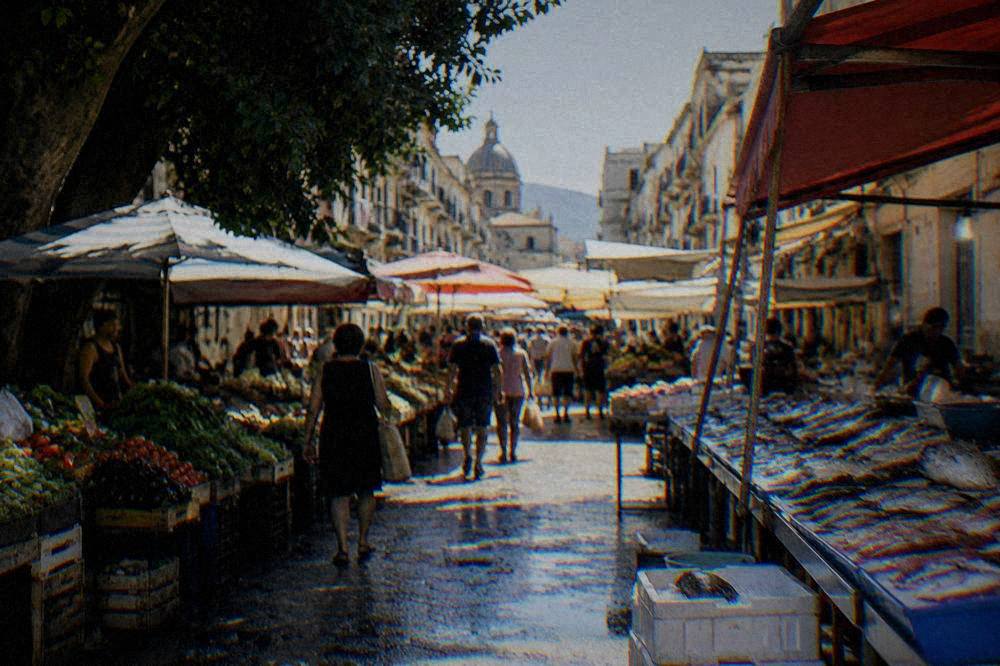
The table below puts the real concerns next to the practical response, with no neighbourhood ranking.
| Concern | What To Know | Practical Response |
|---|---|---|
| Pickpocketing | US and UK advisories cite it around tourist sites and on public transport across Italy | Zip bags, hold them in front on buses, nothing in back pockets |
| Bag-snatching | FCDO notes it is more common in city centres and at major attractions | Cross-body strap, phone not held loosely while walking |
| Restaurant bills | Coperto is legal when printed on the menu; tipping not obligatory | Check the menu and the itemised bill |
| Night noise | Vucciria and Piazza Marina stay loud late, strongest Thursday to Saturday | Choose accommodation a few streets back if sleep matters |
| Traffic | Narrow streets, common scooter traffic, regular municipal enforcement reports | Cross at marked points, walk on the inside of the kerb |
| Emergency | Single emergency number 112; 118 medical, 115 fire, 113 police | Save 112 before you arrive |
Which Parts Of Palermo Should You Not Miss Instead?
The four historic mandamenti that meet at the Quattro Canti, Capo, Albergheria, Kalsa and Loggia, are the parts to seek out, not skip: they hold the cathedral, the Palazzo dei Normanni with the Cappella Palatina, the markets and the UNESCO-listed Arab-Norman monuments. The municipal tourism portal promotes all four by name, and the UNESCO property, inscribed in 2015, spans nine components across the city, Monreale and Cefalu.
Turning the question inside out is the useful move. Every quarter that turns up on careless avoid lists is on the official itinerary. Albergheria sits behind the Palazzo dei Normanni, whose shared palace and chapel ticket, 14.50 EUR full and 12.50 EUR reduced with the royal apartments included, is among the city's core sights. The Kalsa holds Palazzo Abatellis, under a planned closure of about 18 months from mid-July 2026 for climate-control works, and the Foro Italico waterfront, free and open. The Capo quarter carries its market up to the cathedral itself.
The free list is long and central: the Quattro Canti, the exterior of Piazza Pretoria, the Foro Italico, Villa Giulia, Parco della Favorita and the markets all cost nothing to walk. State and regional museums are free on the first Sunday of the month, to be confirmed per site. A first visit planned around these is a plan built entirely from the quarters the question worries about.
If the trip is short, the planning pages help: how many days are recommended for a trip to Palermo and can you walk in Palermo both cover how much ground the centre covers on foot.
When Does Normal City Caution Become A Real Problem In Palermo?
When it stops being habitual: the advisory language is about repeated small opportunities, so the moments that matter are the crowded 806 bus to Mondello in summer, the densest market hours, and late-night walks with luggage after arriving by train or ferry. Those are situations with a fix, not places with a warning. GESAP's own guidance for departing flights, 2 hours for Schengen and 3 for non-Schengen, shows the city's risks are logistical more than personal.
The summer bus to Mondello is a good example. AMAT's line 806 runs the route with frequent service in peak season, which means standing room and the exact crowding the advisories describe. The fix is a bag that closes and a phone in a front pocket, and the reward is a 1.5 km sandy beach that the municipal page describes as the beach of the Palermitans, with free public stretches alongside paid lidos.
Arrivals deserve the same two sentences. Palermo Centrale fronts onto bus stops and a taxi rank, and the white licensed taxis are the regulated evening option, with fixed-rate airport zones of a reported 39 EUR for the port side, 44 EUR for the historic centre and 50 EUR for the Foro Italico side for up to four passengers with luggage under the 2025 tariff, to be confirmed with the driver before setting off. Cruise passengers land closer still: the Stazione Marittima and Sammuzzo terminals sit about 1.5 to 1.8 km, a 15 to 20 minute flat walk, from the Quattro Canti.
None of this adds up to a district to avoid. It adds up to a city where the historic quarters are the destination, the advisories describe ordinary opportunistic theft, and the genuine annoyances, noise, crowding, narrow streets, all have a one-line fix. Go where the mandamenti lead you, keep the habits you would keep in any city, and the question answers itself.
Common Questions About Avoiding Areas In Palermo
Where to avoid in Palermo?
No official advisory names a Palermo district to avoid. The US State Department and UK FCDO cite pickpocketing and bag-snatching around tourist sites and on public transport across Italy. Caution belongs in crowded situations, not in any named neighbourhood.
Is the area around Palermo Centrale station safe?
The station area is a normal busy European station district with bus stops and a taxi rank outside and staffed facilities inside. Take the ordinary precautions with luggage after dark and use the licensed taxi rank rather than walking far with bags late at night.
Is the Vucciria safe at night?
The Vucciria is a nightlife area, loudest from Thursday to Saturday and in summer, and no advisory flags it as a security concern. The realistic issue is noise for anyone sleeping nearby, not safety for anyone walking through.
Are the markets of Palermo safe for visitors?
Yes. Ballarò runs Monday to Saturday from about 7:30 with Sunday mornings, and the Capo market runs mornings except Sunday. Crowds are at their densest before midday, so a closed bag held in front covers the advisory language fully.
What is the emergency number in Palermo?
The single European emergency number 112 works across Italy. Medical help is 118, fire is 115 and police is 113.
Is Palermo safe to walk around at night?
Official advisories rate Italy as a normal destination with standard urban precautions, and no source names a Palermo quarter to avoid after dark. Keep to lit streets, hold bags in front and take a licensed taxi for long late journeys, the same habits as any city.
