Is Palermo Safe To Travel To Right Now?
A calm, source-based answer to whether Palermo is safe to visit, covering official travel advisories, petty crime, transport, markets, nights out and day trips, with practical checks any visitor can make.
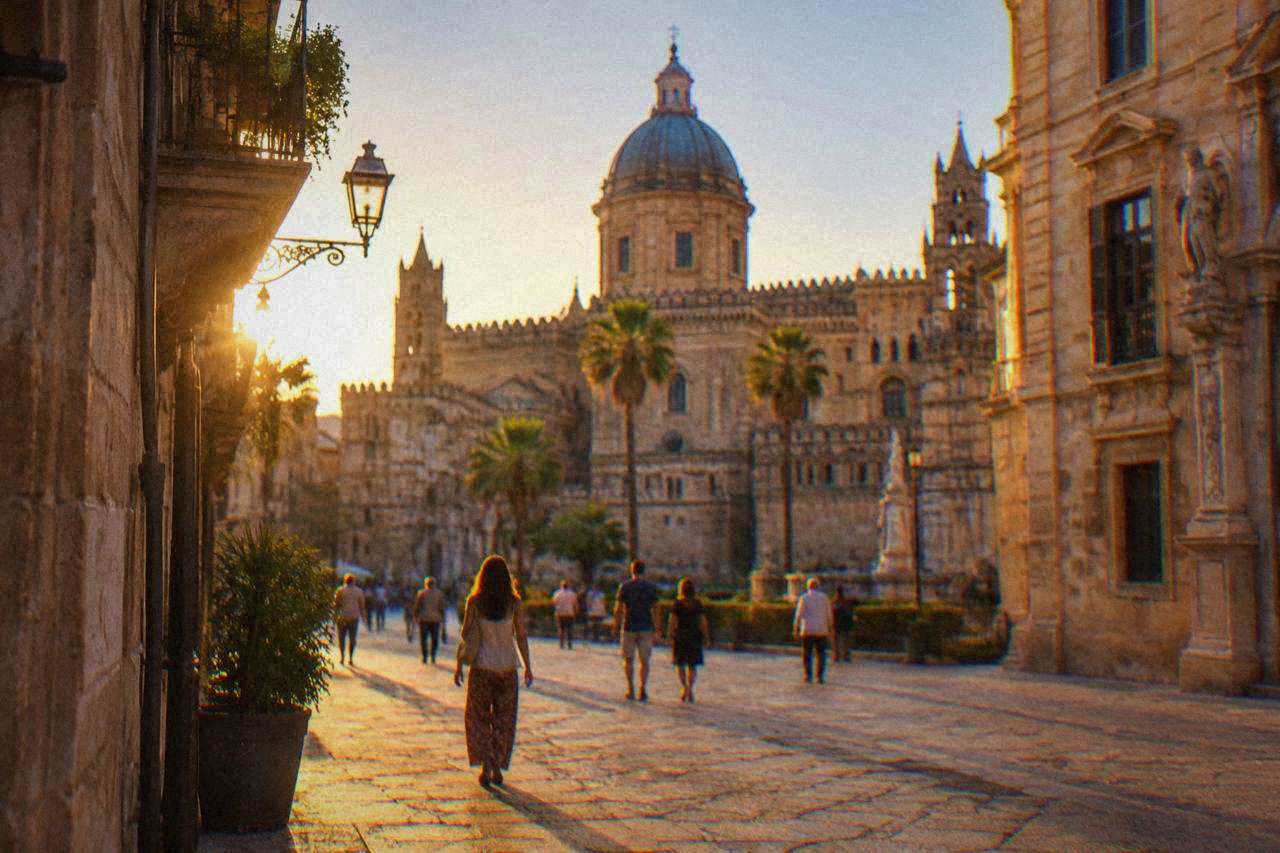
Palermo, the coastal capital of Sicily on the Tyrrhenian Sea, is a city of roughly 628,693 residents going about normal daily life, and the official advice from foreign governments treats it that way. Neither the United States nor the United Kingdom tells its citizens to avoid Palermo or Sicily. What both say, in almost identical words, is that petty theft around tourist sights and on public transport is the risk to plan around.
Is Palermo Safe To Travel To Right Now?
Yes, Palermo is considered safe to visit under standard city precautions, and no foreign government advises against travel there. The US State Department rates Italy at Level 2, exercise increased caution, and the UK Foreign Office has no advice against travel to Italy at all. Both describe the same practical risk, pickpocketing and bag-snatching at tourist spots and on public transport, not violence aimed at visitors.
That is the whole of the official picture. The State Department's September 2026 advisory describes crimes against foreigners as crimes of opportunity, meaning snatch-and-run theft rather than confrontation, and it applies the same wording to Italy as a country rather than singling out any Sicilian city. The UK FCDO's line is that bag-snatching and pickpocketing are more common in city centres and at major tourist attractions, again with no Palermo-specific warning. Readers who want the fuller context of how the city presents itself to first-time visitors can start with what Palermo is best known for and the companion guide to whether Palermo is safe.
None of this means leaving your judgement at the airport. It means the planning question is the same one you would ask for Rome, Naples or Barcelona: how do you carry your things, where do you keep your passport, and what do you do after dark.
What Do Official Travel Advisories Say About Palermo And Italy?
The two advisories that matter say the same thing: Italy, including Palermo, carries a normal urban risk level. The US State Department's update keeps Italy at Level 2, exercise increased caution, citing petty crime in tourist locations and on public transport. The UK FCDO advises nothing against travel to Italy and names bag-snatching and pickpocketing as the crimes to expect in city centres.
The table below compresses the advisory picture into the parts a traveller actually uses.
| Advisory | What It Says About Italy And Palermo | Risk Level Named |
|---|---|---|
| US State Department | Petty crime common in popular tourist locations and on public transport; crimes against foreigners are mainly opportunistic | Level 2, exercise increased caution |
| UK FCDO | No advice against travel to Italy; bag-snatching and pickpocketing more common in city centres and at major attractions | Standard urban precautions |
| Italian emergency services | Single European emergency number 112; 118 medical, 115 fire, 113 police | Not applicable |
Two details are worth holding onto. Second, the terrorism caution in the Level 2 rating is a standing country-level line that the State Department attaches to many European states; it is not a Palermo-specific statement. For the practical side of moving around, the airport-to-town options and the best way to get around Palermo are covered on their own pages.
Where Does Petty Crime Happen In Palermo, And How Do You Guard Against It?
Petty theft in Palermo concentrates where crowds and distraction meet: busy squares, packed buses and the market streets, according to both the US and UK advisories. The countermeasures are unglamorous and effective, a zipped bag held in front on a crowded bus, valuables out of back pockets, and a phone not left on a café table. No official source publishes neighbourhood crime rankings for Palermo, and none is needed to plan a safe trip.
The US advisory names trains and other public transport explicitly, so the AMAT buses and the four tram lines deserve the same care any city bus does at rush hour. The UK line about major tourist attractions maps onto Palermo's actual crowd points, the Quattro Canti, the streets around the Cathedral, the Ballarò and Capo market lanes, and the queues outside the Palazzo dei Normanni. These are places where you stand close to strangers, handle money, and look up at buildings rather than at your bag.
| Situation | What The Advisories Imply | A Check You Can Make |
|---|---|---|
| Crowded bus or tram | Opportunistic theft mentioned by both advisories | Bag zipped, worn in front, nothing in back pockets |
| Market lanes | Close crowds, cash handling | Carry only the cash you need for the stall |
| Sightseeing squares | Attention on buildings, not belongings | Phone off the table, passport in the hotel safe |
| Restaurant bill | Not a safety issue but a common worry | Ask for the itemised bill; a coperto cover charge is legal only when printed on the menu |
The restaurant line deserves a plain explanation, because it gets misread as a scam. A coperto is a legal cover charge in Italy when it is printed on the menu before you order; tipping on top is not obligatory. If a charge appears on the bill that was never printed anywhere, that is the moment to query it, calmly, with the itemised bill in hand. For the street-market side of the city, the guide to the Ballarò market covers the practicalities of visiting the busiest of them.
A structured tour is one way to see the packed historic streets with someone else watching the logistics. The picks below render live prices and ratings from the operator data.
For a first look at the old centre with a local, book a free walking tour here.
If a guided visit to the Teatro Massimo fits your first day, the opera house is one of the calmest large attractions in the city, with ticketed entry and a fixed route: Check availability.
How Safe Is Palermo At Night, On Transport And At The Markets?
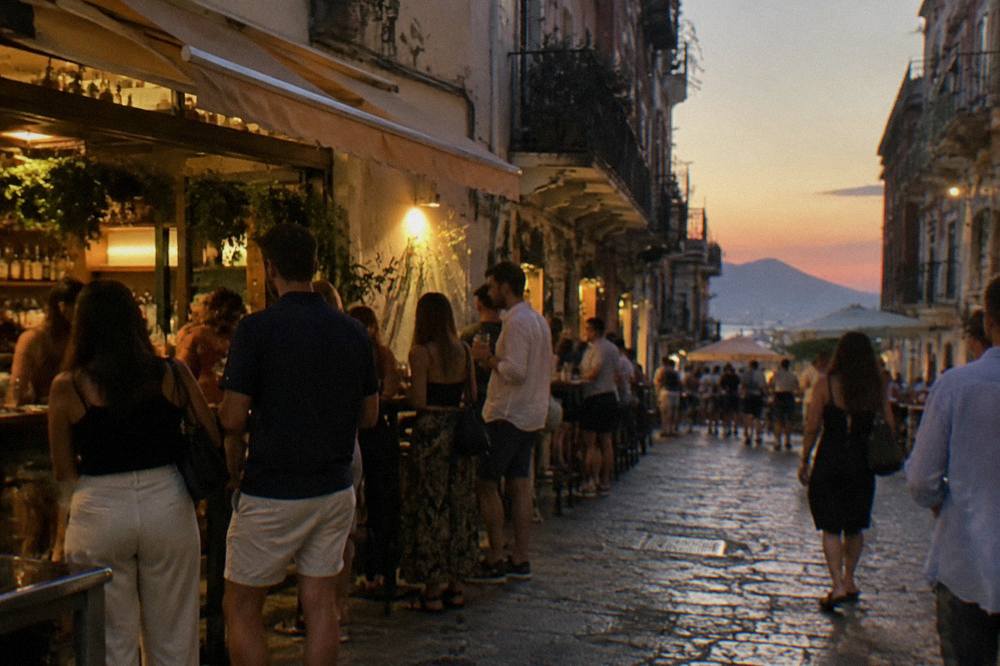
Palermo at night follows the same rule as by day: the risks named in official advisories are theft and snatch-and-run, not violent crime, and the centre stays busy late in the areas around the Vucciria and the seafront. Public transport runs under the same precautions, and the markets are ordinary working streets where cash sense matters more than courage. Nothing in any advisory suggests staying indoors after dark.
The Vucciria is the honest example of how Palermo's evenings work. By day it is a historic market; after dark its squares fill with street food and bars, and the crowd is a mix of locals and visitors. The normal rules apply: go in a group if that feels better, keep the bag closed, and take a licensed white taxi back to your accommodation rather than a long walk you do not know. The regulated taxis are the white licensed ones from a rank or booked by phone, and the three fixed airport zone rates, 39 EUR for the port side, 44 EUR for the historic centre and 50 EUR for the Foro Italico side, are reported figures for the 2025 tariff for up to four passengers with luggage; confirm with the driver before you set off.
On transport, the practical details are about tickets rather than safety theatre. An AMAT ticket costs 1.40 EUR bought in advance and 1.80 EUR from the driver, valid 90 minutes from validation, and you validate it the moment you board. Standing with a zipped bag in front of you on a crowded bus is the single habit both advisories point to.
At the markets, Ballarò runs Monday to Saturday from about 7:30 with Sunday mornings, and the Capo works mornings and rests on Sundays. Exact closing hours shift with the season, so treat any printed time as approximate. The one security habit that matters at a stall is carrying only the cash you intend to spend there. For whether the city's core is walkable at all, can you walk in Palermo answers that directly.
Is Palermo Safe For Solo Travellers And Families?
Solo travellers and families face the same advisory picture as everyone else, opportunistic theft in crowded places, and both groups manage it well in Palermo with ordinary habits. Solo visitors add one extra layer, sharing your route with someone at home and preferring licensed taxis late at night. Families will find the city's节奏 practical, since the main sights sit close together and the puppet museum and seafront give children simple, low-stress outings.
For solo travellers, the tip-based walks that run locally are a natural first-evening orientation, and the reader should confirm current days and meeting points with the guide directly, since schedules sit with the operators rather than with any city page. Walking with a group on day one also answers the other solo question, which parts of the centre feel comfortable after dark, in the most direct way possible.
For families, the practical anchors are calm and ticketed: the Marionette Museum charges 5 EUR full and 3 EUR reduced, with puppet shows Tuesday to Saturday at 17:00, and Villa Giulia is a free public garden with ponds and play space. Parco della Favorita, the largest green area in the city, is free to enter and open in daylight. None of these needs a safety plan beyond the usual one of agreeing a meeting point. The Palermo with kids guide expands on all of it.
Day Trips And Safety Beyond The City
The day-trip routes out of Palermo, Monreale, Cefalu, Segesta, Erice and the Agrigento temples, carry no advisory of their own, because the country-level guidance covers them all. The safety questions there are practical ones, driving on toll-free motorways, parking outside restricted zones, and wearing proper shoes on the Cefalu Rocca, where the trail rules prohibit sandals. Organised excursions handle the logistics and leave you the scenery.
The A19 to Catania and the A29 westward are toll-free, and Palermo's central limited-traffic zone is camera-enforced, with a daily pass bought through the official portal at 5 EUR for petrol and diesel cars, 2.50 EUR for hybrids and free for electric. Entering without a permit is fined, and the amount is set by municipal regulation, so the safe move is simply not to drive into the zone uninvited. The Palermo driving and parking guide carries the detail.
If a full-day excursion appeals, the Agrigento temples and the Monreale and Cefalu combination are the two routes this site features most often, and both run with a driver who deals with the ZTL, the parking and the tickets.
For a self-guided plan, how many days are recommended for a trip to Palermo lays out the pacing, and the question of whether Palermo is expensive to visit covers the money side of a careful trip.
Common Questions About Safety In Palermo
Is Palermo safe to travel to right now?
Yes. No government advisory tells travellers to avoid Palermo or Sicily. The US State Department rates Italy at Level 2, exercise increased caution, and the UK FCDO advises nothing against travel, with both naming pickpocketing and bag-snatching in crowded places as the risk to manage.
Is Palermo safe at night?
The official advisories name no curfew, no district to avoid and no night-specific warning for Palermo. The centre stays busy late around the Vucciria and the seafront. Ordinary habits, a closed bag, a group where possible and a licensed white taxi for the ride home, cover the evening as they do in any Italian city.
Are there areas of Palermo I should avoid?
No official source publishes a neighbourhood ranking for Palermo, and the US and UK advisories name no district. The practical version is situational rather than geographic: crowds, packed buses and market lanes are where opportunistic theft happens, wherever they are.
Is pickpocketing a problem in Palermo?
Pickpocketing is the one crime both the State Department and the FCDO name for Italy, common in popular tourist locations and on public transport. A zipped bag worn in front, empty back pockets and a passport left in the hotel safe are the standard counters.
What is the emergency number in Palermo?
112 is Italy's single European emergency number and reaches police, fire and medical services. The dedicated lines are 118 for medical, 115 for fire and 113 for police.
Is Palermo safe for solo female travellers?
The advisories make no distinction by traveller type, and the risks they list are theft rather than violence. Solo visitors add the standard layers, sharing your route with someone at home, preferring licensed taxis late, and joining an organised walk on the first day to learn the centre's geography.
The short answer stands as it started: Palermo is safe to travel to right now under the ordinary precautions two government advisories describe, and the city's real demands on a visitor are planning ones, tickets, transport and comfortable shoes, rather than safety ones. Carry the bag closed, read the itemised bill, save 112 in your phone, and the rest of the trip is about the mosaics, the markets and the seafront.
