What Is Palermo Best Known For?
What Palermo is known for: the UNESCO Arab-Norman churches, street food markets, the Capuchin Catacombs, Mondello beach and the anti-mafia story of Sicily's coastal capital.
Palermo, the capital of Sicily on the north-west coast of Italy, is known above all for a set of gold-mosaic churches inscribed by UNESCO in 2015 as "Arab-Norman Palermo and the Cathedral Churches of Cefalu and Monreale", for street food sold in historic markets such as Ballarò, Capo and Vucciria, and for the Capuchin Catacombs. The city of 628,693 residents at 31 December 2024, per municipal statistics, sits on the Gulf of Palermo below Monte Pellegrino, and its old centre divides into four quarters at the Quattro Canti: Capo, Albergheria, Kalsa and Loggia.
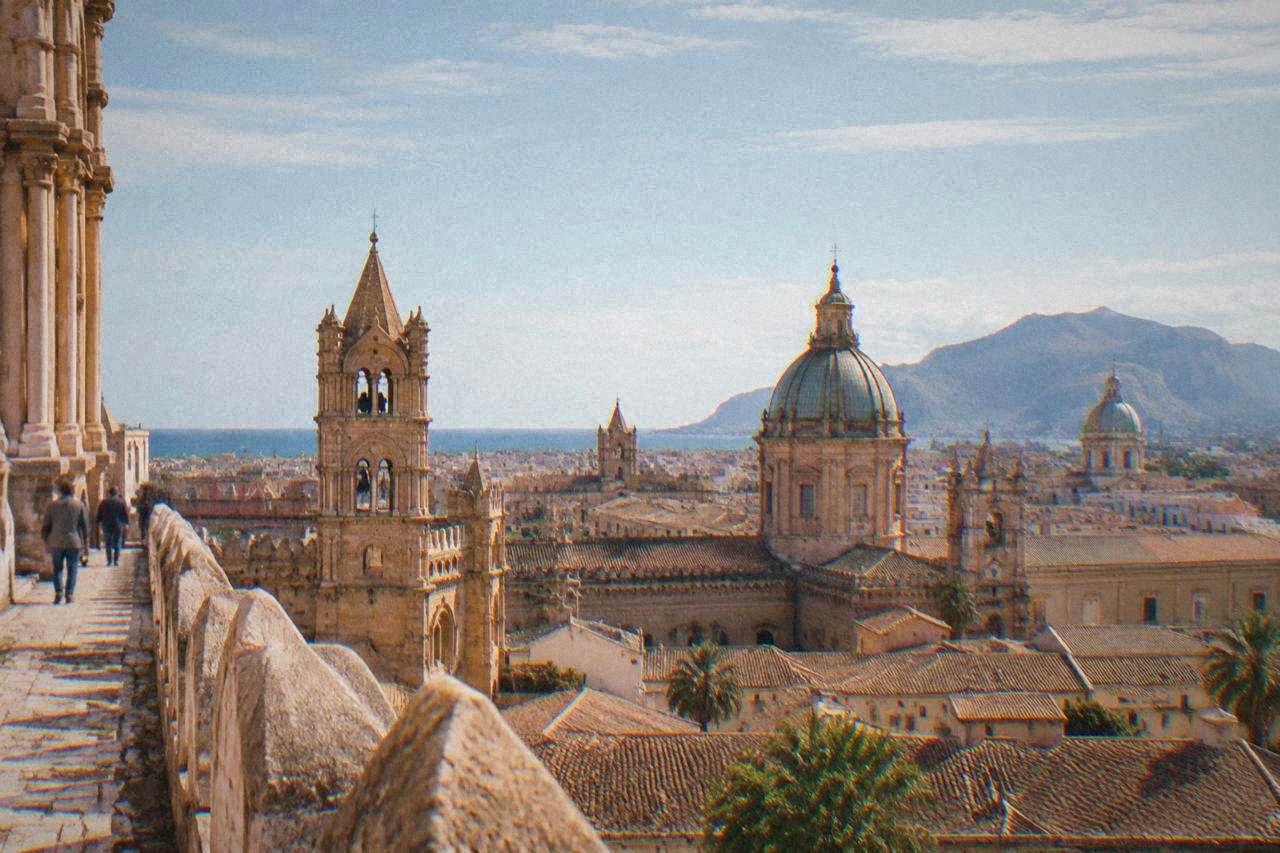
Beyond the monuments, Palermo stands for a food culture the whole of Italy argues about: the arancina, panelle, sfincione and cannoli that came out of its markets. It is also the city of Giovanni Falcone and Paolo Borsellino, whose 1992 killings made it the centre of the anti-mafia story, and the departure point for Monreale, Cefalu, Segesta and the rest of western Sicily. This page from the Palermo Italy Travel Guide sets out what the city is known for, sight by sight, with the figures the official pages publish.
What Is Palermo Best Known For?
Palermo is best known for its UNESCO-inscribed Arab-Norman churches, above all the Palatine Chapel inside the Palazzo dei Normanni, for the street food of its historic markets, and for the Capuchin Catacombs. UNESCO listed the serial property in 2015 across nine components, including Palermo Cathedral, the Zisa, San Giovanni degli Eremiti, La Martorana, San Cataldo and the cathedrals of Cefalu and Monreale.
The UNESCO listing is the single document that explains why Palermo looks the way it does. Nine separate components make up the property, from the Royal Palace and Palatine Chapel in the centre to the Admiral's Bridge on the edge of town. The full ticket to the Palazzo dei Normanni and Palatine Chapel is 14.50 EUR full and 12.50 EUR reduced on the official visit page, with the royal apartments included, and the apartments close on Tuesdays and Wednesdays when the regional parliament sits. A shorter introduction to the layout of the city is in one day in Palermo, which walks the same streets in a workable order.
The second thing people name is the food. The markets of Ballarò, Capo and Vucciria run through the historic quarters, and the dishes sold in and around them, panelle, sfincione, arancine and cannoli, are what gave the city its reputation as a street-food capital. The Accademia della Crusca accepts both arancina and arancino; Palermo and western Sicily say arancina. A tasting walk through the markets is one way to try the range without guessing, and what food is Palermo famous for covers the individual dishes in detail.
Tempted to taste the market dishes yourself. Book a street food and history tour here.
Which Sights Made Palermo Famous?
The sights that made Palermo famous are the Palatine Chapel and Palazzo dei Normanni, Palermo Cathedral with the royal tombs inside, the Teatro Massimo, the Quattro Canti crossing, and the Capuchin Catacombs. The cathedral's chapel of the royal tombs holds the sarcophagi of Roger II, Constance of Hauteville, Henry VI, Frederick II and Constance of Aragon, per the cathedral's own history pages.
The cathedral also carries the city's most striking piece of evidence for its layered past. The official cathedral chronicle states that in 831 the Saracens turned the earlier church into a large mosque, and that in 1072 the Normans returned it to Christian worship; a Qur'an verse remains carved on the first column on the left of the southern porch. The nave is a working church, while the monumental area, the roof, the royal tombs, the treasury and the crypt, is ticketed, and the price is shown at the ticket point or on the cathedral's ticket shop rather than on the main hours page. The question do I need tickets for Palermo Cathedral answers that split in full.
The Teatro Massimo is Italy's largest opera house by some measures of its auditorium and one of the city's landmarks; the official tour page lists a 14 EUR full ticket, 7 EUR under 26, and a 36 EUR family ticket. The 2026-27 season opens on 22 November 2026 with Samson et Dalila, and Falstaff follows in May 2027 for the theatre's 130th anniversary. The Capuchin Catacombs, at 5 EUR full and 3 EUR reduced, tickets sold at the office only with photography prohibited, are the sight visitors describe most often with the word unforgettable, and are the catacombs in Palermo worth visiting weighs them honestly.
Here is what the principal sights cost and what the official pages say about them:
| Sight | Admission | Notes from the official pages |
|---|---|---|
| Palazzo dei Normanni and Palatine Chapel | 14.50 EUR full, 12.50 EUR reduced | Royal apartments included; closed to apartments Tue and Wed when parliament sits |
| Teatro Massimo guided tour | 14 EUR full, 7 EUR under 26, 36 EUR family | Daily tours roughly 9:30 to 19:00; groups book ahead |
| Capuchin Catacombs | 5 EUR full, 3 EUR reduced | Tickets at the office only; photography prohibited |
| Palazzo Steri | 8 EUR full, 5 EUR reduced | Guided tour of about 40 minutes included |
| Salinas Archaeological Museum | 7 EUR full, 3.50 reduced | Closed Monday |
| Quattro Canti, markets, Foro Italico, Villa Giulia | Free | Open public spaces |
Why Is Palermo Famous For Street Food?
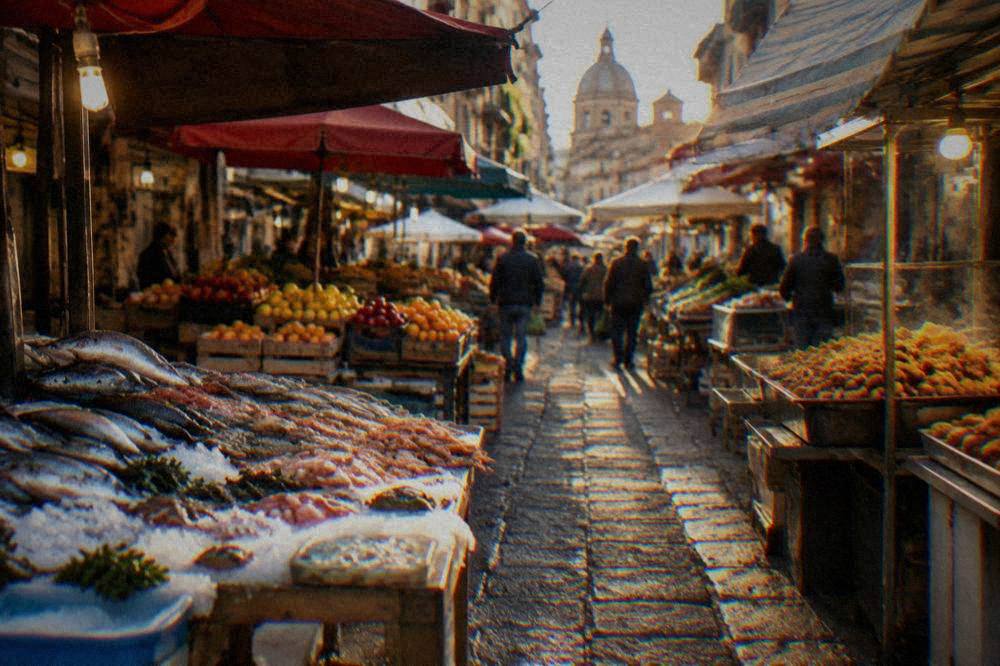
Palermo is famous for street food because its historic markets sold ready-to-eat dishes to a working port city for centuries, and the items they specialise in, panelle, sfincione, arancine and cannoli, are still bought standing at counters rather than seated at tables. The municipal tourism page lists Ballarò, Capo and Vucciria as the city's main historic markets, all free to enter.
Ballarò runs Monday to Saturday from about 7:30, with Sunday mornings, and closing hours shift with the season and the stall, so no fixed end time should be assumed. Capo runs mornings and closes on Sunday. The Vucciria's daytime trade has thinned while its evening scene of bars and street food has grown, which is why night-time visitors find a different market from morning shoppers. All three sit inside the four mandamenti, so a walk between them crosses the whole historic centre, something can you walk in Palermo covers street by street.
The food itself is the reason the city keeps its reputation. Panelle are chickpea fritters served in a sesame roll, sfincione is a thick, spongiose pizza-like bake topped with onion and anchovy, and the arancina, round in Palermo, is a fried rice ball with a meat or butter filling. Cannoli, crisp shells filled with sweet ricotta, close most meals. A guided tasting walk or a cooking class turns the same list into something a visitor can make at home: the pizza and gelato class with meal and wine included is a popular choice, and Check availability to see current dates.
What Is Palermo's History Known For?
Palermo's history is known for its Arab and Norman layers, for Saint Rosalia whose relics were found on Monte Pellegrino in 1624 ending a plague, and for the anti-mafia judges Giovanni Falcone and Paolo Borsellino, killed in 1992. The Capaci attack on 23 May 1992 is marked each year at the Falcone tree on Via Notarbartolo and at the monument beside the A29 motorway at Capaci.
The Arab and Norman chapters are visible in the buildings rather than in dates: the UNESCO property's nine components exist because one royal court ruled from Palermo across a mixed population, and the cathedral's mosque-era column records the Islamic period in stone. Saint Rosalia, the patron saint of Palermo, is honoured each July with the Festino, 10 to 15 July, whose chariot procession on 14 July runs along the Cassaro to Porta Felice with fireworks, followed by the silver urn procession on 15 July. The municipal tourism page describes both.
The anti-mafia story is the part of Palermo's identity that visitors most often arrive knowing already. The Albero Falcone, a great ficus at Via Notarbartolo, is the gathering point each 23 May, and the town of Corleone, about 65 minutes by road from the Quattro Canti, runs an anti-mafia documentation centre with guided visits, 10 EUR for the full itinerary, booked in advance with English available. Addiopizzo Travel operates ethical tours in the city, and the page is Palermo safe to travel to right now addresses the practical question that follows the history.
What Is Palermo Known For Around It?
Palermo is known around it for Mondello beach, 13.9 km and about 27 minutes by road from the Quattro Canti, for Monreale and its mosaic-covered cathedral cloister 16 minutes away, and as the launch point for Cefalu, Segesta, Erice and Agrigento. The municipal page calls Mondello the beach of the Palermitans, a 1.5 km stretch of fine pale sand with equipped lidos.
Mondello mixes free public stretches with paid lidos; in the 2026 season the Italo Belga area ran a low-cost access at 6 EUR for basic services, though that concession is in a court dispute, so check before planning a beach day there. AMAT's summer line 806 serves Mondello from the city. Monreale reaches by AMAT bus 389 from Piazza Indipendenza at 1.40 EUR, with the cloister at 8 EUR full and 4 EUR reduced; the cathedral and the cloister are separate visits. Cefalu, about 40 to 60 minutes by train from Palermo Centrale with 19 to 24 direct services a day, has free cathedral entry and a long sandy beach in town.
The day-trip reach is part of what Palermo is known for: Monreale 16 minutes by road, Segesta 64, Cefalu 65, Scopello 77, Trapani 87, Erice 96 minutes, and Agrigento's Valley of the Temples, itself UNESCO-inscribed in 1997, two hours and sixteen minutes by road or about two hours by direct regional train. These figures are free-flow route calculations, not timetables, and the individual day-trip pages carry the transport detail.
Common Questions About What Palermo Is Known For
What is Palermo best known for?
Palermo is best known for its UNESCO-listed Arab-Norman churches, including the Palatine Chapel and Palermo Cathedral, its street-food markets Ballarò, Capo and Vucciria, the Capuchin Catacombs, and the Teatro Massimo. It is also known as a base for Monreale, Cefalu and Segesta.
Is Palermo known for the mafia?
Palermo is known for the anti-mafia resistance of judges Falcone and Borsellino, killed in 1992, rather than for crime today. The Falcone tree on Via Notarbartolo and the Capaci monument mark the 23 May 1992 attack, and Corleone's documentation centre runs guided anti-mafia visits.
What food is Palermo famous for?
Palermo is famous for arancine, panelle, sfincione, cannoli and market street food generally. The Accademia della Crusca accepts both arancina and arancino, with Palermo using the feminine form for the round fried rice ball.
Is Palermo known for its beaches?
Palermo is known for Mondello, a 1.5 km sandy beach about 27 minutes by road from the centre with mixed free stretches and paid lidos, served by AMAT bus 806 in summer. No Palermo-area beach holds a 2026 Blue Flag.
What is the most famous building in Palermo?
The Palazzo dei Normanni with the Palatine Chapel is the most famous building in Palermo, the seat of the regional parliament and the heart of the UNESCO inscription of 2015. The full ticket is 14.50 EUR with the royal apartments included.
Palermo's fame rests on a short list that has held steady for decades: mosaic churches a royal court left behind, markets that feed the city standing up, an opera house, a beach, and a modern history its residents chose to face in public. Each of those can be checked against an official page before a visit, and the linked answers above carry the details for every one of them.
