Which Is Nicer, Palermo Or Taormina?
A side-by-side comparison of Palermo and Taormina from the editorial desk: sights, food, beaches, transport and which Sicilian base suits which trip.
Palermo, the coastal capital of Sicily on the Tyrrhenian Sea, and Taormina, the hilltown that sits above the east coast below Mount Etna, are the two names that dominate most Sicily shortlists, and travellers keep asking which one deserves the booking. They are not really rivals. Palermo is a working regional capital of 628,693 residents at 31 December 2024, according to municipal statistics based on ISTAT data, with a UNESCO-inscribed historic centre and the island's western road and rail network radiating from it. Taormina is a small resort town perched between the sea and Etna, famous for its ancient theatre, its views and its closeness to the volcano.
Which Is Nicer, Palermo Or Taormina?
Neither is simply nicer: Taormina is the more polished, compact and scenic stay, while Palermo is the richer, larger and better-connected one, and the municipal and regional tourism pages support both halves of that sentence. Taormina suits a short, view-led break built around the ancient theatre and Etna. Palermo suits a longer stay built around markets, UNESCO monuments and day trips across western Sicily. Choosing on "nicer" alone usually means choosing Taormina; choosing on what there is to do favours Palermo.
The comparison matters because the two towns sit on opposite sides of an island that takes hours to cross by road or rail. Flying into Palermo, as the Palermo Italy Travel Guide homepage lays out, points a trip at the west: Cefalù, Monreale, Segesta, Erice, Trapani, Agrigento and the Zingaro reserve. Flying into Catania points it at the east: Etna, Taormina, Syracuse and the baroque towns. Some travellers try to do both Palermo and Taormina on one ticket, and the pairing works, but the connecting journey is not a hop. The Palermo to Taormina train requires a change, typically at Messina Centrale, and the regional network is the slow way around the island compared with a direct coach.
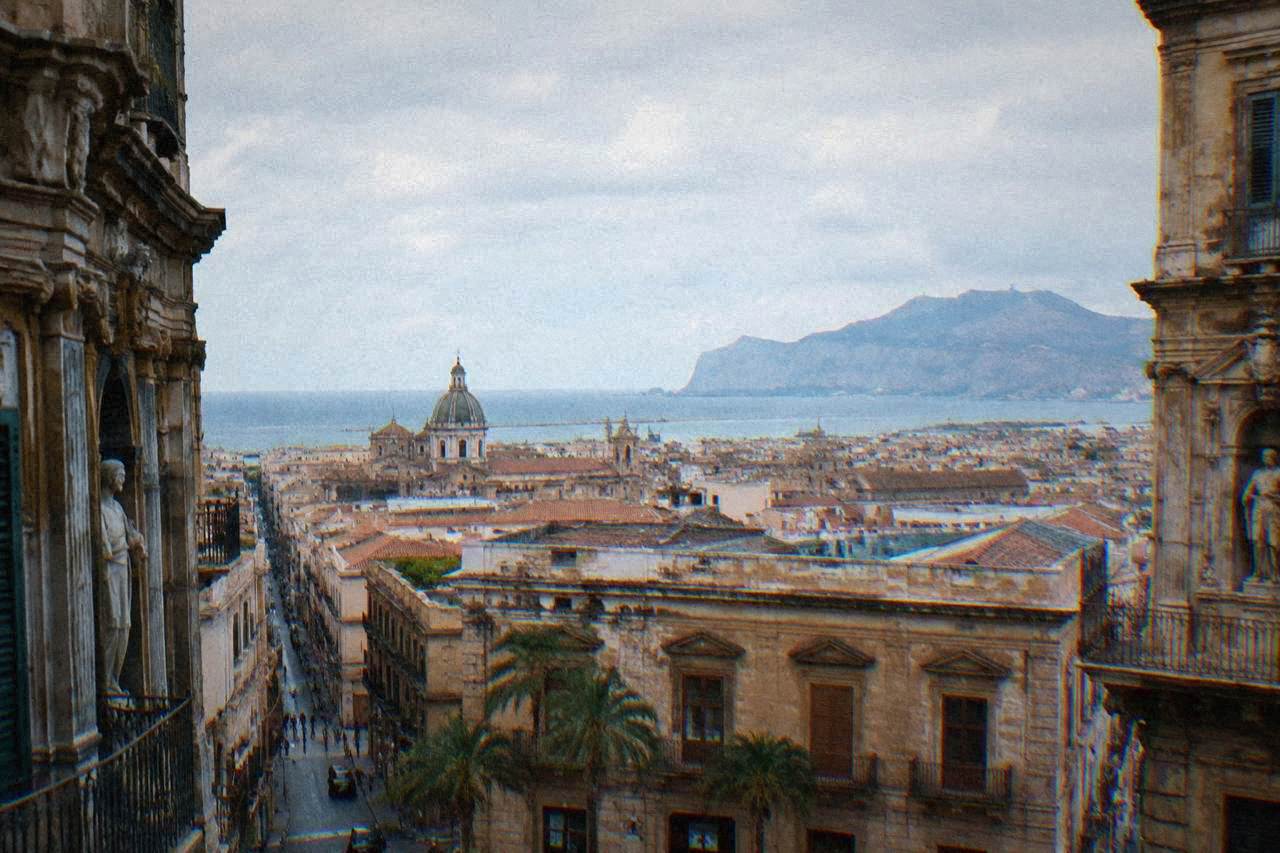
There is also a difference in scale that photographs hide. Taormina's core is a single walkable spine of a street with lanes off it. Palermo's historic centre is divided by the crossing of Via Maqueda and Corso Vittorio Emanuele at the Quattro Canti into four districts, the mandamenti of Capo, Albergheria, Kalsa and Loggia, as the municipal tourism page explains, and each of those four holds more monuments than a weekend can absorb.
What Kind Of City Is Palermo?
Palermo is Sicily's regional capital, a port city on the Gulf of Palermo with a UNESCO World Heritage inscription covering nine Arab-Norman monuments across the city, Monreale and Cefalù, listed since 2015. It layers a cathedral with royal tombs, a palace with a chapel of gold mosaic, street markets and a working opera house, and it is the transport hub for the whole west of the island.
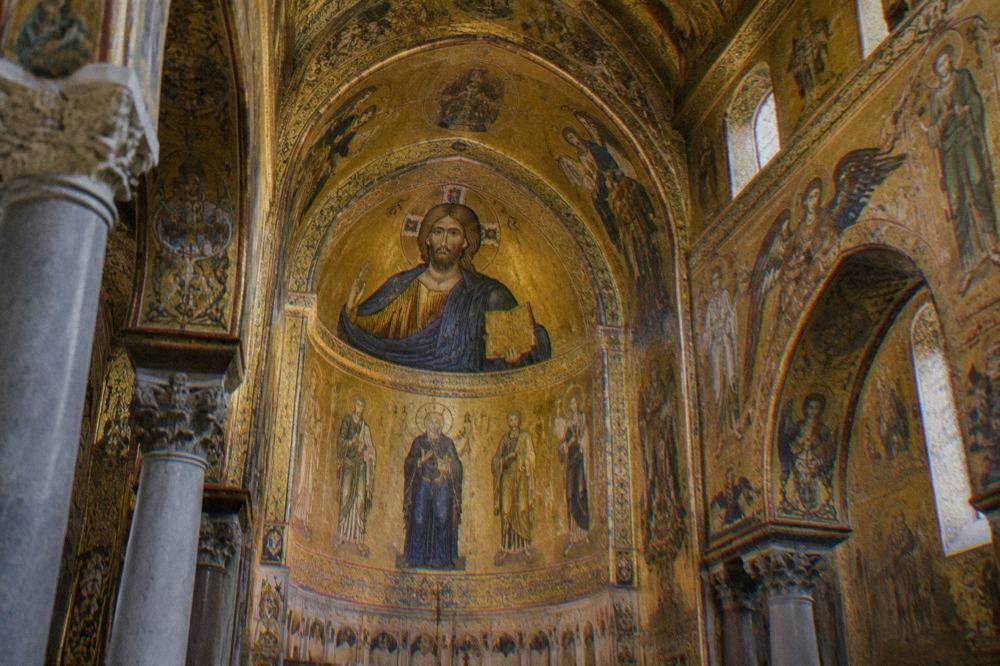
The UNESCO property, "Arab-Norman Palermo and the Cathedral Churches of Cefalu and Monreale", includes the Royal Palace and Palatine Chapel, the Zisa, Palermo Cathedral, San Giovanni degli Eremiti, La Martorana, San Cataldo and the Admiral's Bridge in the city, plus the cathedrals of Monreale and Cefalù. The Palazzo dei Normanni and the Cappella Palatina share a single ticket, 14.50 EUR full and 12.50 EUR reduced with the royal apartments included, on the official visit page, which also notes the apartments close on Tuesdays and Wednesdays when the regional parliament sits.
Want to walk those monuments with a guide? Book an UNESCO walking tour here.
The markets give Palermo a second life beyond the monuments. Ballarò, the Capo and the Vucciria are the three historic markets named on the municipal tourism portal, free to walk and open roughly from morning to evening, with Ballarò running Monday to Saturday and Sunday mornings. The city's food reputation rests on them: the Accademia della Crusca accepts both arancina and arancino, and notes Palermo and western Sicily say arancina, the round form. Tap water in the city is suitable for drinking according to AMAP, the municipal water utility.
What Kind Of Town Is Taormina?
Taormina is a small hilltown resort on Sicily's east coast, known for its ancient Greek theatre, its terrace views over the sea and toward Mount Etna, and its pebbly beach at Isola Bella, which the regional tourism board lists among Sicily's notable beaches. The regional archaeological park's page gives the theatre daily hours of 9:00 to 19:45 with last entry at 19:00, and the town's sights sit within a short walk of one another.
What Taormina offers is concentration. The theatre, the Corso and the viewpoints stack into a couple of streets, and the sea is reachable by cable car and path rather than by a flat promenade. The regional Visit Sicily pages single out the Isola Bella and Mazzeo area for Taormina, describing a pebbly islet in clear water within a nature reserve, which is a different beach proposition from Palermo's own sandy Mondello, the 1.5 km strand the municipal page calls the beach of the Palermitans.
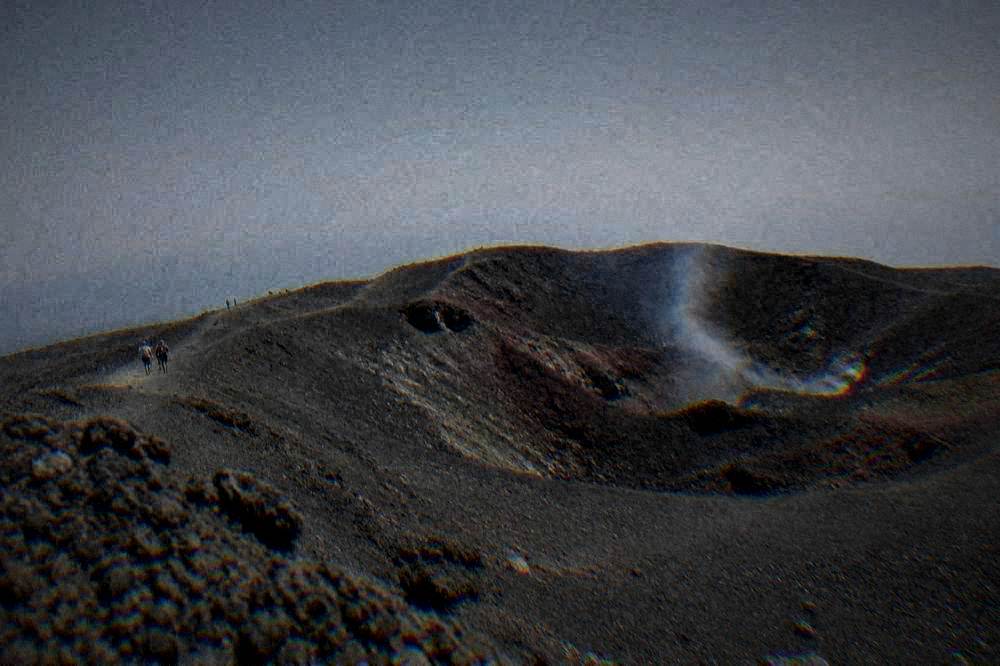
Taormina is also the east-coast base the guidebooks recommend for Etna itineraries, though Catania is closer to the volcano's main southern access at Rifugio Sapienza. The Etna cable car climbs from about 1,920 m to about 2,500 m on the operator's page, and access above about 2,500 m requires an authorised guide under current ordinances. From Palermo, the practical way to see both Etna and Taormina in one day is a organised excursion, and that is exactly what the full-day Etna and Taormina trip covers.
For a longer look at the head-to-head, the Palermo vs Taormina guide breaks the comparison down by traveller type, and the Taormina day trip guide covers the town's sights from a Palermo base.
Which Has The Better Sights And Museums?
Palermo wins on quantity and range, with the nine-part UNESCO inscription, a cathedral holding the tombs of Roger II, Constance of Arague and Frederick II, the Teatro Massimo with its 2026-27 season, and a string of civic museums. Taormina concentrates everything into one ancient theatre and a small historic core, which is precisely its appeal.
| Site in Palermo | Full ticket | Reduced | Source detail |
|---|---|---|---|
| Palazzo dei Normanni and Cappella Palatina | 14.50 EUR | 12.50 EUR | Royal apartments included; apartments closed Tue and Wed when parliament sits |
| Teatro Massimo guided tour | 14 EUR | 7 EUR under 26 | Family ticket 36 EUR; tours daily roughly 9:30 to 19:00 |
| Capuchin Catacombs | 5 EUR | 3 EUR | Tickets at the office only; photography prohibited |
| Monreale cloister (day trip) | 8 EUR | 4 EUR | Cathedral interior is a separate visit |
| Salinas Archaeological Museum | 7 EUR | 3.50 EUR | Closed Monday |
| Galleria d'Arte Moderna | 10 EUR | 8 EUR | Daily 9:30 to 18:30 |
Add the free layer and the balance tilts further: the Quattro Canti, Piazza Pretoria's exterior, the Foro Italico, Villa Giulia, Parco della Favorita and the markets cost nothing, and many state and regional museums are free on the first Sunday of the month, to be confirmed per site. Taormina's theatre is a single superb monument in a superb position, but the town does not attempt a museum district.
One planning note on Palermo: Palazzo Abatellis, the regional gallery, is closed or closing for about 18 months of climate-control works from mid-July 2026, with no reopening date confirmed, so check the regional museums site before counting it in an itinerary.
How Do You Travel Between Palermo And Taormina?
The Palermo to Taormina journey crosses the island and always takes most of a day by public transport: the train requires a change, typically at Messina Centrale, and there is no direct rail service, so Taormina works far better as a destination from Catania than from Palermo. From Palermo, the realistic options are an organised excursion, a long rail day or an overnight split between the two bases.
The Palermo to Taormina guide covers the routes in detail. The short version for this comparison: staying in Palermo and visiting Taormina as a day trip is possible and commonly sold as an excursion, but it consumes the whole day. Staying in Taormina and visiting Palermo by train is the same long journey in reverse. That asymmetry is why the question "which is nicer" is really a question about which airport you land at: Palermo's Falcone Borsellino airport serves the west, while Catania's airport serves the east, and the choice of base usually follows the flight.
Inside Palermo itself, transport is cheap and simple. The AMAT fares page lists 1.40 EUR for a 90-minute ticket, 1.80 EUR bought onboard, 3.50 EUR for a day and 8.00 EUR for three days across four tram lines and the bus network. The airport bus, Prestia e Comande, runs every 30 minutes and takes about 50 minutes to the centre at 6 EUR one way bought online, 6.50 EUR onboard. Taormina, by contrast, is mostly walked, with a cable car down to the beach and the regional railway station at Taormina-Giardini below the town.
Which Is Better For Food?
Palermo is the stronger food city by any objective measure the sources support: three named historic markets, a street food tradition the tourism portal documents at length, and a restaurant and market tour offer several times larger than Taormina's. Taormina eats well but eats like a resort, with a restaurant spine along the Corso rather than a market culture.
The Accademia della Crusca's ruling on arancina versus arancino is the emblem of how seriously western Sicily takes its food vocabulary, and Palermo's markets are where that culture is visible daily. Ballarò runs Monday to Saturday from the morning, with Sunday mornings as a lighter version; the Capo market runs mornings and closes Sunday; the Vucciria shifts from daytime market to evening street scene. Coperto, the cover charge, is legal anywhere in Italy when printed on the menu, and tipping is never obligatory: those are national rules, and they apply in both towns equally.
A guided walk is the efficient way into Palermo's food, and the Ballarò market street food tour in the picks above is built exactly for that. The site's own pages go deeper: the Palermo street food guide and the answer to what food is Palermo famous for cover the stalls, the sfincione and the panelle in detail.
Where Should You Actually Stay?
Stay in Taormina for a short, scenic, low-logistics break with Etna and a pebbly beach on the doorstep; stay in Palermo for a three to five day base with markets, UNESCO monuments and the whole of western Sicily within day-trip range, and the site's itinerary pages show how much fills those days. The stay-versus-visit question has its own full treatment, and the honest rule is that Taormina rewards staying while Palermo rewards exploring.
The one day in Palermo and three days in Palermo itineraries show the depth available in the capital, and the answer to how many days are recommended for a trip to Palermo puts a number on it. For the split decision itself, is it better to stay in Palermo or Taormina weighs the two directly. Safety questions come up too, and the official advisories for Italy, from both the US State Department and the UK FCDO, flag petty crime such as pickpocketing and bag-snatching around tourist sites and on public transport in Italian cities generally, with no distinction drawn between the two towns: the answer to is Palermo safe to travel to right now has the detail.
If the plan is a Palermo base with one eastward day, the Etna and Taormina excursion is the tour that answers this page's question most directly, covering the volcano and the town in a single organised day.
Common Questions About Palermo Or Taormina
Which is nicer, Palermo or Taormina?
Taormina is the more immediately scenic and compact stay, Palermo the larger and richer one. The answer depends on trip length and airport: short view-led breaks suit Taormina, longer market-and-monument trips with western Sicily day trips suit Palermo.
Is Taormina a good day trip from Palermo?
It is possible and widely sold as an organised excursion, but the journey crosses the island and the train requires a change, typically at Messina Centrale, so it is a full-day commitment rather than a quick hop.
Is Palermo bigger than Taormina?
Yes, by a wide margin. Palermo is Sicily's regional capital with 628,693 residents at 31 December 2024 per municipal statistics, while Taormina is a small hilltown resort whose core is walked in an afternoon.
Which has the better beach, Palermo or Taormina?
Palermo has sandy Mondello, the 1.5 km strand the municipal page calls the beach of the Palermitans, reachable by AMAT bus 806 in summer. Taormina has the pebbly Isola Bella area, a nature reserve cove reached by cable car and path, so the sandy-versus-pebble preference decides it.
Can you visit Mount Etna from Palermo?
Yes, by organised excursion or by a long self-guided day. The cable car climbs from about 1,920 m to about 2,500 m, and a guide is required above about 2,500 m under current ordinances.
Is one night enough in either place?
One night covers Taormina's core comfortably. Palermo needs more: the UNESCO sights, the markets and the day trips to Monreale and Cefalù fill three to five days on the site's own itinerary pages.
Taormina is the polished stage set above the sea, Palermo is the working capital with the markets, the mosaics and the road network of western Sicily behind it, and the flight you book decides which one you get to know first.