What Should I Not Miss In Palermo?
A planning answer to what not to miss in Palermo, covering the Palatine Chapel, Palermo Cathedral, the markets, Mondello and the day trips, with ticket and transport figures from official pages.
Palermo, the capital of Sicily on the north-west coast of Italy, holds 628,693 residents at the last municipal count, and a large share of what a first visitor comes for sits inside the four old districts that meet at the Quattro Canti: Capo, Albergheria, Kalsa and Loggia. The crossing of Via Maqueda and Corso Vittorio Emanuele, as the municipal tourism page explains, cut the old city into those four mandamenti, and nearly everything worth scheduling sits within a short walk of that crossroads or a bus ride away from it. The Palermo Italy Travel Guide covers each of these sights in deeper detail on its own pages.
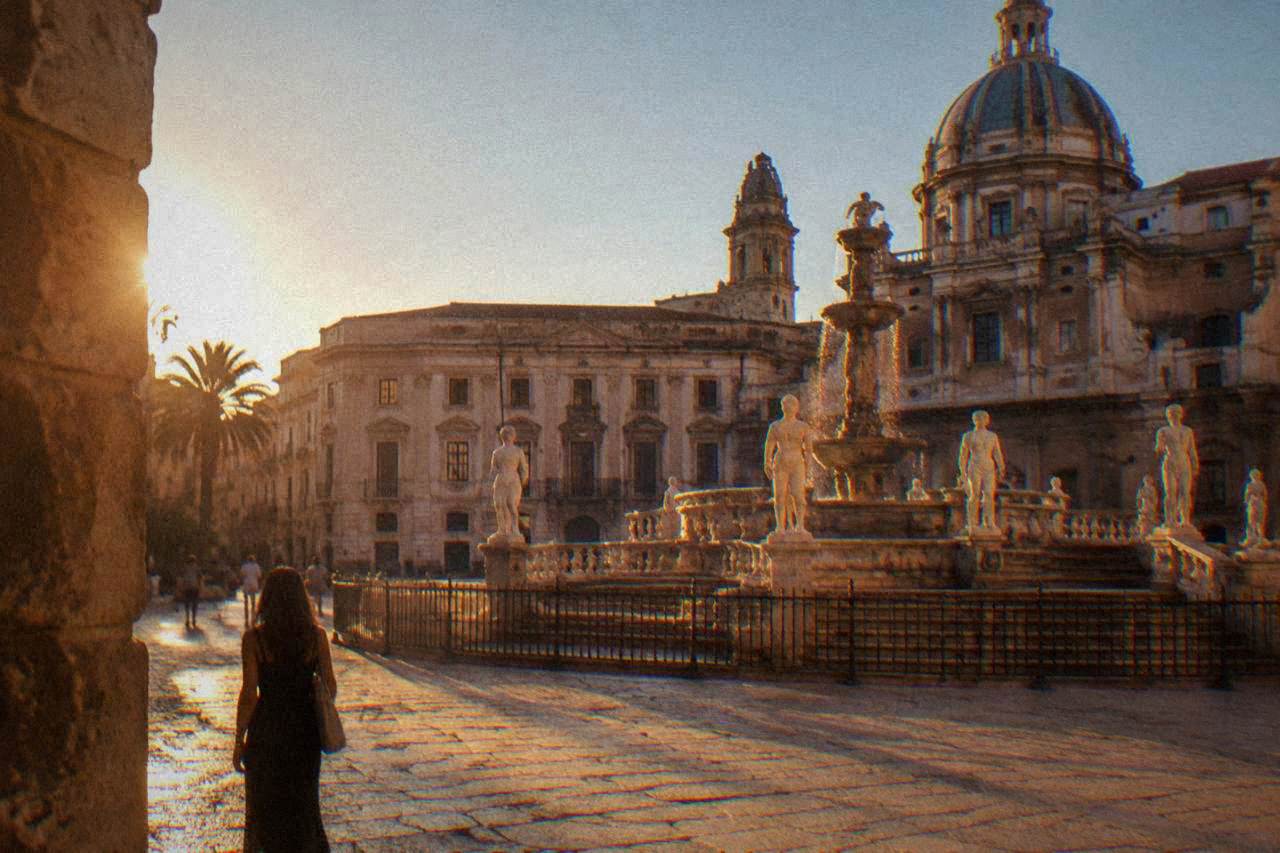
What Should I Not Miss In Palermo?
The four things not to miss in Palermo are the Palatine Chapel inside the Palazzo dei Normanni, the roof and royal tombs of Palermo Cathedral, the street markets of Ballarò and Capo, and a trip out to Mondello beach or Monreale. Together they cover the gold mosaic, the royal burial place, the food culture and the coast, which is what the city is known for. Each one is reachable on foot or with a single AMAT bus ticket.
That shortlist holds up against the official pages. The UNESCO listing inscribed in 2015, "Arab-Norman Palermo and the Cathedral Churches of Cefalu and Monreale", names nine components, and the Palatine Chapel, the Cathedral, San Giovanni degli Eremiti, La Martorana and San Cataldo all sit inside or beside the old centre. The markets appear on the municipal tourism portal as the historic markets of the city, and Mondello is described there as the beach of the Palermitans, a 1.5 km stretch of fine sand with equipped lidos. A visitor with only a day or two can hold to the centre; with three or more, the day trips start to pay off.
Depth matters less than order. The Palazzo dei Normanni and the Cathedral sit at opposite ends of the Albergheria and Kalsa districts, the markets thread between them, and the waterfront of the Foro Italico runs along the southern edge. Anyone unsure how long to give the city can start with the planning piece on how many days a Palermo trip needs and work backwards.
The Four Sights That Define A First Palermo Visit
The four defining sights are the Palazzo dei Normanni with the Cappella Palatina at 14.50 EUR full and 12.50 EUR reduced, Palermo Cathedral with its ticketed roof, royal tombs and treasury, the Quattro Canti crossroads, and the Teatro Massimo, whose guided tour is 14 EUR full and 7 EUR under 26. The chapel and the palace share one ticket, so they count as a single visit rather than two.
The Palazzo dei Normanni ticket page lists those two prices with the royal apartments included, open Monday to Saturday with last admission at 16:30 and Sunday mornings to 12:30. One planning detail the page carries and many guides drop: the royal apartments close on Tuesdays and Wednesdays when the regional parliament sits, so a midweek visitor who wants the full circuit should check the dated closure list before locking a day. The Cappella Palatina sits inside the same complex, not in a separate building.
The Cathedral is the other anchor. The official hours page confirms the monumental area, meaning the roof, the royal tombs, the treasury and the crypt, is ticketed, and directs readers to the cathedral's own ticket shop for the price, which the main page does not print. The tombs themselves are documented by the cathedral's own history pages: Roger II, Constance of Hauteville, Henry VI, Frederick II and Constance of Aragon. The same pages record that the Saracens turned the earlier church into a mosque in 831 and the Normans returned it to Christian worship in 1072, and that a Qur'an verse remains carved on a column of the southern porch. Readers deciding in advance can start with whether Palermo Cathedral needs tickets.
| Sight | What the official page gives | Planning note |
|---|---|---|
| Palazzo dei Normanni and Cappella Palatina | 14.50 EUR full, 12.50 EUR reduced, apartments included | Apartments closed Tue and Wed when parliament sits |
| Palermo Cathedral | Hours on the official page, monumental area ticketed, price at the ticket point or ticket shop | Nave is a working church, dress covered shoulders and knees |
| Teatro Massimo | Guided tour 14 EUR full, 7 EUR under 26, family ticket 36 EUR | Daily tours, roughly 9:30 to 19:00 |
| Quattro Canti, Piazza Pretoria, Foro Italico, Villa Giulia | Free, open public space | No ticket, no timed entry |
The Quattro Canti, the fountain of Piazza Pretoria, the Foro Italico seafront and Villa Giulia cost nothing, which makes them the natural glue between the ticketed sights. They also photograph best in the morning light, and the Foro Italico in particular is where the city faces its own gulf.
A guided walk is one way to sequence these without studying a map first. The three-hour UNESCO sites walking tour covers the listed components in the centre with a local guide, and tip-based history walks also run locally if a fixed itinerary feels too rigid, so confirm the details with the guide at the meeting point.
The mosaic question comes up often enough to settle here. No official figure exists for the surface area or the weight of gold in Monreale's mosaics, and the walls are described only as gold-ground glass mosaic. Anyone promising tonnage is guessing, and the cathedral itself is best approached the way its own pages present it: as a building that changed faith twice and kept the marks of both.
The Markets, The Street Food And The Waterfront
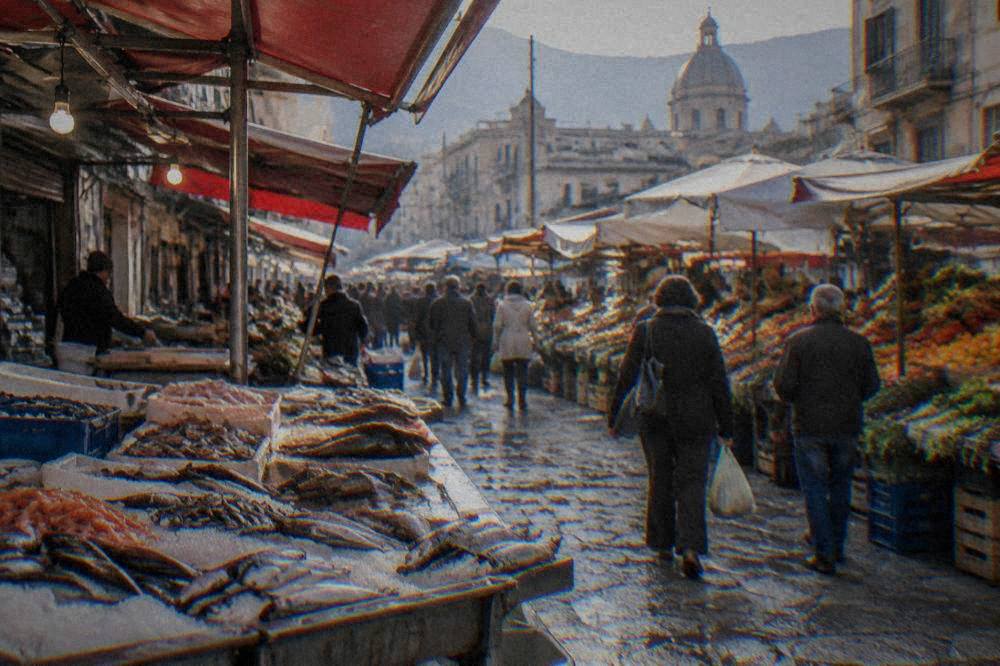
Ballarò, Capo and Vucciria are the three markets not to miss, and all are free to walk. Ballarò runs Monday to Saturday from about 7:30, with Sunday mornings, and the listing warns against treating any closing hour as fixed. The street food to try is the arancina, the Palermo form that the Accademia della Crusca accepts alongside Catania's arancino, plus sfincione, panelle and cannoli.
The market hours come from the municipal tourism page for Ballarò and from consistent listings for Capo, which trades in the mornings and closes Sunday. Tap water is drinkable, which the municipal water company AMAP states directly, so a bottle refilled at a fountain costs nothing between tastings. The food culture is the reason many people come at all, and the site's own page on what food Palermo is famous for breaks the dishes down dish by dish.
A market walk with a guide solves two problems at once: the ordering, and the history attached to the stalls. Guided food walks in the city include market tastings and historical commentary together, and the listings describe exactly what each one covers. Tasting fees and what a walk includes are shown on the operator's live listing, so check the room before booking rather than assuming.
Curious to taste the stalls without the guesswork? Book a guided food tour here.
The waterfront is the third strand of this section. The Foro Italico runs along the sea at the edge of the Kalsa, and the old harbour of La Cala sits a short walk west of it. From the port area the city also shows its other face, the sea itself, and a boat is the only way to see the coast between Palermo and Monte Pellegrino from the water. The shared boat tour with aperitif, snorkelling and a cave tour departs from the city waterfront; Check availability for the date before counting on a summer-only departure.
Is The Waterfront Or The Markets The Better Half-Day?
The markets are the better half-day for food, and the waterfront is better for light, space and photographs, so the honest answer is to split a day rather than choose. Ballarò and Capo trade in the morning, when the fish and the produce are out, while the Foro Italico and La Cala hold their appeal through the afternoon and into the evening. A morning in Capo followed by an afternoon on the seafront uses both at their best.
That rhythm also matches the transport. The markets sit inside the walking core, and the seafront edges it, so neither half-day needs a ticket beyond an AMAT single at 1.40 EUR if the legs tire. The day ticket at 3.50 EUR or the three-day MultiDay at 8.00 EUR, both on the AMAT fares page, covers the trams and buses that link the centre to Mondello and the stadium district.
One Coast Day And One Inland Day From Palermo
The two day trips not to miss are Monreale inland and Mondello on the coast. Monreale is 10.4 km and about 16 minutes by road from the Quattro Canti, with AMAT bus 389 from Piazza Indipendenza every 40 minutes on a 1.40 EUR ticket, and its cloister costs about 8 EUR full and 4 EUR reduced. Mondello is 13.9 km and about 27 minutes by road, served by AMAT summer line 806.
The Monreale figures come from the AMAT line page and the CoopCulture listing for the cloister, and the cloister and the cathedral are separate visits, not one ticket. The bus runs 47 times a day in each direction under the current municipal convention, first departure from Piazza Indipendenza at 5:25, which makes it practical without a car. Details on getting there are collected on the page about getting from Palermo to Monreale Cathedral.
Mondello is the beach of the Palermitans in the municipal description, 1.5 km of fine sand with equipped lidos and cabins, and the villas in Liberty style noted on the same page. Free public stretches run alongside the paid lidos; the Italo Belga area ran a low-cost access at 6 EUR in the 2026 season, but its concession is in a legal dispute, so check locally before planning around it. No Palermo-area beach holds a 2026 Blue Flag, and the site's page on whether Mondello beach is worth visiting covers the trade-offs honestly.
| Destination | Road distance and free-flow time from the Quattro Canti | Public transport figure |
|---|---|---|
| Monreale | 10.4 km, about 16 min | AMAT 389, about every 40 min, 1.40 EUR |
| Mondello | 13.9 km, about 27 min | AMAT summer line 806 |
| Cefalu | 71.5 km, about 65 min | Train about 40 to 60 min, hourly |
| Segesta | 76.2 km, about 64 min | Segesta Autolinee routes, timetable on the operator page |
| Agrigento, Valley of the Temples | 129 km, about 136 min | Direct regional train, about 2 hours |
| Erice | 112.2 km, about 96 min | Bus to Trapani, then the Erice cable car at 9 EUR one way, 15 EUR return |
Cefalu deserves its own line in any not-miss conversation, because the train makes it nearly frictionless: about 40 to 60 minutes direct from Palermo Centrale, with 19 to 24 trains a day, and cathedral entry is free, with paid tower and museum itineraries at 10 and 13 EUR. The question of whether Cefalu is a good day trip from Palermo is answered in full on its own page. Farther afield, Segesta costs 14 EUR full and 7 EUR reduced, the Valley of the Temples 14 EUR and 7 EUR open 8:30 to 20:00, and the Etna cable car climbs from about 1,920 m to about 2,500 m, above which a guide is required.
How To Fit Palermo Into Two Or Three Days
Two days cover the palace and chapel, the Cathedral, one market and the Quattro Canti core, with an evening at the Teatro Massimo or the Vucciria. Three days add Monreale and either Mondello or Cefalu, and a fourth day opens the far trips such as Agrigento or Etna. The pattern that works is one ticketed anchor per morning, markets and squares in between, and the coast or the hill town on the spare day.
Practical rules keep the plan intact. The AMAT fares page gives 1.40 EUR for 90 minutes, 3.50 EUR for a day and 8.00 EUR for three days, with tickets bought before boarding and validated at once. The tourist tax applies to non-residents for a maximum of 4 consecutive nights, charged per night by accommodation category, about 3 to 5 EUR in hotels and 4 EUR in short-term rentals from 1 July 2025, and it is collected by the accommodation, so confirm it at booking. Tap water is drinkable, coperto is legal when printed on the menu, and tipping is not obligatory.
Safety framing should come from the advisories, not from folklore. The US State Department's September 2026 advisory notes that petty crime such as pickpocketing and bag-snatching is common in popular tourist locations and on public transport, and the UK FCDO says the same about city centres and major attractions; the practical response is a zipped bag held in front on crowded buses, not a list of districts to avoid. The site's page on whether Palermo is safe to travel to right now carries the detail.
For a trip built around the sea rather than the mosaics, the coast day can be swapped for a boat: a catamaran, a Mondello and Capo Gallo cruise or a cave tour all run from the city waterfront in season, and the operators' own listings describe the routes, stops and what is served on board. For a trip built around archaeology, the Villa Romana and Valley of the Temples excursion covers two of Sicily's major sites in one coach day, which the site's Agrigento pages unpack stop by stop.
Whatever the mix, keep one evening free for the Teatro Massimo. The 2026-27 season opens on 22 November 2026 with Samson et Dalila, and Falstaff follows in May 2027 for the theatre's 130th anniversary, so a winter or spring trip can pair the gold of the Palatine Chapel with an opera house still running its full calendar. Book the tour, or the ticket, and let the rest of the list flex around it.
Common Questions About What Not To Miss In Palermo
What should I not miss in Palermo?
The Palatine Chapel, Palermo Cathedral's roof and royal tombs, the Ballarò and Capo markets, the Quattro Canti and Foro Italico, and one trip out, either Monreale or Mondello. That set covers the mosaics, the royal burials, the food and the coast, and all of it fits inside two full days with a third for the trip out.
What should I not miss in Palermo if I only have one day?
One day should hold the Palazzo dei Normanni and Cappella Palatina in the morning, the Cathedral and the Quattro Canti around midday, and Ballarò or Capo in the early afternoon, closing with the Foro Italico at dusk. The Teatro Massimo guided tour can replace the market walk for anyone keener on opera than street food.
Is Palermo Cathedral free to enter?
The official hours page confirms the monumental area, the roof, royal tombs, treasury and crypt, is ticketed, and the price is shown at the ticket point or on the cathedral's ticket shop rather than on the main page. The nave is a working church, and visitors should dress with covered shoulders and knees.
Do I need a car for the day trips from Palermo?
No. Monreale is served by AMAT bus 389 about every 40 minutes on a 1.40 EUR ticket, Cefalu by a direct train taking about 40 to 60 minutes, and Agrigento by a direct regional train of about 2 hours. Segesta and Erice need bus operators' own timetables, and guided coach excursions cover the far combinations such as Etna and Taormina.
What is the best month to visit Palermo?
The climate table, modelled 1991 to 2020 normals, shows July and August as the warmest months at 26.2 and 26.8 C mean, with July the driest at 7 mm and October the wettest at 81 mm. May, June and September sit between 19.1 and 23.4 C with modest rainfall, which suits a plan built around walking. The Festino of Saint Rosalia runs each July, 10 to 15 July, with the main events on 14 and 15 July.
