Can I Drink Tap Water In Palermo?
A clear answer on whether Palermo's tap water is safe to drink, what the water utility reports, how it tastes, and how to handle water on restaurant tables and day trips.
Palermo, the coastal capital of Sicily on the Tyrrhenian Sea, has a straightforward answer to one of the most common questions travellers ask before arriving: the tap water is drinkable. AMAP, the utility that runs the city's water supply, states publicly that the water distributed in Palermo is suitable for human consumption and of good quality, meeting the applicable standards, with monitoring carried out on an ongoing basis. That single official statement settles the core question for a normal visitor, and everything else on this page is about the details: taste, restaurants, bottle refills, and day trips beyond the city.
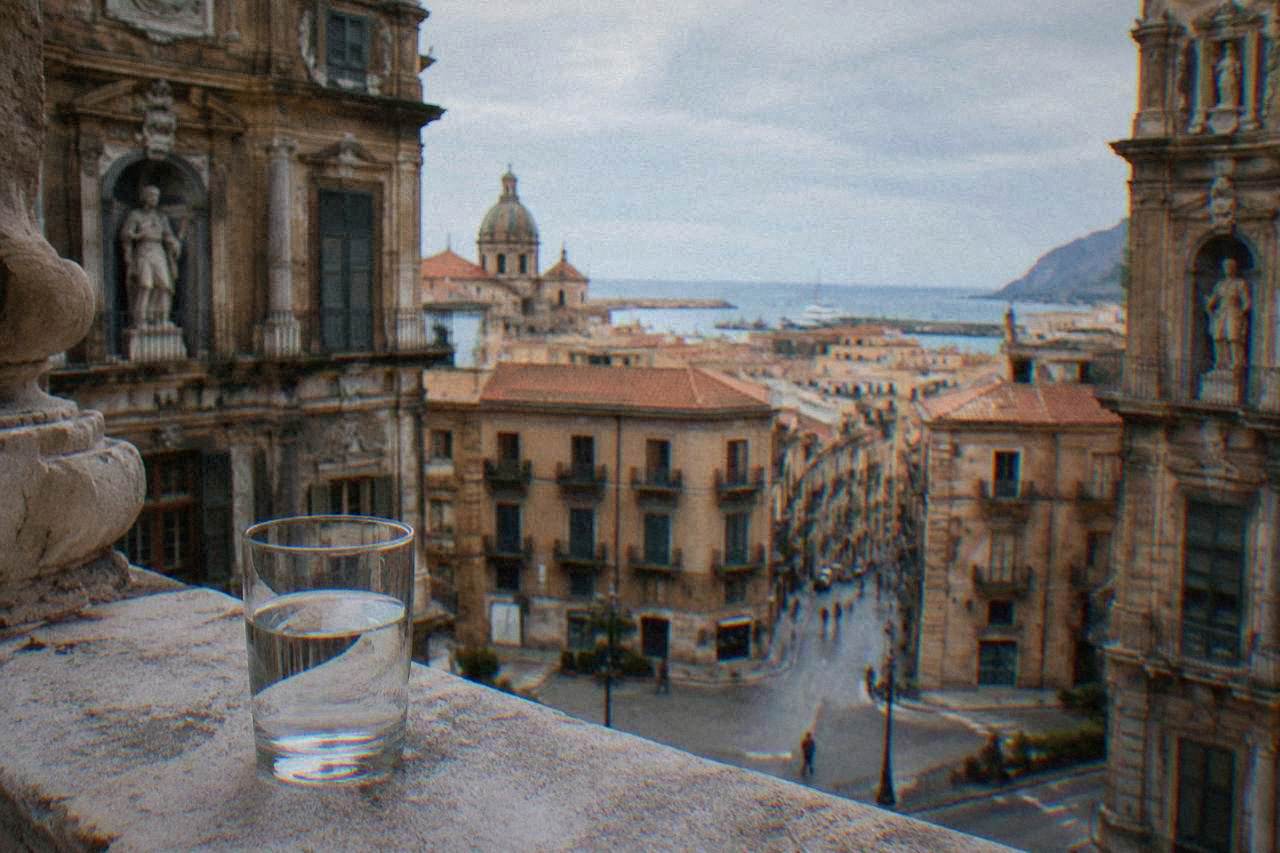
Can I Drink Tap Water In Palermo?
Yes, tap water in Palermo is suitable for drinking, according to AMAP, the utility that distributes the city's water. AMAP states that the water it supplies is of good quality, meets the required standards, and is fit for human consumption, with ongoing monitoring of the network. Drinking from the tap in a hotel, apartment or restaurant in Palermo is therefore a normal and safe choice.
The supporting statement comes from the utility itself. AMAP's published communications on water quality, including notices confirming potability, say the water distributed to the city is "idonee al consumo umano", suitable for human consumption, and that checks continue across the network. That is the standard a visitor needs: an official supplier confirming the water meets drinking requirements rather than a secondhand claim.
Nothing about this depends on the season or the neighbourhood within the city. The utility's statement covers the distributed supply as a whole. If a specific building has an internal plumbing issue, a rare event anywhere, the accommodation host is the person who will know, so a quick word at check-in answers that for the room you actually have.
Who Supplies Palermo's Water And What Do They Report?
Palermo's public water supply is run by AMAP, the municipal water company, which reports on the quality of the water it distributes and confirms it is fit for consumption. AMAP publishes communications on its water quality, including a water identity profile, and states that monitoring of the distributed supply is ongoing. Its potability notices are the primary official source for the city.
AMAP's public pages carry the utility's own quality statements, including the notice confirming that the water supplied to the city's users is potable, confirmed with the local health authority, and a "Carta d'identita dell'acqua", a water identity document that describes the characteristics of what comes out of the tap. For a traveller, the practical takeaway is that there is a named, accountable supplier publishing quality information, not a vague reassurance.
Rainfall matters to the supply even when it does not change potability. The climate table for Palermo, modelled ERA5 normals for 1991 to 2020, shows October as the wettest month at 81 mm and July the driest at 7 mm, with 626 mm across the year. A city that collects winter rain and serves it through a monitored network is the system AMAP is reporting on.
| Question | Answer | Basis |
|---|---|---|
| Is Palermo tap water safe to drink? | Yes | AMAP states the distributed water is suitable for human consumption |
| Is the supply monitored? | Yes, ongoing checks | AMAP quality communications |
| Does quality vary by season? | No seasonal restriction stated | AMAP's statement covers the distributed supply |
| What if a building has old pipes? | Ask at check-in | Host knows the specific property |
Does The Tap Water In Palermo Taste Different?
Palermo's tap water is safe, but taste is a separate matter, and tap water on a Mediterranean island can taste more mineral or more treated than a visitor expects. AMAP confirms potability, not a particular flavour, so the honest answer is that safety is settled while taste is personal. Bottled still and sparkling water is sold everywhere, and ordering it at the table is a normal local habit rather than a safety precaution.
In practice, plenty of residents drink the tap water and plenty order bottled water in bars and restaurants, and both are ordinary choices. Sparkling water, frizzante, is a fixture of Italian tables and its popularity has nothing to do with tap safety. If you dislike the taste of the tap water in your room, a bottle from any of the markets or corner shops solves it without any implication about quality.
For everyday uses beyond drinking, there is nothing to think about. Brushing teeth with tap water, ice cubes made in the accommodation's freezer, and washed fruit from the market are all covered by the same potability statement. Nobody needs to buy bottled water for brushing teeth in Palermo.
Can I Refill A Water Bottle Around Palermo?
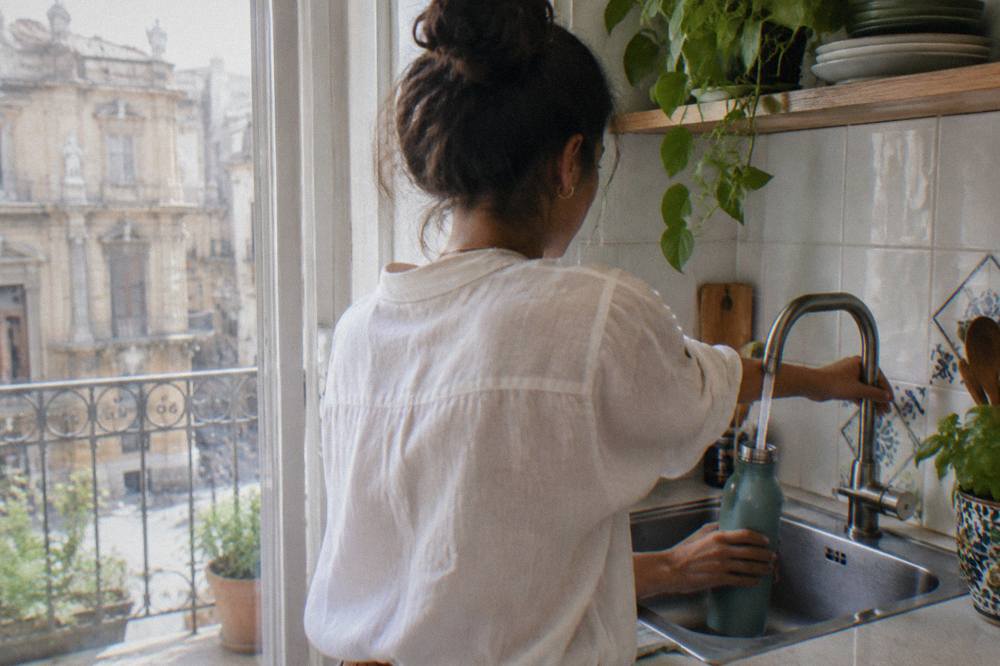
Refilling a bottle at your accommodation's tap is free and safe in Palermo, since AMAP's potability statement covers the distributed supply. Public drinking fountains exist in Italian cities, but the site's information does not confirm which specific fountains in Palermo are potable-fed at any given moment, so treat a street fountain as refillable only when it is clearly marked or locally confirmed. The tap in your room is the dependable refill point.
Carrying a bottle makes sense in a city where the summer months are warm: the climate table shows July at a mean of 26.2 C and August at 26.8 C, modelled 1991 to 2020. A refillable bottle filled at the hotel or apartment each morning is the cheap and simple routine. On day trips the same rule applies: ask at the ticket desk or bar, since a marked tap or a cafe happy to fill a bottle is easy to find and removes any guessing. The full index of guides sits on Palermo Italy Travel Guide.
What About Water In Restaurants And The Coperto?
In Palermo restaurants, ordering tap water is not the local norm, and bottled water is usually what arrives, but the tap water itself remains drinkable. The coperto, the cover charge, is legal in Italy only when printed on the menu beforehand, and tipping is not obligatory, so check the itemised bill. Nothing about the water supply makes restaurant water unsafe.
The coperto rule is worth knowing alongside any table discussion. National rules allow the cover charge when it is clearly listed in advance, typically a few euro per person, and it covers bread and table service. If you ask for tap water instead of bottled, expect the request to be handled differently from place to place, and the safest planning assumption is that bottled water will be on the bill unless you asked otherwise and it was agreed.
Days built around long guided visits, like a temples-and-mosaics day trip to Agrigento or a combined Monreale and Cefalu excursion, are days when a filled bottle matters, and the answer above travels with you: ask before refilling from an unmarked source outside the city.
Is The Water Safe On Palermo's Day Trips?
Day-trip destinations from Palermo, including Monreale, Cefalu, Segesta and Agrigento, are served by public water networks in Sicily where tap water is generally treated, but this page's official statement covers the city of Palermo specifically. The dependable habit is to fill your bottle in Palermo before leaving, and to buy bottled water at stations and sites rather than drinking from unmarked sources on the road.
The distances involved make packing water sensible regardless of potability. By road from Quattro Canti, Monreale is about 16 minutes away, Cefalu about 65 minutes, Segesta about 64 minutes and Agrigento's Valley of the Temples about 2 hours 16, so a hot afternoon on an archaeological site with no shade is the scenario to plan for. Cefalu's beach and Monreale's cloister are pleasant in any season, but the sites themselves are open and exposed, and a bottle filled from a Palermo tap in the morning covers the whole loop.
The Valley of the Temples pairs naturally with the Villa Romana del Casale on a longer itinerary, and a guided option such as the Agrigento Valley of the Temples and Villa Romana del Casale tour from Palermo handles the transfers while you carry only what you need. Read more about planning that route in the guide to Agrigento and the Valley of the Temples.
Does Bottled Water Cost More Than Tap Water In Palermo?
Bottled water in Palermo costs money and tap water costs effectively nothing, which is the whole economics of the question, and no verified price for a bottle is printed here because shop prices vary. The tap is drinkable per AMAP, so bottled water in Palermo is a taste and convenience purchase, not a health purchase, and a refillable bottle is the budget-friendly choice for a stay of any length.
Travellers watching costs can treat this as one of the easiest savings in the city. The same logic applies to coffee standing at a bar versus sitting at a table, a classic Italian price difference, and to the markets, where seasonal produce is priced openly. For budget planning in general, see is Palermo expensive to visit, and for what the city is known for beyond the practicalities, start with what Palermo is best known for.
| Use | Safe With Palermo Tap Water? | Note |
|---|---|---|
| Drinking | Yes | AMAP confirms the distributed supply is potable |
| Brushing teeth | Yes | Same supply, same statement |
| Ice from your accommodation's freezer | Yes | Made from the same tap |
| Washing market fruit | Yes | Standard practice |
| Unmarked street fountains | Confirm locally | Not individually confirmed by the sources here |
Common Questions About Drinking Water In Palermo
Can I drink tap water in Palermo?
Yes. AMAP, the utility that distributes Palermo's water, states that the water is suitable for human consumption and of good quality, with ongoing monitoring of the network.
Does Palermo tap water taste good?
Safety and taste are separate questions. The water is potable per AMAP, but taste is personal and tap water in a Mediterranean city can taste more mineral than expected. Bottled still and sparkling water is sold everywhere.
Can I ask for tap water in Palermo restaurants?
You can ask, but bottled water is the norm at Italian tables, so expect it unless you request otherwise. The coperto cover charge is legal only when printed on the menu beforehand.
Is the ice in Palermo safe?
Ice made from the municipal supply in your accommodation is covered by AMAP's potability statement. Ice in bars comes from the same treated networks and standard commercial supplies.
Can I drink the water on day trips from Palermo?
Fill your bottle in Palermo before leaving, since the confirmed statement covers the city's supply. At sites such as Segesta, Cefalu and Agrigento, buy bottled water at stations, bars and ticket areas rather than drinking from unmarked sources.
Palermo sits on the coast with Monte Pellegrino at its back and a monitored water network under its streets, so the glass you pour at the apartment tap is the same water the utility reports on. Fill the bottle, check the menu for the coperto, and spend the saved euros on something from the street food stalls Palermo is famous for instead.
