How Long In Segesta?
How much time a Segesta day trip from Palermo really takes, what the temple and theatre hold, and how to plan the visit around the site's seasonal hours.
Segesta, the ancient site in the hills of western Sicily that sits within easy day-trip range of Palermo, rewards a slow visit rather than a rushed one. The regional archaeological park that runs it publishes seasonal opening hours, and those hours shape how long a visit can physically be. The temple and the hilltop theatre are the two anchors, the walk between them is part of the experience, and the surrounding valley views are the reason photographers time their arrival for late afternoon light.
How Long In Segesta?
Plan on two to three hours inside the archaeological park, which is enough to see the temple, walk or ride up to the theatre, and take in the views without hurrying. The regional parks authority sets seasonal hours that shorten winter days considerably, so the season you travel in decides whether a relaxed half day is possible or whether the visit compresses into a tighter window.
That two to three hour window is a planning range for the site itself, not a rule. Anyone combining Segesta with Erice or the Trapani salt pans in a single day should treat the Segesta leg as roughly half of the day's total. The dedicated Segesta day-trip guide on this site breaks the full itinerary down stop by stop.
The seasonal schedule published by the regional parks authority matters more here than at a city museum. In the deepest winter months the ticket office closes in the mid afternoon, while from late March to the end of September it stays open into the early evening, which allows an arrival after the day-trip crowds have thinned. Check the current hours on the park's own page before locking in a departure time from Palermo, because the boundaries between seasonal blocks fall on fixed calendar dates that may or may not suit your travel dates.
How Much Time Should You Allow For The Temple And The Theatre?
Allow about 30 to 45 minutes at the temple itself and a similar stretch at the theatre, plus the time to move between them, which is a real uphill walk on a footpath if you do not use the shuttle. The two monuments sit at different levels of the same hill, and the transition between them, not the monuments alone, is what stretches a quick stop into a half-day visit.
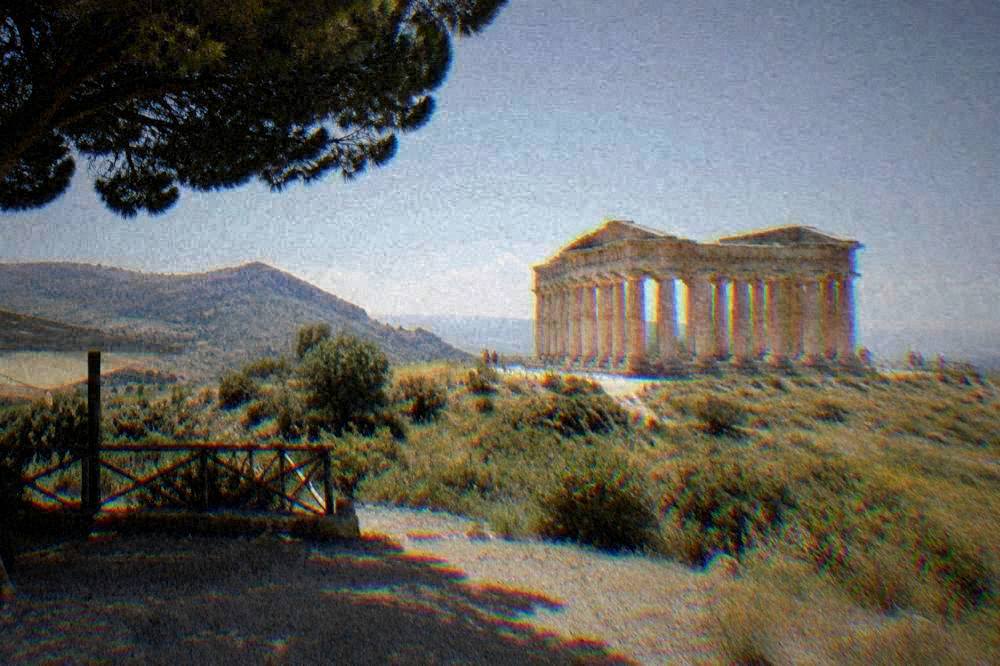
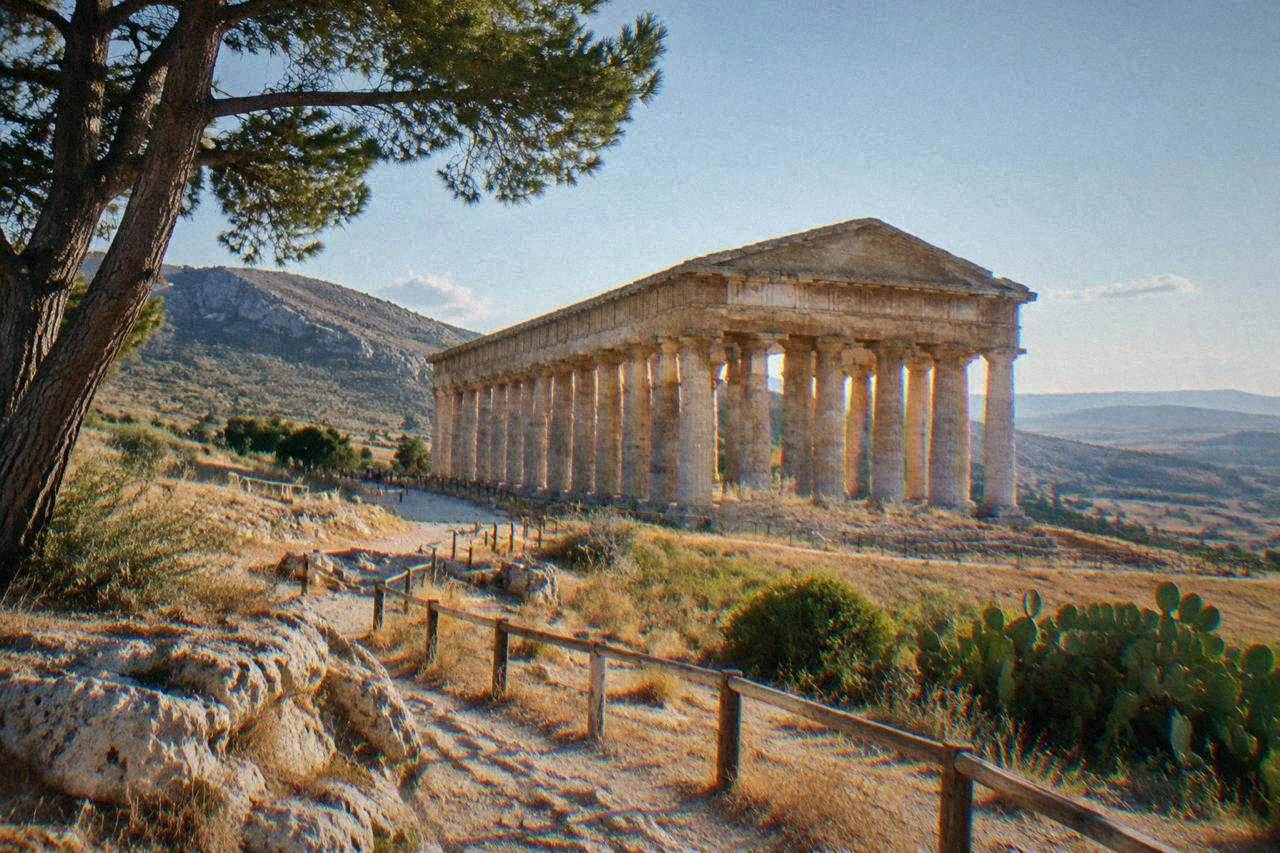
The temple stands on a low knoll close to the entrance area and is visible from the approach road, which is why it becomes the first stop for nearly every visitor. Its columns are complete on the perimeter, and you can circle the whole structure at close range. This page stays with what a visitor sees: a peristyle of columns on a stepped base, open to the sky, with the hillside falling away behind it.
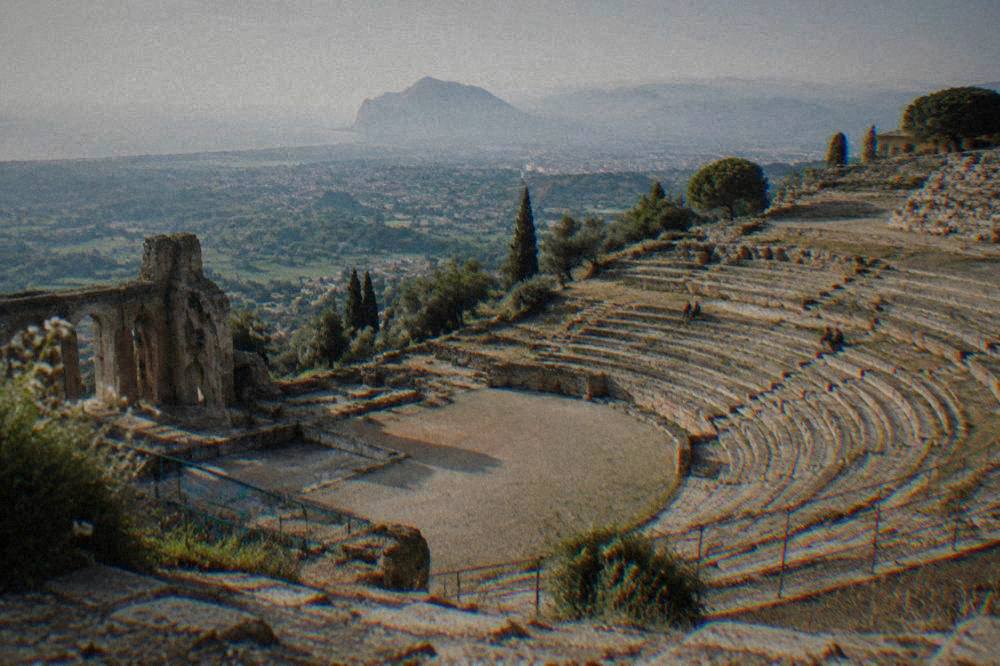
The theatre is the second half of the visit. It sits high on the flank of Monte Barbaro, and reaching it means either the site's shuttle service or a sustained uphill walk. The auditorium looks out over the valley, and the seating is cut into the slope in the classical manner. Visitors with limited mobility should confirm shuttle availability with the park before arrival, since the walking alternative is steep. Once at the top, the theatre and its panorama justify the climb, and the return walk downhill is faster than the ascent.
| Part of the site | What you see | Time to allow |
|---|---|---|
| Doric temple | Complete perimeter colonnade on a stepped base, open hillside setting | About 30 to 45 minutes |
| Theatre on Monte Barbaro | Hillside auditorium cut into the slope, wide valley views | About 30 to 45 minutes |
| Transfer between the two | Shuttle ride or steep footpath uphill, easier walk down | About 15 to 30 minutes |
| Sanctuary and scattered remains | Lower walls and outlines near the temple area | About 15 to 20 minutes |
Add the four rows together and the arithmetic behind the two to three hour planning range becomes obvious. Cut the sanctuary, ride the shuttle both ways, and the visit compresses toward two hours. Walk up, linger at the theatre, and it stretches past three.
What Can You See At Segesta In Half A Day From Palermo?
Half a day is the realistic minimum for a Segesta trip from Palermo, because the site visit of two to three hours sits inside a longer round journey through western Sicily's inland roads. The half-day frame covers arrival, the temple, the theatre and a relaxed departure, while anything shorter risks arriving at the ticket office with the winter closing time already in sight.
Palermo is the natural base for this trip, and the city's own sightseeing fills the other half of any day built around Segesta. A common pattern keeps the morning for the old centre, the markets or a guided walk, and moves the afternoon to the archaeological park during the long summer season when the ticket office stays open into the evening. In winter the order reverses, with Segesta first while the hours hold and the city afterwards, since Palermo's churches, museums and covered markets keep going after dark. The one day in Palermo itinerary pages on this site help with the city half of that split.
A second pattern pairs Segesta with a second western destination in one long day. Erice, Trapani and the salt pans are the classic companions, all reached through the same western corridor from Palermo, and organised excursions exist that chain them together. The listing for the Segesta, Erice and Salt Pans excursion covers exactly that route with transport included, which matters because the public-transport alternative between these places is thin and the site's own hours punish a late start. Check availability
How Do You Get To Segesta From Palermo?
Segesta is reached from Palermo by road, either on an organised excursion, by rental car, or by regional bus services that run toward Trapani, and the site sits inland among hills rather than on the coast. There is no rail line to the site, so every option is a road journey, and the practical difference between them is flexibility rather than speed.
Driving gives the most control over arrival time, which matters because of the seasonal ticket-office hours. The approach roads are rural, and the final stretch climbs through farmland before the temple appears. The getting around Palermo page covers the city-side transport that gets you to the departure points.
Driving yourself puts the timing in your hands. Book a rental car here.
The organised-excursion route solves the connection problem entirely, since the coach does the driving while the guide handles timing. For visitors who prefer independent travel, the same trip works with a hire car booked from Palermo or the airport, with the usual caveats about narrow local roads and checking parking arrangements at the site entrance.
When Is The Best Time Of Day To Visit Segesta?
The best time of day is the late afternoon in the long season, when the ticket office stays open into the early evening and the low sun lights the temple columns from the west, while in winter the only safe plan is a morning arrival, because the ticket office closes in the mid afternoon and the short daylight works against you.
The seasonal hours published by the regional parks authority define the whole question. From late March through the end of September the site keeps long hours, and an afternoon arrival after the excursion coaches have moved on gives the temple and theatre a calmer feel. From November through February the ticket office closes by mid afternoon and the park shuts shortly after, so a visit that starts after lunch in Palermo risks arriving too late. The shoulder months of March and October sit between the two blocks, and the park's own page is the place to confirm which block your exact dates fall into.
Midday in high summer deserves a caution. The site is exposed hillside with limited shade, the walk to the theatre is steep, and the theatre itself offers little protection from the sun. Water, closed shoes and a hat are the standard kit. Early morning and late afternoon both avoid the worst of it, and late afternoon has the photographic advantage on top. The climate table for Palermo, modelled 1991 to 2020 normals, shows July as the driest month of the year at 7 mm of rain, which is worth knowing when planning any exposed hillside visit in Sicilian summer.
Is Segesta Worth Combining With Erice Or Trapani?
Yes, Segesta combines naturally with Erice, Trapani and the salt pans because they share the same western corridor from Palermo, and a single long day covers all three at a steady pace, with Segesta first while energy and, in winter, daylight hold, followed by Erice's hill town and the salt pans toward sunset.
The logic of the combination is geographic. Segesta lies on the inland route west, Erice sits on its mountain above Trapani, and the salt pans stretch along the coast road beyond, so the sequence Segesta, Erice, salt pans forms a loop with almost no backtracking. Doing Segesta alone is rewarding but leaves the western drive feeling unfinished, while adding the second and third stops fills a full day without rushing any of them. Visitors weighing Segesta against Sicily's other big archaeological day trip can compare it with the Valley of the Temples timing question, which runs to the south of Palermo and needs its own long day.
For independent travellers, the combination demands an early start and a clear plan for the last leg back to Palermo after dark. For everyone else it is the strongest argument for an organised day, since the operator's listing covers the full chain of stops and the driver handles the evening return. The Palermo Italy Travel Guide holds a full page on Segesta itself for readers who want the site's monuments in detail before committing a day.
Common Questions About Visiting Segesta From Palermo
How long in Segesta?
Allow half a day door to door from Palermo, and a full day if you combine Segesta with Erice and the salt pans.
Is Segesta a full-day trip from Palermo?
It becomes a full day when combined with Erice, Trapani or the salt pans along the same western corridor.
Can you walk from the temple to the theatre at Segesta?
Yes, a footpath links the two, and the climb to the theatre on Monte Barbaro is steep and exposed. A shuttle also runs between the levels, and visitors with mobility concerns should confirm its availability with the park before arrival.
What are Segesta's opening hours?
The regional parks authority publishes seasonal blocks: shorter winter hours with the ticket office closing in the mid afternoon, and longer hours from late March to the end of September. Confirm the current block on the park's own page before you set the day's schedule.
When should you visit Segesta to avoid the heat?
In the long season, late afternoon works best, with long hours and low western light on the temple. In winter, go in the morning, because the ticket office closes in the mid afternoon and the site is exposed hillside with little shade at any hour.
Plan around the seasonal hours, choose the morning or the late afternoon rather than midday, and the timing question answers itself.